Sattu Paratha Recipe: A Nutritious Bihari Special Loved Across India
Sattu Paratha is a classic Bihari delicacy made with roasted gram flour stuffing, spices, and mustard oil. Nutritious, earthy, and filling, it’s a wholesome Indian flatbread enjoyed with curd, pickle, or chokha. Discover its authentic recipe, pro tips, health benefits, and delicious variations.

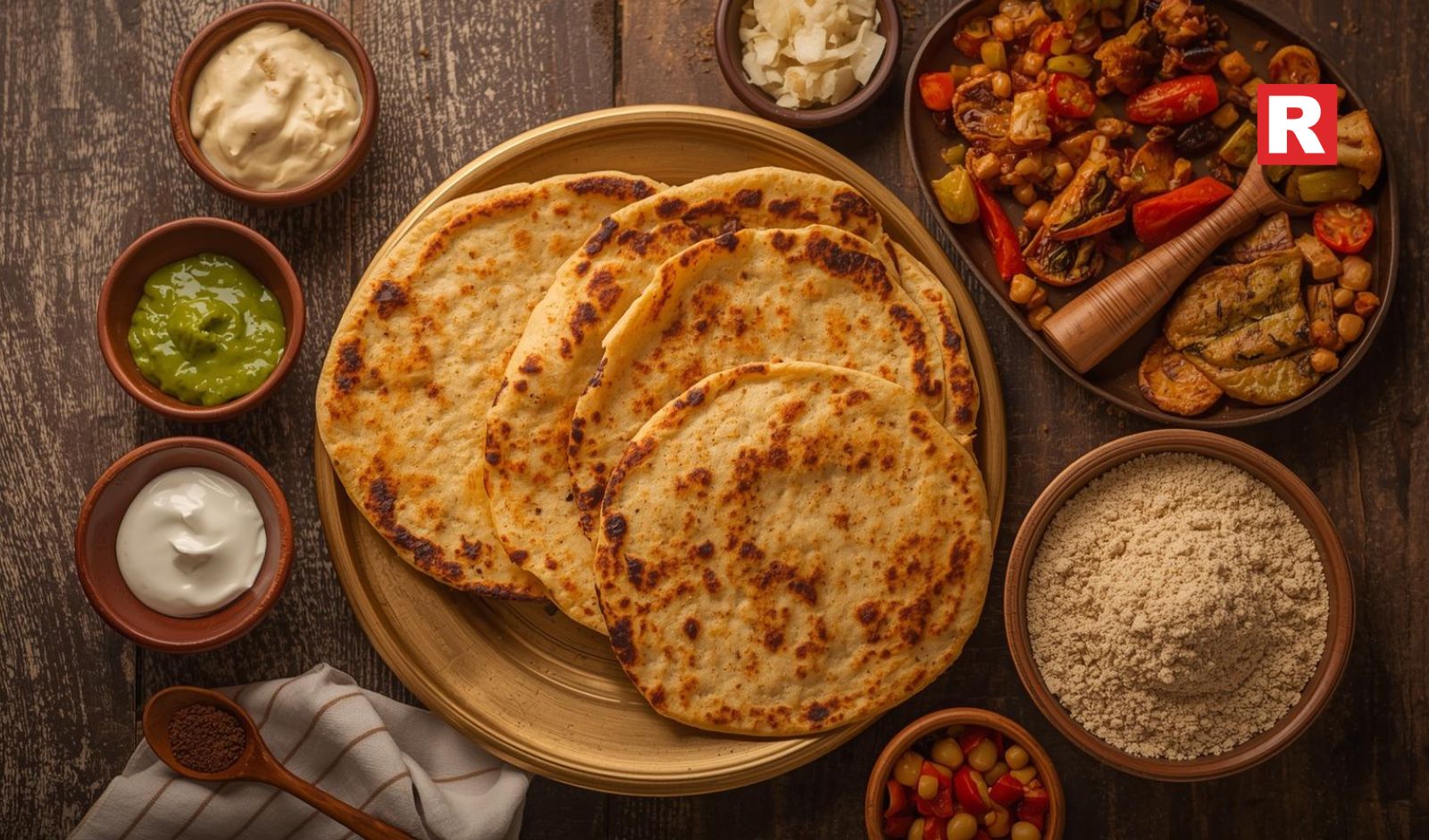
Sattu Paratha is a very important part of a traditional Indian breakfast. This simple paratha stuffed with roasted gram flour comes from Bihar and Jharkhand. It's a full meal on its own—tasty, filling, and full of nutrients. For a lot of families, food is more than just food; it's a way to connect with their roots. This article is your one-stop shop for everything you need to know about Bihari-style cooking, whether you're trying the real thing, looking for versions from Hebbars Kitchen or Nisha Madhulika, or asking Sanjeev Kapoor for expert advice.
What Makes Sattu Paratha Special?
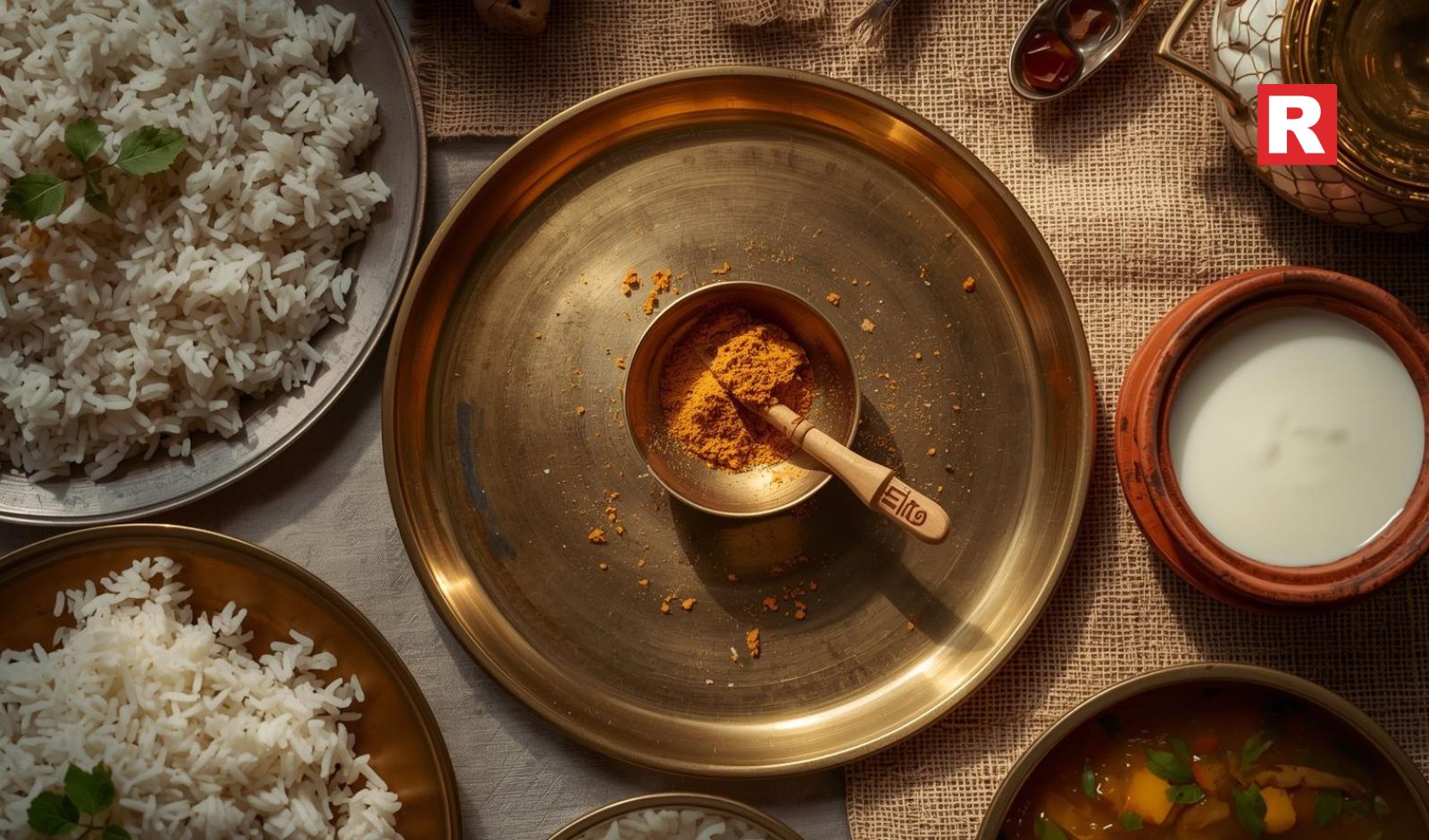
Sattu is roasted Bengal gram flour that is often called "poor man's protein." Because it is cheap, high in protein, and gives you energy, it has been a staple for farmers and workers for hundreds of years. Biharis even say that a meal of sattu can keep you going all day.
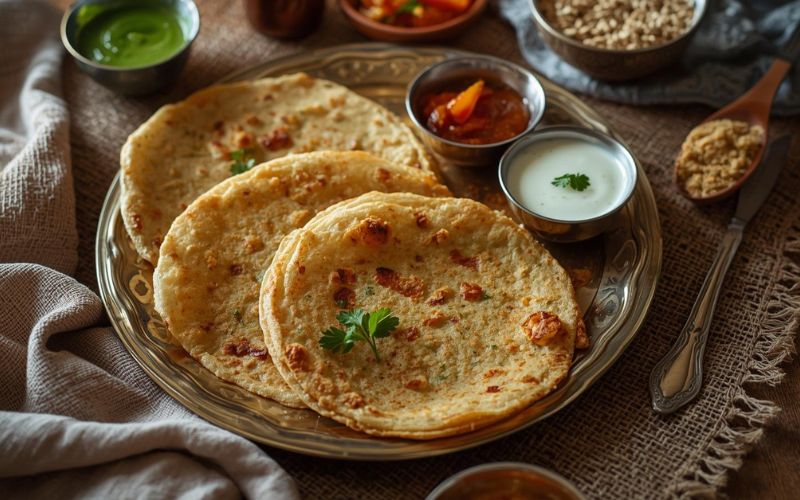
Sattu Paratha tastes different from regular stuffed parathas like aloo or paneer because it has a unique earthy flavor from roasted gram and mustard oil. This mix of taste, health, and history is what makes it last forever.
Ingredients of Sattu Paratha
To make this healthy meal, you will need:
For the dough
- 2 cups of flour made from whole wheat
- A little bit of salt
- 1 teaspoon of ghee or oil
- Water, as needed
For the Filling
- 1 cup of sattu (roasted gram flour)
- 1 medium onion, cut up very small
- 2 green chilies, finely chopped
- 1 tsp of ginger-garlic paste
- 2 tablespoons of chopped fresh coriander leaves
- 1 to 2 teaspoons of pickle masala or amchur (for tang)
- ½ teaspoon ajwain (carom seeds)
- Salt, to taste
- 1 to 2 tablespoons of mustard oil (this is what gives it its real flavor)
- A few drops of lemon juice
Step-by-Step Sattu Paratha Recipe
Step 1: Make the Dough
- Mix together the ghee, flour, and salt. Slowly add water and knead the dough until it is soft.
- Put a wet cloth over it and let it sit for 20 to 25 minutes to make it more elastic.
Step 2: Get the stuffing ready
- Put the sattu, onion, chili, coriander, spices, and ajwain in a bowl and mix them together.
- Add lemon juice and mustard oil; these are what keep the stuffing moist and tasty.
- Change the spices to suit your taste.
Step 3: Put the Paratha together
- Make equal balls of dough and roll each one into a small circle.
- Put 2–3 spoonfuls of stuffing in the middle.
- Carefully seal the edges and roll the paratha gently so that the stuffing doesn't spill out.
Step 4: Roast the Paratha
- Put the rolled paratha on a hot tawa.
- Cook on medium heat with ghee or oil until golden brown spots show up.
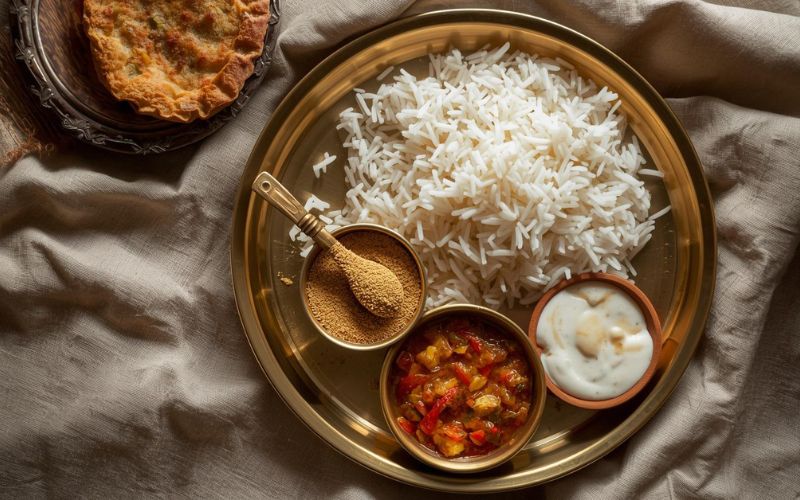
- Serve with curd, pickle, or chokha while it's hot.
Pro Tips to Make Perfect Sattu Paratha
It's easy to make a good Sattu Paratha, but it's hard to make a perfect one. Here are some ways to make your parathas better:
- Moisture is key: Sattu is usually dry, so adding mustard oil, lemon juice, or a little bit of water will keep the filling soft and tasty. The paratha will break or taste bland if the stuffing is too powdery.
- Make sure the filling and dough are even: If you put too much filling in, the paratha will tear, and if you don't put enough in, it will be flat. As a general rule, the filling should weigh about half as much as the dough ball.
- Let the dough rest: Let it sit for at least 20 to 25 minutes. This makes gluten relax, which makes the paratha softer and easier to roll.
- How you roll matters: Roll gently and with even pressure. If you roll too hard, the stuffing might come out. If it does, just use a little dry flour to fix it.
- Cook on medium heat. If the heat is too high, the paratha will burn and the inside will be raw. If the heat is too low, the paratha will be chewy. A tawa that is medium-hot makes the outside crispy and the inside soft.
- When roasting, don't forget the ghee or oil. They give the paratha its flaky layers and rich flavor. You can use ghee instead of mustard oil if you want something more decadent.
- Serve right away: When served hot, sattu parathas taste the best. Wrap them in a cotton cloth to keep them soft if you're making them ahead of time.
Also Read: Kootu Curry Recipe
Why is My Sattu Paratha Dry?
Dryness is one of the most common complaints. Some of the reasons are:
- Putting less oil in the stuffing. In the Bihari style, mustard oil is a must.
- The dough is too stiff, which makes the paratha hard.
- Not serving right away—parathas taste best when they're hot.
To make it more fusion-like, add a spoonful of curd or mashed potato to the stuffing.
Health Benefits of Sattu Paratha
Sattu Paratha is not only tasty, but it's also one of the healthiest traditional Indian breakfasts. Here's why you might want to add it to your diet:
- Sattu is roasted chana flour, which is a great source of plant protein. It helps muscles heal and gives you energy for a long time, which is great for kids who are growing and adults who work.
- High in Fiber: Sattu and whole wheat are high in fiber, which keeps digestion moving, stops constipation, and helps keep the gut healthy.
- Cooling Effect on the Body: Sattu is traditionally eaten in the summer because it cools the body and stops heat strokes. This is why it is popular in Bihar and Jharkhand, where it is hot.
- Balances Energy Levels: Sattu releases energy slowly, which keeps you full longer than snacks made with refined flour. Best for diabetics when eaten with little ghee.
- Weight Management: Because it keeps you full for a long time, it stops you from wanting things you don't need, making it a great choice for people who are trying to lose weight.
- Heart-Friendly: Mustard oil is good for your heart when you eat it in moderation because it is high in omega-3s and antioxidants.
- Sattu is full of nutrients like calcium, magnesium, and iron, which are important for strong bones and a strong immune system.
Calorie Check: A medium-sized Sattu Paratha has about 220 to 250 calories. When you eat it with curd and chutney, it becomes a healthy, balanced meal that isn't too heavy.
Variations of Sattu Paratha
The classic Bihari-style Sattu Paratha is the best, but you can try these fun variations based on your taste and the event:
- Bihari Style: The stuffing has raw mustard oil, ajwain, and pickle masala in it. It tastes sharp and earthy, and it's the most real version.
- Without Stuffing: Instead of making a filling, mix sattu right into the dough. This version is easier to roll, which makes it great for beginners. Compared to the stuffed one, it's lighter but not as tasty.
- With Vegetables: Mix in some grated carrot, radish, or beetroot to the stuffing. This not only makes the taste better, but it also makes the nutrition better, which is great for kids who don't like plain sattu.
- For a softer, creamier stuffing, mix sattu with paneer or mashed potatoes. This mix makes the paratha wet and easy for kids to eat.
- Inspired by Celebrity Chef Sanjeev Kapoor, he says to try using herbs like mint and a mix of ghee and oil for roasting to give it a restaurant-like touch.
- Hebbars Kitchen and Nisha Madhulika have online versions. These often make the recipe easier by showing you how to do it step by step and with videos, which is great for people who are cooking for the first time.
- Mini Sattu Parathas: Instead of making big ones, roll out smaller ones that are the right size for snacks. Great for lunch boxes or as a party starter.
Cultural Significance
Bihar's identity is tied to Sattu Paratha, which is more than just food. People in rural areas cook it every day, especially in the summer when heavy curries can be too much. Many Bihari immigrants also bring packets of sattu flour with them when they move abroad, keeping this tradition alive around the world.
Making Sattu Paratha at home is a fun thing to do if you've never done it before. It's simple, healthy, and based on tradition, so it's great for anyone who wants real Indian flavors and a boost in nutrition. You can see why people have loved this dish for generations when you serve it with curd, chutney, or chokha.
So the next time you ask yourself, "What is the healthiest paratha to make at home?" — you already know the answer: Sattu Paratha.
sandeepsharma
Content Editor