Kootu Curry Recipe: Traditional Kerala-Style Curry for Your Festive Menu
Kootu Curry is a healthy mix of black chickpeas, yam, raw banana, and roasted coconut that is a traditional Kerala dish from the Onam Sadya. People in Palakkad, Kannur, Malabar, and Brahmin homes all love it, and each region has its own twist on it, from mild and sattvic to bold and peppery. This is a full guide to making real Kootu Curry and learning about its cultural roots.

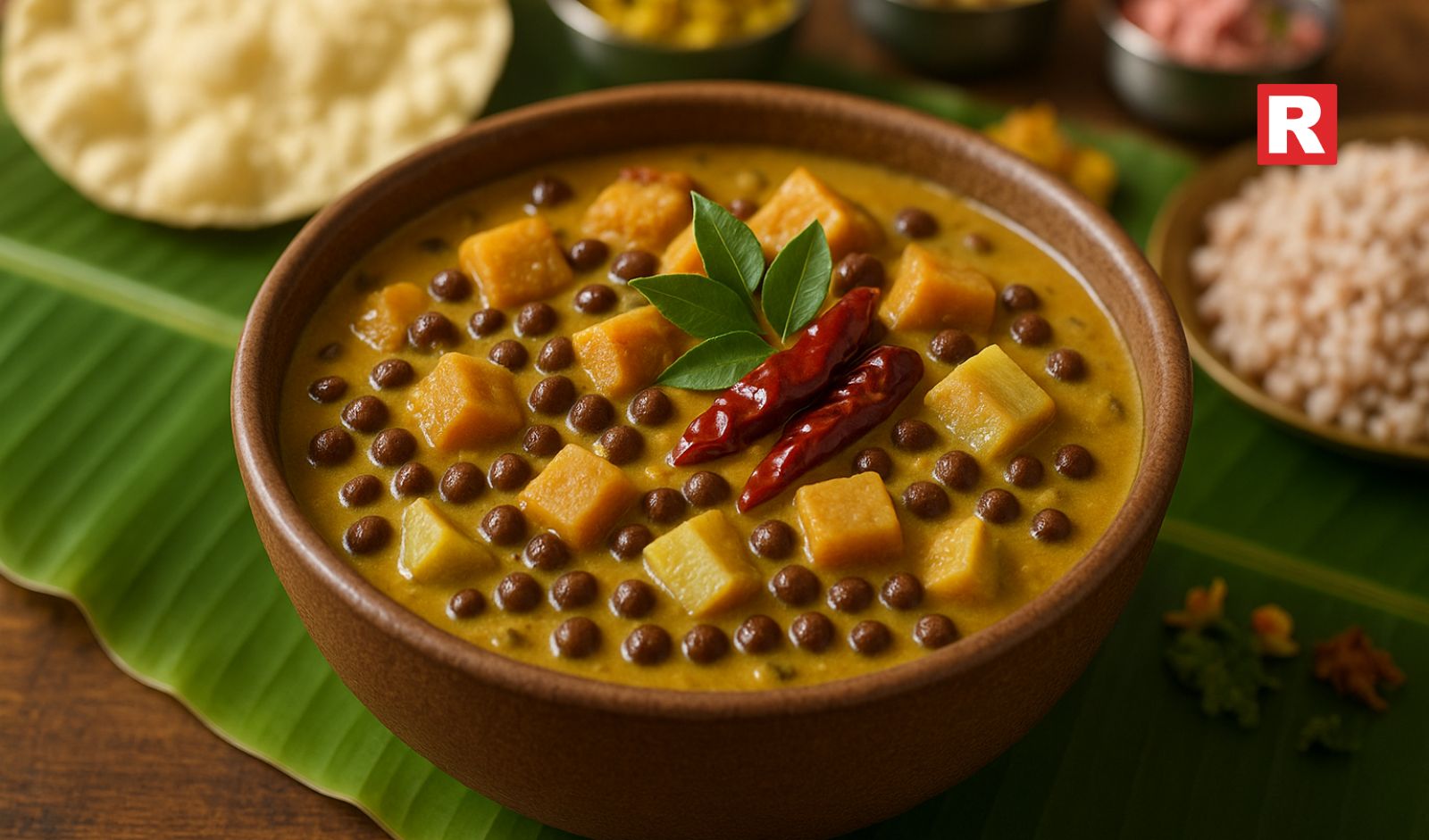
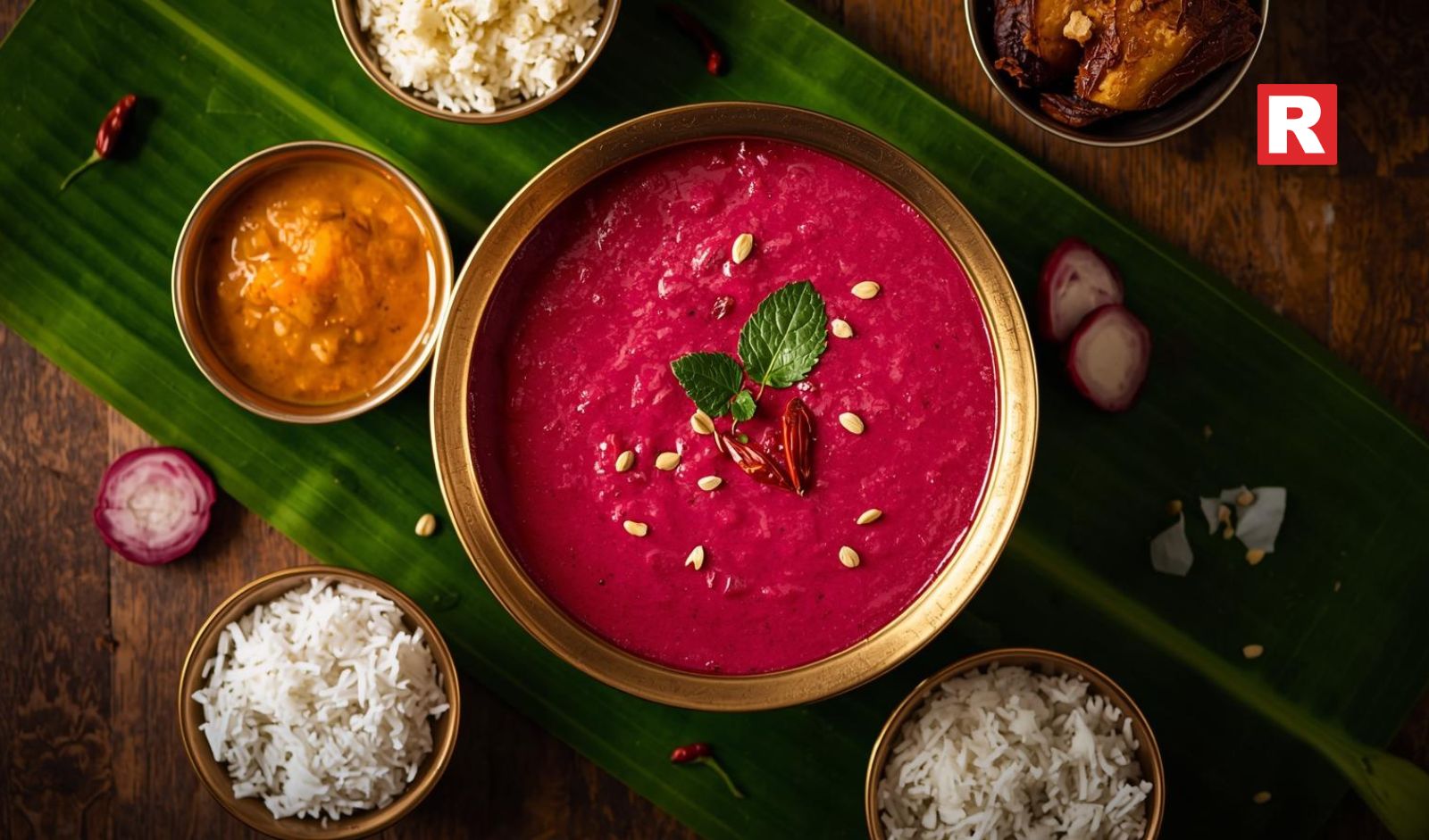
Kootu Curry, or Koottukari, is more than just another vegetarian curry. It's a key part of Kerala's Onam Sadya and other festive meals. This dish is known for its hearty texture and comforting flavors. It combines legumes like black chana (kadala) or Bengal gram with vegetables grown in the area, like yam, ash gourd, raw banana, or pumpkin. The roasted coconut base of Kootu Curry is what makes it stand out. It has a nutty, fragrant flavor that is very Kerala.
Every part of Kerala has put its own spin on Kootu Curry, from the Brahmin homes in Palakkad to the feasts in Kannur and the kitchens in Malabar. This makes it one of the most flexible dishes in Kerala cuisine.
Also Read: Sattu Paratha Recipe
The Story Behind Kootu Curry
Food is very important to Kerala's culture and celebrations. The big Sadya meal served on banana leaves during Onam has more than 20–25 dishes, and Kootu Curry is always the main dish. Kootu Curry is different from the light stews and yogurty curries in the spread because it has a strong, earthy flavor from the mix of roasted coconut, black pepper, and curry leaves.
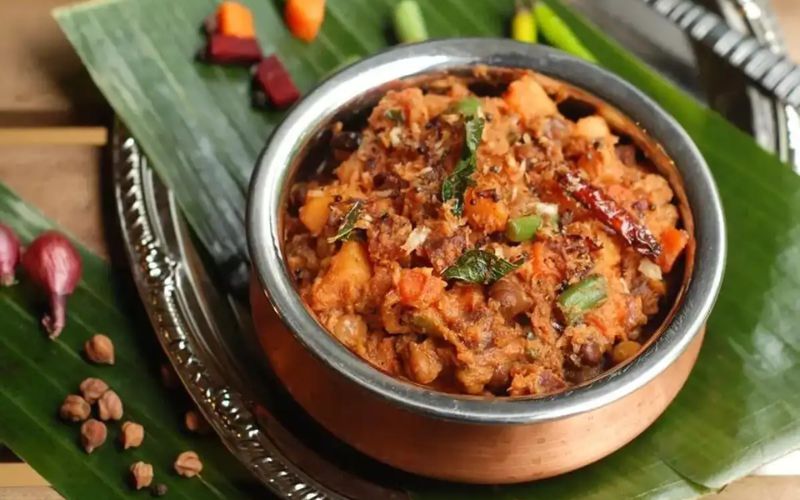
The recipe is passed down from generation to generation in many families. The Palakkad style is simpler and has a hint of coconut, while the Kannur style is stronger, spicier, and has more roasted coconut. The Brahmin version doesn't use onions or garlic, so it's a sattvic dish.
Ingredients in Kootu Curry
A normal Kerala-style Kootu Curry recipe calls for:
- Legumes: Bengal gram or black chickpeas (kadala) soaked overnight and then cooked under pressure
- Yam, raw banana, ash gourd, or pumpkin (often in combination) are some of the vegetables.
- Turmeric, black pepper, red chili powder, green chilies, and curry leaves are some of the spices used.
- Coconut base: Freshly grated coconut roasted with cumin and chilies until golden brown, then ground into a paste.
- Coconut oil, mustard seeds, curry leaves, and dried red chilies are used to temper.
The end product is a thick, mildly spicy curry that tastes great.
Step-by-Step Kootu Curry Recipe (Kerala Style)
- Cook the legumes – Pressure cook soaked black chickpeas or Bengal gram until tender.
- Prepare vegetables – Dice yam, raw banana, or pumpkin into medium cubes. Cook until soft but not mushy.
- Roast and grind coconut – In coconut oil, roast grated coconut with green chilies and cumin until golden brown. Grind into a coarse paste with little water.
- Mix everything – Add the cooked vegetables and legumes together in a pot, stir in the coconut paste, and simmer until flavors meld.
- Temper to finish – Heat coconut oil, splutter mustard seeds, toss in dried red chilies and curry leaves, and pour over the curry.
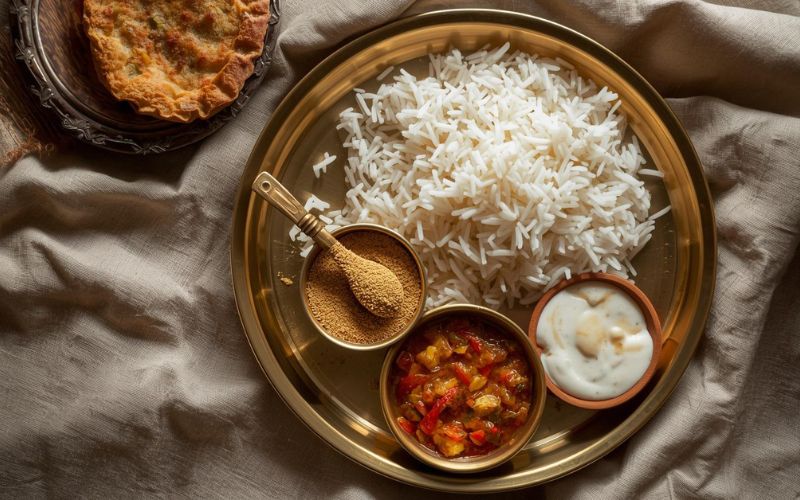
- Serve hot – Kootu Curry is best served with steamed rice, Kerala matta rice, or as part of a traditional Sadya meal.
Regional Variations of Kootu Curry
Kootu Curry is still popular with foodies because it comes from many different regions. The basic ingredients of the dish are still the same: legumes, vegetables, and roasted coconut. However, each community in Kerala has added its own special touch. Let's take a closer look at the most popular styles:
1. Kootu Curry in the Style of Palakkad
The Palakkad area, which is next to Tamil Nadu, has a cuisine that is heavily influenced by both Kerala and Tamil Brahmin traditions. Compared to northern Kerala styles, the Palakkad version of Kootu Curry is not as spicy or hot. The focus is on how naturally sweet yam, pumpkin, or raw banana is when mixed with freshly ground coconut. The coconut here is only lightly roasted, which means it smells good but doesn't change color. This is different from the Kannur version. This makes it lighter and more sattvic, and it is often served at temple feasts and religious ceremonies.
2. Kootu Curry in the Brahmin Way
The Brahmin community makes Kootu Curry as a sattvic dish, which means it doesn't have any onions or garlic and usually has fewer spices. You have to have black chickpeas (kadala) and roast the coconut slowly. The dish tastes earthy but not spicy because it has pepper, cumin, and curry leaves in it. This version shows how the Brahmins value food that is soulful, healthy, and easy to digest. They often make it for special occasions like weddings and pujas.
3. Kootu Curry in the Style of Kannur
The Kannur version is very spicy, bright, and bold. Roasting the coconut until it is golden brown or even deep brown gives the curry a strong, nutty flavor. A lot of black pepper is used, sometimes even more than chili powder, which gives it a sharp kick. The Kannur style is richer and heartier because it comes from the coast, where strong flavors are preferred. This version is a must-have at big Onam feasts in northern Kerala, where food is celebrated with lots of flavor and plenty of it.
4. Recipe for Malabar Kootu Curry
The Malabar region, which includes Kozhikode, Kannur, and parts of northern Kerala, has its own unique version of Kootu Curry. The food here is more festive and rich. Cooks can add pumpkin or ash gourd for sweetness along with the usual yam and banana. Frying coconut until it is deep golden and smells good makes a rich base for the curry. A little bit of jaggery syrup is sometimes added to balance the flavors. This gives the dish a slightly sweet taste that goes well with other Sadya dishes. People like the Malabar style for weddings and big family meals because it shows that they are welcoming.
Why Restaurants Should Feature Kootu Curry
Authentic Kerala Touch – No Sadya or festive South Indian thali feels complete without Kootu Curry. Adding it to your restaurant’s menu brings cultural depth and authenticity.
Healthy and Vegan – Naturally plant-based, rich in protein from legumes, and cooked in coconut oil, this curry is a hit with health-conscious and vegan diners.
High Demand During Festivals – Onam, Vishu, and weddings see a surge in demand for traditional Kerala dishes, with Kootu Curry often being a must-have in catering menus.
The Kootu Curry Kerala style recipe is more than just a taste; it also has the cultural essence of Kerala's festivals, traditions, and community feasts. From Palakkad to Kannur, each region has its own food story to tell. For people who cook at home, it's comfort food. For restaurant owners, it's a crowd-pleaser that can make a holiday menu better.
Don't forget to include Kootu Curry in your next Kerala feast. It's a dish that honors the balance of flavor, health, and tradition.
sandeepsharma
Content Editor