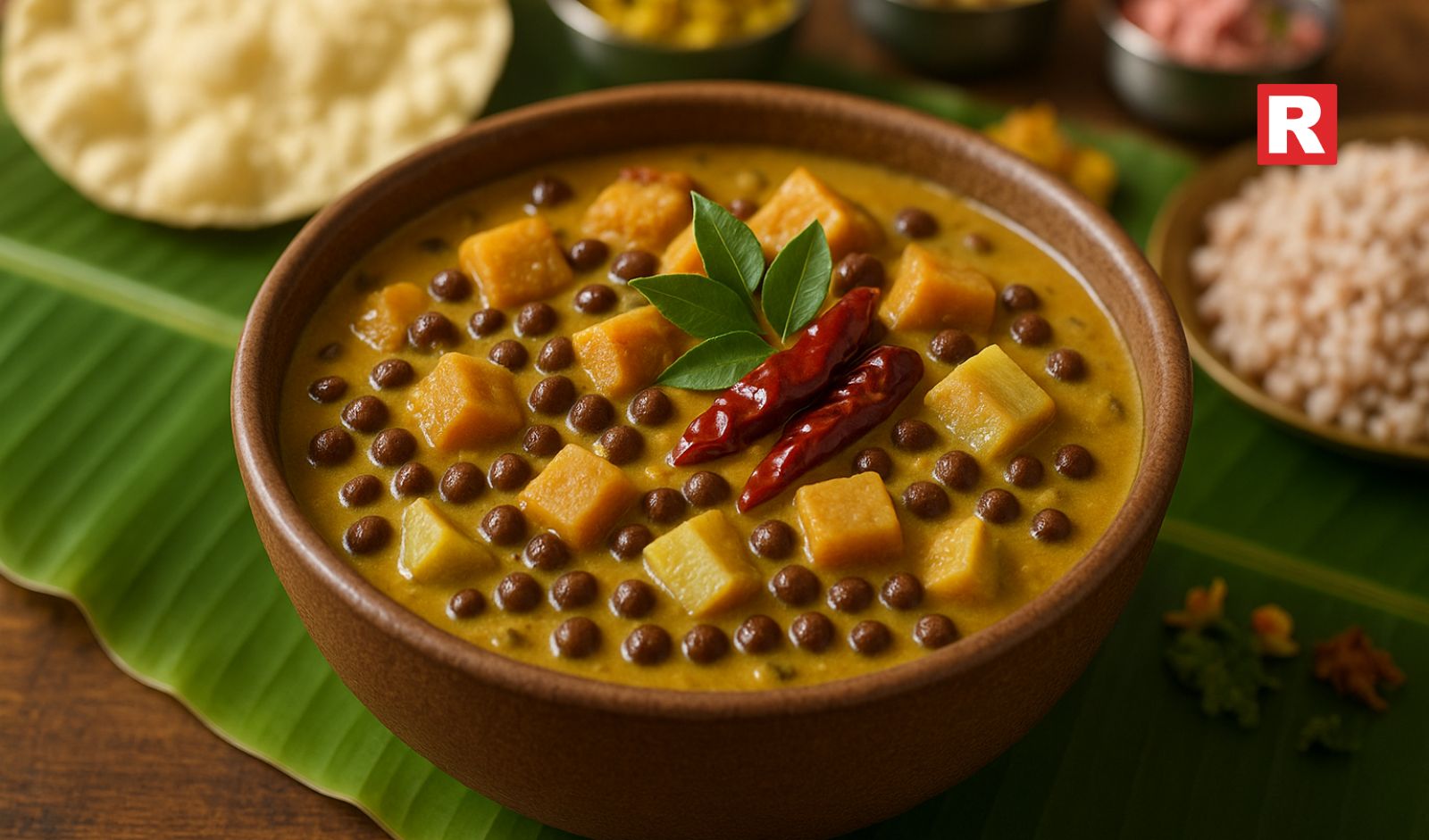
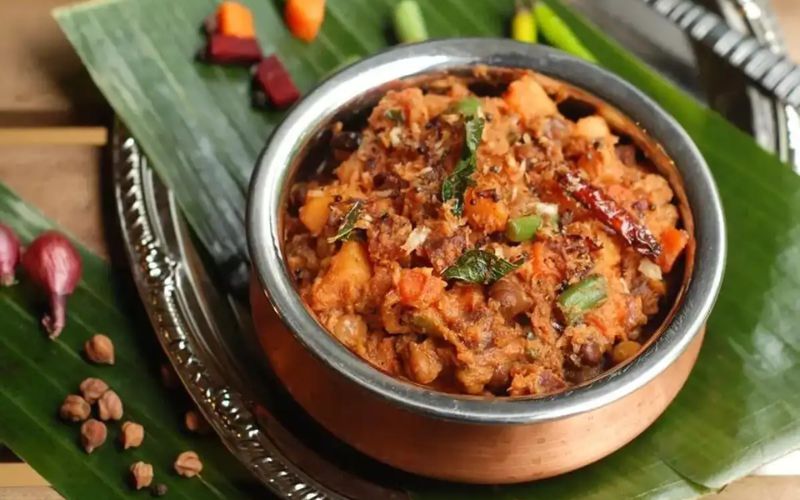
Metkut Recipe: Traditional Maharashtrian Comfort Food
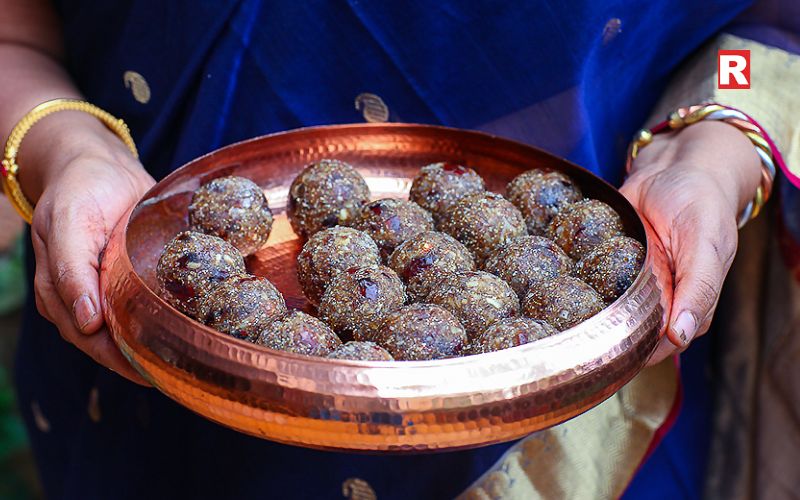
Metkut is a traditional spiced powder from Maharashtra made from roasted lentils, rice, and aromatic spices. It is known for being light, easy to digest, and good for you. It goes great with rice, ghee, or curd and is the perfect comfort food for people of all ages. Find out how to make this classic recipe step by step, some popular variations, how to use it every day, and how good it is for your health.

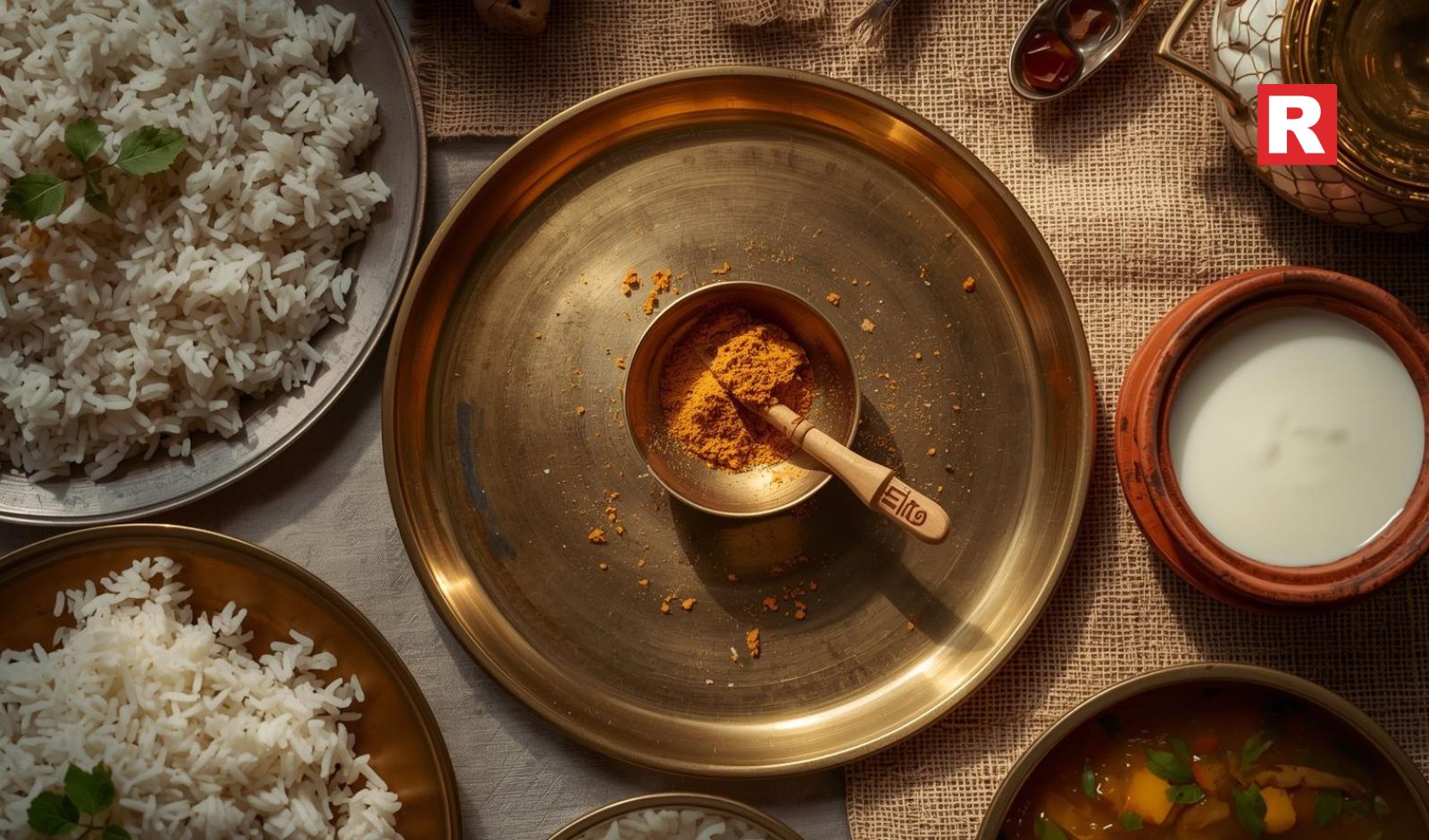
People love the simple, tasty, and healthy Maharashtrian dish metkut. You can mix this roasted spiced powder with rice, ghee, or curd to make a healthy and filling meal. This dish is very important in Maharashtrian homes, especially when someone is sick, fasting, or needs something light but filling. You can call it paramparik metkut (traditional metkut) or just metkut powder.
This article will cover everything you need to know about metkut, including its ingredients, how to make it, different ways to use it, and its health benefits.
Read also: Sattu Paratha Recipe
What is Metkut?
Metkut is a fine, roasted powder made from lentils (like chana dal, urad dal, and moong dal), rice, and spices like cumin, coriander, turmeric, and asafoetida. The mixture is roasted until it is dry and then ground into a fine powder. It is one of the healthiest comfort foods in Maharashtrian cuisine and is usually served with hot rice and ghee.
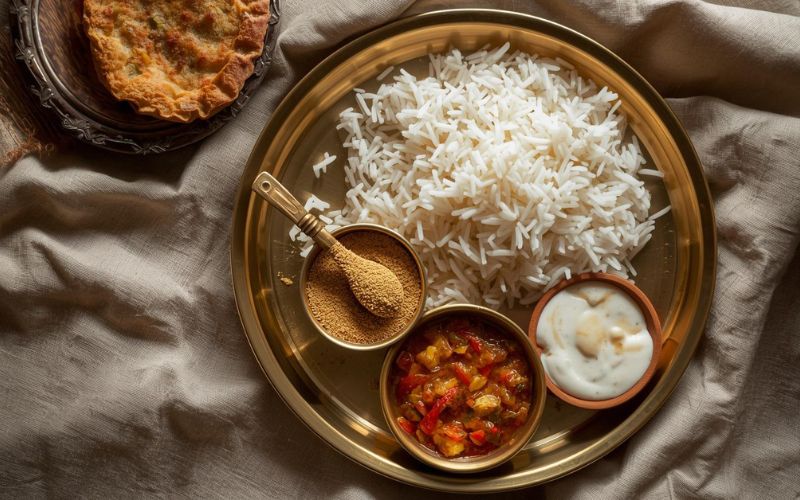
Metkut is a light and easy-to-digest food that kids, older people, and people who are sick love.
Ingredients for Metkut Recipe
Here are some ingredients that are often used:
- Rice, chana dal, urad dal, moong dal, and wheat are all grains and lentils.
- Cumin seeds, coriander seeds, black pepper, mustard seeds, turmeric powder, hing (asafoetida), and fenugreek seeds are all spices.
- For more smell, you can add curry leaves.
Read also: Kootu Curry Recipe | Bruschetta Recipe
Step-by-Step Method for Metkut Recipe
Making metkut at home may seem easy, but the secret is in the right way to roast the ingredients and the right amount of each one.
- Start with rice and lentils (chana dal, urad dal, and moong dal) and dry roast them. Roast each one on a medium flame until it turns a little golden and smells like nuts. This step is very important because lentils that aren't roasted enough will taste raw, and lentils that are roasted too much will make the powder taste bitter.
- Roast the spices next. Roast the cumin seeds, coriander seeds, fenugreek, and black pepper until they smell good. At the very end, add hing (asafoetida) and turmeric. These spices release their flavor quickly.
- Cool the Right Way: Put the roasted foods on a plate to cool all the way down. When you grind warm spices, the powder can stick together.
- Grind to a Fine Powder: A good grinder will make the texture smooth. People in traditional households often sift the powder once to make sure it is fine.
- Store Airtight: Put the metkut powder in a clean, dry glass jar. It stays fresh for 3 to 4 months if you store it right.
Pro Tip: Always roast on low to medium heat to get the best flavor and even cooking.
How to Eat Metkut
Depending on your mood, health, and the time of year, you can enjoy metkut in a variety of ways:
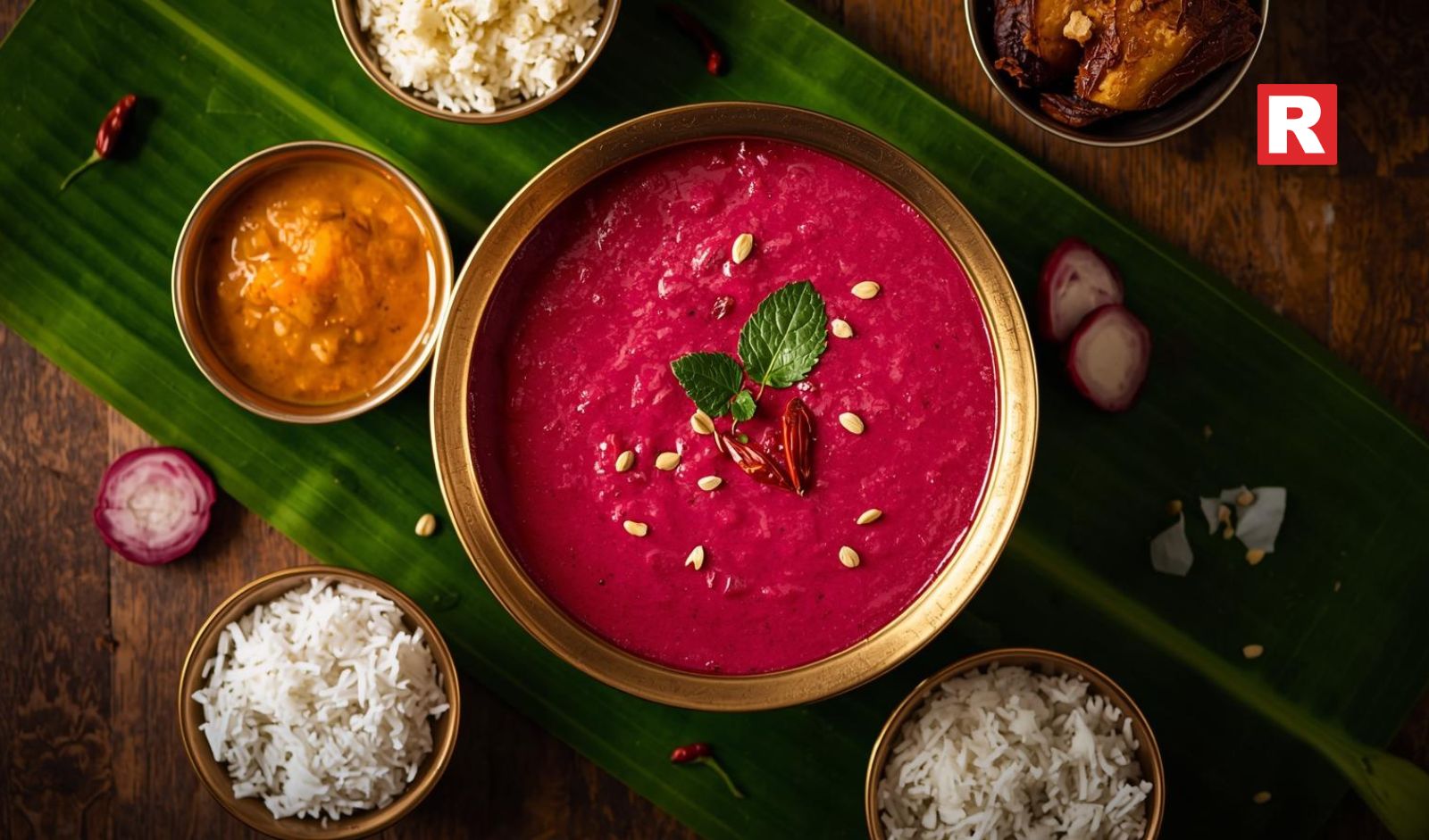
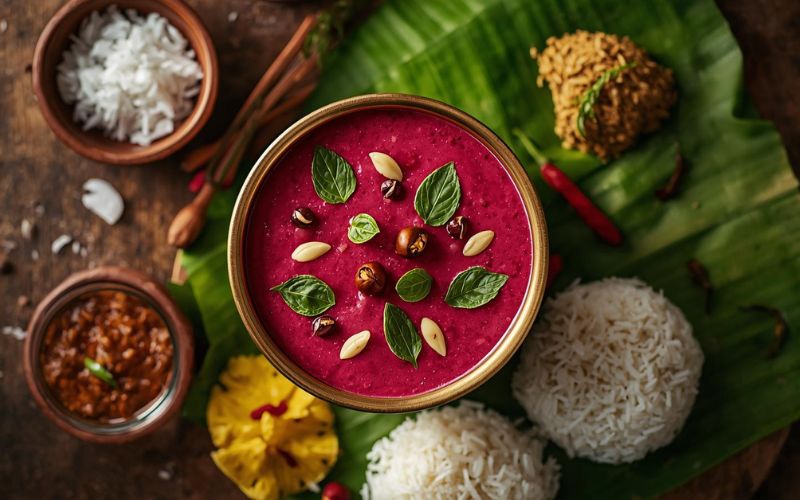
- Classic Comfort Food: The most common way to eat metkut is to mix 1–2 teaspoons with hot steamed rice and top it with a spoonful of ghee. This mix is light but filling, especially after a long day.
- With Curd or Buttermilk: In the summer, people mix metkut with curd rice or buttermilk to make a meal that cools the stomach and is full of probiotics.
- As a Healing Meal: Plain metkut rice with not too much ghee is a natural food that helps people get better after they have a fever or an upset stomach.
- On the Go: Many families from Maharashtra take metkut with them when they travel. It only takes hot rice or even water to make a meal that fills you up right away.
Metkut is like "comfort in a bowl" for India: it's simple, healthy, and always there when you need it.
Popular Variations of Metkut Recipe
Families make metkut in different ways, depending on their tastes and traditions.
- Mild Metkut has less black pepper and chili, so it's good for kids and older people with sensitive stomachs.
- Spicy Metkut has more pepper and sometimes a little bit of red chili powder for people who like things to be spicy.
- Multigrain Metkut has lentils, wheat, jowar, or bajra in it, which makes it more nutritious and fiber-rich.
- MadhurasRecipe Style – This version is popular with foodies because it combines old-fashioned flavors with modern presentation. It often goes viral online.
- Regional Twists: Some families add curry leaves or sesame seeds to the roasting process to give it an earthy, nutty flavor.
Each version shows how one recipe can change over time to fit the tastes and traditions of different families.
Uses of Metkut Powder
Metkut powder can be used on more than just rice. It's surprisingly flexible:
- Instant Meal Maker: If you don't want to cook, mix it with rice, ghee, and pickles for a quick and healthy meal.
- For Khichdi or Dal, add a spoonful of this topping to soft khichdi or plain dal to make it taste better.
- Food for travel— It's light, doesn't go bad, and is easy to carry, so it's great for train rides and picnics.
- Baby and Elderly Food: A lot of families start giving it to their kids early on and serve it to older people who like soft, mild food.
- Soup Base: To make a quick, digestive soup, add a little metkut to hot water or buttermilk with a pinch of salt.
Metkut shows that you can turn simple ingredients into a food that goes with everything.
Health Benefits of Metkut
Not only is metkut delicious, but it also has a lot of health benefits that make it a classic recipe:
- Spices like hing, cumin, and fenugreek are natural digestive aids that can help with bloating and indigestion.
- Lentils in metkut are high in protein and fiber, which is good for your gut health.
- Light on the Stomach: Metkut is light, unlike oily curries, so it's great for recovering from illness or as a detox meal.
- Cooling in the summer: When mixed with curd or buttermilk, it cools the body naturally.
- Spices like turmeric and black pepper can help your immune system by reducing inflammation and killing bacteria.
- Safe for Everyone – It works for people of all ages, from toddlers to seniors, because it is both healthy and gentle.
Metkut vs Paruppu Podi: Are They the Same?
While Metkut (Maharashtrian) and Paruppu Podi (South Indian) are similar roasted lentil powders, they differ in taste and spice profile. Metkut is milder, focusing on digestion and light meals, whereas paruppu podi usually has a stronger, spicier flavor with garlic or curry leaves.
Metkut is more than just a recipe; it's a tradition that has been passed down through the years. This Maharashtrian classic is still the best for comfort food, quick meals, or as a natural way to help with digestion. Make some homemade paramparik metkut powder if you haven't already. You'll taste the true taste of simplicity.
sandeepsharma
Content Editor