Fusion Fever: Global Flavours Redefining Gen Z Dining and Home Cooking
Food today is less about rules and more about freedom. It is about mixing, matching, and enjoying. Fusion flavours have created a new way for people, especially Gen Z and home cooks, to connect with what they eat.

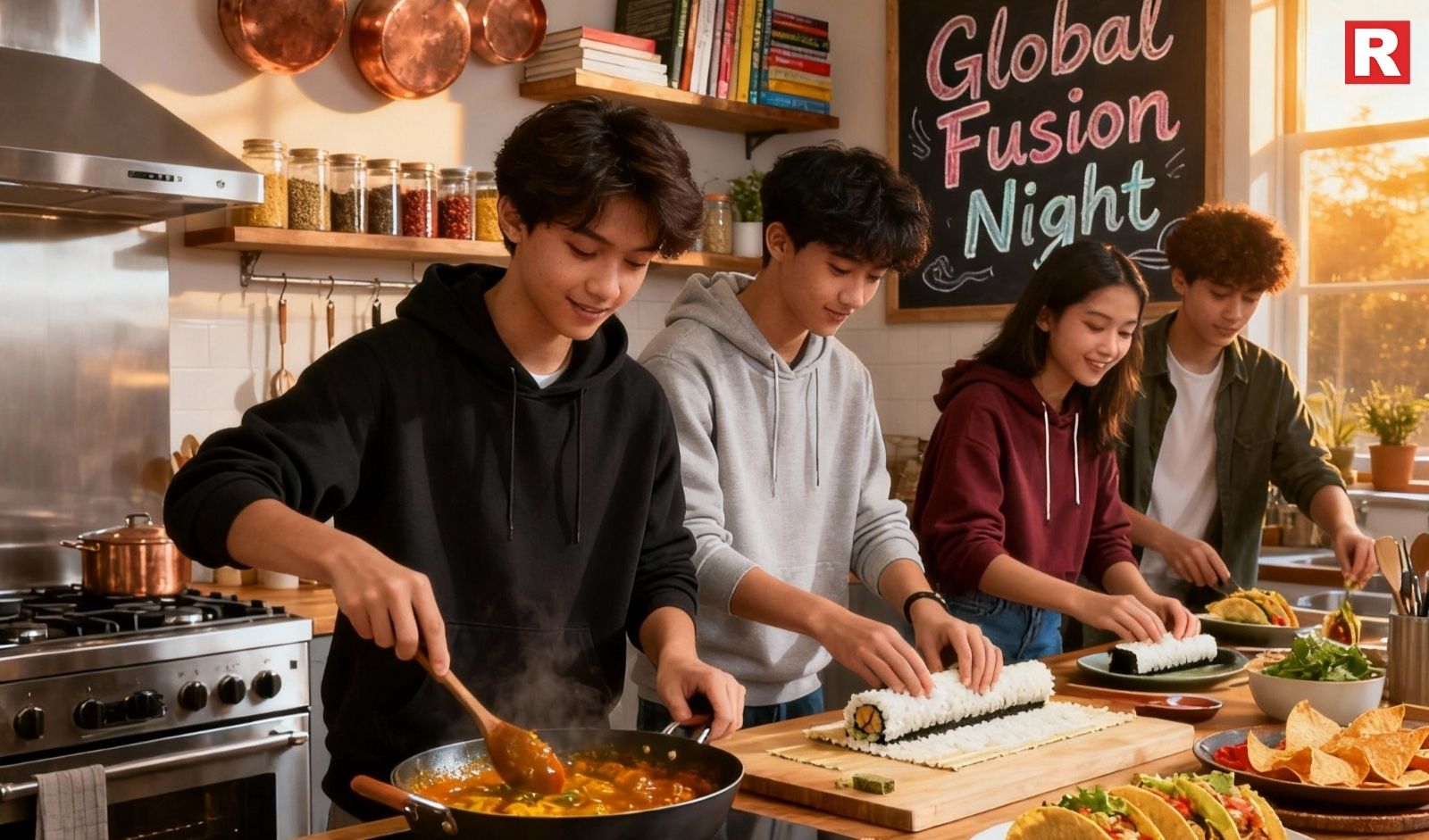
Food today crosses borders. It is not tied to one culture or one place. It has become global, diverse, and always changing. One of the biggest changes in recent years is the rise of fusion flavours. These are dishes that mix global styles with local twists. They are winning hearts everywhere.
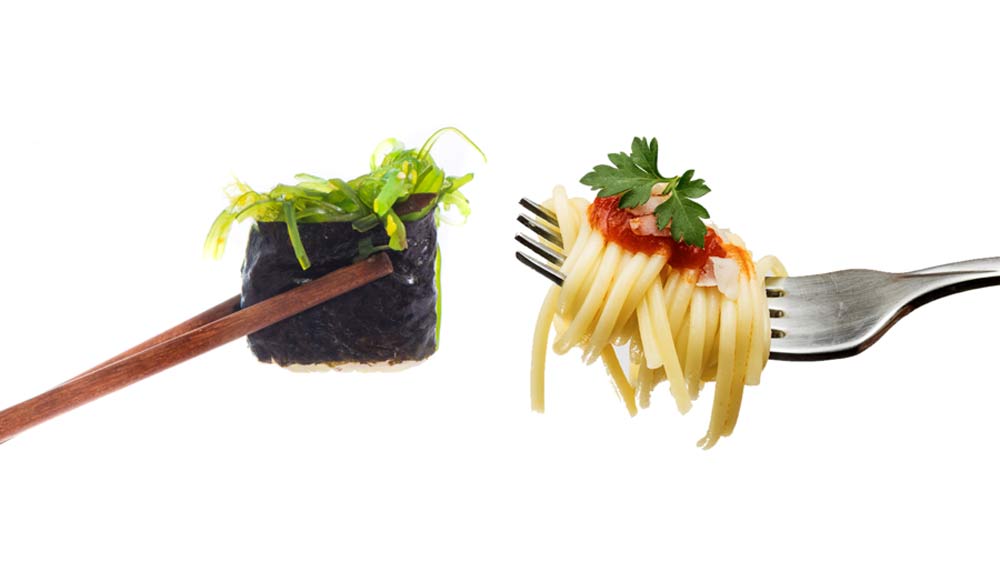
Fusion food is no longer just a restaurant trend. It has made its way into home kitchens. It is shared on social media. It has become a part of the daily meals of young people, especially Gen Z. From sushi tacos to butter chicken pasta, the craze is strong. These dishes may sound unusual at first. But they offer both comfort and excitement. They give people something new without losing the taste of the familiar. Gen Z is driving this trend. They look for variety and creativity. They enjoy food that tells a story. They are open to experiments and new flavours. Fusion food shows how culture and taste can meet on a single plate. It is a sign of changing times, where food is not about rules but about mixing and enjoying.
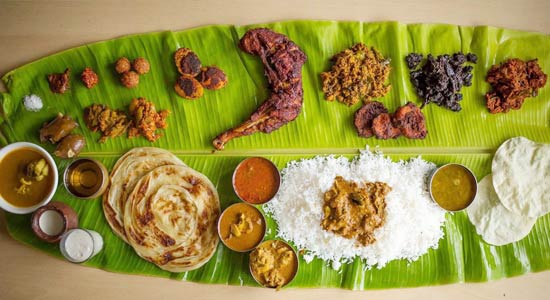
Read more: Top 7 Regional Indian Thali Platters That Showcase Culinary Diversity
10 Steamed Indian Dishes Beyond Idli & Dhokla
The Fusion Craze
Fusion food is not new. Chefs across the world have experimented with combining flavours for decades. But what makes it unique today is how quickly it has spread to the mainstream. Social media has played a big role. A quirky dish gets posted, goes viral, and suddenly, everyone wants to try it at home.
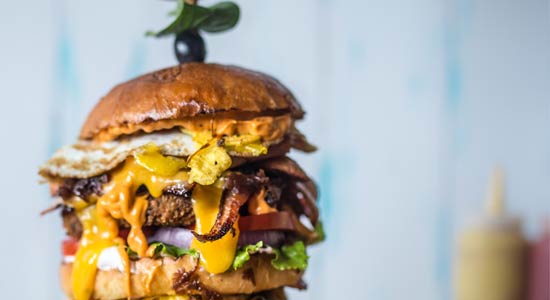
Think of ramen burgers, Maggi sushi, or tandoori momos. They may sound unusual at first, but that is exactly why people are curious. The more different it is, the more likely it is to attract attention.
Why Fusion Works So Well
Fusion food works because it strikes the right balance. It takes something familiar and adds a layer of surprise. For example, pizza is loved worldwide. Add a butter chicken topping, and suddenly, you have something exciting but still comforting.
Another reason is that fusion is highly visual. These dishes look colourful, creative, and fun. On Instagram or YouTube, they get shared instantly. For a generation that eats with the eyes before the taste buds, this is a winning factor. Cost is another reason. Cooking fusion recipes at home does not always require high-end skills. With easy ingredient swaps, home cooks can make international-inspired meals without spending too much.
Gen Z and the Fusion Connection
No group has embraced fusion flavours as much as Gen Z. They are adventurous with food. They don’t want to eat the same thing every day. They want food that tells a story. Gen Z has grown up in a connected world. Travel shows, Netflix food series, YouTube cooking videos, and TikTok trends expose them to cuisines beyond borders. A student in Delhi can try making Korean bulgogi, while someone in Bangalore experiments with Mexican-style samosas.
Food is also about identity for this generation. Posting a photo of butter chicken tacos is not just about the taste—it is about expressing creativity. It becomes a part of lifestyle and community.
Fusion in Home Kitchens
Earlier, fusion was something you only found in fancy restaurants. Today, it is a regular part of home kitchens. Quick recipes like paneer quesadillas or spaghetti with Indian tadka are easy to make. Fusion desserts are also trending, such as matcha kulfi or chocolate samosas. The growth of global ingredients in supermarkets has played a huge role. A decade ago, it was hard to find things like avocado, quinoa, or gochujang in India. Today, these are available not just in metros but also in smaller cities. Quick commerce apps like Zepto, Blinkit, and Instamart make it even easier. A home cook can order sriracha or tortillas in minutes.
For many, cooking fusion at home is also about fun. Families experiment together, trying dishes they saw online. It adds variety to everyday meals and makes cooking less routine.
Know more: Top Rajasthani Dishes to Try This Festive Season
Fusion in Restaurants and Cafés
Restaurants too are rethinking their menus. Many cafés now serve global-local combinations to attract younger diners. You will find pasta with Indian spices, tacos with paneer fillings, or even cocktails with desi flavours like paan and tamarind.
Desserts are also being reinvented. Cheesecakes with gulab jamun, rasmalai tiramisu, and filter coffee panna cotta are becoming crowd favourites. Fusion is not just about combining cuisines—it is about creating experiences. Chefs are also blending regional Indian dishes with global flavours. For example, Goan chorizo pizza or Hyderabadi biryani arancini balls. These dishes showcase local heritage while making it accessible to global palates.
Market Value and Growth
The demand for fusion is not just cultural, it is also commercial. The global food fusion market has grown steadily, driven by consumer demand for novelty. In India, the trend is supported by two key factors:
- The quick commerce boom – Gen Z can access global ingredients in record time. This makes fusion easier at home.
- Rising disposable incomes – Young professionals are willing to spend on dining experiences and food experiments.
Food delivery apps like Swiggy and Zomato also contribute. They often highlight fusion menus, promote special offers, and make it easy for young diners to try new dishes. Restaurants have noticed that menus with fusion options often perform better. A survey by local F&B consultants shows that younger diners are more likely to revisit a restaurant if the food feels unique and shareable.
Why Fusion is Here to Stay
Some food trends fade quickly. Fusion, however, seems to be here for the long run. The main reason is cultural curiosity. Today’s youth do not see food as limited to borders. For them, a kitchen is a place where any flavour can meet another. Fusion also aligns with the idea of personalization. People want to make food their own. Mixing cuisines allows them to create something that feels unique. As more global brands enter India and more local chefs innovate, the trend will only grow. What started as an experiment is now part of everyday dining.
Also check: Festive Seasons Are Changing the Restaurant Industry in India
The Top 7 Sweet Dishes You Can’t Miss This Durga Puja
Frankenstein-Inspired Foods and Drinks for Your Spooky Celebrations
A Taste Without Borders
Food today is less about rules and more about freedom. It is about mixing, matching, and enjoying. Fusion flavours have created a new way for people, especially Gen Z and home cooks, to connect with what they eat. They find comfort in traditional roots but also enjoy the thrill of something new.
When butter chicken blends with pasta, or sushi takes a desi twist with chutney, it reflects the changing nature of food. Dishes are no longer limited to their origins. Instead, the kitchen has become a playground where flavours from across the world can meet on one plate. The rise of fusion is about more than taste. It reflects creativity, culture, and self-expression. For Gen Z, food is not just a meal—it is an identity and a story they share. Fusion speaks their language, one that celebrates both heritage and curiosity.
Saptopriya Ghosal
Feature Writer
I am a dedicated media professional with a bachelor's degree in mass communication from the State University of Calcutta and a postgraduate degree from Amity University. My academic journey has equipped me with a profound understanding of storytelling and communication. Passionate about the dynamic world of media, I continually strive to explore new ways to engage and inform through compelling narratives.