India's Culinary Innovation: Fusion Food and Its Growing Popularity
Indian cuisine, which already has a wealth of vegetarian options, lends itself well to fusion experimentation.


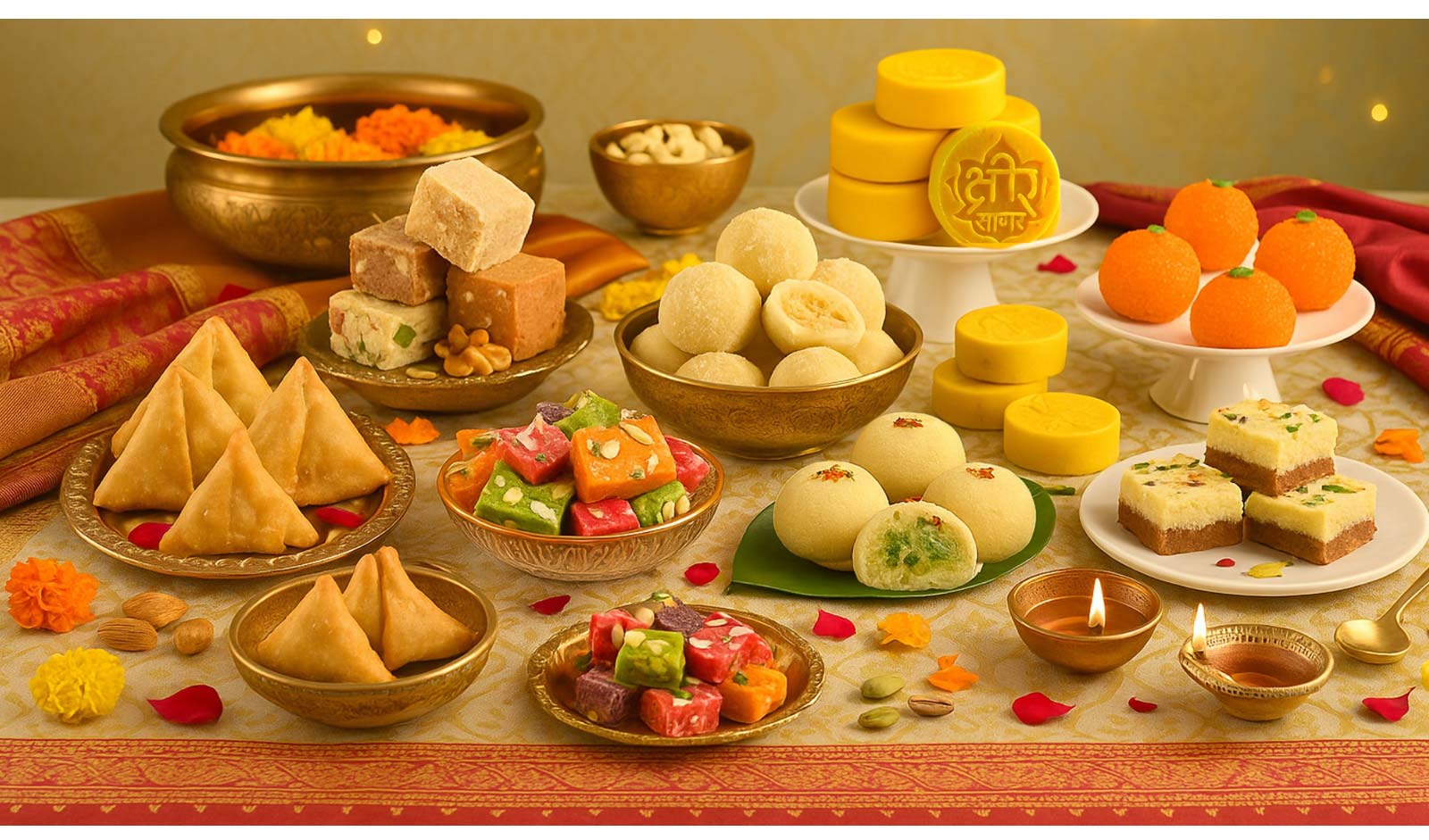
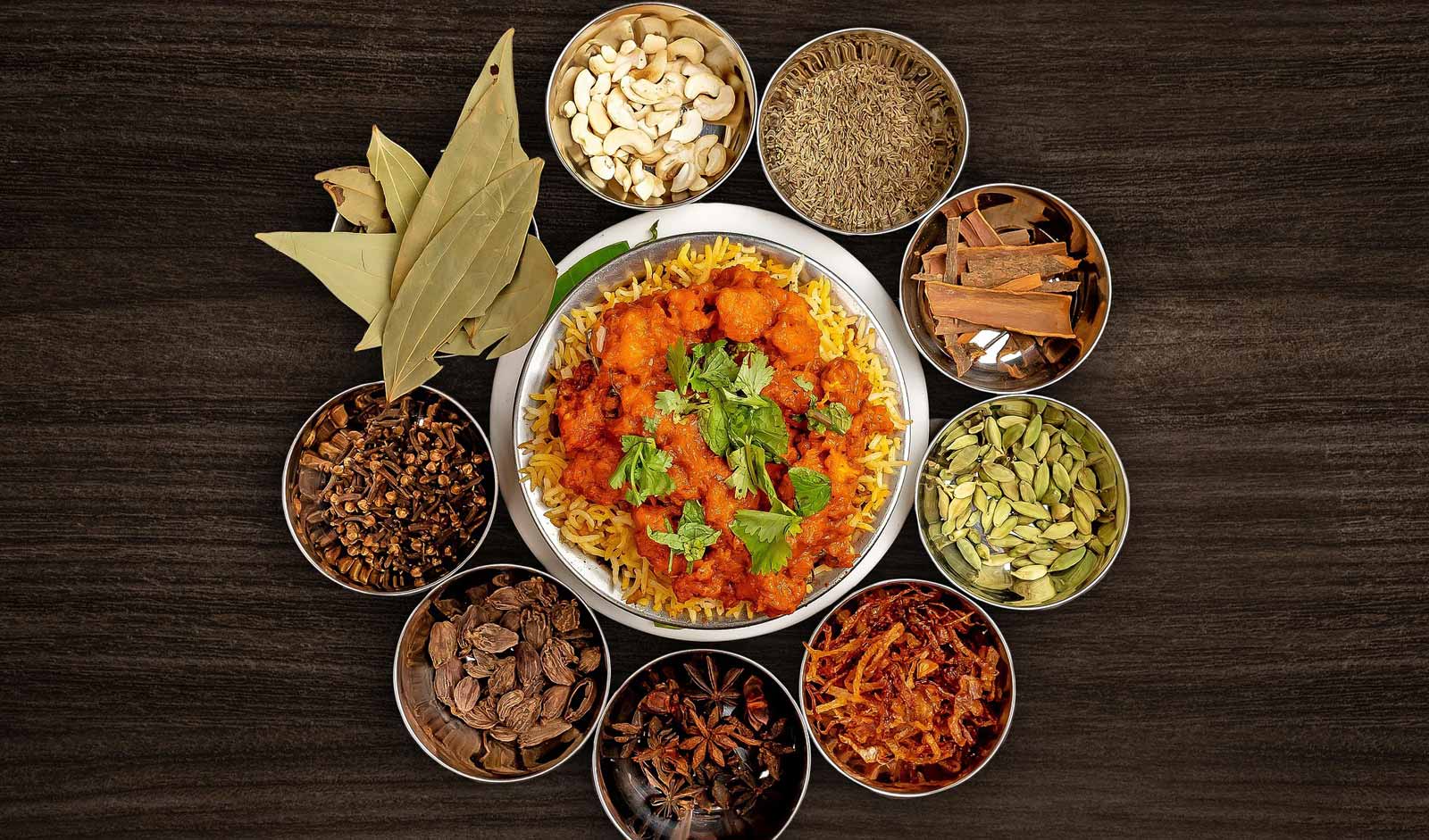
India has long been a culinary melting pot, boasting a rich and diverse food heritage influenced by its vast geography, cultural variations, and history of trade and invasions. From the spices of Kerala to the kebabs of Lucknow, Indian cuisine has embraced and evolved through the centuries, integrating elements from Persian, Mughal, Portuguese, and British cuisines. In recent years, however, the concept of fusion food has gained immense popularity, not just as a blend of global and Indian flavors but also as an expression of creativity that challenges traditional boundaries. The growing trend of fusion food in India reflects its evolving palate, culinary experimentation, and globalization of tastes.
What is Fusion Food?
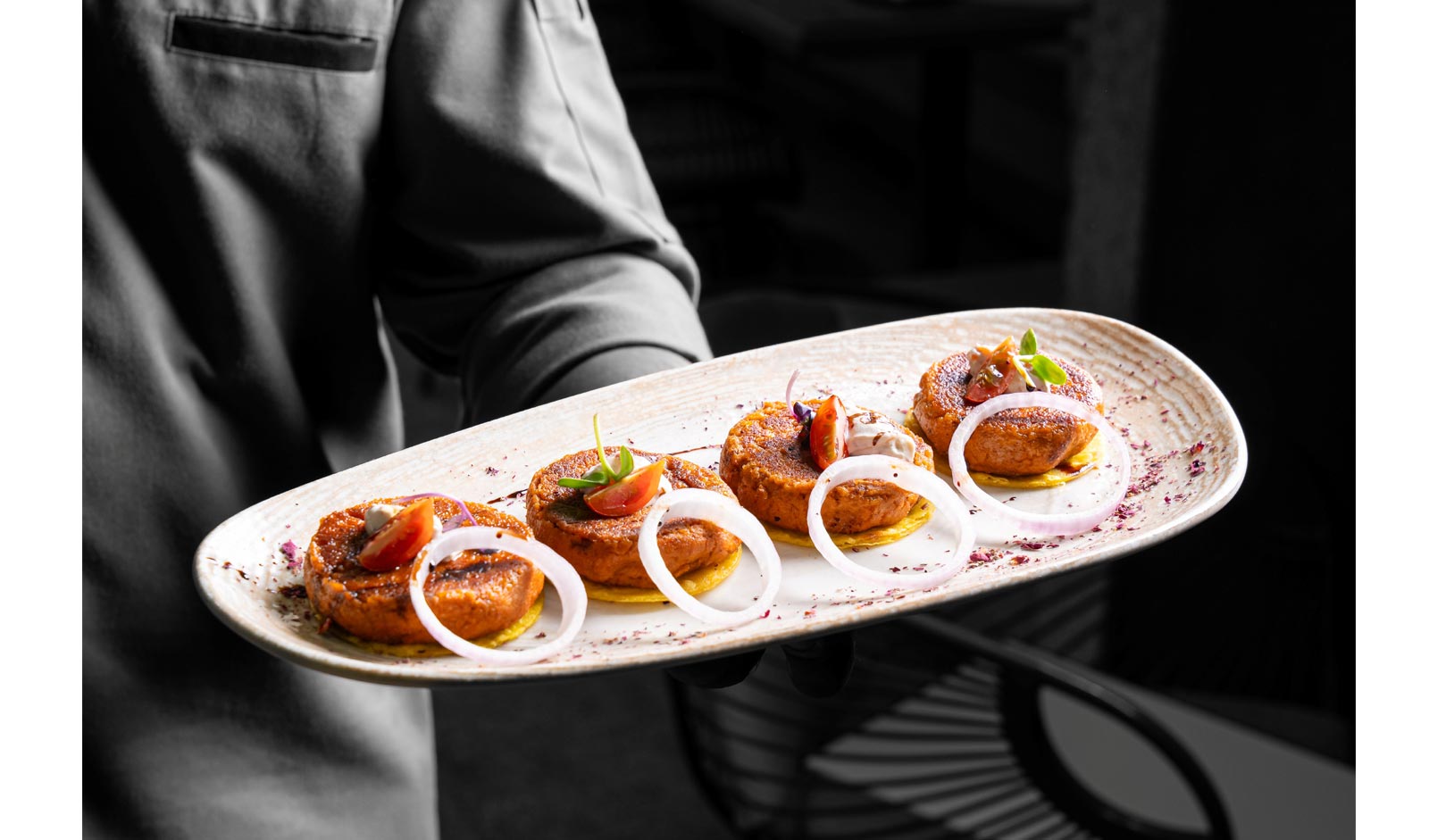
Fusion food refers to a style of cooking that combines elements from different culinary traditions. It’s a fusion of diverse cultures, ingredients, and techniques that results in innovative dishes with unexpected flavors and textures. In India, fusion cuisine typically blends traditional Indian flavors with international cuisines like Italian, Mexican, Chinese, Japanese, and more.
Factors pushing the growth of fusion cuisine
Globalization and Urbanization: One of the biggest reasons for the rise of fusion food in India is globalization. As more Indians travel abroad and are exposed to different cultures, they return with a taste for international cuisines. This exposure has also been bolstered by the rise of global media, which has introduced Indian consumers to food shows, celebrity chefs, and international food trends.
Urbanization has also contributed to this shift in tastes. With the growth of cities, the middle class has expanded, and with it, a demand for diverse dining experiences has emerged. Urban consumers, particularly millennials and Gen Z, are more adventurous and willing to experiment with different cuisines. Restaurants have capitalized on this trend by offering fusion dishes that cater to these evolving palates.
A Platform for Culinary Creativity: Fusion food allows chefs to push the boundaries of traditional cooking, leading to the creation of innovative dishes. Many Indian chefs are classically trained in global cuisines but maintain a deep connection with their roots. This dual expertise allows them to play with flavors, combining the best of both worlds.
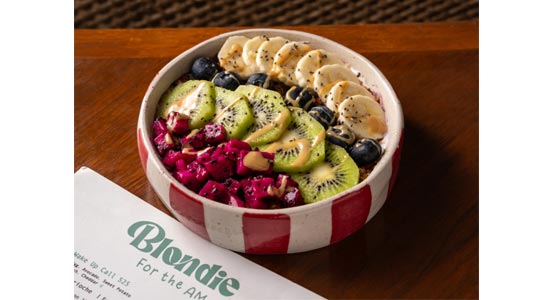
Health and Dietary Trends: India has witnessed a significant shift toward healthier eating habits. This trend has given rise to fusion dishes that balance traditional Indian flavors with health-conscious ingredients. For example, quinoa biryani or avocado paratha blend Indian comfort foods with globally recognized superfoods, offering health benefits without compromising on taste.
Similarly, vegetarian and vegan fusion foods have become increasingly popular in response to the growing demand for plant-based diets. Indian cuisine, which already has a wealth of vegetarian options, lends itself well to fusion experimentation. Vegan butter chicken made with tofu or jackfruit tacos inspired by Indian flavors are just a few examples of how fusion can meet modern dietary preferences.
Popular Fusion Food Trends in India
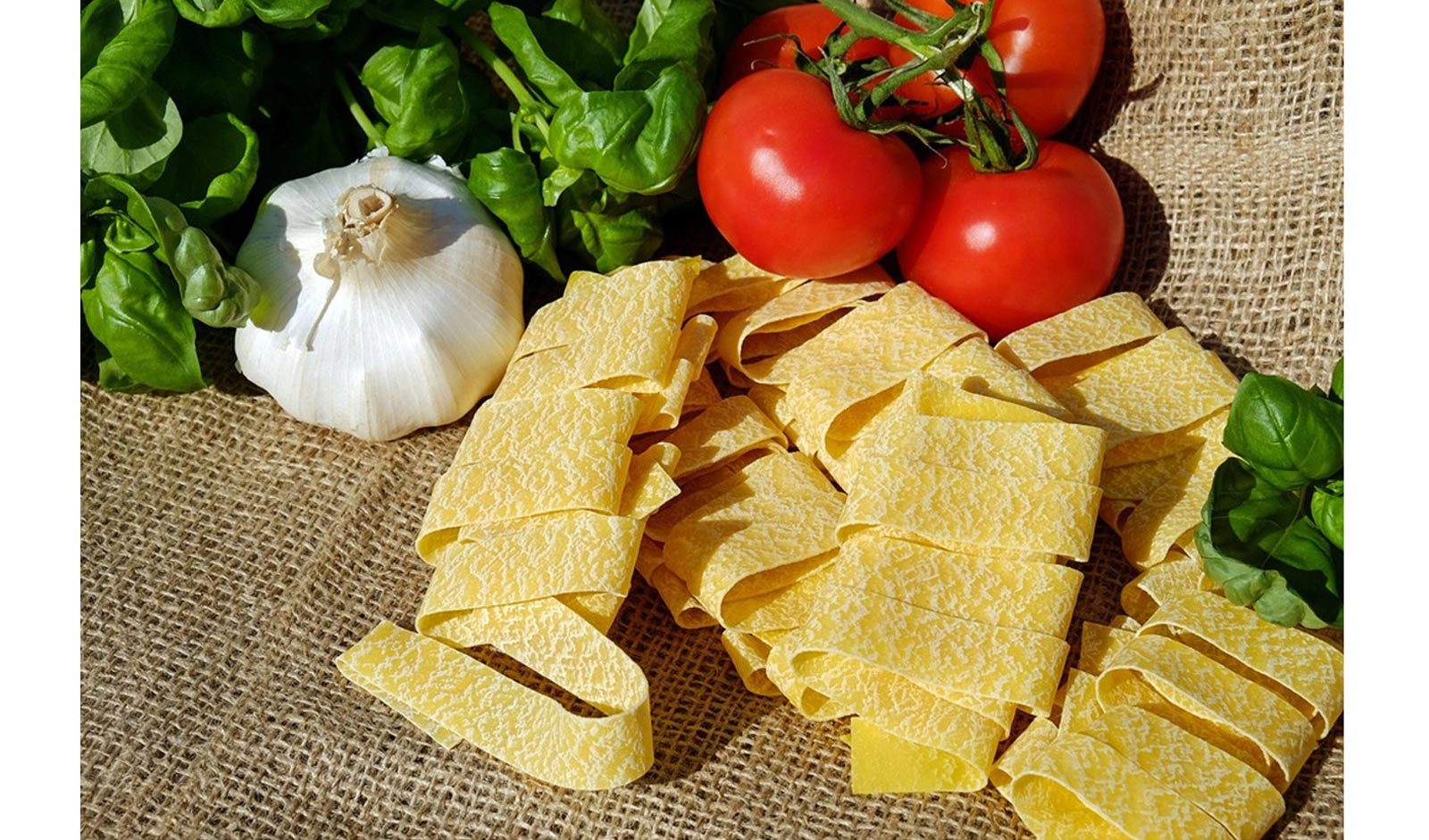
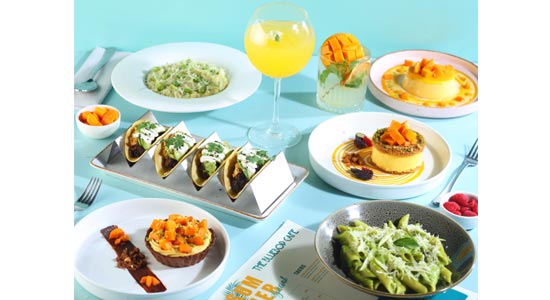
Indo-Italian Fusion: One of the earliest and most popular fusion trends in India has been Indo-Italian cuisine. Dishes like paneer tikka pizza, masala pasta, and Indian-style lasagna have become a staple at restaurants and cafes. The use of Indian spices and ingredients like paneer, coriander, and cumin with Italian staples such as pasta and pizza creates a harmonious blend of flavors.
Indo-Mexican Fusion: Mexican cuisine shares several commonalities with Indian food, including a love for bold flavors, spices, and ingredients like beans, tomatoes, and chilies. Indo-Mexican fusion has produced exciting dishes like rajma burritos, nachos with paneer tikka, and samosa tacos. This blend of two rich and flavorful cuisines has been well received by Indian food lovers.
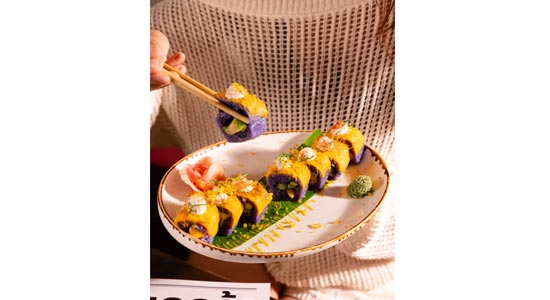
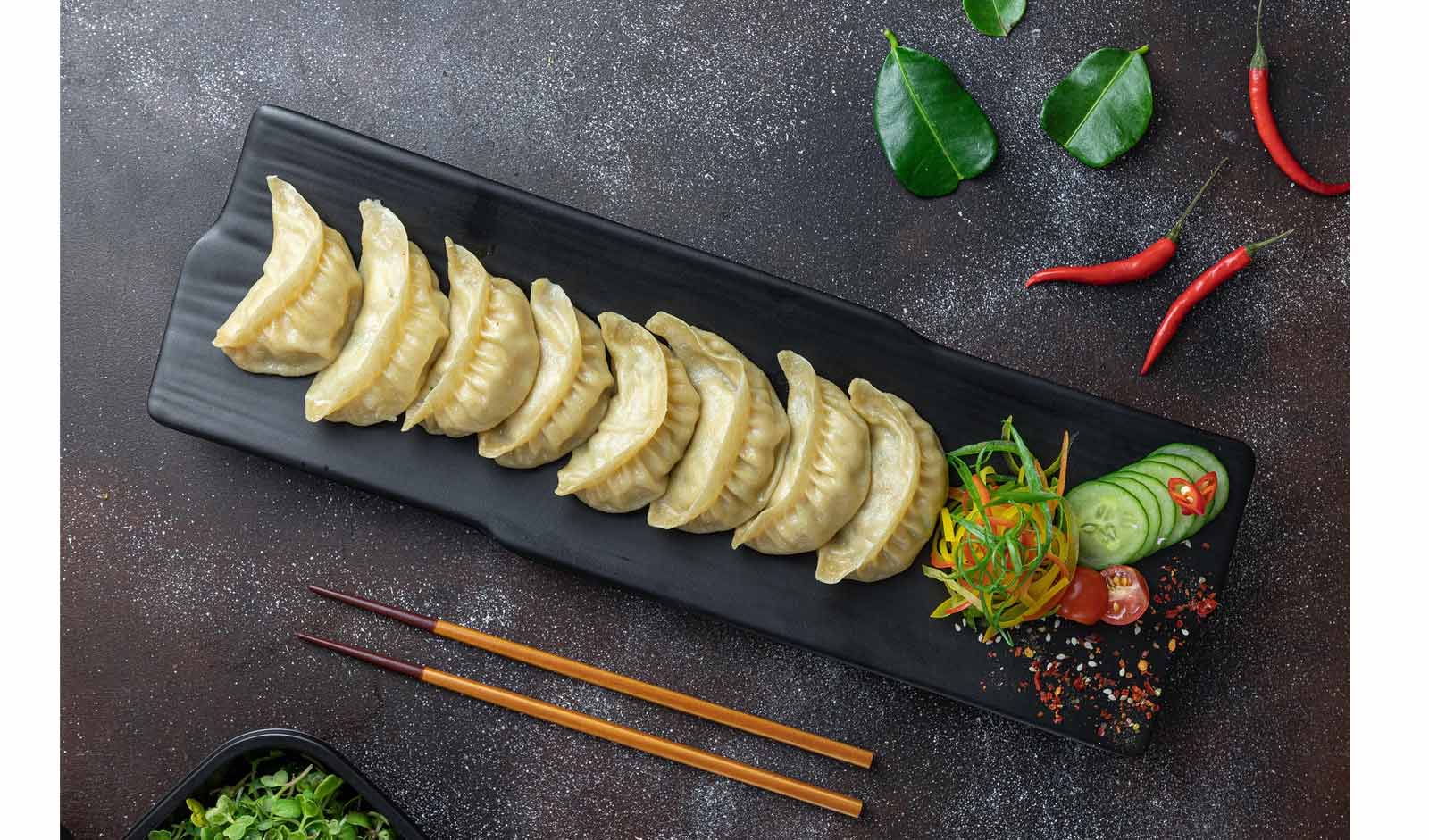
Indo-Asian Fusion: The popularity of Chinese, Thai, and Japanese cuisines in India has led to a rise in Indo-Asian fusion dishes. Indo-Chinese fusion, in particular, has long been a favorite, with dishes like hakka noodles, manchurian, and schezwan dosa becoming ubiquitous. However, new trends like sushi infused with Indian spices or dim sum stuffed with tandoori fillings are pushing the boundaries of this fusion further.
The Role of Street Food: Street food culture has played a significant role in popularizing fusion food in India. Fusion chaats, for example, blend Indian street snacks with international flavors. Take a "pasta chaat" or "nachos bhel" — these are creative, affordable, and highly accessible to the masses. The street food vendors have embraced the fusion trend wholeheartedly, offering experimental and trendy dishes to the everyday consumer.
The Future of Fusion Food in India
The future of fusion food in India looks incredibly promising. As consumer tastes continue to evolve and globalization continues to bring diverse culinary influences to the country, chefs and food innovators will keep pushing the envelope, creating exciting new combinations. With growing demand for health-conscious, sustainable, and plant-based options, fusion food will likely continue to integrate these trends.
Moreover, India’s long history of culinary evolution makes it an ideal environment for fusion food to thrive. From Mughlai to Indo-European influences, Indian food has always been a product of cross-cultural exchanges. In the modern context, fusion food is simply a continuation of this tradition, making Indian cuisine a vibrant and ever-evolving entity.
As consumers become more adventurous, the fusion food trend will only grow in popularity, adding new chapters to India’s already rich culinary legacy.
Ashfaque Ali
Brand Head Chef, MJS Holding Riyadh