Experience the festive spirit with specially curated thalis, signature Navratri menus, and indulgent vegetarian delights across top restaurants and hotels. From traditional classics to innovative twists, every meal is designed to make your Navratri celebrations memorable. Let's see how these brands are celebrating Navratri.
1. Carnival by Trèsind, Mumbai
This Navratri, step into a night of rhythm, revelry, and indulgence at Carnival by Trèsind on 27th September, 9 PM onwards. For the first time, the restaurant blends tradition with its signature flair with vibrant music, unforgettable vibes, and food that steals the spotlight. On the menu: playful plates like Pani Puri Semifreddo, Chaat Sundae, Bao Bhaji, and Avocado Galouti Kebabs; hearty mains such as Saag Florentine, Sri Lankan Curry Soba Noodles, and Truffle Mushroom Pot Rice; and show-stopping desserts including Aam Sutra and Filter Coffee Tiramisu. The Entry charges will be ₹999 per guest.
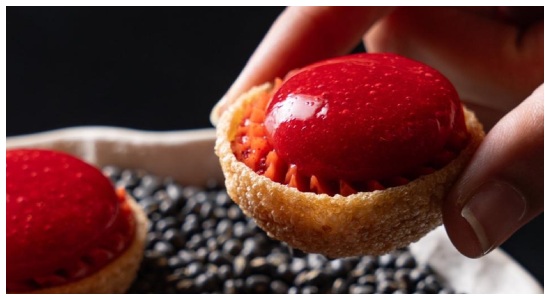
Where: Carnival by Tresind, Santacruz (West), Mumbai
2. Noormahal Palace in Karnal
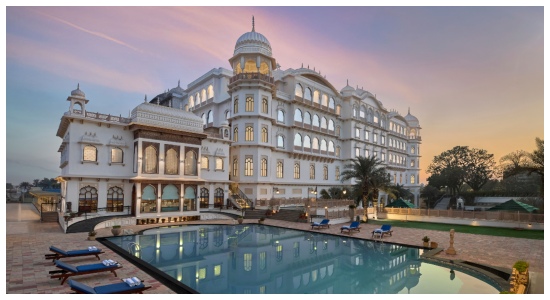
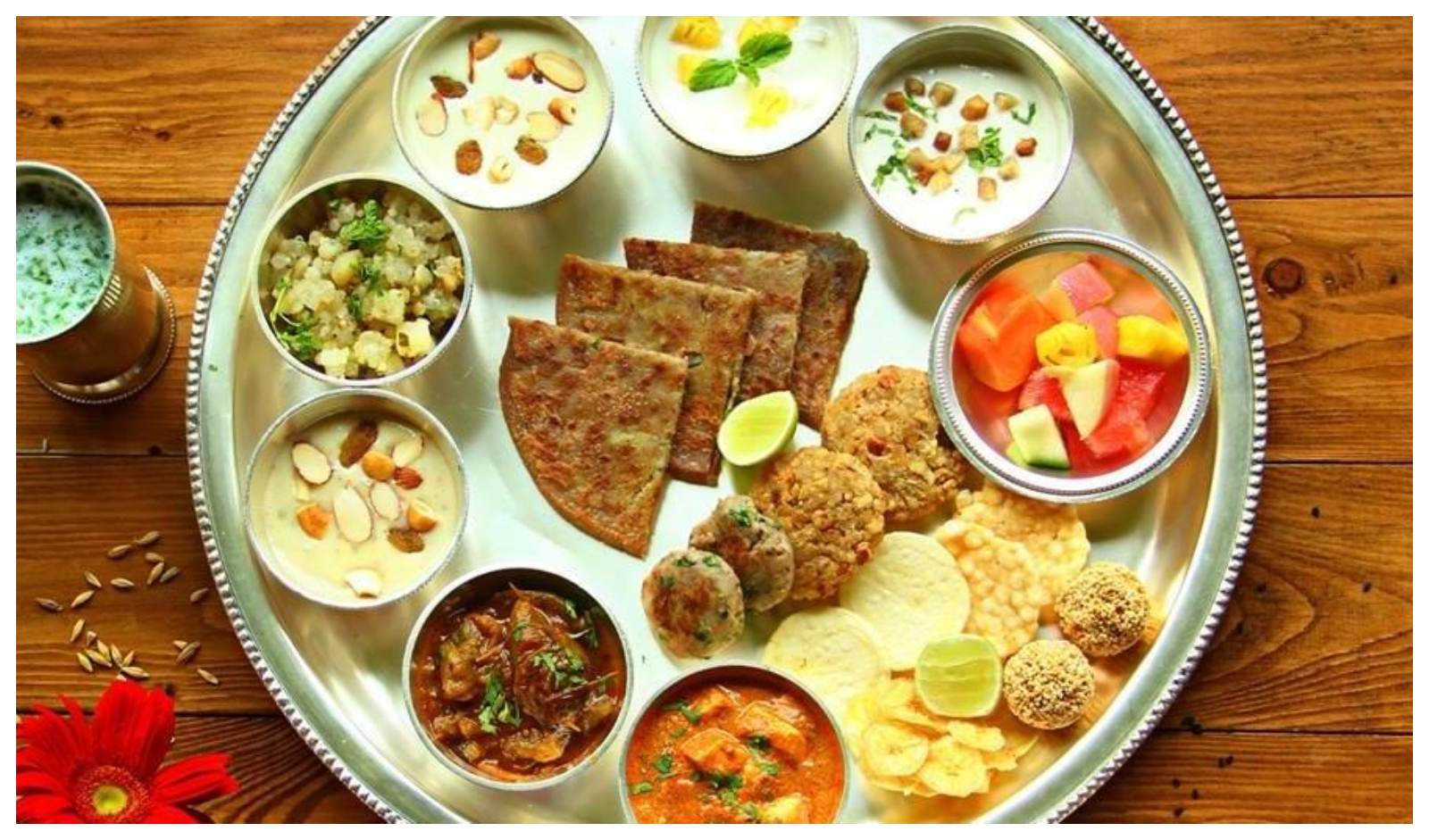
From September 22 to October 2, 2025, Noormahal Palace, Karnal, presents its royal Navratri Thali at just ₹750++ per person. Relish festive classics like Paneer ki Bhurji, Chaunke Aloo, Vrat Ke Chawal, Kuttu Ki Poori, Kachche Kele Ka Kofta, Sabudane ki Tikki, Makhane Ki Kheer, Shakarkandi Chaat and more crafted to capture the true flavours of Navratri. Feast like royalty in one of India’s most majestic palace hotels, set against the historic charm of Karnal’s lush landscapes.
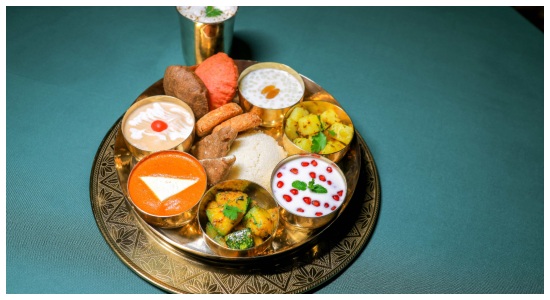
Where: Brown Sugar and Frontier Mail, Noormahal Palace, Karnal, Haryana
3. Roots Café, New Delhi
Roots Café has curated a specially designed Navratri Thali (₹1000) that blends tradition with wellness. The thali includes sattvik ingredients prepared in homestyle recipes while retaining a modern dining appeal. It is festive, nourishing, and true to the café’s ethos of sustainability and farm-to-fork freshness. Alongside the thali, Roots Café is also serving a selection of Navratri-friendly dishes starting at just ₹200, making it accessible for both solo diners and families.
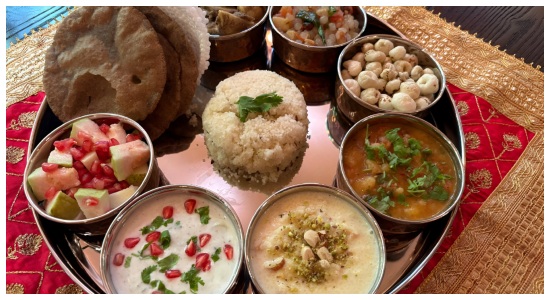
Where: Roots Cafe, New Delhi
4. Fiori, Lonavala
Celebrate the art of simple ingredients elevated to indulgence on 26th September. Start with a velvety Cream of Mushroom Soup, a vibrant Beetroot & Goat Cheese Salad, or hearty Black Bean Chili Tacos. Move to mains like Neapolitan Pizza, aromatic Garlic Pizza, decadent Mushroom Risotto, or wholesome Paneer Steak. End on a sweet note with Cookie Tart & Salted Caramel Ice Cream, Dutch Truffle Slice, or classic Tiramisu. Sip on inventive cocktails—Bee Sting, Caramellow Sour, Lavender Love—or keep it refreshing with a Miel Latte, Blueberry Walnut Smoothie, or creamy Date & Avocado Shake.
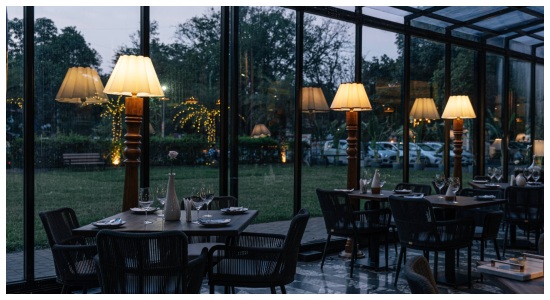
Where: Regenta SGs Greenotel, Lonavala
5. World of Palates, Mumbai
A menu that blends local favourites with world flavours. Start with Lasooni Saag with Burrata, Mumbai Masala Sandwich, or soulful soups like Tomato Coriander Broth and Mushroom Velouté. Choose wholesome salads like Caesar, Cranberry Poached Pear, or Kale & Quinoa. Small plates range from Veg Baklava to Mushroom Galawat Phyllo. Mains span continents with Zatar Seekh, Patatas Bravas, Pesto Paneer Tikka, hand-crafted Pastas, Thai Curries, and Chow Mein. End with indulgent desserts like Pistachio Kunafa Cheesecake, Walnut Halwa, Apple Strudel, or Opera Cake.
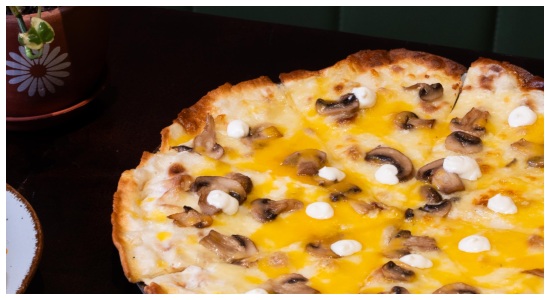
Where: World of Palattes, Nariman Point, Mumbai
6. HyLo, Mumbai
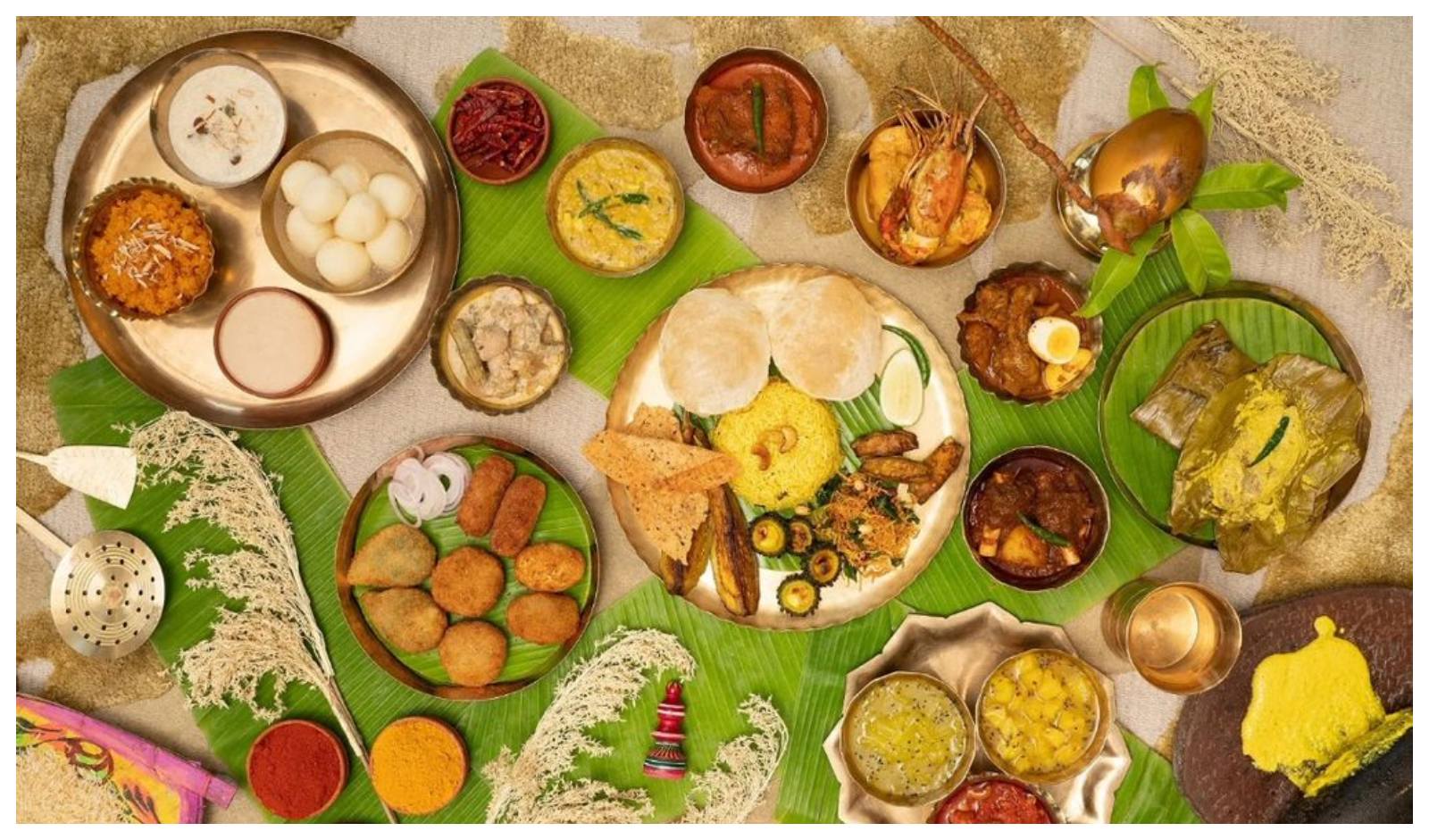
From September 23 to October 2, 2025, HyLo celebrates Bengal’s festive flavours with special thalis. The Vegetarian Thali features soulful classics—Beetroot Chop, Mochar Paturi, Dhokar Dalna, Chhanar Kalia, Shukto, Aloo Dum, Basanti Pulao, Luchi, and sweets like Patishapta and Kheer Komola.The Non-Vegetarian Thali offers festive indulgence with Dimer Devil, Macher Paturi, Kosha Mangsho, Golda Chingrir Malai Curry, and Lebu Lanka Murgi, served with traditional sides and mishti. On Vijaya Dashami/ Dussehra (Oct 2), enjoy the Niramish Aahar—a traditional vegetarian feast of Khichuri, Labra, Beguni, Phoolkopir Tarkari, Chhanar Kalia, Chutney, Mishti Doi, and Rosogolla.
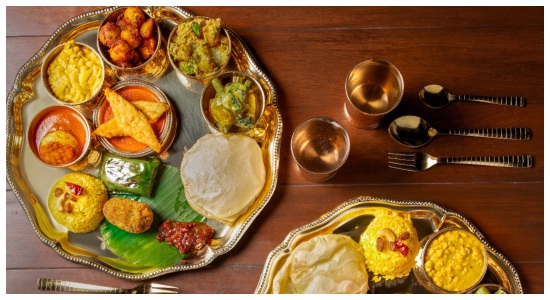
Where: HyLo, Kala Ghoda and HyLo Taproom by Igloo in Jio World Drive, Mumbai
7. Aflatoon’s Navratan Feast
Aflatoon by SOCIAL, known for its truly twisted North Indian cuisine, is celebrating the season with a specially curated Navratan Feast, a line-up of nine vegetarian dishes created exclusively for the festive occasion. Start with playful starters—Kale Palak Patta Chaat, Pickled Paneer Tikka, and Balsamic Beetroot Papdi Chaat. Mains bring comfort with Punjabi Kadhi Pakora, Truffled Paneer Makhanwala, Maa Ki Dal Makhani, Mix Veg, and Paneer Makhanwala Biryani. It will be available exclusively on Swiggy and Zomato across Delhi NCR, Chandigarh and Bangalore from September 22 to October 1, 2025.
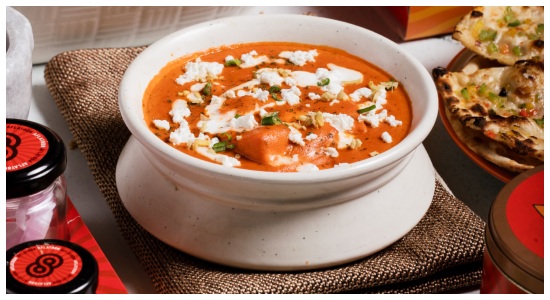
Where: Aflatoon's (Swiggy & Zomato)
8. Haldiram’s North India
Haldiram’s unveiled their ‘Swaad Bhari Navratri’ campaign featuring a specially curated menu which thoughtfully brings taste, rituals, and festive passion together for the nine days of celebration. The Navratri special menu enhances the fasting experience with a range of delectable dishes, including light and flavourful snacking options such as Kurkuri Sabudana Tikki, Sabudana Papdi Chaat, and Singhara Paneer Pakoda, as well as elaborates meals like the Navratri Tandoori Sizzler, Vrat Aloo Sabji Combo, and Singhara Parantha. For desserts, the menu offers festive favourites like Ghiya Halwa and Sweet Potato Halwa. The ‘Swaad Bhari Navratri’ menu is now available at Haldiram's restaurants across North India and can also be enjoyed at home through Zomato delivery.
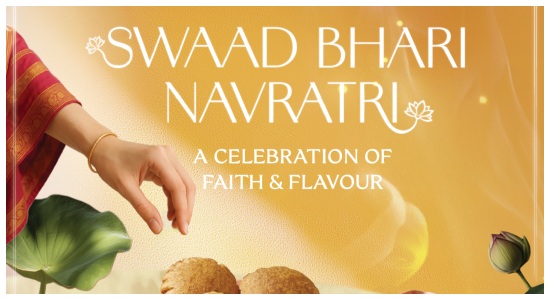
Where: Haldiram’s North India
9. IRA by Orchid Hotel, Mumbai
Step into a celebration of flavours with a specially curated thali that brings together devotion and indulgence on a single platter at Spice Oasis, IRA by Orchid Hotel, Mumbai from 22nd September to 1st October. The experience begins with soft, spongy dhokla or delicately flavoured patra, setting the tone for an authentic Gujarati feast. The main course is a celebration of comforting classics. There’s the wholesome undhiya, the tangy sev tamatar, and the traditional rangan beteta nu shak, each dish carrying the essence of home-style cooking. Paired with vrat ke chawal, the soothing Gujarati kadi, andfluffy kuttu ki puri orphulkas, the thali is rounded off with the crisp bite of roasted papad.
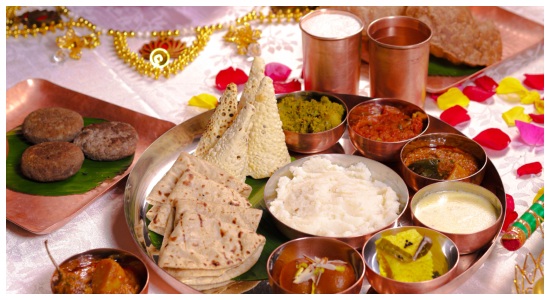
Where: Spice Oasis, IRA by Orchid Hotel, Mumbai
10. Khandani Rajdhani
Khandani Rajdhani, the iconic thali brand that has been part of India’s festive dining traditions for generations. It has started from 22nd September and will end on 2nd October. Prepared with Sindha Namak and fresh seasonal produce, the thali features an indulgent spread of vrat delicacies. From crisp farsans and refreshing fruit salad to wholesome sabudana khichdi, comforting rajgira rice with kadhi, fluffy puris made with kuttu or rajgira atta, with a variety of vibrant sabzis, dals, papads, chutneys, curd, and festive sweets every plate reflects purity and flavour. To keep the celebration exciting, the menu changes daily with rotating dishes.
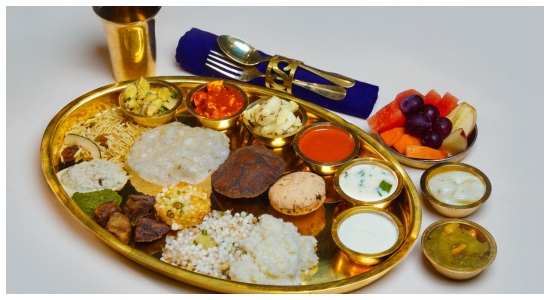
Where: Khandani Rajdhani (All Outlets Pan-India)
11. SALT Indian Restaurant
Step into the world of vibrant flavors as SALT Indian Restaurant unveils its exclusive Navratri Special Menu, available from 19th September to 5th October 2025 across select outlets. The menu blends traditional favorites with SALT’s contemporary flair. With several dishes prepared without onion and garlic, it allows guests to savor the joy of dining without compromising on the sanctity of the season. Highlights include the classic Jeera Aloo Methi, a Navratri staple loved for its simplicity, and the aromatic Subzi Korma, cooked to perfection without onion and garlic. Adding depth to the experience are the Dudi Kofta Malai Curry, Foxtail Millet and Lentil Khichdi topped with paneer tikka, and the hearty Aloo Kale Chane Rasedar with pooris – each dish crafted to bring a sense of tradition to the table while delighting modern palates.
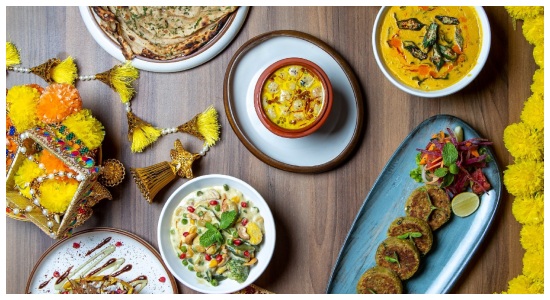
Where: All outlets - Bangalore, Chennai, Hyderabad & Pune
12. ITC Grand Central, Mumbai
This Navratri, ITC Grand Central, Mumbai, invites guests to embrace the festive spirit with the Thali of the Goddess, a specially curated satvik dining experience at Hornby’s Pavilion, the hotel’s all-day dining destination. Available from 22nd to 30th September, the main course features an extensive selection, including dahi wale aloo, malai paneer, kaddu ki subzi, navratri kadhi, and tamater paneer ka rassa, accompanied by festive staples such as samak ke chawal, kutti ki roti, nachni ki roti, jowar ki roti, sabudana papad, farali chivda, plain dahi, and fresh cut fruits. Adding a refreshing note to the thali are beverages like kokum sharbat, chaas and piyush, completing the experience with balance and flavour.
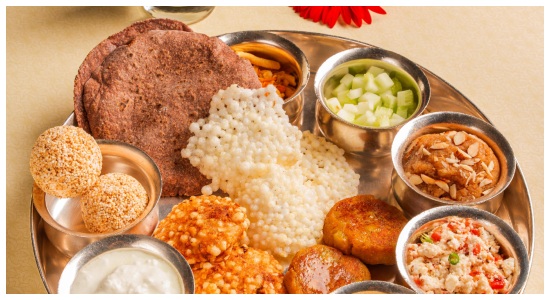
Where: Hornby’s Pavilion, ITC Grand Central, Mumbai
13. Shangri-La Bengaluru
Shangri-La Bengaluru has specially curated Navratri Thali at Ssaffron, available from 23rd September to 1st October 2025. This festive vegetarian thali is crafted with traditional vrat-friendly dishes to mark the nine-day celebration. For the main course, enjoy Dahi Aloo, potatoes in spiced yoghurt gravy, Makhane Aur Kaju ki Subzi, a rich curry of lotus seeds and cashew nuts, and the sweet-and-sour Khatta Meetha Kaddu. Round off the meal with indulgent desserts - Samvat Chawal ke Kheer, a creamy millet pudding with nuts, and Barnyard Millet Pudding, a wholesome festive delight.
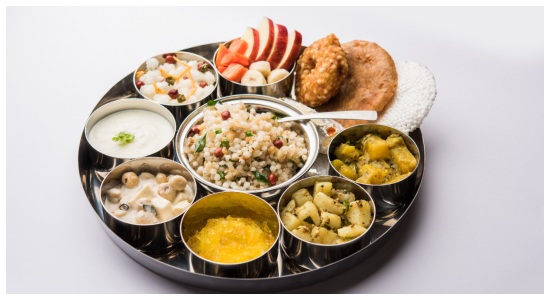
Where: Ssaffron, Shangri-La Bengaluru, Palace Road
14. Pilibhit House, Haridwar
Rooted in the timeless philosophy of sattvik living, Pilibhit House, Haridwar – IHCL SeleQtions, is a luxury riverside retreat that embodies balance, purity, and harmony. The main spread highlights both familiarity and refinement. Jhangora Pulao is paired with spiced Pahadi Aloo with Sabudana and crisp Kuttu ki Puris. Locally sourced water chestnuts lend delicacy to the Singada Curry, with Bhangjeera Chutney and Sabudana Papad add distinctive Garhwali notes.
The Thali concludes with silken Makhana Kheer, a pudding of lotus seeds, saffron, and dry fruits, leaving guests with a memory as rich as the season itself. Every element of this Navratri Thali is sattvik and vrat-friendly, available from 22nd September to 2nd October.
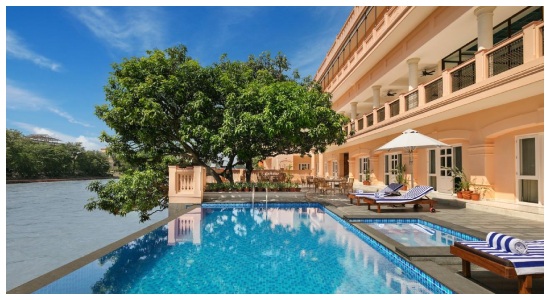
Where: Pilibhit House, Haridwar – IHCL SeleQtions
15. Renaissance Bengaluru Racecourse Hotel
Renaissance Bengaluru Racecourse Hotel brings the festive spirit to life with a soulful Vrat Thali at Lush, the hotel’s all-day dining restaurant from 22nd September to 2nd October. The thali brings balance and flavour, from refreshing notes of Nimbu Poha and cooling Falahari Raita to wholesome classics like Shakarkand ki Subzi and Moongphali ki Kadhi. For the main spread, savour the delicate Sama Chawal ka Pulao paired with warm Rajgira Roti, crafted with fasting grains that feel both nourishing and celebratory. The experience concludes with Makhana Kheer, a silken blend of fox nuts, cardamom and milk that embodies festive comfort.
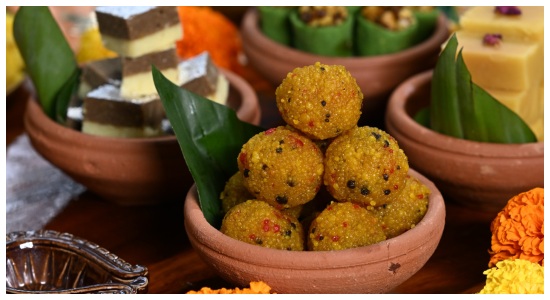
Where: Renaissance Bengaluru Racecourse Hotel
16. Sheraton Grand Pune
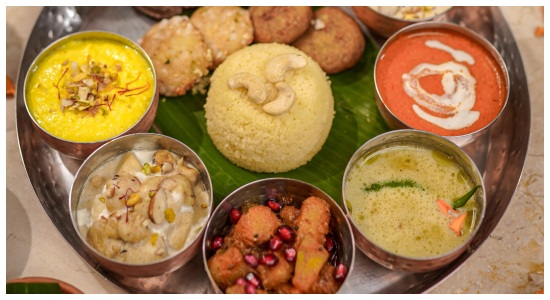
Sheraton Grand Pune Bund Garden Hotel presents a Navratri menu that celebrates the sacred flavors of this auspicious nine-day festival from 22nd to 30th September. Experience the richness of Arbi Singhada aur Makhana Korma, a creamy, mildly spiced curry combining colocasia, water chestnut, and fox nuts. Savor the Phaldari Kofta Curry with its delicate raw banana and cottage cheese dumplings in tomato and coconut gravy, and the beloved Khatta Meetha Kaddu sweet and tangy pumpkin curry infused with traditional Indian spices. Complement these dishes with Vratke Chawal (samak rice), Kuttu ki Puri (buckwheat flour bread), and the robust ShengdanaAmti, a spicy crushed peanut curry that adds depth to the meal.
Where: Feast at Sheraton Grand Pune Bund Garden Hotel