NRAI Opposes Zomato and Swiggy’s Private-Label Food Delivery in India
The NRAI is urging all industry stakeholders—restaurants, customers, and regulators—to collaborate in maintaining a fair and competitive food delivery ecosystem in India.

Published by — Rishabh Sharma
Correspondent, IndianRetailer.com & Retailer Media
Views: 1747 5 MIN READ

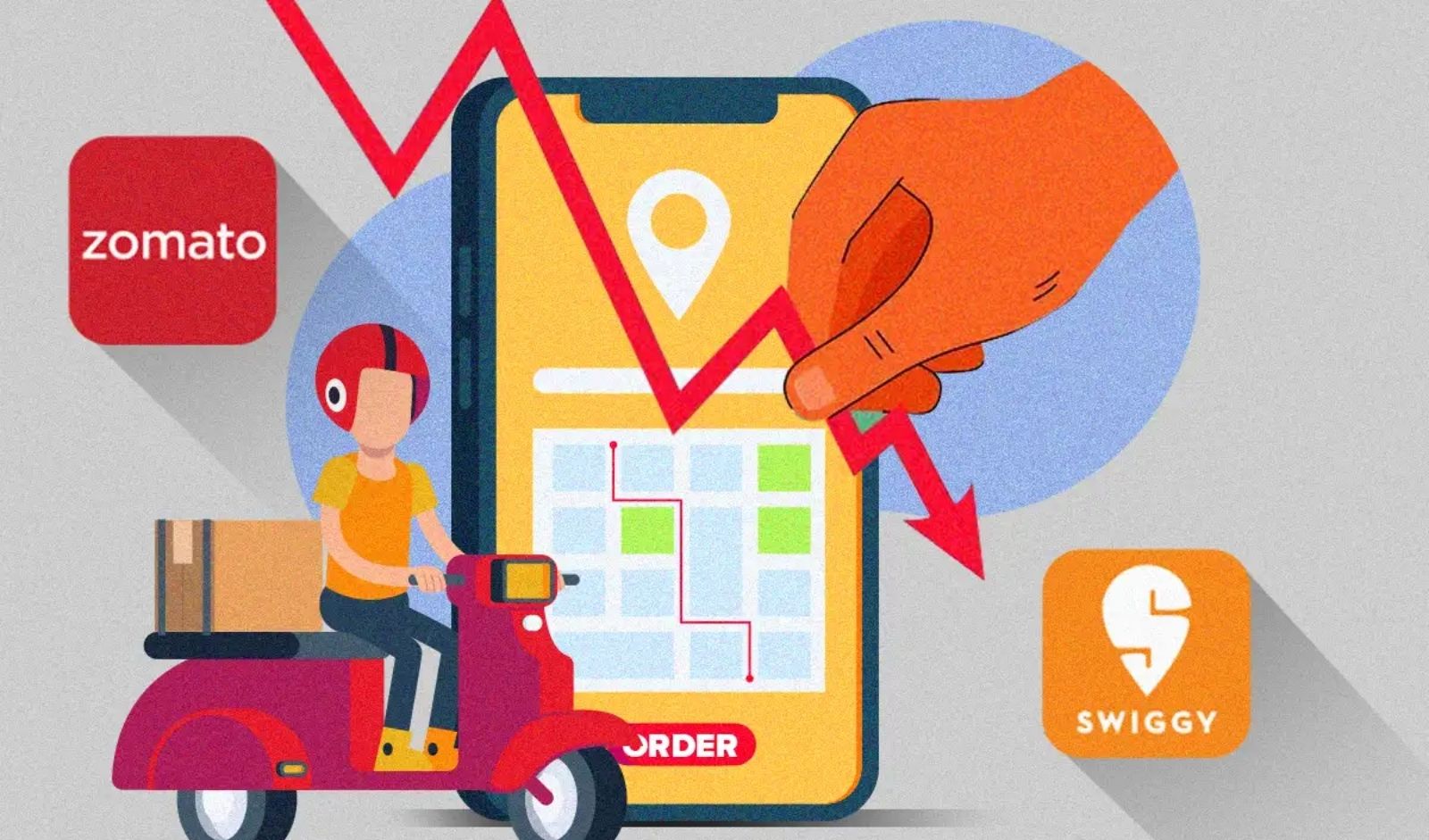
The National Restaurant Association of India (NRAI) has raised concerns over Zomato and Swiggy's entry into quick commerce through private-label food delivery, citing threats to fair competition and the retail food industry in India. The industry body argues that this shift could negatively impact thousands of restaurants across the country that rely on these platforms for business.
Originally operating as marketplace platforms, Zomato and Swiggy are now using their market dominance and access to restaurant data to launch private-label food offerings, either directly or through subsidiaries. This strategy includes launching private-labelled food products on their own quick commerce platforms, such as Blinkit Bistro by Zomato and Swiggy’s Snacc and Swiggy Café. NRAI claims this approach compromises platform neutrality and unfairly disadvantages restaurant partners.
The NRAI also highlighted potential violations under the Copyright Act, asserting that the use of restaurant data to develop competing products creates a conflict of interest. The association plans to explore legal avenues to protect the restaurant industry from market monopolization by these delivery platforms.
Sagar Daryani, President of the NRAI, stated, “Quick commerce in food is here to stay, grow, and add more zing to the food delivery space. People want more convenience, and so it will add an edge to the restaurants that can adapt to it. We are completely for it. What we are absolutely not okay with is Zomato and Swiggy doing private labelling and selling food by themselves. In Zomato via Blinkit’s separate Bistro app and Swiggy launching Snacc for quick food delivery.”
Daryani further expressed, “They have all our data which they do not share with us. For us, there is complete consumer masking. We have no reason to not believe them migrating our customer to the products they sell as private labels on their apps. Be it data from a tea brand, biryani, or momo. We are definitely considering taking a serious legal route. As long as these aggregators are okay working with restaurants and enable restaurants to go quick, we’re absolutely fine with it, but we will not want to be demolished as an industry where they end up selling our similar products. This has not been allowed for even larger e-commerce players operating in the marketplace.”
The NRAI also claimed that previous verbal assurances from these platforms indicated they would not pursue private labelling, making this move a breach of trust. The association warns that restaurants could face severe business impacts if these practices continue.
The NRAI is urging all industry stakeholders—restaurants, customers, and regulators—to collaborate in maintaining a fair and competitive food delivery ecosystem in India. The association remains committed to protecting the future of the country’s dynamic culinary sector.
Rishabh Sharma
Correspondent, IndianRetailer.com & Retailer Media
An experienced correspondent specializing in the Indian retail and D2C industry, I have a deep understanding of market dynamics and trends. I deliver insightful and engaging news stories that keep readers informed and captivated. My expertise and dedication make me a valuable asset to retail journalism and industry as a whole.