Building a Sense of Novelty: How Seasonal Menu Help Restaurants Save Cost
According to data, usually, about 25% to 40% of a restaurant’s menu is curated specifically for summer.


Seasonal menu not just add creativity and freshness in the menu but also is a big time money saver for restaurants. It also allow restaurants to take advantage of the freshest ingredients at their highest quality. Ingredients that are in season are usually less expensive because they are more abundant and travels shorter distances to reach the restaurant, cutting all the in-between cost attached to its supply. Moreover, seasonal dishes build a sense of novelty that would entice diners to return to the restaurant to try something new.
Why so Important?
“Curating a seasonal menu is important because it maximises ingredient freshness and flavour, supports local farmers, reduces environmental impact through lower transportation needs and aligns with our guest preferences for sustainable, high-quality dining. It also allows my team and me to showcase creativity by adapting to available produce, keeping the menu dynamic and engaging,” shared Chef Anurag Bainola, Executive Chef La Estoria, Goa IHCL SeleQtions.
Seasonal menus are very important tools to help restaurant and chef brands to stay innovative and ahead of the curve.
“Having light menus which rotate, especially seasonally can help Restaurants stay more relevant to consumers, who will always have an opportunity, beating the “menu fatigue” which happens in favorite restaurants, where regular loyal customers sometimes choose another place because they are craving something new,” Pranav Rungta, Co-Founder & Director, Nksha Restaurant.
It is also believed that creating a seasonal menu always brings multiple benefits that include supporting local farmers and contributing to the local economy, it also helps chefs manage food costs as seasonal ingredients are available in good quantities and at a lower price.
“Seasonal menus allow us to stay rooted in freshness, support the local community, and bring exciting new flavours to the guest's plate — all while managing efficiency in the kitchen. It’s a win-win for the team and the diner,” he added
Seasonal Menu Boost Sales
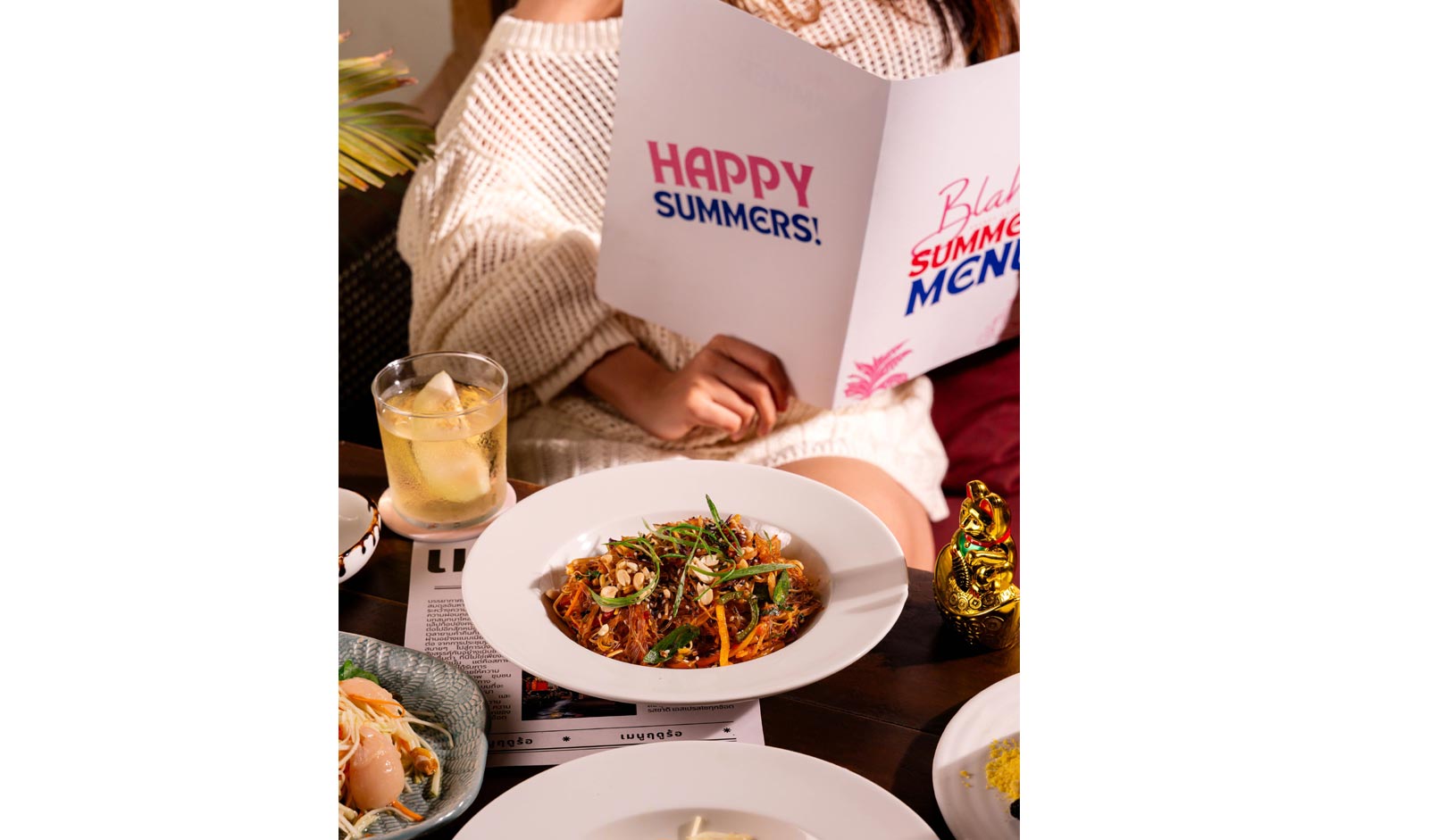
A seasonal menu boosts sales by attracting customers with fresh, high-quality ingredients that appeal to their desire for flavor and novelty. It creates buzz through limited-time offerings, encouraging repeat visits.
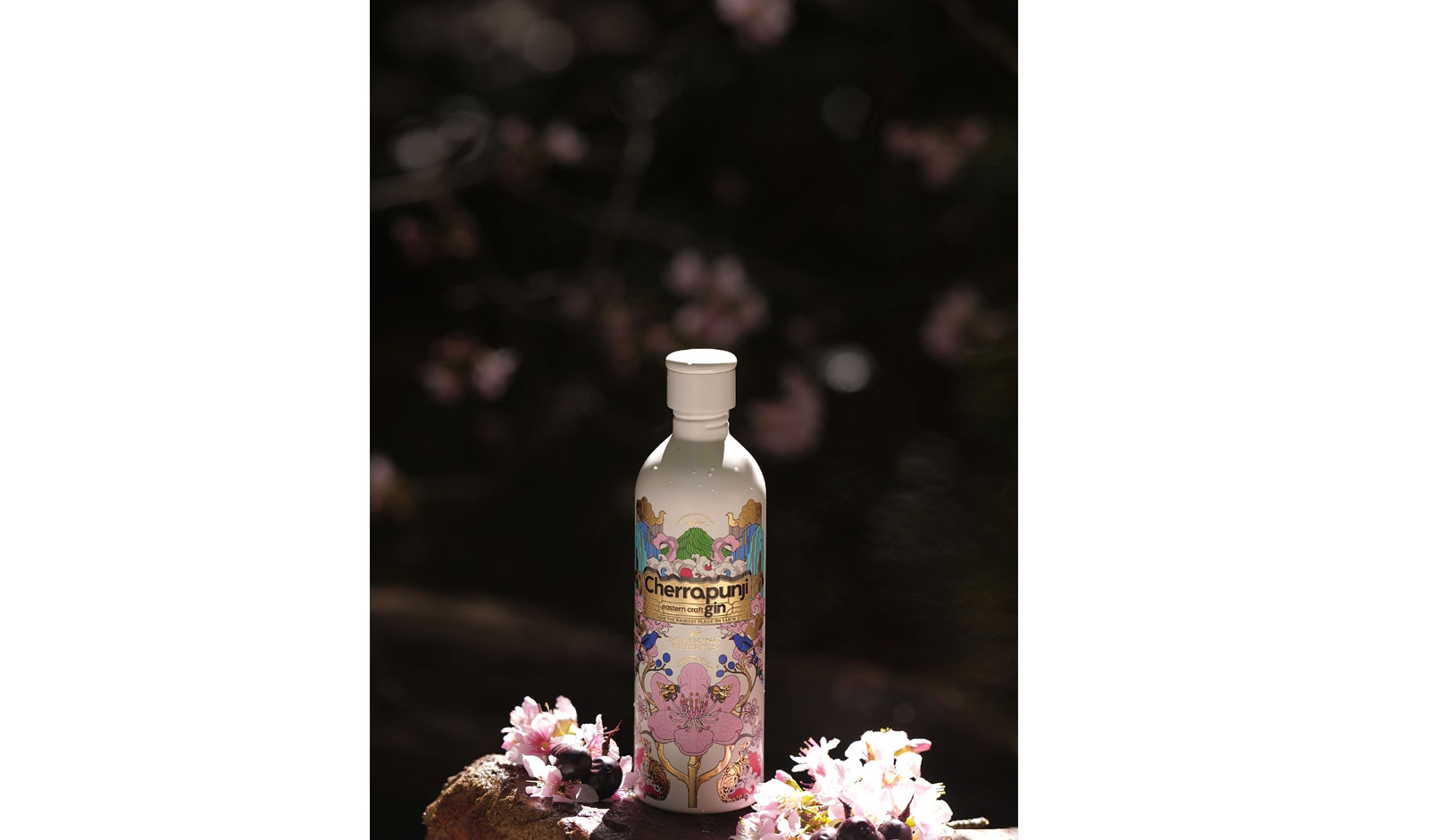
Not only this, the dynamic menu keeps the dining experience exciting, driving demand and differentiating the restaurant from competitors. Going a step further by pairing drinks with the menu, the restaurant enhances dining experience and encourage diners to try new beverages, and boost sales through upsell opportunities like wine pairings or signature cocktails.
“Launching a summer menu offers key business advantages—it helps attract more customers, increases average spend with refreshing seasonal dishes and drinks, and creates buzz through social media and marketing campaigns. Limited-time offerings drive urgency and repeat visits, while the use of fresh, in-season produce keeps food costs in check. Overall, it positions the brand as innovative and in tune with customer preferences,” pointed Kanishka Tuteja of Nukkad Café, Kipos and Nest by 1Oak.
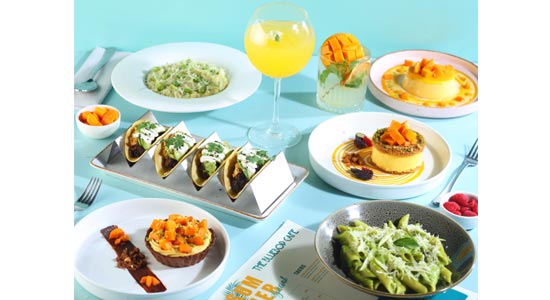
According to data, usually, about 25% to 40% of a restaurant’s menu is curated specifically for summer. Depending on the concept, some restaurants may go up to 50%-60% for a full summer-themed menu, while others might keep it subtle with 15–20%, just adding a few limited-time specials to complement the core offerings.
“Generally there is a 5-10% upswing in sales, primarily because seasonal menus are shorter. These generally help in leaner months too (Eg summer, monsoon) where there is a traditional dip,” added Rungta.
Pairing it with the Right Drink
“By considering complementary flavors, textures, and the overall dining experience. We at La Estoria approach it through flavour alignment, by adding seasonal ingredients in drinks, local and regional pairings, guests' trends and preferences, tasting and collaborations. Most important is to understand the Weight and Intensity of the dishes or the beverages that I am set out to pair: The weight of the dish guides the drink choice. Light dishes (e.g., spring asparagus) pair with lighter drinks like rosé or pilsner, while heavier dishes (e.g., winter braised meats) suit robust options like red wine or whiskey-based cocktails,” Chef Bainola further commented.
Not just that, chefs also pair dishes and drinks based on shared seasonal ingredients — like a summer salad with a cucumber-based drink or cold cucumber soup.
“Season play a vital role in curating any cuisine, dish or even the smallest of the habits. Seasons are the reason traditions are made and with time they become classics,” mentioned Chef Pradeep Rao by adding that Local & Seasonal ingredients like; Mango, Kokum, Cucumber, Watermelon, Raw Jackfruit, Bhindi, Vaal and drinks like Aam Panna, Matha and Sol Kadhi are great drink to go with seasonal, traditional menu.
Nusra
Consultant Associate Editor
A seasoned journalist with more than a decade experience in restaurant and retail business. I eat, drink, breathe and sense food as a source of my living and lifestyle. A foodie by birth and a journalist by choice. I started my career with Hindustan Times doing hard news, moving into features and finally landing myself in a food coma. Love to talk, hear and publish all food stories that makes anyone happy and hearty for more than a decade now. Apart from food, I love reading fiction, helping others and finding joy in little things...