India's food industry is facing closer scrutiny as food safety authorities intensify inspections across restaurants, sweet shops, food manufacturing units and other food establishments. From adulterated dairy products to hygiene violations and improper food storage, the latest enforcement drive has brought several weaknesses in the country's food supply chain into focus. Between September 1 and November 5, 2026, the Food Safety and Standards Authority of India (FSSAI), in collaboration with State Food Safety Authorities, inspected 56,431 food establishments across India. The drive resulted in 10,047 improvement notices, 1,133 licence suspensions, 52 licence cancellations and the sealing of 314 establishments.
Authorities also seized 3,279.57 metric tonnes of food products valued at Rs 81.80 crore. Of the 43,939 food samples collected, 23,648 were analysed, with 2,273 found to be non-compliant with prescribed food safety standards. The authorities also initiated 410 prosecutions. The seized products included milk, paneer, khoya, ghee, cooking oils, sweets, bakery products, chocolates, ice creams, namkeen and packaged foods. These numbers highlight an important change for India's food businesses. Food safety is no longer simply about maintaining a clean kitchen or displaying an FSSAI licence. Businesses must also demonstrate control over ingredient sourcing, storage, food preparation, employee hygiene and product quality. For restaurant operators, cloud kitchens and food manufacturers, the latest inspection drive raises an important question: How prepared are businesses to meet stricter food safety expectations?
56,431 Establishments Inspected: What the Latest Numbers Reveal
The scale of the latest enforcement drive highlights the regulator's focus on monitoring food businesses across different parts of the supply chain. The inspection findings reveal that authorities are examining both the quality of food products and the operational practices followed by food businesses.
Key findings from the nationwide inspection drive
| Enforcement activity | Reported figures |
|---|
| Establishments inspected | 56,431 |
| Food samples collected | 43,939 |
| Samples analysed | 23,648 |
| Non-compliant samples | 2,273 |
| Improvement notices issued | 10,047 |
| Food licences suspended | 1,133 |
| Licences cancelled | 52 |
| Establishments sealed | 314 |
| Prosecutions initiated | 410 |
| Food products seized | 3,279.57 metric tonnes |
| Estimated value of seized products | Rs 81.80 crore |
Around 9.6 per cent of the samples analysed were found to be non-compliant. This figure is based on the samples tested, not the total number of food products sold in India. The findings also show that enforcement is not limited to product testing. Improvement notices, licence suspensions and establishment closures indicate that operational compliance is receiving attention. For food businesses, this means that maintaining records, following hygiene procedures and ensuring ingredient quality must become part of everyday operations.
Why Are Food Businesses Facing Greater Regulatory Scrutiny?
Food safety enforcement becomes particularly important during periods of increased food consumption. Festivals, weddings and large-scale celebrations create higher demand for dairy products, sweets, packaged foods and prepared meals. When production volumes increase, businesses can face additional pressure on procurement, storage, transportation and quality control.
1. Rising demand for dairy products and festive foods
Milk, paneer, khoya, ghee and sweets are among the products that require careful sourcing and handling. During peak demand, some businesses may face pressure to procure ingredients quickly or work with additional suppliers. Without proper verification, this can increase the risk of substandard ingredients entering production.
Food businesses need to focus on:
- Verifying supplier credentials.
- Checking ingredient quality before acceptance.
- Maintaining purchase invoices.
- Recording batch and manufacturing details.
- Ensuring appropriate storage conditions.
- Rejecting products that fail quality checks.
2. Greater attention to food adulteration
Food adulteration remains a concern across several categories, particularly dairy products, edible oils, spices and other commonly consumed ingredients. The commercial impact extends beyond the product itself. If an ingredient fails a food safety test, the restaurant or manufacturer may also face questions about its supplier selection, procurement records and quality-control systems. This makes supplier verification an important part of food safety management.
3. Hygiene is becoming an operational priority
Inspections are not limited to testing finished food products. Authorities can also examine the conditions in which food is stored, handled and prepared.
Common areas requiring attention include:
- Pest infestation.
- Improper refrigeration.
- Uncovered food ingredients.
- Poor waste disposal.
- Dirty preparation surfaces.
- Inadequate employee hygiene.
- Cross-contamination between raw and cooked food.
- Improper storage of cleaning chemicals.
A restaurant may have an attractive dining area, but its food safety standards depend heavily on what happens inside the kitchen.
Beyond the Dining Table: What Are Food Safety Inspectors Checking?
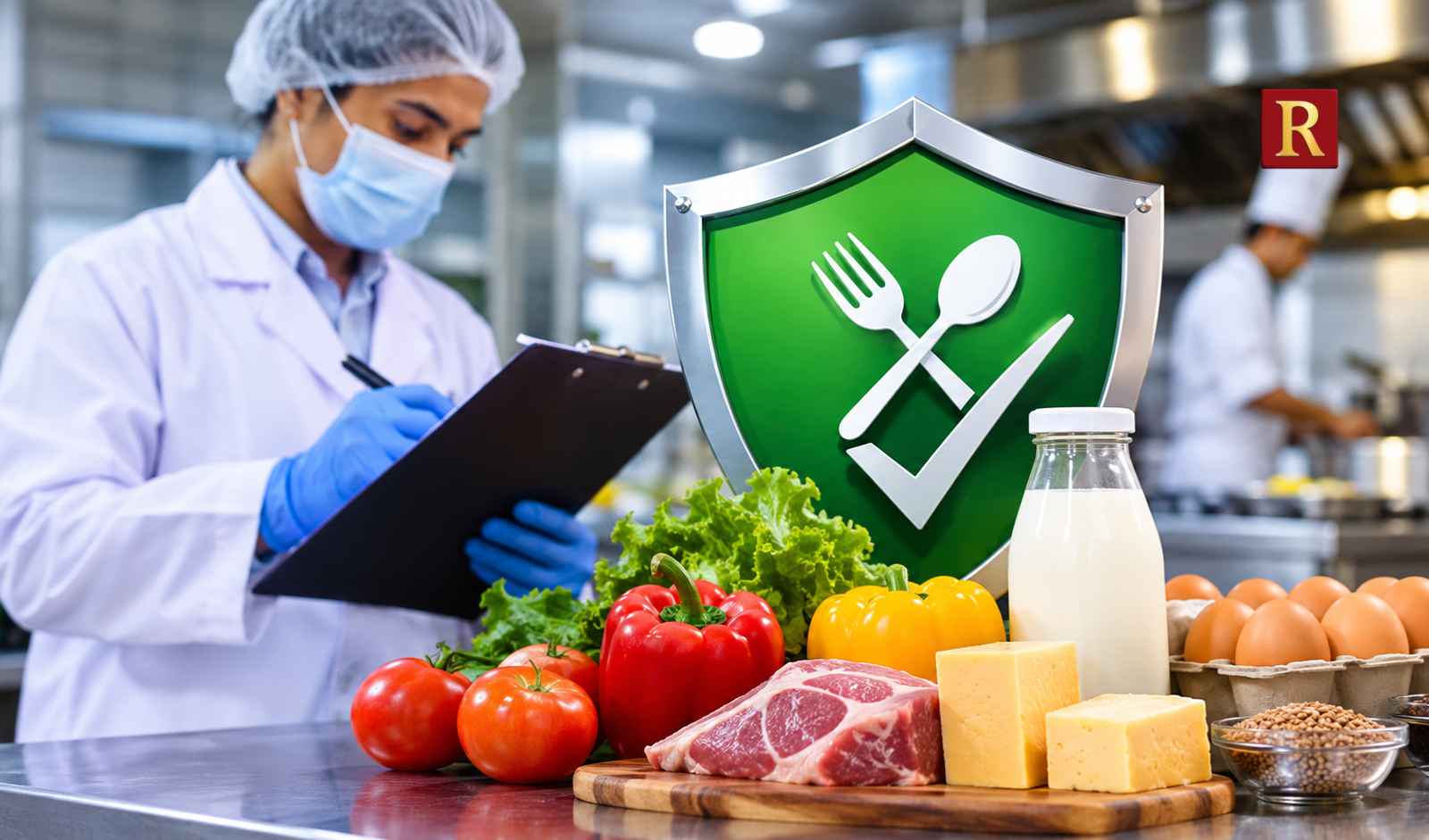
For restaurant operators, food safety compliance involves several connected activities. A clean kitchen is important, but businesses must also demonstrate that they follow documented food safety procedures.Under FSSAI's Food Safety and Standards (Licensing and Registration of Food Businesses) Regulations, 2011, licensed food businesses are required to maintain a documented Food Safety Management System (FSMS) and follow the applicable requirements under Schedule 4. These requirements cover Good Manufacturing Practices (GMP) and Good Hygiene Practices (GHP).
Important food safety checks for restaurants
| Inspection area | What businesses need to maintain |
|---|
| Licensing | Valid FSSAI registration or licence |
| Ingredient sourcing | Verified suppliers and purchase records |
| Food storage | Appropriate temperature and storage conditions |
| Kitchen hygiene | Clean preparation areas and equipment |
| Pest management | Regular monitoring and preventive treatment |
| Employee hygiene | Handwashing, clean uniforms and training |
| Food preparation | Prevention of cross-contamination |
| Waste management | Covered bins and proper disposal |
| Documentation | Cleaning, temperature and maintenance records |
| Food testing | Applicable testing and quality checks |
These practices help businesses maintain consistency and identify problems before they affect customers.
Why HACCP is important for commercial kitchens
Hazard Analysis and Critical Control Points (HACCP) is a preventive food safety management approach that identifies biological, chemical and physical hazards at different stages of food production. For a restaurant, this could involve monitoring the temperature of refrigerated ingredients, ensuring meat is cooked properly, preventing contamination during preparation and controlling food holding conditions. Rather than waiting for a food safety problem to occur, HACCP focuses on identifying potential risks and controlling them at critical stages. FSSAI's food safety framework requires food businesses to implement an appropriate FSMS based on HACCP principles and relevant prerequisite programmes.
Restaurants, Cloud Kitchens and Sweet Shops: Different Businesses, Different Risks
The latest inspection drive covers a broad food ecosystem. However, the compliance challenges of a restaurant are different from those of a packaged food manufacturer or cloud kitchen. Understanding these differences is important because businesses need food safety systems suited to their operations.
| Business category | Major food safety challenges | Key compliance priority |
|---|
| Restaurants and QSRs | High-volume preparation and cross-contamination | Kitchen hygiene and temperature monitoring |
| Cloud kitchens | Shared facilities and multiple virtual brands | Ingredient traceability and storage control |
| Sweet shops | Dairy quality and shelf-life management | Ingredient verification and product testing |
| Bakeries | Ingredient storage and production hygiene | Batch records and allergen management |
| Food manufacturers | Large-scale processing and packaging | Quality testing and manufacturing controls |
| Catering businesses | Bulk cooking and food transportation | Temperature control and safe food handling |
Why cloud kitchens require closer attention
Cloud kitchens operate without traditional customer-facing dining spaces. Their business model depends on food preparation, packaging and delivery, often through multiple brands operating from the same facility. This creates specific food safety challenges. A single kitchen may handle different cuisines, ingredients and preparation methods. Without proper segregation, shared equipment and storage facilities can increase the risk of cross-contamination. Delhi's Food Safety Department also announced an inspection drive covering cloud kitchens and dark stores in April 2026, with attention to licensing, hygiene and misleading product claims. For cloud kitchen operators, maintaining clear supplier records, food preparation logs and storage procedures is essential.
What Happens When a Food Business Fails an Inspection?
Food safety violations can have consequences beyond the immediate cost of replacing ingredients or cleaning equipment. Depending on the nature of the violation and the applicable legal provisions, authorities can issue improvement notices, suspend licences, cancel licences, seize food products or initiate legal proceedings. The Food Safety and Standards Act, 2006 provides the legal framework for these enforcement actions.
Understanding the difference between regulatory actions
Regulatory action | What it means | Business impact |
|---|
Improvement notice | The business is directed to correct specified non-compliance | Corrective work within the prescribed period |
Licence suspension | Permission to operate under the licence is suspended | Food business operations may be disrupted |
Licence cancellation | The licence is withdrawn following the applicable legal process | The business cannot operate under that licence |
Emergency prohibition order | Operations are prohibited where the statutory health-risk condition is established | Immediate restriction of the affected business |
Establishment sealing | Authorities physically seal premises under applicable enforcement powers | Access and operations are restricted |
Prosecution | Legal proceedings are initiated for alleged offences | Legal expenses and potential penalties |
An improvement notice is particularly important for food business operators. Under Section 32 of the Food Safety and Standards Act, 2006, a Designated Officer can specify the failures and corrective measures required from a business. The notice must provide a reasonable compliance period of at least 14 days. Failure to comply can lead to licence suspension and, following the applicable process, cancellation. The Act also provides for emergency prohibition notices and orders under Section 34 when the statutory health-risk condition exists. This distinction matters because not every inspection finding results in an immediate closure. The regulatory response depends on the nature of the violation, the risk to public health and the applicable legal procedure.
The Hidden Cost of Food Safety Non-Compliance
For restaurant businesses, food safety failures can create financial pressure at several levels. While penalties and seized inventory are visible costs, businesses may also face expenses related to equipment replacement, laboratory testing, staff training and operational improvements.
Where do the additional costs come from?
Ingredient replacement: Food products that fail applicable safety requirements may need to be withdrawn, discarded or replaced.
Kitchen infrastructure: Businesses may need to improve refrigeration, drainage, ventilation, storage arrangements and food preparation surfaces.
Pest management: Regular pest-control services and preventive maintenance become necessary to maintain hygienic conditions.
Laboratory testing: Businesses may need to undertake relevant food and water testing through appropriate laboratories.
Employee training: Staff members require regular training in food handling, sanitation, storage and personal hygiene.
Business interruption: Suspension, prohibition or sealing can affect sales, employee schedules, supplier relationships and customer commitments.
For smaller restaurants, these expenses can create additional pressure because they may not have dedicated quality-control departments or large compliance budgets. This makes preventive investment more practical than waiting for a violation to disrupt operations.
From FIFO to Cold-Chain Management: The Systems Restaurants Must Strengthen
Food safety depends on how businesses manage ingredients throughout their journey, from procurement to preparation and service. Several technical practices can help restaurant operators reduce avoidable risks.
1. FIFO and FEFO inventory management
Restaurants frequently manage ingredients with different shelf lives. Without proper inventory rotation, products can remain in storage beyond their intended usage period.
Two commonly used inventory methods are:
FIFO | FEFO |
|---|
First In, First Out | First Expired, First Out |
Older stock is used before newer stock | Products with the earliest expiry dates are used first |
Useful for managing stock rotation | Particularly useful for products with different expiry dates |
Based on the date of receipt | Based on the expiry or use-by date |
Both methods help businesses reduce avoidable food wastage and manage inventory more effectively.
2. Cold-chain management
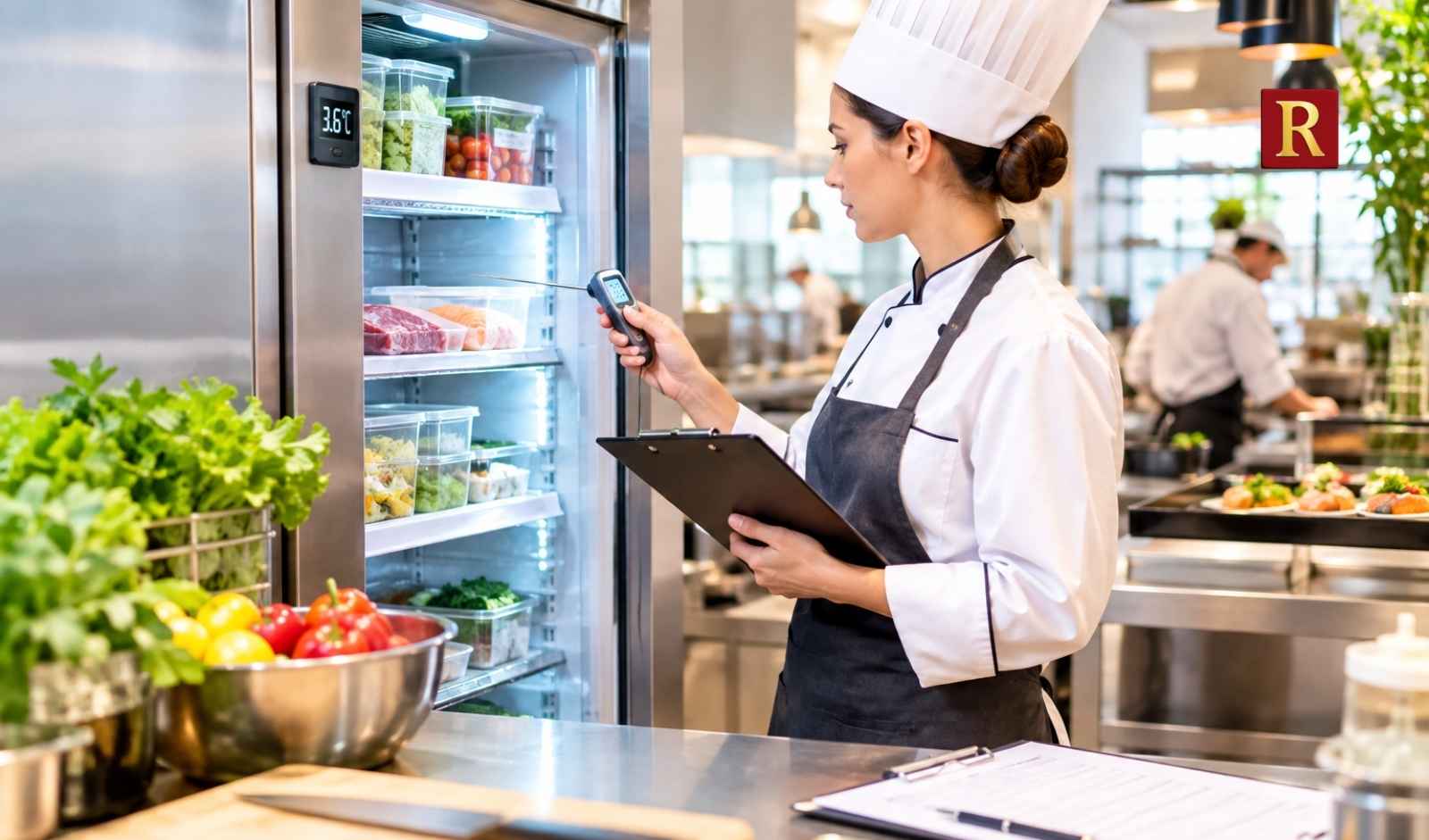
Cold-chain management involves maintaining appropriate temperature conditions during the transportation, receiving, storage and handling of temperature-sensitive ingredients.
Restaurants handling dairy products, meat, seafood and frozen foods must monitor storage conditions carefully. Temperature records can help identify refrigeration failures before they affect the safety of ingredients.
3. Cross-contamination prevention
Cross-contamination occurs when harmful microorganisms or allergens transfer from one food item, surface or piece of equipment to another.
Restaurants can reduce this risk through:
- Separate preparation areas where appropriate.
- Dedicated chopping boards and utensils.
- Proper handwashing.
- Covered food containers.
- Correct raw and cooked food segregation.
- Regular cleaning and sanitisation.
4. Food traceability
Traceability allows a business to identify the source and movement of ingredients throughout its supply chain. Restaurants should retain supplier invoices, product labels, batch details and relevant purchase records. If a particular ingredient is found to be unsafe, these records can help identify affected stock and support an appropriate response.
Can Food Safety Become a Competitive Advantage for Restaurants?
Food safety is often treated as a regulatory expense. However, businesses that invest in stronger systems can also use them to build customer confidence. Consumers increasingly want transparency about ingredients, food quality and preparation practices. For organised restaurant chains, this can become an important part of brand positioning.
The growing importance of hygiene ratings
FSSAI's voluntary Hygiene Rating Scheme encourages food businesses to improve their hygiene standards and allows consumers to make more informed decisions when choosing food outlets. The scheme covers eligible food service establishments, including restaurants, cafeterias and dhabas, as well as bakeries, sweet shops and meat retail shops.
The rating scale ranges from one to five stars:
- Five stars: Excellent.
- Four stars: Very good.
- Three stars: Good.
- Two stars: Needs improvement.
- One star: Requires urgent improvement.
The rating reflects hygiene conditions observed during the inspection or recognised third-party audit. It is not a permanent guarantee of food safety. For restaurant businesses, displaying a valid hygiene rating can support transparency and encourage continuous improvements.
Organised chains versus independent restaurants
Larger restaurant groups may have an advantage because they can maintain centralised procurement systems, quality-control teams and standard operating procedures. Independent restaurants, however, can also strengthen compliance through regular internal audits, supplier verification and employee training. The important difference is not necessarily the size of the business, but how consistently it follows its food safety procedures.
Is the Crackdown Creating New Opportunities for Food Safety Professionals?
As food businesses face greater compliance expectations, food safety and quality management are becoming more important operational functions. Restaurant groups, hotels, food manufacturers and cloud kitchen operators need professionals who understand food regulations, hygiene standards and quality-control procedures.
This can create opportunities across several areas:
- Food safety auditing.
- Quality assurance.
- Regulatory compliance.
- Laboratory testing.
- Food safety consulting.
- Employee training.
- Digital compliance monitoring.
Technology can also support these functions. Digital temperature sensors, inventory management systems and automated compliance records can help businesses monitor operational conditions and maintain documentation. However, technology cannot replace employee training, regular supervision or management accountability. For smaller businesses, external food safety consultants and shared training services may offer a more practical approach than maintaining a large in-house compliance team.
How Can Restaurants Prepare for the Next Food Safety Inspection?
Food businesses should not wait for an inspection notice to identify gaps in their operations. A structured internal review can help operators identify weaknesses and assign responsibility for corrective action.
Important steps for restaurant operators
Verify licences and documentation
- Maintain valid FSSAI registration or licensing.
- Keep supplier invoices accessible.
- Maintain relevant food safety records.
- Review applicable licence conditions.
Improve kitchen hygiene
- Clean food-contact surfaces regularly.
- Maintain pest-control records.
- Separate raw and cooked ingredients.
- Ensure proper waste disposal.
Strengthen ingredient management
- Purchase from verified suppliers.
- Check packaging and product condition.
- Monitor expiry dates.
- Maintain appropriate storage temperatures.
Train employees
- Conduct regular hygiene training.
- Reinforce handwashing practices.
- Explain safe food handling.
- Assign responsibility for daily checks.
Introduce regular internal audits
- Review cleaning schedules.
- Check refrigeration records.
- Inspect storage areas.
- Identify and correct recurring violations.
A 30-day food safety readiness plan
Timeline | Priority | Action |
|---|
Week 1 | Identify gaps | Review licences, suppliers, kitchen hygiene and documentation |
Week 2 | Correct problems | Address refrigeration, sanitation, pest control and storage issues |
Week 3 | Strengthen systems | Train staff and introduce temperature and inventory records |
Week 4 | Review performance | Conduct a mock inspection and assign corrective responsibilities |
This is a suggested operational framework rather than an official FSSAI compliance timeline.
Food Safety Can No Longer Be an Inspection-Day Exercise
India's latest food safety inspection drive sends a clear message to restaurants, cloud kitchens, sweet shops and food manufacturers: compliance must become part of everyday business operations. The inspection figures demonstrate the scale of regulatory enforcement, but the larger challenge lies in improving how food businesses source, store, prepare and distribute food. For restaurant operators, this requires investment in trained employees, supplier verification, kitchen infrastructure, food testing and documented safety procedures. Businesses that treat food safety as a continuous responsibility can do more than reduce regulatory risks. They can improve operational consistency, reduce wastage and strengthen customer confidence. As India's food industry expands across restaurants, delivery platforms and packaged food categories, maintaining food safety will become increasingly important to sustainable business growth.