
What are Food preservatives and how to identify them on labels in India
Although the word "preservatives" can occasionally raise concerns, these chemicals are essential for keeping the quality of packaged items, preventing food from spoiling, and guaranteeing food safety. They prevent oxidation, prevent microbiological growth (bacteria, yeasts, and molds), and slow down other chemical reactions that might lead to food spoilage.

As the modern lifestyle has become more and more hectic, cooking from scratch has become difficult. So, now people prefer convenience over homemade goods to save time. Foods that are packed and processed have become commonplace due to their convenience and long shelf life. However, have you ever wondered how these goods manage to stay fresh throughout their entire journey from factories to store shelves to your pantry? The answer to this is Food Preservatives.
Although the word "preservatives" can occasionally raise concerns, these chemicals are essential for keeping the quality of packaged items, preventing food from spoiling, and guaranteeing food safety. They prevent oxidation, prevent microbiological growth (bacteria, yeasts, and molds), and slow down other chemical reactions that might lead to food spoilage.
In India, as in many other nations, the Food Safety and Standards Authority of India (FSSAI) carefully regulates the use of food additives, including preservatives. Customers have more information to make smart food choices when they know what these preservatives are and how to spot them when reading food labels. This complete article will help you understand Indian food labels and also help to explain food preservatives.
Read more: How to Apply for an FSSAI License for Your Cloud Kitchen in India: A Step-by-Step Guide
What Are Food Preservatives?
Food preservatives are chemicals that are added to food items in order to stop or slow down spoiling that is brought on by unwanted chemical changes or microbiological growth. Their main duties consist of:
- Preventing Microbial Spoilage: Stopping the growth of bacteria, yeasts, and molds that can lead to foodborne illnesses and make food unfit for consumption.
- Delaying Oxidation: Preventing the oxidation of fats and oils, which alters their flavor and aroma.
- Maintaining Freshness and Quality: Keeping food's original color, texture, and flavor for an extended period of time.
Although regulatory agencies frequently classify them according to their chemical class and function, preservatives can be generically divided into two categories: natural and artificial (synthetic).
Natural Preservatives
Throughout history, food has been preserved using a variety of natural materials:
- Salt: Since ancient times, salt has been used to extract moisture from meats and fish to preserve them.
- Sugar: Used to prevent the growth of microorganisms in jams, jellies, and candied fruits.
- Vinegar (Acetic Acid): Pickles and chutneys include vinegar, often known as acetic acid.
- Spices: Some spices, such as extract from rosemary, have antioxidant qualities.
Artificial (Synthetic) Preservatives
These compounds are made chemically and are intended to work very well at low amounts. They provide a wider range of preservation options and are frequently more effective than natural techniques alone. These are the ones that appear on food labels that are packed the most frequently.
Know more: 10 High-Protein, Low-Calorie Foods to Conquer Cravings
Why Are Preservatives Necessary in Packaged Food?
Suppose there were no preservatives in the world. The shelf life of many of the things we take for granted, such as bread, dairy products, processed meats, sauces, and pre-prepared meals, would be significantly reduced.
- Food Safety: The first line of protection against foodborne microorganisms that can cause life-threatening illnesses is preservatives. They stop dangerous microorganisms from growing.
- Reduced Food Waste: Preservatives help prevent food spoiling in our homes and at grocery stores by prolonging shelf life.
- Economic viability: By allowing the food industry to produce, store, and distribute goods over greater distances and periods of time, it increases the range of foods that are available and reasonably priced.
- Convenience: They let customers buy foods that are suitable for hectic schedules and don't need to be eaten right away.
FSSAI Regulations on Food Preservatives in India
The use of all food additives, including preservatives, and their subsequent changes is governed in India by the Food Safety and Standards (Food Products Standards and Food Additives) Regulations, 2011. A thorough list of authorized additives, along with information on their maximum permissible limits (MPLs) in particular food categories and labeling specifications, is provided by the FSSAI.
Key elements of FSSAI rules:
- Permitted List: Only preservatives specifically listed by the FSSAI are permitted.
- Maximum Permissible Limits (MPLs): There is a maximum quantity of each approved preservative that can be used in a given food product. Based on a thorough scientific analysis, these limits have been created to guarantee consumer safety.
- Good Manufacturing Practices (GMP): According to Good Manufacturing Practices (GMP), preservatives shouldn't be used in place of hygienic procedures, but rather only when technologically required to get the intended result.
- Labeling: The food label must list all additional preservatives.
How to Identify Preservatives on Indian Food Labels
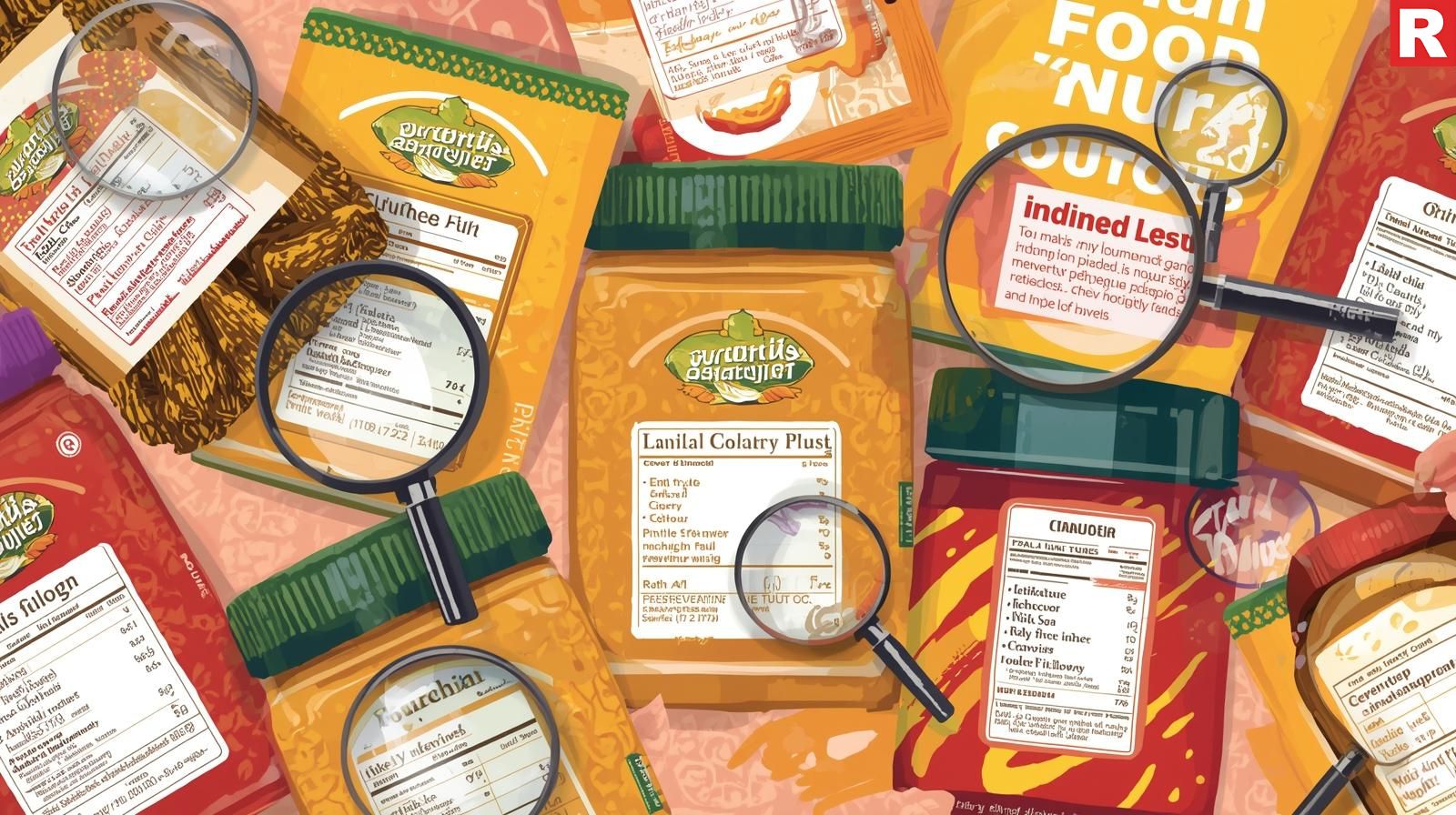
Now is the time to use your detective abilities! All ingredients, including additives, must be listed explicitly on Indian food labels. Usually, there are two ways that preservatives can be found in the "Ingredients" list:
By their full chemical name: for example, "Sodium Benzoate," "Potassium Sorbate," and "Calcium Propionate."
Using their code from the International Numbering System (INS): Usually found in Europe but also used globally, these are three- or four-digit numbers that are usually followed by the letter "E" or just the number. The number is mainly visible in India. INS 211 for sodium benzoate, for example.
Since the ingredients are given in decreasing order of their weight proportion, you will typically find the preservatives near the end of the ingredient list.
Look for keywords like:
- "Preservative (INS XXX)"
- "Preservative (chemical name)"
- The phrase "Contains permitted Class II preservative" indicates a specific category of preservatives.
- "Antioxidant" (certain antioxidants prevent spoiling, hence they also serve as preservatives).
What's new: The Comfort Revolution: How Home Cooking Can Save Your Restaurant
Disclaimer: This article is intended for general informational purposes only and should not be considered a substitute for professional medical advice, diagnosis, or treatment. Readers are advised to consult a qualified healthcare professional before making any dietary, health, or lifestyle changes.
Common Food Preservatives You'll Find in India
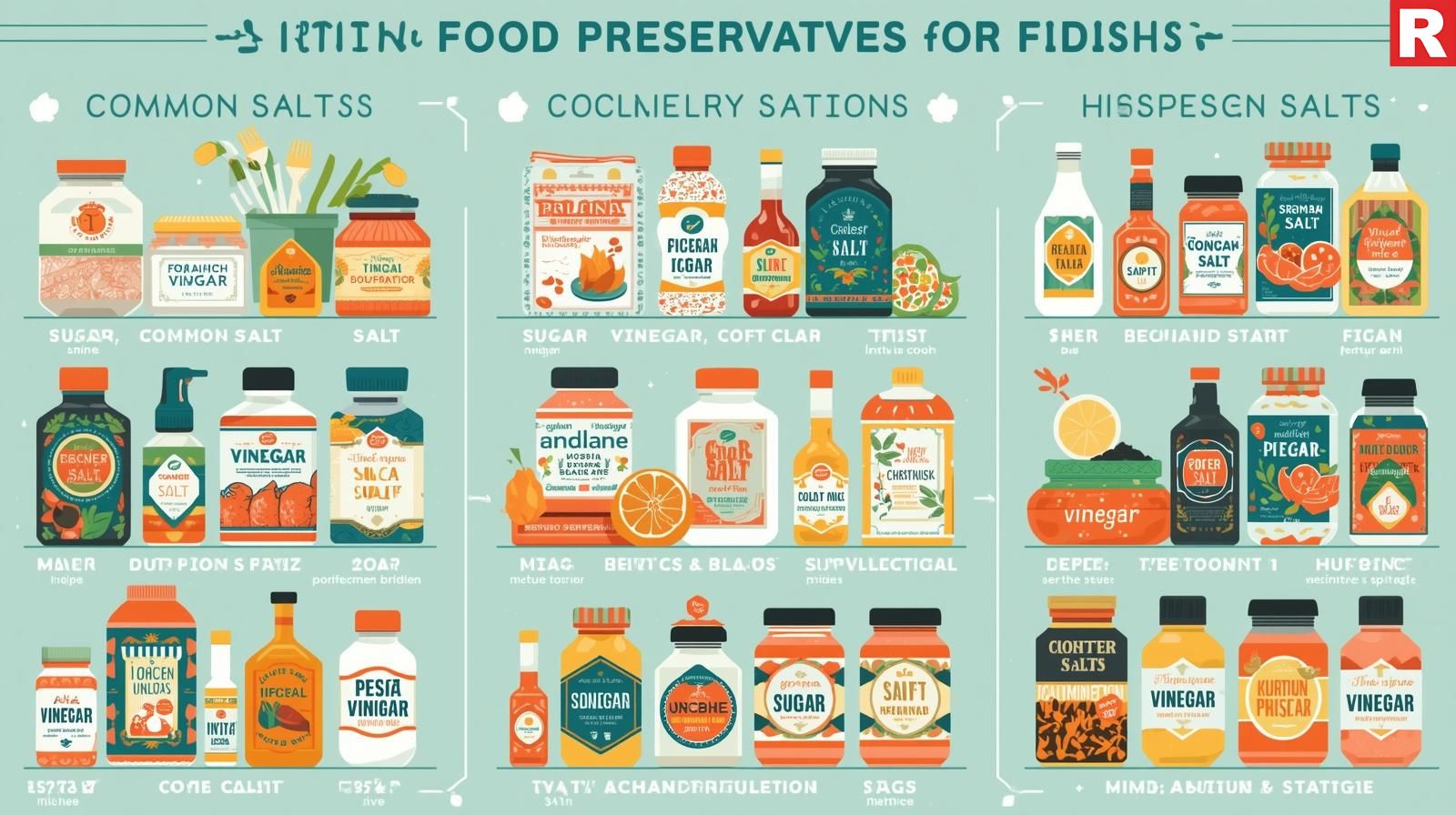
Here is a list of some of the most often used preservatives that have been approved by the FSSAI and that you may find on Indian food packaging labels:
Benzoates (E 210-213 / INS 210-213)
- Common Forms: (INS 213), potassium benzoate (INS 212), and sodium benzoate (INS 211).
- Function: Works well against certain bacteria, molds, and yeasts, particularly in acidic diets.
- Found in: Fruit preparations, jams, pickles, sauces, soft drinks, fruit juices, and some baked items.
Sorbates (E 200-203 / INS 200-203)
- Common forms: calcium sulfate (INS 203), potassium sulfate (INS 202), and sorbic acid (INS 200).
- Function: Less efficient against bacteria, but quite good against yeasts and molds.
- Found in: Cheese, dairy products, bread, fruit, wine, and yogurt are among the items that contain it.
Propionates (E 280-283 / INS 280-283)
- Common Forms: calcium propionate (INS 282), sodium propionate (INS 281), and propionic acid (INS 280).
- Function: Especially good in preventing the growth of mold in baked foods.
- Found in: Some processed cheeses, bread, and other baked goods.
Sulfites (E 220-228 / INS 220-228)
- Common forms: potassium metabisulfite (INS 224), sodium sulfite (INS 221), and sulfur dioxide (INS 220).
- Function: Prevent discoloration by acting as antimicrobials and antioxidants.
- Found in: Wine, vinegar, fruit juices, dried fruits, and some shellfish. Note: Sulfites can cause sensitivity in certain people.
Nitrates & Nitrites (E 249-252 / INS 249-252)
- Common Forms: Sodium Nitrite (INS 250), Potassium Nitrite (INS 249), Sodium Nitrate (INS 251), Potassium Nitrate (INS 252).
- Function: Mainly used in cured meats to improve flavor, maintain color, and stop the growth of Clostridium botulinum, the bacteria that causes botulism.
- Found in: Hot dogs, sausages, bacon, and cured meats like ham.
Acetic Acid (E 260 / INS 260) and its Salts
- Common forms: calcium acetate (INS 263), sodium acetate (INS 262), and acetic acid (vinegar).
- Function: Prevents the growth of mold and germs.
- Found in: bread, pickles, sauces, and condiments.
Ascorbic Acid and Its Salts (E 300/INS 300)
- Common forms: sodium ascorbate (INS 301) and ascorbic acid (Vitamin C).
- Function: Mainly an antioxidant, it keeps food from oxidizing and spoiling (e.g., browning fruits, rancidity of lipids). Despite not being a conventional antimicrobial preservative, it plays a vital function in keeping food from spoiling.
- Found in: baked foods, processed meats, fruit juices, and drinks.
Citric Acid (E 330 / INS 330) and its Salts
- Common forms: sodium citrate and citric acid (INS 331).
- Function: It is mostly used as a taste enhancer and acidic agent, but it also has minor preservative qualities by binding to metals and reducing pH, which increases the potency of other preservatives.
- Found in: Dairy products, beverages, jams, jellies, and confections.
Check out: Chia Magic: Health Benefits & Endless Delicious Ways to Enjoy
Top Drinks You Should Consume to Get a Festive Glow
A Practical Approach to Decoding the Label
The following actions should be taken the next time you pick up a packaged food item in India:
- Find the list of "Ingredients": Usually, this appears on the packaging's side or back.
- Scan for "Preservative": Look for the term "Preservative" followed by either an INS number or a name.
- Determine the INS Codes: Learn the common INS codes, such as INS 211 and INS 202. Unusual numbers can be found with a short internet search.
- Check for: Look for the generic statement "Contains Permitted Class II Preservative" as this is frequently used in India to indicate the use of a permitted preservative from that category.
- Recognize "Antioxidants": Even if they aren't specifically referred to as "preservatives," antioxidants (typically INS 300–321) help prolong shelf life by slowing oxidation.
Read this: 10 Popular Energy Drinks and Their Benefits
Making Smart Choices
Being aware of preservatives does not mean that you need to stay away from packaged goods. It has to do with balance and awareness.
- The key is moderation: More additives are frequently found in highly processed foods. When possible, give priority to eating nutritious, fresh meals.
- Carefully Read Labels: Develop the practice of looking over ingredient lists, particularly for goods you use frequently.
- Recognize Your Needs: Careful label reading is essential if you have allergies or sensitivities (such as to sulfites).
- Regulations for Trusts: Keep in mind that the FSSAI establishes boundaries to guarantee safety. In general, the allowed amounts are regarded as safe for ingestion.
Conclusion
Food preservatives are an essential component of our modern food system, which improves food accessibility, safety, and waste reduction. The FSSAI makes sure that its use is controlled and freely accessible in India. You can comfortably explore the supermarket aisles by learning about the common forms of preservatives and making it a practice to carefully read product labels. Use this information to empower yourself and, one ingredient list at a time, make nutritional decisions that support your preferences and health objectives.
Mahak Sharma
Content Writer
Mahak Sharma is a passionate content writer with 2 years of experience crafting compelling content across various niches, tailoring her writing to suit different audiences and platforms. She is dedicated to producing engaging content for readers so that they can understand and enjoy the articles. Her strengths lie in crafting SEO-friendly, well-structured articles that drive visibility and engagement.



































































































































































