
Why Tier-2 Cities Are Driving Food Industry Growth
For restaurants, cloud kitchens, delivery platforms, and quick-commerce companies, this shift presents one of the biggest growth opportunities in India today.

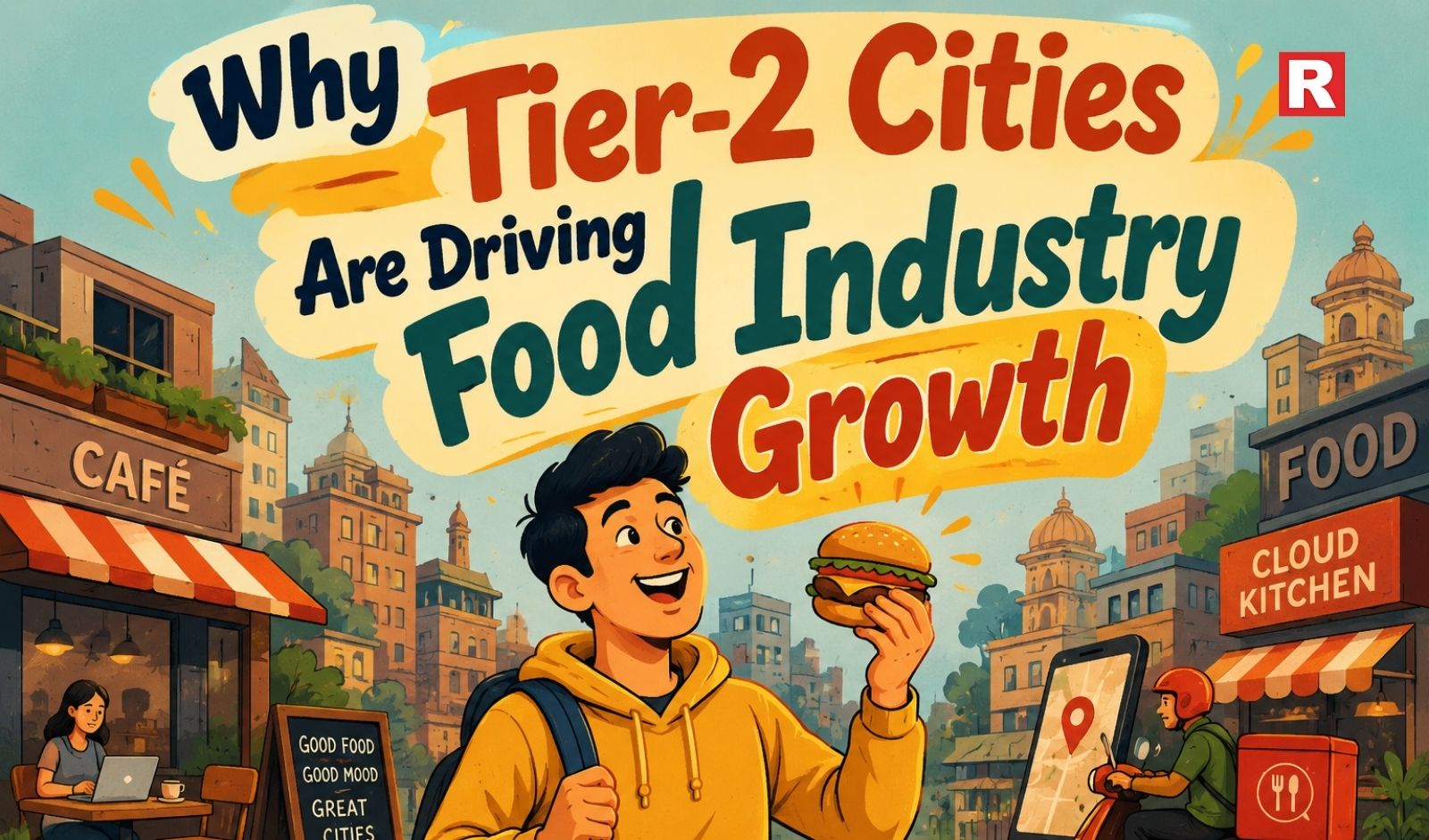
For years, India’s food industry focused heavily on metro cities. Mumbai, Delhi, Bengaluru, and Hyderabad were seen as the biggest markets for restaurants, cafes, delivery platforms, and food startups. But the situation is changing quickly. Today, Tier-2 cities are becoming the real growth engine of India’s food business. Cities like Indore, Jaipur, Lucknow, Surat, Kochi, Nagpur, and Coimbatore are seeing a major rise in food consumption. New cafes are opening every month. Quick-service restaurant chains are entering smaller cities faster than ever. Even cloud kitchens and quick-commerce brands are aggressively expanding beyond metros.
The reason is simple. Consumer behavior in smaller cities has changed dramatically over the last few years. People are spending more on convenience, dining experiences, and food delivery. At the same time, businesses are finding these cities more profitable because costs are lower and competition is still manageable. The next big food success story in India may not come from a metro city anymore.
Rising Income Is Changing Food Habits
One of the biggest reasons behind this growth is increasing disposable income. Tier-2 cities now have a larger middle-class population with higher spending power. Young professionals, students, entrepreneurs, and working couples are willing to spend more on food experiences. Earlier, dining out in smaller cities was mostly limited to family restaurants or local eateries. Today, consumers are exploring gourmet burgers, Korean dishes, artisanal coffee, sushi, healthy bowls, and international fast food brands.
Social media has played a major role in this shift. Instagram reels, food influencers, and YouTube food bloggers have exposed people to global food trends. A consumer in Indore or Lucknow now follows the same food trends as someone living in Mumbai or Bengaluru. This has created what industry experts call “premiumisation.” Consumers are moving beyond basic eating habits and looking for better quality, presentation, convenience, and experience. Even local cafes in smaller cities are investing heavily in interiors, aesthetic plating, and digital branding because customers now value the overall experience, not just the food.
Tier-2 Cities Are Becoming India’s Largest Consumption Markets
Tier-2 cities are no longer considered secondary markets for the food industry. According to multiple industry reports, nearly 65% of India’s population lives outside metro cities, creating massive consumption potential for restaurants, cafes, and food delivery brands. Rising disposable incomes, urbanization, and digital adoption are rapidly transforming food spending behavior in smaller cities.
Important market data includes:
- Nearly 65% of India’s population lives in non-metro cities
- India’s food services market is expected to cross $95 billion in coming years
- Tier-2 and Tier-3 cities contribute strongly to India’s growing digital consumer economy
- Young consumers below 35 years form a major share of food delivery users
- Rising urbanization is increasing demand for cafes, QSRs, and cloud kitchens
Lower Costs Are Helping Food Brands Expand Faster
Tier-2 cities are becoming highly attractive for restaurant owners and food startups because operating costs are far lower than in metro cities. Rentals in cities like Indore, Surat, and Lucknow can be 40–60% cheaper compared to Mumbai or Bengaluru, helping brands reduce financial pressure during the early stages of expansion. Lower salaries, affordable warehousing, and reduced utility expenses further improve profit margins. This allows businesses to focus more on customer experience, menu innovation, and digital growth rather than survival. Cloud kitchens especially benefit because they can operate from low-cost locations while reaching large audiences through delivery platforms.
Key advantages include:
- Lower rental and property costs
- Affordable labor and operational expenses
- Faster breakeven and better unit economics
- Lower customer acquisition costs
- More flexibility for pricing and menu experimentation
- Easier expansion opportunities compared to saturated metro markets
- Strong growth potential for cloud kitchens and delivery-first brands
Food Delivery Apps Have Changed the Market
Food delivery platforms have completely transformed the food ecosystem in smaller cities. Apps like Zomato and Swiggy have helped local restaurants reach customers without investing heavily in prime locations. Small businesses can now attract thousands of online customers directly through mobile apps.
This has encouraged many local entrepreneurs to launch niche food brands. Earlier, opening a restaurant required expensive real estate and heavy footfall. Today, a cloud kitchen with strong delivery operations can survive without a high-street presence. Delivery apps have also changed customer expectations. Consumers now want faster delivery, better packaging, and more food options. Late-night ordering has become common even in smaller cities. Interestingly, customers in Tier-2 cities are experimental but price-conscious. They enjoy trying new cuisines, but affordability still matters a lot. This balance has pushed restaurants to create innovative menus at competitive prices.
Factor | Key Data |
|---|---|
Population | 65% of Indians live in Tier-2 and Tier-3 cities |
Internet Growth | India has 950+ million internet users |
Quick Commerce | Swiggy Instamart expanded to 100+ cities |
Rental Costs | Tier-2 rentals can be 40–60% cheaper than metros |
Consumer Base | Majority food delivery users are below 35 years |
Digital Payments | Billions of UPI transactions happen monthly |
Food Industry Growth | India’s food service market is expected to cross $95 billion |
Cloud Kitchens | Delivery-first brands are rapidly expanding in smaller cities |
Online Ordering | Non-metro cities are driving food delivery growth |
Consumer Trends | Rising demand for cafes, healthy meals, and global cuisines |
Quick Commerce Is Expanding Beyond Metros
Quick commerce is another major reason behind food industry growth in smaller cities. Companies like Blinkit, Zepto, and Swiggy Instamart are rapidly expanding into Tier-2 markets. Consumers now expect groceries, snacks, beverages, and ready-to-eat meals to arrive within minutes. This demand was once concentrated in metro cities, but smaller cities are catching up quickly.
Quick-commerce companies are setting up dark stores and hyperlocal delivery networks in non-metro regions because the opportunity is massive. Smartphone penetration and digital payments have made online ordering extremely easy. This expansion is also helping food startups. Brands now have better access to last-mile logistics and faster customer delivery systems. The growth of quick commerce has increased impulse buying as well. Customers are ordering desserts, beverages, frozen snacks, and instant meals more frequently than before.
Consumers Want Convenience and Experience Together
Consumers in Tier-2 cities are now spending more on experiences, convenience, healthier food options, and digitally-driven dining choices daily.
Cafe culture is growing rapidly as young consumers prefer aesthetic spaces for meetings, studying, socializing, and content creation.
Premium bakery products, artisanal coffee, and global cuisines are becoming increasingly popular among students and working professionals.
Health-conscious eating is rising, with higher demand for millet-based meals, protein bowls, organic ingredients, and low-calorie foods.
Fast service and convenience now influence buying decisions, especially among digitally active consumers with busy lifestyles.
Social media platforms strongly impact food choices as consumers regularly discover restaurants through Instagram reels, influencers, and online reviews.
Online ordering habits have increased significantly, making food delivery apps an important growth driver for restaurants in smaller cities.
Restaurants with strong digital branding, engaging content, and consistent online visibility are attracting higher customer engagement and repeat orders.
Metro Markets Are Becoming Saturated
Another reason brands are moving toward Tier-2 cities is saturation in metro markets. In large cities, competition is extremely high. Restaurants struggle with rising rentals, increasing customer acquisition costs, and crowded delivery platforms. Even successful brands face pressure to maintain profitability because operational expenses continue to rise. Tier-2 cities, on the other hand, still have untapped demand. Consumers are eager to try new brands, and competition is relatively lower. Customer loyalty is also stronger in smaller cities. If consumers trust a restaurant’s quality and pricing, they often become repeat customers quickly. This creates better long-term growth opportunities for businesses.
Emerging Food Hotspots Across India
Several Tier-2 cities are emerging as major food business hubs. Indore is known for its vibrant street food culture and growing cafe market. Jaipur has become a hotspot for themed cafes and modern dining spaces. Lucknow is seeing rapid growth in premium restaurants and food delivery demand. Surat has strong spending power because of its business community. Coimbatore and Kochi are benefiting from IT growth and changing urban lifestyles. Student populations, mall culture, tourism, and infrastructure development are all contributing to higher food consumption in these cities.
Challenges Still Exist
Food brands entering Tier-2 cities face operational, staffing, and consumer preference challenges despite strong long-term market growth potential.
Many consumers still prefer familiar regional flavors, forcing brands to localize global cuisines according to local taste preferences.
Building awareness for premium or international food concepts often requires additional marketing, sampling, and customer education campaigns.
Supply chain management remains difficult in some smaller cities due to inconsistent ingredient availability and fragmented distribution networks.
Maintaining food quality and service consistency across multiple locations requires strong operational systems and vendor coordination.
Hiring experienced chefs, trained kitchen staff, and reliable delivery partners is still challenging outside major metropolitan markets.
Delivery profitability remains under pressure because discounts, packaging costs, and last-mile logistics significantly impact restaurant profit margins.
Despite these challenges, most food businesses continue expanding because smaller cities still offer lower competition and long-term growth opportunities.
The Bottom Line!
India’s food industry is entering a completely new phase. Growth is no longer limited to big metropolitan cities. Tier-2 cities are becoming powerful consumption centers with rising demand for convenience, quality, and food experiences. Better internet access, digital payments, social media influence, and improving infrastructure are accelerating this transformation. Consumers in smaller cities are spending more confidently than ever before. They want variety, speed, affordability, and experience all at once. For restaurants, cloud kitchens, delivery platforms, and quick-commerce companies, this shift presents one of the biggest growth opportunities in India today. Brands that move early, understand regional preferences, and build strong customer trust are likely to lead the future of India’s food industry.
Saptopriya Ghosal
Feature Writer
I am a dedicated media professional with a bachelor's degree in mass communication from the State University of Calcutta and a postgraduate degree from Amity University. My academic journey has equipped me with a profound understanding of storytelling and communication. Passionate about the dynamic world of media, I continually strive to explore new ways to engage and inform through compelling narratives.



































































