
Why the Buffet is the Perfect Meal for Corporate Events
The buffet emerges as the definitive, ideal culinary solution for the vast majority of Indian corporate gatherings, from high-stakes conferences to large-scale training sessions. In addition to being an economical solution, the buffet format is a potent logistical and cultural answer that is especially well-suited to the size, variety, and fast-paced nature of the Indian business sector.

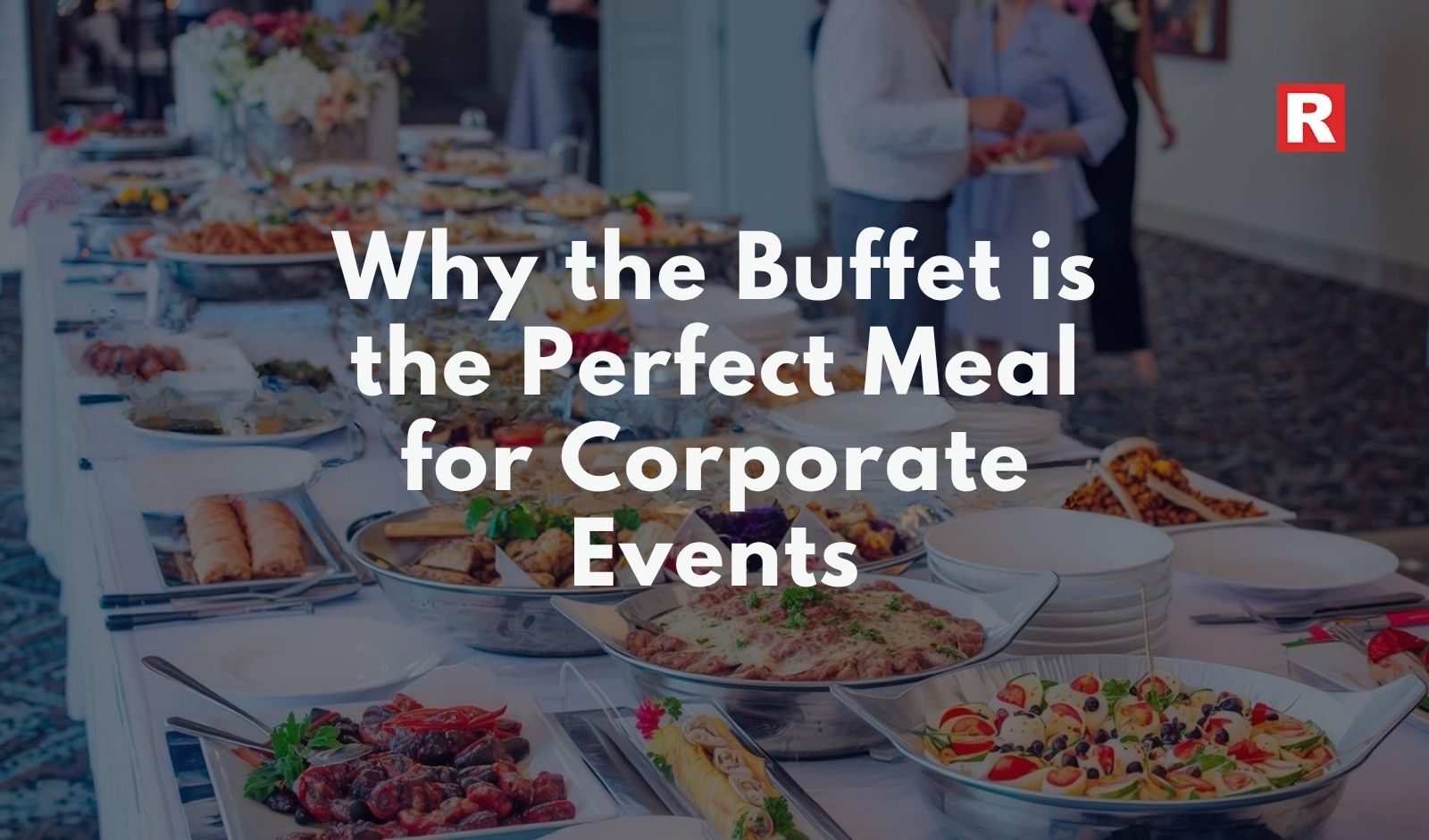
Every aspect of a corporate event, from the opening address to the coffee break, is a deliberate strategic tool intended to accomplish particular goals: promoting client loyalty, enhancing teamwork, or expressing an interest in employee well-being. This is especially true in India's highly competitive and quickly changing business ecosystem. In this complex structure, the meal format selection goes beyond providing basic nourishment and becomes a crucial component of the event's overall success criteria. It is quite difficult to choose an eating style that is effective, inclusive, and networking-friendly in a nation known for its unmatched regional and cultural variety.
The buffet emerges as the definitive, ideal culinary solution for the vast majority of Indian corporate gatherings, from high-stakes conferences to large-scale training sessions. In addition to being an economical solution, the buffet format is a potent logistical and cultural answer that is especially well-suited to the size, variety, and fast-paced nature of the Indian business sector. This arrangement effectively manages the complexities of dietary classification while fostering the professional connection that characterizes business gatherings.
This article discusses the corporate buffet's structure, best practices for implementing it, and the significant strategic benefits that make it the go-to lunch style in India's modern business world.
Read more: Essential Buffet Equipment for a Seamless Service
What is a Buffet for Corporate Events?

Within the corporate setting, the buffet is a self-service, professional, large-scale catering arrangement. It is made to accommodate both diversity and volume, guaranteeing that each visitor is satisfied and served effectively. It transforms the traditional eating arrangement from one of strict service to one that is tailored to the individual.
A modern corporate buffet in India typically includes:
- Several Themed Stations: Different counters serving international/fusion, North Indian, and South Indian cuisine, sometimes marked with dietary restrictions.
- Temperature Control: To ensure food safety and quality, which is crucial for hot Indian cuisine, rely on premium chafing dishes and induction equipment.
- Live Culinary Counters: Interactive stations that provide freshly prepared food and give the meal a more immersive experience, such as chaat, dosa, or bespoke grills.
Because of the fundamental ideas of flow and customization, the lunch serves as a purposeful break in the schedule that advances rather than detracts from the objectives of the gathering.
Know more: 7 Tips to Maximise Sales in Your Restaurant
Types of Corporate Buffets
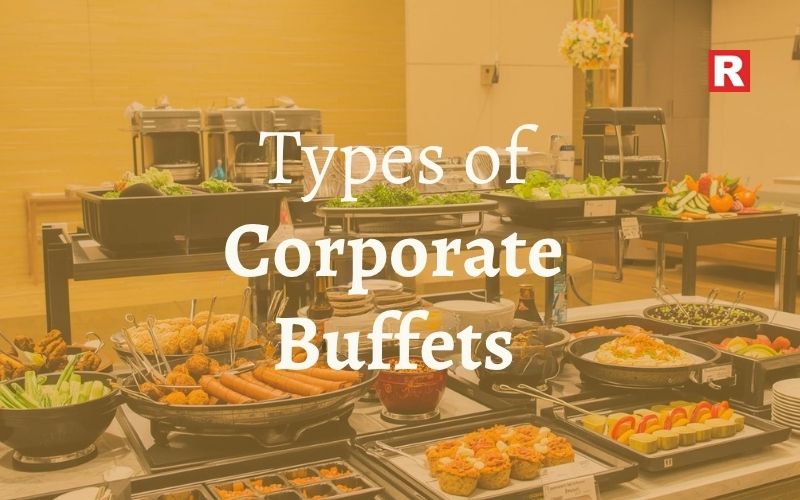
Indian corporate catering has advanced beyond the traditional spread to provide customized buffet layouts that closely match the scheduling and goals of events:
- The Full-Service Executive Buffet: This is the best option for large gatherings since it offers a wide range of options (such as more than five main dishes), several cooking areas, and sophisticated live counters. Ideal for: major conferences, client dinners, and AGMs.
- The Working Lunch Buffet (Express Buffet): The Express Buffet, also known as the Working Lunch Buffet, is a simplified, time-efficient menu with an emphasis on quick-service, simple-to-eat items, including light wraps, single-bowl meals, and desserts that are already portioned. Ideal for: Time-bound meetings, training sessions, and workshops.
- The Fusion or Thematic Buffet: A menu designed around a particular theme (such as Mediterranean, Coastal Seafood, or Indian Street Food) to produce a distinctive experience that supports the event's target market or brand. Ideal for: Brand-building events, international delegations, and product launches.
- High-Tea Buffet: A more casual, frequently mid-afternoon meal that emphasizes a premium beverage selection while offering a well-balanced variety of light savory snacks (pakoras, small sandwiches) and sweets (jalebi, pastries). Ideal for: Post-event networking and client meet-and-greets.
What's new: Top 10 Qualities of A Successful Restaurateur
Reasons Buffets are the Perfect Choice for Corporate Events
The buffet format's sustained appeal in the Indian corporate MICE (Meetings, Incentives, Conferences, and Exhibitions) market is evidence of its overall success in four crucial areas.
1. Unmatched Cultural and Dietary Inclusion

One menu is an issue in a workforce as diverse as India's, with guests from various geographic locations, different religious beliefs, and an increasing number of health-conscious people. Due to its ability to simultaneously showcase different culinary cultures and key nutritional approaches in unique ways, the buffet is the ultimate promoter of diversity.
- Navigating Regionality: By making sure the menu includes a variety of staples ranging from the rich, butter-laden curries of the North to the lighter, tangier versions of the South and West, the format skillfully achieves regional harmony. Every guest is certain to discover a comfortable and familiar choice thanks to this essential diversity.
- The Assurance of Separation: Most importantly, the buffet makes it easier to physically separate vegetarian and non-vegetarian counters, which is frequently a cultural need that cannot be negotiated in Indian social and business contexts. Additionally, the burden of adherence is transferred from the planner to the visitor by offering separate, clearly marked stations for modern dietary requirements (such as Jain, vegan, and gluten-free alternatives). This ability communicates a strong message of respect and thoughtfulness that is crucial for modern employee and client interactions, removing the social discomfort or health risks associated with inflexible service.
2. Maximizing Networking and Interaction
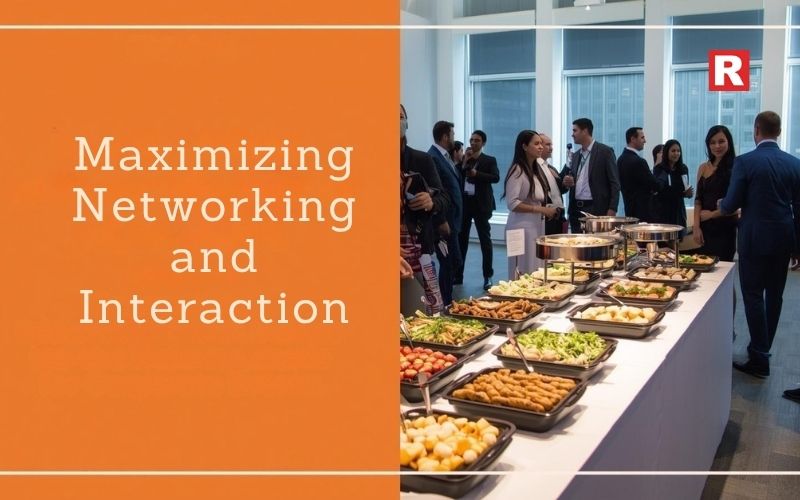
The level of professional engagement is an essential marker of the success of any business event. The buffet concept transforms the lunch break into a lively, social extension of the main event by subtly and aggressively encouraging discussion and easy mobility.
- Breaking the Seating Constraint: Visitors are not restricted to a single group or pre-assigned seats. Micro-networking opportunities naturally arise from the ordered movement required to choose a table, choose meals, and go through the serving line. Strong, non-intrusive icebreakers are short, low-pressure exchanges, such as a mutual choice to eat a dessert, a brief welcome while waiting for a live chaat counter, or a shared comment about a new dish.
- Encouraging Fluidity: Delegates have the option to sit with one group for the appetizer meal and then join another group for coffee, increasing their exposure to a variety of coworkers, connections across departments, or possible clients. The buffet style immediately improves the return on the networking expenditure, which is the main objective of the majority of business events, by turning the meal into a self-paced, sociable activity.
Check out: Beyond Toast: 10 Deliciously Easy Bread-Based Snacks
5 Unique Theme Ideas That Make Your Restaurant Stand Out
3. Logistical Superiority and Scalability
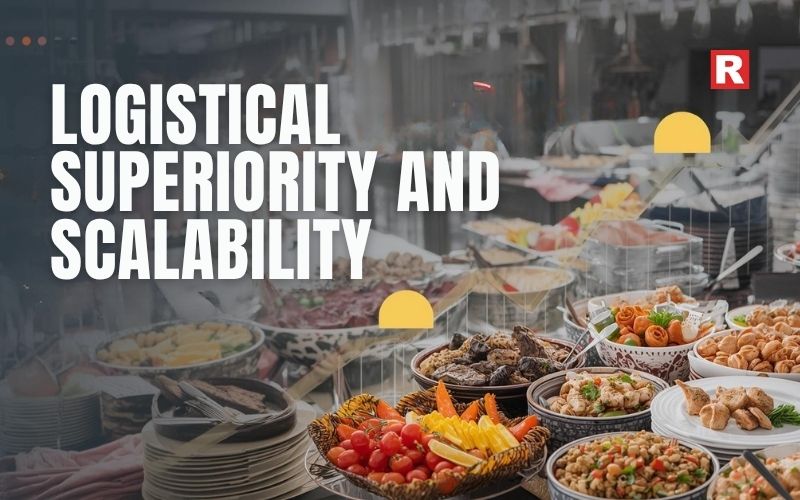
In Indian business events (town halls, yearly sales meetings, etc.), catering for the typically enormous number of attendees is often more logistically demanding than elegant, high-touch services can handle. A reliable and highly scalable solution designed for efficiency and volume is provided by the buffet.
- Fast Flow and Throughput: A buffet delivers a far faster service rate than a plated dinner, provided it is set up correctly with several well-positioned serving lines (preferably one full line for every 100–150 customers). For events with strict time limits, this efficiency is essential since it guarantees that the lunch break is finished on time and that the scheduled program is followed.
- Controlling the Planning Variable: The buffet's bulk preparation strategy provides essential flexibility in handling the inescapable last-minute RSVP variations, which are a common problem in corporate event planning. Managing a controlled over-production volume (which may be securely reused) is less wasteful and logistically easier than running the risk of financial loss and service turmoil due to either too many or too few fixed plated pieces. The buffet is the safer and more reliable operating option because of its built-in logistical flexibility.
4. Predictable Cost Control and Efficiency
The buffet offers a more visible and controllable cost structure from the standpoint of finance and purchases, demonstrating that plenty need not translate into inconsistent spending.
- Simplifying Budgeting: By removing the variable expenses and hidden complexity associated with multi-course plated menus, the standard set all-inclusive per-head pricing for a buffet simplifies the budgeting process. The corporate financial and administrative departments place a great priority on this transparency.
- Optimized Resource Allocation: The buffet relies on fewer attendants for upkeep and flow control, whereas plated service needs a large proportion of highly compensated front-of-house staff members for synchronized distribution. Significant labor cost savings result from the reduced need for specialist front-end labor.
- Cost-to-Volume Ratio: Although food waste needs to be regularly controlled, the buffet's overall financial plan frequently results in a lower cost-to-consumed-volume ratio. Additionally, a well-run buffet offers a better financial result overall than the expense of unsold or unconsumed set-plated portions since it enables smart inventory control and the ethical recycling of safe, undisturbed extra food (e.g., for staff lunches).
Read this: 7 Easy Rice Paper Recipes for Quick & Healthy Meals
How to Organise a Perfect Buffet for a Corporate
Planning a genuinely professional buffet involves more than simply arranging the food; it also involves using creative layouts to engineer the visitor experience:
- Strategic Menu Design: Use a 60:40 vegetarian/non-vegetarian ratio. Make sure each dish has big, clear labels that list all of the ingredients and allergies.
- Flow Layout: To avoid lines, create a serving area with several parallel lines, one for every 100 visitors. To spread traffic, place in-demand products (such as live Dosa counters) a little bit distant from the main lines.
- Service Protocol: To minimize the amount of food exposed at any given moment, use shallower chafing dishes and smaller serving utensils. Assign specialized Buffet Stewards to oversee the phased, just-in-time kitchen replenishment, listen to inquiries, and keep an eye on traffic.
The Unmatched Power of the Corporate Buffet
In India, modern business events require a meal option that is both aesthetically pleasing and strategically smart. The ideal combination of operational information and culinary aid is the buffet concept. It functions as a social catalyst for networking, delivers the financial stability and logistical efficiency essential for large-scale commercial operations, and provides the inclusiveness required for India's varied corporate culture. Event planners who are skilled at executing a well-planned buffet go beyond simply providing food for their guests; they create a dining experience that actively advances the goals of their event, demonstrates their company's value for each guest, and establishes a benchmark for smooth, contemporary Indian hospitality.
Mahak Sharma
Content Writer
Mahak Sharma is a passionate content writer with 2 years of experience crafting compelling content across various niches, tailoring her writing to suit different audiences and platforms. She is dedicated to producing engaging content for readers so that they can understand and enjoy the articles. Her strengths lie in crafting SEO-friendly, well-structured articles that drive visibility and engagement.



































































