Why Premium Drinking Is Becoming More About the Occasion Than the Bottle
The future of premium drinking may not be defined by the most expensive bottle on the shelf. It may be defined by the drink that fits the occasion best.

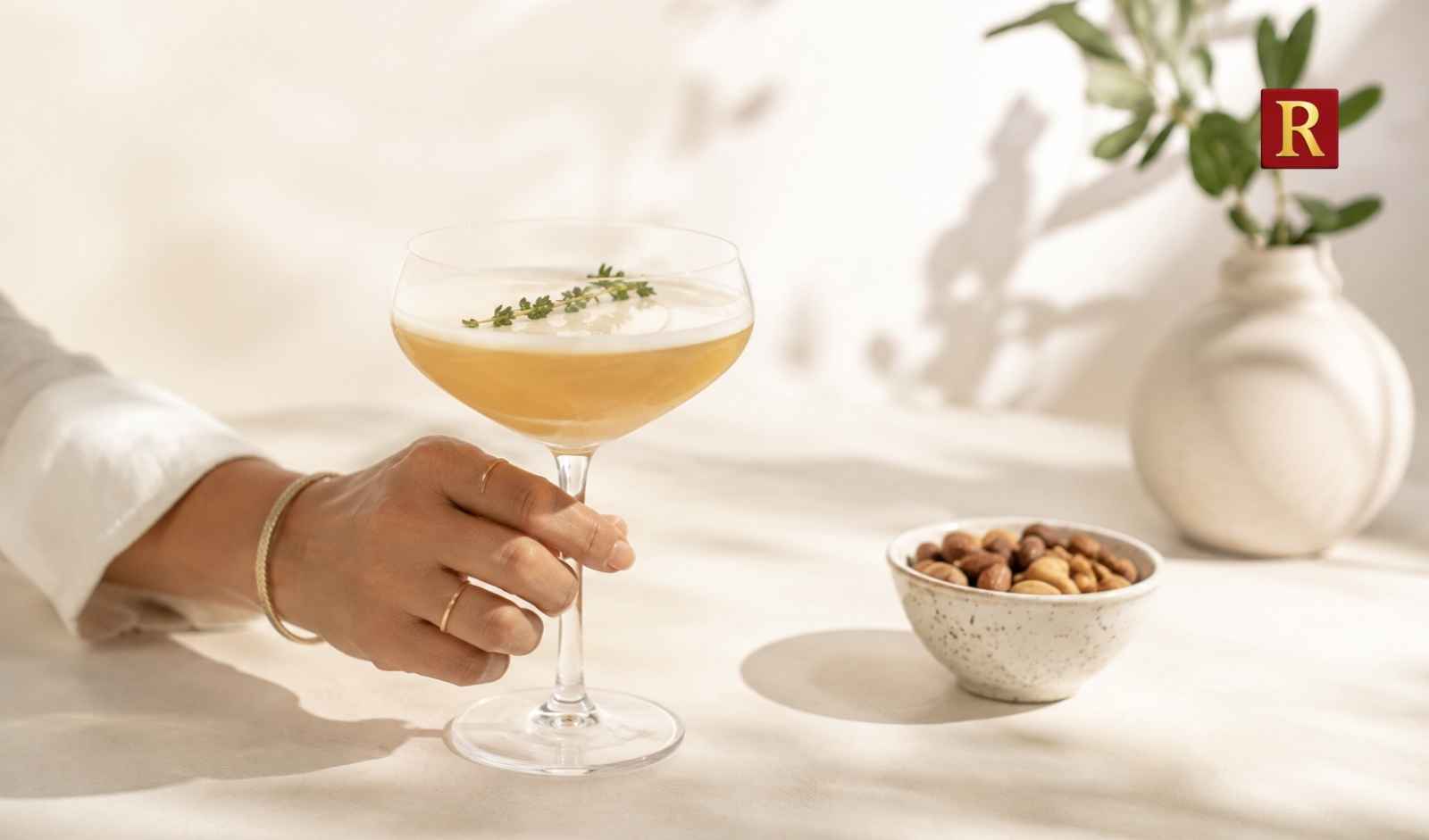
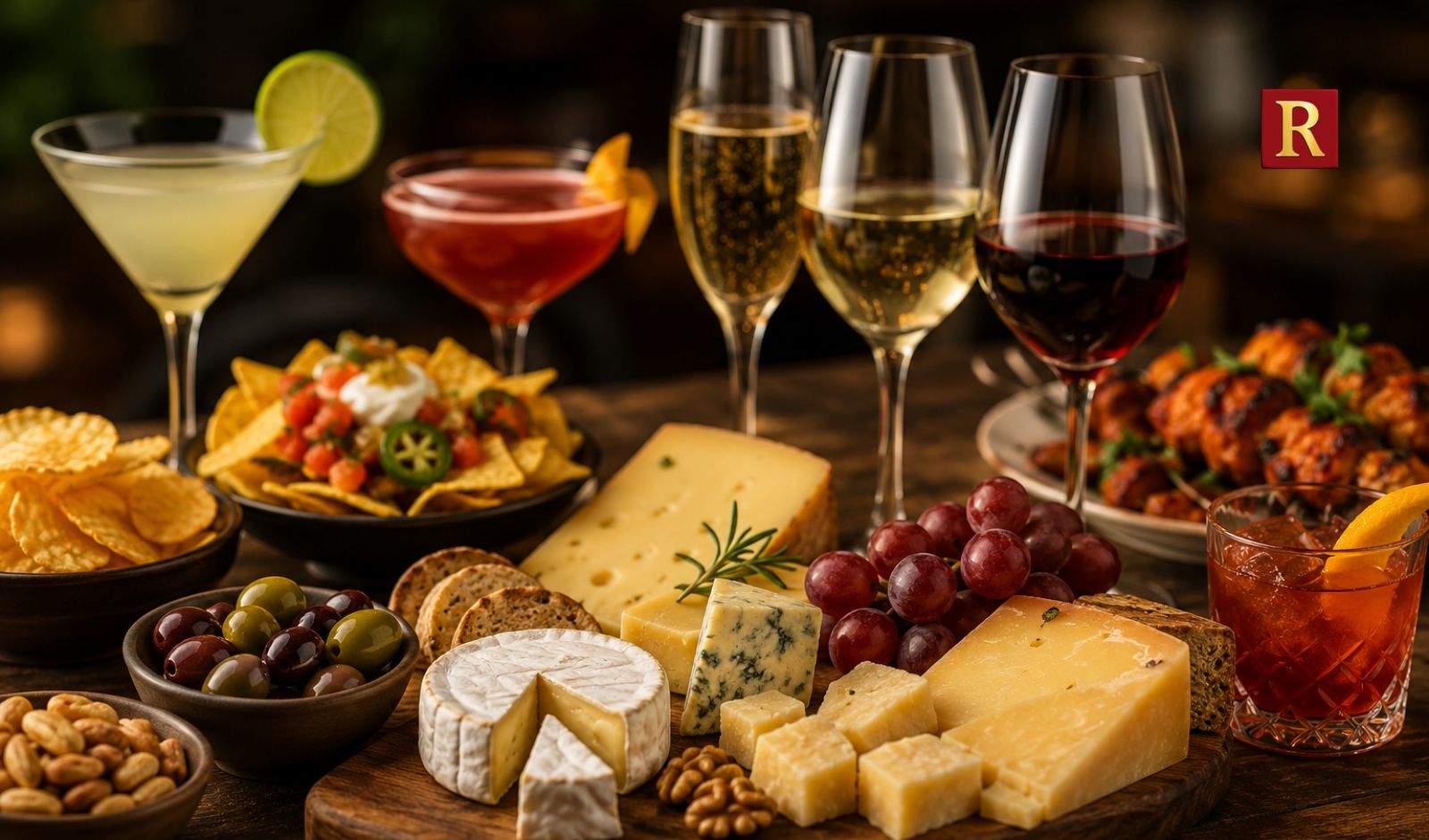
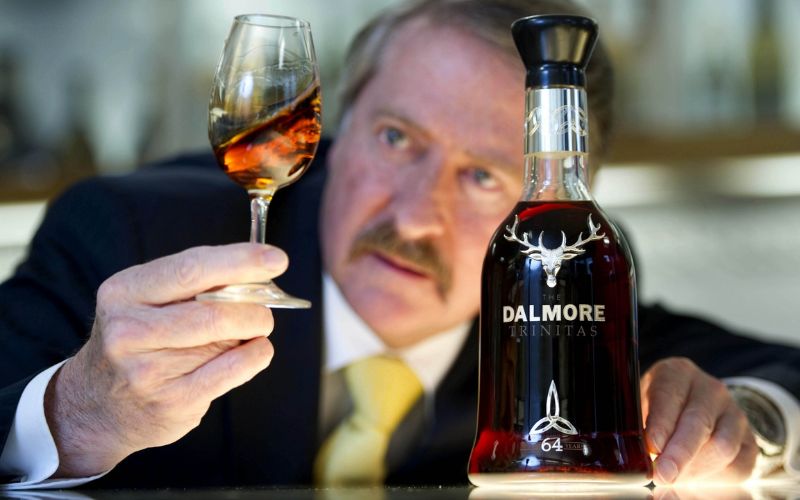
Premium drinking is no longer only about buying an expensive bottle. Increasingly, consumers want the drink to suit the moment they are in. A whisky at a milestone dinner, a cocktail at a rooftop bar, or a curated tasting with friends can feel more premium because of the experience around it. This shift is changing how premium alcohol is marketed and consumed in India. Quality and provenance still matter, but so do the venue, food, service, bartender, presentation and occasion.
Recent IWSR research suggests that premiumisation itself is being redefined. Consumers are becoming more value-conscious and are looking for meaningful moments, selective upgrades and products that justify what they spend. In developing markets such as India, premium-plus servings are forecast to grow 13% between 2025 and 2035.
Premium Does Not Always Mean More Expensive
For years, premiumisation in alcohol was closely linked to price. A higher price often meant a better spirit, longer ageing, imported ingredients, limited production or more elaborate packaging. That remains relevant. But consumers are now looking beyond the bottle.
- The question is shifting from “How expensive is it?” to “What am I getting from this experience?”
IWSR's latest analysis makes an important distinction. Price growth alone does not necessarily mean genuine premiumisation, especially when inflation is taken into account. It argues that brands need to understand whether consumers are paying more because a product is genuinely valuable or simply because prices have risen. This creates space for a broader definition of premium. A well-made cocktail in a thoughtfully designed bar can offer a premium experience without being the most expensive drink on the menu. The same applies to a spirit paired with food, served by a knowledgeable bartender or introduced through a tasting session.
The Occasion Is Becoming Part of the Product
A premium drink can mean different things depending on when it is consumed. A birthday dinner may call for sparkling wine or a celebratory cocktail. A quiet meal may suit a carefully selected whisky. A weekend gathering may call for a cocktail menu built around different flavours. The product stays the same. The occasion changes its value.
This is becoming particularly important in the on-premise market. NIQ's 2026 research found that nearly 7 in 10 Indian consumers visit restaurants, cafés and bars at least once a quarter. Its research also highlights these venues as places where drinking occasions are created, premium choices are justified and brand preferences can develop. That makes restaurants and bars more than sales channels. They are becoming discovery spaces.
Drinking Is Becoming More Intentional
Another important change is the relationship between premiumisation and moderation. These trends may appear opposite, but they can work together. When consumers become more selective about how often they drink, the individual occasion can become more important. Instead of choosing several ordinary drinks, a consumer may choose one cocktail with better ingredients, a premium spirit or a drink that offers something new.
IWSR's recent research points to this broader shift towards intentional consumption. Its data shows that premiumisation opportunities remain strong even as consumers become more careful about spending and drinking patterns. This is where the idea of premium-per-serve becomes useful. The consumer is not only paying for liquid. They are paying for the quality of the moment.
Why Bars Are Becoming Part of the Premium Experience
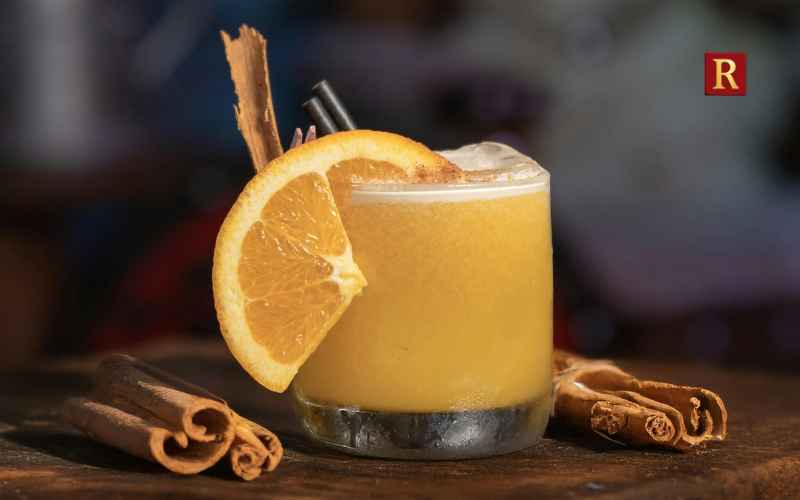
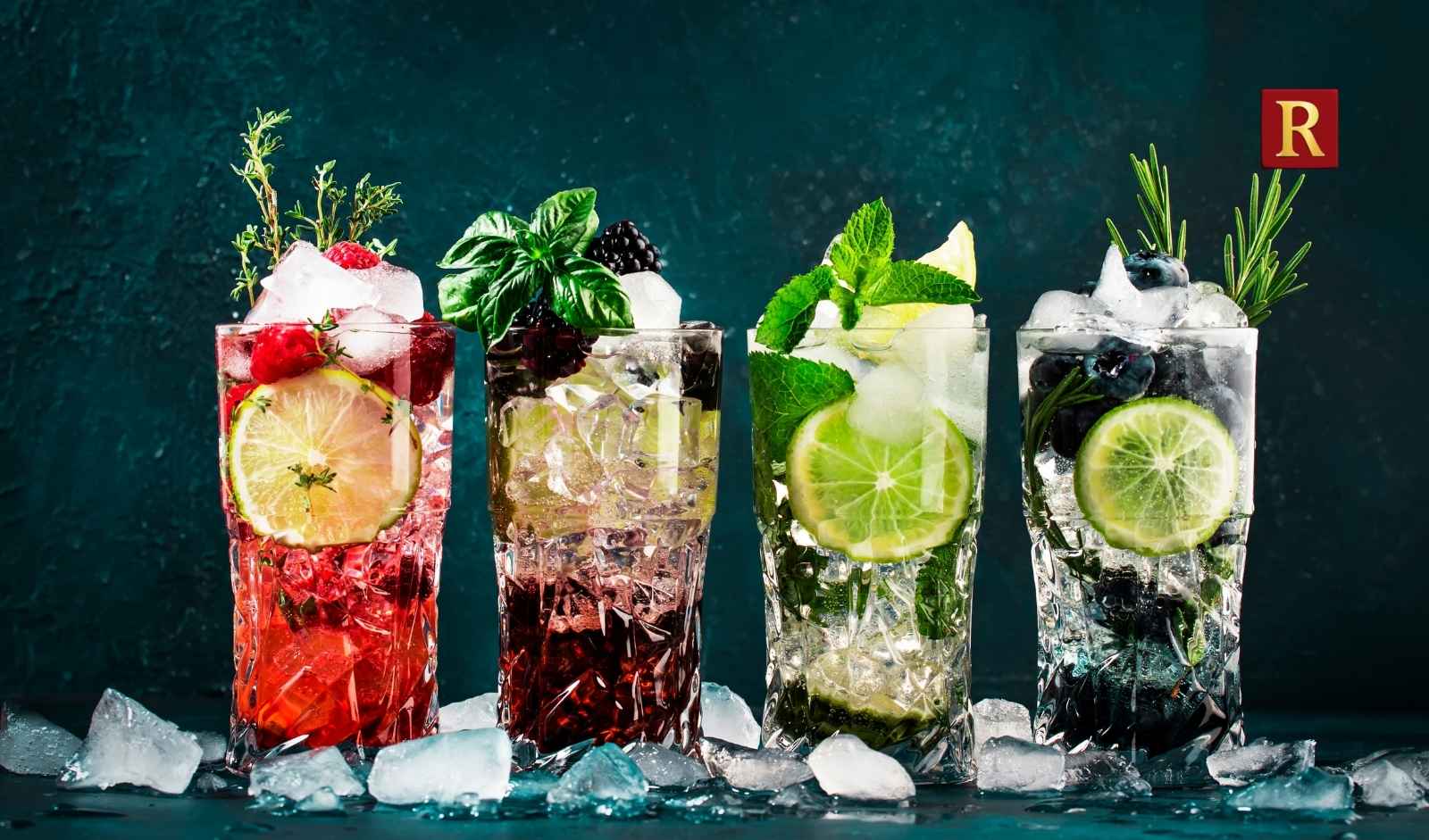
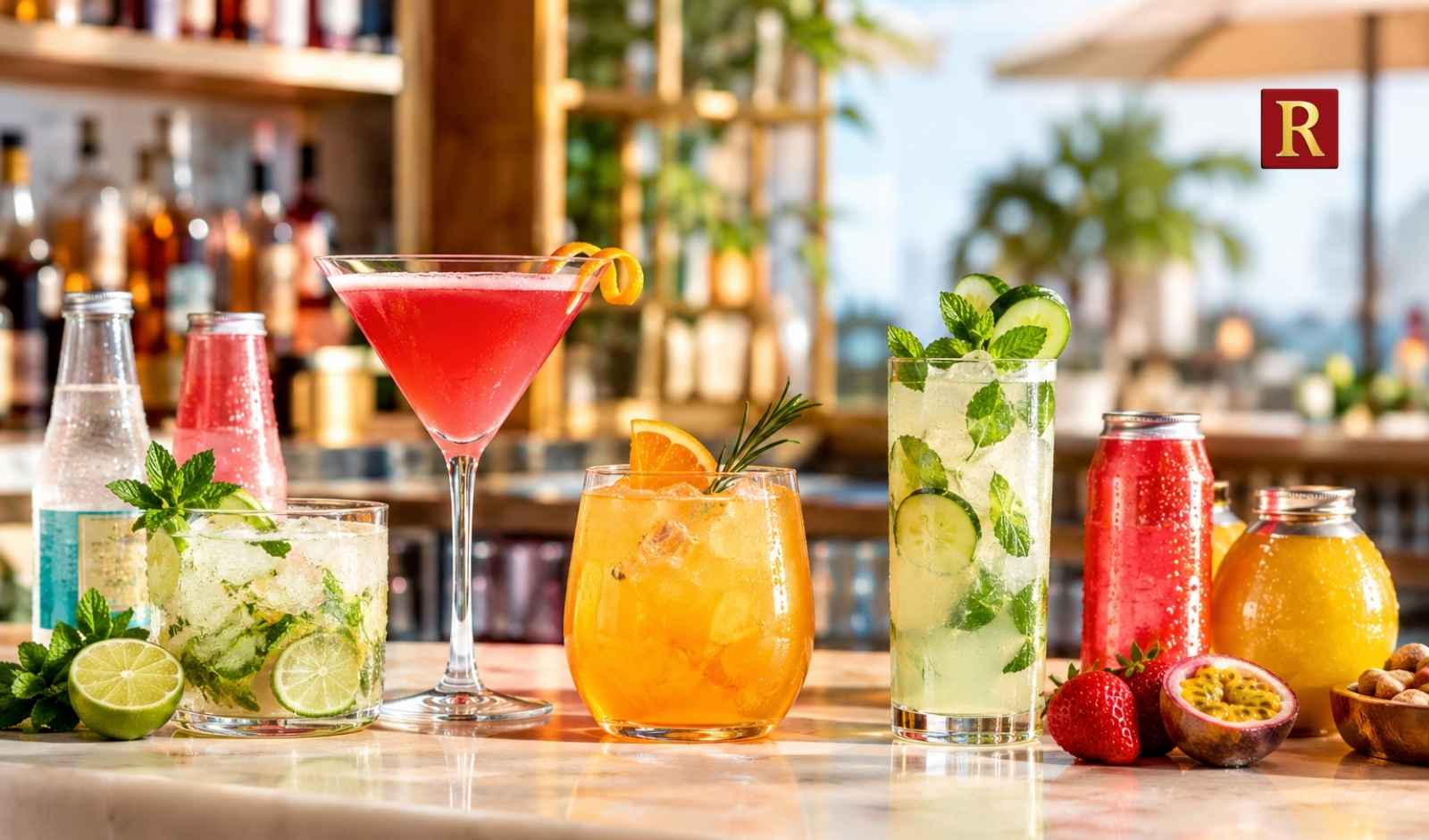
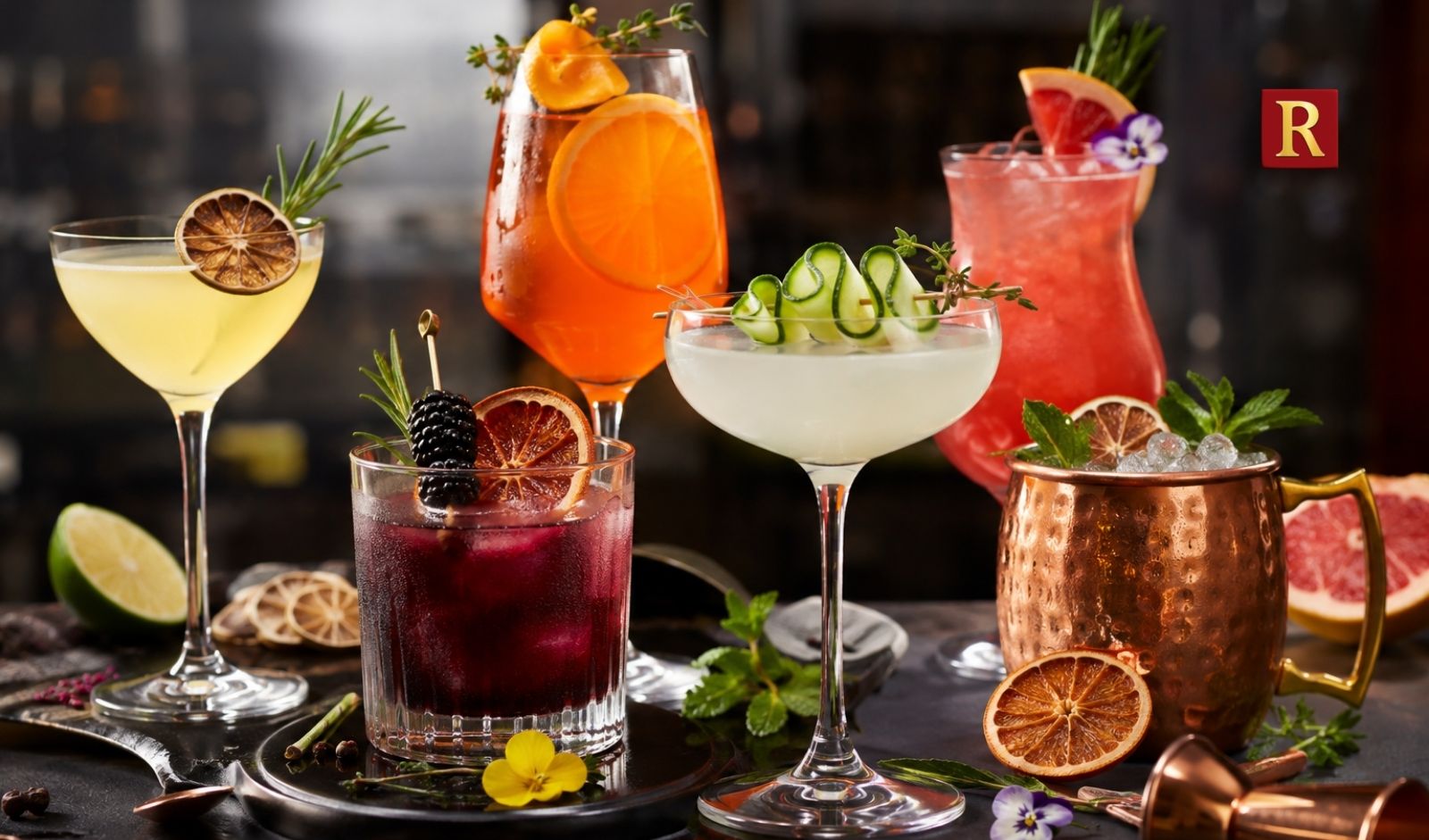
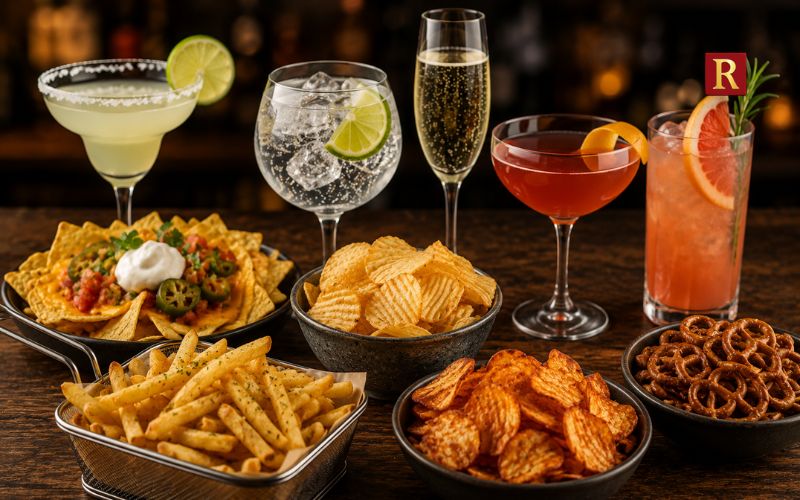
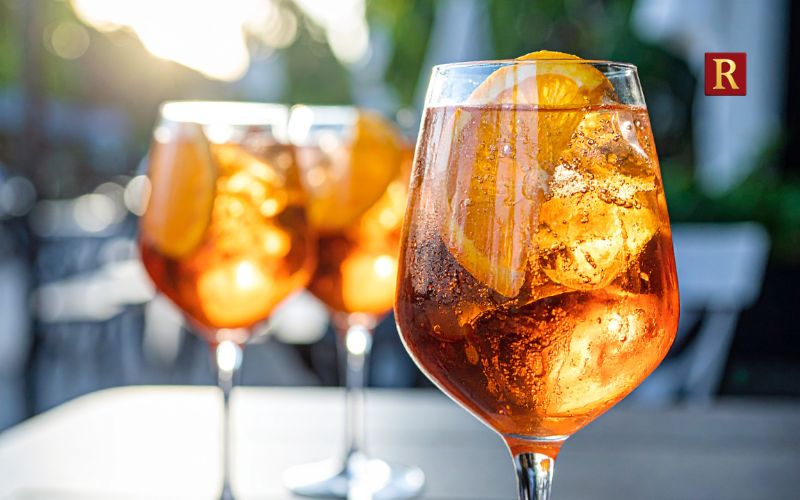
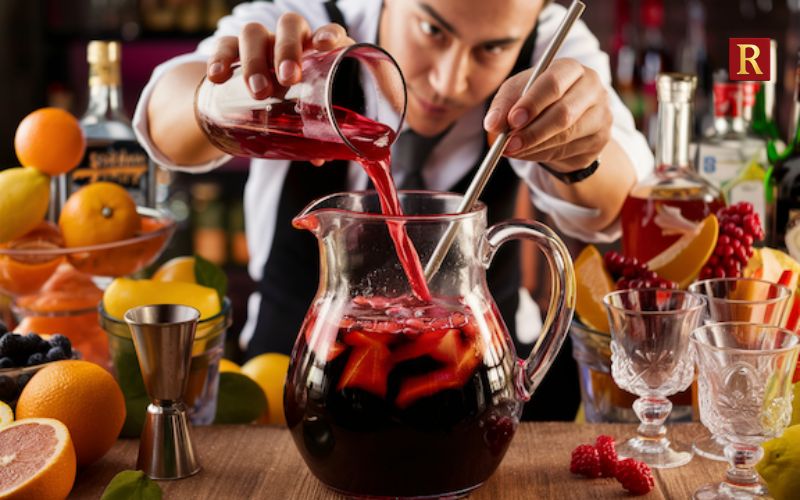
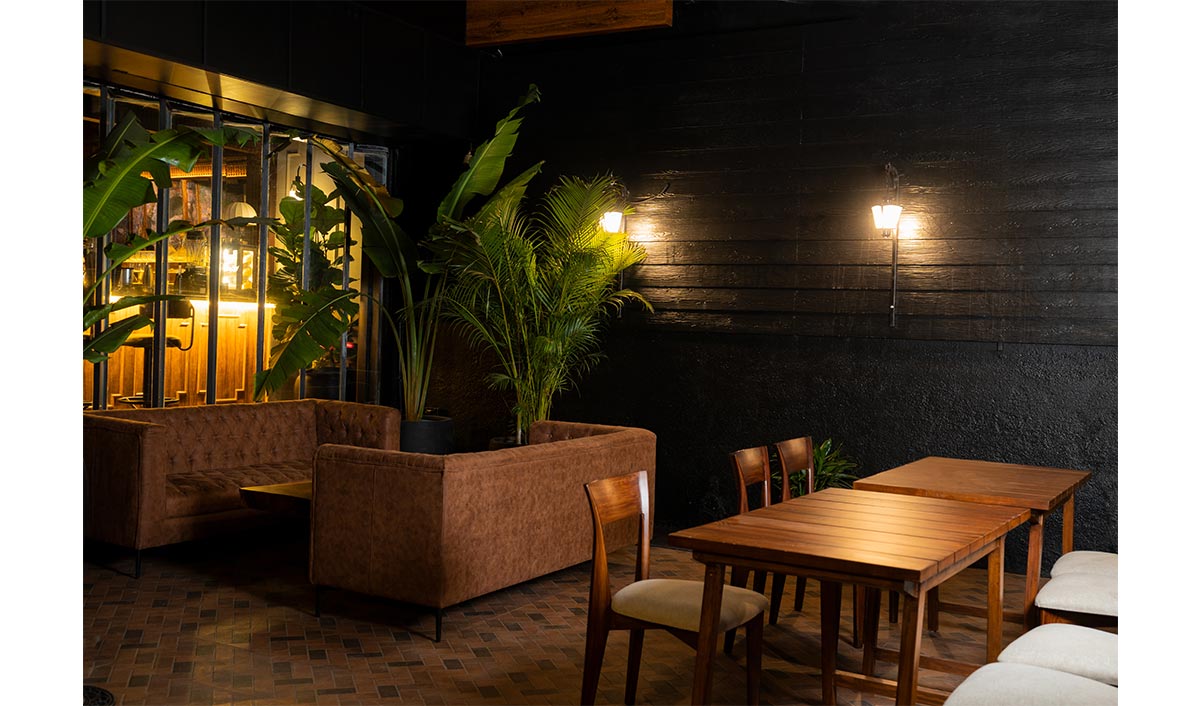
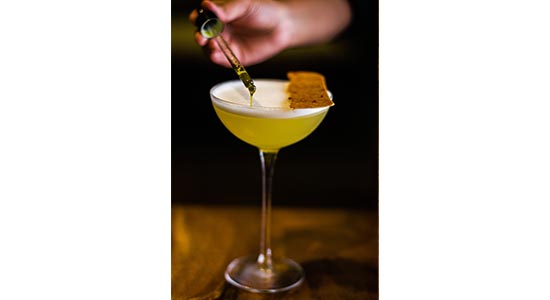
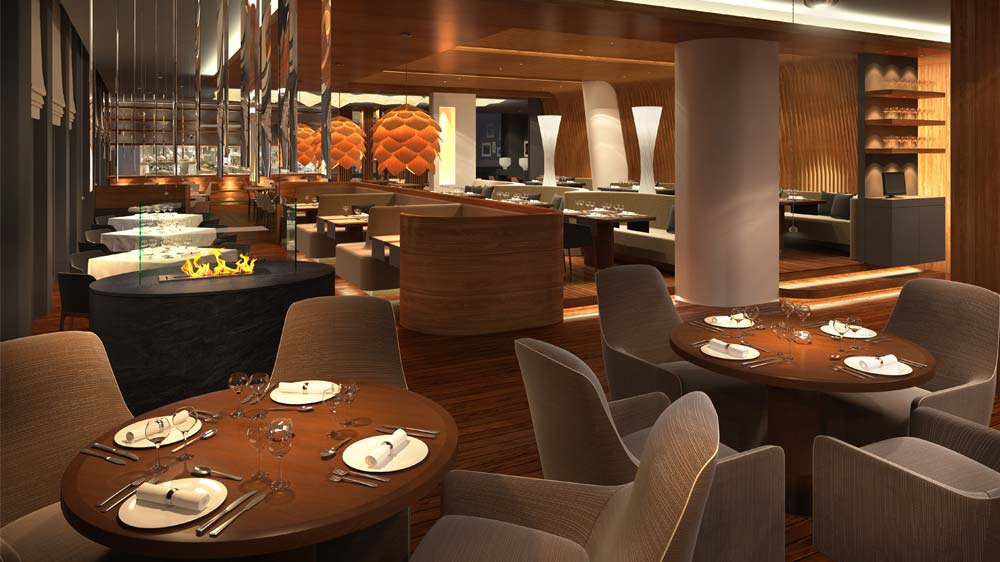
A premium cocktail is not defined only by its spirit. Consider everything that reaches the table with it. There is the glassware, ice, garnish, aroma, temperature and presentation. There is the bartender explaining the drink. There may be a food pairing, live music or a carefully designed setting.
All these details add perceived value. NIQ's global REACH 2026 study, which covers 34,500 consumers across 46 markets, highlights the importance of understanding what consumers drink, where they drink and why they choose particular occasions. Its research also points to changing premium occasions. Around 21% of premium consumers surveyed said they were going out earlier than a year ago, while only 9% said they were going out later.
That matters for hospitality businesses. The premium occasion is not necessarily a late-night party anymore. It can be an early dinner, an after-work drink, a weekend lunch or an afternoon gathering.
Bartenders Are Becoming Part of the Value
The bartender has also gained a bigger role in premium drinking. A consumer trying a new whisky, tequila or gin may not know what to order. A good recommendation can turn that uncertainty into discovery. NIQ's India research specifically identifies the influence of bartenders and venue staff on consumer choice as an important part of the on-premise opportunity.
This makes expertise a form of premium value. A bartender who can explain why a particular whisky works with a dish, why a cocktail uses a specific Indian ingredient or how a spirit was produced is offering something that cannot be replicated by a bottle sitting on a retail shelf. In other words, knowledge can become part of the drink.
India's Premium Drinking Culture
India is a particularly interesting market for this shift. Premium spirits are gaining traction, but consumers are also becoming more curious about categories, flavours and experiences. IWSR expects premium-plus servings in major developing markets, including India, to grow 13% from 2025 to 2035. It also identifies Indian whisky as one of the premium-plus growth opportunities, with Indian single malt having overtaken Scotch single malt in India in both volume and value.
- This is more than a move towards expensive bottles.
- It reflects greater interest in provenance, craftsmanship and discovery.
Indian bars are also using local ingredients to create new drinking experiences. Ingredients such as kokum, jamun, spices, regional herbs and tropical fruits can give familiar international spirits a distinctly Indian identity. The result is a more interesting proposition: global categories experienced through local flavours.
Personalisation Is Taking Premiumisation Further
The next step is personalisation. Consumers increasingly want products and experiences that feel connected to them. This can include customised cocktails, private tastings, bespoke menus, limited experiences or bottles created for a particular celebration. A premium product becomes more meaningful when it is linked to a birthday, wedding, anniversary or personal milestone. That is why occasion-led premiumisation has strong potential for luxury hospitality and spirits brands. The consumer is not simply purchasing a product. They are attaching the product to a memory.
From Bottle Loyalty to Repertoire Drinking
Premium consumers are also becoming more experimental. Instead of drinking only whisky, gin or vodka, they may move between several categories depending on the occasion. This is often described as repertoire drinking. One evening may involve a gin cocktail. Another may involve tequila. A food-focused dinner could lead to whisky or wine. A daytime gathering may favour a lighter cocktail. This gives brands a new challenge. They cannot rely only on being someone's favourite bottle. They need to understand when their brand fits into the consumer's life. That means occasion-based marketing can become as important as demographic targeting.
Food, Music and Culture Are Joining the Drink
The premium drink is increasingly connected to other lifestyle experiences. A cocktail can be paired with a chef's menu. A whisky tasting can be combined with a culinary experience. A spirits brand can work with music, fashion, travel or art. Bacardi's 2026 Cocktail Trends Report identifies meaningful occasions, local flavours and luxurious experiences among major forces shaping cocktail culture. It also reports that 77% of surveyed consumers check ingredient-origin labels, showing the growing relevance of provenance and local sourcing. This makes the drink part of a larger story. The experience could be about the food, the location, the music or the people at the table. The beverage simply becomes one of the elements that makes the occasion memorable.
What This Means for Alcohol Brands and Restaurants
For brands, the opportunity is to move beyond a simple bottle-led approach.
- Instead of asking only: “How do we sell this product?”
- the better question may be: “Which occasions should this product own?”
That could mean creating campaigns around celebrations, dining, discovery, early-evening socialising or cultural events. For restaurants and bars, premiumisation can be built through better experiences rather than simply higher prices.
That could include:
- Curated tasting flights
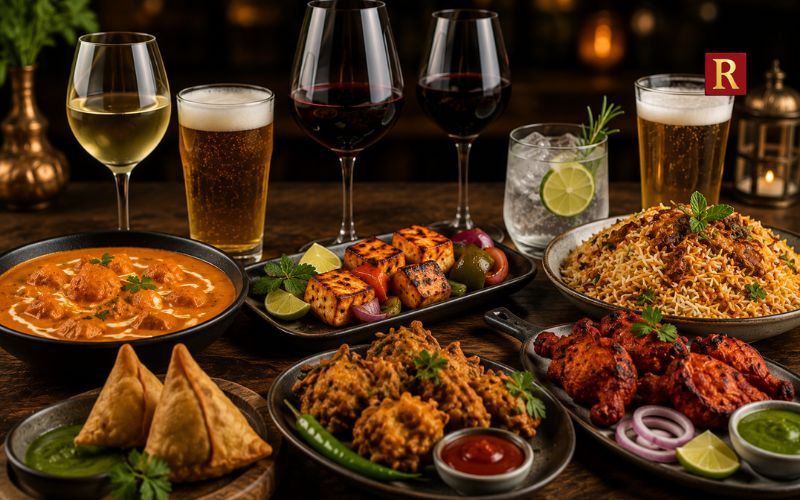
- Food and cocktail pairings
- Bartender-led recommendations
- Seasonal menus
- Tableside preparation
- Private tastings
- Regional ingredient-led cocktails
- Limited-time experiences
- Personalised celebration menus
The important point is that premium pricing needs a visible reason. Consumers should be able to taste, understand or experience the difference.
The New Premium Drinking Equation
- The changing market can be summed up simply: Premium drinking = Product + Place + People + Experience + Story
The bottle remains important. Its quality, craftsmanship and provenance still influence the decision. But they are now only part of the equation. The place creates atmosphere. The bartender adds expertise. Food creates context. Friends create connection. A special occasion creates emotional value. Together, these elements can make a drink feel worth choosing.
The moment matters more
Premium drinking is not moving away from quality. It is becoming more selective about what quality means. For India's growing premium spirits and hospitality market, this creates a clear opportunity. Consumers may be willing to spend more, but they increasingly want a reason that goes beyond a higher price tag. The strongest premium experiences will therefore be those that combine a good product with a good reason to enjoy it. The future of premium drinking may not be defined by the most expensive bottle on the shelf. It may be defined by the drink that fits the occasion best.
Saptopriya Ghosal
Feature Writer
I am a dedicated media professional with a bachelor's degree in mass communication from the State University of Calcutta and a postgraduate degree from Amity University. My academic journey has equipped me with a profound understanding of storytelling and communication. Passionate about the dynamic world of media, I continually strive to explore new ways to engage and inform through compelling narratives.