World's 10 Most Expensive Alcohols — And Why Billionaires Love Them
From $44 million limoncello draped in diamonds to whisky aged longer than most collectors have been alive—exploring the ultra-luxury spirits that transform drinking into investment, status symbol, and liquid art. Plus: why India's elite are paying attention, even if they can't buy them locally.

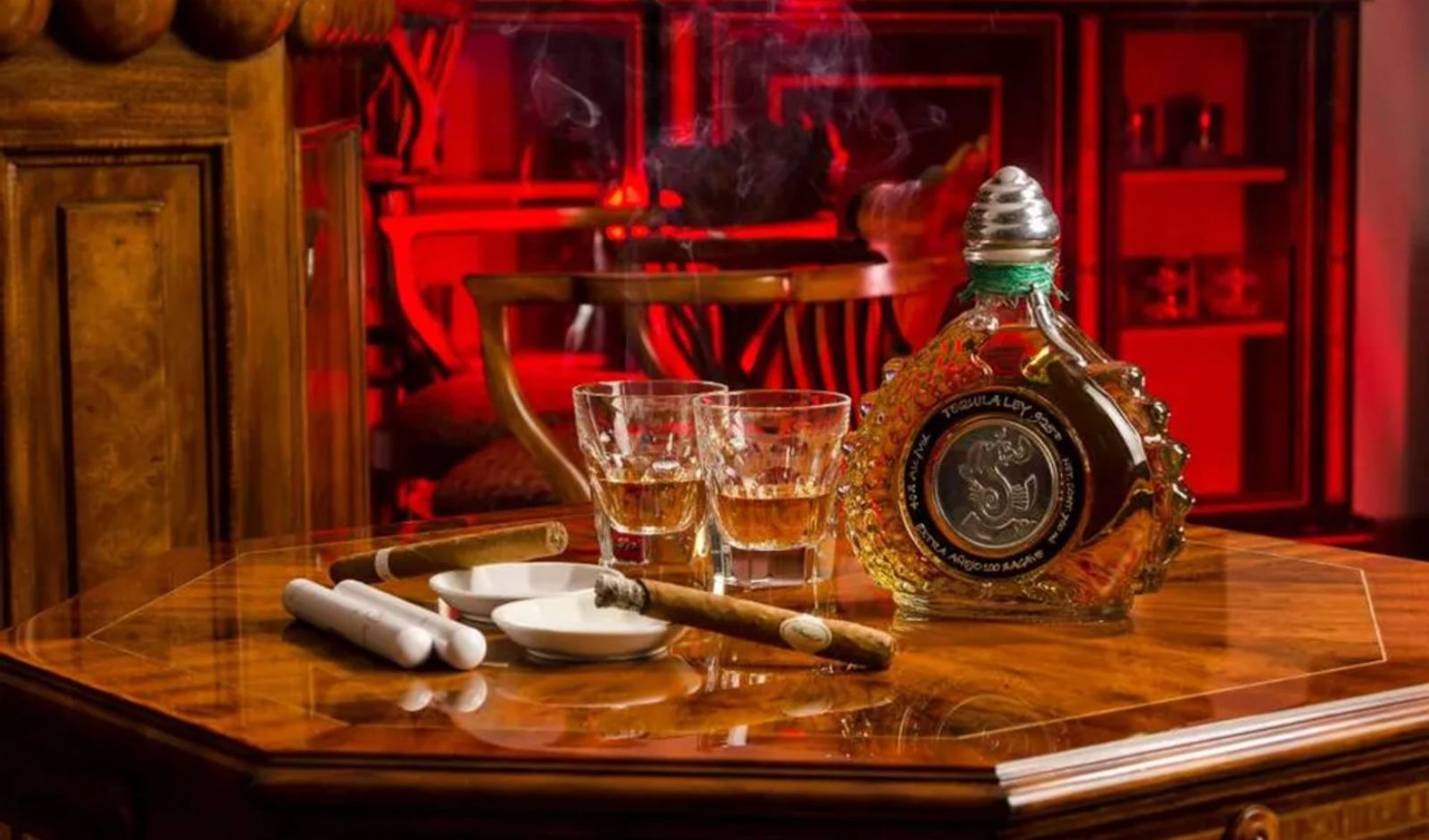
You know there's more to it than just what's inside when a bottle of alcohol costs more than a fancy apartment. The most expensive spirits in the world are the best examples of how craftsmanship, heritage, and pure luxury can come together. These aren't drinks; they're status symbols, investments, and sometimes even jewelry you can wear in liquid form.
For billionaires and elite collectors, owning these bottles means possessing something that 99.9% of the world will never experience. It's about exclusivity that money can barely buy, even when you have millions to spend.
What Makes a Bottle Worth Millions?
Extreme Scarcity: Many of these bottles exist in quantities you can count on one hand. When only three bottles exist worldwide, the price naturally skyrockets. Supply and demand economics reach their most dramatic expression here.
Precious Materials: We're talking bottles encrusted with thousands of diamonds, crafted from platinum and gold, or designed by world-renowned artists. The container often costs exponentially more than the spirit inside.
Age and Heritage: Some of these spirits have been aging since before World War II. The patience required—decades of careful storage—adds immense value. Every year a spirit ages, it becomes rarer as the "angel's share" evaporates.
Artistic Collaboration: When famous artists design labels or when master craftsmen from luxury houses like Lalique create the decanters, you're buying fine art as much as fine alcohol.
Provenance and Story: The narrative matters. Who owned it? Where was it stored? What historical events did it survive? These stories transform bottles into legends.
10 Most Expensive Alcohols Globally
1. D'Amalfi Limoncello Supreme — $44 Million
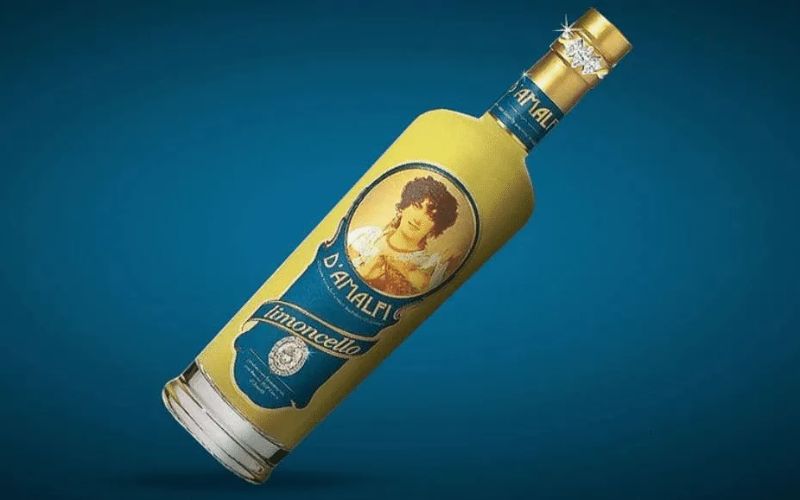
Topping the charts is a lemon liqueur that makes other expensive spirits look affordable. Only two bottles were ever made, and calling them "bottles" feels inadequate. Each is adorned with three flawless single-cut diamonds, with a rare 13-carat mammoth diamond gracing the neck. The craftsmanship is so elaborate that the bottle itself is essentially a piece of high jewelry that happens to contain limoncello.
The identity of the primary owner remains shrouded in mystery—when you spend $44 million on a bottle, privacy comes with the package. For Indian enthusiasts hoping to explore this brand, standard D'Amalfi limoncello is available in select markets, but the Supreme edition remains firmly out of reach for retail purchase anywhere in the world. Make sure to check out India's dry day calendar before planning to stock it up on special occassions.
2. Isabella's Islay Whisky — $6.2 Million
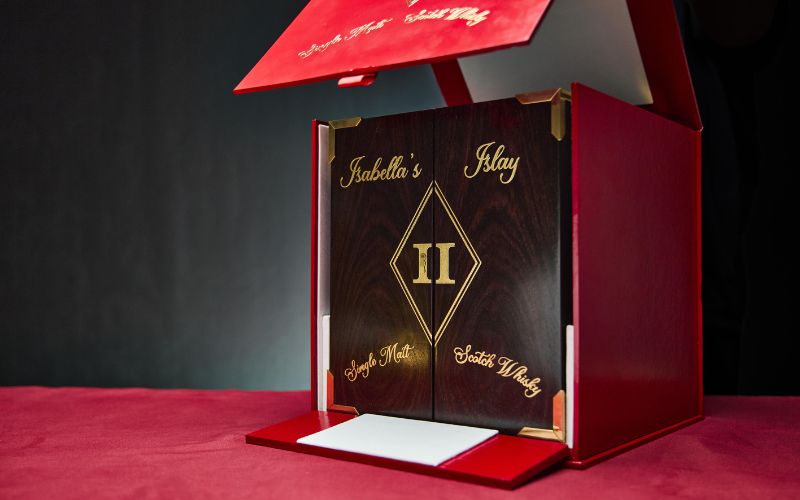
Scotland's contribution to extreme luxury comes in the form of this whisky, which features a decanter embedded with over 8,500 diamonds and 300 rubies. The exact vintage of the single malt inside remains a closely guarded secret, adding mystique to an already extraordinary offering.
What's particularly interesting is that the distillery refuses to disclose details about the whisky's age or specific characteristics. When you're spending this much, the secrecy becomes part of the allure. Ultra-high-net-worth clients around the globe have purchased bottles, though their identities remain confidential. This bottle has never touched Indian soil for retail purposes.
3. Billionaire Vodka — $3.7 Million
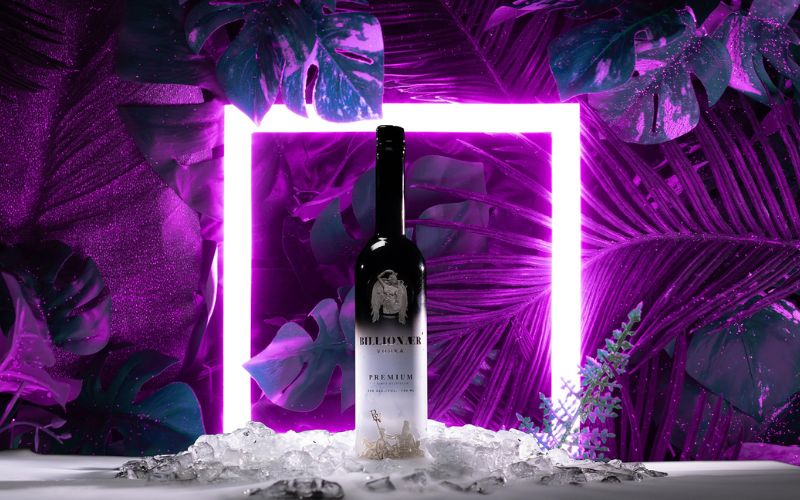
The recipe is secret. The production method is classified. What everyone can see is the platinum and rhodium-encased bottle covered in diamonds, delivered in a fur-lined presentation box. The entire package screams excess—and that's precisely the point.
Russian billionaires and select Middle Eastern royalty are rumored to own bottles, though confirmations are rare. Here's where things get confusing for Indian buyers: a product called "Billion Air Vodka" is produced locally and available in Mumbai and Pune for under ₹2,000. Despite the similar name, it's an entirely different product with no connection to the multi-million-dollar Billionaire Vodka.
4. The Macallan 1926 — $2.1 to $2.7 Million
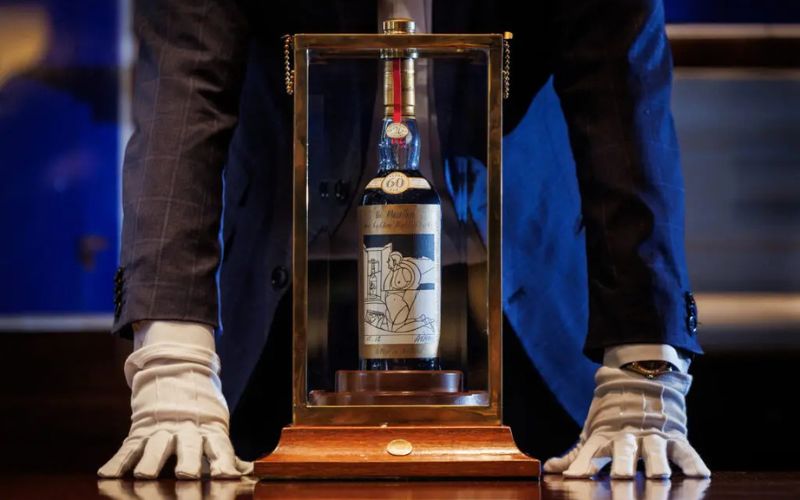
Perhaps the most famous entry on this list, The Macallan 1926 represents whisky at its absolute zenith. Only 40 bottles were released, each featuring hand-painted or specially designed labels by renowned artists including Valerio Adami, Michael Dillon, and Peter Blake.
What sets this apart is that the whisky itself justifies much of the price. The liquid has been praised by experts as exceptional, making this one of the few entries where you're not just paying for the packaging. British whisky entrepreneur Sukhinder Singh is a notable collector, as is football icon David Beckham.
Indian collectors have occasionally acquired bottles through international auctions. Singh himself, who has deep roots in the Indian community, has spoken about his prized Macallan collection. However, walking into an Indian liquor store to buy one remains impossible.
5. Henri IV Dudognon Heritage Cognac — $2 Million
A cognac aged for a full century, presented in a vessel of 24-carat gold and platinum, studded with thousands of diamonds. The cognac house Dudognon has been crafting spirits since 1776, and this bottle represents the pinnacle of their multi-generational expertise.
The hundred-year aging process means this cognac contains brandy distilled in the early 1900s—liquid history in the truest sense. Elite European and Gulf collectors are known to possess bottles, though specific owners remain anonymous. Indian availability is non-existent for this particular expression.
6. Tequila Ley .925 — $3.5 Million
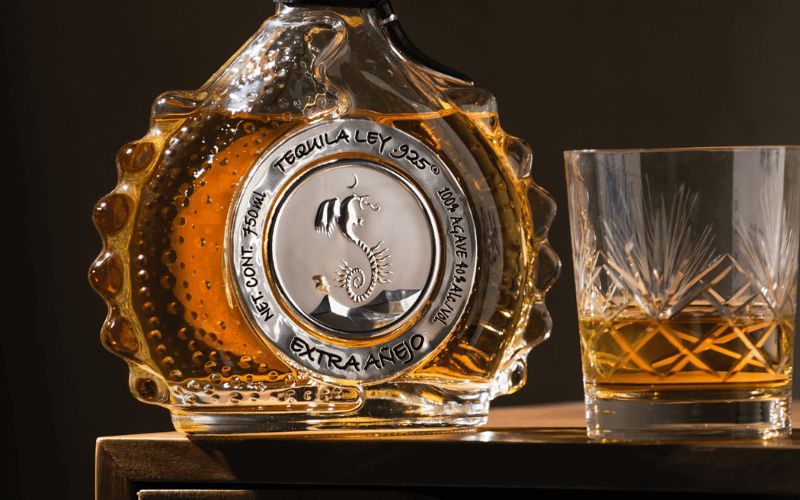
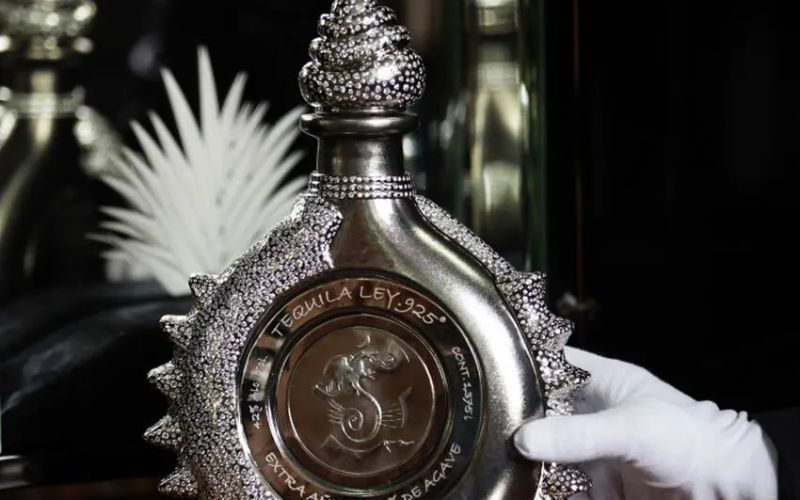
Mexico's entry into the extreme luxury spirits market comes courtesy of this tequila, housed in a bottle made with over 4,000 diamonds and pure platinum. Only one or two bottles exist globally, making it rarer than many precious gemstones.
The tequila itself is premium, but the bottle is the star. Middle Eastern royalty are rumored to own at least one. In India, this bottle has been featured in luxury displays and its theoretical Indian price (over ₹23.7 crore) has been calculated, but it's never been available for actual purchase.
7. The Macallan M Imperiale 6L — $628,000
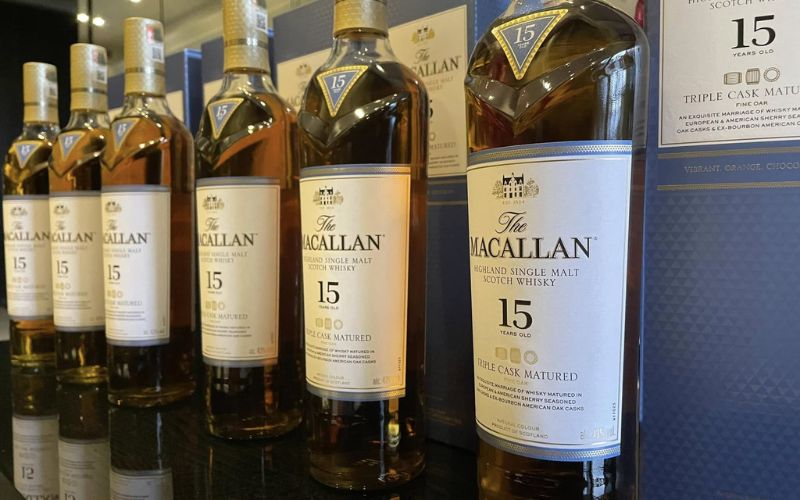
Another Macallan entry, but this time the focus is on the presentation and size. Only four were ever made, each housed in a handcrafted Lalique crystal decanter containing six liters of rare vintage single malt aged for decades.
The Lalique collaboration is significant—the French crystal house is synonymous with luxury and artistry. Each decanter required extensive hand-craftsmanship. High-profile collectors and whisky investors own these bottles, though they rarely appear in public. Access is exclusively through international auctions.
8. Dalmore 64 Trinitas — $160,000
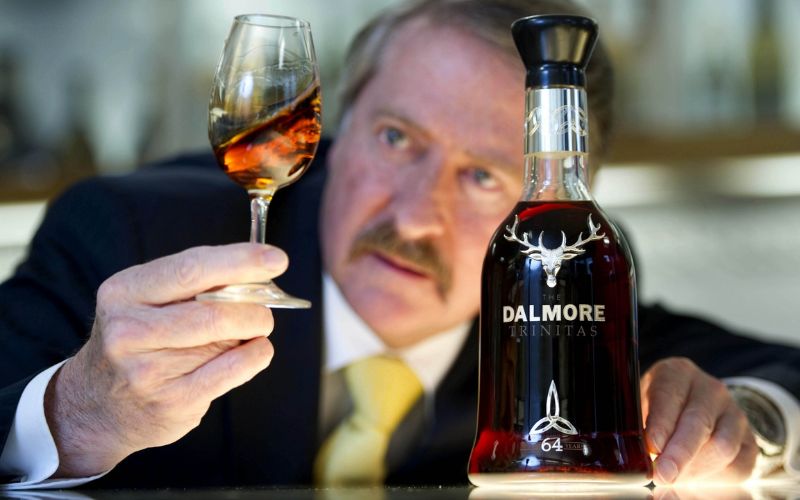
Scotland's Dalmore created just three bottles of this blend, each containing rare stocks aged up to 64 years. The scarcity is extreme even by the standards of this list.
What's remarkable is the Indian connection. Gujarati collector Mahesh Patel and UK-based Indian entrepreneur Sukhinder Singh each purchased a bottle when they were auctioned in Glasgow for £100,000 each. This demonstrates the growing appetite among Indian collectors for world-class whisky, even if these purchases happen in international markets rather than domestically.
9. Yamazaki 50-Year-Old — $343,000+
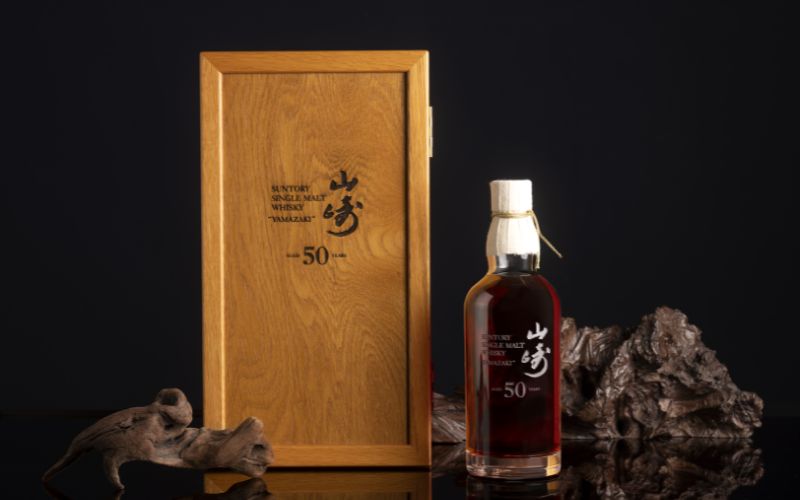
Japan's oldest and rarest single malt has achieved legendary status among whisky connoisseurs. Only a handful of bottles are released per batch, and the waiting list for allocation is years long.
The Yamazaki distillery, founded in 1923, represents Japan's entry into serious whisky-making. The 50-year-old expression showcases how Japanese patience and precision can create something truly extraordinary. Prominent Japanese collectors, including industry figures like Shinji Fukuyo, own bottles. Indian buyers can potentially acquire bottles through international auctions, but domestic retail channels don't carry it.
10. Armand de Brignac "Ace of Spades" Midas — $275,000
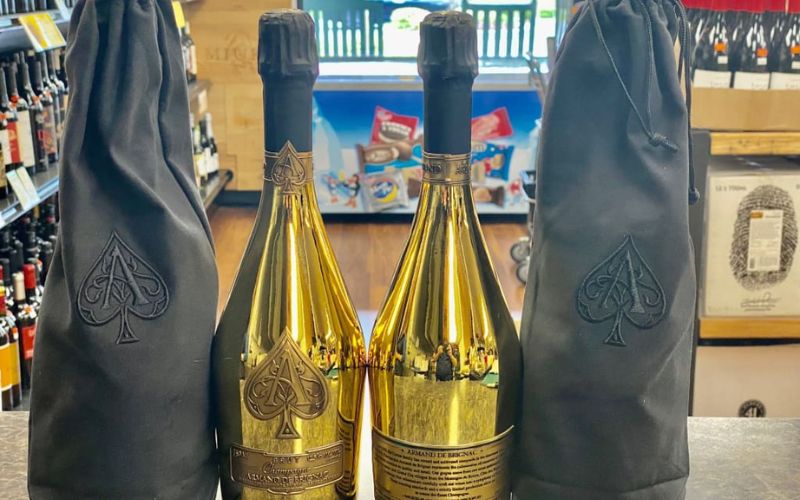
The champagne that became synonymous with hip-hop excess features giant 30-liter gold bottles designed for maximum visual impact. Each Midas is meticulously crafted and associated with the most lavish celebrations imaginable.
Jay-Z, Floyd Mayweather, and Conor McGregor have all showcased this bottle at parties, cementing its status as the ultimate celebration champagne. Limited imports reach select Indian luxury hotels, but the 30-liter Midas version remains extremely rare and generally unavailable for public purchase even internationally.
The Psychology of Ultra-Luxury Spirits
Why do billionaires and celebrities gravitate toward these bottles? The reasons are more complex than simple wealth display.
Investment Potential: Fine spirits, particularly aged whiskies, have shown remarkable appreciation. Some bottles have increased in value by 500% or more over a decade. For the ultra-wealthy, these purchases are often strategic investments that also happen to be enjoyable.
Social Currency: Opening a million-dollar bottle at an exclusive gathering creates a moment that guests will never forget. It's experiential luxury at its most extreme—you're not just offering a drink, you're creating a story people will tell for years.
Completion of Collections: Serious collectors operate on completionist logic. If you have 39 rare whiskies, you'll pay almost any price for the 40th that completes the set. This psychology drives auction prices into the stratosphere.
Preservation of Heritage: Some collectors genuinely see themselves as custodians of liquid history. When you own a cognac distilled before your grandparents were born, you're preserving a tangible link to the past.
The Thrill of Unobtainability: For people who can buy almost anything, the few things they cannot easily acquire become irresistible. The hunt itself provides satisfaction that routine luxury purchases cannot match.
The Indian Context: A Growing But Limited Market
India's luxury spirits market is expanding rapidly, with urban centers like Mumbai, Delhi, and Bangalore seeing increasing demand for premium and super-premium offerings. However, the ultra-luxury segment represented by this list remains largely inaccessible for several reasons.
Regulatory Constraints: India's complex alcohol regulations vary by state, making importation of extremely rare spirits challenging. Customs duties on alcohol imports are substantial, often doubling or tripling the base price.
Excise Complications: Different states have different rules about what can be sold and at what price points. Bringing in a multi-million-dollar bottle for retail sale faces bureaucratic hurdles that make the process impractical.
Market Size: While India has a growing population of ultra-high-net-worth individuals, the domestic market for $1 million+ bottles remains small. International auction houses find it more efficient to handle these sales globally rather than establishing India-specific channels.
Auction Access: Indian collectors like Sukhinder Singh and Mahesh Patel have demonstrated that Indians are competitive buyers in the global market. However, their purchases happen at international auctions in London, New York, or Hong Kong rather than domestically.
That said, the scene is evolving. High-end hotels in Mumbai and Delhi occasionally stock premium expressions from brands like Macallan, Dalmore, and Armand de Brignac—not the million-dollar editions, but respectable entries from the same houses. Specialized liquor stores in Gurgaon and South Mumbai have begun catering to collectors with rare releases. The secondary market, while informal, connects buyers with sellers of premium bottles.
A few luxury liquor outlets in India have made headlines for their exclusive selections and premium ambiance, offering valet service and climate-controlled storage. These venues stock high-end spirits that, while not reaching the millions, still represent significant luxury purchases in the ₹50,000 to ₹5 lakh range.
What the Future Holds
The market for ultra-luxury spirits shows no signs of slowing. Auction prices continue to break records, with new entries challenging the existing hierarchy. Emerging markets, particularly in Asia and the Middle East, are driving demand higher.
For India, the trajectory points toward greater accessibility over time. As regulations potentially modernize and the collector base grows, we may see more international auction houses hosting India-focused events or more seamless import channels for legitimate collectors.
Distilleries are taking note of emerging markets. Some Scottish distilleries now conduct tasting events in India, building relationships with potential future buyers. Japanese whisky makers are exploring collaboration with Indian distributors. French cognac houses are studying the Indian market's peculiarities.
The rise of NFTs and blockchain authentication may also transform this space. Some distilleries are experimenting with digital certificates of authenticity that could make ownership transfer more transparent and potentially more accessible to international buyers, including those in India.
The Bottom Line
These ten bottles represent the absolute peak of luxury spirits—where craftsmanship, rarity, precious materials, and cultural cachet combine to create objects of almost absurd value. They exist in a realm where normal market forces bend and break, where a bottle of tequila costs as much as a private island.
For billionaires and elite collectors, these bottles serve multiple purposes simultaneously: investment vehicles, status symbols, conversation pieces, and genuine appreciation of extraordinary craftsmanship. The fact that most will never be opened adds to their mystique—they're Schrödinger's drinks, simultaneously perfect and potentially disappointing, their value existing in the realm of possibility.
For Indian enthusiasts, these bottles remain largely aspirational. The path to ownership runs through international auctions and private sales rather than domestic retail. However, the broader luxury spirits market in India continues to mature, offering increasingly sophisticated options for those looking to explore premium drinking experiences without quite reaching the multi-million-dollar threshold.
Whether you view these bottles as the peak of human achievement in spirits or as symbols of excessive wealth, one thing is certain: they represent a world where the ordinary rules of commerce don't apply, where rarity and craftsmanship can transform a drink into a treasure worth more than most people will earn in multiple lifetimes.
For now, most of us will have to content ourselves with admiring these bottles from afar—through auction catalogs, museum displays, and articles like this one. And perhaps that's fitting. Some luxuries are meant to be extraordinary precisely because they remain out of reach, existing as reminders that there are still things in this world that money can barely buy, even when you have all the money in the world.
sandeepsharma
Content Editor