Why Local Identity Is the New Luxury in Hospitality
Today’s travelers are seeking not just destinations, but deeper connections. Culture, once considered a backdrop, has emerged as the defining currency of modern hospitality.

Published by — Guest author
Views: 1223 8 MIN READ

In an era shaped by conscious travel, luxury is undergoing a quiet revolution. It is no longer measured by extravagance, but by something far more intimate - authenticity. Today’s travelers are seeking not just destinations, but deeper connections. Culture, once considered a backdrop, has emerged as the defining currency of modern hospitality.
The numbers already reflect this shift. According to the March 2025 Heritage Tourism Market Report by Grand View Research, nearly 59% of travelers visiting India are motivated by cultural and heritage experiences. This demand fuels a USD 21.9 billion opportunity — a clear signal that the future of tourism lies in preserving, interpreting, and celebrating the local identities that make each destination unique.
From Predictability to a Sense of Place
For decades, global hospitality was built on uniformity, the familiar bed, the standard lobby, the predictable menu. But the post-pandemic traveler is different. These guests are not seeking a break from reality; they are seeking a deeper understanding of it. They want a stay that feels rooted, textured, and reflective of the community around them.
The properties that resonate today are those that embody their surroundings, where architecture draws inspiration from local forms, where cuisine carries the flavor of indigenous ingredients, and where experiences reflect traditions that have shaped a region’s identity. What once was “consistency” is now being replaced with “character.” And in that character lies a powerful sense of belonging.
Culture as a Strategic Advantage
Integrating culture into hospitality is far more than an aesthetic choice; it is a business imperative.
- Standing Apart: In a world of polished sameness, local character becomes a brand’s signature, a reason for travelers to return, and to remember.
- Strengthening Communities: Collaborating with artisans and cultural practitioners not only preserves traditional skills but ensures tourism contributes to local economic resilience.
- Forging Emotional Connections: Guests may forget the décor, but they never forget the emotion, the warmth of a regional greeting, the cadence of local music, the taste of a dish prepared with heritage ingredients. These moments linger long after checkout.
The Rise of the Purpose-Led Traveler
A new generation of travelers is reshaping the meaning of exploration. Gen Z and younger millennials no longer travel simply to escape—they travel to connect, contribute, and understand. Their journeys are guided by purpose: to learn from different cultures, support local communities, and experience places with curiosity and respect.
For this generation, a destination is not a backdrop. It’s a teacher.
A trip is not a break. It’s an opportunity to grow.
They seek authenticity over spectacle. They value businesses that stand for something. And they choose brands that align with their beliefs—whether that’s sustainability, inclusivity, creativity, or cultural preservation. Purpose-led travel isn’t about checking off landmarks; it’s about finding meaning in the moments in between.
Experiences Over Itineraries
Young travelers want to be participants, not passive observers. They’re drawn to hands-on cultural experiences, nature-first exploration, self-discovery, creative immersion and purpose driven choices. Food remains important, but as part of a broader desire for experiential depth: tasting ingredients grown locally, understanding culinary heritage, contributing to sustainable food ecosystems, and celebrating diversity through cuisine.
At its essence, hospitality is a bridge—between cultures, between people, between stories. Tomorrow’s leading hospitality brands will shift focus from providing escape to enabling immersion. Luxury will no longer be measured by excess, but by intention, authenticity, and sense of place. Young travelers seek belonging, not anonymity. Meaningful moments, not manufactured perfection.
When hospitality champions local traditions and communities, it does more than serve travelers—it invites them to experience the soul of a destination. A property becomes a living expression of its surroundings, a gateway to understanding the world through genuine encounters.
A New Era of Travel
This new traveler doesn’t just want to see the world—they want to leave it better than they found it. And they hold hotels, restaurants, and experiences to that same standard.
This is the rise of the purpose-led traveler. This is the beginning of a more conscious, connected, and meaningful age of exploration.

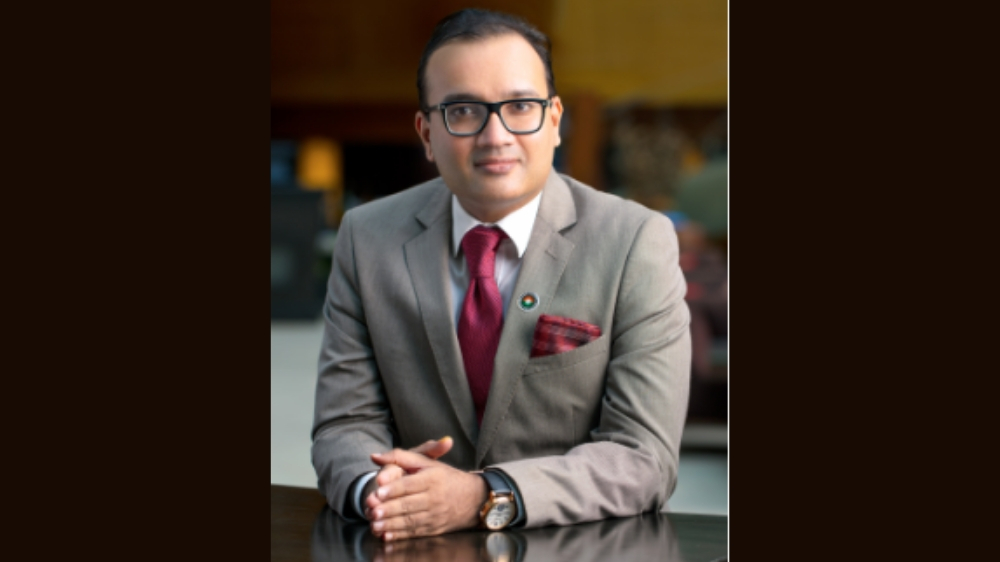
By-Ranjit Batra, CEO, Ventive Hospitality Limited