Heritage Meets Luxury: How Noormahal Palace is Redefining Experiential Hospitality
Looking ahead, the group sees India’s luxury hospitality sector moving towards a future defined by authenticity, sustainability, innovation, and experiential travel.

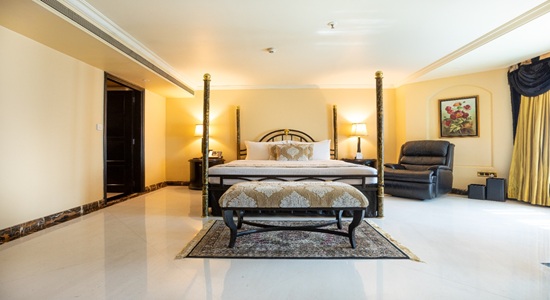
India’s luxury hospitality sector is witnessing a major transformation as travellers increasingly seek immersive, story-driven experiences over conventional luxury stays. Tapping into this shift, Noormahal Palace is positioning itself as a global luxury heritage destination through its collaboration with Marriott Bonvoy under the Autograph Collection brand. The move is not just about adding international branding to a heritage property. Instead, the strategy focuses on blending royal Indian heritage with modern luxury standards while preserving the authenticity that defines the palace experience.
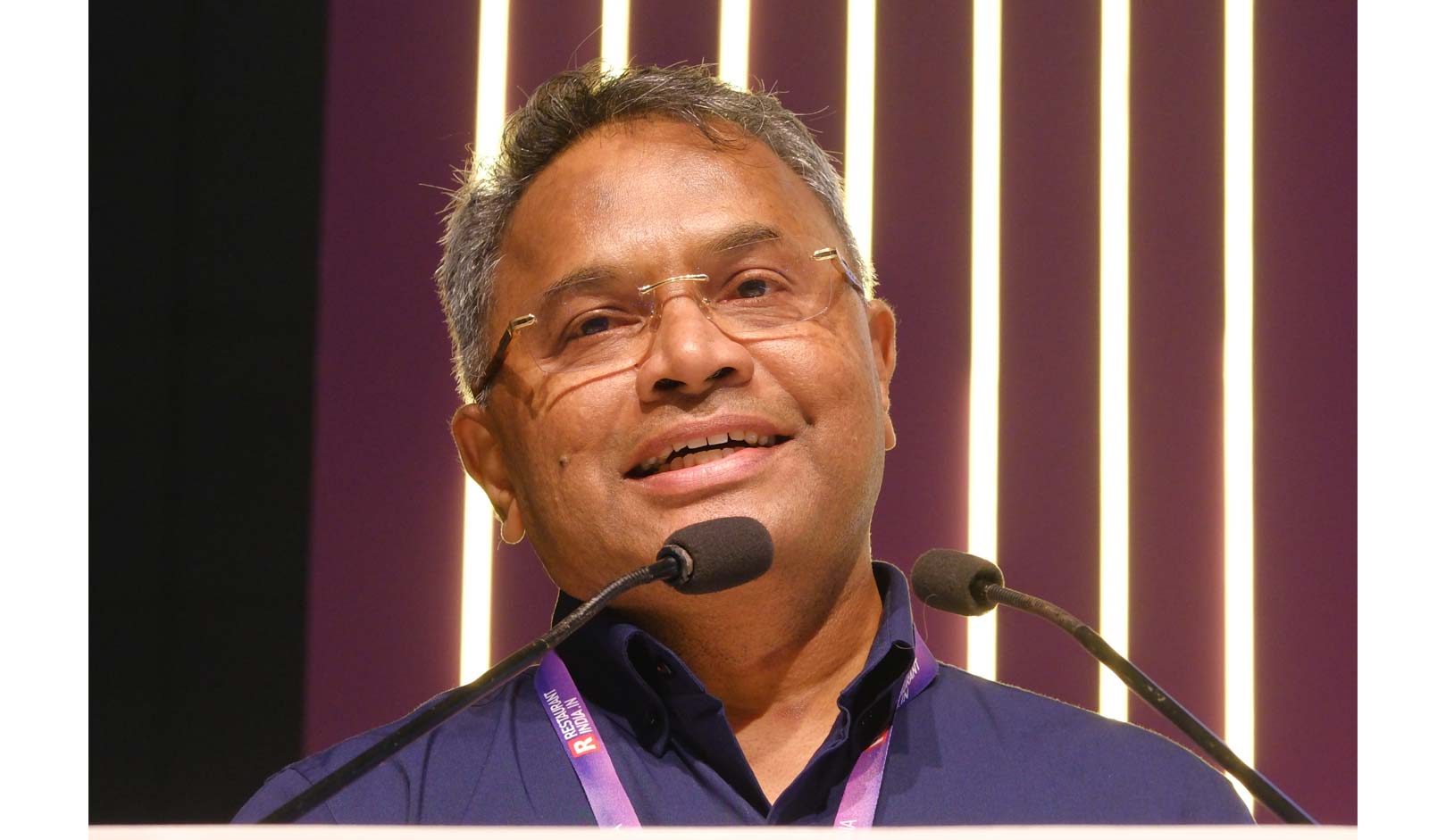
“Noormahal’s strength lies in its individuality, its palatial architecture, curated art collection, and deeply rooted cultural narrative. These elements align seamlessly with the Autograph Collection philosophy of celebrating properties that are unique, story driven, and exactly like nothing else,” said Roop Partap Choudhary, ED, Noormahal Group.
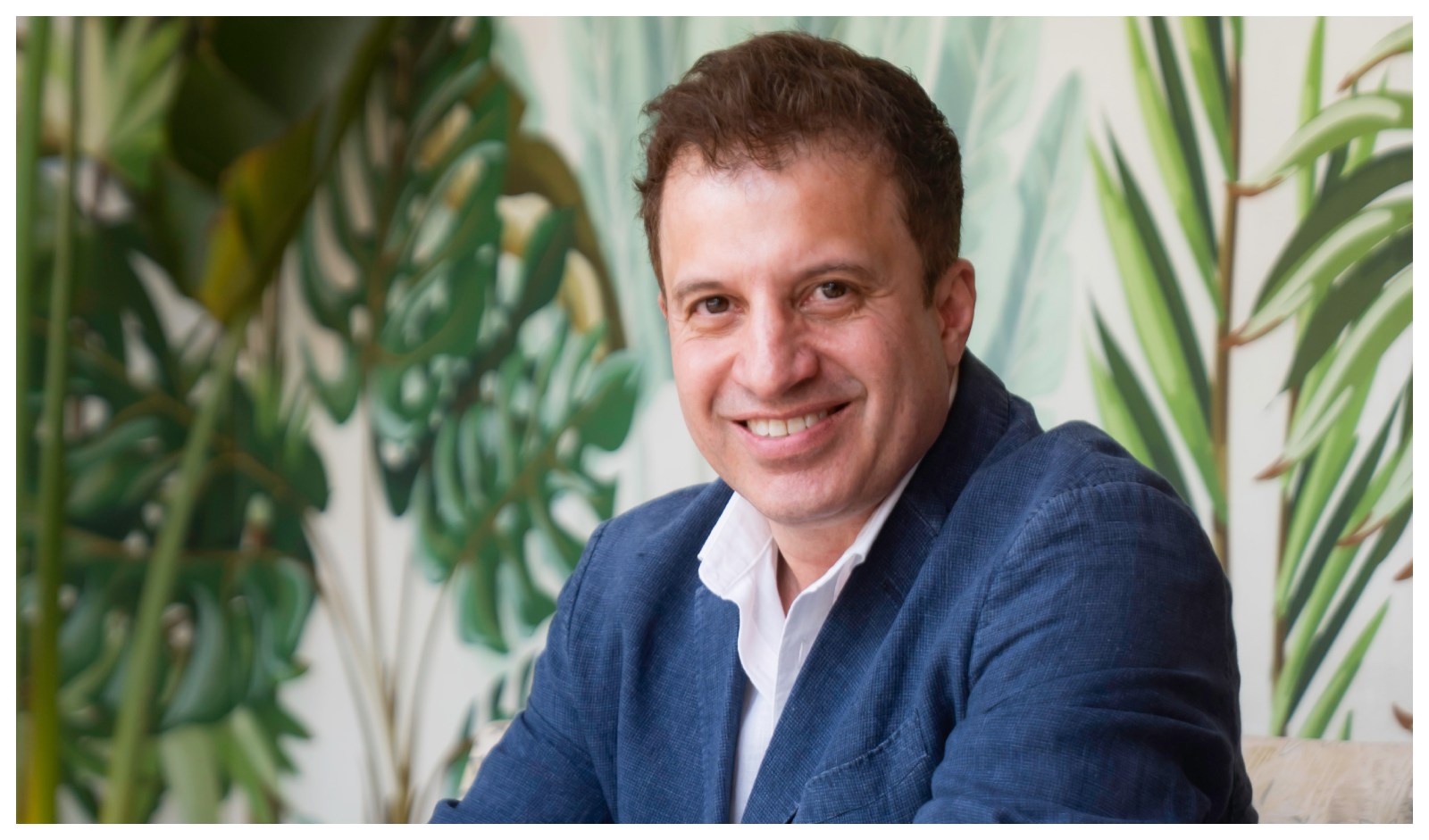
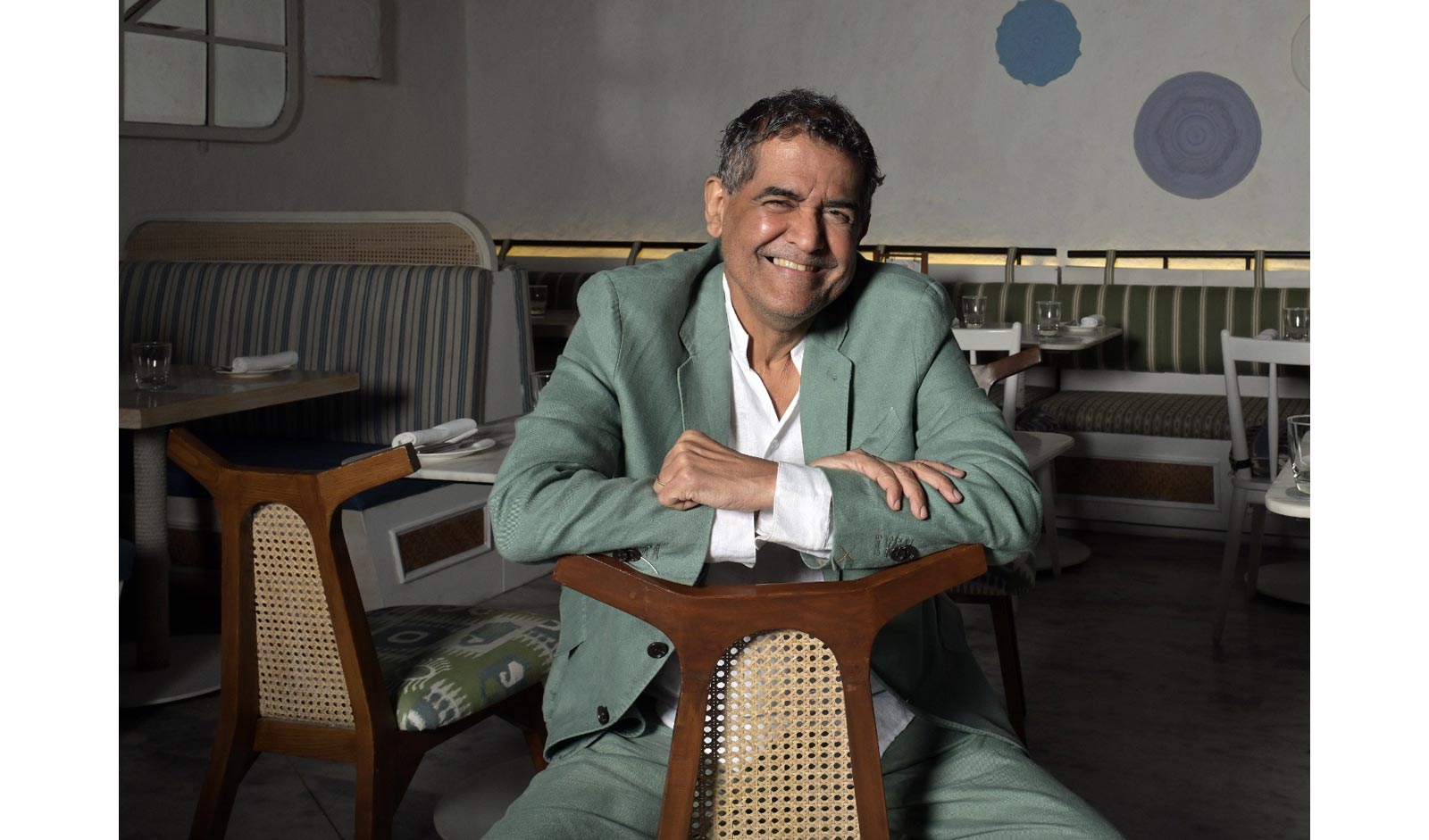
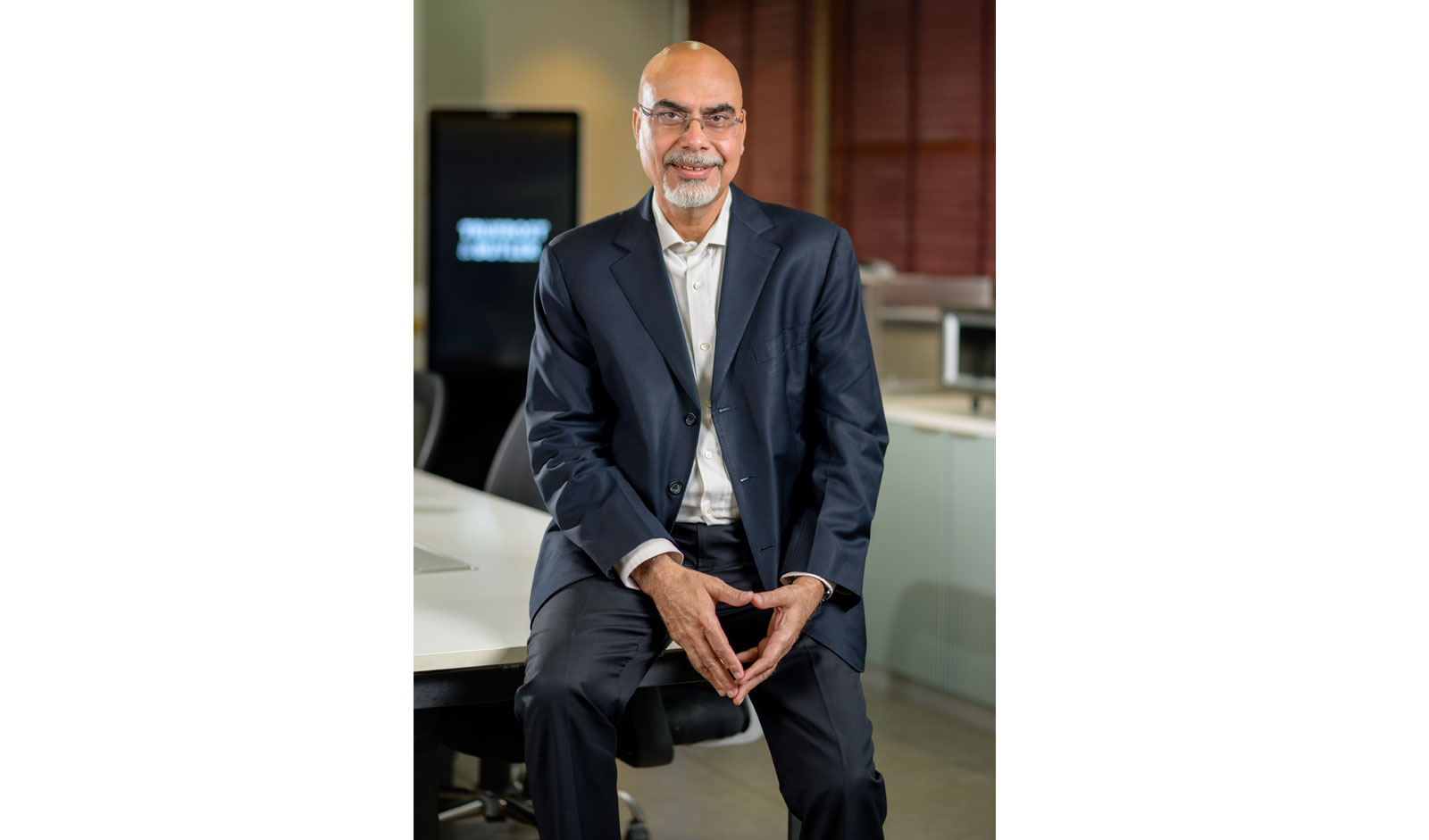
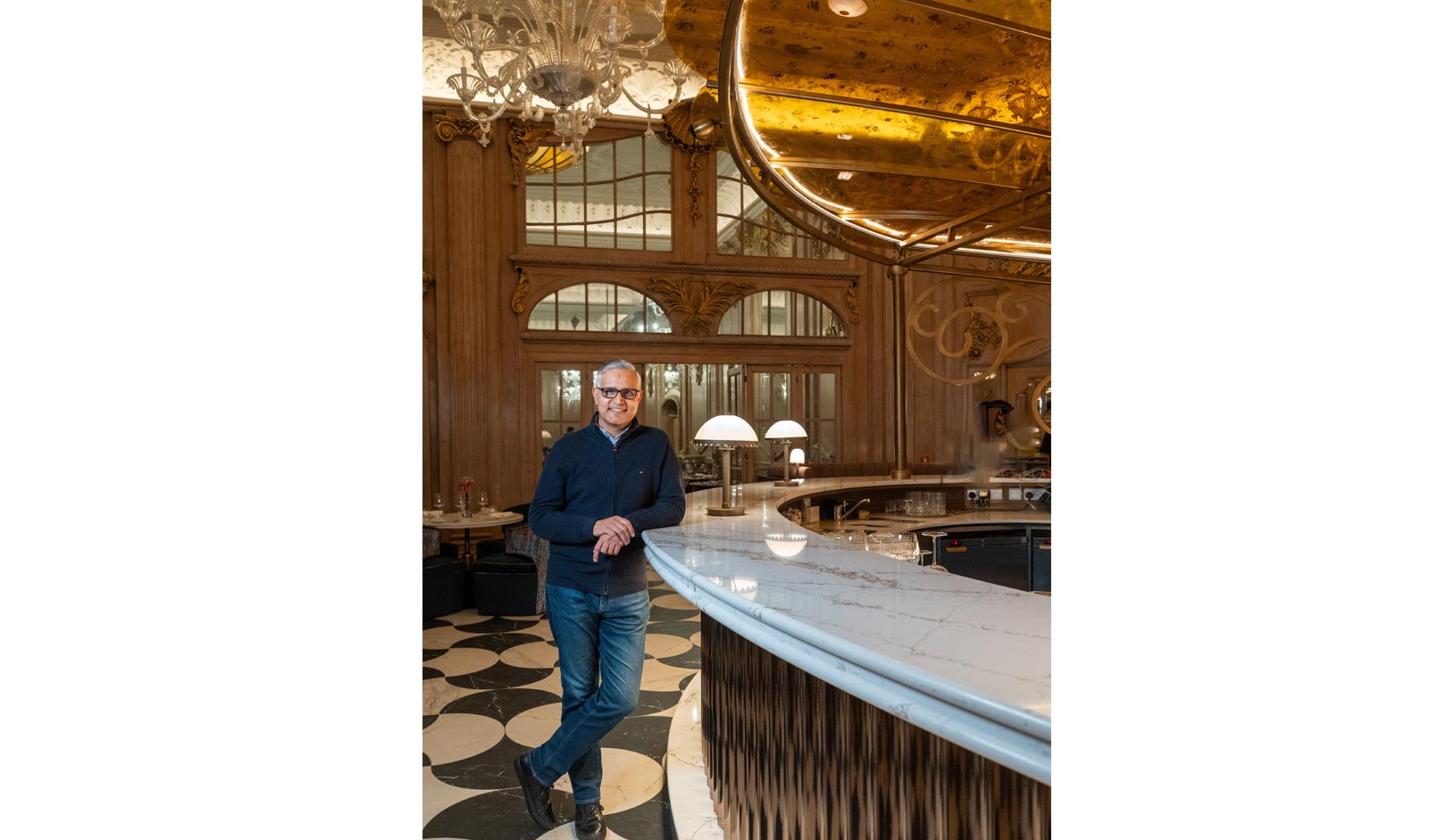
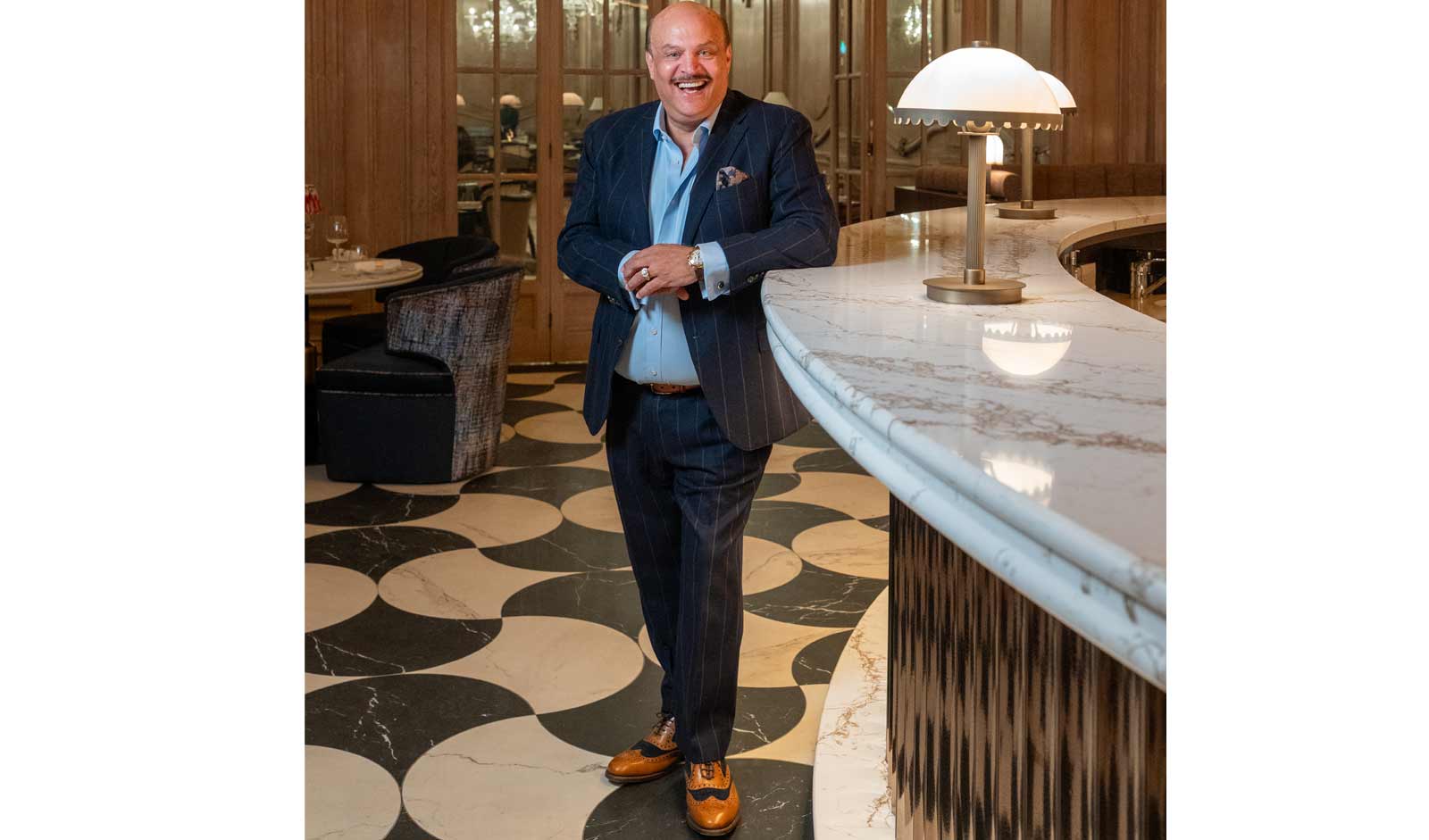
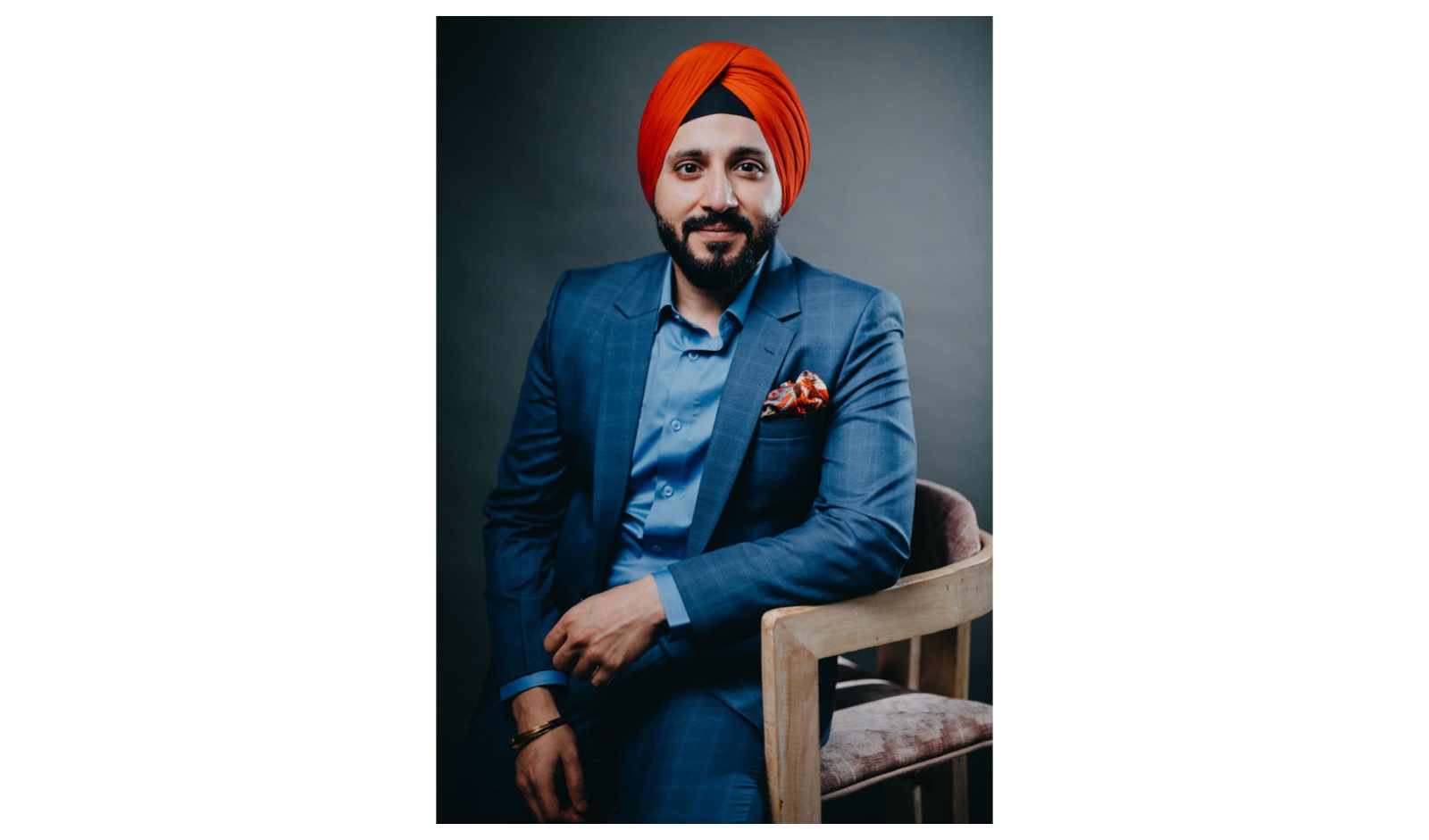
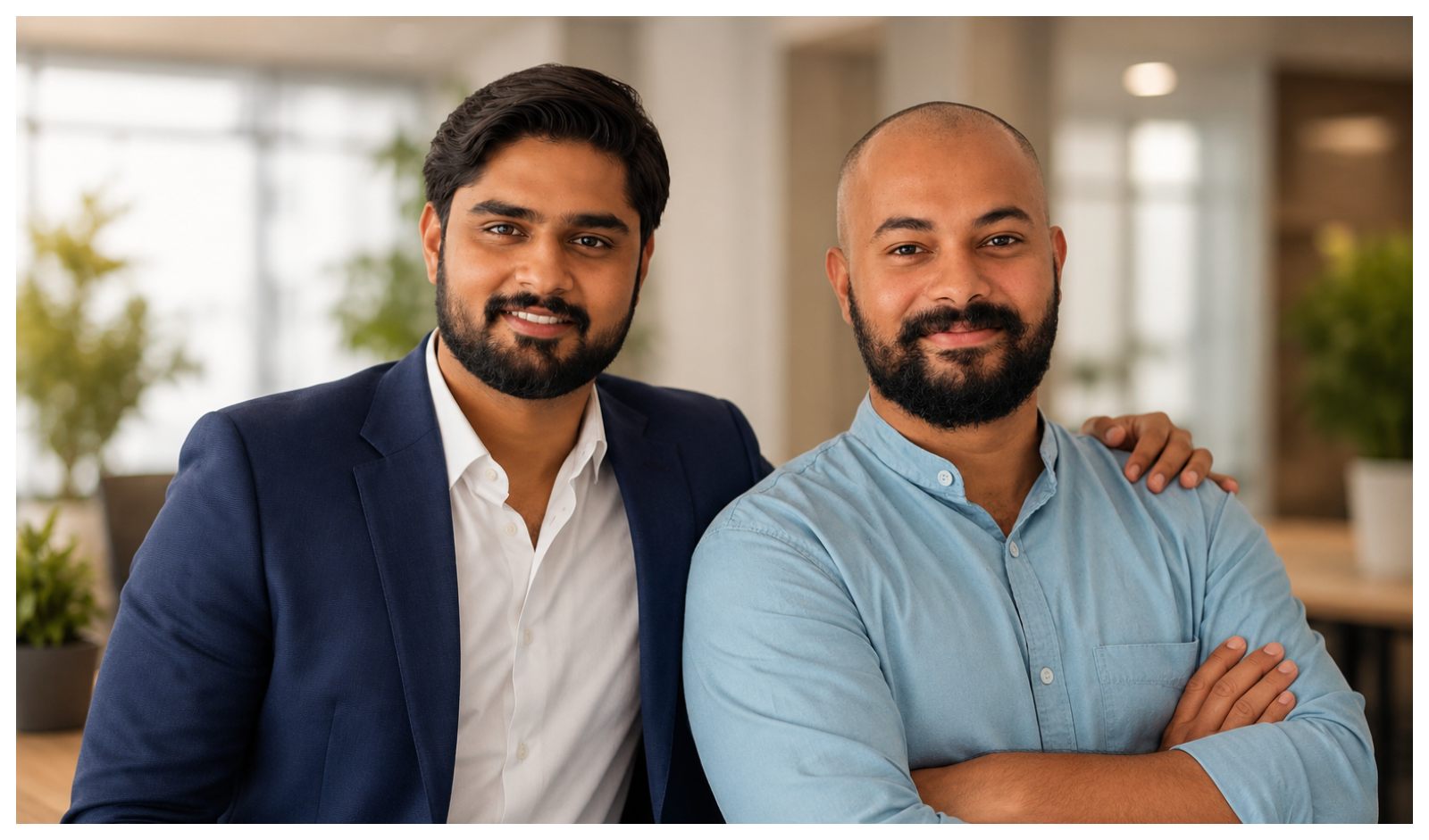
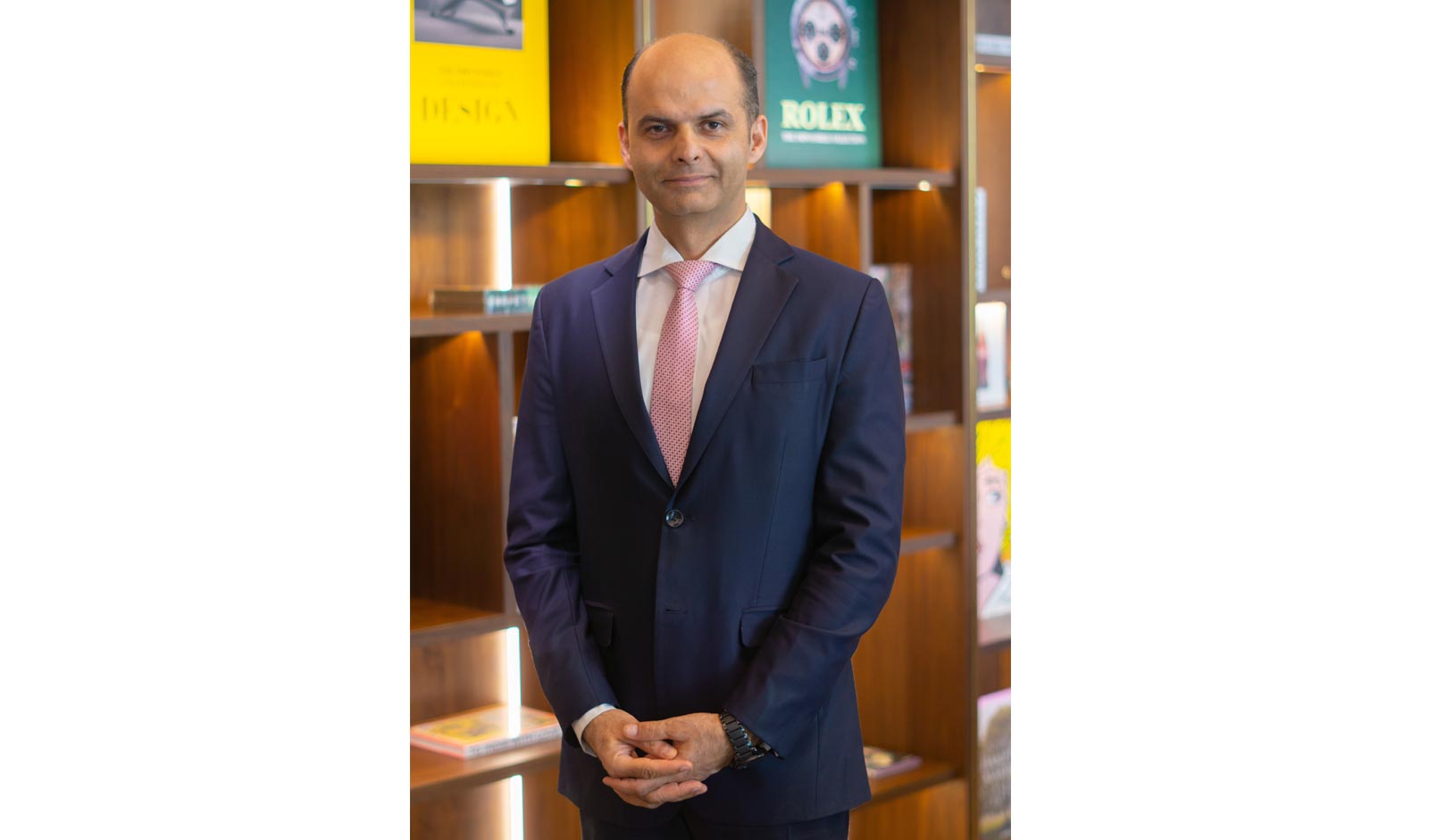
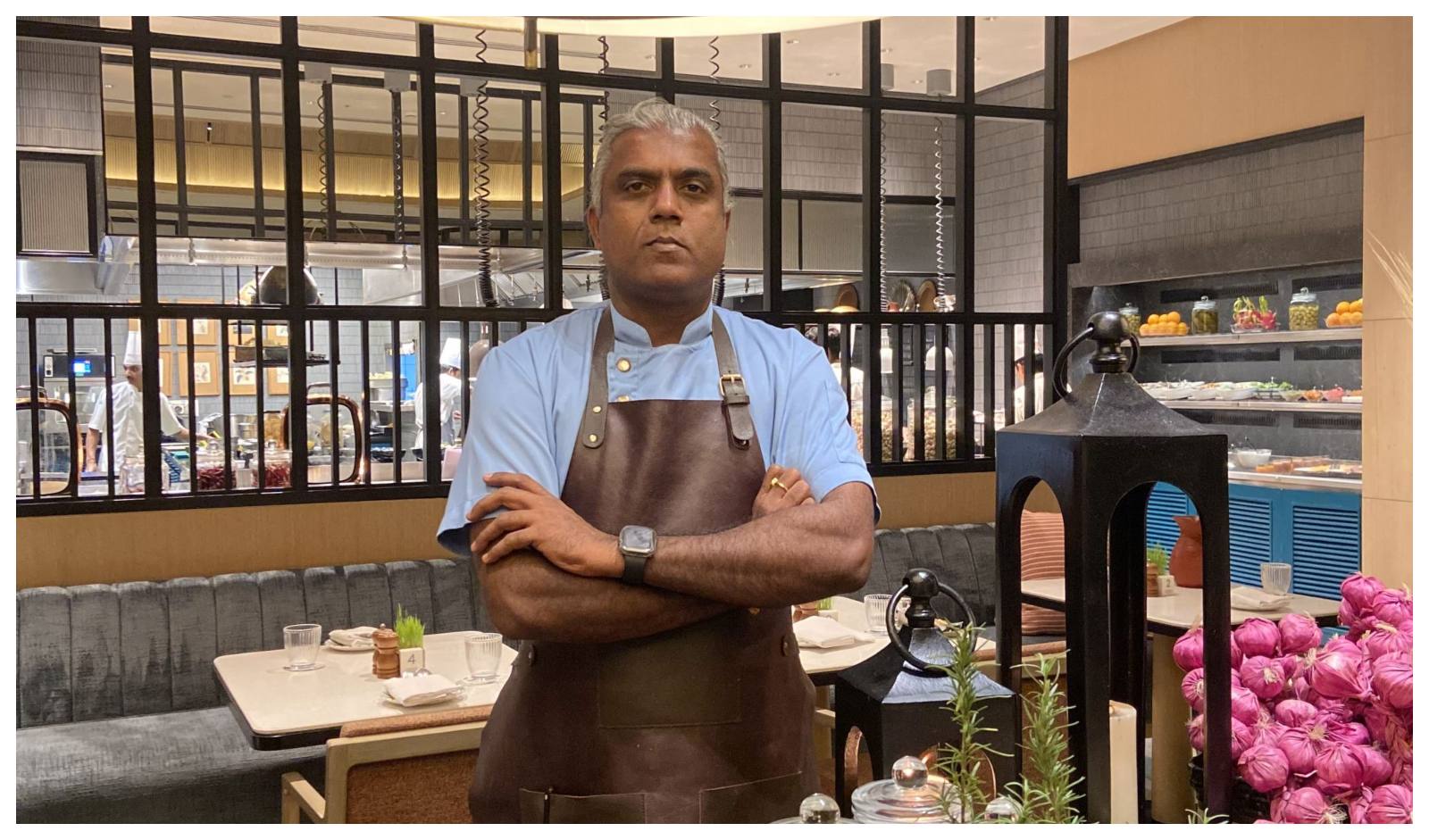
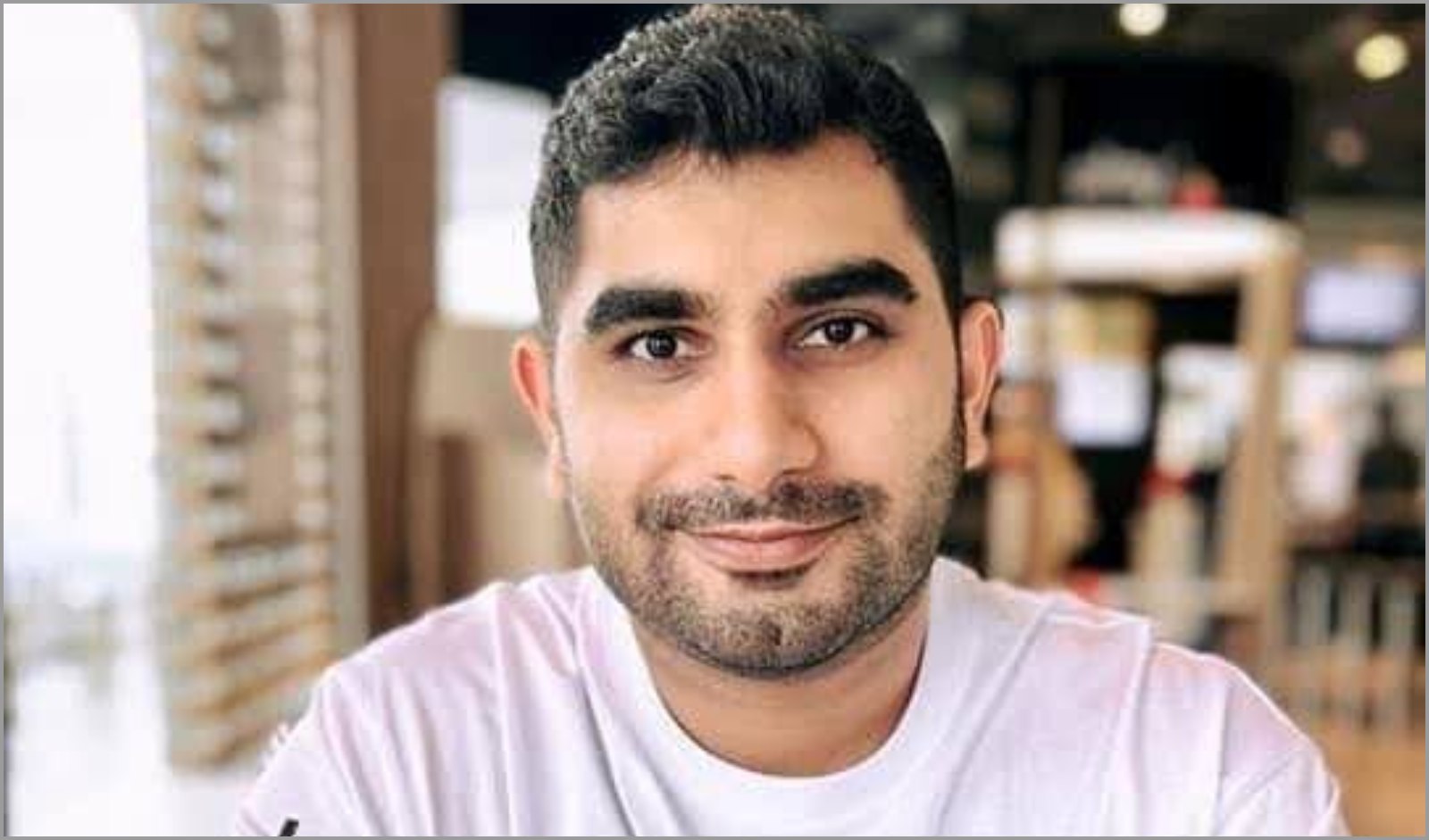
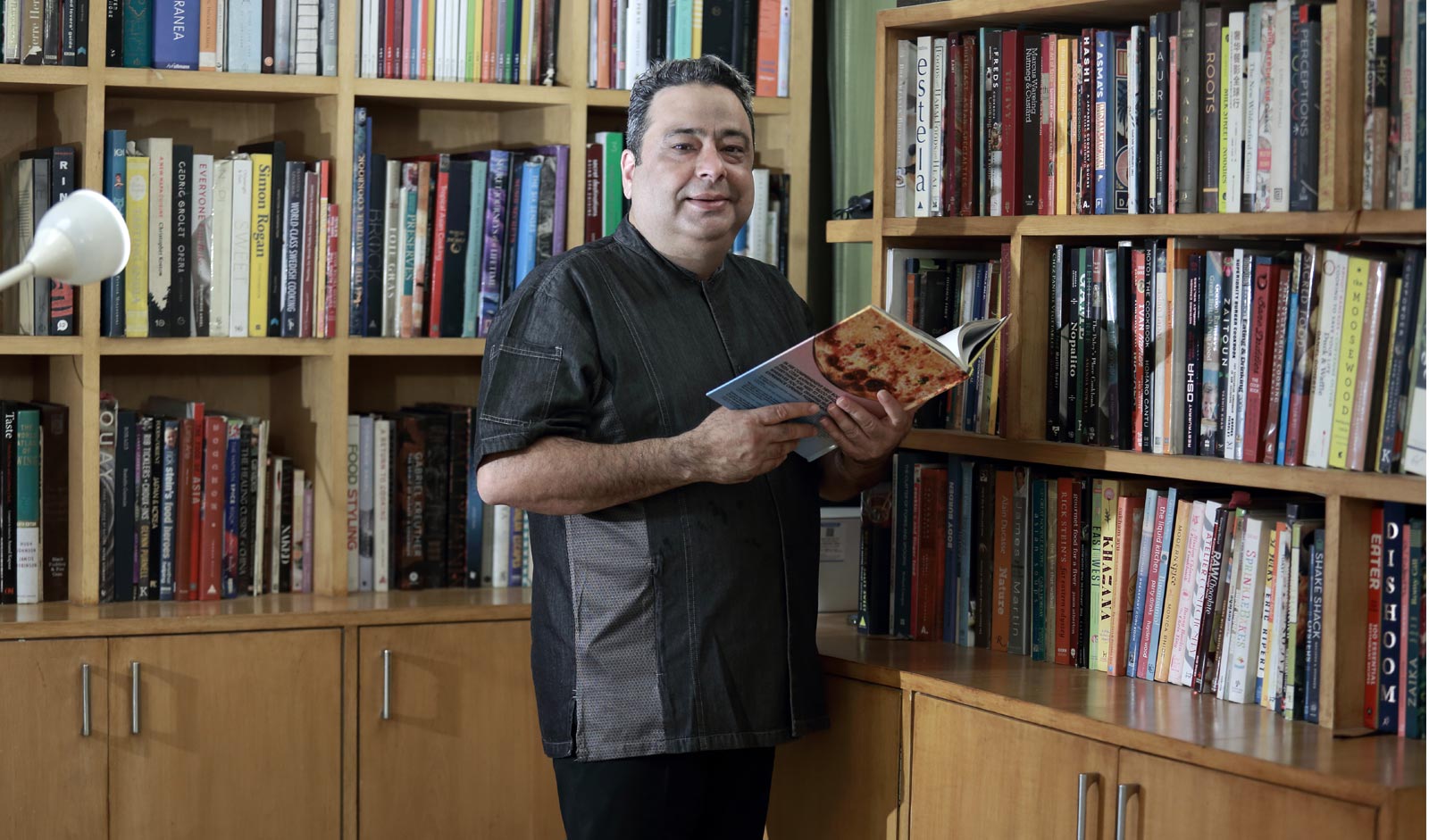
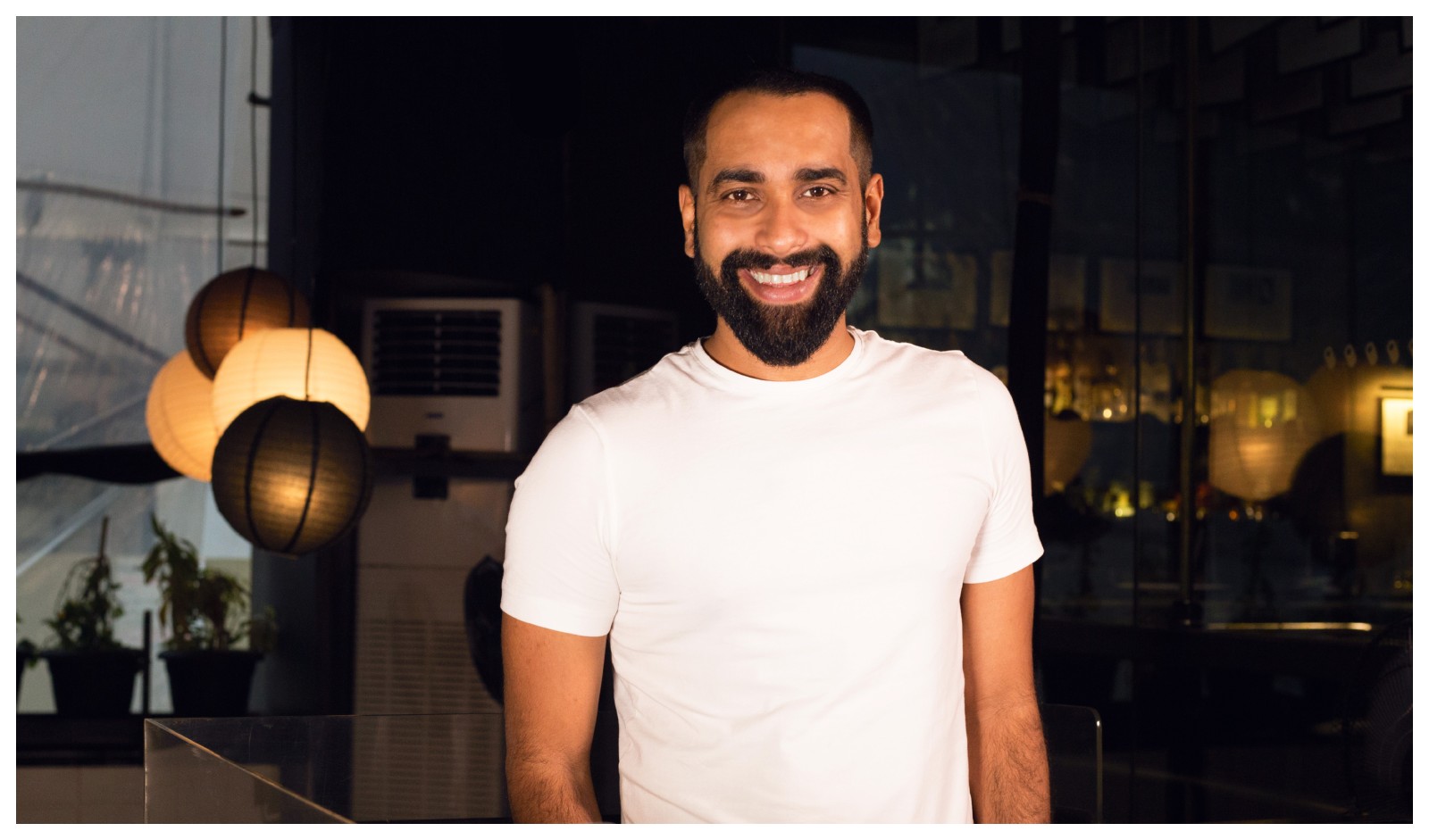
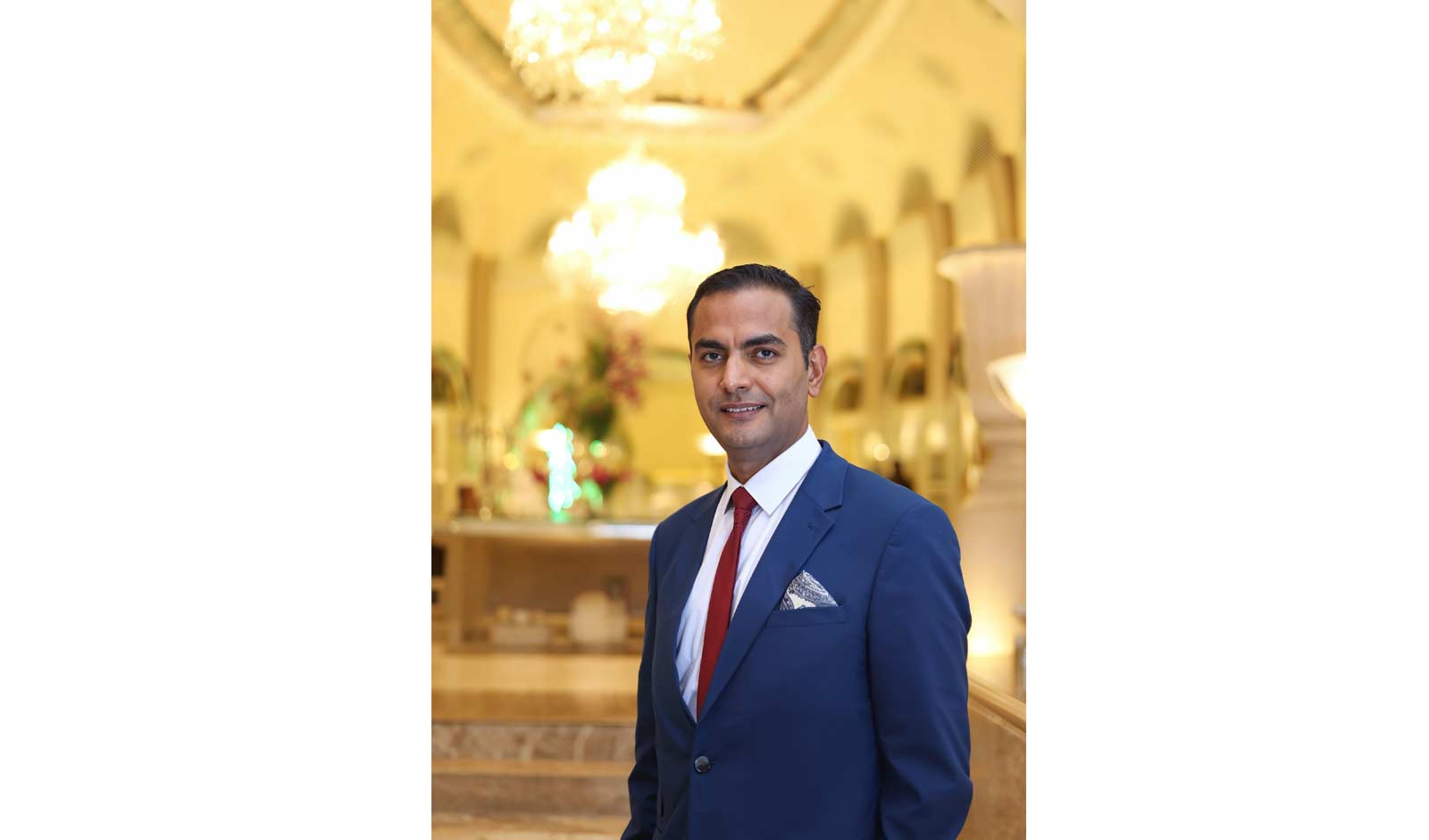
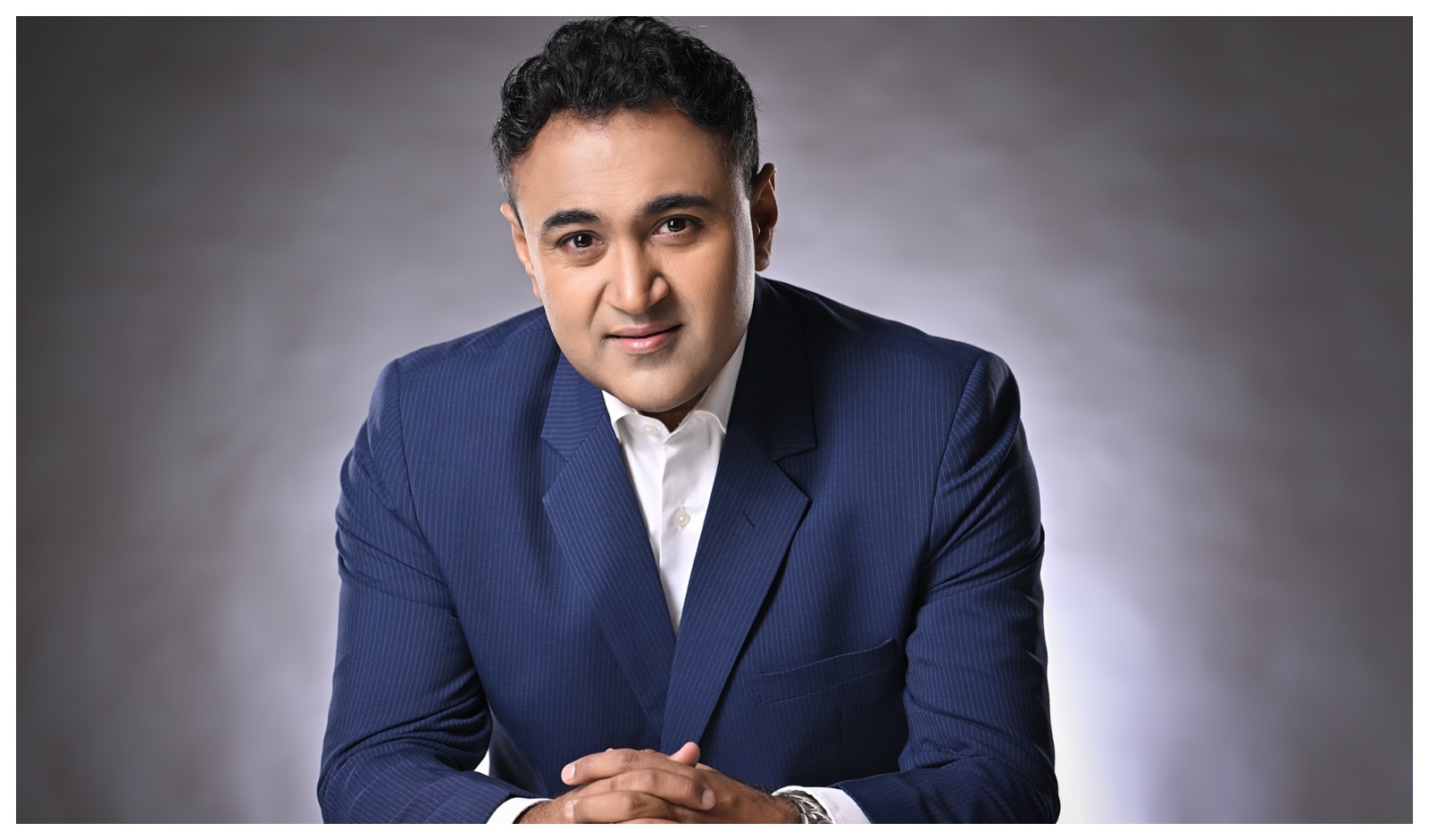
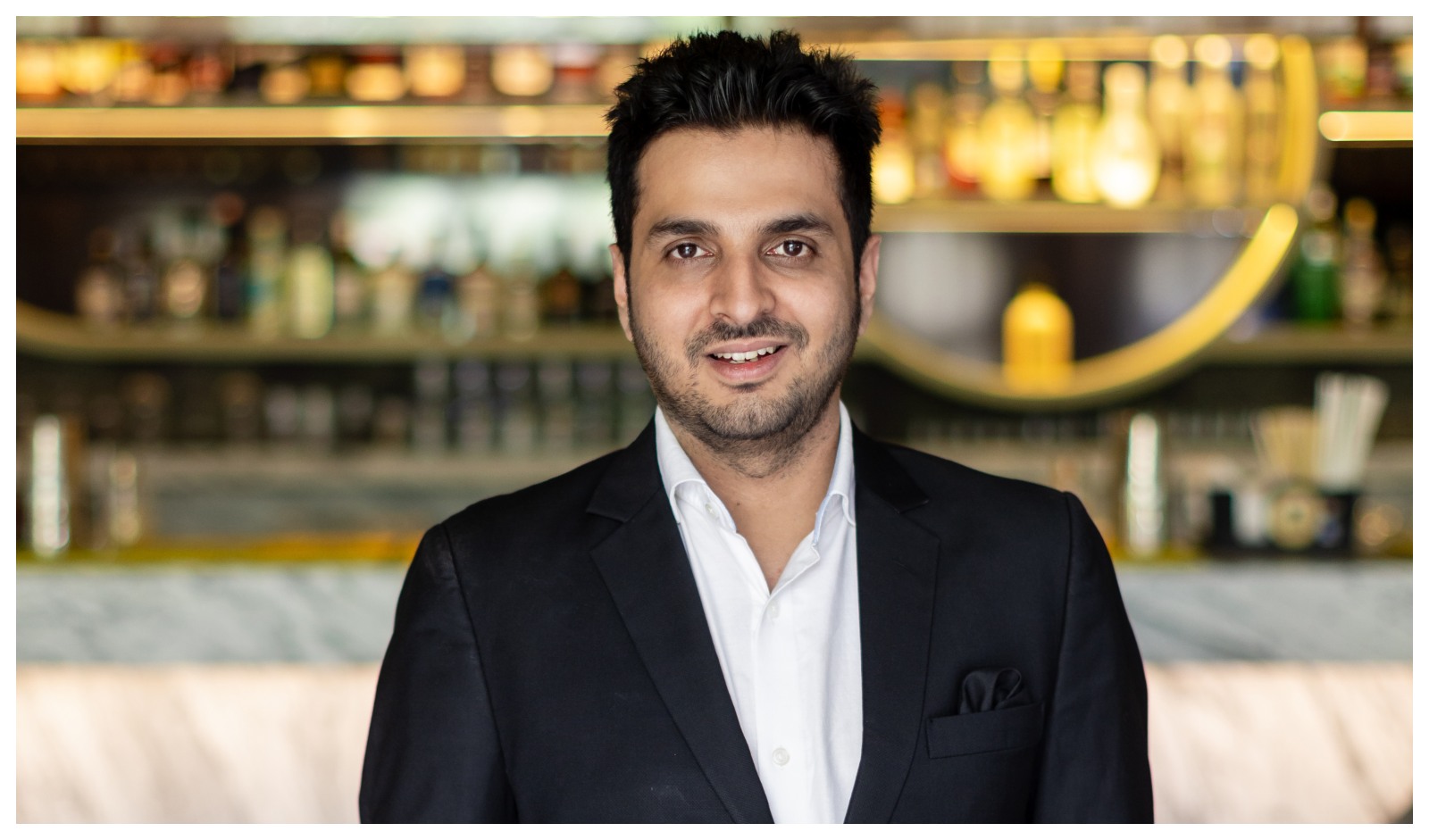
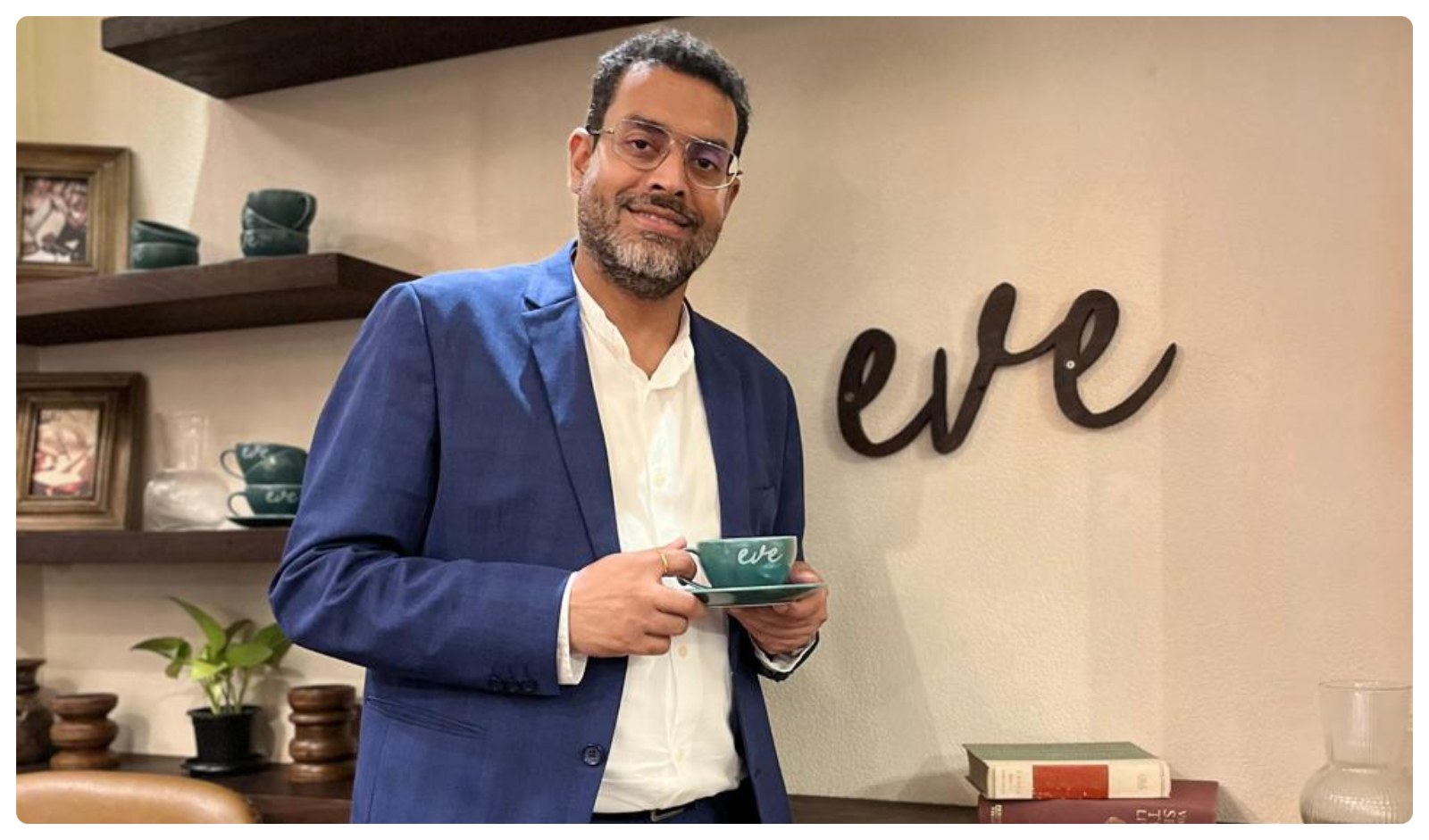
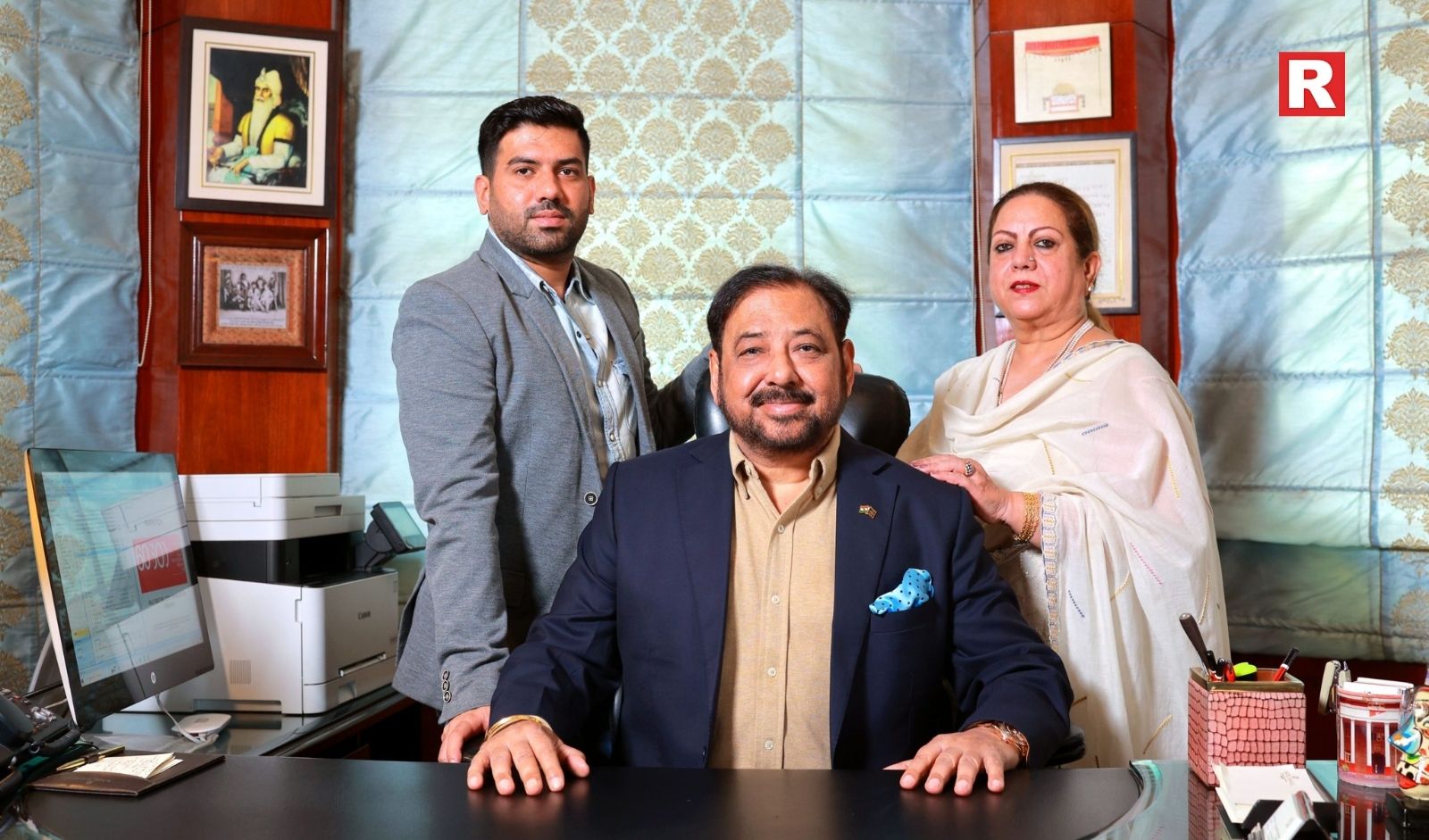
Roop Partap Choudhary, Executive Director, and Colonel Manbeer Sandhu, Chairman & Managing Director of Noormahal Group, have been instrumental in blending heritage with modern hospitality. In this interview, they discuss preserving legacy, adapting to evolving traveller expectations, and shaping the future of heritage hospitality.
Heritage with a Modern Lens
As guest expectations evolve, heritage hospitality is no longer limited to showcasing architecture and luxury interiors. Travellers today are looking for emotional connection, local storytelling, and personalised experiences that feel authentic. “The inspiration has always been rooted in our family’s deep connection to India’s regal heritage. Noormahal Palace was envisioned as a tribute to the opulence, artistry, and hospitality of a bygone era,” shared Colonel Manbeer Sandhu, CMD, Noormahal Group.
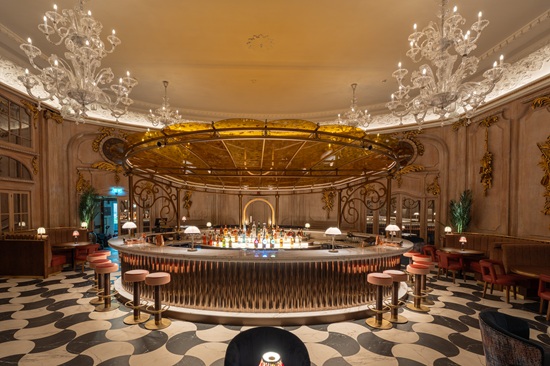
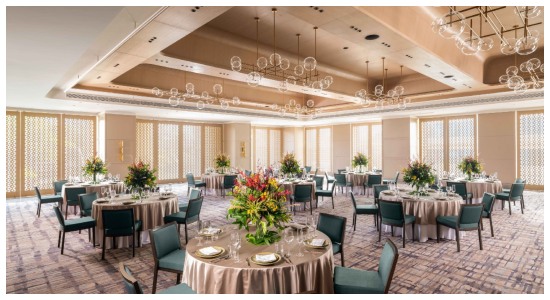
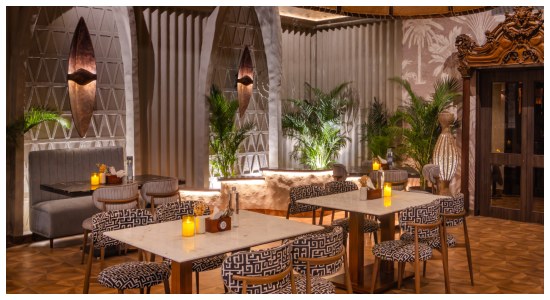
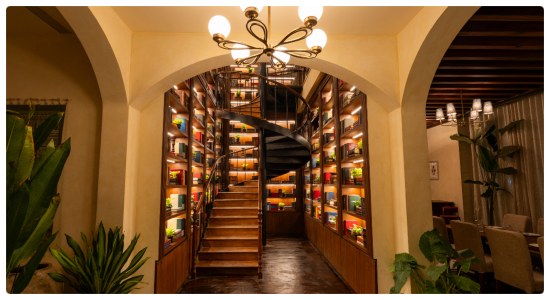
The palace combines Mughal, Rajput, Punjabi, and Persian architectural influences while layering the experience with curated art, cultural interactions, and modern luxury amenities. “The idea of blending this heritage with contemporary luxury stemmed from a desire to create a destination that is timeless yet relevant to global travellers seeking authenticity and excellence,” Sandhu added.
Experiential Dining
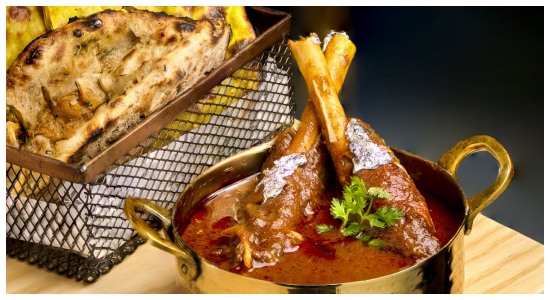
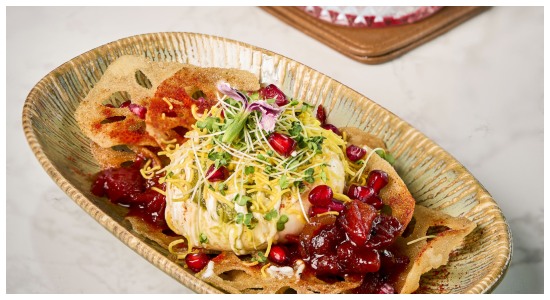
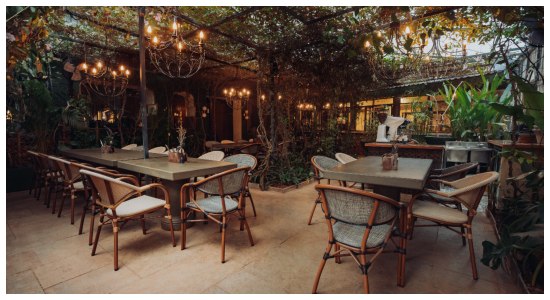
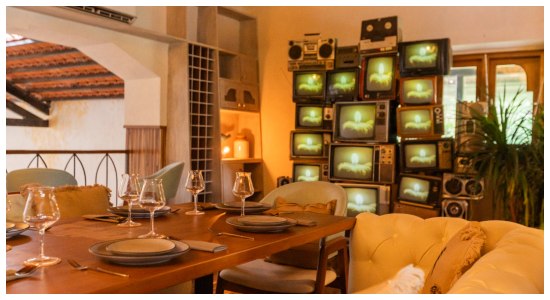
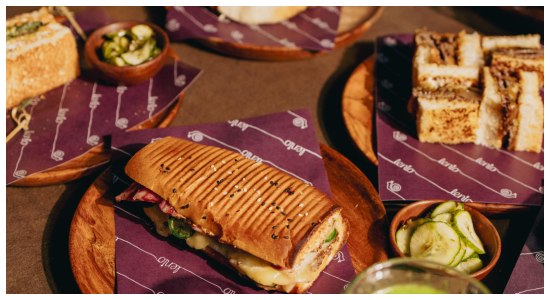
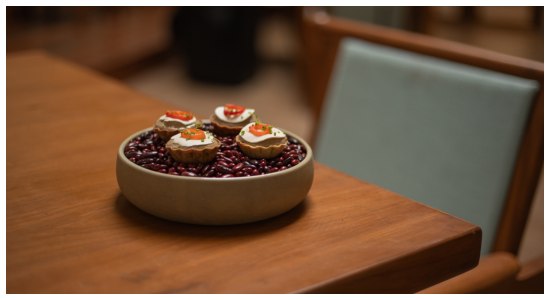
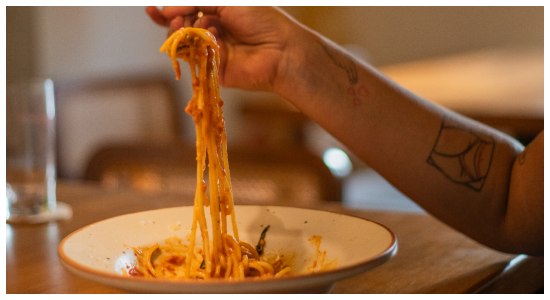
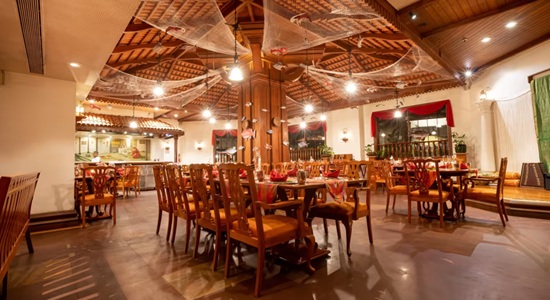
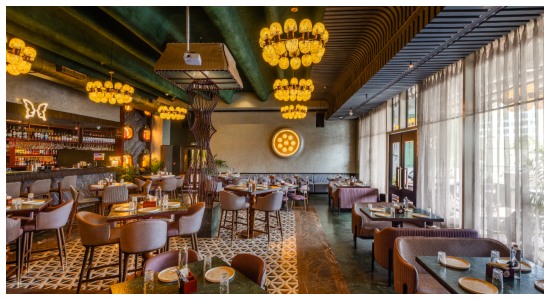
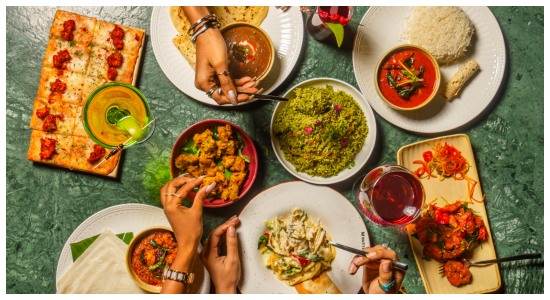
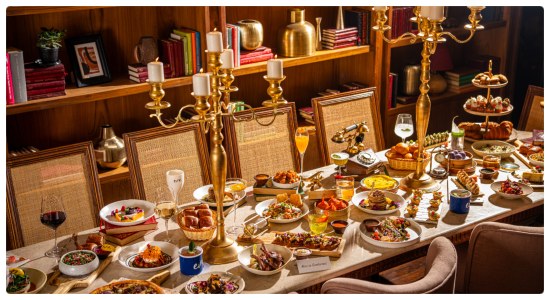
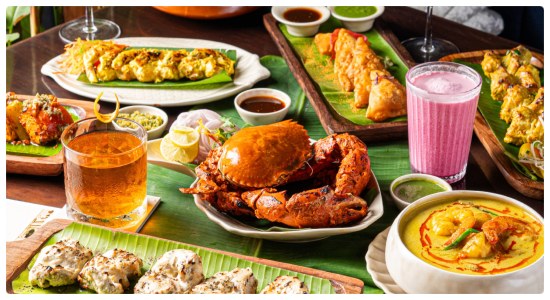
Food and beverages is emerging as a major focus area for luxury hospitality brands, especially those operating in the heritage segment. Rather than traditional dining formats, hotels are now curating immersive culinary experiences. At Noormahal Palace, the culinary strategy revolves around combining regional heritage with global tastes.
“We have reimagined our culinary offerings to deliver immersive dining experiences that reflect the region’s rich heritage and global tastes,” said Choudhary. Our special ‘Dining under the Stars’ and royal banquet experiences transform meals into unforgettable events.”
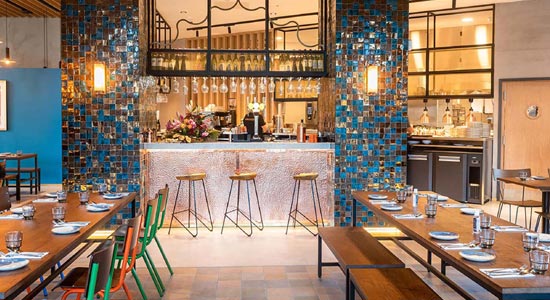
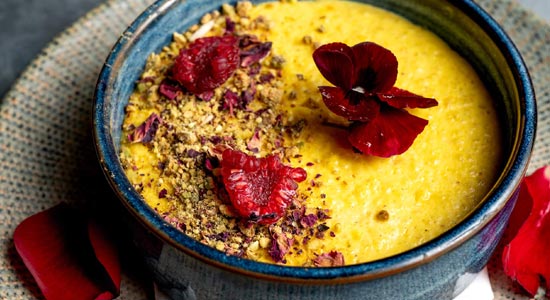
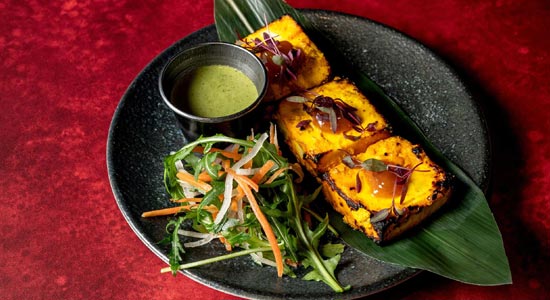
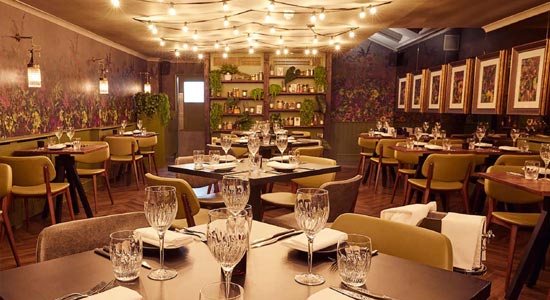
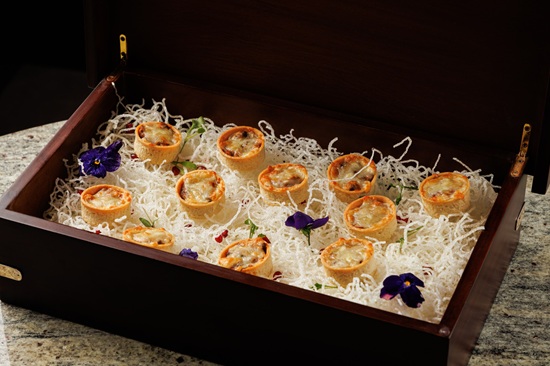
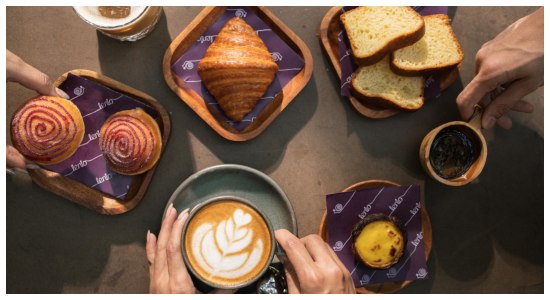
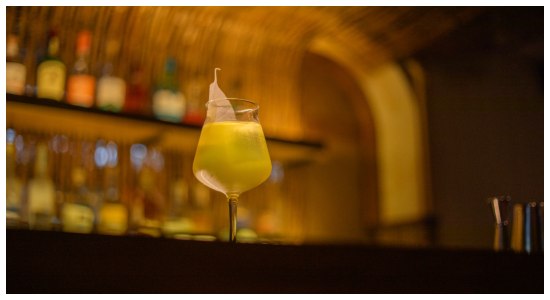
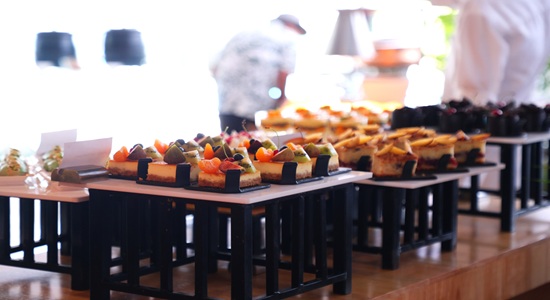
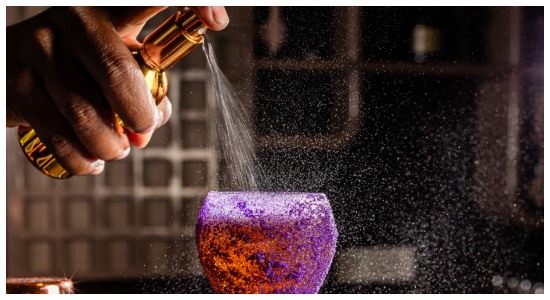
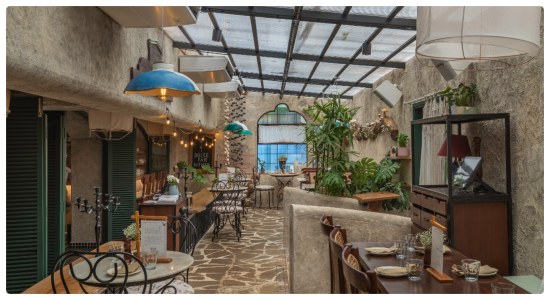
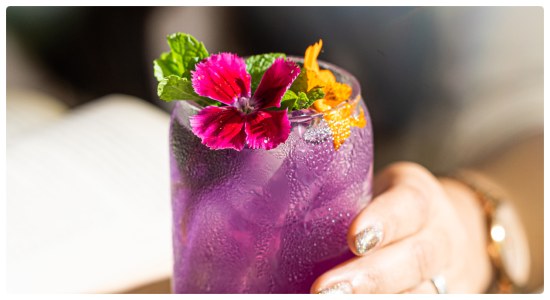
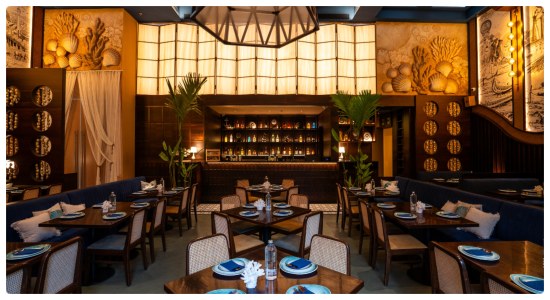
The palace’s dining concepts include Frontier Mail, inspired by the culinary journey of the Grand Trunk Road, Colonel Saab with contemporary Indian and global cuisine, and Polo Bar featuring cocktails inspired by royal polo traditions. The property has also introduced artisanal dessert experiences and interactive pastry workshops through The Cake Factory.
Storytelling at the Heart of Guest Experience
For Noormahal Group, storytelling is emerging as one of the strongest pillars of modern luxury hospitality.
“Every corner of the property, from the architecture to the curated art, has a narrative that connects guests to the history and culture of the region,” said Sandhu.
The group believes travellers now seek experiences that allow them to actively engage with heritage rather than simply observe it. “We believe that stories transform a stay into an experience, whether it’s through our signature vintage portrait sessions, culinary journeys inspired by royal kitchens, or guided heritage tours. Storytelling allows guests to not just witness, but become part of Noormahal’s living legacy,” he explained.
Sustainability at the Core
Sustainability is becoming increasingly important within luxury hospitality, and Noormahal Palace says responsible operations are embedded into its long-term strategy. “Sustainability is embedded into our daily operations through responsible practices such as efficient waste management and recycling, use of water treatment systems, and conscious resource optimization across the property,” shared Choudhary. “Our approach is to deliver luxury experiences in a way that is environmentally responsible and aligned with long term sustainability goals.”
The palace is also focusing on supporting local artisans and preserving regional craftsmanship as part of its broader cultural sustainability efforts.
Digital Innovation with Human-Centric Hospitality
While personalised service remains central to heritage hospitality, digital innovation is also becoming increasingly important in guest engagement and retention. “We recognise that digital innovation is increasingly shaping the guest experience in hospitality. Our approach is to thoughtfully explore and adopt digital touchpoints that can enhance convenience, personalisation, and engagement for our guests,” said Choudhary.
The group plans to introduce more technology-driven guest experiences while ensuring the warmth and authenticity of the palace remain intact. “We see technology as a means to complement our tradition of personalised service,” he said.
Road Ahead
For now, Noormahal Group’s focus remains on strengthening Noormahal Palace’s position as a benchmark in luxury heritage hospitality while continuing to refine guest experiences and cultural offerings. “Our immediate priority is to ensure that Noormahal Palace continues to set new standards and serve as a proud ambassador of India’s rich legacy,” said Sandhu. Looking ahead, the group sees India’s luxury hospitality sector moving towards a future defined by authenticity, sustainability, innovation, and experiential travel. “The future belongs to destinations that offer a sense of place and purpose, where guests connect with heritage and community, enjoy world-class service, and contribute to responsible tourism,” he concluded.
Saptopriya Ghosal
Feature Writer
I am a dedicated media professional with a bachelor's degree in mass communication from the State University of Calcutta and a postgraduate degree from Amity University. My academic journey has equipped me with a profound understanding of storytelling and communication. Passionate about the dynamic world of media, I continually strive to explore new ways to engage and inform through compelling narratives.