Why Ice Is Becoming a Premium Beverage Ingredient
As hospitality continues to evolve, ice is proving that even the most overlooked ingredient can play an important role in creating memorable dining experiences.

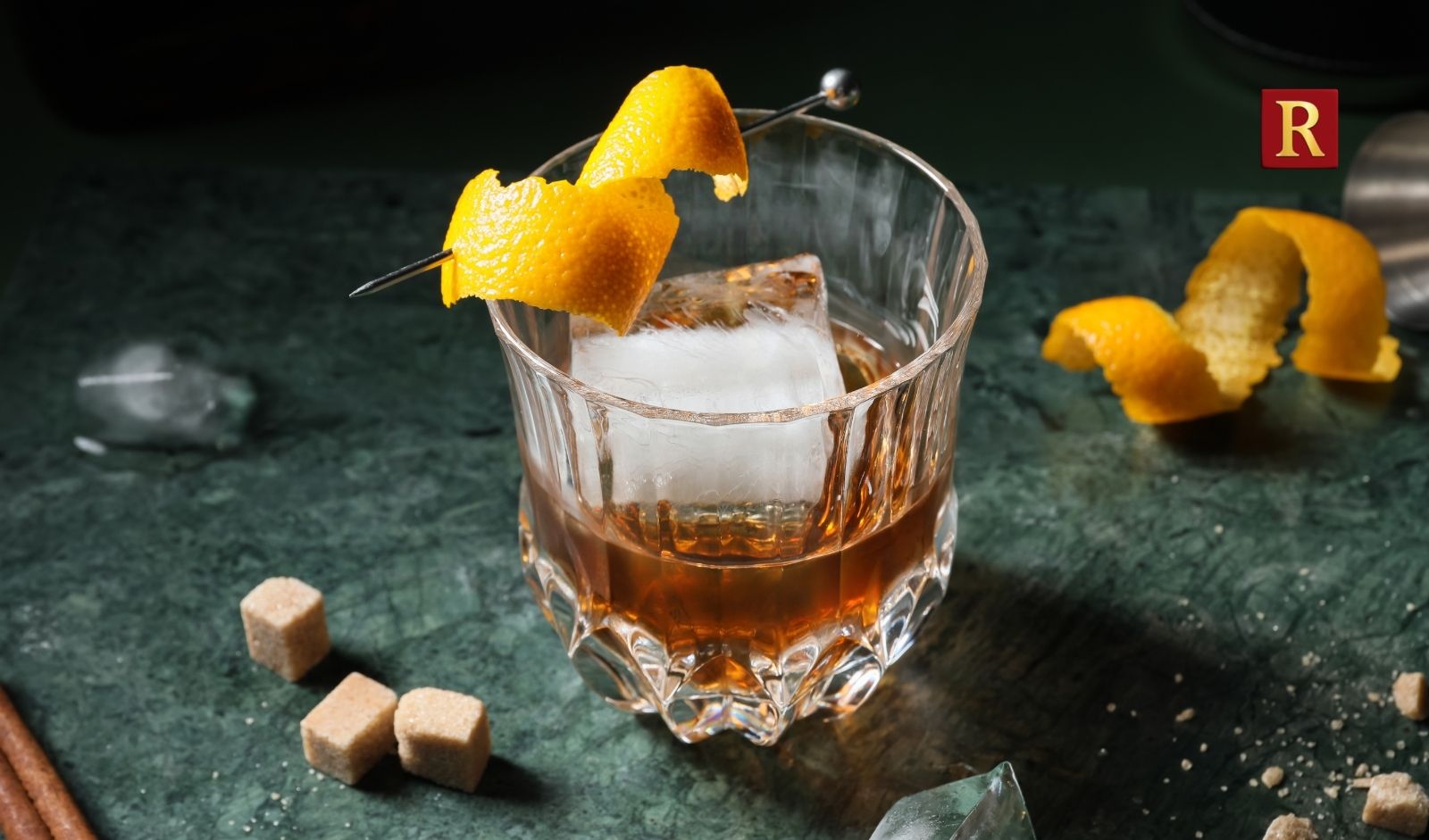
Walk into a premium café, cocktail bar, or luxury hotel today, and you will notice that ice is no longer an afterthought. Beverage brands and hospitality businesses are paying closer attention to what goes into their drinks, including the ice. From crystal-clear cubes to handcrafted ice spheres, the quality of ice is now helping shape the overall drinking experience.
Ice affects how long a beverage stays cold, how quickly it gets diluted, and even how customers perceive its quality. What was once considered a basic necessity has become an important part of premium beverage programmes across restaurants and cafés. As consumers increasingly seek memorable dining experiences, premium ice is finding its place alongside specialty coffee beans, artisanal mixers, and handcrafted cocktails.
Why Ice Matters More Than Ever
Ice is one of the most used ingredients in beverages. Yet, it has traditionally received very little attention. Today, premium beverage experiences are built around several factors, including taste, presentation, temperature, and consistency. Ice influences all four.
For example, a large crystal-clear ice cube melts more slowly than smaller ice cubes. This helps maintain the flavour of a beverage for a longer period. A drink that remains cold without becoming watery offers a better customer experience. Consumers are also becoming more visually driven. Beverage presentation plays an important role in dining decisions, especially when customers share their experiences online. Premium ice contributes to the visual appeal of a drink without altering its intended flavour profile.
The Science Behind Premium Ice
Premium ice is designed differently from conventional ice. The biggest difference lies in how it is made. High-quality ice is often produced using a process called directional freezing. In this method, water freezes from one direction rather than from all sides. As the ice forms, impurities and trapped air bubbles are pushed away instead of being frozen inside. The result is crystal-clear ice that is denser and melts more slowly. Regular ice cubes often contain tiny air pockets that make them appear cloudy. These air bubbles increase the surface area of the ice and can cause it to melt faster.
Premium ice offers several advantages:
- Slower melting
- Better flavour retention
- Improved beverage presentation
- Consistent temperature control
- Reduced dilution
These small improvements can significantly enhance the overall drinking experience.
Larger Ice Means Less Dilution
One of the key reasons premium bars invest in specialty ice is dilution control. The shape and size of ice directly influence how quickly it melts. Larger cubes and spheres have a lower surface-area-to-volume ratio. This means less of the ice is exposed to the liquid, allowing it to melt more slowly.
For example:
Ice Type | Average Use |
Small cubes | Soft drinks and quick-service beverages |
Large cubes | Cocktails and premium mocktails |
Ice spheres | Whisky and premium spirits |
Ice spears | Highball drinks and specialty beverages |
A slower melting rate helps preserve the intended flavour of the drink. This is particularly important for beverages where balance matters, such as cold brews, mocktails, sparkling drinks, and premium cocktails.
Premium Ice Is Transforming Beverage Presentation
Modern hospitality is increasingly experience-led. Customers are not simply paying for food and beverages. They are paying for presentation, ambience, and memorable moments. Premium ice has become an important part of beverage styling.
Restaurants and cafés are experimenting with:
- Crystal-clear ice cubes
- Ice spheres for spirits
- Herb-infused ice cubes
- Floral ice for mocktails
- Custom-shaped ice
- Branded ice for luxury events
Luxury hotels are also using premium ice in welcome drinks and signature beverages. In many cases, beverage menus are now designed around the type of ice being used. This attention to detail helps businesses create a more premium perception of their offerings.
Premium Ice Is Not Limited to Alcoholic Drinks
The demand for premium ice is growing beyond cocktail culture. Several non-alcoholic beverages benefit from better-quality ice.
These include:
- Specialty Coffee: Cold brew coffee and iced lattes have become increasingly popular among younger consumers. Poor-quality ice can dilute coffee quickly and affect its flavour. Premium ice helps maintain the balance between sweetness, bitterness, and temperature.
- Mocktails: Restaurants are expanding their non-alcoholic beverage menus. Premium mocktails often feature fruit-infused or flower-infused ice to enhance both presentation and flavour.
- Wellness Beverages: Sparkling water, kombucha, botanical drinks, and functional beverages are now commonly served with large-format ice in premium establishments.
- Luxury Hospitality: Premium ice is increasingly being used in afternoon tea experiences, welcome drinks, and curated tasting menus at luxury hotels.
The trend reflects a broader shift towards premiumisation across the hospitality industry.
The Growing Business of Craft Ice
Specialty ice has become a business category of its own. Around the world, dedicated ice suppliers now serve luxury bars, hotels, and restaurants. These companies focus on producing crystal-clear ice in various shapes and sizes while maintaining food-grade quality standards.
Producing premium ice involves:
- Water purification systems
- Directional freezing technology
- Controlled storage conditions
- Precision cutting techniques
- Food safety compliance
Unlike standard machine-made ice, premium ice requires additional time, labour, and equipment. This explains why businesses are willing to pay more for a product that improves beverage quality and presentation. Even commercial refrigeration manufacturers have recognised this demand. Many premium refrigerators now offer multiple ice formats, including spheres and slow-melting cubes.
Why Restaurants Should Invest in Better Ice
Small details often influence how customers remember their dining experiences.
Premium ice can help restaurants and cafés:
- Improve beverage quality
- Increase perceived value
- Enhance presentation
- Offer signature drink experiences
- Reduce excessive dilution
- Strengthen premium positioning
For businesses that serve specialty beverages, investing in better ice can support premium pricing strategies without significantly changing the core beverage recipe. Consumers may not always notice the type of ice immediately, but they are more likely to remember a drink that stayed perfectly chilled and tasted consistent until the last sip.
Interesting Facts About Premium Ice
- Clear ice melts more slowly because it contains fewer air bubbles and impurities.
- Large ice cubes can preserve beverage flavours longer than smaller cubes.
- Specialty ice suppliers now cater to luxury hospitality businesses across global markets.
- Premium ice is increasingly being used in cafés and mocktail programmes, not just cocktail bars.
- Directional freezing technology is one of the most commonly used methods for producing crystal-clear ice.
Ice Is Becoming a Hospitality Differentiator
The premiumisation of food and beverages has encouraged businesses to rethink even the smallest components of the customer experience. Consumers today appreciate craftsmanship and attention to detail. Whether it is specialty coffee, handcrafted mocktails, or premium cocktails, every ingredient contributes to how a beverage is enjoyed. Ice is no longer simply frozen water added at the end of preparation. It influences temperature, dilution, flavour retention, and visual appeal. For restaurants and cafés looking to elevate their beverage programmes, premium ice offers a simple yet effective way to stand out. As hospitality continues to evolve, ice is proving that even the most overlooked ingredient can play an important role in creating memorable dining experiences.
Saptopriya Ghosal
Feature Writer
I am a dedicated media professional with a bachelor's degree in mass communication from the State University of Calcutta and a postgraduate degree from Amity University. My academic journey has equipped me with a profound understanding of storytelling and communication. Passionate about the dynamic world of media, I continually strive to explore new ways to engage and inform through compelling narratives.