Why Hotels Are Creating Destination Bar Experiences Instead of Traditional Hotel Lounges
A successful destination bar strengthens brand reputation, attracts new visitors, encourages repeat business, and creates memorable moments that influence future travel decisions.

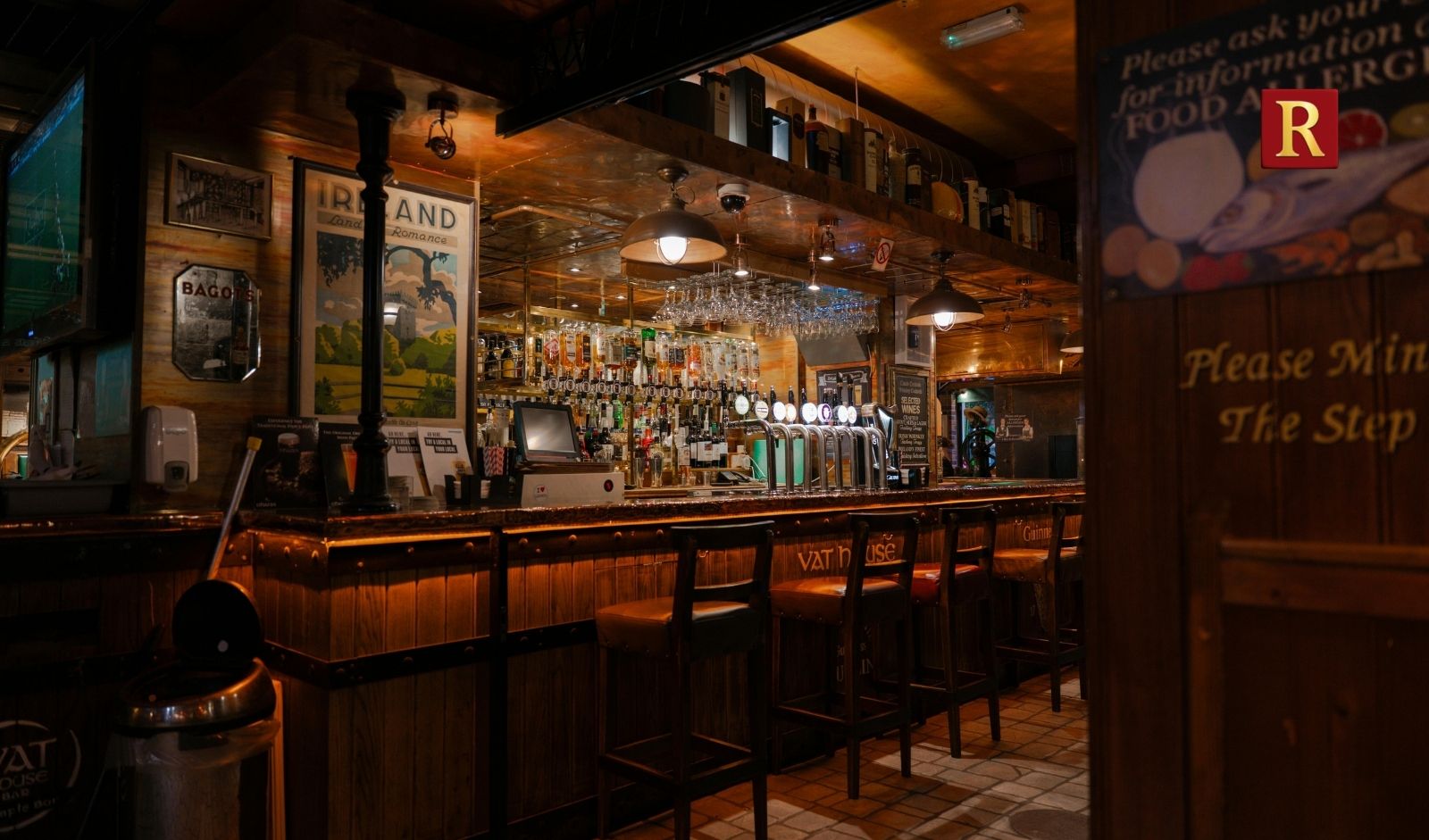
From rooftop cocktail bars to immersive speakeasies, hotels are turning their bars into attractions that draw both travelers and locals. These spaces are becoming important revenue drivers while helping hotels build stronger brands and memorable guest experiences. For years, hotel bars were designed mainly for guests staying at the property. They offered a convenient place for a quick drink after check-in or before dinner. Today, that role has changed dramatically. Hotels are investing in destination bar experiences that people actively seek out, even if they have no plans to book a room.
This shift reflects a larger change in hospitality. Modern travelers are looking for memorable experiences rather than just comfortable accommodation. At the same time, hotels are finding new ways to increase food and beverage revenue, strengthen their brand identity, and compete with standalone restaurants and cocktail bars. From skyline rooftops and hidden speakeasies to bars celebrating regional ingredients, destination bars are becoming one of the most valuable spaces inside a hotel.
Why Hotel Bars Are Becoming Destinations
The hospitality industry has become more competitive than ever. Luxury hotels are no longer competing only with other hotels. They are also competing with independent cocktail bars, rooftop lounges, members-only clubs, and fine-dining restaurants. Instead of treating bars as an additional facility, hotels now develop them as independent concepts with their own identity. Many destination bars feature dedicated entrances, unique interiors, signature cocktail menus, live entertainment, and their own marketing campaigns.
This strategy helps hotels attract three important customer groups:
- Hotel guests
- Local residents
- Business travelers
Unlike traditional hotel lounges that depend mainly on occupancy, destination bars can remain busy throughout the week by serving a wider audience.
Experience Has Become the New Luxury
Luxury is no longer defined only by marble lobbies or large suites. Today's guests value memorable experiences they can share with friends and on social media. A well-designed destination bar offers much more than drinks. It creates a complete experience through atmosphere, storytelling, music, food, and service.
Many hotels now include:
- Cocktail tasting menus
- Seasonal beverage programs
- Chef and bartender collaborations
- Live music performances
- Local art displays
- Interactive mixology sessions
These elements encourage guests to spend more time at the property instead of leaving to explore nightlife elsewhere. According to industry research, global experiential travel continues to grow as travelers increasingly prioritize unique local experiences over traditional luxury offerings. Hotels are responding by making food and beverage experiences a key part of their guest journey.
The Business Case Behind Destination Bars
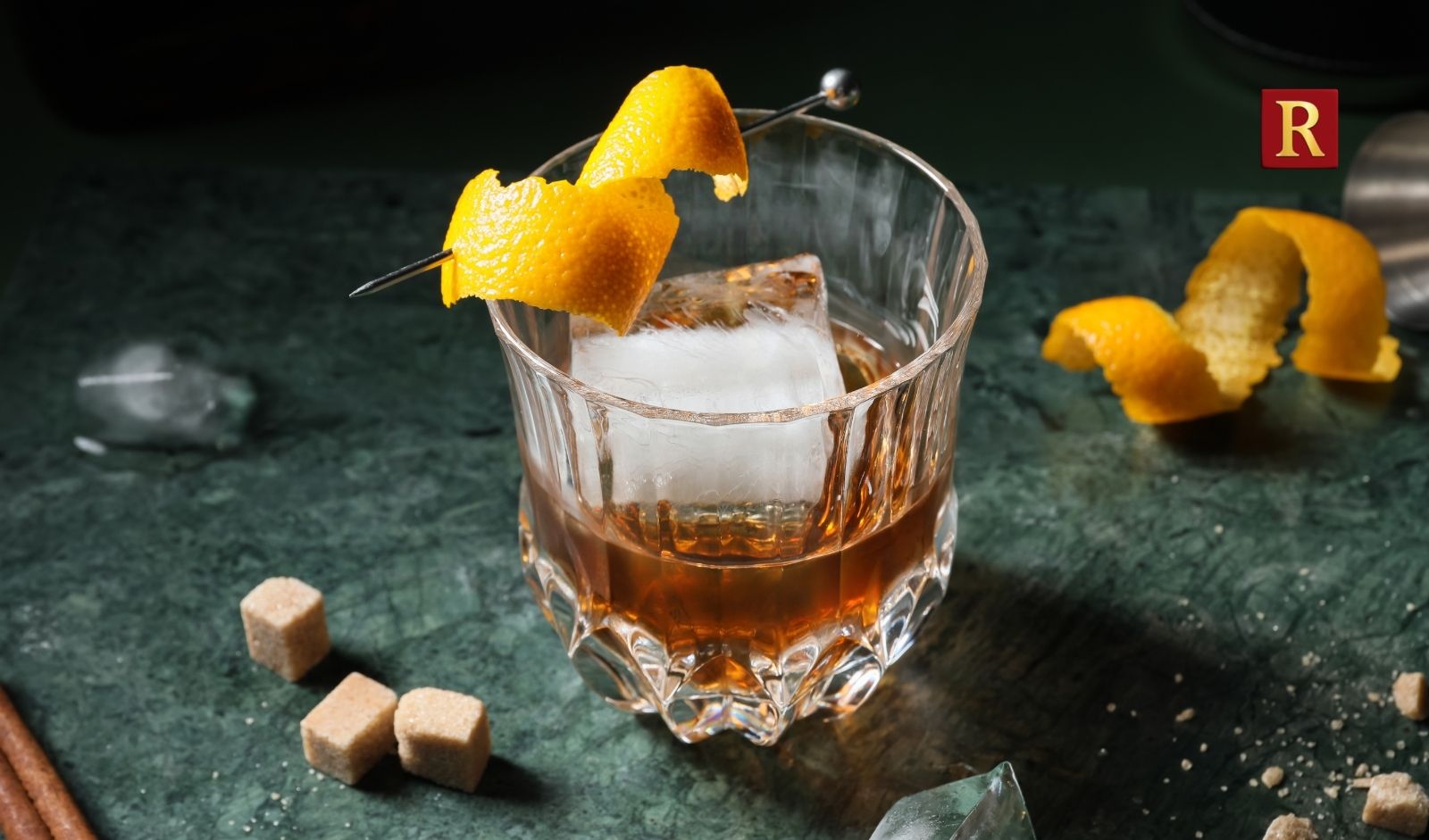
Creating a destination bar is not only about improving guest satisfaction. It also makes strong financial sense. Food and beverage operations already contribute a significant share of hotel revenue, especially in luxury and upscale properties. Premium cocktails often generate higher profit margins than many food items because ingredient costs remain relatively low compared to selling prices. For example, a signature cocktail priced between Rs 800 and Rs 1,500 may have an ingredient cost of only 18% to 25%, depending on the concept. This allows hotels to achieve healthy contribution margins while enhancing the guest experience. When destination bars attract local customers alongside hotel guests, they improve seat occupancy throughout the day and reduce dependence on room bookings alone.
Design Is Now Part of the Experience
Today's destination bars are carefully designed to create lasting impressions. Instead of generic hotel lounges, guests now discover spaces inspired by local architecture, heritage, art, and nature. Lighting, music, seating layouts, and even glassware are selected to support the overall concept.
Popular hotel bar formats include:
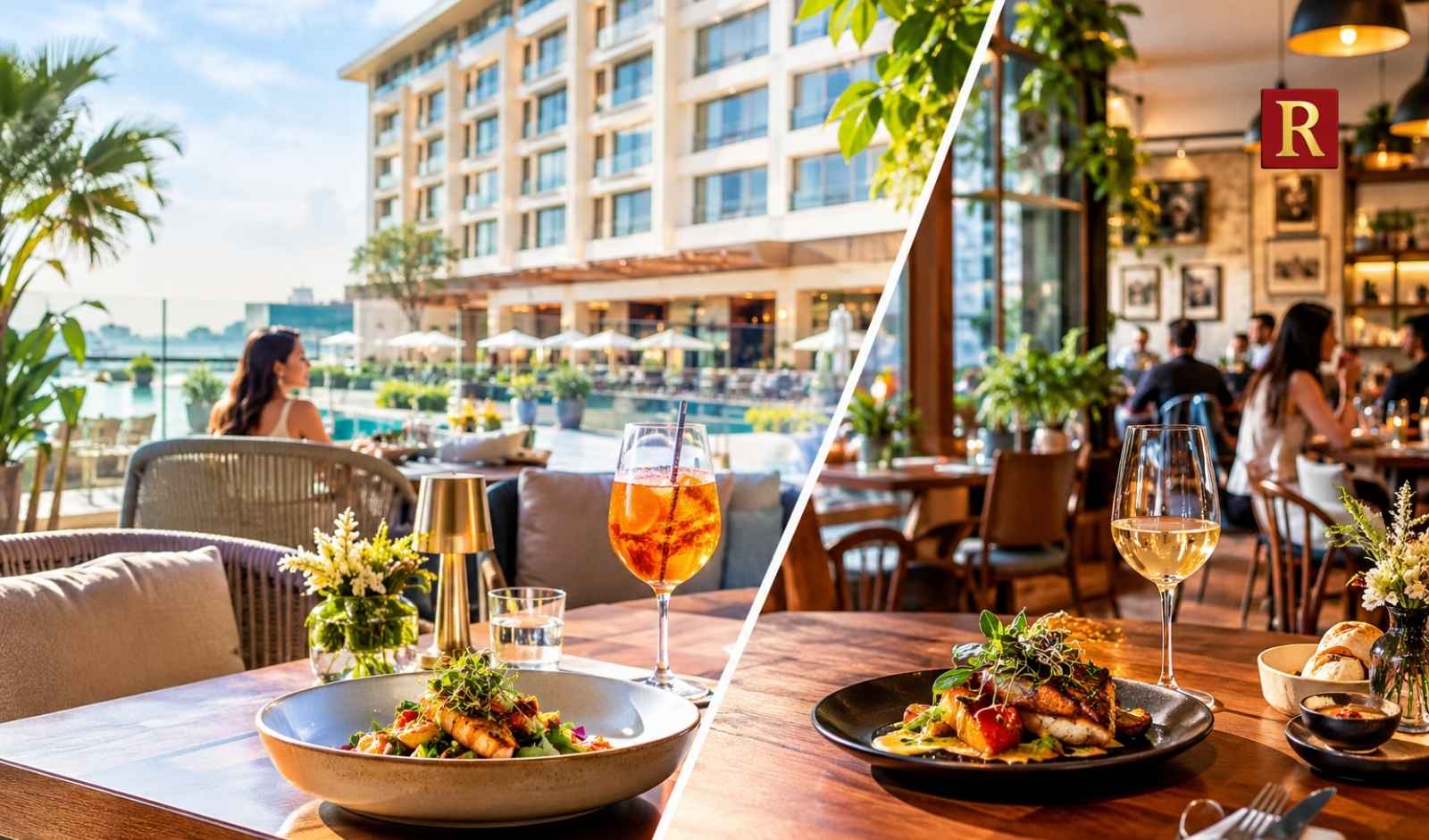
- Rooftop bars overlooking city skylines
- Garden-inspired outdoor lounges
- Hidden speakeasies
- Whiskey libraries
- Wine cellars
- Contemporary cocktail labs
These visually appealing spaces also encourage guests to share photos online, giving hotels valuable organic visibility without relying solely on advertising.
Local Ingredients Tell Better Stories
One of the biggest trends shaping destination bars is the use of regional ingredients. Rather than serving standard international cocktails, hotels increasingly showcase local flavours that reflect the destination.
Examples include:
- Kokum in Goa
- Himalayan herbs in Uttarakhand
- Kashmiri saffron
- Coorg coffee
- Darjeeling tea
- Native citrus varieties
- Local honey
- Indian craft spirits
This approach gives visitors a stronger sense of place while supporting local farmers and producers. The result is a bar menu that cannot easily be copied elsewhere, making the experience more authentic and memorable.
Entertainment Keeps Guests Coming Back
Great drinks alone are no longer enough. Successful destination bars offer regular events that encourage repeat visits.
Many hotels now organise:
- Guest bartender takeovers
- Live jazz evenings
- DJ nights
- Wine tastings
- Whiskey appreciation sessions
- Cocktail masterclasses
- Seasonal festivals
These events help hotels remain relevant throughout the year instead of relying only on peak travel seasons. For local residents, these bars become social destinations rather than hotel facilities.
Technology Is Improving Bar Operations
Technology plays a crucial role in the success of modern destination hotel bars by improving both operations and the guest experience. Many hotels now use QR-based digital menus, contactless payment systems, online reservation platforms, AI-powered guest preference tracking, smart inventory management, and integrated point-of-sale (POS) systems to streamline daily operations. These tools help bar managers monitor which cocktails sell the most, forecast demand during weekends or special events, and maintain the right stock levels to reduce waste and control costs. They also provide valuable customer insights, allowing hotels to personalize recommendations and improve service. Additionally, data-driven menu engineering helps identify high-performing drinks, optimize pricing strategies, and promote premium offerings. By combining technology with efficient operations, hotels can deliver faster service, increase profitability, and create a smoother, more personalized experience for every guest.
Indian Hotels Are Embracing the Trend
India's hospitality industry is also seeing strong growth in destination bar concepts. Luxury hotels in cities such as Mumbai, Delhi, Bengaluru, Hyderabad, and Goa are investing heavily in rooftop venues, craft cocktail programs, and locally inspired beverage menus. The rise of premium domestic travel, international tourism, and growing interest in cocktail culture has encouraged hotels to view bars as important brand assets rather than secondary amenities. Hotels are also collaborating with award-winning mixologists, regional distilleries, and local chefs to create experiences that celebrate Indian ingredients while meeting global hospitality standards. This approach attracts both international visitors looking for authentic experiences and urban consumers seeking premium nightlife without leaving the hotel.
What Makes a Destination Hotel Bar Successful?
Not every hotel bar becomes a destination.
Successful concepts usually share several characteristics:
- A clear and memorable identity
- Signature cocktails that reflect the destination
- Well-trained bartenders
- Distinctive interior design
- Strong food pairings
- High-quality service
- Regular entertainment programming
- Consistent storytelling
- Local community engagement
- Effective digital marketing
Most importantly, every element should work together to create an experience that guests remember long after their visit.
The Future
As guest expectations continue to evolve, destination bars are likely to become even more experience-driven. Hotels are expanding alcohol-free cocktail menus, introducing wellness-inspired beverages, reducing waste through sustainable bar practices, and using technology to personalise recommendations based on guest preferences. The focus is shifting from simply serving drinks to creating spaces where people connect, celebrate, and experience the culture of a destination. For hotels, this transformation offers benefits far beyond food and beverage sales. A successful destination bar strengthens brand reputation, attracts new visitors, encourages repeat business, and creates memorable moments that influence future travel decisions. In an increasingly competitive hospitality market, that makes destination bars more than a trend. They have become a strategic investment that blends design, storytelling, operational excellence, and local culture into one compelling guest experience.
Saptopriya Ghosal
Feature Writer
I am a dedicated media professional with a bachelor's degree in mass communication from the State University of Calcutta and a postgraduate degree from Amity University. My academic journey has equipped me with a profound understanding of storytelling and communication. Passionate about the dynamic world of media, I continually strive to explore new ways to engage and inform through compelling narratives.