Why Hotels Are Becoming Serious Competitors to Standalone Restaurants
The hotel restaurant is no longer simply a place to eat after checking in. It is increasingly becoming a destination that wants customers to walk in even when they have no room key.

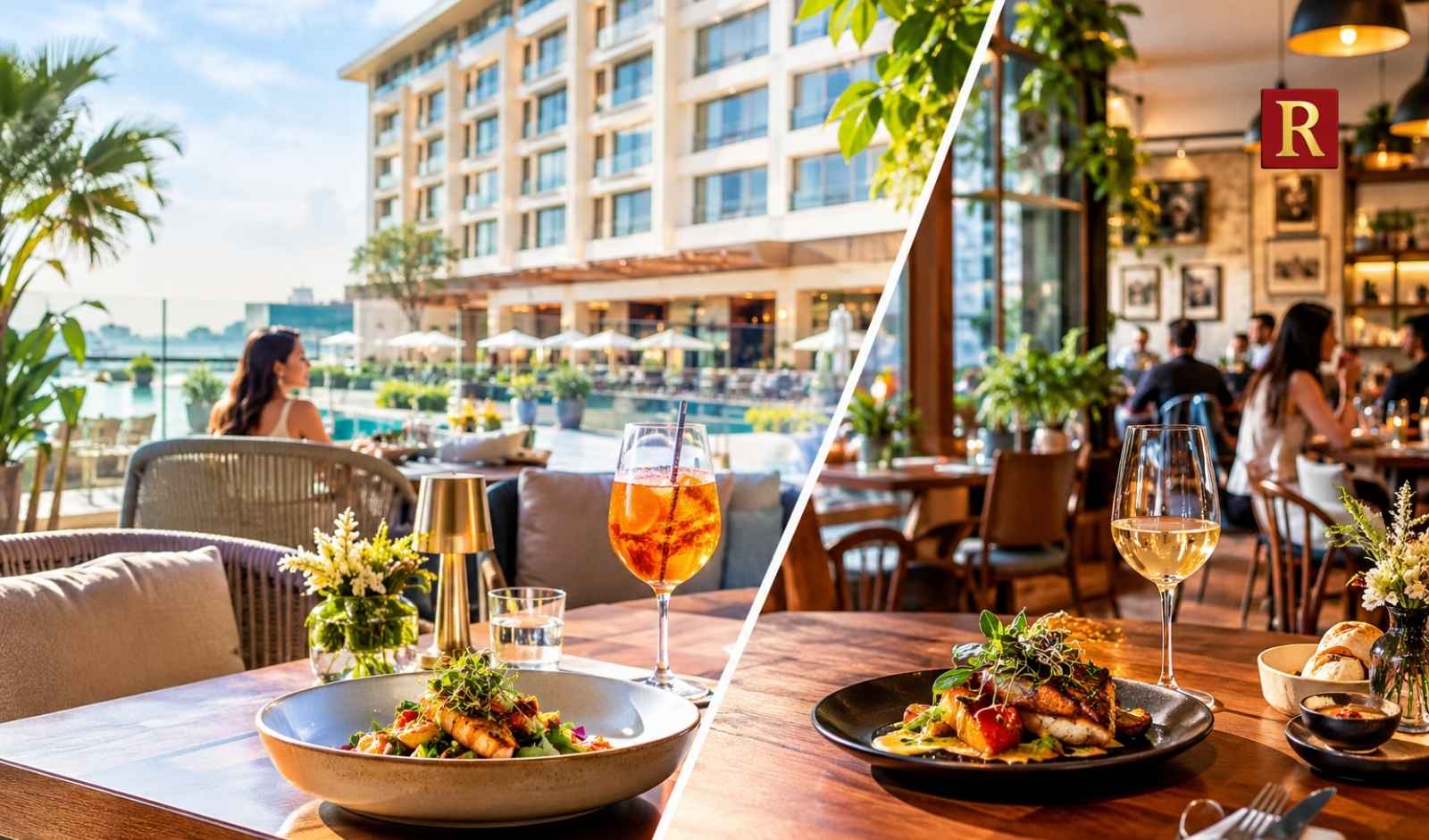
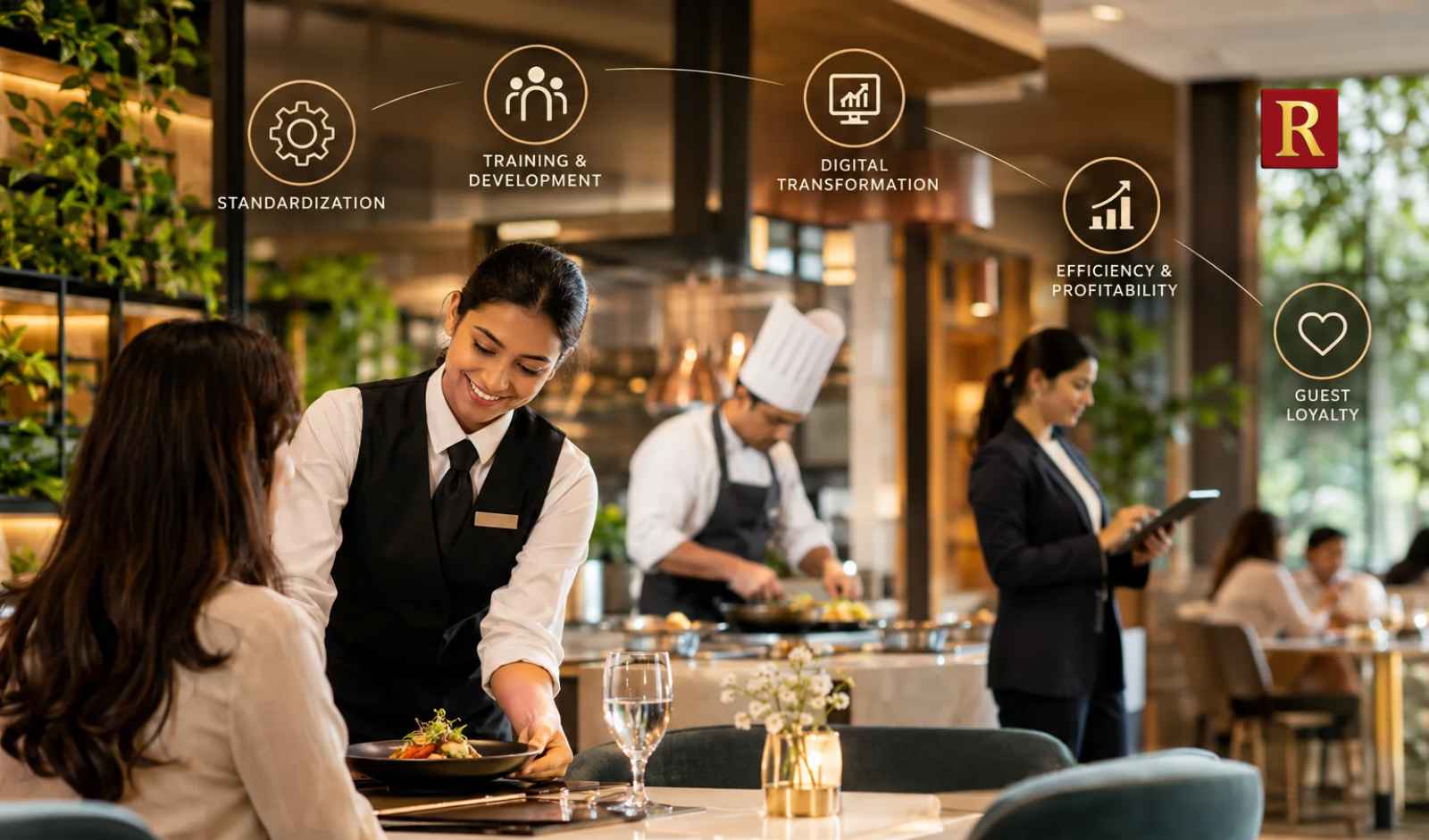
For years, standalone restaurants had one clear advantage. They were built around food. Hotels, on the other hand, were built around rooms, with restaurants serving guests as part of the stay. That distinction is becoming harder to maintain. Hotels across India are investing more seriously in restaurants, bars, cafés, brunches and culinary experiences. They are also trying to attract people who are not staying at the property. This is changing the competition for India's restaurant industry.
The shift is visible in the numbers. India's branded hotel sector recorded 68 percent occupancy in 2024/25, while Average Daily Rate (ADR) increased 4.7 percent and Revenue Per Available Room (RevPAR) grew 5.7 percent, according to Hotelivate. The proposed hotel supply has also crossed 100,000 rooms for the first time in more than a decade. As more hotels enter more markets, their restaurants have a larger opportunity to become local dining destinations.
The Hotel Restaurant Is No Longer Just a Hotel Facility
The old hotel restaurant model was fairly simple. It served breakfast to guests, offered lunch and dinner, handled room service and supported weddings and conferences. The new model is different.
- Hotels are asking a more important question: Can the restaurant attract customers who have no room booking at all?
This matters because external diners bring incremental revenue. They also help hotels use spaces that would otherwise remain underutilised. CBRE's analysis of hotel operations found that food and beverage revenue per occupied room increased 3.8 percent in the first half of 2025. This was higher than the 3 percent growth in total hotel revenue. CBRE also noted that hotels were benefiting from increased interest from external patrons and better use of F&B spaces. This makes the restaurant more than an amenity. It becomes a business in its own right.
Hotels Already Have What Restaurants Spend Years Building
A standalone restaurant has to build its business almost from zero. It needs a location, kitchen, service team, parking arrangements, marketing, customer database and brand recognition. It also has to create reasons for people to return. A hotel already has much of this infrastructure. It has kitchens, trained employees, procurement systems, event spaces, parking and established hospitality operations. More importantly, it already has customers staying inside the property.
This creates an interesting advantage. A hotel can potentially convert one customer into several revenue opportunities. A guest can book a room, have breakfast, visit the bar, dine at the restaurant and attend an event at the same property. A local diner can discover the restaurant first and later become a hotel guest or loyalty member. This is where hotels can compete differently from standalone restaurants.
The Local Diner Is Becoming More Important
Hotels can no longer depend only on tourists and business travellers. The bigger opportunity is the local customer. A person living nearby may visit a hotel for Sunday brunch, a business lunch, an after-work drink, a birthday dinner or a festive menu. The hotel does not need that customer to book a room.
This is especially important as dining out becomes a regular part of urban life. NIQ reported in May 2026 that nearly 7 in 10 Indian consumers visit restaurants, cafés or bars at least once every quarter. That gives hotels a much larger pool of potential customers. The competition is therefore shifting from hotel guest versus restaurant customer to any customer looking for a dining occasion.
Hotels Are Learning From Standalone Restaurants
The most interesting change is not that hotels are improving their menus. It is that they are adopting the strategies that helped independent restaurants become successful.
Hotels are experimenting with:
- Chef-led menus
- Regional cuisine
- Seasonal dining
- Guest chef collaborations
- Pop-ups
- Cocktail programmes
- Sunday brunches
- Themed dinners
- Food festivals
- Special dining experiences
The restaurant inside a hotel is increasingly being given its own personality. This is important because standalone restaurants have traditionally won through identity. A customer may visit a restaurant because of its chef, cuisine, interiors, music or atmosphere. Hotels are now trying to create the same pull. CBRE found that hotel owners have been investing in refurbished spaces, stronger culinary programmes and more modern F&B concepts. These investments have helped hotels attract both in-house and external patrons. The hotel lobby itself is also becoming part of this change. Dining, retail, entertainment and social spaces are increasingly being blended together.
The Hotel Has a Bigger Revenue Ecosystem
A standalone restaurant mainly earns when a customer visits and spends. A hotel can earn from the same customer in multiple ways. This is where metrics such as F&B revenue per occupied room, average spend per cover, outlet-level profitability and revenue per square metre become important. The hotel can also use its banquet business to support the restaurant ecosystem. A customer who discovers a hotel through a restaurant may later consider the same property for a wedding, business meeting, staycation or corporate event. This creates a longer customer relationship. The restaurant can therefore become an entry point into the hotel's wider business.
The New Competition May Be Inside the Hotel
There is another development that could make the competition even more interesting. Hotels do not always have to build every restaurant concept themselves. They can work with established restaurant groups, chefs and specialist operators. This gives hotels access to restaurant expertise while allowing independent brands to access hotel infrastructure and premium locations.
It creates a hybrid model. A restaurant can retain its own identity while operating within a hotel property. For the customer, the difference between a hotel restaurant and a standalone restaurant then becomes much less obvious. The address may be a hotel. The experience may feel completely like a restaurant.
But Standalone Restaurants Still Have a Major Advantage
Hotels have infrastructure. Standalone restaurants have agility. An independent restaurant can change its menu quickly. It can test a new dish, change its pricing, launch a pop-up or alter its positioning without moving through a large corporate structure. That speed matters. Hotelivate has pointed out that standalone restaurants continue to dominate many restaurant rankings, showing that hotel restaurants still have a significant gap to close when it comes to innovation, identity and consumer perception.
- This is why hotels cannot simply depend on luxury interiors or high prices.
- The food still has to matter.
- The service still has to work.
- And the restaurant needs a reason for customers to return.
The Battle Is Moving From Food to Experience
The next stage of competition will be less about who serves the most expensive dish and more about who creates the strongest occasion. A standalone restaurant may own a neighbourhood.
- A hotel may own a brunch.
- Another may own a rooftop.
- Another may become known for regional cuisine.
- Another may combine dining with music, wellness, art or a destination stay.
This is where hotels have an unusual advantage. They can connect food with accommodation, events and travel. For consumers, that can turn a meal into a larger experience. For hotels, it can turn an underused space into a revenue-generating asset.
The Restaurant May Become the Hotel's New Front Door
The biggest change may be happening in the customer journey. Earlier, a hotel typically attracted a customer through a room booking. Increasingly, the journey can work in reverse. A customer discovers a restaurant. Then joins the hotel's loyalty ecosystem. Then books a stay. Later, that customer may return for a wedding, business event or weekend experience. This makes F&B a customer acquisition channel for the hotel. It also explains why hotel restaurants are becoming more serious competitors to standalone restaurants. They are not competing only with another dining outlet. They are competing with an entire ecosystem built around the customer.
India's Restaurant Industry
Standalone restaurants are unlikely to disappear. In fact, their strengths remain important. They can move faster, build sharper concepts and develop deep relationships with local customers. But hotels are changing the equation. They have the infrastructure, capital, customer base and ability to combine multiple hospitality experiences under one roof. The future competition may therefore not be about whether a restaurant is inside or outside a hotel. It may be about which dining destination can give customers the strongest reason to choose its table. The hotel restaurant is no longer simply a place to eat after checking in. It is increasingly becoming a destination that wants customers to walk in even when they have no room key.
Saptopriya Ghosal
Feature Writer
I am a dedicated media professional with a bachelor's degree in mass communication from the State University of Calcutta and a postgraduate degree from Amity University. My academic journey has equipped me with a profound understanding of storytelling and communication. Passionate about the dynamic world of media, I continually strive to explore new ways to engage and inform through compelling narratives.