Why Garnishes Are Becoming as Important as the Drink Itself
The most successful beverage programs will focus on creating drinks where flavour, aroma, presentation, and storytelling work together.

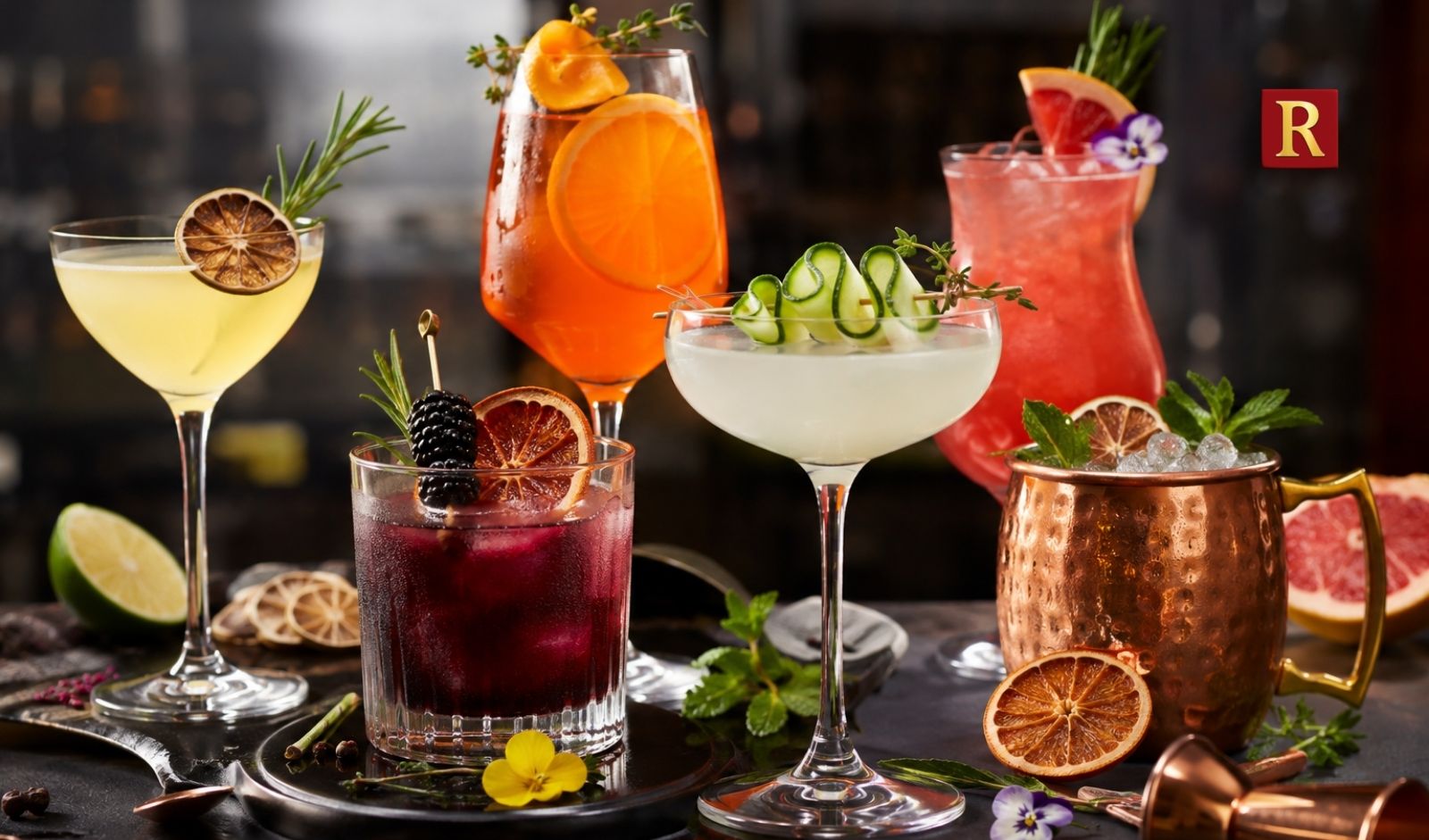
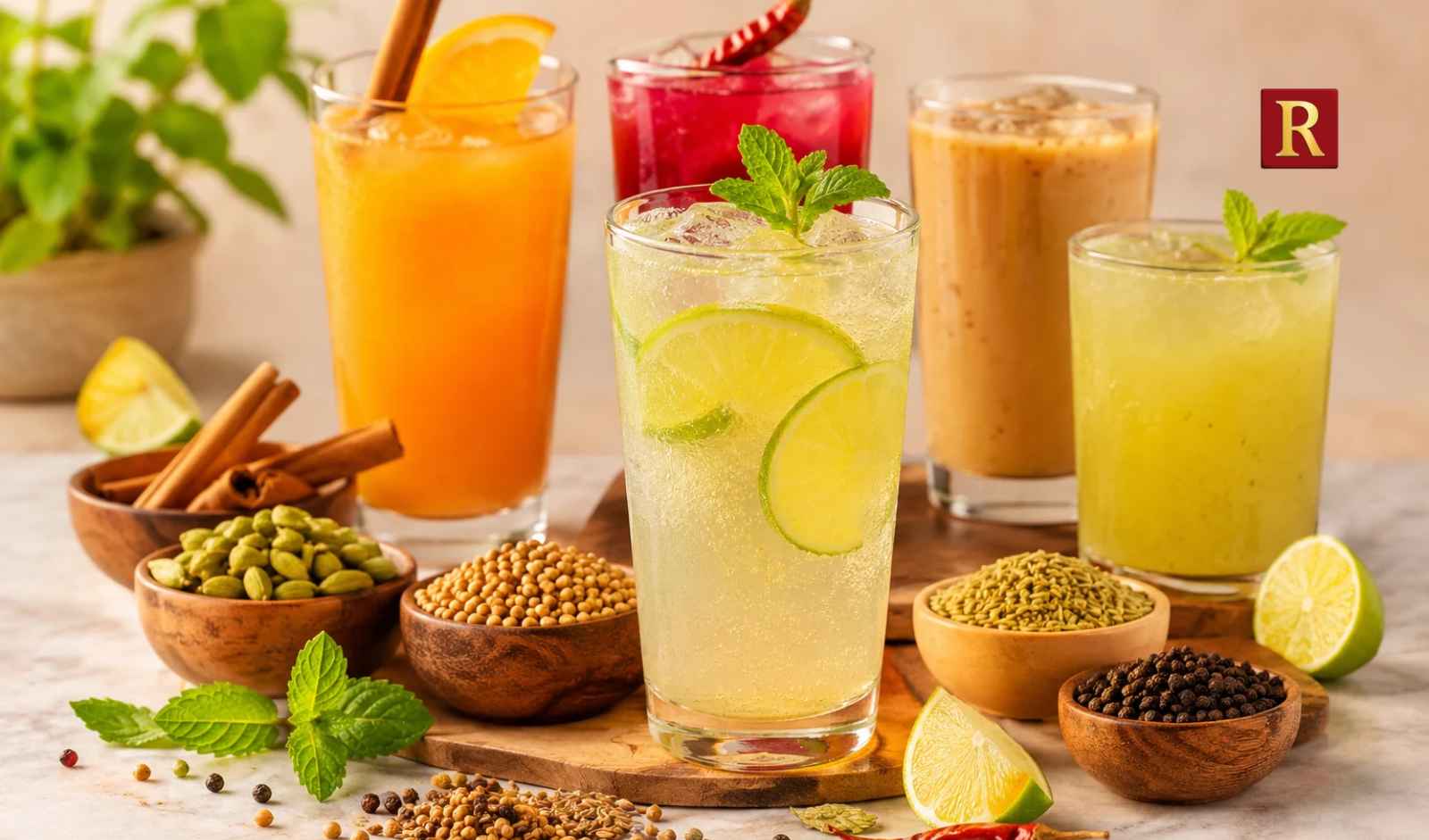
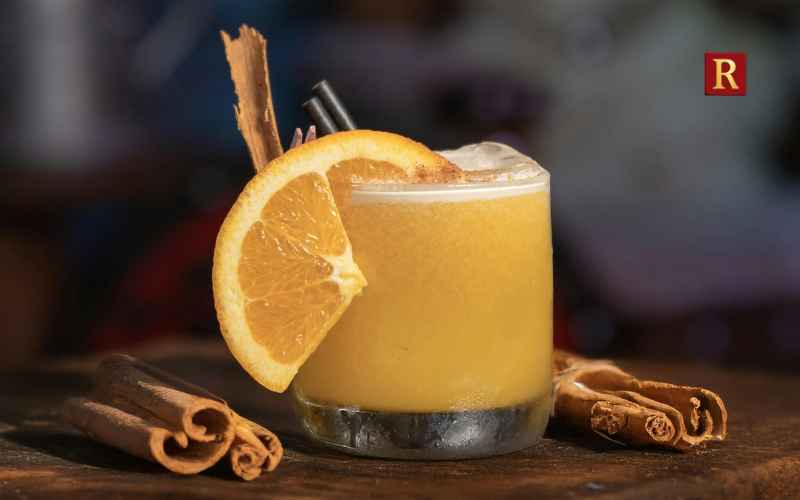
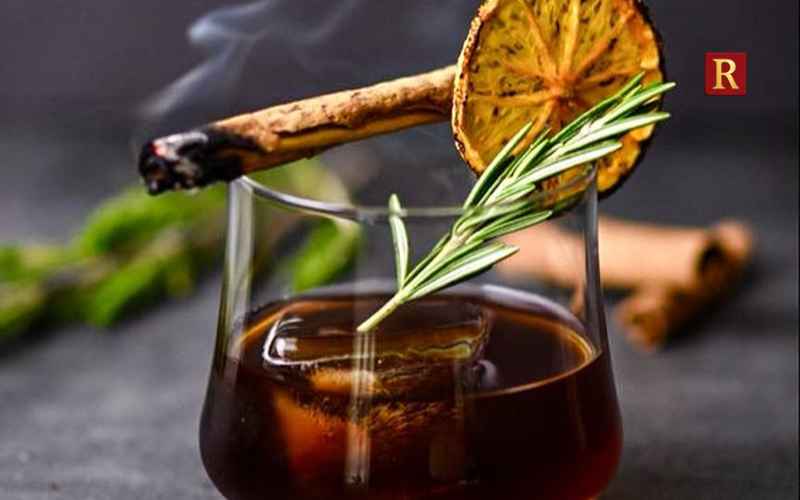
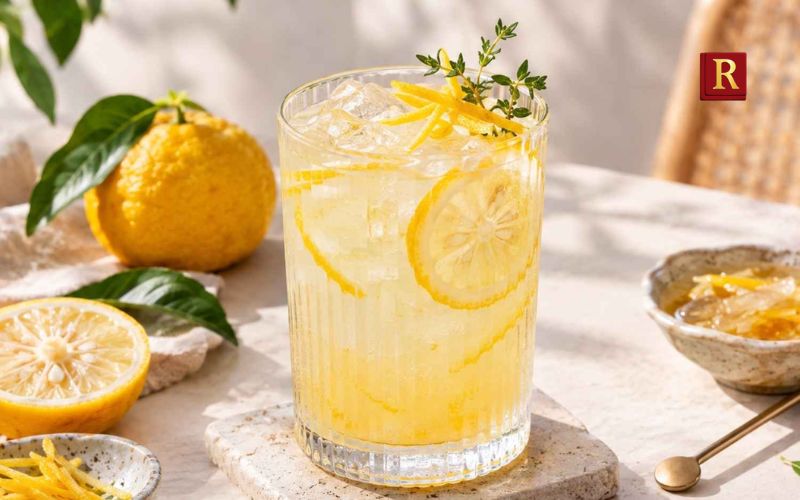
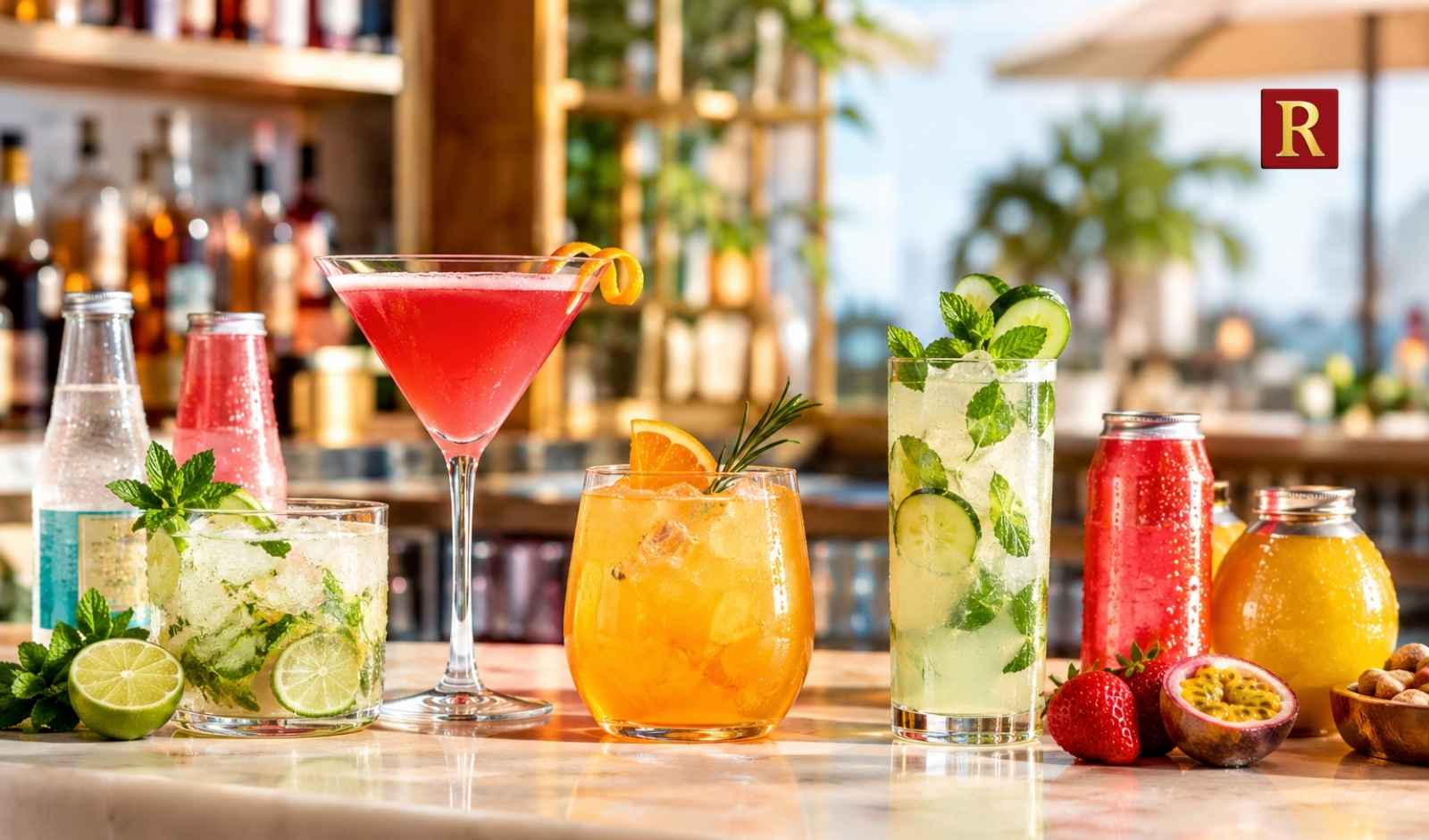
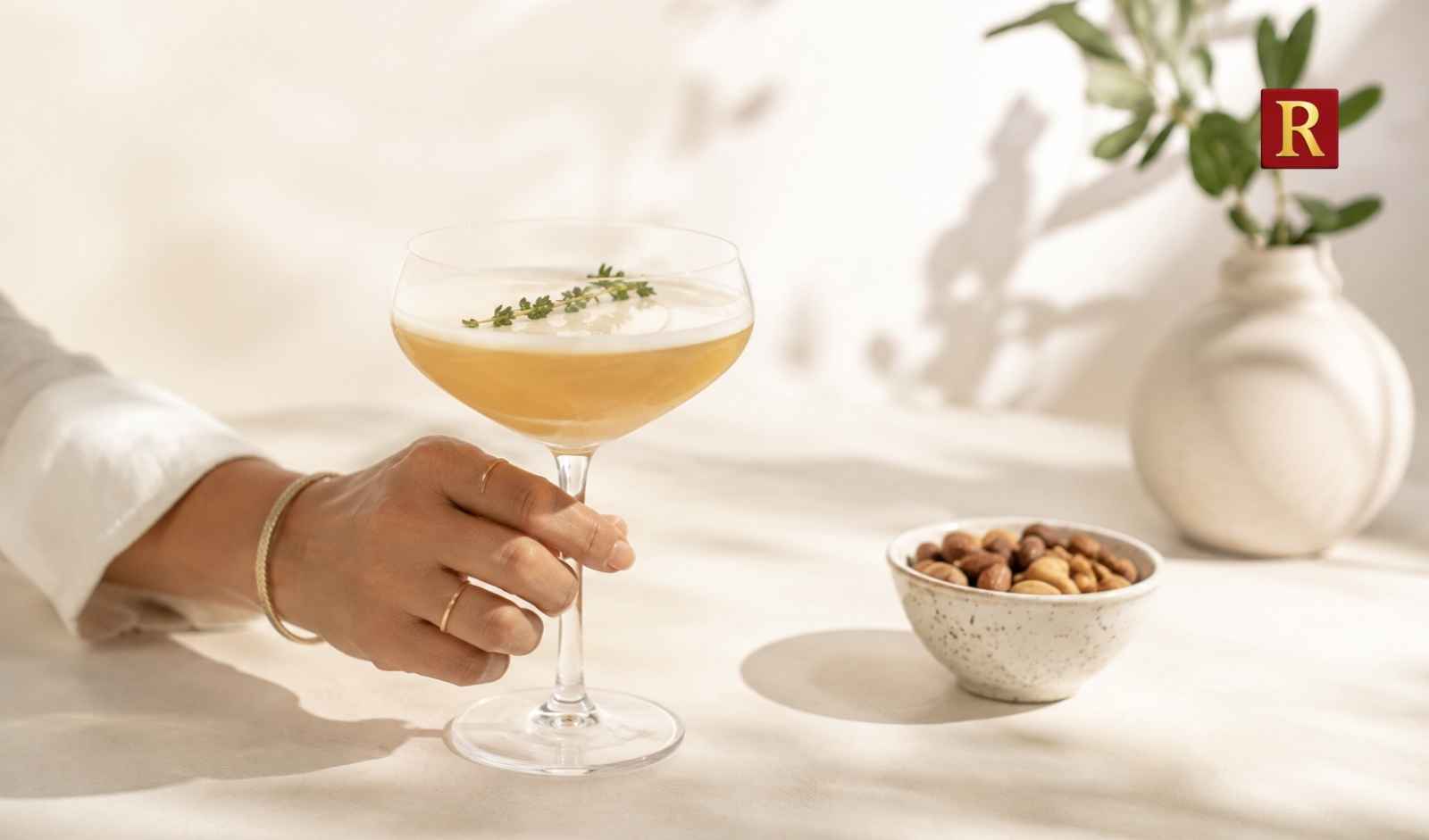
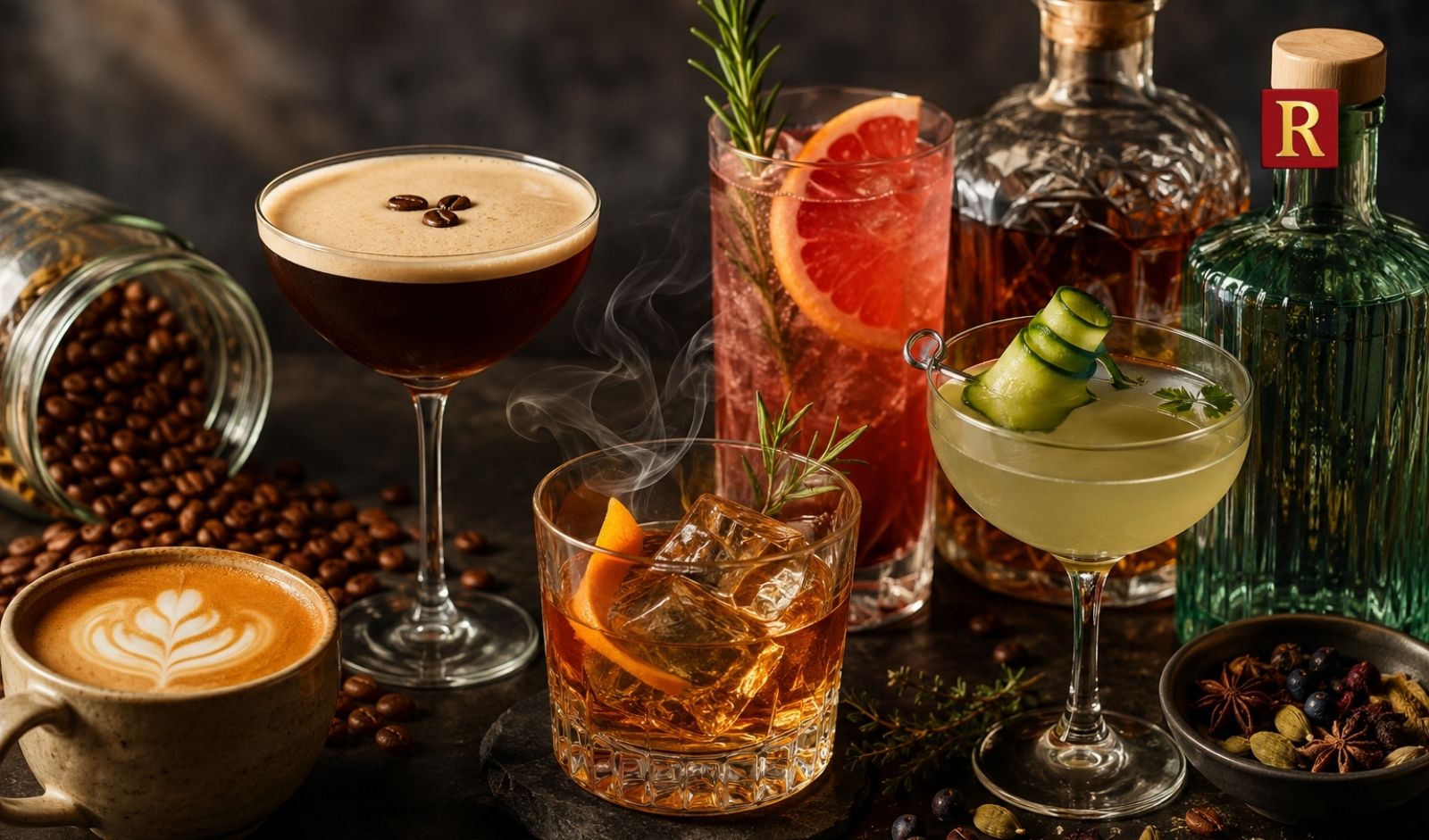
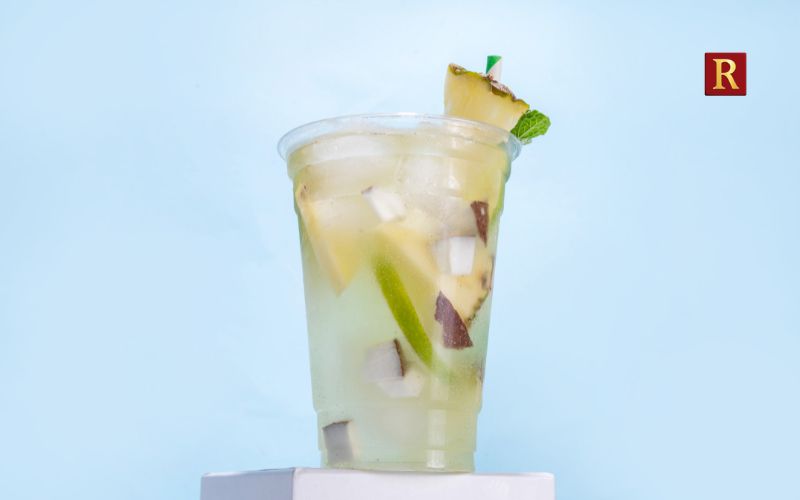
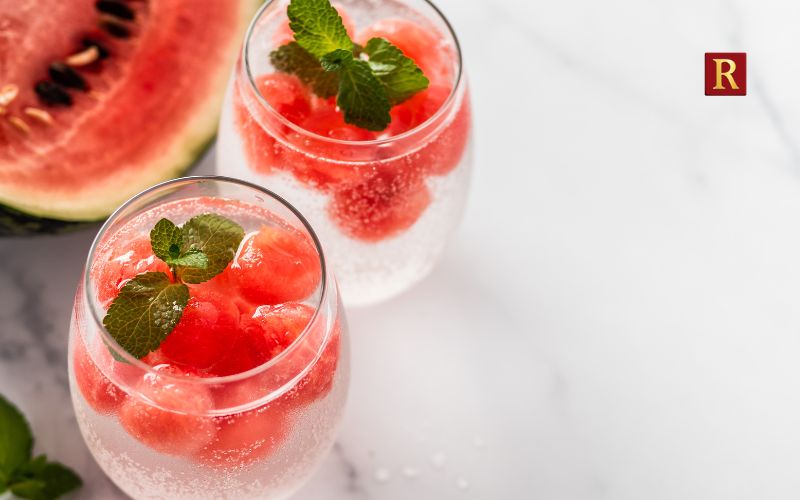
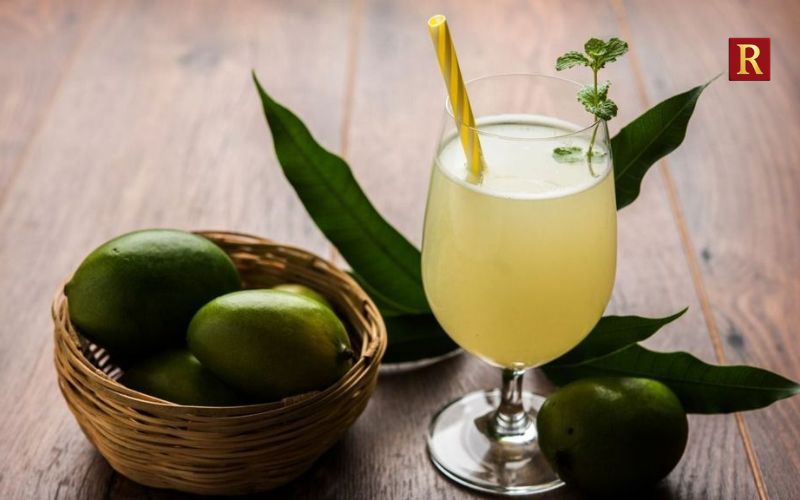
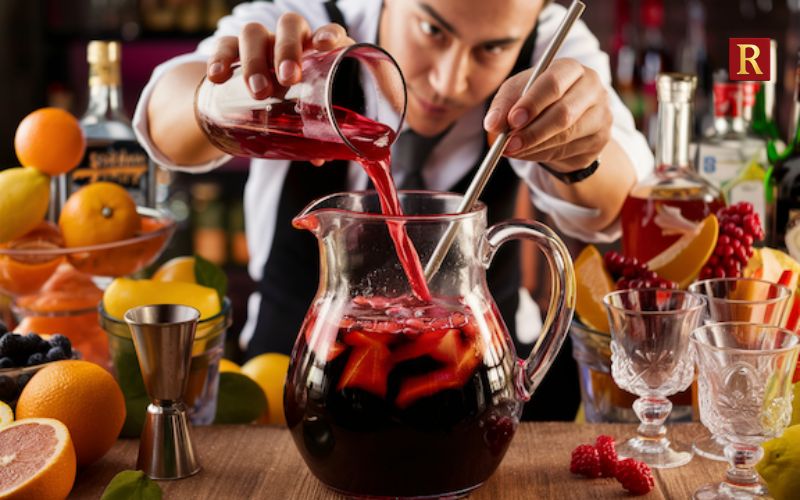
A great drink is no longer judged only by its taste. Today, the garnish plays a major role in how people experience a beverage. A sprig of rosemary, a dehydrated orange slice, or a smoked cinnamon stick can influence the aroma, improve the presentation, and even shape how the drink tastes. This shift is happening across restaurants, cocktail bars, cafés, and hotels. Guests now expect beverages to offer more than refreshment. They want a complete experience that engages multiple senses. At the same time, restaurants are using thoughtful garnishes to create memorable drinks, strengthen their brand, and encourage customers to share their experience online. According to the 2026 Bacardi Cocktail Trends Report, consumers are increasingly looking for immersive and visually appealing drinks that combine storytelling, local ingredients, and unique presentation. For restaurants, this means garnishes have become an important part of beverage design rather than a final decorative touch.
A Garnish Now Does More Than Decorate a Drink
Years ago, cocktail garnishes were simple. A lemon wedge, an olive, or a mint leaf was often added because it looked attractive. While appearance still matters, modern garnishes now have a clear purpose.
A carefully selected garnish can:
- Add aroma before the first sip
- Balance sweetness or acidity
- Introduce texture
- Highlight seasonal ingredients
- Reinforce the drink's story
- Improve visual appeal
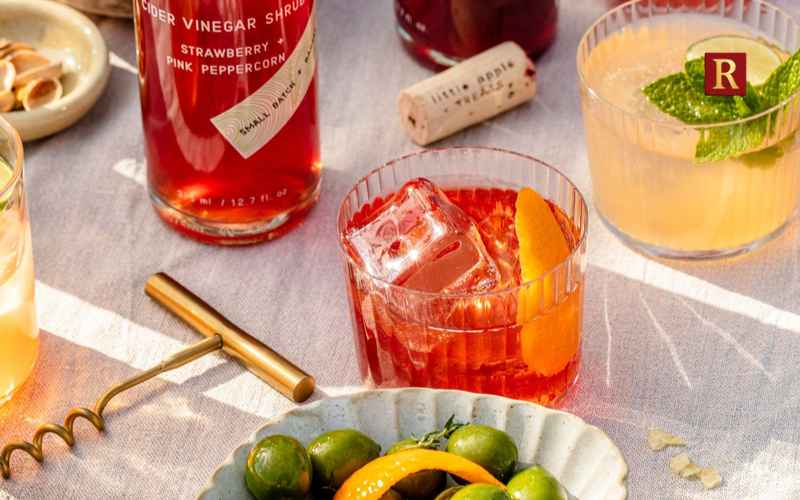
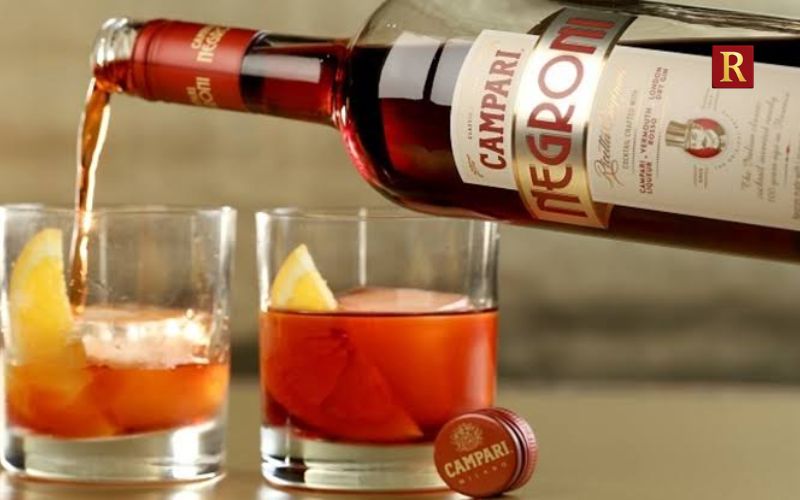
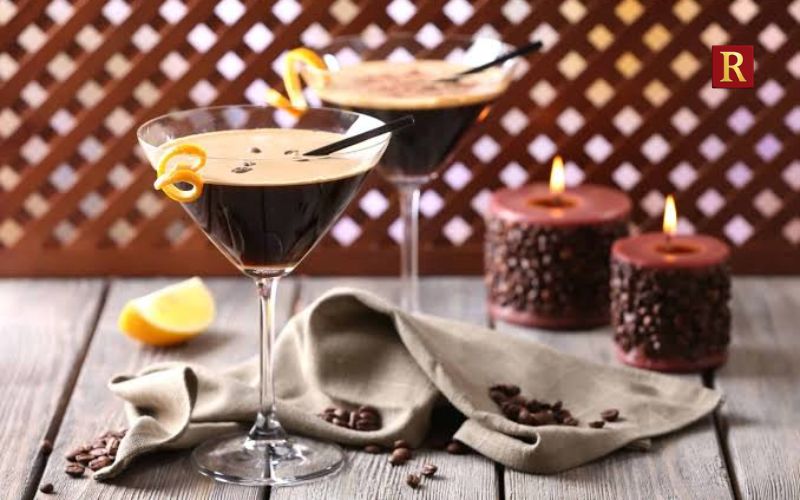
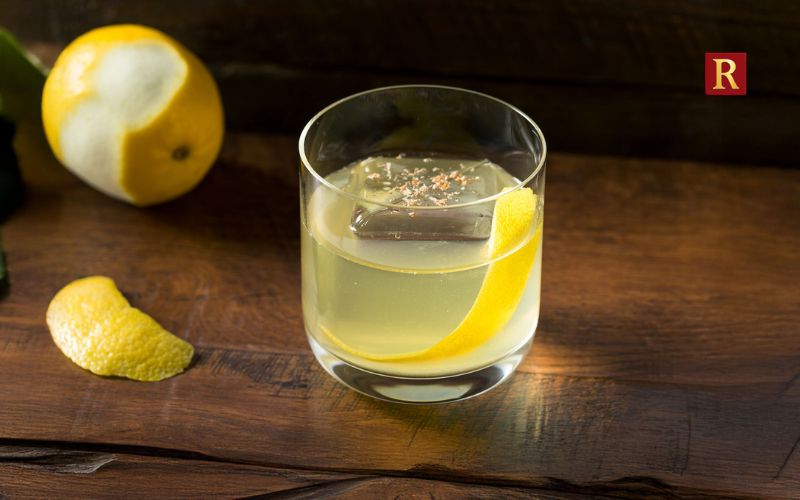
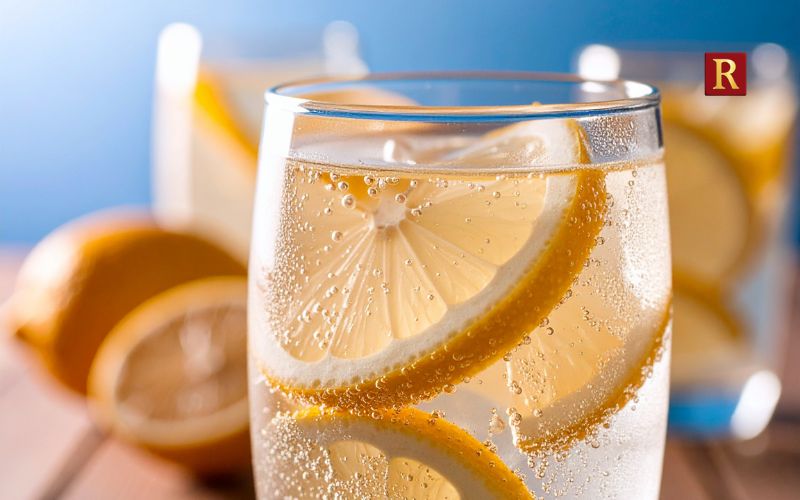
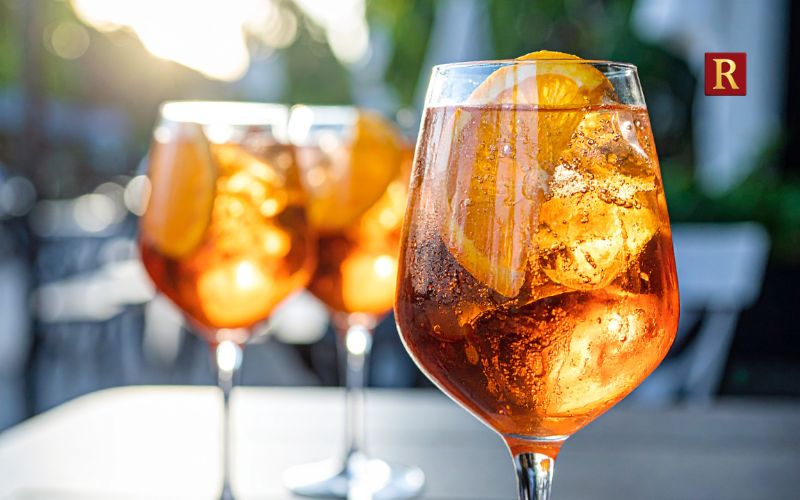
For example, expressing the oils from an orange peel over a cocktail releases natural citrus compounds. These reach the nose before the drink touches the tongue, making the beverage feel brighter and fresher without changing its recipe. This is why many bartenders now develop the garnish alongside the drink instead of choosing it after the cocktail is finished.
The Science Behind Why Garnishes Matter
The human brain processes smell before taste. Researchers estimate that nearly 80% of what people describe as flavour is influenced by aroma. This explains why herbs, citrus peels, spices, and flowers can change how a beverage is experienced.
Different garnishes create different sensory effects:
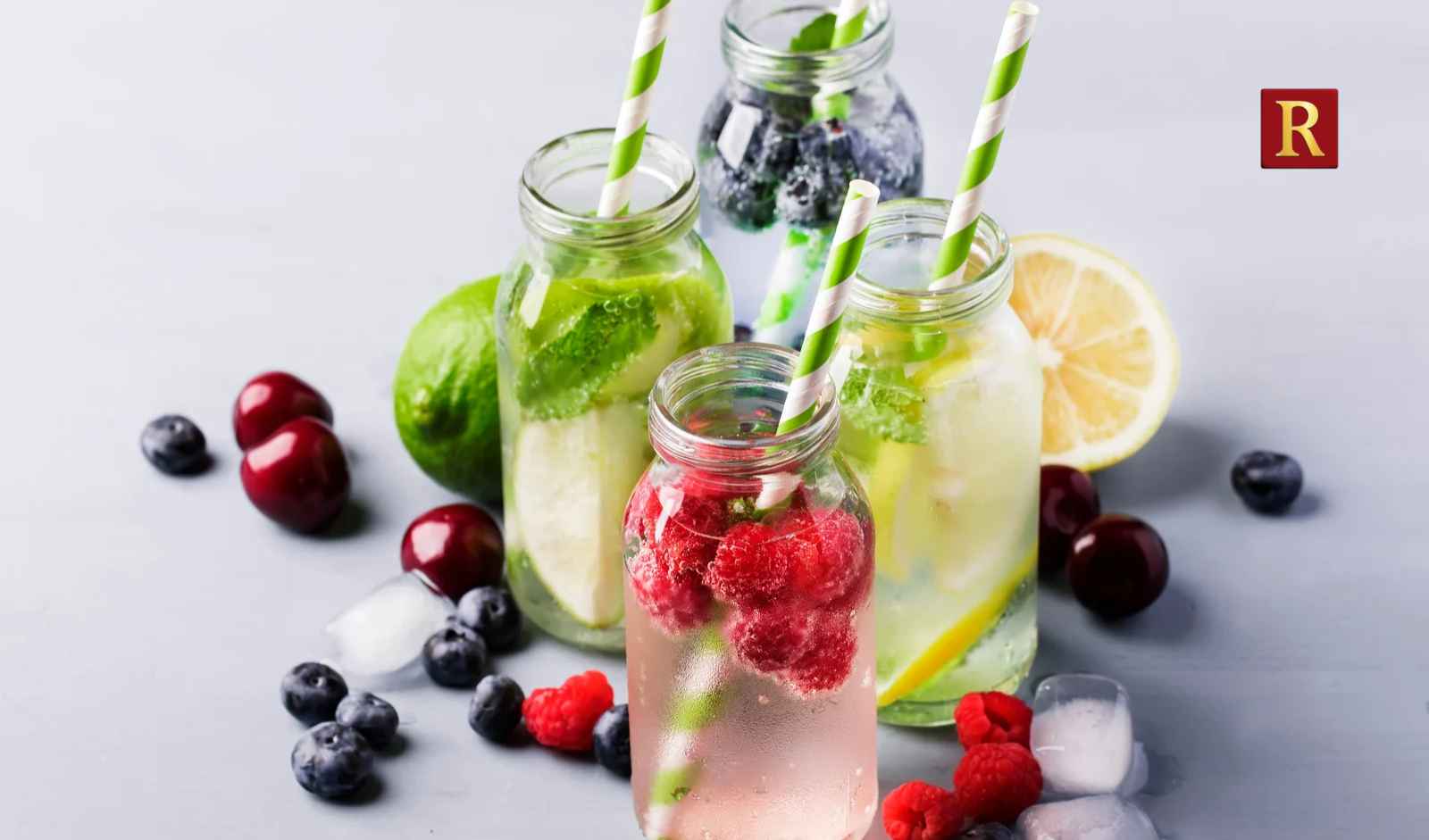
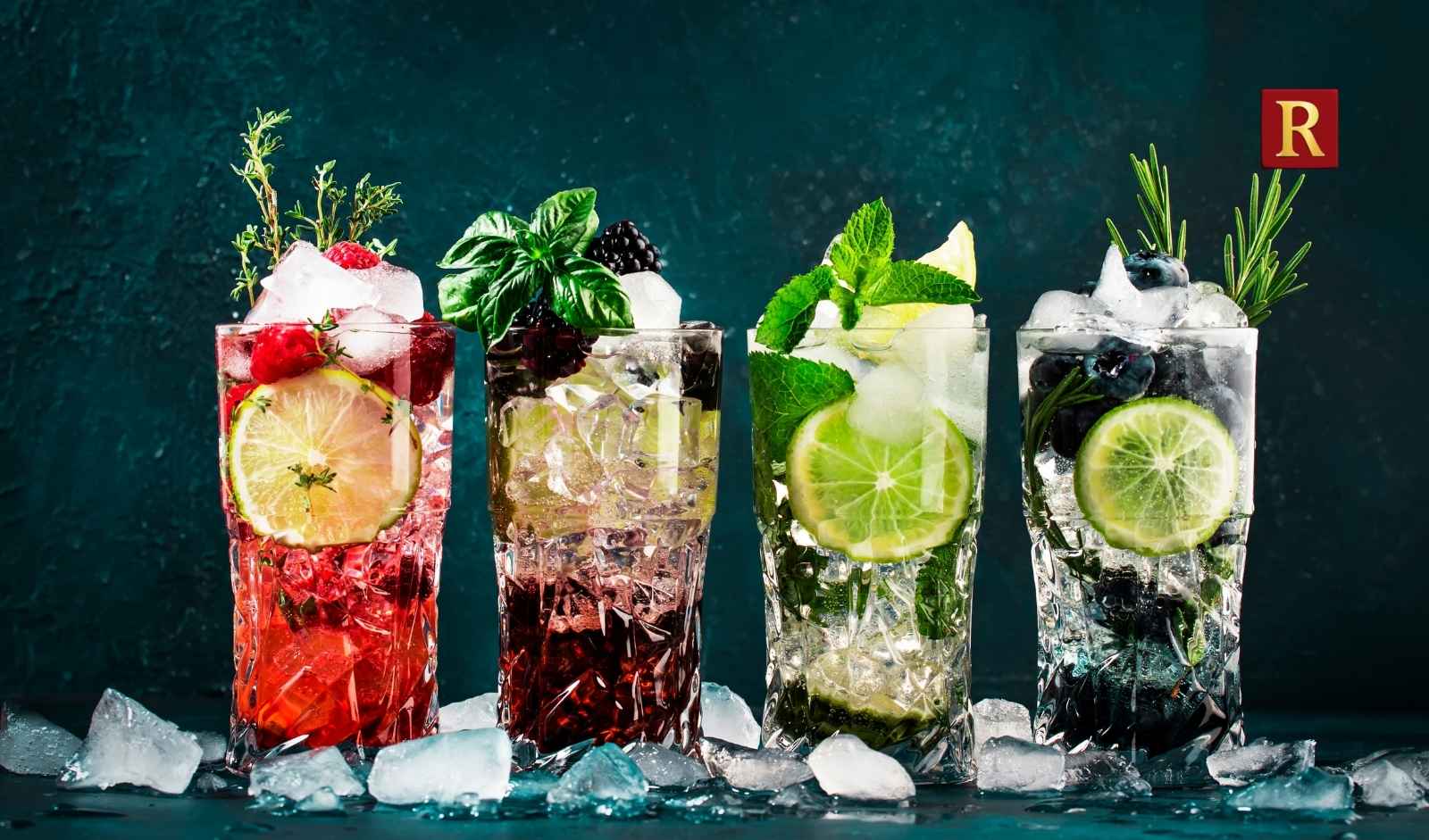
- Fresh herbs such as basil, rosemary, thyme, and mint release aromatic oils that add freshness.
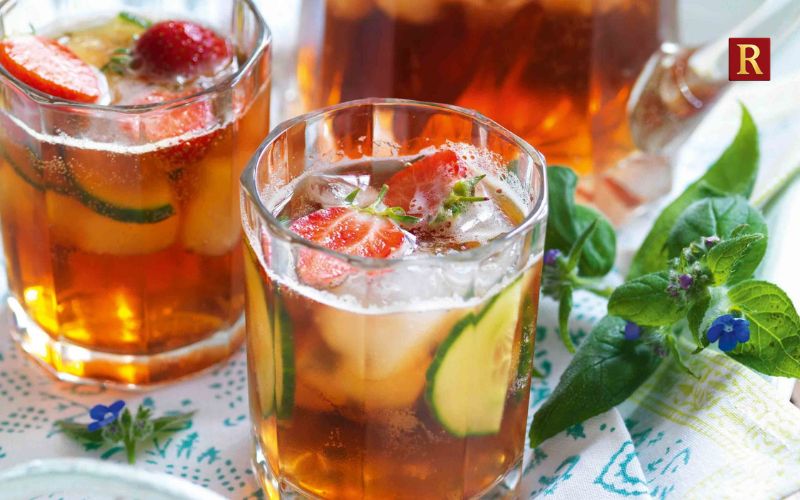
- Citrus peels contribute essential oils without adding extra juice, preserving the drink's balance.
- Spices like cinnamon, cloves, and star anise provide warmth and complexity.
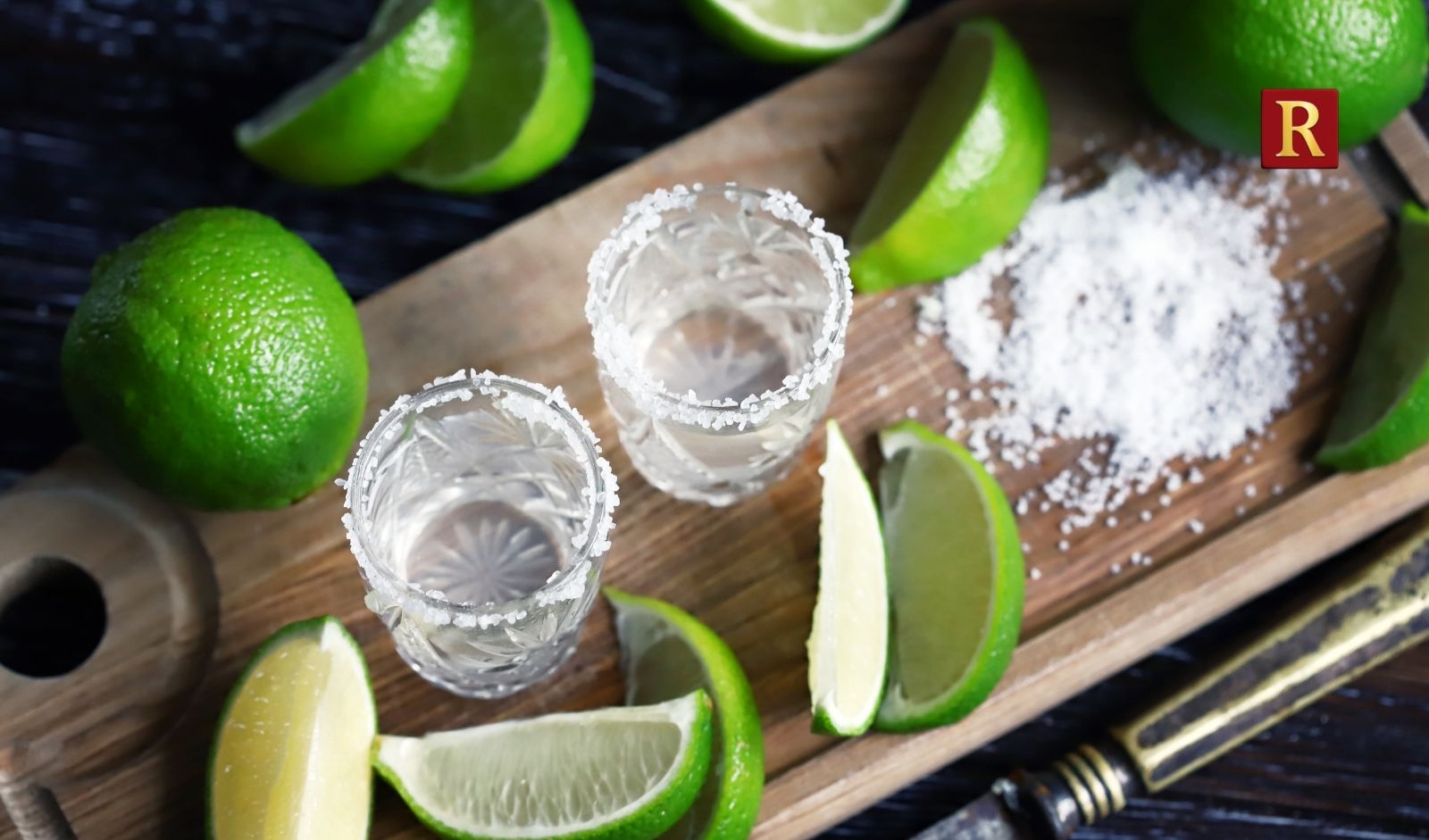
- Salt or sugar rims create texture while influencing sweetness and acidity with every sip.
Temperature also plays an important role. Frozen berries, chilled herbs, or smoked garnishes can change how aromas develop throughout the drinking experience. Professional bartenders understand that these small details help create a drink that feels more refined.
Every Garnish Can Tell a Story
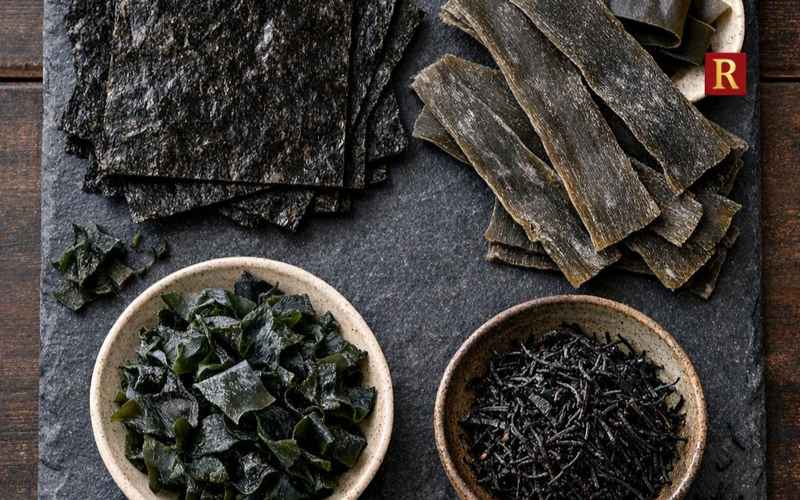
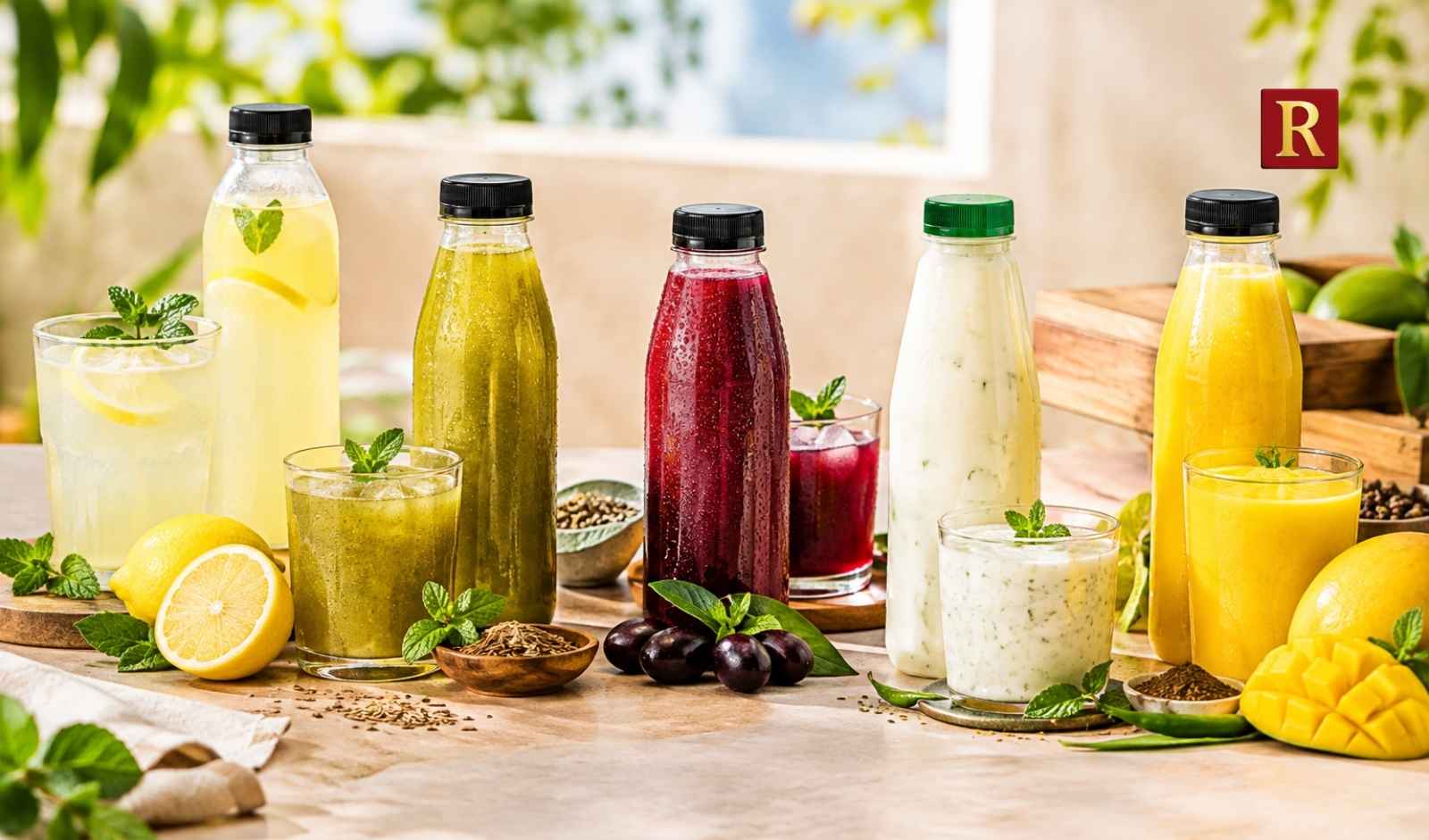
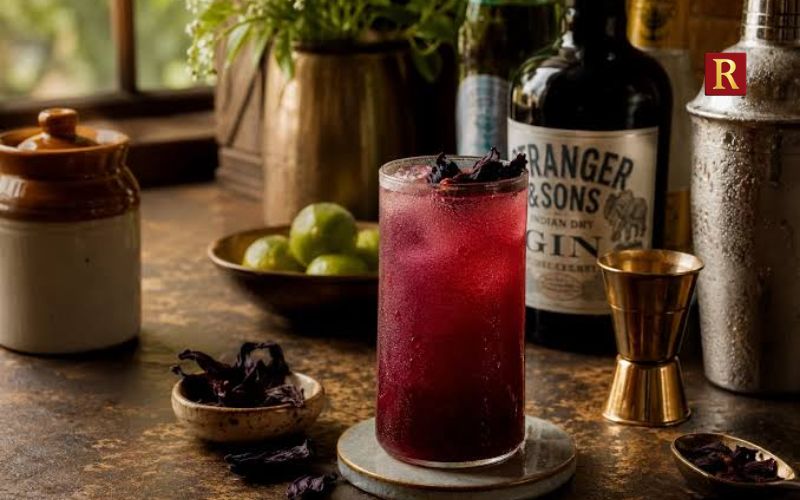
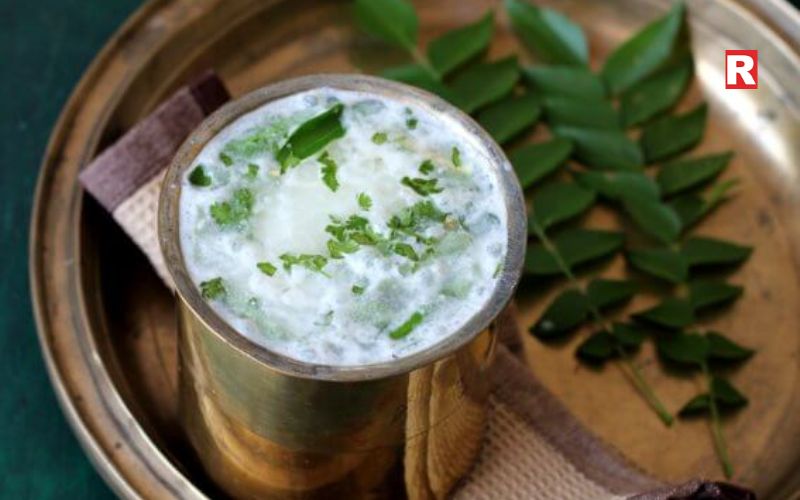
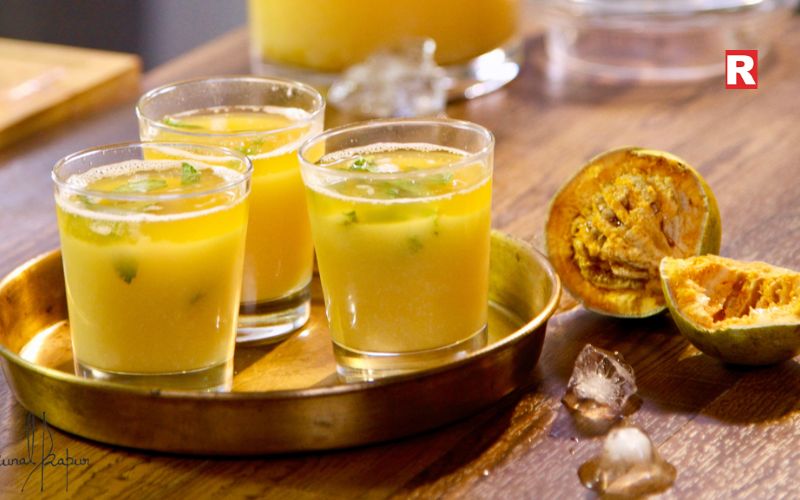
Restaurants are increasingly using garnishes to communicate the inspiration behind a beverage. A cocktail inspired by coastal flavours may feature sea salt and dried seaweed. A drink celebrating Indian ingredients might include kokum, curry leaves, tulsi, or hibiscus flowers. Seasonal cocktails often showcase fresh citrus, edible flowers, or locally grown herbs.
These visual cues immediately tell guests something about the drink before they even take a sip. This approach also strengthens a restaurant's identity. Signature garnishes become part of the dining experience and help customers remember specific beverages long after their visit.
Social Media Has Changed Beverage Presentation
People often photograph their drinks before tasting them. Platforms like Instagram and short-form video apps have increased the importance of presentation. Restaurants now know that a visually appealing beverage can generate free marketing through customer photos and videos.
Unlike traditional advertising, user-generated content feels authentic. When customers share drinks online, they introduce the restaurant to friends and followers without additional marketing costs. This does not mean restaurants should focus only on appearance. Drinks that look impressive but disappoint in flavour rarely create repeat customers. The most successful beverages combine attractive presentation with balanced flavour and thoughtful garnish selection.
Sustainability Is Influencing Garnish Design
Sustainability has become an important priority for restaurants around the world. Instead of throwing away citrus peels or fruit trimmings, many bars now transform them into dehydrated garnishes, candied decorations, infused syrups, or aromatic powders. This practice supports zero-waste bartending while reducing ingredient costs.
Common sustainable garnishes include:
- Dehydrated citrus wheels
- Herb stems
- Fruit leather
- Vegetable crisps
- Dried apple slices
- Upcycled citrus powder
Using ingredients more efficiently helps restaurants reduce waste without compromising presentation. According to industry estimates, food waste accounts for nearly one-third of all food produced globally. Small changes in garnish preparation can contribute to more responsible kitchen operations while improving beverage quality.
Edible Garnishes Create Interactive Experiences
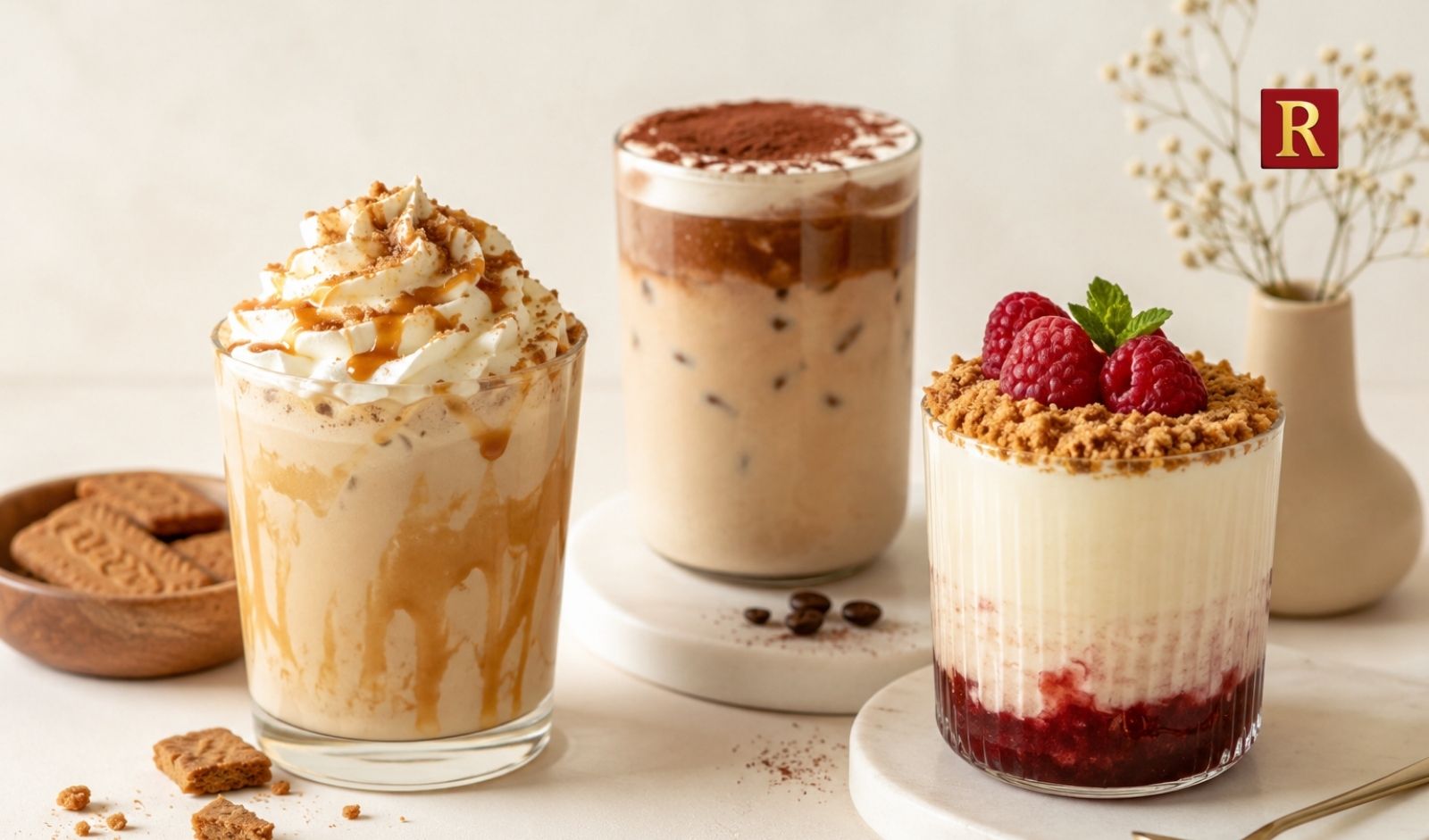
Another growing trend is the use of edible garnishes. Instead of removing the garnish before drinking, customers become part of the experience.
Popular examples include:
- Chocolate shards
- Candied ginger
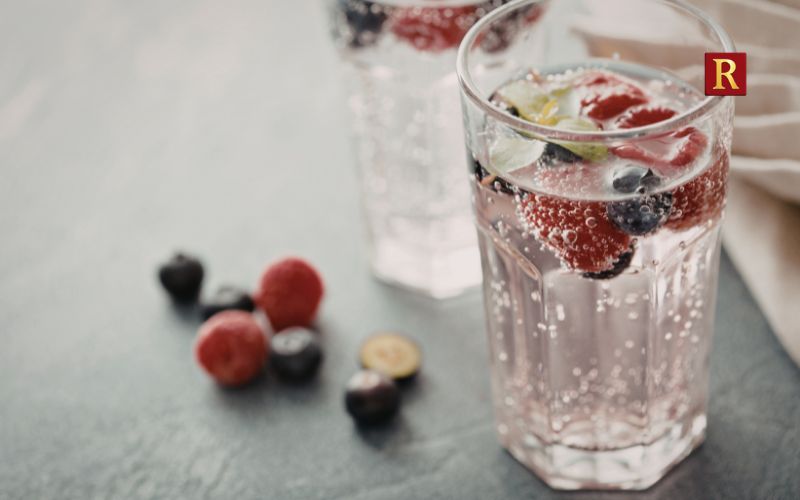
- Freeze-dried berries
- Honeycomb pieces
- Cheese crisps
- Fruit leather
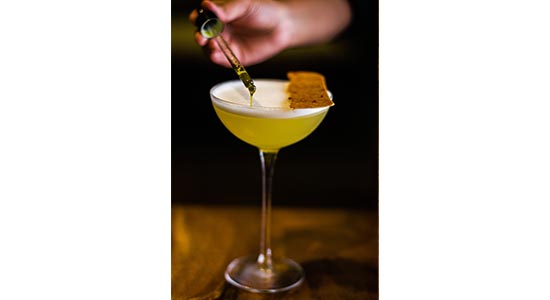
- Mini cookies paired with dessert cocktails
These additions create extra texture while complementing the drink's flavour profile. Restaurants are increasingly designing beverages where every element can be enjoyed rather than discarded.
Local Ingredients Are Becoming the New Signature
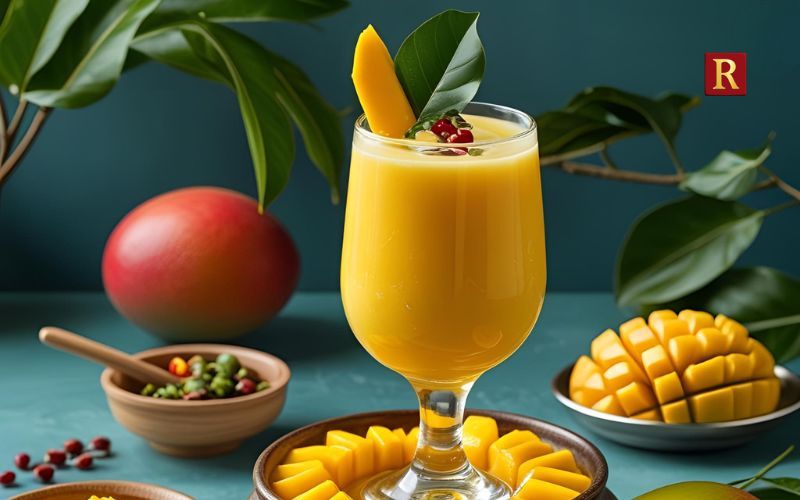
Consumers are showing greater interest in regional flavours. Instead of relying only on imported fruits or herbs, many restaurants are exploring local ingredients that reflect their location.
Indian examples include:
- Gondhoraj lime
- Kokum
- Curry leaves
- Betel leaves
- Tamarind
- Saffron
- Hibiscus
- Raw mango powder
- Finger lime
- Tulsi
These ingredients create unique flavour combinations while supporting local farmers and suppliers. For restaurants, regional garnishes also help differentiate their beverage menus from competitors.
Garnish Design Is Now a Professional Skill
Modern mixology goes far beyond mixing spirits and syrups. Professional bartenders now study garnish design as part of beverage development.
They consider:
- Aroma pairing
- Colour balance
- Ingredient compatibility
- Glassware selection
- Ice shape
- Portion size
- Service speed
- Consistency across every order
Every garnish should improve the drink in some way. Adding too many decorative elements can make beverages difficult to serve or consume. Overcrowded glasses may also distract from the drink itself. The best garnish feels natural rather than excessive.
Better Garnishes Can Improve Business Performance
Thoughtful beverage presentation offers clear commercial benefits. Customers often associate well-presented drinks with higher quality. This perception can support premium pricing while improving overall guest satisfaction.
Restaurants also benefit through:
- Stronger brand recognition
- Higher customer engagement
- Better online reviews
- Increased repeat visits
- More social media visibility
- Signature drinks that become customer favourites
A memorable garnish can become as recognisable as the beverage itself. Many award-winning cocktail bars have built their reputation around distinctive presentation that customers cannot easily find elsewhere.
Common Mistakes To Avoid
Even the most creative garnish should serve a purpose.
Some common mistakes include:
- Using wilted herbs
- Choosing garnishes that overpower the drink
- Adding decorations that cannot be eaten or safely removed
- Blocking the glass with oversized garnishes
- Inconsistent presentation between orders
- Ignoring food safety during garnish preparation
Freshness, hygiene, and consistency remain just as important as creativity. A garnish should enhance the guest experience, not complicate it.
The Future
The role of garnishes will continue to evolve as beverage innovation grows. Restaurants are already experimenting with fermented fruits, edible perfume sprays, aroma bubbles, botanical smoke, seasonal garnish menus, and hyper-local ingredients. Advances in food technology are also making 3D-printed edible decorations and customised garnish designs more accessible for premium venues. At the same time, consumers are becoming more conscious of sustainability and authenticity. They appreciate garnishes that add genuine flavour, reduce waste, and reflect local culture instead of unnecessary decoration. The most successful beverage programs will focus on creating drinks where flavour, aroma, presentation, and storytelling work together. In that future, the garnish will not simply finish the drink—it will be an essential part of the experience from the first look to the final sip.
Saptopriya Ghosal
Feature Writer
I am a dedicated media professional with a bachelor's degree in mass communication from the State University of Calcutta and a postgraduate degree from Amity University. My academic journey has equipped me with a profound understanding of storytelling and communication. Passionate about the dynamic world of media, I continually strive to explore new ways to engage and inform through compelling narratives.