Why 2025 Is the Year of Growth in the Food Industry
The food industry is undergoing significant transformation, driven by trends like sustainability, food technology, health-conscious dining, and culinary tourism.


The food industry has long been a cornerstone of economies worldwide, but 2025 promises to be a pivotal year for culinary careers. As we move through the complexities of post-pandemic recovery, the demand for skilled culinary professionals is skyrocketing. From restaurant kitchens to innovative food start-ups, sustainability movements, and the booming culinary tourism sector, opportunities for culinary professionals have never been more abundant.
Increased Demand for Skilled Chefs and Culinary Professionals: The global food industry has experienced rapid transformations in the last decade, and as we head into 2025, the demand for skilled culinary professionals is higher than ever. A surge in dining experiences, both in-person and virtual, has created a need for chefs who can deliver exceptional food and culinary innovation. With the post-pandemic era bringing about new business models such as pop-up restaurants, food trucks, and unique dining concepts, the culinary landscape is expanding, and the demand for professionals who can adapt to these trends is growing.
Sustainability and Ethical Eating: In 2025, sustainability in the culinary world will not just be a buzzword, but a guiding principle for both restaurants and consumers. With growing awareness about climate change, food waste, and ethical sourcing, chefs will be required to craft menus that focus on sustainability. This includes using locally-sourced ingredients, embracing plant-based options, reducing food waste, and advocating for fair-trade products.
Rise of Food Technology: Food technology is another key driver in the growth of culinary careers in 2025. Innovations in food production, preservation, and preparation methods are reshaping how chefs approach their craft. From 3D food printing to lab-grown meats and AI-powered kitchen tools, food technology is revolutionizing the kitchen and creating demand for culinary professionals who are skilled in working with these new tools and techniques.
As automation and AI become more prevalent in food production and preparation, chefs and culinary experts will be required to blend their expertise with technological advancements. Whether it's using smart kitchen appliances, working with food safety technology, or leveraging AI for personalized nutrition, culinary professionals will need to stay ahead of the curve to meet the needs of a tech-savvy food industry.
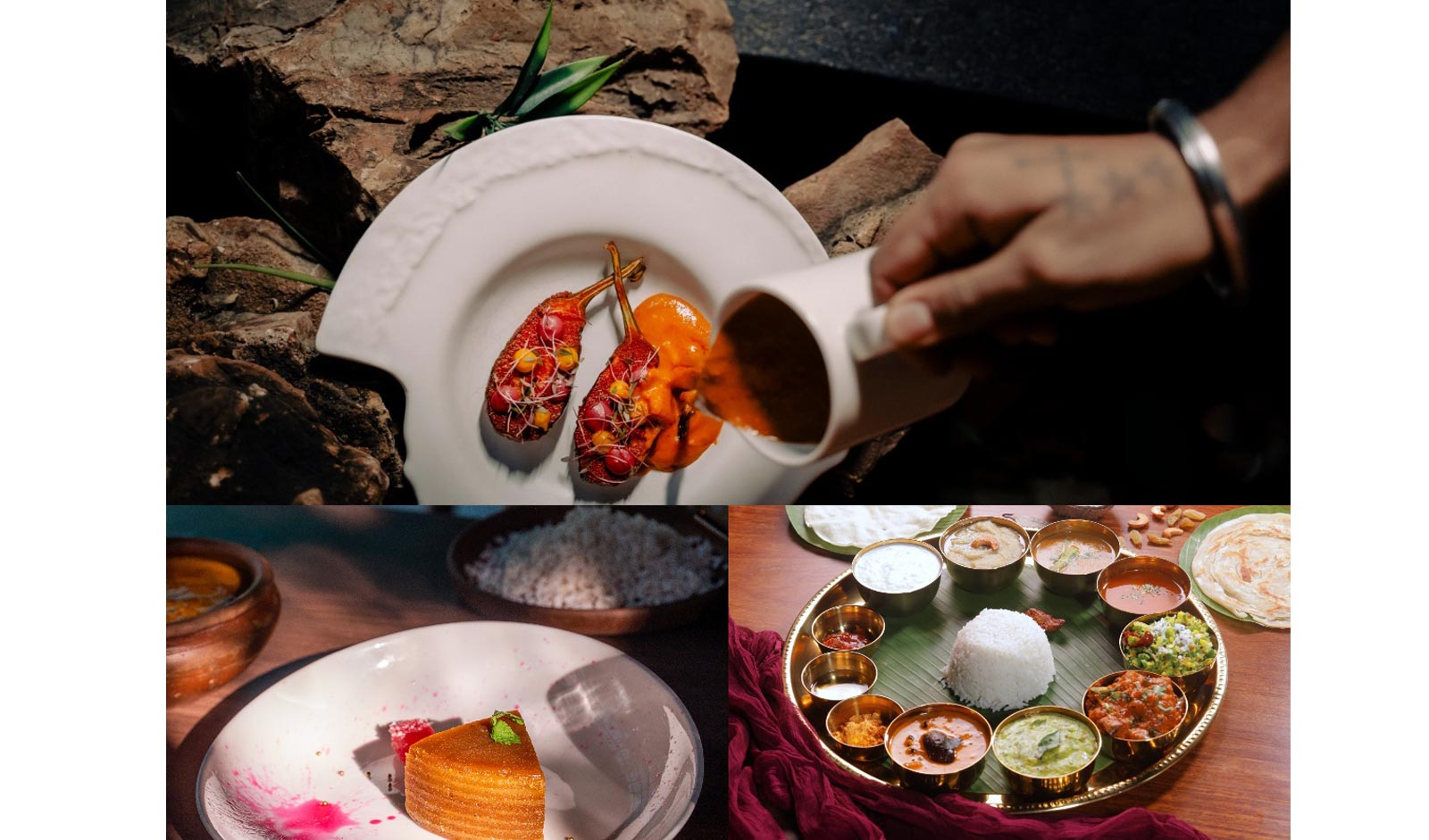
Culinary Tourism: A Global Phenomenon: Culinary tourism, or food travel, has become one of the fastest-growing sectors in the tourism industry. People are increasingly seeking authentic, immersive dining experiences that highlight the unique culinary traditions of different regions. This trend is expected to continue its rapid growth in 2025, with food being a central part of travel experiences. As culinary tourism expands, the need for chefs, food tour guides, and culinary experts with specialized knowledge of regional cuisines will continue to rise. Aspiring chefs with a passion for global cuisines will find plenty of opportunities in food-centric tourism, whether through destination restaurants, culinary tours, or collaborations with local food festivals.
Increased Focus on Health and Wellness: With an increasing global emphasis on health and wellness, the culinary world is also evolving to meet consumers’ growing desire for nutritious, balanced meals. In 2025, there will be a greater emphasis on chefs who can create meals that cater to specific dietary needs such as gluten-free, vegan, keto, and other specialized diets. Additionally, the wellness industry is influencing how chefs approach food, with a growing demand for functional foods that support mental and physical well-being.
Culinary professionals who are knowledgeable in nutrition and health-focused cooking will be in high demand. This trend is fueling the rise of dietitian-chefs and culinary nutrition experts who can bridge the gap between culinary expertise and nutritional science. As consumers become more mindful of what they eat, culinary professionals will need to expand their skill set to meet these evolving demands.
Education and Professional Development in Culinary Arts: As the demand for culinary professionals continues to grow, so too does the need for advanced culinary education and professional development. In 2025, culinary schools and training programs will play a pivotal role in preparing the next generation of chefs. These institutions are evolving to offer specialized courses in sustainable cooking, food technology, culinary entrepreneurship, and digital content creation, allowing students to stay ahead of emerging trends.
The food industry is undergoing significant transformation, driven by trends like sustainability, food technology, health-conscious dining, and culinary tourism. As we approach 2025, the demand for skilled culinary professionals will continue to grow, offering diverse career opportunities for those willing to embrace innovation and creativity. Whether you’re an aspiring chef, a seasoned professional, or someone looking to make a career shift, 2025 is an exciting time to be part of the culinary world.
Ashish Tiwari
Executive Chef, ANDAAZ Banquets and Caterers