Food businesses have traditionally treated ingredient substitution as a last-minute decision. When a supplier runs out of stock, prices rise or deliveries get delayed, chefs and procurement teams look for alternatives. But for businesses operating at airports, railway stations, highway food plazas and transit terminals, replacing an ingredient is more than a kitchen decision. It can affect menu availability, preparation time, food cost, customer experience and daily sales. Transit food businesses work in a demanding environment. They serve customers with limited time, operate through long hours, manage fluctuating passenger traffic and often depend on central kitchens and carefully planned supply networks. If a single ingredient becomes unavailable, it can disrupt several menu items at once.
This is creating a bigger conversation around ingredient substitution. Food businesses are beginning to look beyond emergency purchases and explore alternative ingredients, regional suppliers, reformulation, inventory planning and backup sourcing. The goal is not simply to find a cheaper ingredient, but to keep products consistent and operations running even when the supply chain changes. For foodservice operators and ingredient suppliers, the ability to replace ingredients without compromising taste, texture, quality or profitability could become a valuable business capability.
Why Transit Food Businesses Need a Plan B for Ingredients
Transit food outlets have a different operating rhythm from regular restaurants. At airports, passenger traffic can rise sharply around departure schedules. Railway catering must prepare meals that can be transported, stored and served under limited conditions. Highway food outlets need to manage unpredictable traffic, long operating hours and inventory availability. These businesses cannot always wait for the next supplier delivery to resolve a shortage. A missing ingredient can affect multiple menu items. If a kitchen runs out of a particular cheese, sauce, bread, cooking fat or protein, it may have to remove several products from the menu. This can create lost sales while customers are already waiting.
For food businesses operating multiple outlets, the challenge is even bigger. An ingredient that is easily available in one city may be expensive or difficult to source in another. Maintaining the same recipe across locations can become complicated when suppliers, ingredient grades and delivery schedules differ. The answer increasingly lies in planning alternative ingredients before a shortage occurs. Supply-chain resilience research points towards diversified sourcing, alternative formulations, better ingredient understanding and supplier partnerships as ways of preparing for disruptions.
Ingredient Substitution Is Becoming a Supply-Chain Strategy
The traditional approach to ingredient substitution was reactive. When a product was unavailable, businesses looked for something that could be used immediately. Today, food manufacturers and foodservice operators have a stronger reason to plan alternatives in advance. Ingredient substitution can help businesses respond to supply interruptions, commodity price changes, seasonal shortages, import dependency and supplier limitations. It can also create opportunities to reformulate products, introduce locally sourced ingredients and improve sourcing flexibility. However, replacing an ingredient is not as simple as finding another product with a similar appearance or price. Each ingredient performs one or several functions in a recipe. Replacing it may change the product's taste, texture, moisture, stability, cooking behaviour or shelf life. A food manufacturer may need to replace a costly ingredient without changing the product's identity. A transit food operator may need an alternative that can be prepared quickly, held safely and served consistently across outlets. This is why substitution is increasingly connected to procurement, product development, quality assurance and food science rather than being handled only by kitchen teams.
The Science Behind Replacing One Ingredient With Another
An ingredient may look replaceable but behave differently during cooking, processing or storage. Food businesses must understand what the ingredient actually contributes to a recipe before selecting an alternative. For example, sugar does more than provide sweetness. It also contributes to bulk, browning, texture and moisture control. Fat can influence mouthfeel, structure, flavour release and softness. Starch can thicken sauces, bind fillings and influence stability. A replacement that solves one problem may create another. A sauce might become thinner, a bakery product might lose softness, or a filling might release moisture during holding. Recent reformulation guidance and industry discussions highlight why one-to-one ingredient swaps can fail: ingredients often perform several functions, and a formula that works in a small trial may behave differently during scaled production.
What food businesses need to test before approving a substitute
Technical factor | What businesses need to evaluate |
Taste and aroma | Does the substitute change the flavour profile? |
Texture | Does it affect softness, crunch, thickness or structure? |
Moisture | Does it absorb, retain or release water differently? |
Cooking behaviour | Does it require different temperatures or timings? |
Yield | Does it produce the same usable quantity? |
Shelf life | Does the finished food remain stable for the intended period? |
Storage | Does it require different refrigeration or handling? |
Allergen profile | Does it introduce new allergens or cross-contact concerns? |
Cost per serving | Does it improve actual food cost after wastage and labour? |
A substitute must also be validated for the specific application. A replacement that works in a freshly prepared dish may not perform equally well in a packaged meal, frozen product or centrally prepared recipe.
Which Ingredients Could Transit Food Businesses Replace?
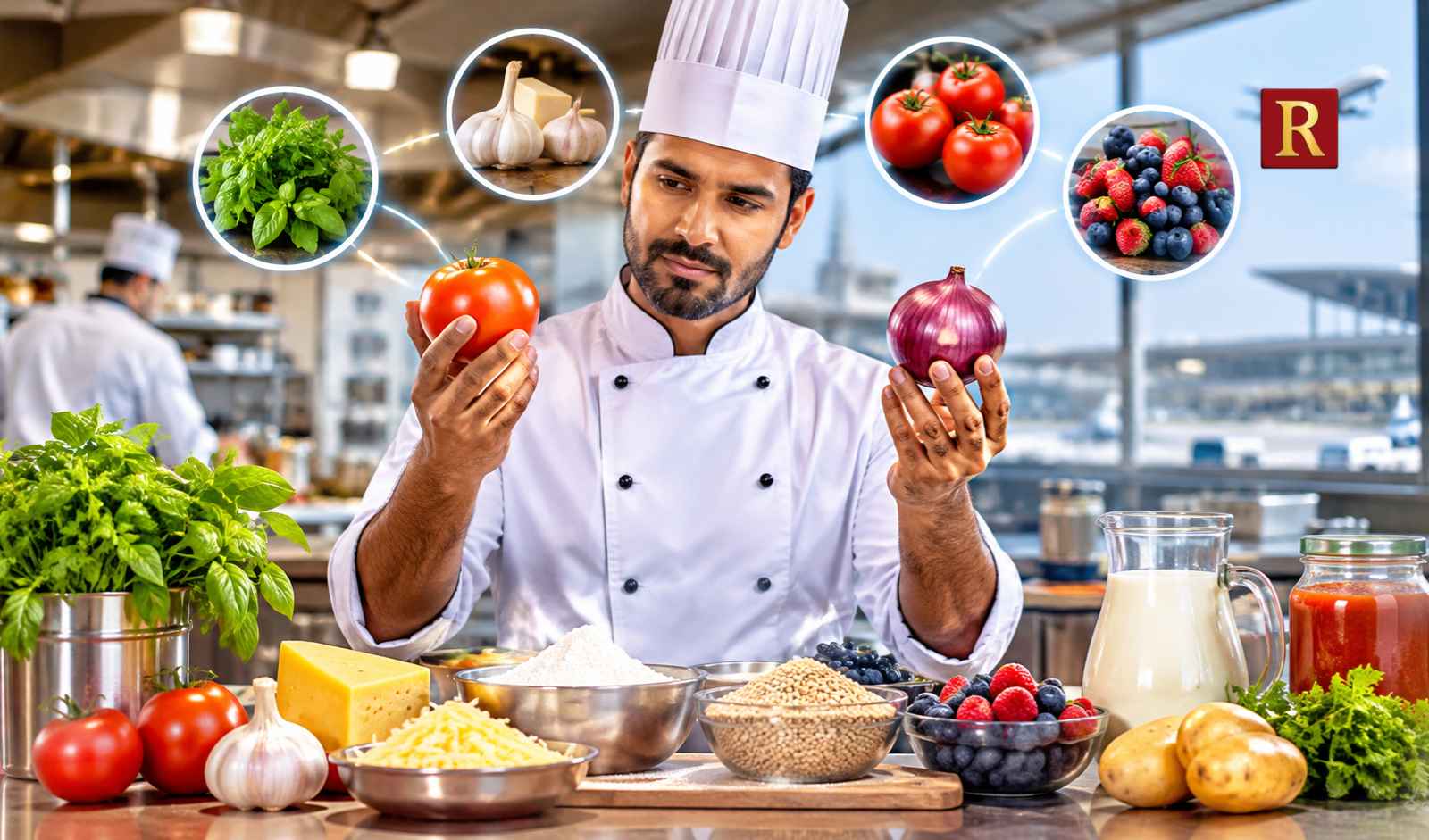
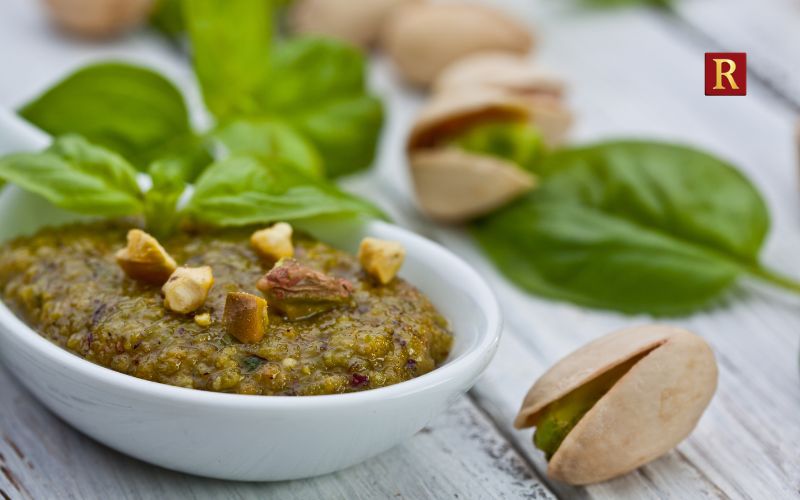
Transit food businesses can explore ingredient substitutions to manage shortages, reduce import dependency, control costs and simplify kitchen operations. Imported herbs, for instance, could be replaced with locally sourced or dried herbs in sauces, sandwiches and garnishes. Imported hard cheese could be substituted with domestic varieties that offer suitable melting and flavour characteristics for pizzas and sandwiches.
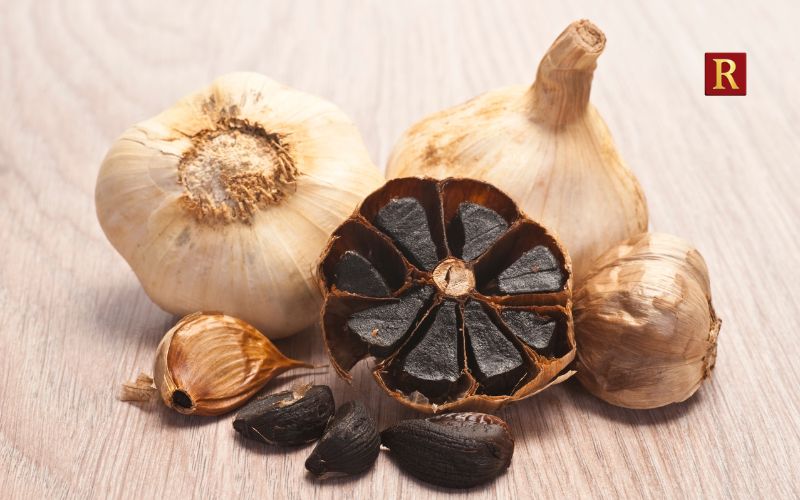
Fresh garlic may be replaced with paste or frozen formats to reduce preparation time in central kitchens, while fresh tomatoes could be replaced with puree or paste in gravies, sauces and curry bases. Imported berries could make way for seasonal Indian fruits in desserts and beverages. Similarly, wheat flour could be blended with millet or sorghum for selected bakery products, while fresh cream could be replaced with application-specific dairy or plant-based alternatives. Other possibilities include locally formulated sauces instead of imported speciality sauces, and dehydrated or frozen onions for bulk cooking. However, substitutions require testing for taste, texture, moisture, cooking performance, shelf life and cost per serving before implementation.
Can Regional Ingredients Reduce Import Dependency?
India's regional ingredients could offer food businesses another way to diversify their sourcing. Instead of relying on a single commodity, supplier or imported ingredient, companies can explore locally available ingredients that perform similar functions in selected applications. Millets, sorghum, regional fruits, local herbs, pulses and indigenous spice blends could become part of this sourcing conversation. However, their commercial use will depend on processing, availability, quality consistency, pricing and suitability for high-volume production.
Where regional ingredients could find a place
Millets and sorghum: Potentially useful in selected bakery, snack and breakfast applications, including blended formulations.
Indian fruit preparations: Could provide alternatives for selected imported fruit fillings, dessert toppings and beverage bases.
Local herbs: May help replace imported herb formats in sauces, garnish and seasoning.
Regional pulses: Could support fillings, patties, protein-rich snacks and meal components.
Indian spice blends: Could help businesses develop local formulations instead of depending on imported speciality seasoning systems.
The World Economic Forum's 2025 report on ingredient innovation discusses diversifying food-system inputs through crops, biotechnology and circular routes to improve resilience and reduce dependence on climate-sensitive ingredients. For transit food operators, local sourcing may also reduce supply-chain complexity in some cases. But local sourcing alone does not guarantee resilience. A local ingredient may also face weather-related shortages, limited processing capacity or inconsistent quality. Businesses need diversified supply rather than simply changing the location of their dependency.
Why Transit Kitchens Are a Different Substitution Challenge
Transit food operations depend heavily on preparation, storage, transport and service efficiency. Many operators use central kitchens to prepare food in larger quantities before transporting it to outlets. Ingredients are therefore selected not just for taste, but also for how they perform throughout the production and distribution process. A substitute must fit into the existing workflow. For example, replacing a fresh ingredient with a processed alternative might reduce preparation time, but the kitchen must evaluate its moisture, storage conditions, portioning, taste and impact on the finished product. A replacement that requires extra preparation could slow service during peak hours.
Transit food businesses may have to consider:
Whether the substitute works in central kitchen production
Whether it can be stored safely in available space
Whether it travels well to an outlet
Whether it maintains quality during holding
Whether outlet staff can use it without additional training
Whether it changes cooking or assembly time
Whether the replacement can be sourced consistently across locations
Central kitchens help standardise production, but changing ingredients can still require recipe controls, supplier specifications, quality checks and operational adjustments. For transit food businesses, an ingredient's performance across the entire journey—from procurement and preparation to storage, transportation and service—may matter more than its price at the supplier's warehouse.
The Suppliers Building a Business Around Backup Ingredients
Ingredient substitution could create a new opportunity for foodservice distributors and ingredient manufacturers. Businesses increasingly need suppliers who can do more than deliver raw materials. They may also need help identifying alternatives, comparing specifications, adapting recipes and testing products before introducing them at scale. This creates an opportunity for ingredient suppliers to offer a more solution-driven service.
What could a substitution-focused supplier offer?
Approved alternate ingredients: A list of replacements for commonly used ingredients based on specific applications.
Dual sourcing: Access to more than one qualified supplier for critical materials.
Technical assistance: Help with formulation, processing, texture and performance.
Trial quantities: Smaller batches of alternatives for testing before large purchases.
Specification matching: Comparing moisture, fat, protein, grade, functional properties and other relevant specifications.
Emergency fulfilment: Faster sourcing options for ingredients facing shortages.
Regional supplier connections: Linking food businesses with alternate producers or manufacturers.
The business opportunity could extend beyond ingredient sales. Suppliers with strong technical knowledge may help customers reduce the time required to test and approve a substitute. As companies face increasingly complex sourcing risks, food industry resilience strategies are placing greater emphasis on supplier relationships, alternative ingredients, flexible specifications and early involvement of product development teams.
The Hidden Cost of an Ingredient Substitution
A substitute ingredient may have a lower purchase price, but that does not necessarily make it more profitable. Food businesses need to consider the full cost of changing an ingredient, including testing, labour, recipe adjustments, waste, storage and changes in yield.
How to calculate the real cost of a substitute
The total substitution cost equation
Evaluate the full cost of using a replacement rather than only its purchase price. For example, a substitute that costs less per kilogram but requires more preparation, produces a lower yield or increases wastage could become more expensive in the finished product. For a high-volume outlet, even a small difference in cost per serving can become significant over thousands of meals. This is why procurement teams should evaluate substitution based on the final usable portion rather than the raw purchase price. The financial advantage may come from reducing menu downtime, avoiding emergency purchases and maintaining sales—not just from purchasing a cheaper ingredient.
Can Technology Predict Which Ingredients Will Need a Substitute?
Technology could make ingredient substitution more proactive. Instead of waiting for a supplier to report a shortage, businesses could combine inventory data, commodity prices, supplier information, weather conditions and sales forecasts to identify ingredients at risk. A restaurant group with outlets across several cities could use this information to monitor ingredients with long lead times, seasonal availability or limited sourcing options.
How digital tools could help
Technology | Possible role in substitution planning |
AI forecasting | Predict demand, consumption and inventory requirements |
Commodity monitoring | Track price volatility and market risks |
Inventory systems | Identify stock levels, expiry dates and reorder requirements |
Supplier dashboards | Monitor delivery performance and supply reliability |
Ingredient databases | Record specifications and approved alternative ingredients |
Recipe management systems | Maintain updated recipes, portions and substitution instructions |
Traceability technology | Track ingredients, suppliers, batches and changes |
The goal is to create a system where a business knows which ingredients are most vulnerable, which alternatives have already been approved and how much time it has before a shortage affects operations. Food supply-chain resilience research also points towards digital tools for risk monitoring, traceability, scenario planning and faster sourcing decisions. For food businesses operating at multiple transit hubs, this could be particularly useful because inventory decisions need to consider projected sales, existing stock, safety stock, delivery schedules, expiry dates and outlet requirements.
The Backup Ingredient Economy: Three Levels of Substitution
Not every ingredient needs the same level of planning. Food businesses could classify ingredients based on how easily they can be replaced and how much operational impact a change could create.
Level 1: Easy substitution
Low operational impact: Ingredients that may be replaced with an approved alternative without significantly affecting the recipe or service. Examples to assess: certain garnishes, herbs, toppings and decorative ingredients.
Level 2: Functional substitution
Moderate operational impactL Ingredients that may require recipe changes, testing, adjustments in preparation or staff instructions. Examples to assess: sauces, cheese, cream, oils, starches and flour blends.
Level 3: Critical substitution
High operational impact: Ingredients that strongly influence product identity, structure, safety, processing or customer expectations. Examples to assess: signature sauce bases, key protein ingredients, major allergenic ingredients and speciality fats used in products where their function is essential. This classification is a proposed framework for food businesses, not a formal industry standard. It could help procurement teams identify which ingredients need approved backups, alternate supplier contracts, more safety stock or advance product testing. The objective is to ensure that the business does not have to start searching for a replacement from scratch when a disruption occurs.
What Happens When a Key Ingredient Disappears? A Practical Case Study
A practical case study could make the article more relevant to restaurant owners and procurement professionals. Consider an airport café selling a popular grilled sandwich that depends on a specific cheese sourced through an imported supply chain. If that cheese becomes unavailable or significantly more expensive, the outlet may need to find a replacement. Instead of making an immediate switch, the team would need to evaluate alternatives.
The substitution test
Product: Grilled sandwich sold at a transit outlet
The problem: The original cheese is delayed, expensive or unavailable.
The alternative: Identify a domestically sourced cheese with suitable melting, flavour and texture characteristics.
The technical test: Compare melt performance, taste, oil separation, texture, portion weight and cooking time.
The operational test: Check storage, slicing, handling, preparation speed and suitability for the existing equipment.
The commercial test: Calculate cost per sandwich, yield, waste and any extra preparation cost.
The final decision: Approve the substitute only if it meets quality, food safety, customer experience and cost requirements.
The same approach could be applied to bakery products, sauces, desserts, beverages, breakfast menus and central kitchen meals.
The most interesting part of the case study would be the final numbers: how much the original ingredient cost, what the substitute cost, whether the serving cost changed, and whether the product performed equally well.
The Challenges Businesses Still Need to Solve
Ingredient substitution offers opportunities, but it also brings risks. A replacement could introduce new allergens, change the nutritional profile, affect shelf life or require different food handling practices.
Businesses cannot make substitutions without considering their food safety systems, ingredient declarations, supplier specifications and applicable regulations. This is particularly important for products sold under a fixed menu or brand promise.
A substitute also needs to be available at the scale required. An ingredient that works in a 10-serving trial may not be commercially viable for a kitchen producing thousands of servings daily.
The biggest challenges include:
Finding alternatives that are consistently available in commercial volumes
Maintaining flavour and texture across batches
Preventing allergen and cross-contact risks
Avoiding changes that increase wastage
Ensuring the replacement works with existing equipment
Managing recipe and label updates
Getting customer acceptance
Maintaining cost advantages after testing and operational adjustments
Reformulation can involve manufacturing, packaging, labelling, procurement, technical teams and commercial considerations—not just a change in the recipe.
The Future
As airports, railway stations, highway food plazas and travel catering businesses expand, their supply chains will have to handle changing ingredient availability, regional sourcing challenges, cost fluctuations and consumer expectations. The ingredient substitution business could create opportunities for food manufacturers, suppliers, distributors, culinary teams and food technology companies. It could also encourage businesses to reconsider how they design menus, qualify suppliers and develop recipes. The future may not belong only to food businesses with the largest inventory or the most suppliers. It may belong to those that know which ingredients can be replaced, how to test those replacements and how to make the change without affecting the product customers expect. For transit food operators, the backup ingredient could eventually become as important as the original ingredient—because the ability to keep serving food when supply chains fail can protect sales, operations and customer trust.