
What Restaurant Menus Reveal About Changing Alcohol Preferences in India
For alcohol brands, restaurant menus are testing grounds. If a product gains traction on-premise, retail expansion becomes easier. For restaurateurs, menus are profit tools.

Walk into a restaurant in Mumbai, Delhi, or Bengaluru today. Open the alcohol menu. You will see more than just drinks. You will see data. You will see behaviour. You will see how India is changing the way it drinks. Restaurant menus have become live dashboards of consumer preference. They react faster than retail stores. They respond quickly to demand. They test new products before they scale. If you want to understand alcohol trends in India, study restaurant menus carefully.
Ten years ago, most bar menus were simple. A few blended whiskies. Some vodka. Basic rum. Standard beer. Maybe one imported Scotch. Today, the same menu looks very different. It is longer. It is segmented. It is strategic.
Premiumisation Is Clearly Visible
One of the biggest shifts in India’s alcohol market is premiumisation. Consumers are moving from quantity to quality. Restaurant menus show this shift clearly.
Look at the whisky section. Earlier, the focus was on mass brands. Today, menus offer multiple price tiers. There is clear price laddering. A ₹300 peg sits next to a ₹900 peg. The gap is intentional. It encourages trade-up.
Companies like United Spirits Limited and Radico Khaitan have expanded their premium portfolios. Restaurants are giving these premium labels better placement on menus. Some even create separate “reserve” or “luxury” sections.
This is not accidental. Premium spirits offer better contribution margins. A higher-priced drink often generates stronger gross profit percentages for the outlet. Menu engineering principles support this. High-margin products are highlighted, boxed, or placed in prime positions. Premiumisation is no longer a theory. It is printed on the menu.
Read more: Kirin’s Planned Exit From Bira 91 Signals a Major Shift in India’s Craft Beer Market
Devyani International Posts Rs 219 Million Loss as QSR Demand Slows in India
The Rise of Indian Single Malts
Earlier, prestige in whisky meant Scotch. Today, Indian single malts are gaining strong menu space. Brands like Amrut Distilleries, with expressions such as Amrut Fusion, are no longer niche. They are mainstream in premium restaurants. You will also find Rampur Indian Single Malt and Paul John Edited listed confidently beside global names. Five years ago, many outlets had zero Indian single malts. Today, some dedicate a full page to them. That tells you something important. Indian consumers are showing pride in domestic premium labels. They are open to experimentation. They are willing to pay more for quality. For restaurant owners, Indian single malts also offer an advantage. They often provide attractive margins and strong storytelling. Bartenders can talk about climate, ageing, and cask type. The menu becomes educational. The experience becomes richer.
Gin Has Moved to the Centre
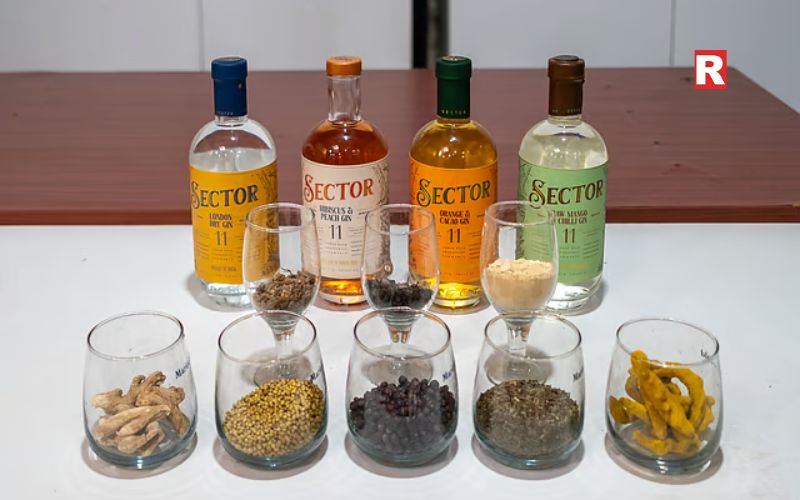
Gin was once a side category. Now it often has its own section. Craft gin has changed the game. Indian brands such as Greater Than and Hapusa are featured prominently. International labels like Bombay Sapphire still have presence, but they share space with Indian botanical-driven expressions. Menus now describe botanicals. They mention Himalayan juniper. They suggest garnish pairings. Some even recommend tonic styles. This shift reflects a deeper behavioural change. Consumers are drinking for flavour and experience, not just alcohol strength. Gin fits well into cocktail culture. It allows creativity. It supports premium pricing. For bars, gin-based cocktails often have high margins. The base spirit cost is controlled. The perceived value is high. Menu placement of gin cocktails is strategic. Many are designed as “Stars” in the menu engineering matrix. High popularity. High profitability.
Cocktail Menus Are Strategic Documents
Modern cocktail menus are carefully engineered. They are not random lists. Restaurants now apply menu engineering theory. Drinks are classified into four categories: Stars, Plowhorses, Puzzles, and Dogs. High-margin, high-popularity drinks are placed prominently. Lower-margin drinks are redesigned or repositioned.
You will notice storytelling. Ingredients are sourced locally. Techniques like barrel ageing, fat washing, or smoking are mentioned. These terms increase perceived value. They justify premium pricing. The layout also matters. Eye-tracking studies show customers focus on the top-right section of a menu. That is where many restaurants place their most profitable cocktails. This technical approach reflects maturity in India’s on-premise alcohol business. Operators are thinking like analysts, not just hosts.
Low-ABV and Zero Alcohol Are Growing
A clear shift is visible in the rise of low-ABV and zero-alcohol options across urban restaurant menus. Mocktails are no longer fillers. Many outlets now dedicate full sections to zero-proof drinks. Premium properties list non-alcoholic beers such as Heineken 0.0 alongside regular imports. Some bars even stock alcohol-free spirits. This change reflects growing health awareness and moderation trends. Gen Z consumers prefer social experiences over heavy drinking. Corporate dining adds further demand, as not every guest opts for alcohol. For operators, this is not just about inclusivity. It is a margin play. Zero-proof cocktails often deliver strong contribution margins due to lower input costs and stable pricing. Menu engineering supports their strategic placement in high-visibility zones. Restaurants are using these sections to increase beverage capture rate per table. The menu signals behavioural change well before retail data confirms it.
Know more: Radico Khaitan Brings Kohinoor Reserve Dark Rum
Zero-Alcohol Shift: Business Snapshot
Factor | Traditional Alcohol | Zero-Proof Options |
|---|---|---|
Consumer Driver | Occasion drinking | Health & moderation |
Target Group | Core drinkers | Gen Z, corporates, mixed groups |
Ingredient Cost | High (imported spirits) | Moderate to low |
Selling Price | Premium | Near-premium |
Margin Potential | Strong | Often higher % margin |
Menu Strategy | Category-based listing | Dedicated zero-proof section |
Craft and Regional Beers Are Expanding
Beer menus have evolved too. Earlier, most restaurants listed a few standard lager brands. Today, you may see IPAs, wheat beers, and seasonal brews. Indian brands like Bira 91 have helped create demand for flavour-led beer options. Microbreweries in cities like Bengaluru and Pune have trained consumers to expect variety. As a result, restaurants are expanding SKUs.
Draft beer deserves attention from a technical angle. It often delivers better margins than bottled formats. Keg pricing and portion control help improve profitability. Restaurants highlight draft options prominently because they support repeat orders. Again, the menu shows what consumers are asking for. More flavour. More choice. More experimentation.
Pricing Psychology Is Smarter
Modern alcohol menus are built with a sharp pricing strategy. Restaurants apply behavioural economics to improve beverage revenue and average ticket size. Tasting flights are now common. A three-sample whisky flight lowers the entry barrier for premium labels. Guests experiment without committing to a full peg. Trial often converts into upgrades. Anchoring is another strong tool. A high-priced bottle placed at the top sets a psychological benchmark. Mid-range options then appear more reasonable. Descriptive cues also matter. Terms such as limited release, reserve, and small batch increase perceived rarity. This supports premium pricing without resistance. Structured layouts guide the eye toward high-margin categories. For operators, this is not design. It is revenue management. Menu engineering ensures profitable SKUs receive prime placement. Restaurants today shape decisions. They do not wait for them.
Key Pricing Strategies Used on Modern Alcohol Menus:
- Tasting flights to increase premium trial
- Anchor pricing with ultra-premium bottles
- Strategic placement of high-margin SKUs
- Descriptive premium cues to boost perceived value
- Tiered pricing ladders to encourage trade-up
- Structured layouts based on menu engineering principles
Inclusion and Cultural Shift
Language on menus has changed too. The concept of “ladies drinks” is disappearing. Cocktail names are becoming gender-neutral. Fruit-forward drinks are no longer positioned as feminine.
This shift reflects broader social change. More women are drinking in urban India. Mixed groups are common. Restaurants are adapting their tone and presentation. Menus now reflect inclusivity. That is a strong cultural signal.
Also check: How to Pair Beer with Indian Food: A Desi Guide to Perfect Pints
Top Flavoured Rum Brands in India to Try This Growing Winter
The Road Ahead!
For alcohol brands, restaurant menus are testing grounds. If a product gains traction on-premise, retail expansion becomes easier. For restaurateurs, menus are profit tools. Proper SKU selection, pricing, and placement can significantly improve gross margins. For marketers and analysts, menus provide early signals. When Indian single malts gain full pages. When gin triples in SKU count. When zero-proof sections expand. These are not random changes. They indicate long-term shifts. India remains one of the fastest-growing alcohol markets globally. But growth is not only about volume. It is about value. It is about premiumisation. It is about moderation. It is about experience. Restaurant menus capture all of this in real time. They are not static lists. They are behavioural reports. They show what India is drinking today. More importantly, they hint at what India will drink tomorrow.
Saptopriya Ghosal
Feature Writer
I am a dedicated media professional with a bachelor's degree in mass communication from the State University of Calcutta and a postgraduate degree from Amity University. My academic journey has equipped me with a profound understanding of storytelling and communication. Passionate about the dynamic world of media, I continually strive to explore new ways to engage and inform through compelling narratives.



































































