Understanding Joint Ownership in the Restaurant Industry
In the ever-changing and demanding sector of the restaurant business, the idea of sharing responsibilities and workload can be quite appealing. Many aspiring restaurateurs start their journey with a partner. Joint ownership is a model that is both common and often successful.

Partnership in businesses is not a new thing. This also applies to the restaurant business. In the ever-changing and demanding sector of the restaurant business, the idea of sharing responsibilities and workload can be quite appealing. Many aspiring restaurateurs start their journey with a partner. Joint ownership is a model that is both common and often successful. It combines different abilities, pooled resources, and a shared love of food and hospitality into one. However, every partnership, like a great dish, requires a lot of communication, a clear plan, and the correct combination of ingredients to work. Without a strong foundation, a collaboration that starts with great intentions may rapidly turn into a point of dispute, endangering the business as well as the partnership.
This article will delve into understanding what joint ownership actually means in the restaurant industry. We'll look at the main factors that influence partners' decisions, the important legal frameworks that support them, the typical problems they run into, and a workable plan for establishing a fruitful and long-lasting joint venture. These guidelines are universal and crucial for anyone thinking about a joint venture.
Read more: A Beginner’s Guide to Pairing Food with Whisky
The Appeal of Joint Ownership
Restaurateurs who decide to start a restaurant with a partner or partners do so for a number of strong reasons.
- Shared Financial Burden: It takes a lot of money to open a restaurant. Funds can be combined through a partnership, which makes it simpler to obtain an initial commitment, pay for ongoing expenses, and control financial risk. Additionally, it may provide access to a larger group of possible lenders and investors.
- Complementary Skill Sets: The restaurant industry is complex, needing knowledge in a variety of fields, from marketing, finance, and customer service to culinary arts and kitchen management. Diverse skills can be combined through collaboration. A well-rounded and successful management team can be produced, for instance, if one partner is a gifted chef and the other is an expert in marketing and business administration.
- Shared Workload and Accountability: Operating a restaurant comes with a lot of responsibilities, including long hours and ongoing stress. By allowing for the division of labor, a partnership makes sure that no one person is overburdened. Because both partners have a stake in the company's success, it also promotes a sense of shared accountability.
- Inbuilt Support System: Being an entrepreneur can have a big emotional and psychological cost. Sharing accomplishments, overcoming obstacles, and encouraging one another during difficult times are all made easier when you have a partner.
Know more: Marketing The Gen Z Way For Your Restaurant
Types of Joint Ownership
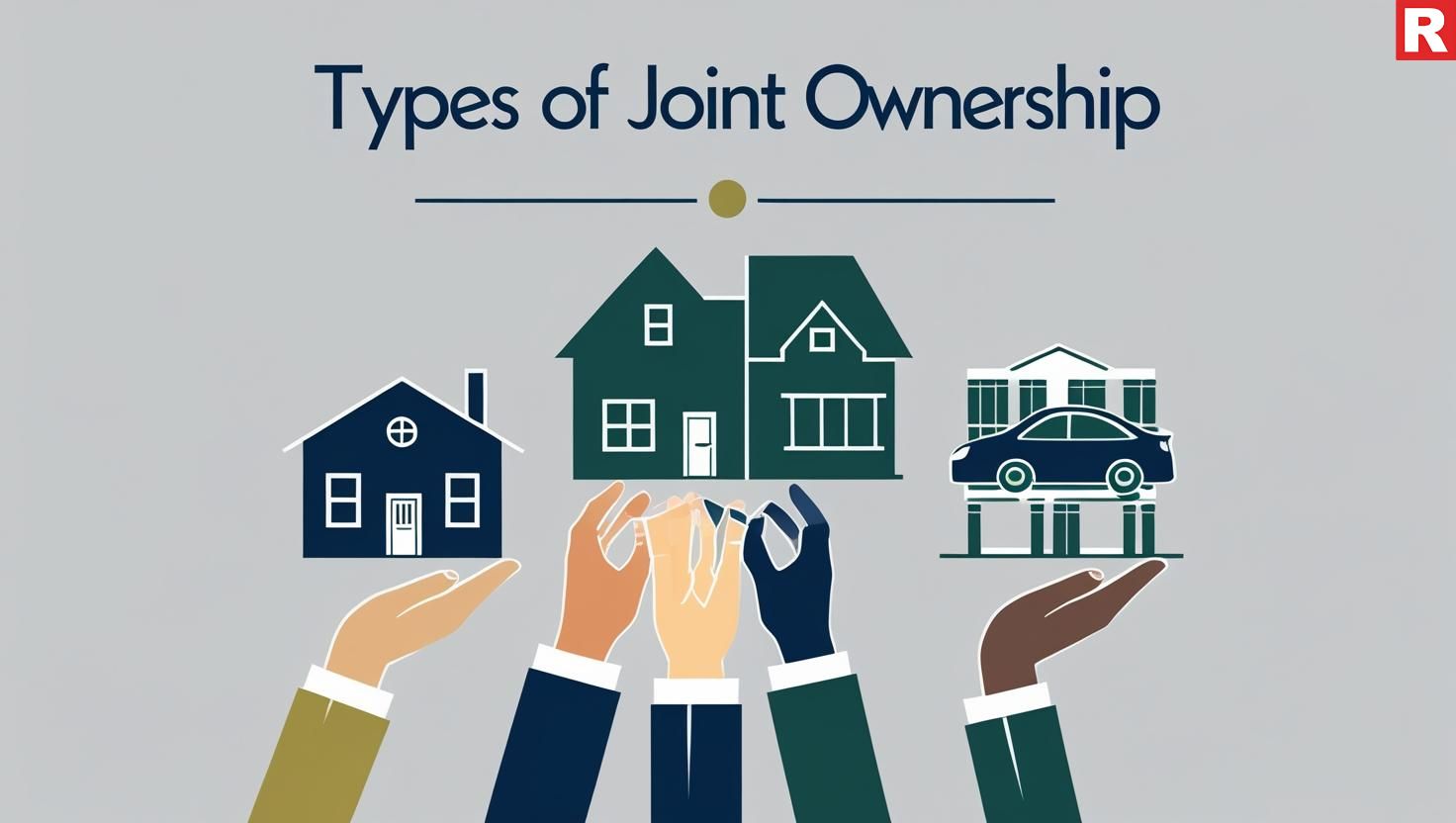
The most important step in a joint ownership business is selecting the appropriate legal structure. The decision affects everything, including taxation and personal liability, as well as the simplicity of capital raising and dispute resolution.
Partnership Firm: A typical and simple structure is the partnership firm. A partnership deed governs the relationship between partners, who agree to split earnings and losses. The rules of the partnership, including duties and obligations, capital contributions, profit-sharing ratios, and conflict resolution procedures, are outlined in this legally binding deed. A thorough and well-written deed is essential to preventing future disputes. One major disadvantage is that partners' personal assets may be at stake if the business fails due to their limitless personal liability.
Limited Liability Partnership (LLP): An LLP provides the benefits of a partnership while giving limited liability protection to the partners. This implies that a partner's private assets are typically shielded from the obligations and liabilities of the company. It is a more formal structure rather than a partnership firm. Therefore, it is seen as a popular choice for new ventures due to the balance between flexibility and legal protection.
Private Limited Company: A private limited company is a more complex and formal form of organization. The partners are shareholders in the restaurant, which is registered as an independent legal entity. Because the shareholders' liability is limited to the amount they invested in the business, this structure offers the highest level of liability protection. It also enables capital raising through issuing shares. For those with long-term expansion ambitions and the goal of opening a chain of restaurants, it is frequently the best option, even though it requires more paperwork and has a higher setup cost.
Crucial Elements of a Partnership Agreement (Deed):
No matter how it is structured legally, a formal agreement cannot be negotiated. The document ought to include:
- Capital Contributions: Each partner's share of funds, property, or services.
- Roles and Responsibilities: Each partner's daily responsibilities and areas of power should be clearly defined in terms of roles and responsibilities (e.g., one partner oversees the kitchen, the other handles marketing).
- Profit and Loss Distribution: The agreed-upon ratio for sharing profits and losses is known as the profit and loss distribution.
- Authority for Making Decisions: The process by which important choices will be decided (e.g., a simple majority or a unanimous vote).
- Dispute Resolution: A defined procedure, such as mediation or hearings, for resolving conflicts.
- Exit Strategy: What happens (e.g., buy-out clause, value technique) if a partner wishes to quit the business for good?
What's new: How to Keep Track of Daily Restaurant Tasks
How to Enter a Joint Ownership
- Seek a Partner with Similar Skills: Seek out a person whose knowledge complements yours. If you're a gifted chef, for instance, look for a partner who has experience in financial management, marketing, or business.
- Make a business plan: Create a thorough business plan that describes your target market, financial forecasts, operational strategy, and common vision and goals. Your road map will be this paper.
- Select a Legal Structure: To choose the ideal legal structure for your partnership, speak with a financial and legal counsel. The three most popular choices are a Private Limited Company, Limited Liability Partnership (LLP), or Partnership Firm. This choice affects management, taxation, and liability.
- Draft a Partnership Agreement: The first and most important stage is to draft a partnership agreement. A thorough partnership deed that outlines each partner's obligations, capital contributions, decision-making process, profit-sharing ratio, and exit strategy must be drafted by an attorney. Future disputes will be avoided thanks to this paper.
- Obtain Funding and Register the Business: After the legal framework is established, you may move ahead and obtain the money you need, whether from investors, loans, or personal savings, and finish formally registering your business with the appropriate government agencies.
Check out: Your Guide to Influencer Marketing in Restaurants
The Ultimate Guide to Food Photography for Indian Restaurants
The Challenges That Can Arise
Although a partnership has numerous benefits, there are drawbacks as well. Overcoming these obstacles requires early action and open communication.
- Conflict & Disagreements: There will inevitably be disagreements. They may result from disagreements about daily operations, personnel management, financial choices, or even menu modifications. These disputes have the potential to worsen and hurt the company if there is no established dispute resolution procedure.
- Imperfect Roles: Improper explanations of roles and duties can result in misunderstandings, duplication of labor, and a lack of accountability. Resentment may result from one partner feeling like they are putting forth all the effort.
- Financial Differences: Conflicts about money can arise from a variety of sources. Disagreements may arise from differences in capital contributions, different spending opinions, or unclear accounting practices.
- Unequal Commitment and Effort: For personal or professional reasons, a partner's level of commitment and effort may fluctuate over time. A sense of unfairness and imbalance may result from this, which could strain the partnership.
Read this: How to Shield Your Restaurant Business from Failing
A Recipe for a Successful Partnership: Best Practices

Use these important strategies to make sure your joint ownership business succeeds.
- Select the Correct Partner: Don't simply choose a friend or relative as your partner. Select a companion who shares your personality and skill set. Seek out someone who is dedicated to open and honest communication, has a strong work ethic, and shares your goal.
- Communicate, Communicate, Communicate: Frequent, well-organized meetings are crucial. Every week, set aside time to talk about finances, operations, and any problems that have come up. Before issues worsen and expand, deal with them directly.
- Clearly Define Roles: Make a thorough list of who is in charge of what right away. Write it down and consult it frequently. This keeps miscommunications at bay and guarantees that each partner has a feeling of direction and responsibility.
- Maintain Financial Transparency: Use an open and transparent accounting system to maintain financial transparency. Financial data should be fully accessible to both partners. Every significant financial choice should be addressed and decided upon by both parties.
- Hope for the Best, Prepare for the Worst: Talk about and record the outcomes of a "what if" scenario. What happens if one partner wishes to depart? What if there is a significant difference of opinion? Protecting the company and each partner's personal assets requires a well-thought-out exit strategy.
- Concentrate on the Common Goal: Recall the common goal and passion that united you when times were difficult. You can resolve conflicts and keep your restaurant on course by maintaining a shared focus on its long-term objectives and core values.
Conclusion
In the restaurant business, joint ownership is an effective strategy for success, but it takes more than simply a love of food. It requires a well-designed legal structure, open and honest communication, roles that are well-defined roles, and an up-front approach to problem-solving. You may build an excellent business that also serves as a testament to the power and endurance of a shared vision by selecting the proper partner, putting in place a strong legal foundation with a thorough partnership deed, and adhering to best practices. Aspiring restaurateurs throughout India may find that a fruitful collaboration is essential to transforming a common vision into a prosperous reality.
Mahak Sharma
Content Writer
Mahak Sharma is a passionate content writer with 2 years of experience crafting compelling content across various niches, tailoring her writing to suit different audiences and platforms. She is dedicated to producing engaging content for readers so that they can understand and enjoy the articles. Her strengths lie in crafting SEO-friendly, well-structured articles that drive visibility and engagement.