How much does it cost to Franchise a Restaurant?
Franchising a restaurant is a good way to enter the food industry if you’re thinking about entering, unlike starting a restaurant from scratch. Starting a franchise restaurant gives automatic brand value.


Franchising a restaurant is a good way to enter the food industry if you’re thinking about entering, unlike starting a restaurant from scratch. Starting a franchise restaurant gives automatic brand value. Also, the brands provide support for starting their franchise. But starting a franchise is not easy. Firstly, you must know the basics of a franchise. Also, knowing the details of the brand you want to open a franchise for and knowing about the market and food industry is necessary. However, the most important thing you need to know about is how much it costs to open a franchise restaurant.
In this article, we will be discussing how much it costs to open a franchise restaurant, including initial fees, ongoing expenses, and real-life examples. Whether you are going to start a fast food, fine dining, or even a coffee brand franchise, you’ll be able to understand the financial requirements and make a decision based on them.
What is a restaurant franchise?
A restaurant franchise is a business model where the right to open a branch of the brand’s restaurant is given to the person who pays a royalty for it. The person who gets the rights under their name is called the ‘franchisee,’ and the brand that gives the franchise is called the ‘franchisor.’ In simple words, “A franchise is a restaurant that is in a special location affiliated with its parent brand.” However, just getting the rights to the franchise doesn’t mean that you own that branch now. You do not have the autonomy to make independent big decisions. These are all taken care of from the main branch. However, the main branch also provides support and training to employees.
Read now: 5 Best Restaurants in Delhi/NCR for Birthday Party Celebration
Why franchise a restaurant?
Here are some reasons entrepreneurs choose restaurant franchising:
- Brand recognition: Instant credibility and a customer base
- Training and support: Operational and managerial guidance
- Marketing resources: National campaigns and materials
- Faster ROI: Many franchises become profitable more quickly
But all of these advantages come at a price, which brings us to the core question…
Key Costs of Franchising a Restaurant
The cost to open a restaurant franchise varies widely based on the brand, location, and business model. However, the main costs generally include
- Franchise Fee
- Initial Investment (build-out, equipment, signage)
- Royalties
- Marketing/Advertising Fees
- Working Capital
- Training Costs
Let's take a look at all these costs in further detail.
Read now: Ice Cream Prices to Become Hot this Summer
Breakdown of Startup Costs

Franchise Fee
The franchise fee is the one-time payment made to the franchisor to get the right to use the brand and its business system. The range of this one-time payment can differ from ₹2 lakh to even ₹50 lakhs. High-end brands like McDonald’s have a brand value of around ₹10 crores. Also, this fee is non-refundable and separate from other costs.
Setup and Infrastructure Costs
The setup of the restaurant includes rent of the location, interior design and furniture, kitchen equipment, and staff training. The range for setup and infrastructure is around ₹10 lakhs to ₹1 crore+, depending on the location and store size.
Staffing and Training
This is usually covered by the franchisor; however, training the staff can cost around ₹2-₹10 lakhs for 3-6 months. This amount includes the salaries, uniforms, and training of the staff.
Marketing and Advertising
Franchisees typically contribute to a brand-wide advertising fund and local promotions. The range for local marketing is to be around ₹50,000 - ₹2 lakhs. And sometimes the franchisors require the franchisees to pay a sum for a nationwide ad. This is usually 2 to 5% of monthly revenue.
Working Capital
Working capital is the funds required to sustain daily operations and short-term obligations. The range for this is around ₹5 lakhs to ₹20 lakhs.
Royalties
The franchisee also needs to pay a royalty fee to the franchisor. This is typically calculated by the gross sales of a specific time period, like a month or a year. The typical rate of it can vary from 4% to 10% of gross sales. The brand's popularity and scale also have an impact on deciding the rate.
Renewal Fees
Some franchises charge a fee when renewing the franchise agreement, typically every 5–10 years. The average renewal fees typically range from 1% to 10% of annual sales or a fixed fee.
Specific Restaurant Types and Costs:
- Fast-food outlets can start from ₹15-50 lakhs.
- Casual dining restaurants can typically range from ₹2 to 5 crore.
- Bars can range from ₹2 to 5 crore.
- Smaller outlets (QSRs) may require ₹15,00,000 to ₹30,00,000 for a 100-500 sq ft space.
- Larger casual dining outlets could cost ₹45,00,000 to ₹1 crore for a 1000-2000 sq ft space.
Read now: 5 Best Restaurants in Delhi/NCR for Birthday Party Celebration
Factors Affecting Cost:
- Brand Reputation: Brands with a higher reputation, like McDonald’s, may have higher franchise fees and royalty rates.
- Location: Location can also have a big impact on the cost of opening a franchise. The cost for rent and property taxes can vary from location to location.
- Size and Layout: Larger restaurants, like dining outlets that have more fancy or elaborate interiors, are more expensive to set up.
- Equipment and Technology: The type of equipment for the franchise also affects the overall cost. The quality of kitchen equipment and technology will impact costs.
- Marketing and Advertising: If the restaurant is new, then it needs to be properly advertised so that it gains the attention of the people. Also, the marketing strategy of the main branch also affects the cost, as it might also include marketing costs. Depending on this, the amount spent on marketing and advertising can vary significantly.
- Legal & Regulatory Compliance: Things like licensing, GST registration, FSSAI certification, and fire safety measures may incur added costs.
Hidden and Recurring Costs to Consider
Beyond the initial investment, several ongoing and sometimes overlooked costs can impact profitability:
- Inventory and perishables
- Electricity and water bills
- Maintenance and repair
- Digital tools and POS subscriptions
- Marketing and promotions
- Insurance (fire, liability, etc.)
Cost Examples of Popular Restaurant Franchises in India (2025)
| Brand | Franchise Fee | Total Investment | Royalty |
|---|---|---|---|
| Subway | ₹6.5–8.5 lakhs | ₹40–₹60 lakhs | 8% |
| Domino’s | ₹30 lakhs+ | ₹50–₹70 lakhs | 5.5% |
| KFC | ₹35–₹50 lakhs | ₹1–₹2 crores | 6% |
| Barista | ₹5 lakhs | ₹30–₹50 lakhs | 8% |
| Baskin-Robbins | ₹4 lakhs | ₹10–₹25 lakhs | 5–6% |
| WOW! Momo | ₹6–₹8 lakhs | ₹25–₹40 lakhs | 7–8% |
| Haldiram’s | ₹30–₹50 lakhs | ₹1–₹2 crores+ | Negotiable |
Note: These are approximate costs. Actual investment may vary based on city, outlet format, and negotiation.
Know this: 17 Restaurant Sauces Explained: A Delicious Guide for Food Lovers
Types of Restaurant Franchises in India
There are
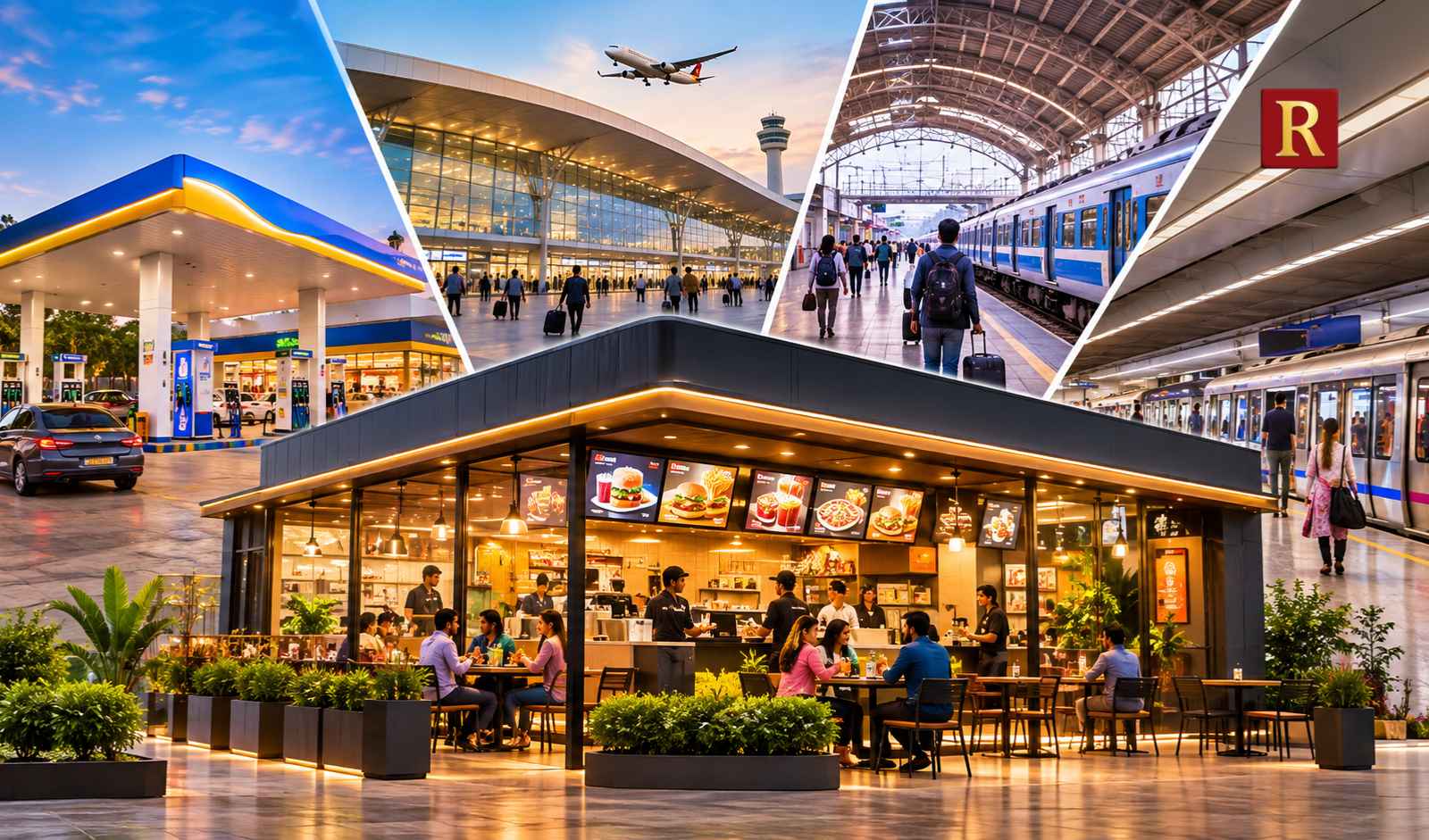
- Quick Service Restaurants (QSRs): Fast food chain restaurants come under this category. Fast food outlets like Domino’s, McDonald’s, and Subway typically require medium to high investment. But these franchises are also popular, so the chance of getting more revenue is higher. Also, these restaurants are very popular, so the cost of marketing can be lower.
- Casual Dining Restaurants (CDRs): These dining outlets are moderately priced. Restaurants such as Barbeque Nation or Mainland China come under this category.
- Fine Dining Restaurants: High-end luxury restaurants are under this section. These outlets are generally found in metro cities or high-income zones. To open a franchise, one might need a good amount of money. Also, the rent for these might be high, as these are in metropolitan areas.
- Cloud Kitchens: These are delivery-only models that require no dine-in space and offer a low-cost entry point.
- Cafés and Coffee Shops: This category includes brands like Café Coffee Day, Starbucks (license model), and The Belgian Waffle Co.
Know more: Fine Dining Plating: 12 Essentials That Elevate Every Dish
Is Franchising a Restaurant in India Profitable?
Franchising a restaurant in India can be highly profitable if planned properly. The first advantage would be to purchase the rights of a famous and reputable brand like Starbucks that everyone knows. The second thing to keep in mind is the location. One should choose a good location strategically. Areas with crowds and tourist locations are a good place to start. Margins typically range from 15% to 25%, depending on the concept and location. However, success is not guaranteed. Proper management, consistent quality, hygiene, customer service, and marketing are all critical for sustainable profitability.
Some advantages include
- Reduced risk due to brand recognition
- Access to training and support
- Established supplier network
- Faster customer acquisition
Conclusion
Franchising a restaurant in India is a good and promising opportunity that requires careful planning, financially and brand selection. So, while considering starting a franchise, carefully consider all your options and make a good choice. Costs can range from ₹10 lakhs to over ₹2 crores, depending on the concept and brand.
If you're new to the F&B industry, starting with a low-to-mid-investment QSR or cloud kitchen might be a wise choice. For seasoned investors, casual or fine dining offers greater revenue potential but comes with higher risks and responsibilities.
Before investing, make sure to:
- Analyze the franchise agreement carefully
- Visit existing outlets and speak to current franchisees
- Prepare a realistic ROI and break-even plan
- Understand your responsibilities as a franchisee
With the right approach, franchising a restaurant in India can be both profitable and fulfilling.
Mahak Sharma
Content Writer
Mahak Sharma is a passionate content writer with 2 years of experience crafting compelling content across various niches, tailoring her writing to suit different audiences and platforms. She is dedicated to producing engaging content for readers so that they can understand and enjoy the articles. Her strengths lie in crafting SEO-friendly, well-structured articles that drive visibility and engagement.