Tossing the Biz: What’s pushing the Growth of Pan-Asian Restaurants in India
The Asian food market is expected to expand at a compound annual growth rate (CAGR) of 7.20% between 2024 and 2032, from USD 165.9 billion in 2024 to USD 269.9 billion by 2032.


Indians have an intense love for food, mostly because there are so many different regional cuisines and cooking styles in the country. Although we are quite proud of our regional delicacies, we also fully support the growing trend of our taste for flavors and cuisines from throughout the world. Numerous restaurants offer authentic Italian, Mexican, and Continental foods that can be found across the country, and recently, there has been a growing love with pan-Asian cuisine. This year has seen a steady rise in the number of pan-Asian restaurants in India, as new businesses continue to open in this vibrant culinary scene, contributing to the industry's significant expansion, which brings up the question of how we got here.
Rise in Demand in this Segment
The Asian food market is expected to expand at a compound annual growth rate (CAGR) of 7.20% between 2024 and 2032, from USD 165.9 billion in 2024 to USD 269.9 billion by 2032.
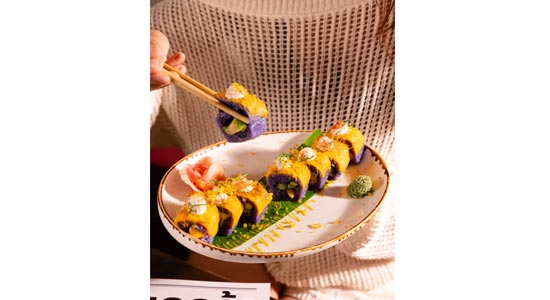
“Pan Asian restaurants have increased over the years by upgrading through modern trends and its demand in the market. People have customized old methods with new to keep them trending. At Conrad Pune, we pride ourselves on offering a truly unique culinary experience that reflects the rich tapestry of global flavors. Our Pan Asian restaurant, ‘Koji’ serves the best of Japanese, Chinese, and Thai cuisine, brought to life by the renowned Japanese interior design company Spin,” explained Chef Pradeep Rao, Executive Chef, Conrad, Pune who highlighted that with a stunning live kitchen, an extensive sushi bar, and a dedicated private dining area featuring a teppan grill, Koji is a feast for the senses.
Explaining about his point of view, Vishwesh Ramesh, F&B Manger, Kokoon, Bangalore said, “The rise of cloud kitchens post-COVID made pan-Asian food more accessible, while social media and food influencers popularized diverse Asian flavors. Today, Pan-Asian cuisine is a trendy and integral part of India's urban dining culture. Kokoon strives to be the go-to Asian destination for people that visit Nandi Hills. We are focusing on becoming a well-known player in the forms of tech driver convenience, warm and cozy corner with food that feels like a warm hug. Ingredient sourcing sometimes be a little daunting but for the most everything you need is available in India,” who stated that skilled labor is definitely a challenge as trained resources are hard to find as this is a specialized skill.
Sourcing the Right Ingredients
While, Hitesh Rai, Executive Chef, The St Regis Goa Resort pointed that “In Riverside – our Pan Asian restaurant, we constantly innovate, but without losing the essence of our cuisine. By listening to customer feedback, sourcing the best ingredients, and offering something unique, we create a dining experience that keeps people coming back, even with so many choices out there. The challenges in this segment include maintaining authenticity while catering to local tastes, sourcing high-quality and sometimes hard-to-find ingredients, and standing out in a highly competitive market. Surviving in a competitive market comes down to staying true to our core values—consistent quality, authentic flavors, and a focus on customer experience.”
Focusing on growth perspective, he added, “Educating customers about the nuances of the cuisine is another hurdle. However, the growth potential is significant, driven by increasing openness to diverse flavors, the influence of global food trends, and the rising demand for healthier, fusion-inspired dining options.”
The Foreseen Challenges
Alisha Mehra, Chef & Co-Founder, Niko - Modern Asian, New Delhi highlighted about the challenges and growth in this sector. She said, “There is space in the market for a multitude of players. F&B sector gives us new challenges daily, once you come to grips with one a new one. The biggest challenge one can face is giving the guest a consistent product every time. A lot of training with chefs and front of house is done to achieve this. There is great growth potential for any restaurant if they are successful because restaurants are scalable.”
Expressing her views further, she added, “We think the average guest is very open to new experiences be it in the form of flavour but food is not the only thing that feeds them when they are out. They want ambiance, great drinks and service galore. Instagram is a huge influencer of people educating themselves on dishes and where to get them. We do see a lot more premium fast casual restaurants which are not Indianised and have an authentic feel coming up in the next few years. Young chefs are giving it a go and opening unassuming restaurants with great food.”
Highlighting the growth and challenges, Chef Krishna Tiwari, Executive Chef, Kyma, BKC, Mumbai, said, “Despite their growth, Pan-Asian restaurants face several challenges, including consistency in taste, plating, and service, as well as the need for high-quality ingredients, strategic location, and competitive pricing. Ingredient sourcing can be difficult, competition is fierce, and educating customers about authentic flavors remains a significant hurdle. To maintain the authenticity of a dish, some Pan-Asian restaurants face the dilemma of balancing tradition with local preferences. Many choose to Indianize their menus by adjusting spice levels or substituting hard-to-source ingredients to suit the local palate, while still trying to retain the essence of the original flavors” who analyzed that as the sector grows, Pan-Asian restaurants that innovate while staying true to their culinary roots will be well-positioned for success.
Vijetha Iyer
Content Editor
Working as a Content Editor with Restaurant India. I have worked in various sectors like food and beverage sector, chemicals, pharma, nutraceuticals, now specially focusing on restaurant side. But my core knowledge was always on content. Be it writing poems to verses, I always loved writing and have been exploring my career on the same. In Restaurant India, I deliver insightful stories, take interviews of various brands and update the audiences about the newest happenings in the restaurant industry.