
Top 7 Tips for Efficient Energy Management in A Restaurant Kitchen
One of the most energy-intensive spaces in any business is the commercial kitchen of a restaurant. Its energy costs can even account for a big portion of the restaurant’s total expenses.

Every step is crucial in the fast-paced world of commercial kitchens in India, and every detail counts. Whether it is the meticulous management of ingredients, labor, or plating by the chef and other staff members of the restaurants, every one of these factors is important. But there is one critical factor that escapes the list, and if it is not properly managed, it can even eat away at the bottom line of restaurant management. This factor is energy consumption. One of the most energy-intensive spaces in any business is the commercial kitchen of a restaurant. Its energy costs can even account for a big portion of the restaurant’s total expenses. Therefore, taking care of energy management in an effective way is no longer a second priority in the world of increased utility bills and growing environmental consciousness. It has become a necessity that should be taken care of in a strategic manner.
A restaurant can reduce its utility costs, increase efficiency in operations, and help create a more environmentally friendly future by putting smart practices and investments into place. The following article provides a road map for an eco-friendlier and more productive kitchen for Indian restaurants by describing the top 7 energy management methods.
Read more: How Health Regulations are Reshaping India's Dining Scene
Tip 1: Conduct a Comprehensive Energy Audit
If you don't measure something, then you can't manage it. A professional energy audit is the first and most important stage in an energy management plan. This thorough evaluation of your kitchen's energy use identifies areas of waste and areas with the biggest potential for savings.
A qualified auditor will examine every appliance, including your lighting and air conditioning, using advanced tools. They can identify problems such as outdated machinery, insufficient insulation, and ineffective operating procedures. A data-driven report with detailed improvement recommendations, ranging from minor adjustments to significant equipment changes, is provided by the audit. With the help of this crucial step, you can clearly see your energy conditions and choose investments to manage energy consumption that will maximize your return on investment (ROI).
Tip 2: Invest in High-Efficiency Kitchen Equipment
The appliances in your kitchen use the most energy. Make sure you always select high-efficiency models when it's time to upgrade or replace your equipment. They may cost more up front, but you'll save a lot of money on your electricity bill over time.
- Ovens and Fryers: High-efficiency, contemporary commercial ovens and fryers are made to use less energy while cooking food more quickly and consistently. This lowers your electricity usage while also improving food quality and cutting down on cooking time during busy times.
- Refrigerators and chillers: Your refrigerators and chillers must put in extra hours due to the temperature in India. Better insulation and more sophisticated compressors are used by high-efficiency units to maintain constant temperatures with less work.
- Tandoors and Gas Burners: Upgrade to more energy-efficient tandoors and gas burners. Modern models use less gas to provide the same amount of heat since they are built to use fuel more efficiently. This enhances the kitchen's atmosphere while also saving money.
Investing wisely in energy-efficient equipment is a long-term plan for a more successful business.
Know more: 5 Ways AI is Changing the Indian Restaurant Industry
Tip 3: Optimize Your HVAC and Ventilation Systems
Your kitchen exhaust hoods and HVAC (heating, ventilation, and air conditioning) systems are hidden energy wasters. In actuality, a significant amount of a kitchen's energy use can be attributed to ventilation alone.
- Install Smart Ventilation: Regardless of what is being cooked, typical ventilation hoods operate at a regular high speed. Modern demand-based ventilation systems save a significant amount of energy by automatically adjusting fan speed based on heat and smoke detected by sensors, whether it is smoke coming from the tandoor or the samosa fryer.
- Frequent Maintenance: Have your HVAC systems serviced regularly and keep your ventilation filters clean. Filters that are clogged make the system work harder, which uses more energy and may cause malfunctions.
- Separate Kitchen and Dining HVAC: The same HVAC system that regulates the dining area shouldn't be used to cool the high heat from the kitchen. Your air conditioner won't overwork to make up for kitchen heat if each room has its own thermostat and ventilation system, which will increase both energy efficiency and customer comfort.
Tip 4: Implement Smart Lighting and Appliance Controls
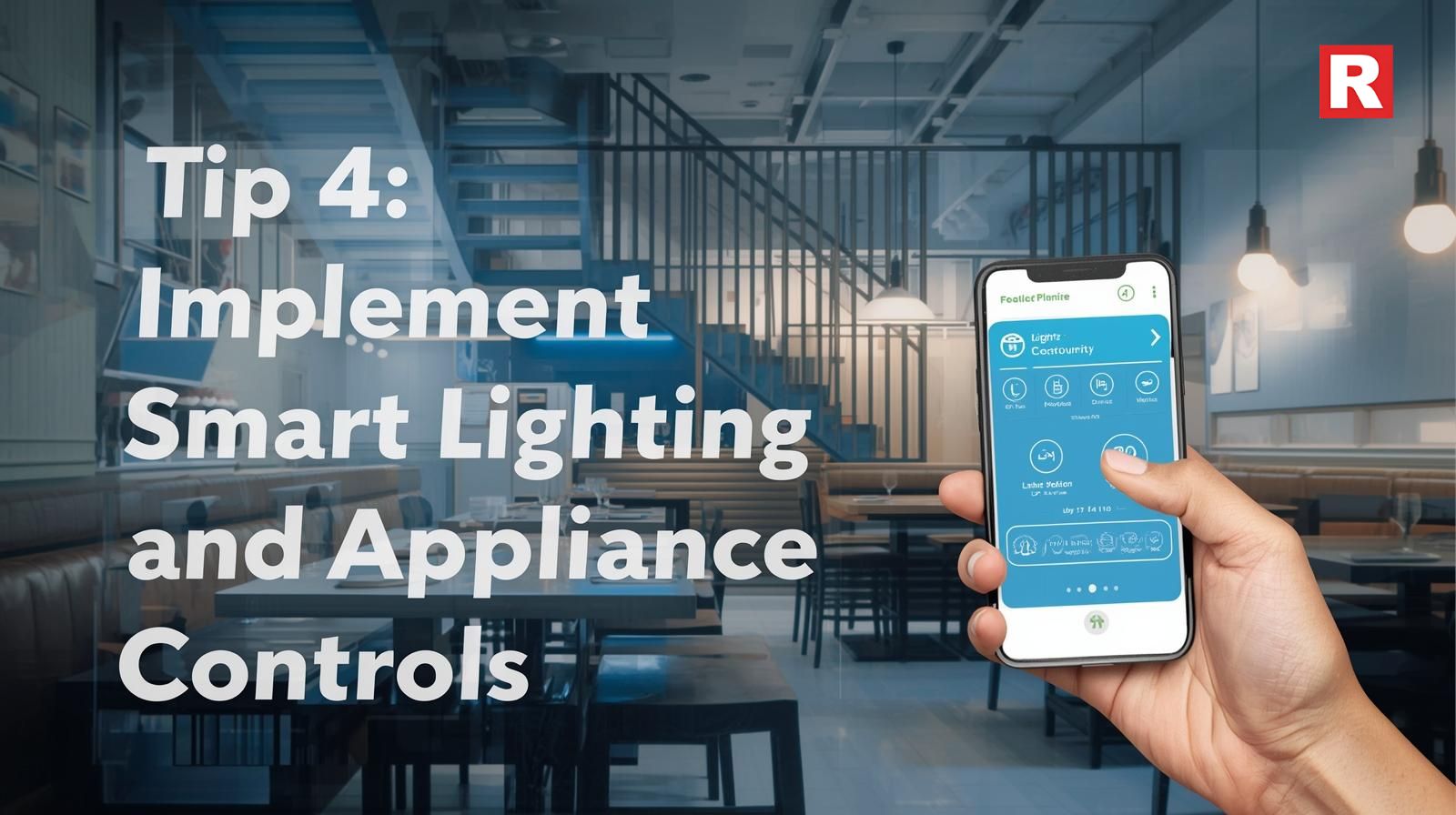
This includes all small appliances and lighting. Their energy footprint can be greatly reduced with a few easy adjustments and clever controls.
- Make the Switch to LED Lighting: Install LED lighting in place of all regular light or fluorescent bulbs. The demand on your cooling systems is lessened by LEDs because they use up to 80% less energy, last up to 25 times longer, and generate very little heat.
- Use Timers and Motion Sensors: To make sure that lights are only turned on when a place is occupied, install motion sensors in toilets, walk-in coolers, and storage rooms. To automatically switch on and off outdoor lights and signs, use timers.
- Remove "Phantom" Power: Plugged-in but unused appliances, such as food processors and coffee makers, continue to use a tiny amount of electricity. When not in use, these devices can have their power automatically turned off by using smart power strips.
What's new: What are Food preservatives and how to identify them on labels in India
Tip 5: Practice Efficient Cooking and Operational Habits
Technology alone is not the answer; a smart kitchen staff is just as crucial. Educating your staff about energy conservation can result in significant cost savings.
- Preheat Wisely: Avoid preheating deep fryers or ovens too much. To save energy, wait until you're ready to utilize them.
- Keep Doors Closed: Teach your employees to keep the freezer and chiller doors securely closed. It costs you money every second the door is open during an Indian summer.
- Thaw Smarter: Encourage your team to thaw frozen food in the chiller overnight rather than in a microwave or under hot water. In addition to saving electricity, this is a safer way to handle food.
- Turn Off Equipment: The simplest tip is to turn off your equipment. Establish a rule that during slow times, appliances such as deep fryers, tandoors, and grills must be turned off.
Tip 6: Focus on Chiller and Freezer Maintenance
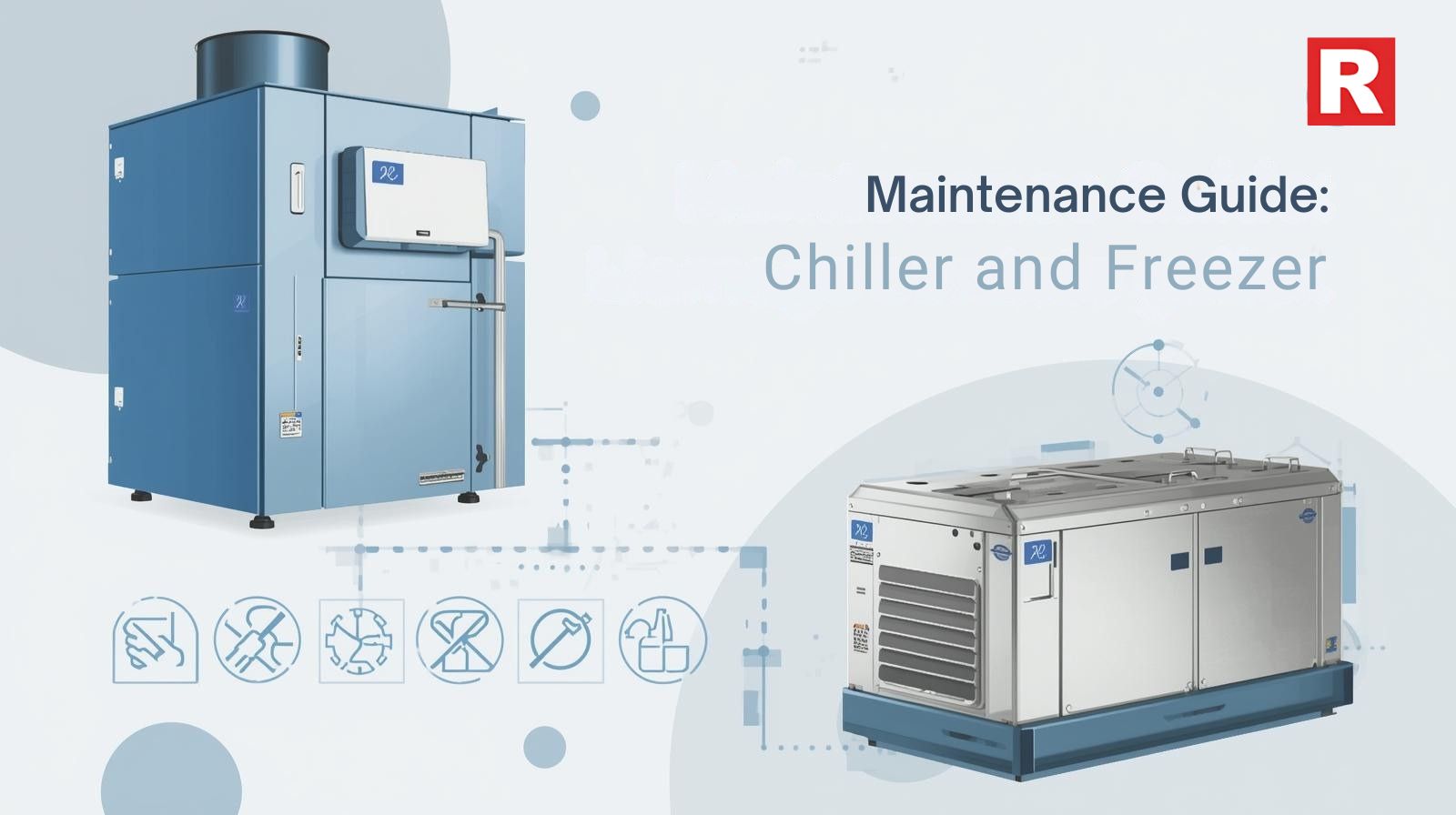
The kitchen's engines, such as your freezers and chillers, function continuously to maintain the freshness and safety of your food. The secret to their energy efficiency is proper maintenance.
- Clean Condenser Coils: Condenser coils should be kept clean since dirt, oil, and dust can build up on them and make the unit work harder. Up to 30% more efficiency can be achieved with routine cleaning (at least once per month).
- Examine Door Seals: Cold air might escape through worn-out or damaged door seals. To stop energy leaks, inspect all seals frequently and replace them as necessary.
- Ensure Proper Airflow: Make sure there is enough airflow by avoiding packing chillers too tightly or blocking vents. For the units to cool effectively and avoid overheating, proper ventilation is necessary.
Check out: The Comfort Revolution: How Home Cooking Can Save Your Restaurant
10 High-Protein, Low-Calorie Foods to Conquer Cravings
Tip 7: Manage Water and Wastewater Energy
Heating water for cooking and dishwashing uses a significant amount of energy. Saving a lot of money can be achieved by using less hot water.
- Install Low-Flow Nozzles: You can save a significant amount of energy and hundreds of liters of hot water by replacing the pre-rinse sprayers at your washing stations with low-flow models.
- Maintaining dishwashers: It involves making sure the nozzles are clear and that the machine is running at its most efficient setting. To get the most out of it, only execute it when it is completely loaded.
- Fix leaks: A single leaky hot water tap can waste a large amount of electricity and gallons of heated water over time. Leaks can be easily fixed to save money.
Harnessing Modern Technology for a Smarter Kitchen
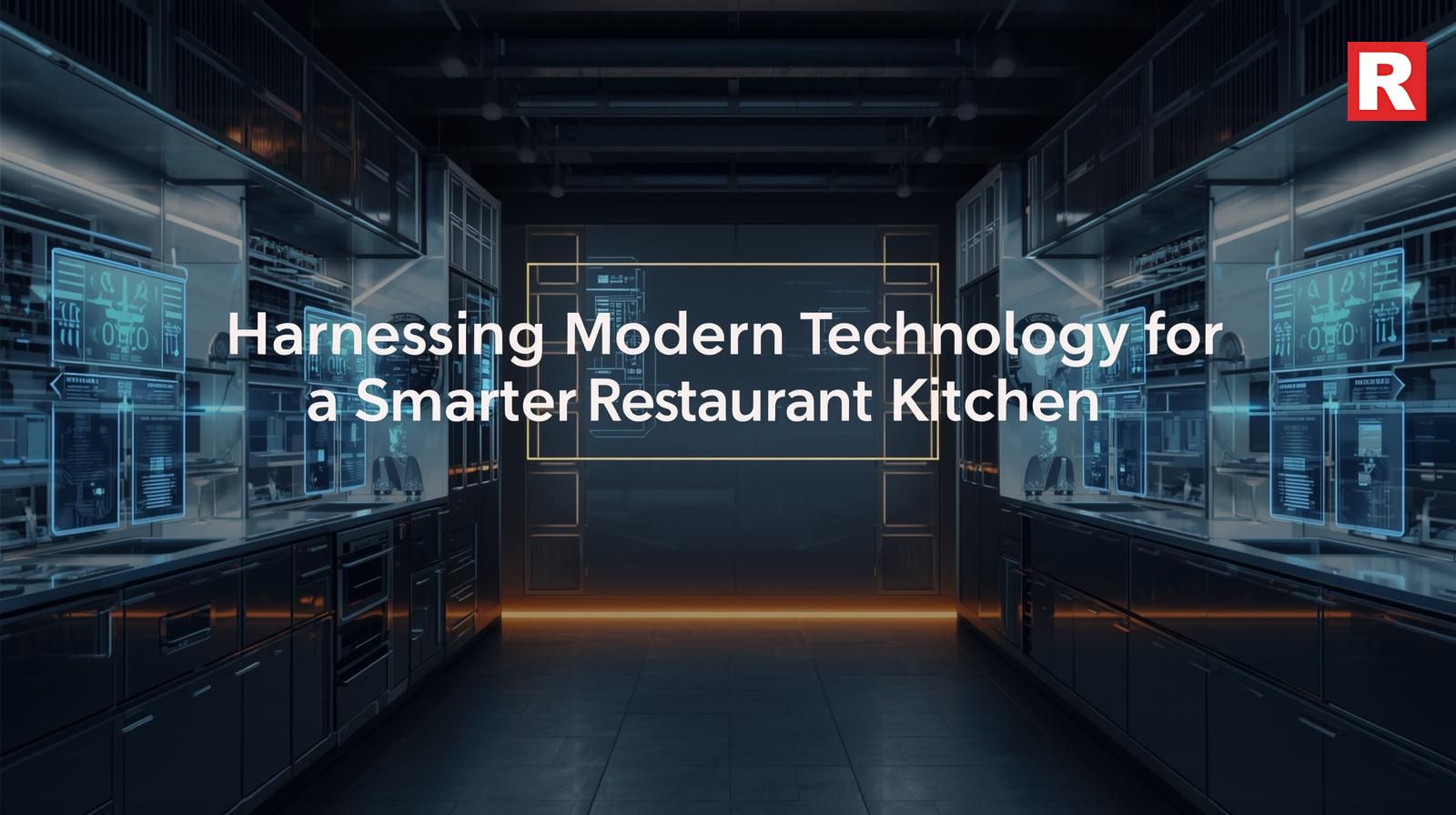
Simple habit modifications are important, but intelligent, data-driven solutions are what the restaurant business in India will need for energy management in the future. To increase the efficiency of their kitchens, restaurant owners are adopting technology instead of relying solely on do-it-yourself solutions. Real-time insights that were previously difficult to track are now possible thanks to these modern methods.
- Smart Metering: Installing smart electricity meters can provide you with a real-time picture of how much energy your kitchen uses. This enables you to determine precisely which appliances are driving up your bill during their busiest periods. This visibility is crucial for comparing branch-by-branch efficiency in a multi-outlet firm.
- AI-Powered Platforms: Data from kitchens is analyzed by artificial intelligence to produce schedules that are optimized. Your restaurant's busiest times can be learned by an AI system, which can then automatically modify the settings for your fryers, ovens, and chillers. In order to prevent peak-hour energy expenses, it can even recommend the most energy-efficient times for bulk preparation, such as when cooking dal or samosas.
- Remote Monitoring: Restaurant owners may remotely monitor and manage the energy consumption of their kitchens from any location using smart devices and smartphone apps. Did you forget to switch off the air conditioner or the lights when it was time to close? To avoid paying for energy waste when the restaurant is closed, you can now do it with a simple tap on your phone.
Read this: Chia Magic: Health Benefits & Endless Delicious Ways to Enjoy
Conclusion
For Indian restaurants, effective energy management is becoming a requirement rather than an option. A kitchen can drastically cut operating expenses by staying prepared, investing in smart technology, and encouraging an ecological mindset among staff. The advantages go well beyond financial gain; it lessens the restaurant's impact on the environment, improves the reputation of the brand, and develops a more viable business plan for a future with more competition.
Mahak Sharma
Content Writer
Mahak Sharma is a passionate content writer with 2 years of experience crafting compelling content across various niches, tailoring her writing to suit different audiences and platforms. She is dedicated to producing engaging content for readers so that they can understand and enjoy the articles. Her strengths lie in crafting SEO-friendly, well-structured articles that drive visibility and engagement.



































































