
Top 10 Qualities of A Successful Restaurateur
To be successful in the Indian restaurant industry, one needs a complex combination of dedication, enthusiasm, and an exceptional array of skills. It involves more than just cooking; it involves leadership, creativity, adaptation, and interpersonal connections.

The Indian restaurant industry is a thriving, intensely competitive, and immensely rewarding sector in India and around the world. The food scene of the country is as varied as the nation itself, ranging from busy street-side restaurants to fine dining venues with Michelin stars. However, in this colorful tapestry, some restaurateurs continually stand out from the others, turning their ideas into successful, well-liked dining establishments. What separates these people? Is it only a talent for delicious food or something deeper?
To be successful in the Indian restaurant industry, one needs a complex combination of dedication, enthusiasm, and an exceptional array of skills. It involves more than just cooking; it involves leadership, creativity, adaptation, and interpersonal connections. It is crucial for prospective restaurateurs or those seeking to improve their current businesses to have an understanding of these fundamental skills. This article explores the top ten essential characteristics of a genuinely successful Indian restaurant, providing guidance and motivation to overcome obstacles and take advantage of possibilities in this ever-changing sector.
Read more: The Critical Role of Kitchen Efficiency in Modern Restaurants
The Foundation: Core Business Judgement
A strong business structure is the foundation of any successful restaurant. A successful restaurateur knows that good business procedures are the foundation of sustainability and that excellent food isn't enough on its own.
1. Sharp Business & Financial Acumen

A successful Indian restaurateur has a strong grasp on statistics. They are skilled businesspeople as well as cooks and hosts. This means:
- Comprehending Profit and Loss (P&L) Statements: being aware of the precise location of money's inflow and outflow.
- Mastering Inventory & Cost Control: To keep food expenses under control, manage ingredients effectively, cut waste, and improve supplier relationships.
- Strategic Pricing: Setting menu prices strategically involves striking a balance between their perceived worth and profitability.
- Cash Flow Management: Maintaining steady cash flow to pay for operating costs and make growth investments.
- Data-Driven Decisions: Using market trends, sales data, and customer reviews to guide operational, marketing, and menu modifications.
This knowledge enables them to manage changes in the economy and guarantee the restaurant's long-term survival.
2. Unwavering Passion & Vision

Every successful restaurateur is driven by a profound, constant passion that extends beyond the operational charts and spreadsheets. It's a dedication to crafting a whole dining experience rather than only a passion for food.
- Clear Concept: They have a clear idea of what they want their restaurant to offer in terms of food, atmosphere, target market, and USP.
- Drive and Willpower: Working in the restaurant business is notoriously difficult. The strength required to overcome obstacles, adjust to emergencies, and endure long hours and taxing circumstances can be gained by determination.
- Inspiration: This enthusiasm spreads easily, motivating employees to give their best work and connecting with consumers to win their loyalty. It's about realizing a dream and keeping it going in the face of hardship.
Know more: The Importance of a High-Quality Knife Set For Restaurants
3. Strong Leadership & Team Management Skills

In a restaurant, the restaurateur is the conductor of a symphony of moving parts. A positive and productive work atmosphere is largely dependent on effective leadership.
- Inspiration & Motivation: They provide outstanding service and cooking expertise by motivating their staff, which includes both front-of-house and back-of-house staff.
- Effective Communication: Everyone is on the same page when there are clear instructions, open lines of communication, and transparent goals.
- Delegation: Knowing how to give employees responsibility to empower them.
- Conflict resolution: The art of effectively resolving conflicts and cultivating a friendly, cheerful workplace culture.
- Talent Retention: Establishing an atmosphere where employees feel appreciated, heard, and given growth chances is essential for talent retention in a field with a high employee turnover rate.
The Culinary Edge: Product & Innovation
In the end, the food and beverages are the main attractions. Successful Indian restaurateurs have a forward-thinking mindset and a deep understanding of their profession.
4. Deep Culinary Knowledge & Innovation
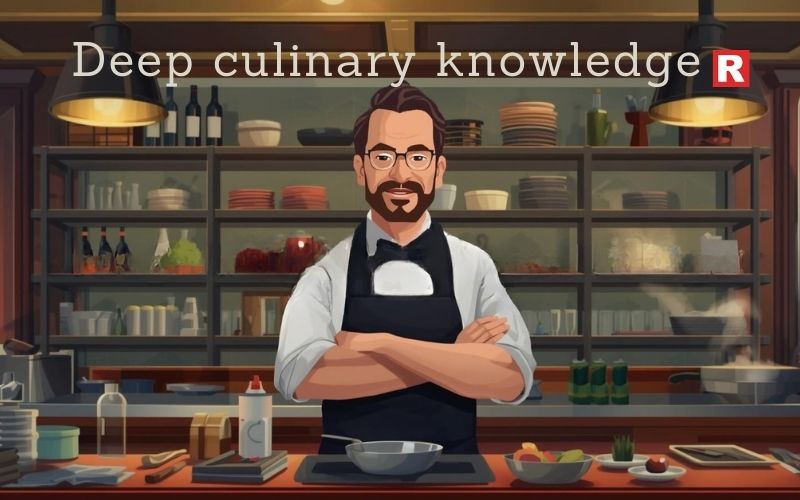
Even if they are not all head chefs, restaurateurs need to have a deep love and knowledge of cuisine.
- Authenticity & Roots: A solid knowledge of local Indian ingredients, cooking methods, and customs.
- Willingness to Experiment: The guts to come up with fresh ideas, modify traditional recipes, and present mouthwatering flavor combinations.
- Balancing Tradition with Trend: Knowing when to embrace contemporary culinary trends, dietary choices (such as plant-based), and global influences while remaining loyal to one's background.
- Ingredient Sourcing: Finding fresh, high-quality ingredients to enhance each dish.
This enables them to create dishes that appeal to a modern audience while remaining authentic.
5. Commitment to Quality & Consistency

In the restaurant industry, consistency is king, and quality is crucial.
- Non-Negotiable Standards: Unwavering commitment to the best possible preparation, flavor, freshness, and quantity management for every meal, every day.
- Hygiene & Safety: For the sake of consumer trust and legal compliance, meticulous attention to food safety procedures, kitchen hygiene, and overall cleanliness is essential.
- Supplier Relationships: Establishing solid connections with trustworthy suppliers who regularly provide ingredients of the highest caliber.
By fostering trust and loyalty, consistency converts new diners into devoted customers who know they can always count on great service.
What's new: 5 Unique Theme Ideas That Make Your Restaurant Stand Out
The People Factor: Customer & Community
A restaurant's relationships with customers, staff members, and surrounding communities are what make it prosper. A successful restaurateur is an expert at connecting with people.
6. Exceptional Customer Service Orientation

A good restaurateur knows they are in the industry of creating experiences, not just serving food.
- Anticipating Needs: The innate capacity to recognize and foresee the wants and needs of customers.
- Memorable Experiences: Going above and above to make every visit unique, such as remembering a regular's favorite meal or making a considerate gesture.
- Graceful Feedback Handling: Effectively handling complaints, swiftly and politely settling conflicts, and transforming potentially bad experiences into good ones.
- Personal Connection: Creating a feeling of warmth and hospitality that extends beyond a simple transaction by making customers feel valued and appreciated.
7. Effective Marketing & Branding Savvy

Even the best food needs to be discovered. A successful restaurateur is skilled at drawing customers in and sharing their story.
- Target Audience Understanding: Clearly identifying their target customer and adjusting their advertising to suit them accordingly.
- Digital Presence: Using a strong website, social media, and online review sites to interact with customers and highlight dishes.
- Brand Identity: Developing a compelling brand story that conveys the restaurant's distinctive idea, core principles, and cooking philosophies.
- Promotional Creativity: Creating creative collaborations, unique events, and marketing strategies that create excitement and increase foot traffic is known as promotional creativity.
They are aware that the internet presence of their restaurant is just as crucial as its physical one in the current digital era.
8. Strong Networking & Community Engagement

Establishing a restaurant's position within its immediate surroundings requires building bridges.
- Supplier Relationships: Maintaining solid ties with suppliers guarantees reliable quality, advantageous conditions, and access to special ingredients.
- Local Companies: Working together with other local companies, whether for community activities or cross-promotion, improves local relationships.
- Media & Influencers: Establishing a good connection with local media, bloggers, and food reviewers to get favorable publicity.
- Community Involvement: Taking an active role in neighborhood activities and events shows dedication to the community, which fosters goodwill and patronage. They know that a restaurant frequently serves as a gathering place for the community.
Check out: Dishwasher vs. Three-Compartment Sink: Which is Right for Your Restaurant?
How to Train Your Staff to Spot Bad Seafood in Five Easy Steps
The Adaptability Factor: Growth & Resilience
The restaurant business is a dynamic one that is always impacted by shifting economic conditions, emerging trends, and unanticipated difficulties. Adaptability is essential for development and survival.
9. Adaptability & Resilience

One of the characteristics of success is the capacity to deal with change and overcome hardship.
- Market responsiveness: The ability to quickly adjust to changing customer demands, recessions, or new health laws.
- Learning from Setbacks: Seeing setbacks as important teaching moments to hone tactics and enhance operations rather than as final destinations.
- Embracing Technology: Being willing to incorporate new technology into restaurants, such as kitchen automation and online ordering platforms, to improve productivity and patron satisfaction.
- Crisis management: The process of creating solid strategies to handle unanticipated emergencies, such as pandemics or natural catastrophes, while maintaining business operations.
10. Attention to Detail

Every little thing at a restaurant adds to the overall experience and impression.
- Operational Excellence: No detail is too little, from the immaculately clean toilets to the finely plated silverware, menu display, and meal temperature.
- Service Flow: Making certain that the service is smooth, effective, and subtle.
- Ambiance: Carefully arranging the furniture, music, lighting, and table settings to provide the ideal ambiance.
- Consistency: This attribute is related to consistency in that it guarantees that the high standards are upheld daily in every facet of the business.
Read this: Easy & Delicious Meal Prep Ideas for a Busy Week
Conclusion
There are many obstacles in the way of being a prosperous Indian restaurateur, but there are also many rewards. It calls for more than just culinary skill; it calls for a well-rounded person who possesses keen business sense, endless enthusiasm, powerful leadership, a dedication to quality and creativity, outstanding people skills, and extraordinary flexibility. Together, these 10 characteristics provide a potent recipe for turning a restaurant into a cherished institution. A space where cuisine, culture, and community perfectly blend to guarantee not just survival but also long-term, prosperous success in the dynamic realm of Indian cuisine.
Mahak Sharma
Content Writer
Mahak Sharma is a passionate content writer with 2 years of experience crafting compelling content across various niches, tailoring her writing to suit different audiences and platforms. She is dedicated to producing engaging content for readers so that they can understand and enjoy the articles. Her strengths lie in crafting SEO-friendly, well-structured articles that drive visibility and engagement.



































































