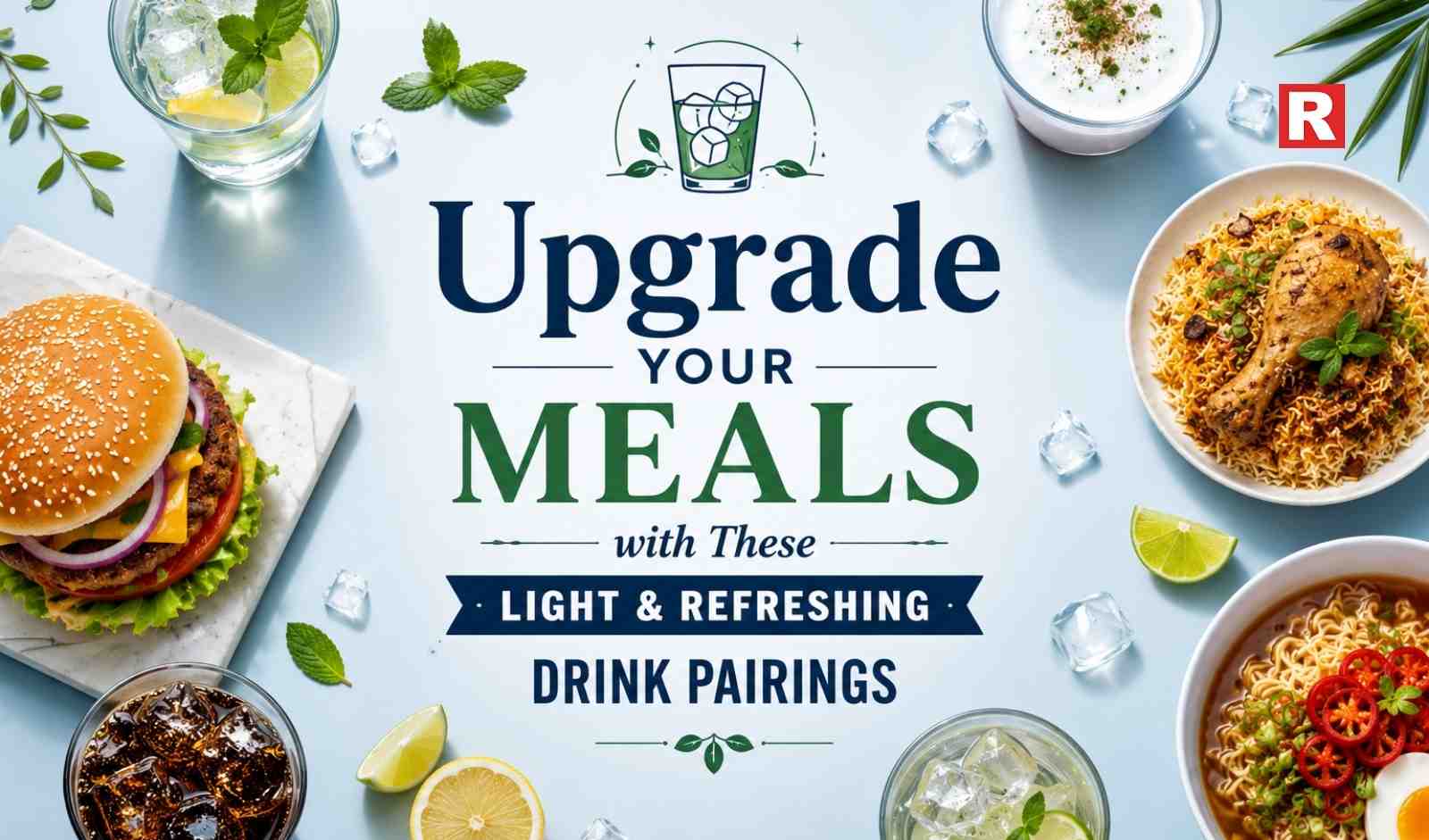
Top 10 Non-alcoholic Drink Ideas for Your Restaurant
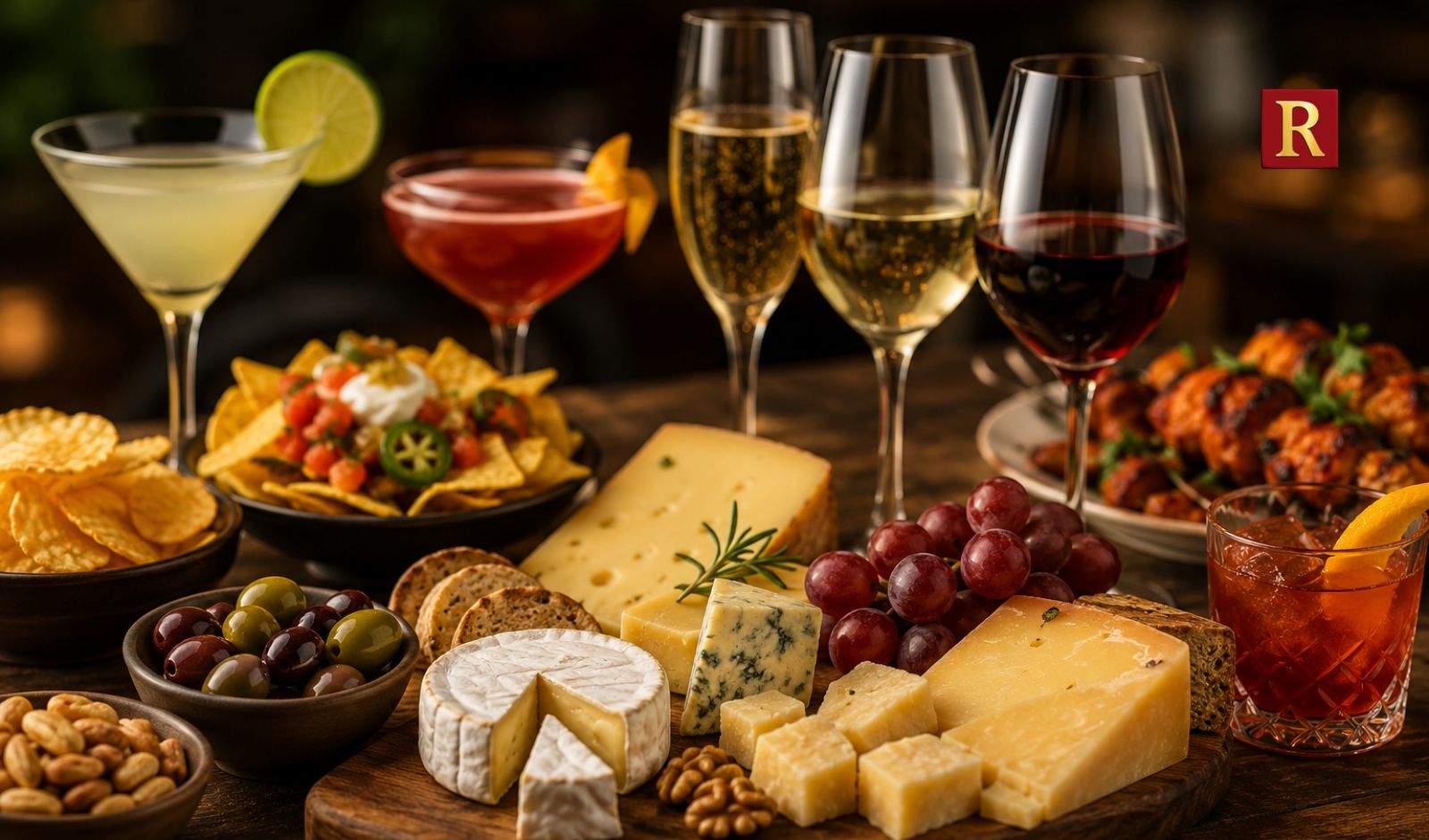
As people are staying away from drinking alcohol, there has been an increase in demand for non-alcoholic drinks that are both innovative and delicious. The customers are seeking more than just any soft drink or juice to go with their food. People want unique and exciting drinks that provide the same level of satisfaction as that of any alcoholic drink.

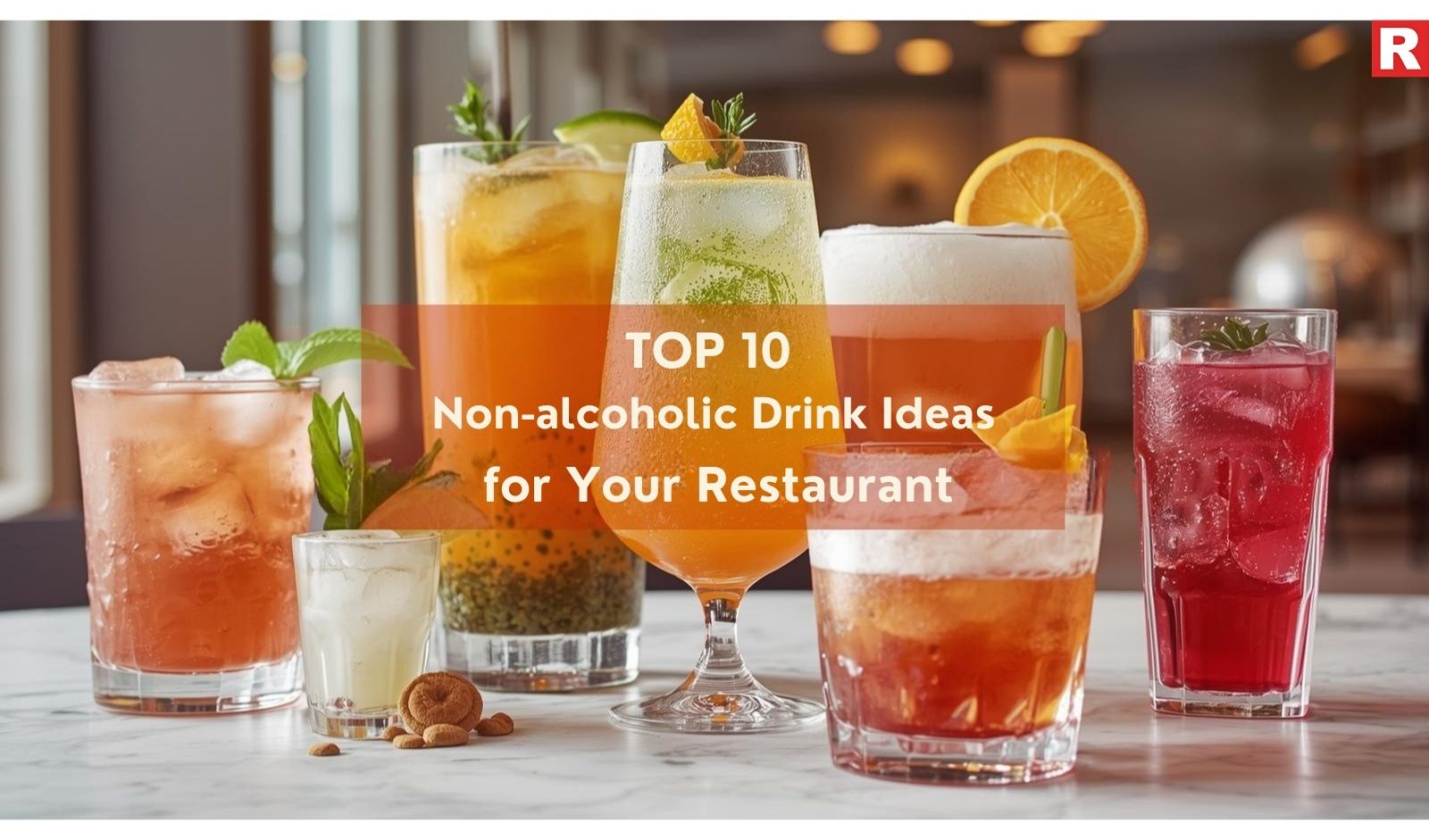
The modern food industry is growing through a major revolution that may be silent, but is so powerful that it goes beyond the food. As trends related to personal health and fitness are gaining popularity, people are moving towards ‘staying sober’. As people are staying away from drinking alcohol, there has been an increase in demand for non-alcoholic drinks that are both innovative and delicious. The customers are seeking more than just any soft drink or juice to go with their food. People want unique and exciting drinks that provide the same level of satisfaction as that of any alcoholic drink. This new trend is not just a passing facade that will go away in just a few months or years. For the restaurants that provide high-end meals with alcohol or specialty drinks, adding dynamic non-alcoholic beverages to their menu is a necessity, not a luxury.
This shift towards non-alcoholic beverages is the most beneficial to a customer base that is made up of drivers, non-drinkers to families, and health-conscious customers. Beyond the affordable factor, these drinks can be a significant factor for profitability, frequently have larger profit margins, and lower ingredient prices. Therefore, in this article, we will be covering the top 10 non-alcoholic drinks for your restaurant that are both creative and profitable. They can help increase the customer experience, attract a big customer base, and solidify the restaurant’s reputation as a progressive business.
Read more: Frankenstein-Inspired Foods and Drinks for Your Spooky Celebrations
Why Non-alcoholic Beverages Are a Must-Have for Restaurants
If you ignore the non-alcoholic beverage market, then that means you will be leaving behind a chunk of your revenue and potential customers, and a loyal customer base as a restaurateur. So it is important to know why adding non-alcoholic beverages is important to the business:
- Growing Market: The international market for non-alcoholic drinks is expanding. In India, the party culture is strong due to the large amount of youth population. But, this specific population is also striving towards their own health and fitness, which has also started showing in various aspects of their life, including beverages. The young customers don’t want to compromise on both fitness and experience. This has led to the rise of luxurious, alcohol-free options.
- Increased Profitability: Specialized non-alcoholic drinks, such as house-made sodas and gourmet mocktails, can be priced reasonably to showcase their high-quality ingredients and expertise. They have a higher profit margin than alcoholic drinks due to their cheaper cost of goods, which will greatly increase your bottom line.
- Enhanced Guest Experience: a menu with a diverse range of drinks, varying from sodas to cocktails and non-alcoholic drinks, ensures that every customer, regardless of their drinking habits, feels appreciated and cared for. This inclusion is an effective strategy for increasing customer loyalty and positive word-of-mouth.
- Brand Differentiation: A restaurant that has a non-alcoholic menu is different and unique from its competitors, and stands out in the market. It presents the business as innovative, contemporary, and sincere in its goal of giving everyone a wonderful time.
- Versatility: These drinks are a reliable source of income during all service hours because they may be served at any time of day, from brunch to late at night.
Top 10 Non-alcoholic Drink Ideas
The following ten beverage ideas will turn your non-alcoholic menu from an afterthought to a focal point:
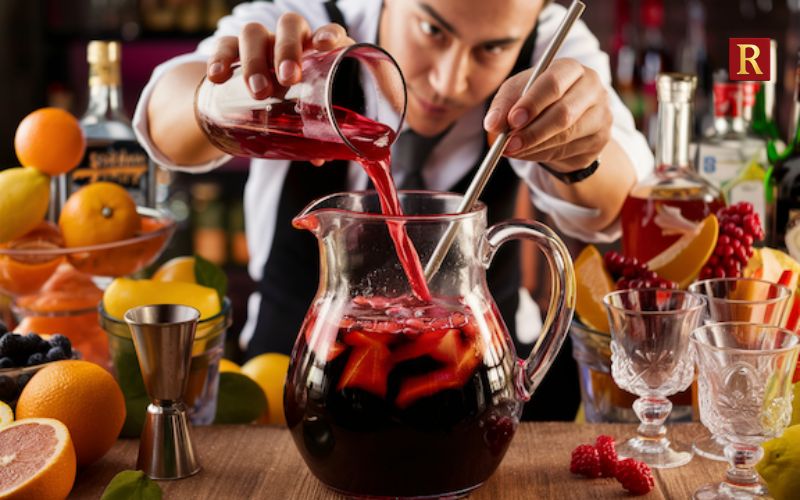
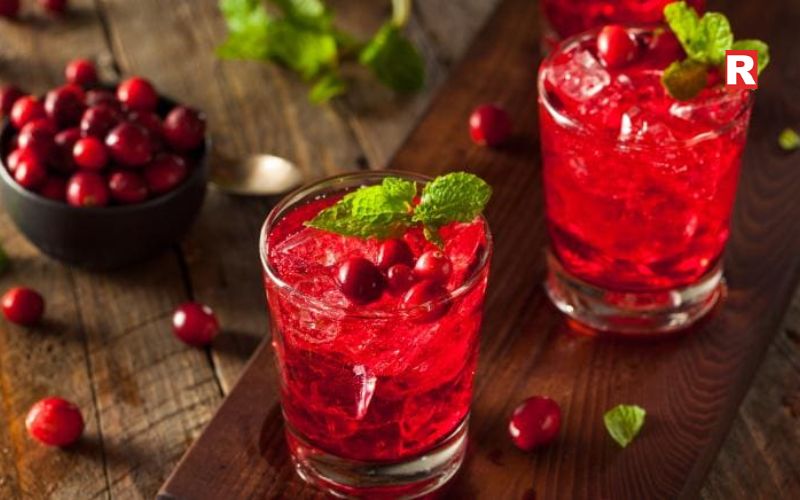
1. Elevated Mocktails
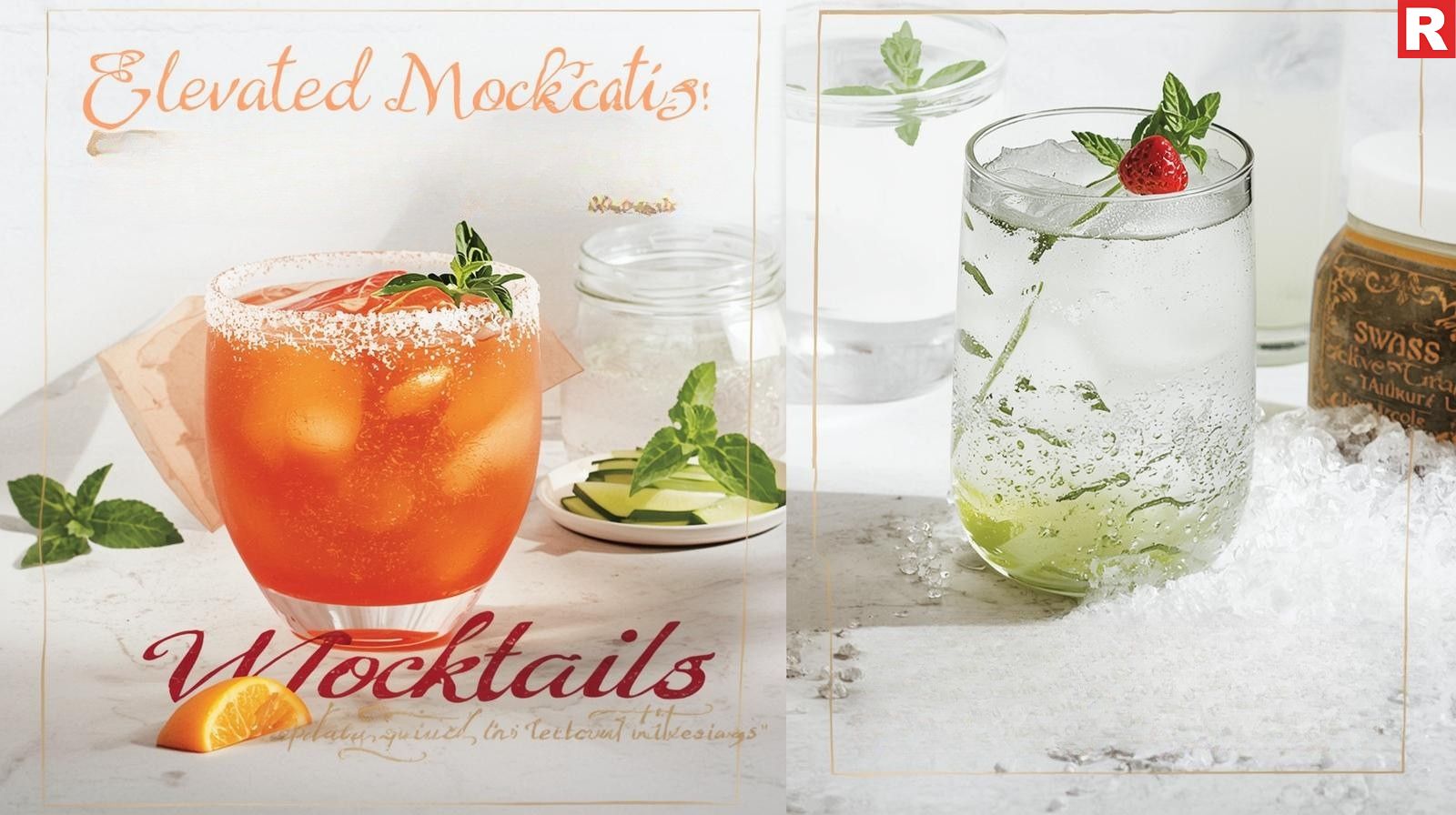
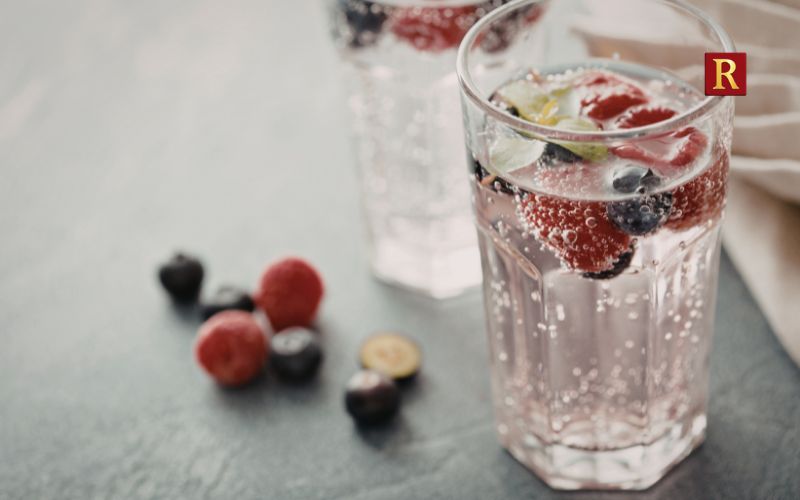
Get rid of the syrupy, excessively sugary recipes from the past. Mocktails today are as elegant, complex, and aesthetically pleasing as their alcoholic counterparts. They make their own syrups, use premium, fresh ingredients, and pay attention to flavor balance.
Key Selling Point: Provides visitors with the delicious flavor and the normal version of a cocktail without the alcohol.
Examples:
- Spiced Guava Cooler: A regionally inspired drink that has a tart, refreshing kick from fresh guava juice, a touch of mint, and a dusting of black salt.
- Cucumber and Basil Smash: a concoction of fresh basil and muddled cucumber, garnished with sparkling water and a tangy lime juice.
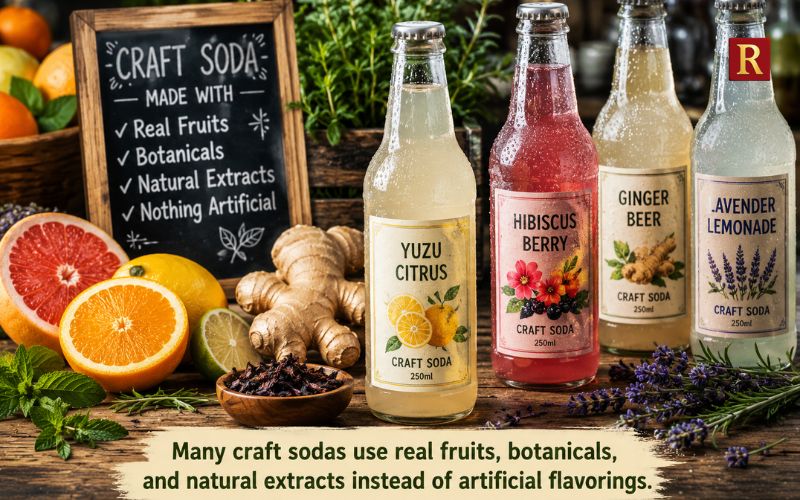
- Lavender Lemonade Spritz: A delicate combination of fresh lemon juice, homemade lavender syrup, and sparkling water, topped with a lavender sprig.
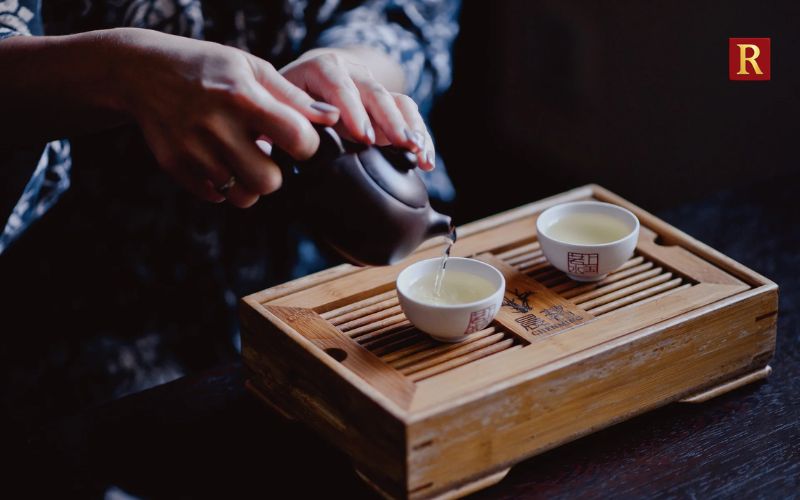
2. Artisanal Iced Teas
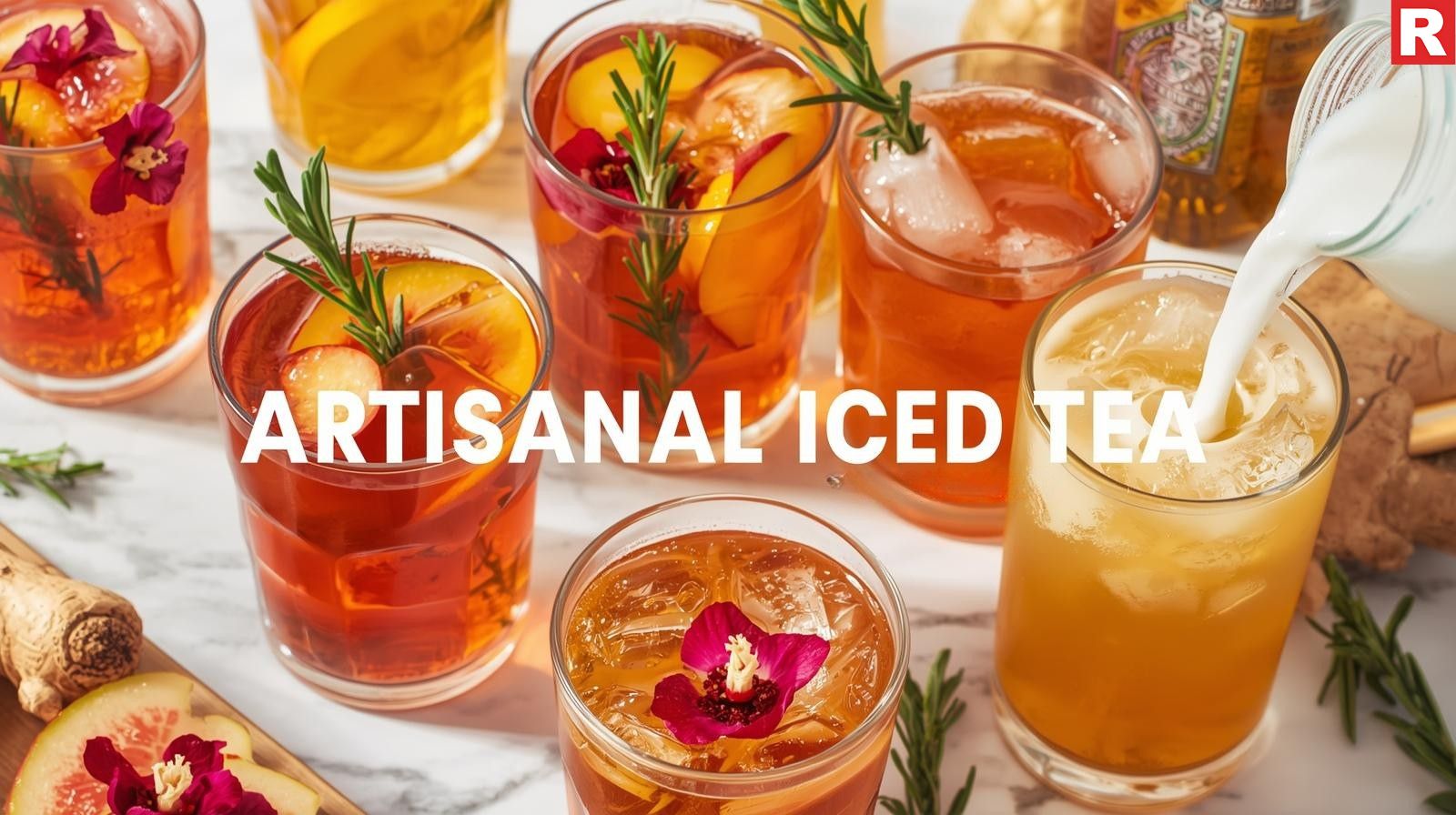
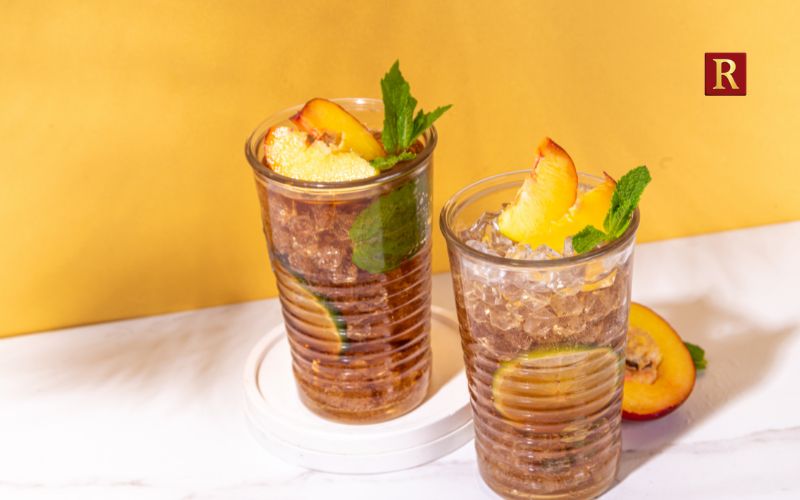
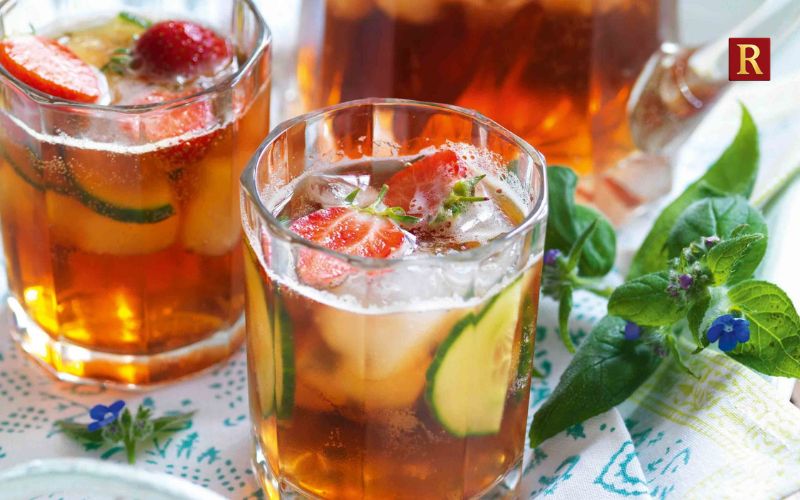
Serve more than simply plain iced tea. Take advantage of this to highlight unique flavors and brewing methods. Cold brewing produces a smoother, less bitter flavor profile, which makes it an excellent method.
Key Selling Point: very customizable with various tea varieties and flavor infusions, refreshing, and low in calories.
Examples:
- Peach & Rosemary White Tea: A delicate white tea flavored with a fragrant rosemary sprig and luscious peach purée.
- Hibiscus & Ginger Iced Tea: The spicy warmth of fresh ginger nicely balances the tartness of hibiscus blooms.
- Masala Chai Iced Latte: Using cold-brewed masala tea concentrate mixed with milk and served over ice, the Masala Chai Iced Latte is a contemporary Indian take on a traditional beverage.
Know more: Best Bar Blender Brands in India – Power, Precision, and Reliability
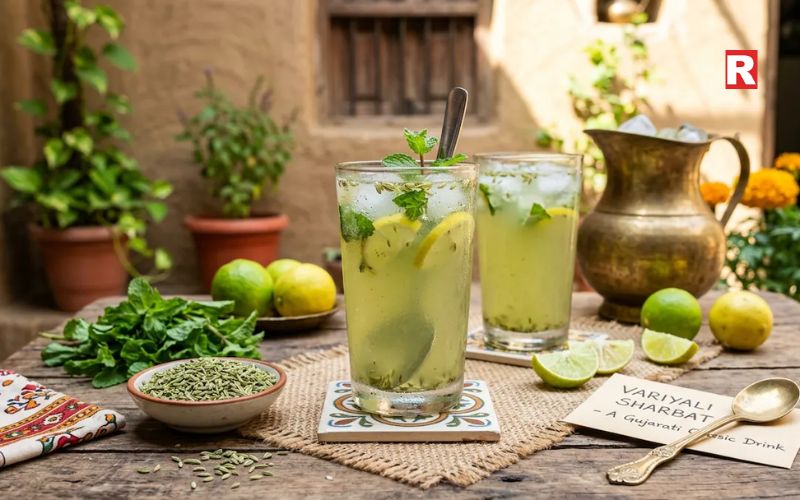
3. Creative Lemonades and Limeades
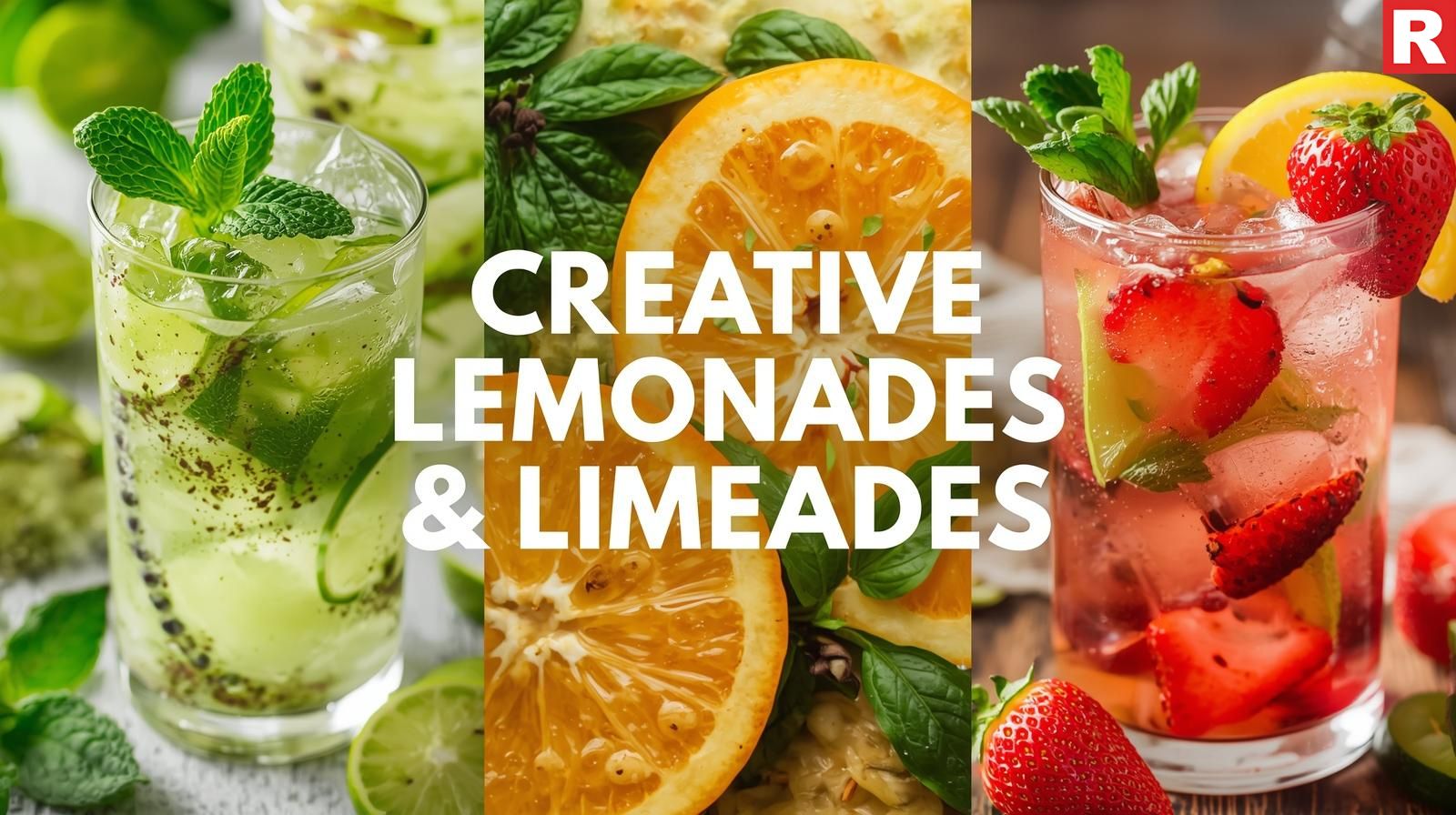
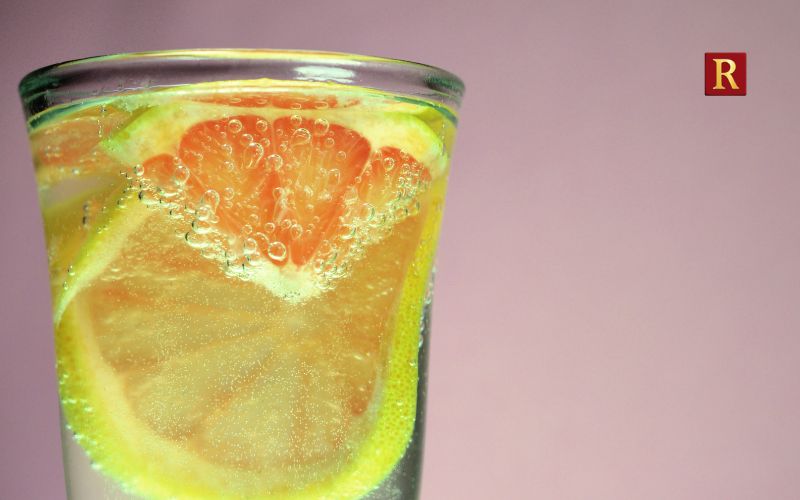
A gourmet makeover of a classic that has been around for a while. A basic beverage can be transformed into a memorable one by incorporating different and fresh fruits, herbs, and spices.
Key Selling Point: A beloved classic with a contemporary spin that feels thrilling and new.
Examples:
- Kiwi & Mint Limeade: Fresh kiwi, muddled mint leaves, and lime juice combine to create the bright green Kiwi & Mint Limeade.
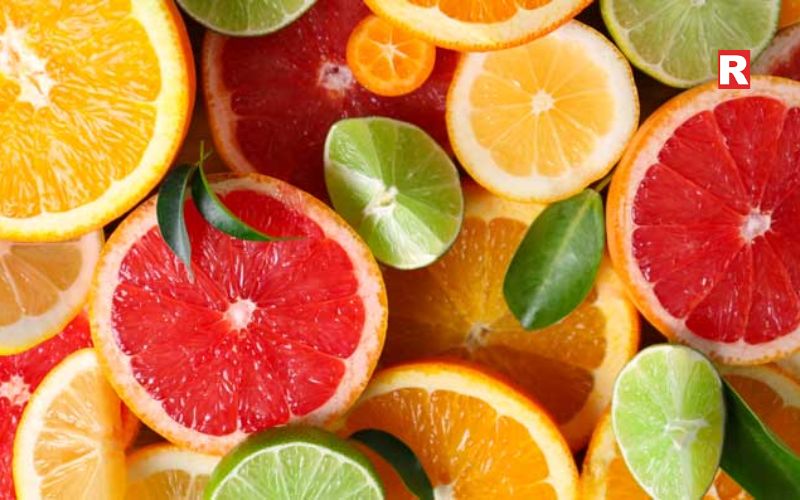
- Spiced Orange Lemonade: Freshly squeezed orange and lemon juice with a touch of cloves and cinnamon is called spiced orange lemonade.
- Strawberry Basil Lemonade: The flavorful, peppery undertones of fresh basil and luscious strawberries are well balanced.
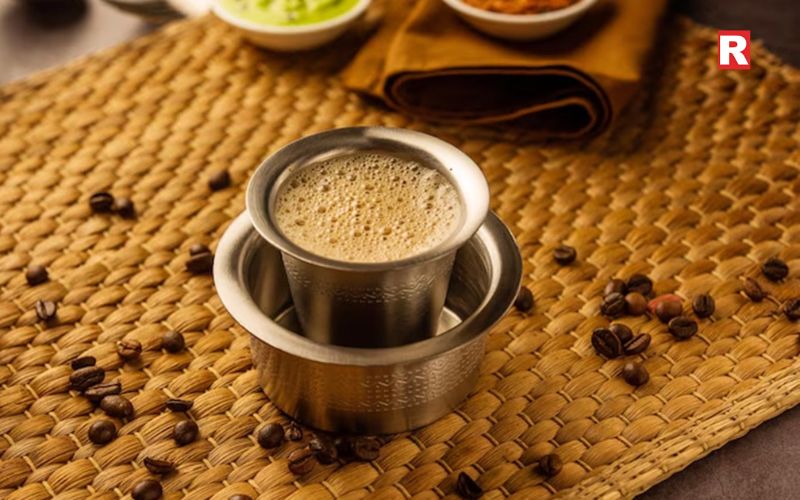
4. Specialty Hot and Cold Coffees
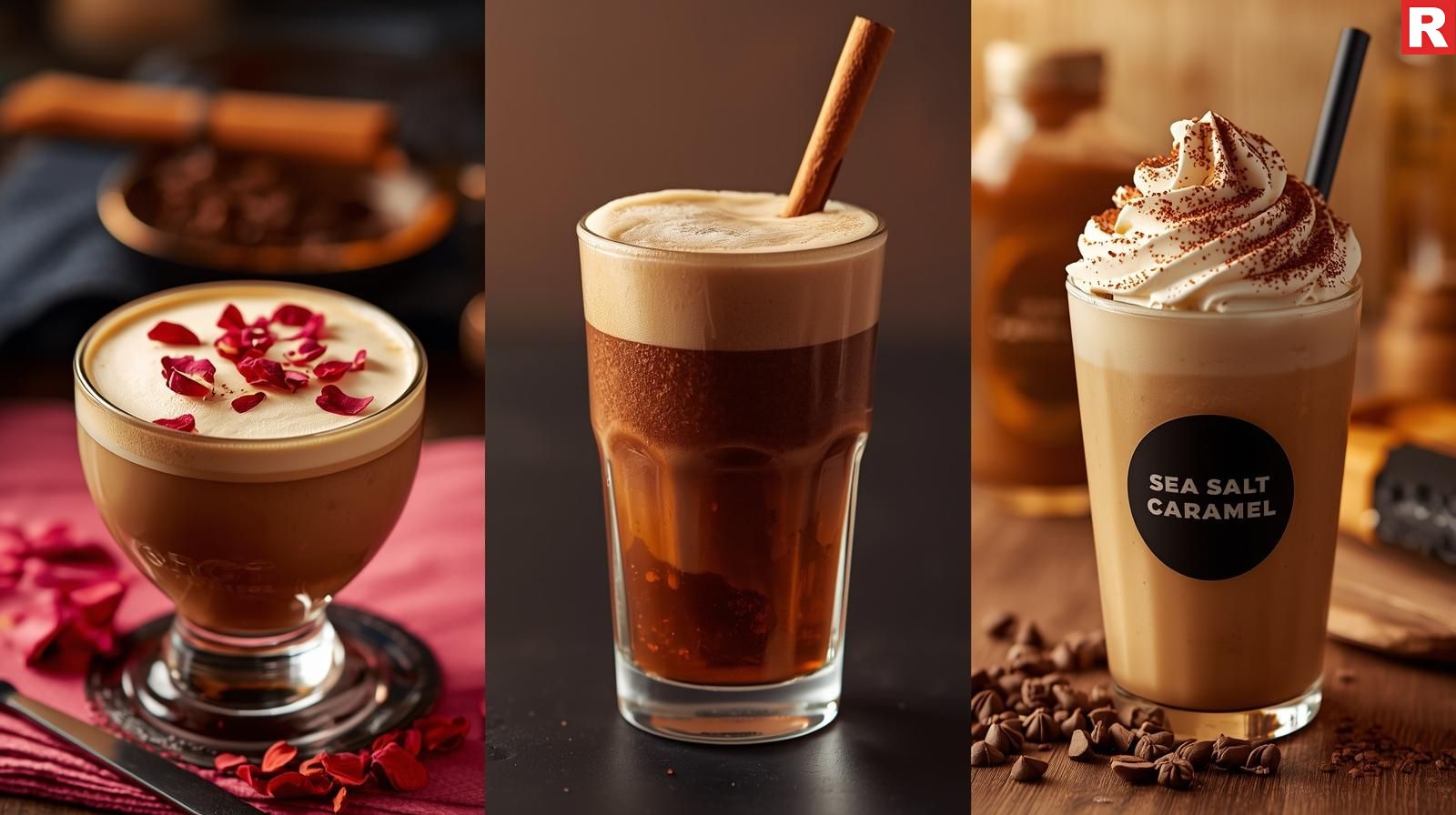
Provide a menu that offers more than the bare minimum to appeal to the expanding market of coffee lovers. Consider cold brew varieties, handcrafted brews, and specialty lattes.
Key Selling Point: Capitalizes on the enormous popularity of specialty coffee culture.
Examples:
- Rose & Cardamom Latte: A sophisticated palate will enjoy this exquisite and aromatic latte made with rose water and a touch of cardamom.
- Nitro Cold Brew with Cinnamon Stick: A cinnamon stick is served alongside a rich, velvety cold brew coffee that has been injected with nitrogen for a creamy head.
- Sea Salt Caramel Frappe: A rich and decadent iced coffee concocted with salted caramel and garnished with whipped cream is called a sea salt caramel frappe.
What's new: Best Whole Wheat Pasta Brands in India
5. House-made Infused Sodas (Shrubs)
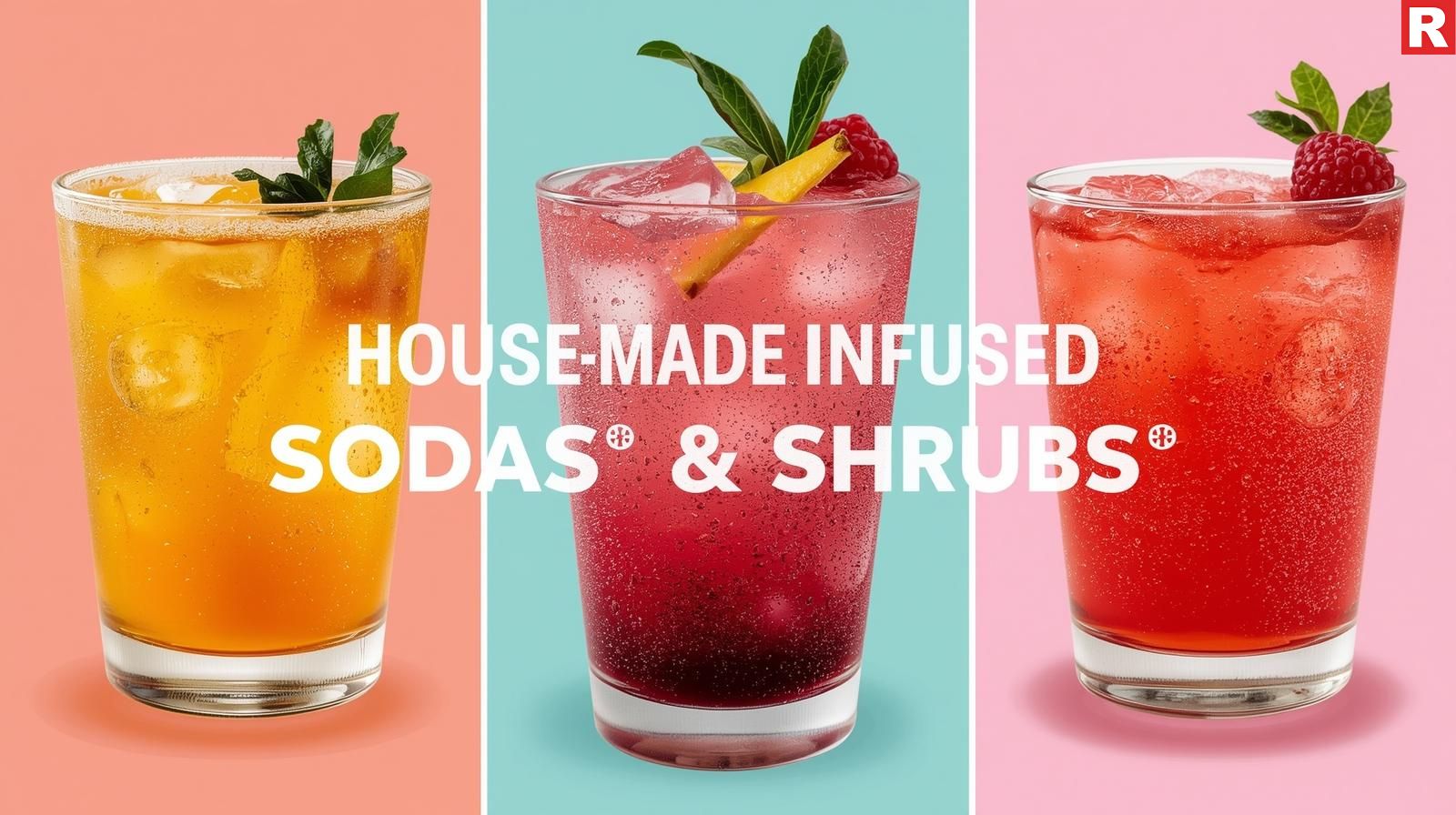
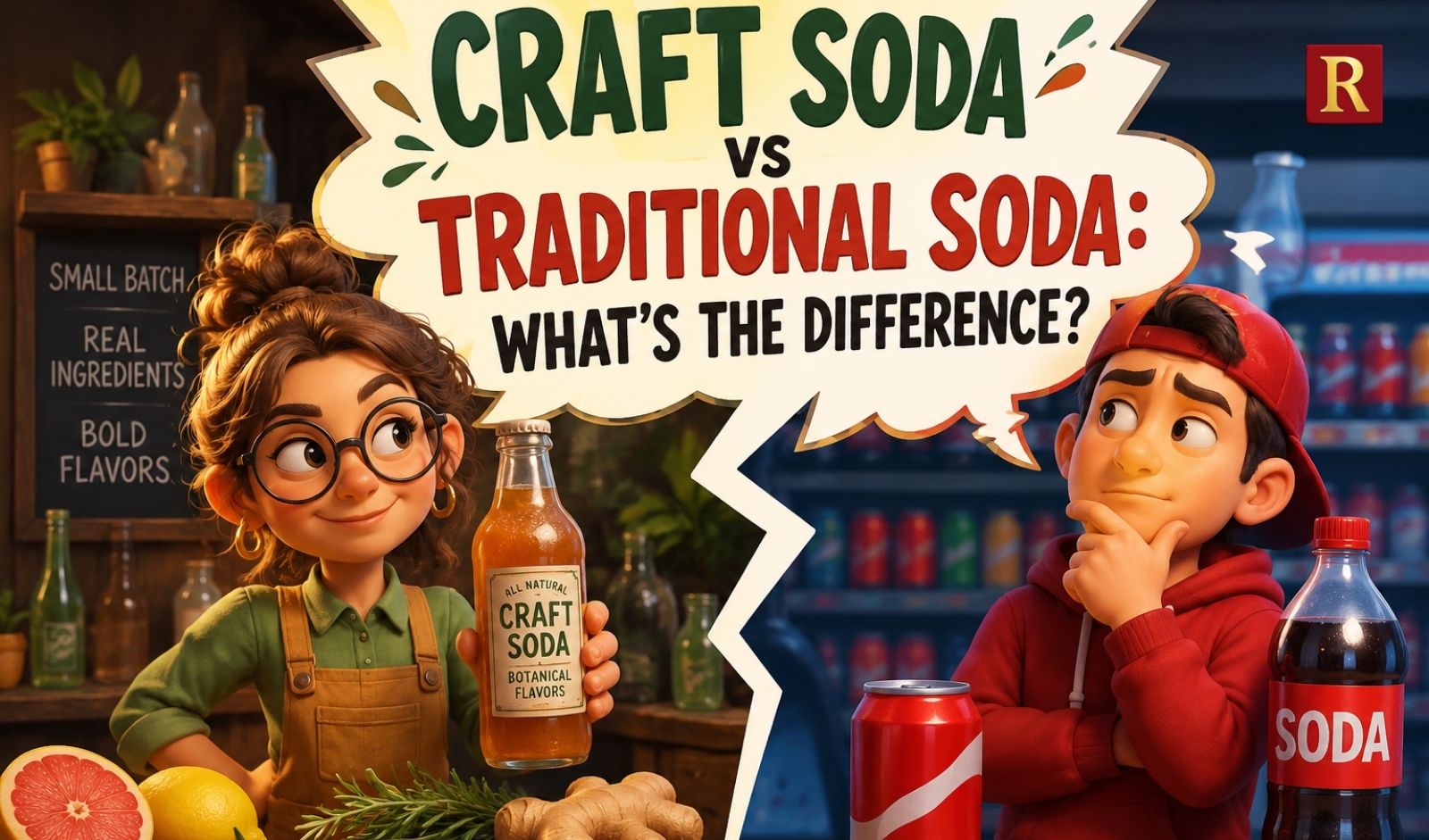
Fruit, sugar, and vinegar are combined to make shrubs, often known as drinking vinegars. They have a distinct tangy-sweet flavor and are frequently combined with sparkling water to make cool beverages.
Key Selling Point: A really unique, adult-flavored craft beverage that differentiates your menu.
Examples:
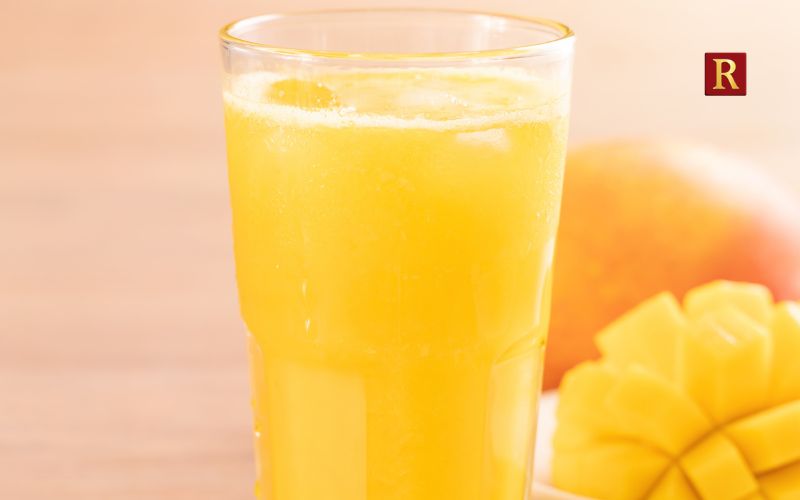
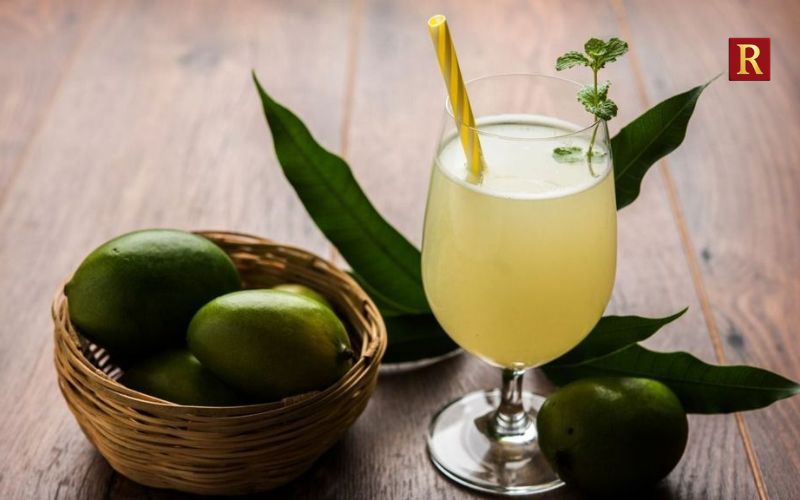
- Mango and Turmeric Shrub: This shrub combines the earthy warmth of turmeric with a tangy-sweet taste.
- Raspberry & Apple Cider Vinegar Soda: A vibrant, delicious shrub with a strong vinegar tang is raspberry and apple cider vinegar soda.
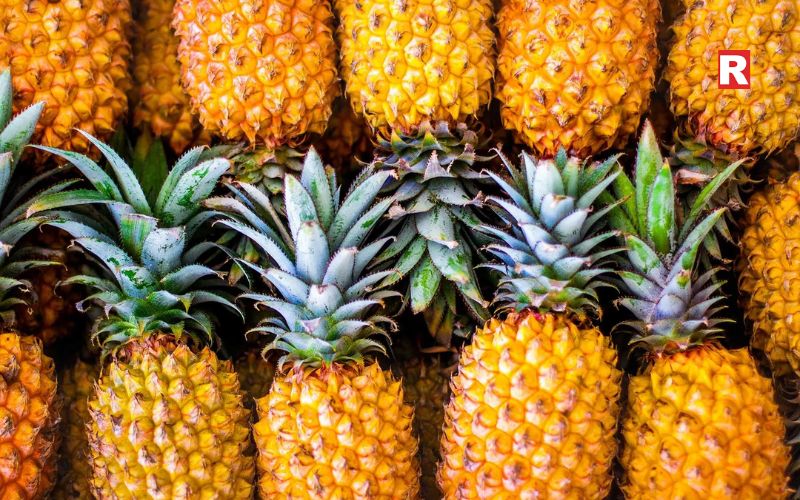
- Pineapple & Chilli Shrub: The ideal ratio of spicy zing to tropical sweetness.
6. Sophisticated Kombuchas
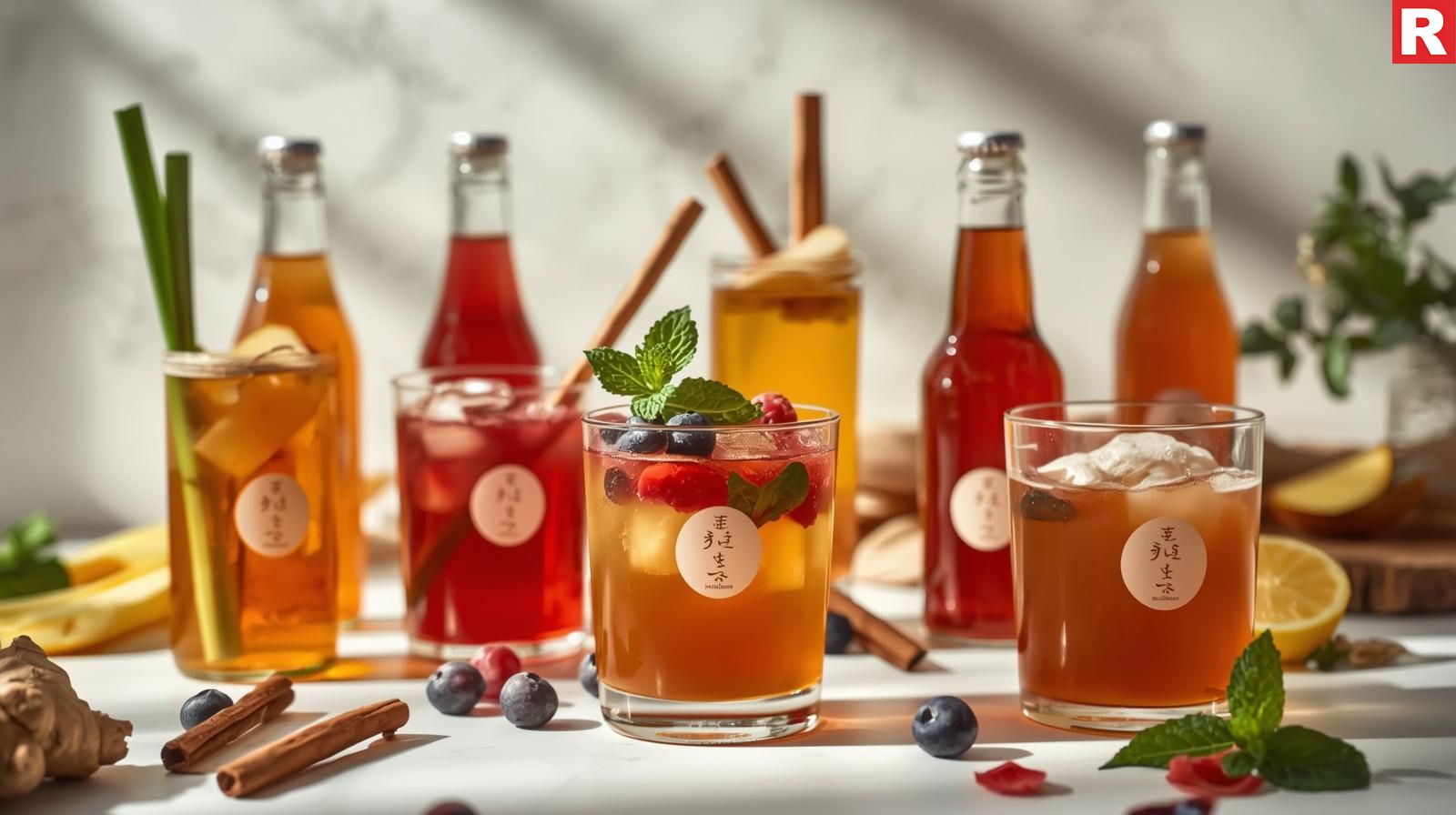
A popular beverage among health-conscious people is kombucha, a fermented tea. Providing a range of high-quality, house-made, or partnered kombuchas can be very appealing.
Key Selling Point: Its distinct flavor and probiotic benefits capitalize on the wellness trend.
Examples:
- Ginger & Lemongrass Kombucha: This energizing and delightful kombucha is spicy and zesty.
- Berry and Mint Kombucha: This kombucha has a mild, herbal finish and is delicious and refreshing.
- Apple & Cinnamon Kombucha: This kombucha has hints of spiced apple and is warm and soothing.
7. Smoothies and Lassi
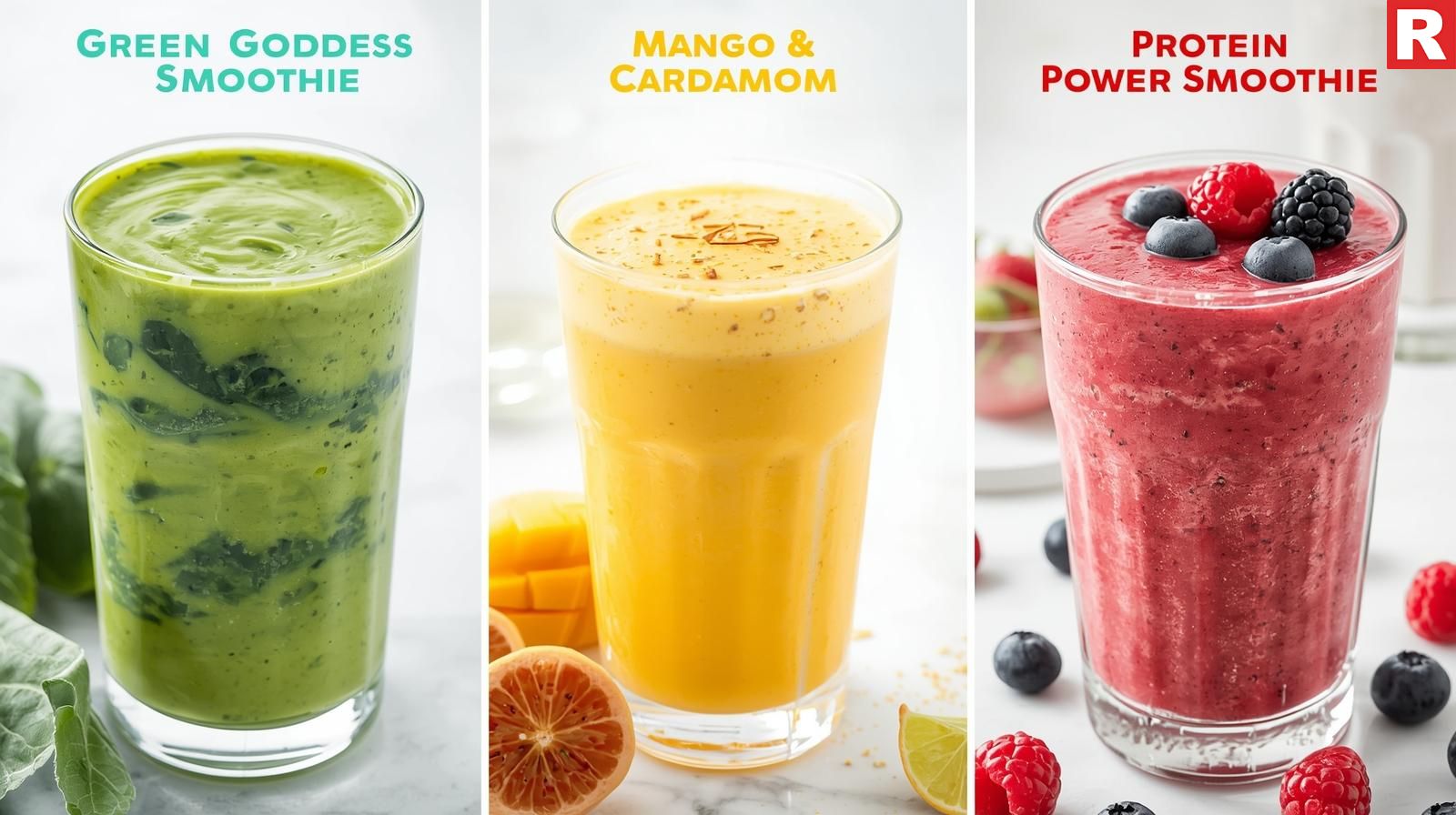
Enhance these traditional drinks with premium ingredients and a gourmet touch. In India, lassi is a common beverage, and a high-end version can serve as its focal point.
Key Selling Point: A satisfying and wholesome choice that may be used as a healthy treat or as a meal substitute.
Examples:
- Green Goddess Smoothie: The Green Goddess Smoothie is a nutrient-dense, creamy drink made with spinach, avocado, banana, and plant-based milk.
- Mango and Cardamom Lassi: This traditional sweet mango lassi is enhanced with a dash of cardamom for a fragrant treat.
- Protein Power Smoothie: A combination of Greek yogurt, protein powder, and berries for a healthy or post-workout meal.
Check out: 10 Best Indian Quinoa Recipes for Weight Loss
Best brown bread brands in India
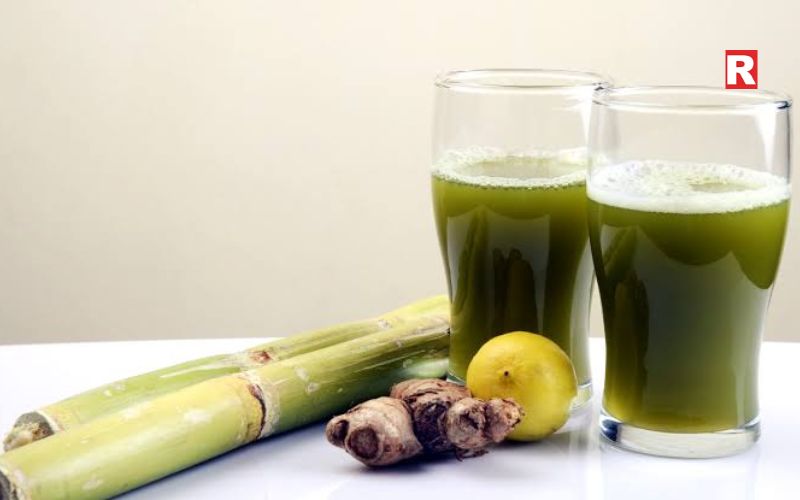
8. Fresh Juices and Juice Blends
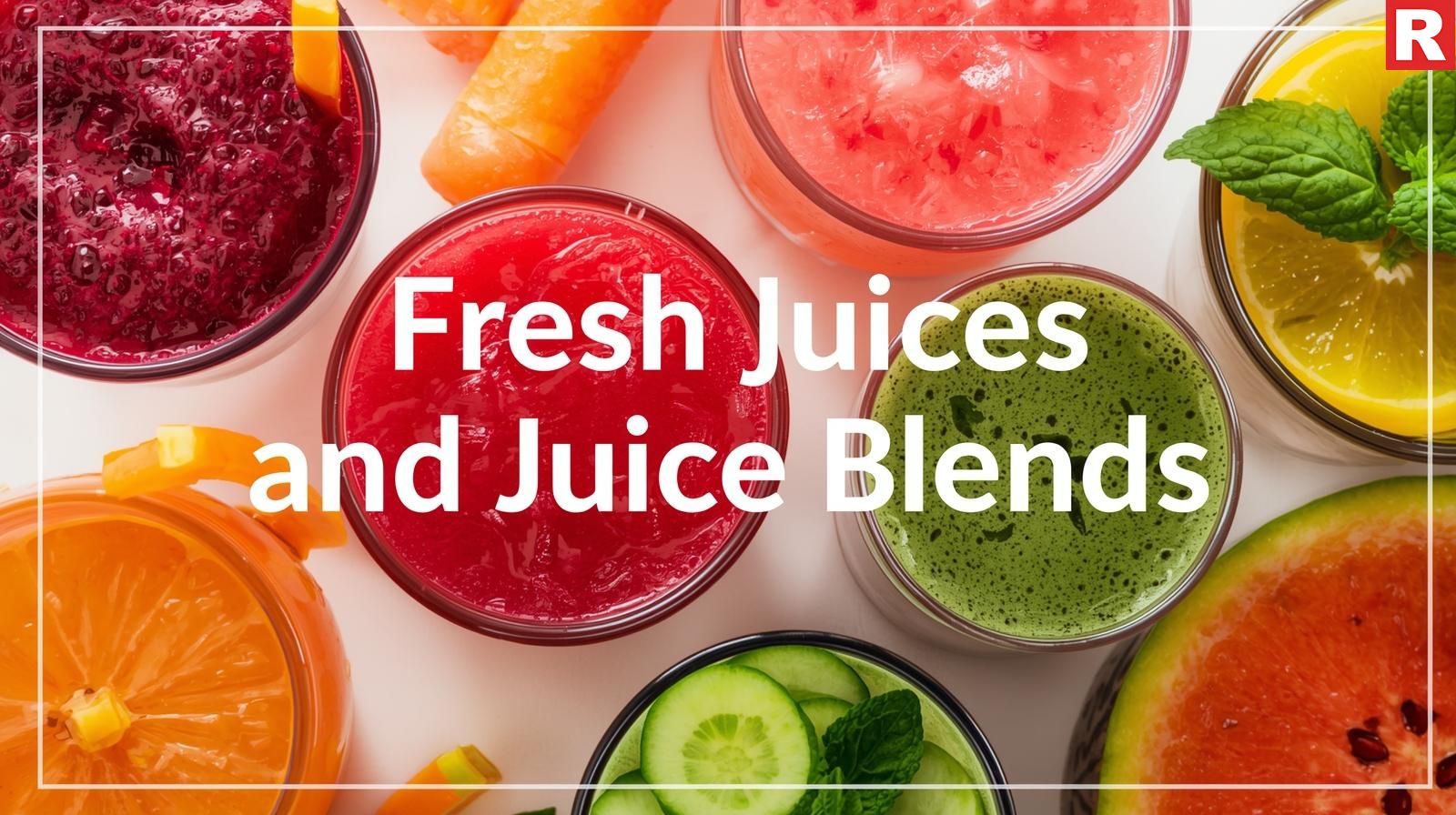
Offer freshly pressed or blended juices instead of prepackaged ones. Fresh juices are always tempting because of their vivid colors and simple, undiluted flavors.
Key Selling Point: A colorful, healthy, and pure option that demonstrates your dedication to using only the freshest ingredients.
Examples:
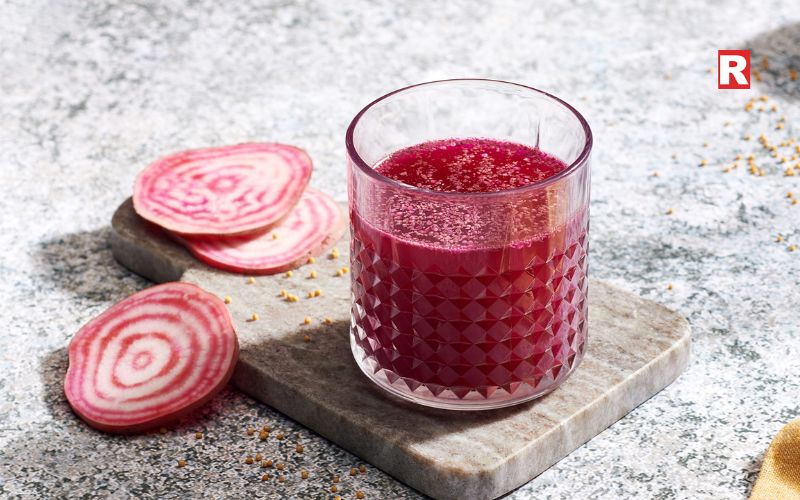
- Beet, Carrot, Apple & Ginger Juice: A strong, earthy, and spicy juice blend with health benefits is beet, carrot, apple, and ginger juice.
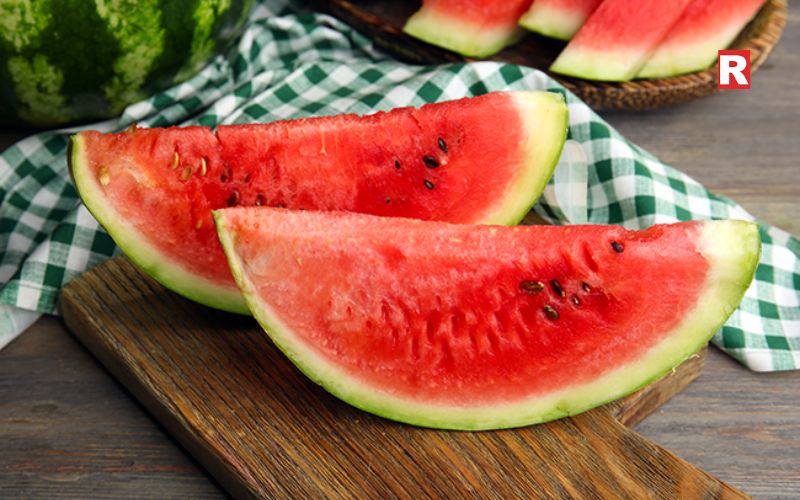
- Watermelon & Mint Juice: Simple, sweet, and refreshing, watermelon and mint juice is ideal for hot weather.
- Spinach, Pineapple, and Cucumber Detox: A crisp and energizing green juice mixture.
9. Non-alcoholic Cocktail Replicas
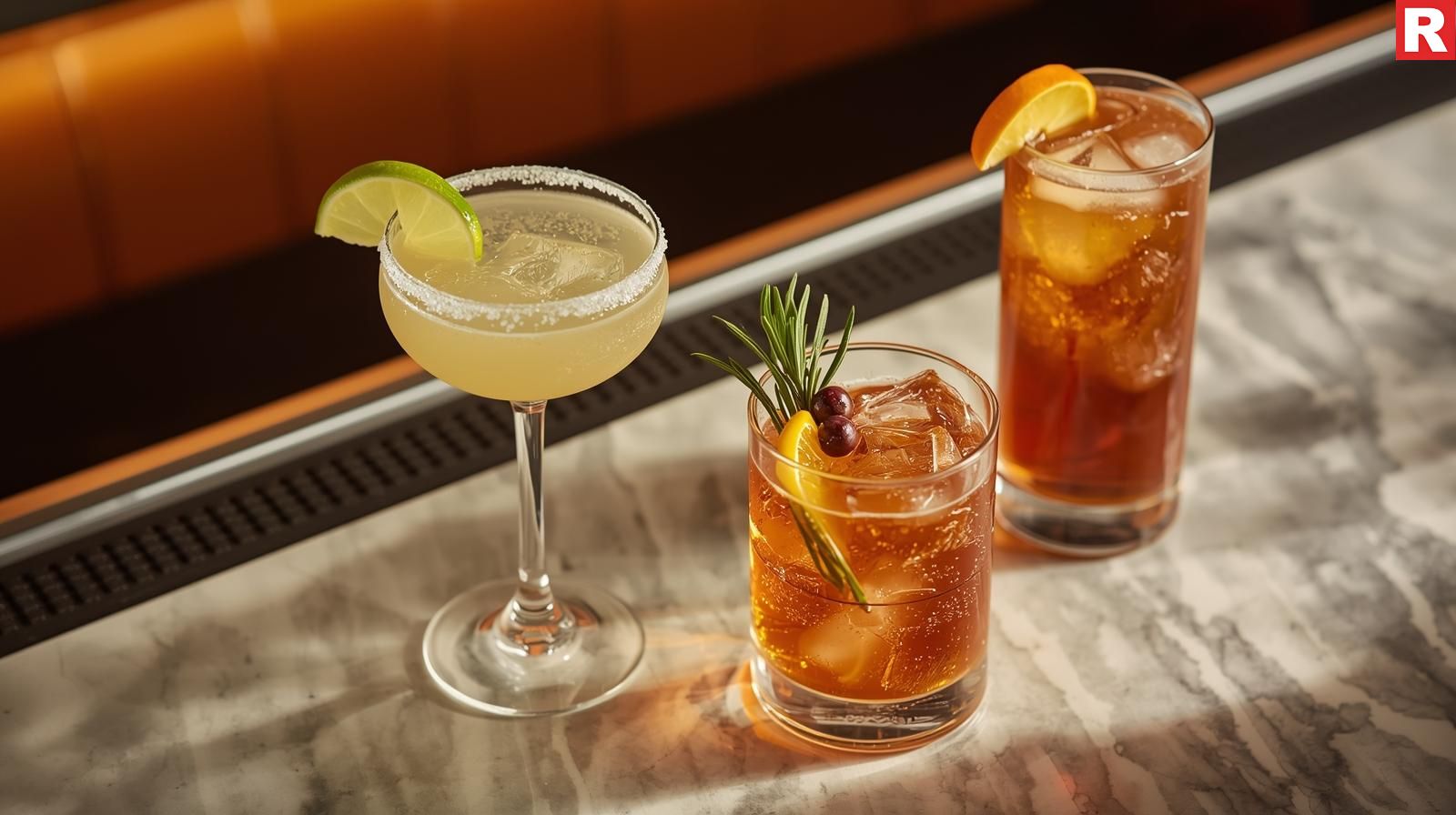
By carefully replicating the flavor profile and sensation of a particular, well-known alcoholic cocktail, this beverage type goes above and beyond the generic mocktail. Restaurants can serve zero-proof versions of traditional drinks like a Mojito, Margarita, or Old Fashioned by using a range of creative non-alcoholic "spirits," bitters, and syrups. In order to give designated drivers and non-drinkers a genuinely authentic-tasting substitute, the objective is not just to substitute the alcohol but also to replicate the original drink's complexity, texture, and aroma.
Key Selling Point: Enables customers to enjoy their favorite beverages without the alcohol content while still providing the full flavor experience and social ritual of a classic cocktail.
Examples:
- NA Spiced Rum & Cola: A perfect imitation of a traditional rum and cola made with a premium non-alcoholic rum substitute that has a hint of spice and molasses.
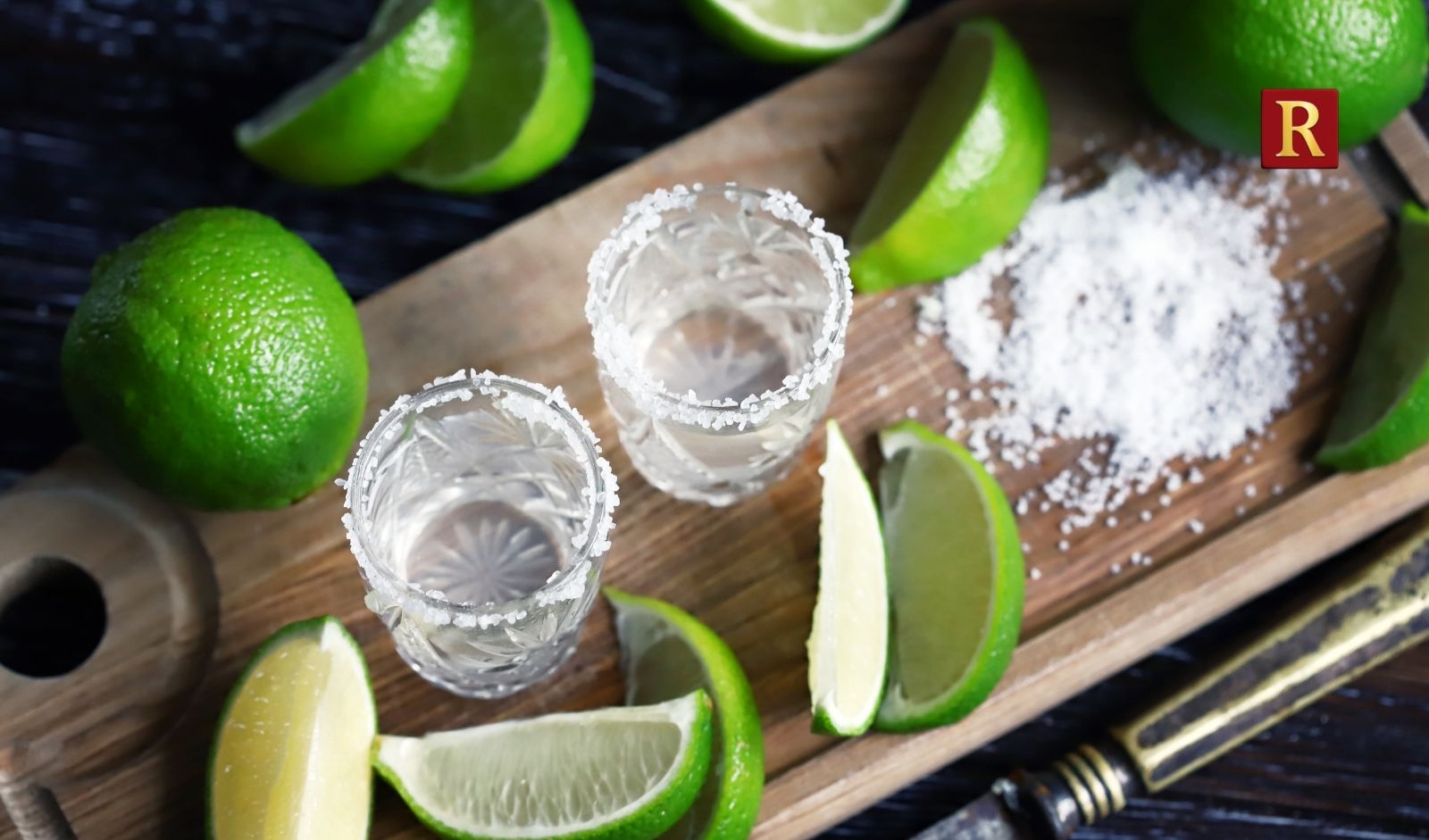
- Zero-Proof Margarita: This drink is a zesty and revitalizing mixture of fresh lime juice, agave nectar, and a non-alcoholic tequila alternative that is served in a glass with a salt rim.
- Herbal Gin & Tonic: An elegant blend of a botanical non-alcoholic "gin" with fresh botanicals such as juniper berries or rosemary and a high-end tonic water.
10. Flavored Hot Chocolates and Spiced Milks
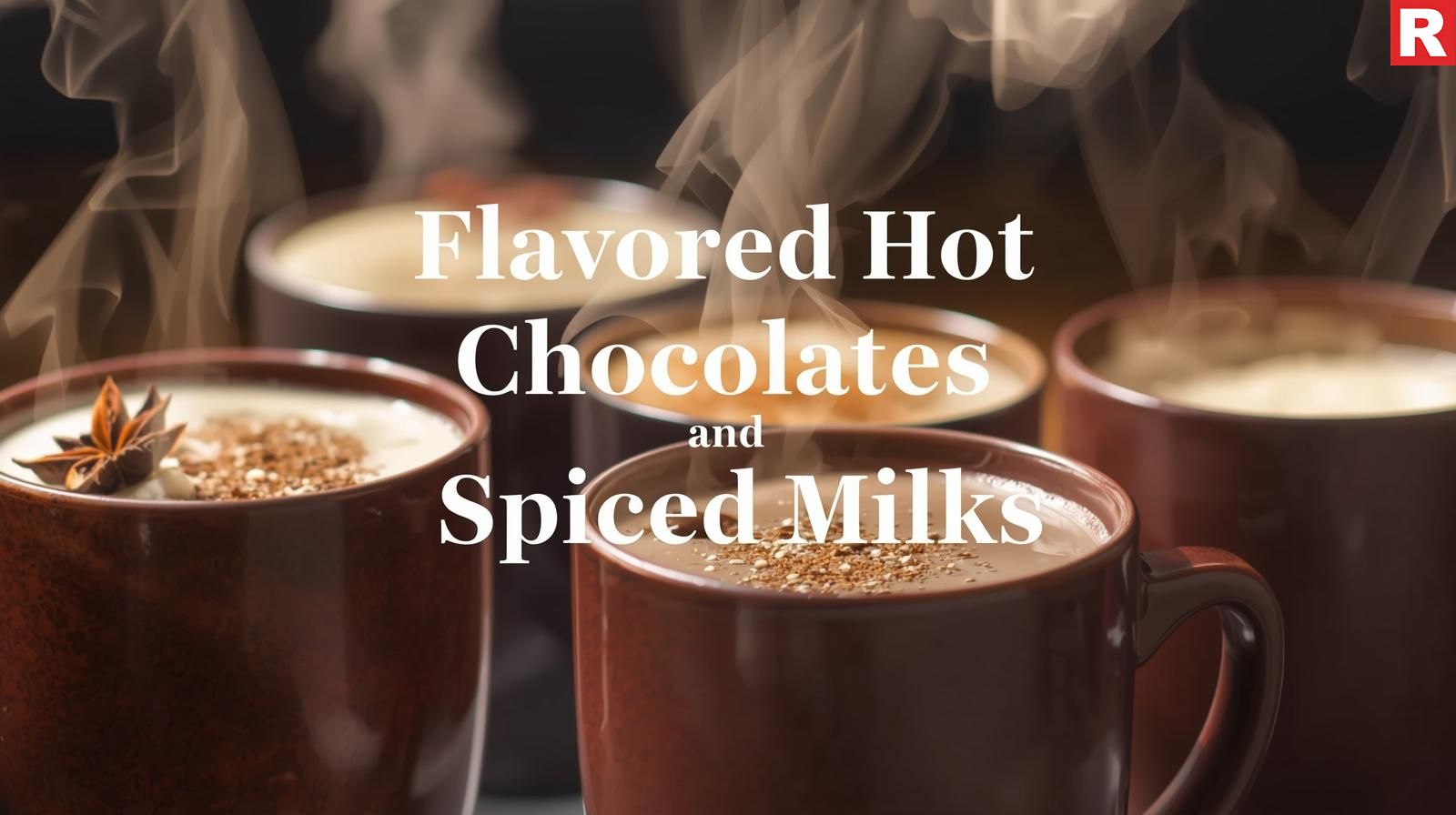
An excellent choice for dessert or as a cozy drink, particularly at restaurants that welcome families. These can be very well-liked in the winter.
Key Selling Point: A rich, cozy, and kid-friendly substitute for tea or coffee.
Examples:
- Chilli & Cinnamon Hot Chocolate: Rich, black hot chocolate with a subtle spicy sting and a comforting cinnamon undertone is known as "chilli and cinnamon hot chocolate."
- Saffron & Pistachio Badam Milk: This traditional Indian beverage is made with almond milk and enhanced with crushed pistachios and the luxurious taste of saffron.
- Salted Caramel Hot Chocolate: A delightful and comforting blend of sweetness and salt.
Read this: 7 Reasons to Add Macadamia Nuts to Your Daily Diet
Conclusion
A modern restaurant can no longer afford to overlook a unique and dynamic non-alcoholic beverage menu, as it is now a strategic advantage. Restaurants can boost revenue, satisfy evolving customer preferences, and establish themselves as progressive, diverse dining places by adopting these top ten non-alcoholic drink concepts. In today's time, providing a genuinely appealing zero-proof menu is a potent method to improve the visitor experience and guarantee that your business stays at the forefront of the hospitality sector in the cutthroat culinary industry.
Mahak Sharma
Content Writer
Mahak Sharma is a passionate content writer with 2 years of experience crafting compelling content across various niches, tailoring her writing to suit different audiences and platforms. She is dedicated to producing engaging content for readers so that they can understand and enjoy the articles. Her strengths lie in crafting SEO-friendly, well-structured articles that drive visibility and engagement.