12 Delicious High-Protein Foods to Eat Daily for a Healthier You
Including high-protein foods in your daily diet helps you stay full, build muscle, and maintain energy levels.


Protein is an essential part of a balanced diet. It helps build muscle, supports metabolism, and keeps you full for longer. Whether you are looking to lose weight, gain muscle, or just stay healthy, adding protein-rich foods to your meals is a great choice.
If you often feel tired, experience muscle weakness, or have frequent food cravings, you may not be eating enough protein. The good news is that plenty of delicious foods are packed with protein and easy to add to your daily diet.
Check more: Health Benefits of Quinoa: A Superfood for Every Diet
Why You Should Add These in Your Daily Food
Protein is an essential part of a balanced diet. It helps build muscle, supports metabolism, and keeps you full for longer. Whether you are looking to lose weight, gain muscle, or just stay healthy, adding protein-rich foods to your meals is a great choice.
Almonds, chickpeas, lentils, eggs, edamame, apples with peanut butter, lima beans, chia pudding, cheese, black beans, pumpkin seeds, and Greek yogurt are excellent sources of protein. Including these in your diet can provide the necessary nutrients to support overall health and well-being. Here are 12 high-protein foods you should eat every day for better health and more energy.
Read more: 10 Superfoods That Will Supercharge Your Diet & Make You Feel Like a
1. Almonds – The Energy-Boosting Nut

Almonds are rich in protein and good fats. They help in weight management by keeping you full for longer. These nuts are also packed with antioxidants that support skin and brain health. Almonds can improve heart health by reducing bad cholesterol. They are a great source of vitamin E, which is essential for glowing skin. You can eat them raw, roasted, or in almond milk. Almond flour is a popular gluten-free baking option. They also help in controlling blood sugar levels. Keep a handful of almonds in your bag for a quick and healthy snack anytime.
- Protein Content: About 6g per 28g (one ounce) serving.
- How to Eat: Enjoy a handful of almonds as a snack, add them to oatmeal, or sprinkle them over yogurt.
- Personalized Tip: If you find raw almonds hard to digest, soak them overnight. This makes them softer and easier on the stomach.
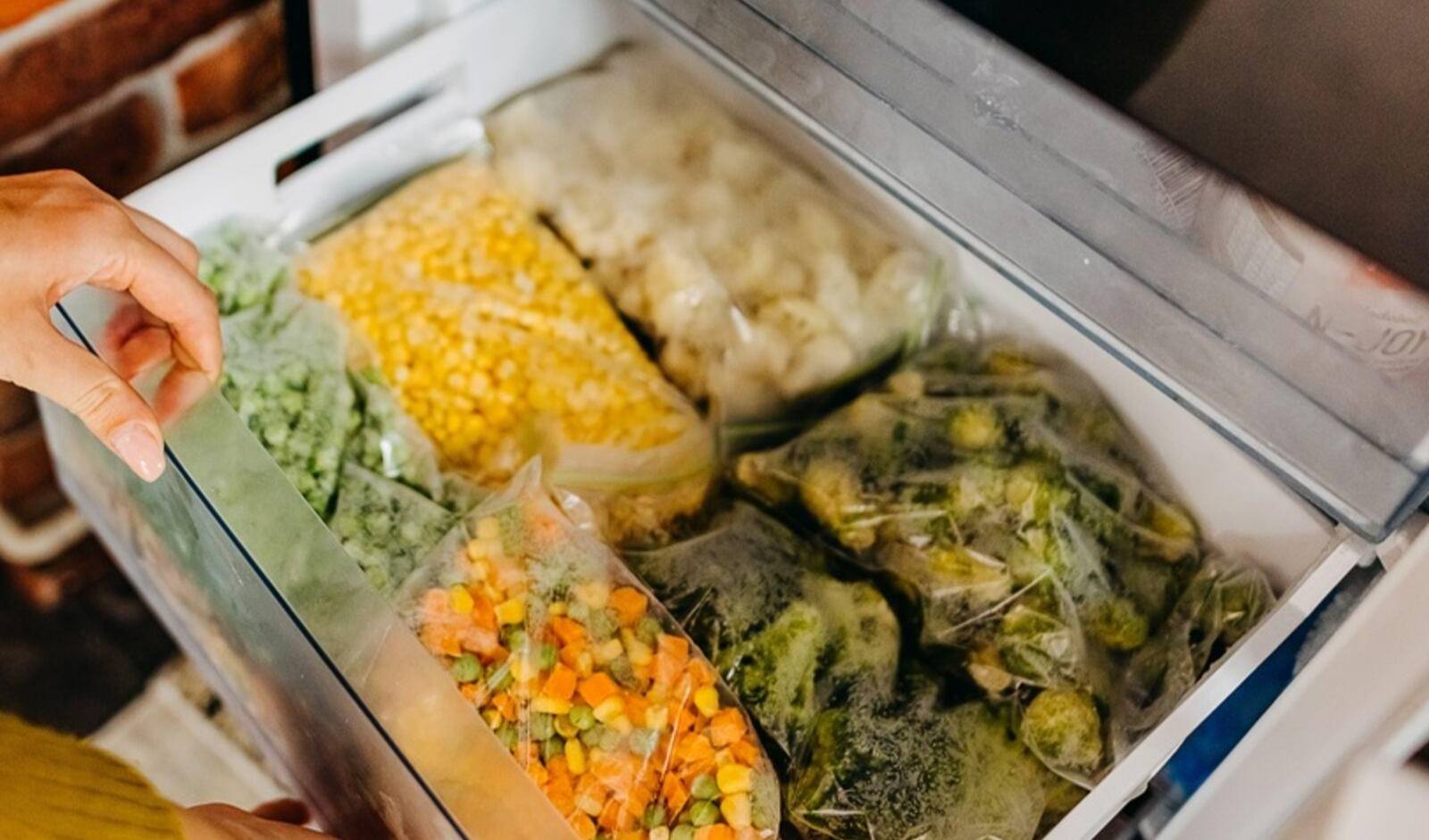
Also check: Is Frozen Food a Health Hero or Hidden Villain? The Shocking Truth Revealed!
2. Chickpeas – The Protein-Packed Legume

Chickpeas are a great source of plant protein and fiber. They help in digestion and keep your gut healthy. Chickpeas are naturally low in fat, making them a great weight-loss food. They also provide essential minerals like iron and magnesium. Eating chickpeas regularly can help in maintaining stable blood sugar levels. They can be used in various dishes like hummus, curries, and stews. Chickpea flour is a popular gluten-free alternative for baking. Roasted chickpeas are a crunchy and protein-rich snack. They are also great for making veggie burgers. Their mild taste makes them easy to add to any meal.
- Protein Content: 7g per 100g serving.
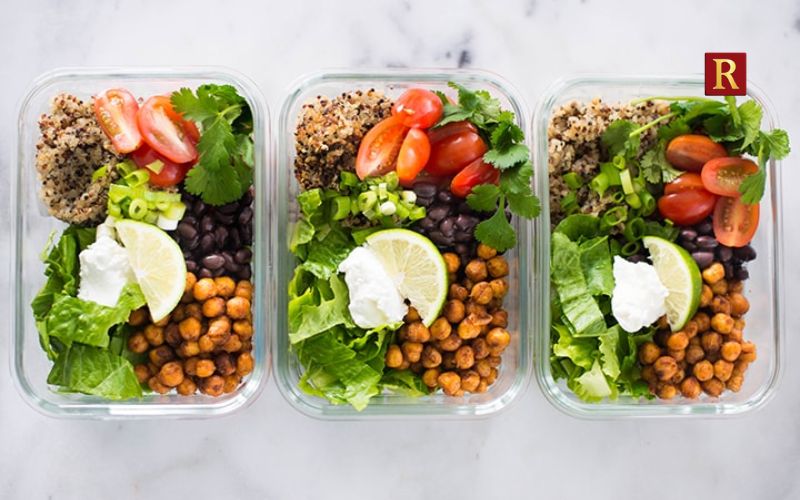
- How to Eat: Add chickpeas to salads, blend them into hummus, or roast them for a crunchy snack.
- Personalized Tip: If you love crispy snacks, roast chickpeas with olive oil and spices for a high-protein, crunchy treat.
Also check: 10 Different Types of South Indian Rice Dishes
3. Lentils – The Budget-Friendly Protein

Lentils are affordable, nutritious, and easy to cook. They are rich in protein and fiber, making them great for digestion. Lentils are naturally low in fat but high in essential nutrients. They contain folate, which is important for brain and heart health. Lentils help in maintaining steady energy levels throughout the day. They come in different types like red, green, and brown, each with a unique taste. They cook faster compared to other beans and do not need soaking. Lentil soup is a comforting and protein-rich meal. They are also great for making patties or plant-based meat alternatives.
- Protein Content: 9g per 100g serving.
- How to Eat: Cook them into soups, dals, or use them as a base for salads.
- Personalized Tip: To make lentils easier to digest, soak them before cooking. This reduces bloating and improves nutrient absorption.
Know more: A Guide to Different Breads and Their Nutritional Value
4. Eggs – The Complete Protein Source

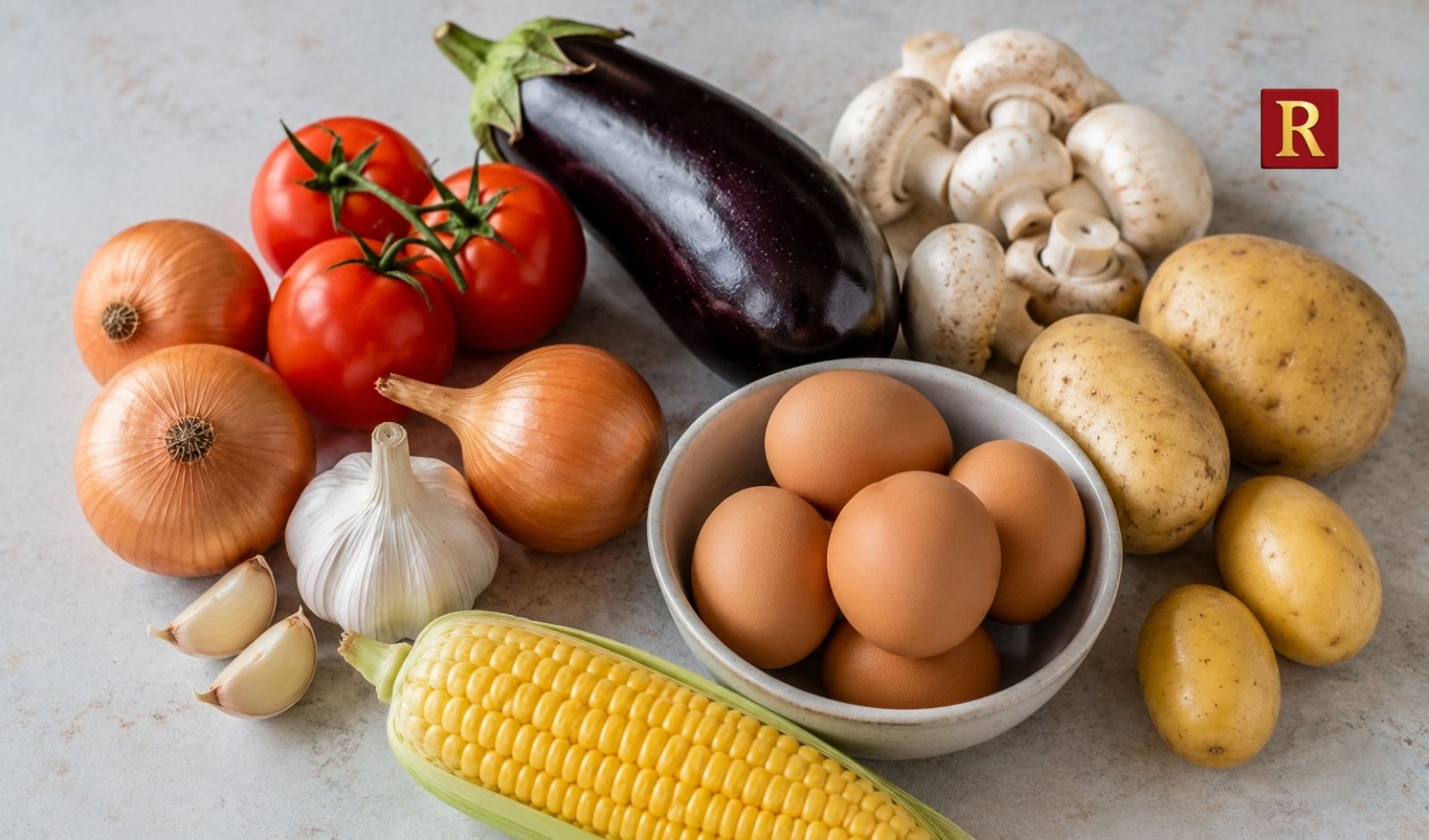
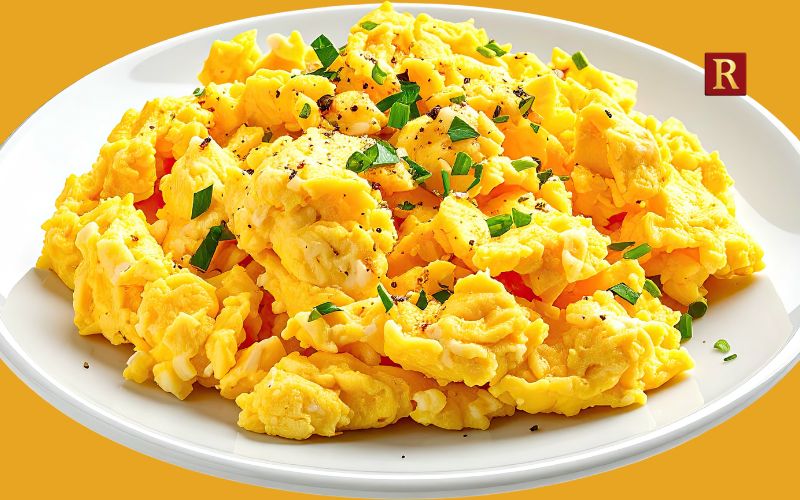
Eggs are one of the most nutritious foods. They contain high-quality protein and essential vitamins. Eggs are rich in choline, which is important for brain function. They help in muscle recovery and strength building. Eating eggs can keep you full for longer, helping with weight control. They are versatile and can be boiled, scrambled, or made into omelets. Egg yolks are packed with healthy fats and vitamins like D and B12. They also help in boosting metabolism. Organic and free-range eggs contain higher nutrients. Eggs can be added to salads, sandwiches, or eaten as a quick snack.
- Protein Content: 6g per egg.
- How to Eat: Enjoy them boiled, scrambled, or as an omelet.
- Personalized Tip: If you are watching cholesterol, try eating more egg whites while keeping some yolks for essential nutrients.
5. Edamame – The Plant-Based Protein Champion

Edamame are young soybeans that are full of protein and fiber. They are a great plant-based option for vegetarians. Edamame helps in reducing cholesterol and improving heart health. They are rich in folate and vitamin K, which support brain function. These beans contain isoflavones, which may help with hormonal balance. They are low in calories but very filling, making them great for weight loss. Edamame can be boiled and eaten as a snack or added to salads. They have a mild, slightly sweet taste. You can also blend them into dips. Frozen edamame is easy to store and cook.
- Protein Content: 11g per 100g serving.
- How to Eat: Steam them with a sprinkle of sea salt or toss them into salads and stir-fries.
- Personalized Tip: For a protein-packed snack, keep a bag of frozen edamame in your freezer and steam them when needed.
6. Apple with Peanut Butter – The Perfect Sweet-Savory Combo

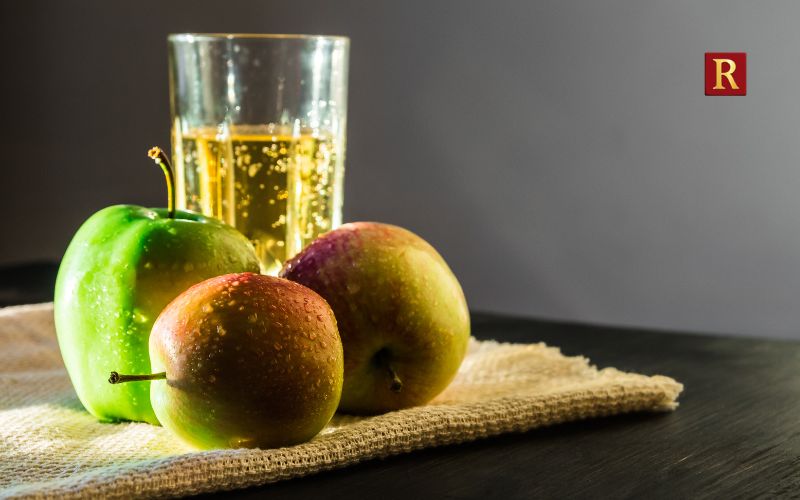
This snack is both delicious and nutritious. Apples provide fiber and vitamins, while peanut butter adds protein and healthy fats. The combination helps in keeping energy levels stable. It is a great pre-workout or midday snack. The fiber in apples supports digestion and gut health. Peanut butter contains potassium, which helps in muscle function. This combo can help in reducing hunger cravings. It is naturally sweet and does not need added sugar. Choose peanut butter without added oils or preservatives for a healthier option. This snack is easy to prepare and perfect for kids and adults alike.
- Protein Content: About 4g per serving.
- How to Eat: Slice an apple and dip it in natural peanut butter for a tasty snack.
- Personalized Tip: Choose unsweetened peanut butter to avoid added sugars.
7. Lima Beans – The Underrated Superfood

Lima beans are full of plant-based protein and fiber. They help in lowering cholesterol and keeping the heart healthy. They are rich in iron, which supports blood circulation. Lima beans also contain potassium, which helps in controlling blood pressure. They are low in calories but very filling. These beans are soft and creamy when cooked. They can be added to soups, stews, or mashed into spreads. Frozen lima beans are easy to cook and store. They are great for vegetarians looking for more protein options. Eating lima beans regularly can support healthy digestion and weight management.
- Protein Content: 7g per 100g serving.
- How to Eat: Add them to soups, stews, or blend them into dips.
- Personalized Tip: If you find lima beans bland, cook them with garlic, olive oil, and spices for extra flavor.
8. Chia Pudding – The Healthy Dessert Option

Chia pudding is a simple yet nutritious meal. It is made by soaking chia seeds in milk or yogurt. Chia seeds absorb liquid and form a gel-like texture. They are rich in omega-3 fatty acids, which support brain health. This pudding is high in fiber, keeping digestion smooth. It helps in weight control by keeping you full for longer. You can sweeten it naturally with honey or fruit. Chia pudding is a great breakfast or snack option. It is easy to prepare and can be stored in the fridge overnight. Adding nuts and berries makes it even more nutritious.
- Protein Content: 4g per 2 tablespoons.
- How to Eat: Mix chia seeds with milk or yogurt and let them soak overnight for a creamy pudding.
- Personalized Tip: Add honey, nuts, or fruits to make it even tastier.
9. Cheese – The Flavorful Protein Source

Cheese is rich in protein and calcium. It helps in maintaining strong bones and muscles. Different types of cheese have different flavors and textures. Hard cheeses like cheddar have more protein, while soft cheeses like mozzarella are lower in fat. Cheese is a great source of vitamin B12, which supports brain function. Eating cheese in moderation can support gut health. It can be added to sandwiches or pasta or eaten as a snack. Pairing cheese with fruit makes for a delicious and balanced snack. Some cheeses, like cottage cheese, are lower in fat and great for weight management.
- Protein Content: 7g per slice (cheddar).
- How to Eat: Enjoy it as a snack, in sandwiches, or melted over vegetables.
- Personalized Tip: Choose low-fat cheese for a healthier option.
10. Black Beans – The Heart-Healthy Protein

Black beans are a rich source of protein and fiber. They support heart health by reducing bad cholesterol. These beans help in stabilizing blood sugar levels. They are naturally low in fat but high in essential minerals. Black beans are a great option for vegetarians and vegans. They are commonly used in Mexican and Latin American dishes. Black bean soup is a popular comfort food. They can also be added to burritos, salads, or veggie burgers. Canned black beans are a convenient option, but fresh ones have a better texture. Cooking them with spices enhances their natural flavor.
- Protein Content: 9g per 100g serving.
- How to Eat: Use them in tacos, soups, or salads.
- Personalized Tip: Soak black beans overnight to reduce cooking time and improve digestibility.
11. Pumpkin Seeds – The Nutrient-Dense Snack

Pumpkin seeds are small but full of nutrients. They are rich in protein, healthy fats, and magnesium. These seeds help in reducing inflammation and boosting heart health. They are a great source of zinc, which supports the immune system. Pumpkin seeds can help in improving sleep quality due to their magnesium content. They can be eaten raw, roasted, or added to meals. Sprinkling them over salads adds crunch and nutrition. Pumpkin seed butter is another great alternative to peanut butter. These seeds are easy to store and make a great on-the-go snack.
- Protein Content: 7g per 28g serving.
- How to Eat: Eat them raw, roasted, or sprinkled over salads and yogurt.
- Personalized Tip: Store pumpkin seeds in an airtight container to keep them fresh longer.
12. Fish – The Best Source of Lean Protein

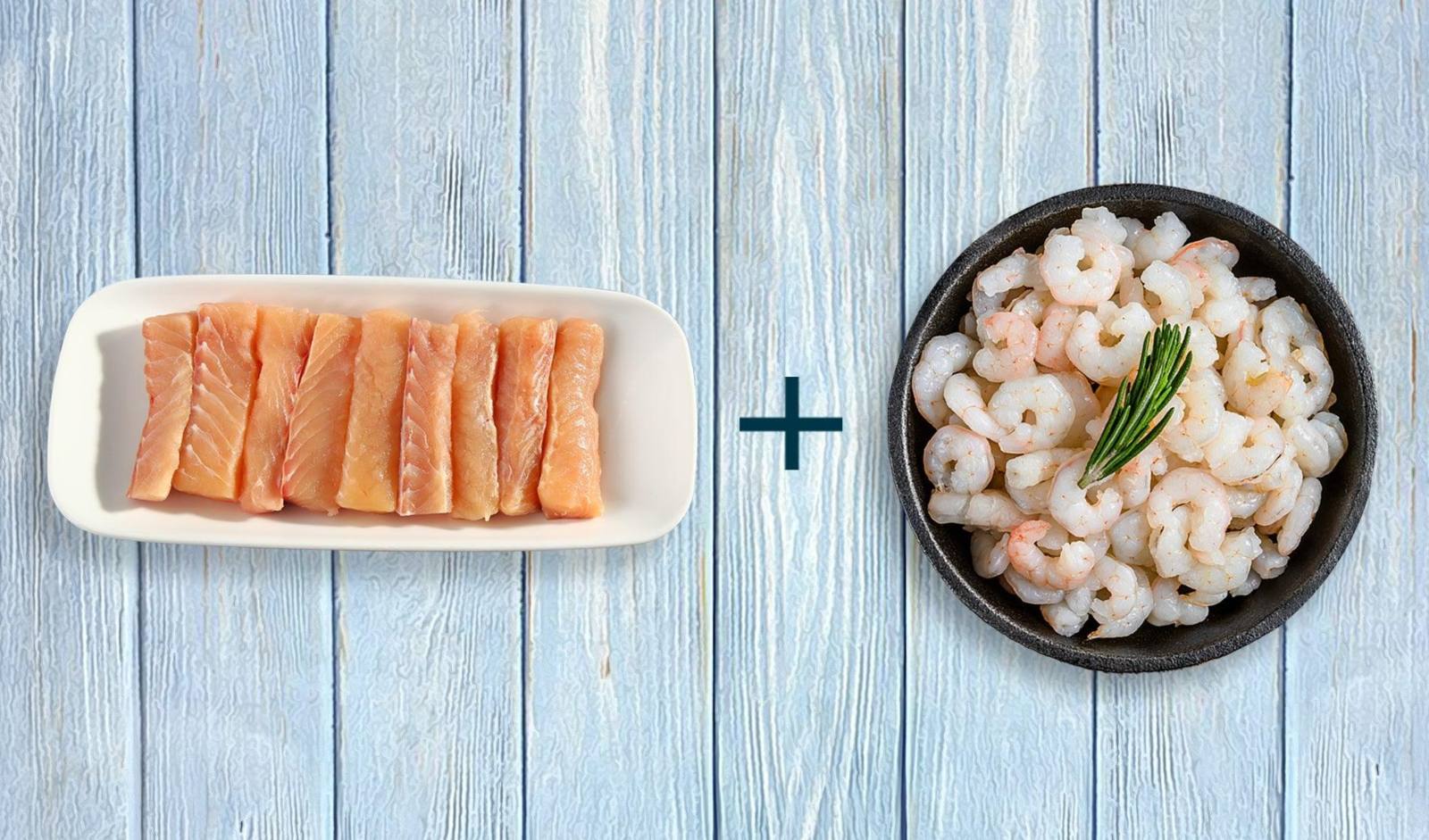
Fish is one of the healthiest sources of protein. It is rich in omega-3 fatty acids, which support heart and brain health. Eating fish regularly can help in reducing inflammation. Fatty fish like salmon and mackerel are especially nutritious. White fish like cod and tilapia are lighter and lower in fat. Fish is easy to cook and absorbs flavors well. Grilling or baking fish keeps it healthy. It is also a great source of vitamin D, which helps with bone strength. Fresh fish is always the best, but frozen options are convenient. Eating fish twice a week is recommended.
- Protein Content: 20g per 100g serving.
- How to Eat: Grill, bake, or steam fish for a delicious meal.
- Personalized Tip: If you don’t like fishy flavors, try milder options like cod or tilapia.
Final Thoughts!
Including high-protein foods in your daily diet helps you stay full, build muscle, and maintain energy levels. Whether you prefer plant-based or animal-based protein, there are many delicious options. Nuts, seeds, and legumes provide plant-based protein, while eggs, cheese, fish, and lean meats offer high-quality animal protein. These foods support digestion, boost metabolism, and help with weight management. You can enjoy them in different ways—snacking on almonds, adding beans to salads, or having fish for dinner. A balanced diet with enough protein keeps you strong and energized throughout the day. Choose your favorites and make them part of your meals!
Saptopriya Ghosal
Feature Writer
I am a dedicated media professional with a bachelor's degree in mass communication from the State University of Calcutta and a postgraduate degree from Amity University. My academic journey has equipped me with a profound understanding of storytelling and communication. Passionate about the dynamic world of media, I continually strive to explore new ways to engage and inform through compelling narratives.