The Ultimate Guide to Food Photography for Indian Restaurants
With food photography, a restaurant can grab the attention of customers in an instant. Therefore, in this article, we will look at the art and science of taking wonderful food images that not only look great but also communicate your restaurant's story, promote your brand, and ultimately increase reservations and online orders.

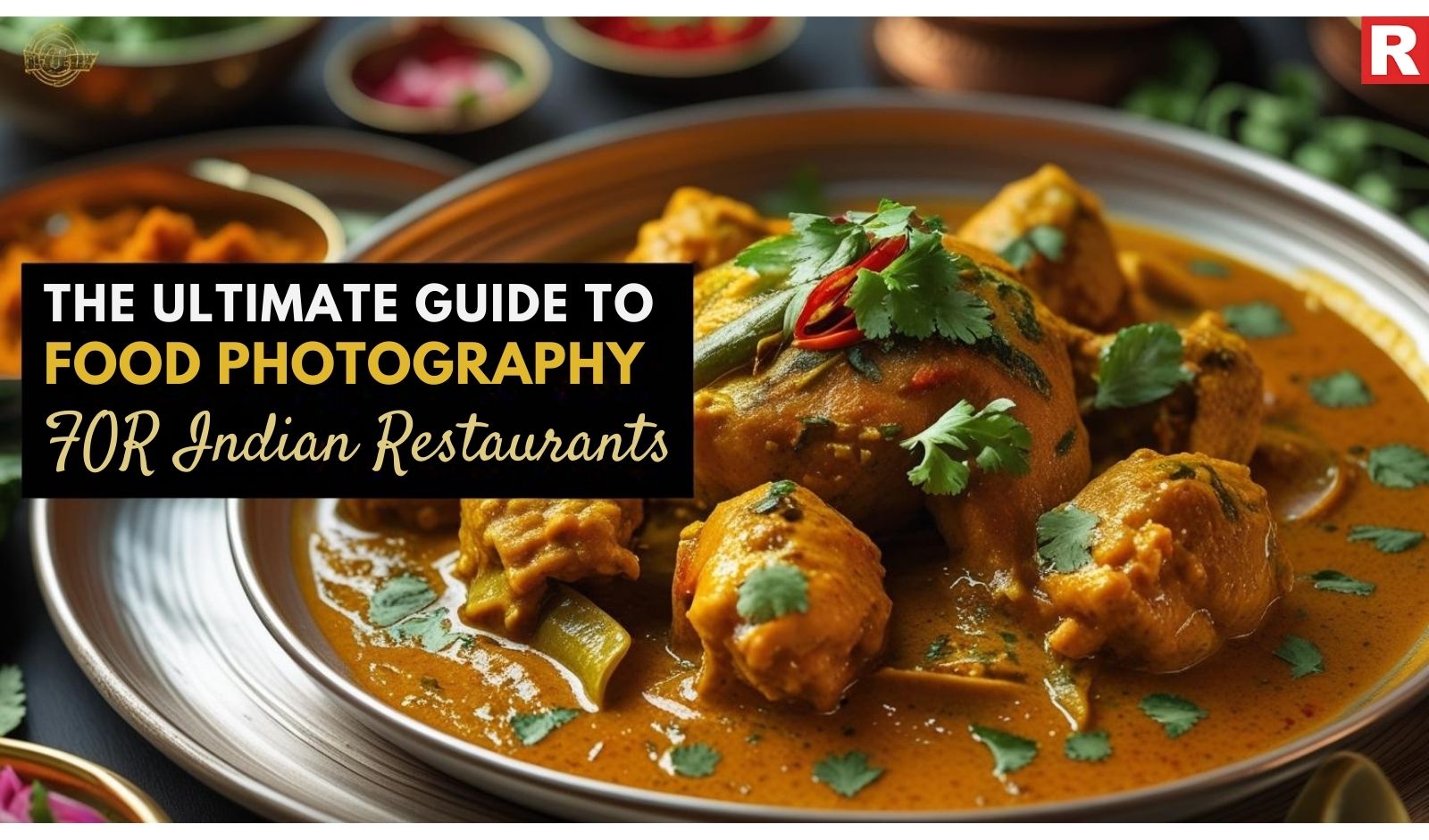
Do you know what makes a dish appealing to a restaurant's customers? Of course, the aroma, spices, and price are the biggest factors. But it can only work if the customer is already familiar with the dish. If a customer ordered a dish only based on its name, they would be puzzled. For example, if a dish is called “Dal Espresso,” the customer will be confused about whether it is a lentil dish or a coffee. In such cases, a picture of the dish becomes more important. The most special dish of your restaurant can look dull if it doesn't have a picture of it. This makes food photography even more important for the restaurant.
With food photography, a restaurant can grab the attention of customers in an instant. Therefore, in this article, we will look at the art and science of taking wonderful food images that not only look great but also communicate your restaurant's story, promote your brand, and ultimately increase reservations and online orders. This article will teach you everything you need to know about lighting and composition, as well as how to master style approaches that highlight the unique appeal of Indian cuisine.
What is Food Photography?
Read more: 10 Facts You Should Know About Frozen Desserts
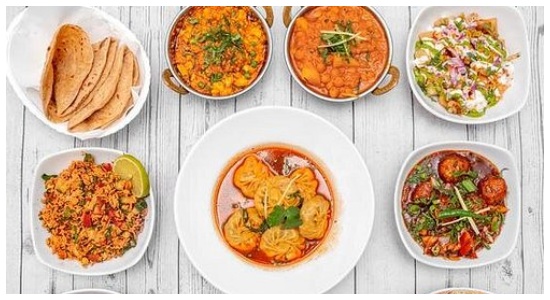
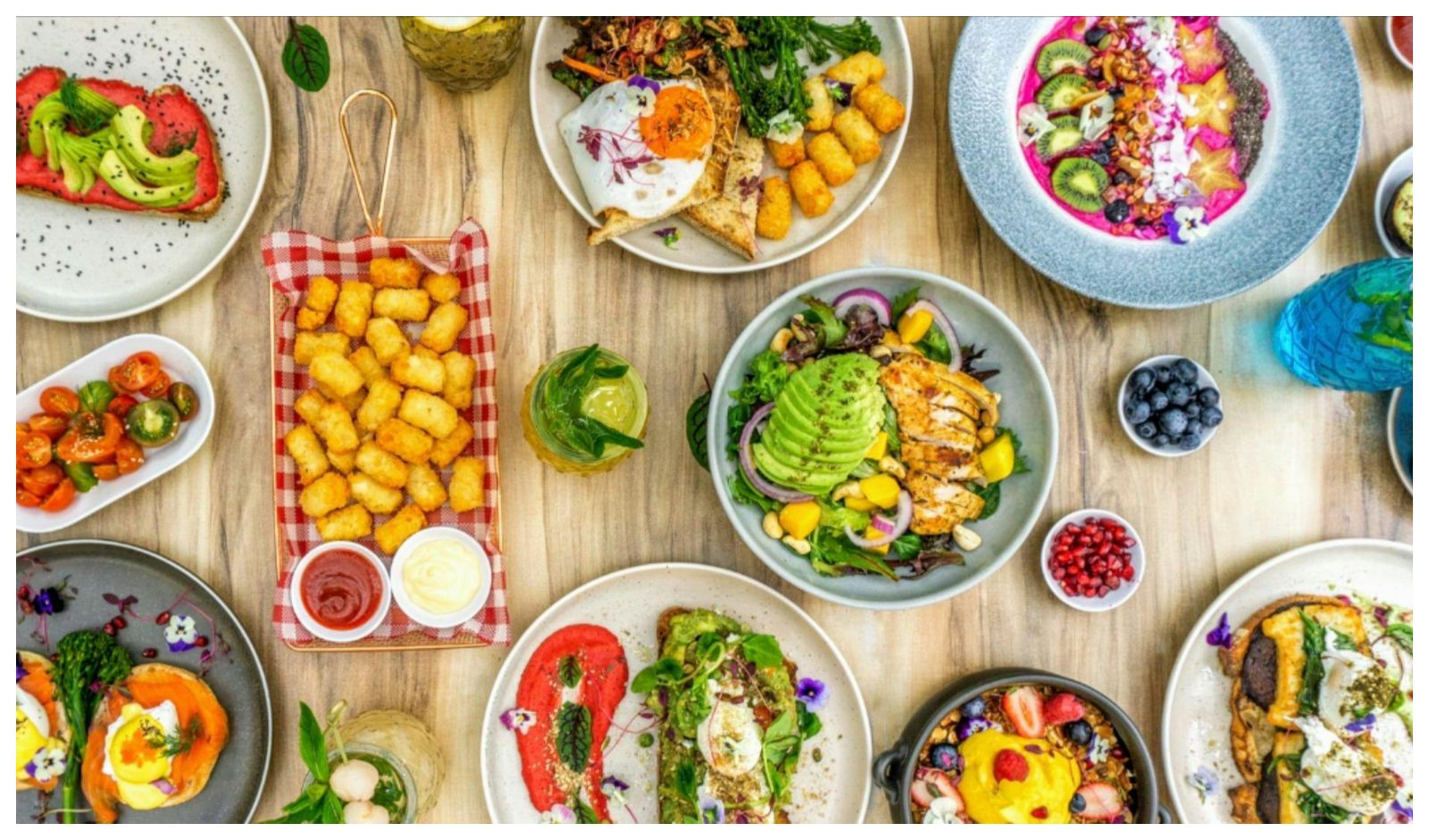
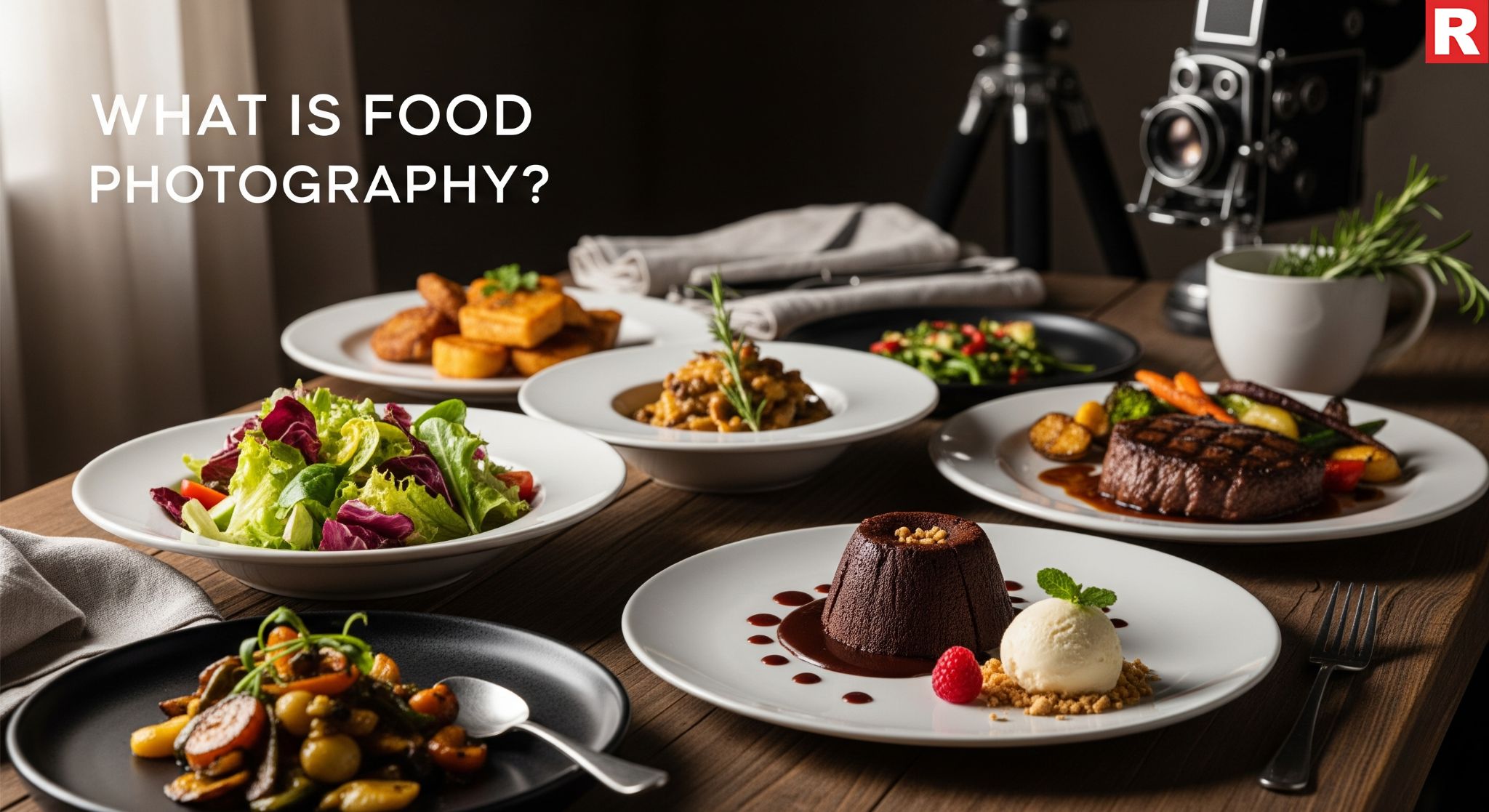
Food photography is the art of capturing photos of food in such a way that it appears as appetizing and tempting as possible. It's a type of still-life photography that highlights a dish's textures, colors, and details through lighting, styling, and arrangement. The idea is to create a want or craving for the meal, transforming a basic visual into an effective marketing tool. In today's digital age, food photography is critical for restaurants to attract customers and establish a strong brand identity on social media and other online platforms. Food photography is ultimately used for the following purposes:
- To show photos of the dish in the physical menu to the dine-in customers.
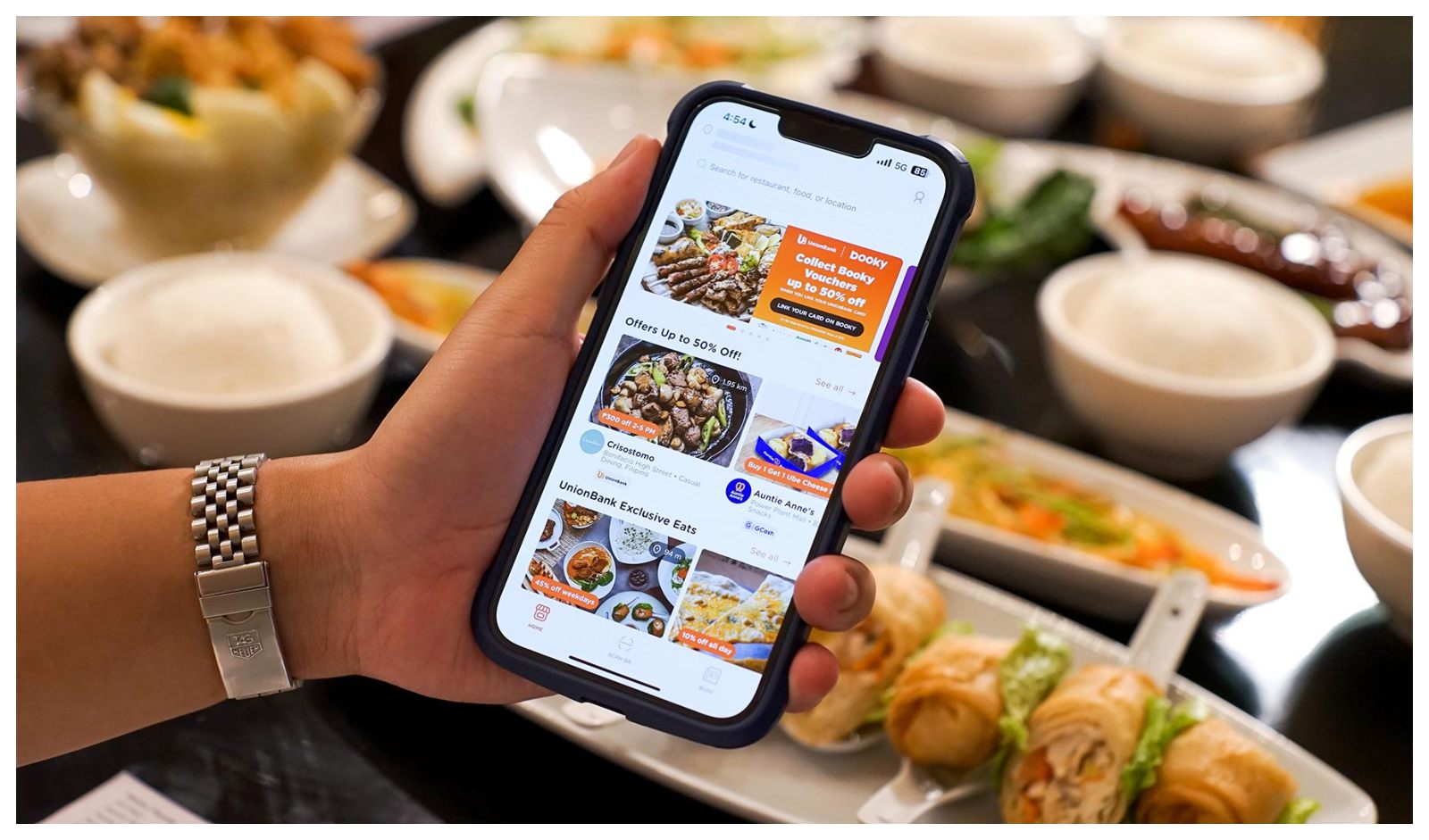
- To show photos on websites like food ordering platforms or a digital menu of the restaurant.
- Various food bloggers or influencers use food photography in their work.
Why Food Photography Is Non-Negotiable for Restaurants
Food photography has multiple benefits for your restaurant in a visually overwhelmed digital world. So it is non-negotiable for restaurants not to use food photography.
- First Impression Matters: For potential customers looking through Instagram or online delivery platforms, your food images are frequently their first impression of your business. Visually appealing content can influence whether people click to learn more or scroll past.
- Showcasing Your Culinary Skills: Indian cuisine is a brilliant mix of colors, textures, and subtle details. High-quality photography allows you to demonstrate the skill and artistry that goes into making your meals.
- Building Brand Identity: Consistent and visually appealing photographs help to create a strong and recognizable brand identity for your restaurant. Your picture style can convey your restaurant's atmosphere, cuisine focus, and general personality.
- Driving Engagement and Traffic: Delicious food photos are easily shared and engaging on social media. They can generate likes, comments, and shares, boosting your restaurant's visibility and bringing visitors to both online and physical locations.
- Increasing Online Orders: For restaurants that provide online delivery, captivating food photographs on your website and delivery partner applications can have a major impact on customers' ordering decisions.
- Creating a Visual Menu: High-quality photographs act as a visual menu for your online audience, allowing people to better grasp what you have to offer and make rational choices.
The Essential Elements of Great Food Photography
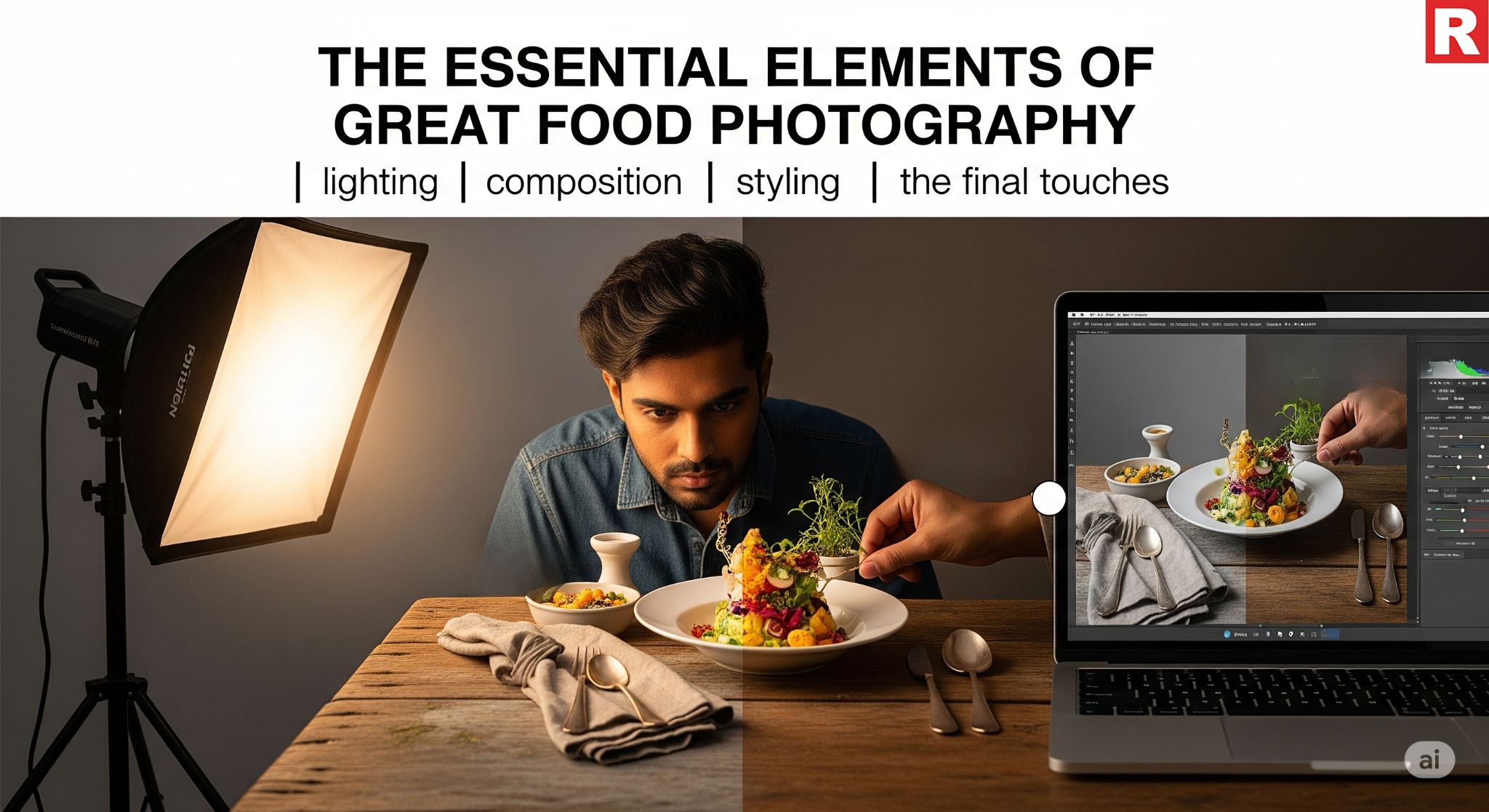
Food photography can capture the essence of the dish and make it more appealing to the public.
1. Lighting
Lighting is undoubtedly the most important aspect of food photography. It sets the tone, reveals textures, and accentuates the colors of your dishes.
- Natural Light: When possible, use natural lighting. Position your food near a window to take advantage of the soft, indirect sunlight. Avoid direct sunlight, which can cast harsh shadows and produce unpleasant highlights.
- Side Lighting: Placing your food to the side of a light source (natural or artificial) frequently produces beautiful shadows that add depth and richness to the shot.
- Diffusing Light: If natural light is excessively bright, use a diffuser (a thin white cloth or paper) to soften it and reduce the appearance of harsh shadows.
- Artificial Light: If natural light is unavailable, consider purchasing steady LED lights with diffusers. Avoid using your camera's built-in flash, as it often produces harsh and unpleasant effects.
- Understanding Shadows: Pay close attention to the shadows in your frame. Soft shadows can create depth; however, strong or distracting shadows should be avoided.
Know this: Top 10 Foods to Boost Your Mineral Intake Naturally
2. Composition
Composition is how you organize the items in your frame. A well-composed photograph draws the viewer's attention and produces a visually appealing image.
- The Rule of Thirds: Consider splitting your frame into nine equal portions using two horizontal and two vertical lines. Placing your theme or important pieces along these lines or at their intersections frequently results in a balanced and compelling composition.
- Leading Lines: Use lines (such as a row of kebabs or a swirl of sauce) to guide the viewer's eye through the image and towards the main subject.
- Negative Space: Don't be afraid of the space in your frame. Negative space can help you highlight your subject while also creating a sense of a state of balance.
- Angles & Perspectives: Experiment with various shooting angles. Overhead (flat lay) pictures are ideal for highlighting the entire dish and its components. Eye-level images can provide a closer and more realistic experience. 45-degree angles provide an appropriate balance of showing the top and front of the dish.
- Layering and Depth: Create interest in your image by layering items in your frame. This could include arranging garnishes on top of the main dish, putting objects in the background, or using props to add depth.
What's new: How to Get A Government Loan for Your Restaurant Business
3. Styling
Food styling involves setting up the food and adding props to make the dish as appealing as possible.
- Fresh Ingredients Are Key: Use only the freshest, most visually pleasing ingredients. Wilted or bruised pieces can belittle the image.
- Garnishes with a Purpose: Place garnishes strategically to enhance color, texture, and visual appeal. Choose garnishes that enhance the food without overpowering it. Fresh herbs, edible flowers, a sprinkling of spices, or a drizzle of sauce can make a significant difference.
- Plating Matters: Pay close attention to how the food is plated. Arrange the ingredients cautiously to prevent cluttering the platter. Wipe away any smudges or spills.
- Props That Create a Story: Use props (such as flatware, plates, bowls, linens, and ingredients) to provide context and create a story about your restaurant and the dish. Select props that complement the decor and food of your restaurant. You might make a rustic Indian dish with ceramics and natural materials.
- Creating Texture: Emphasize the various textures in your meal. This could include demonstrating the crispiness of fried foods, the smoothness of a sauce, or the fluffiness of rice.
- Color Harmony: Be aware of the colors in your frame. Contrasting colors will make your subject stand out, while complementary colors will provide a design that is stronger. Indian cuisine provides a rich palette to work with.
Check out: How to Shield Your Restaurant Business from Failing
Obbattu Recipe – Authentic Karnataka Sweet for Festive Menus & Dessert Lovers
4. The Finishing Touches
While capturing a stunning image in-camera is vital, post-processing can help to improve and polish your photos.
- Use Editing Programs Wisely: There are numerous user-friendly mobile editing programs (such as Snapseed, VSCO, and Adobe Lightroom Mobile) that can help you change brightness, contrast, saturation, sharpness, and white balance.
- Subtle Enhancements Are Best: Avoid overediting your images, which can make the meal appear fake and unappealing. The idea is to bring out the natural beauty of the meal.
- Maintain Consistency: Create a consistent editing style for all of your photographs to ensure that your brand's visual content looks harmonious.
- Cropping and Straightening: Crop your photographs to improve composition and keep horizontal and vertical lines straight.
Specific Tips for Photographing Indian Cuisine
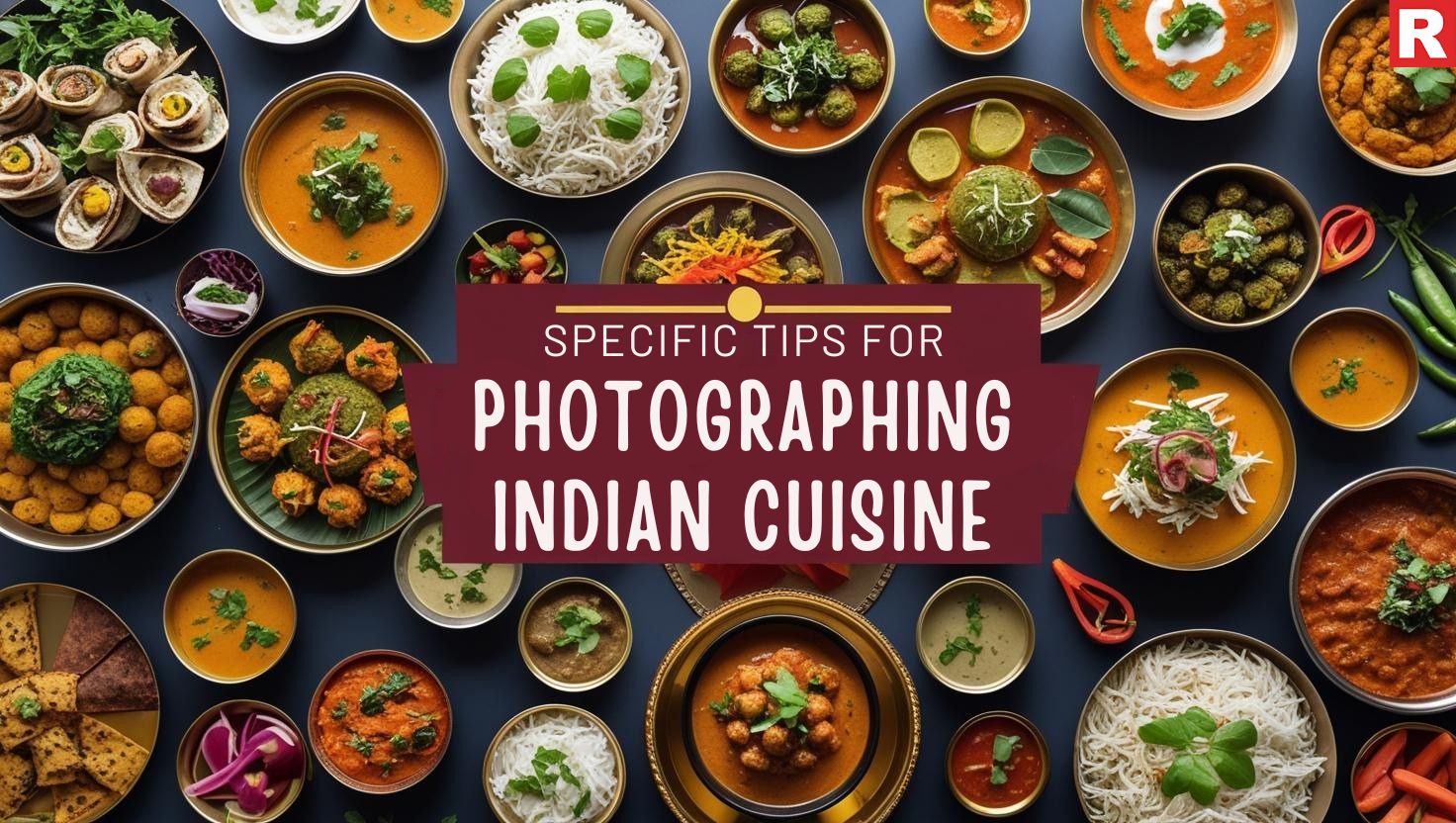
Indian food offers different possibilities as well as challenges for photography.
Embrace the hues: Indian cuisine is typically filled with vivid colors. Use lighting and editing to really make these colors stand out.
Highlight the Textures: From the crispy outside of a samosa to the creamy texture of dal makhani, emphasize the various textures in your food.
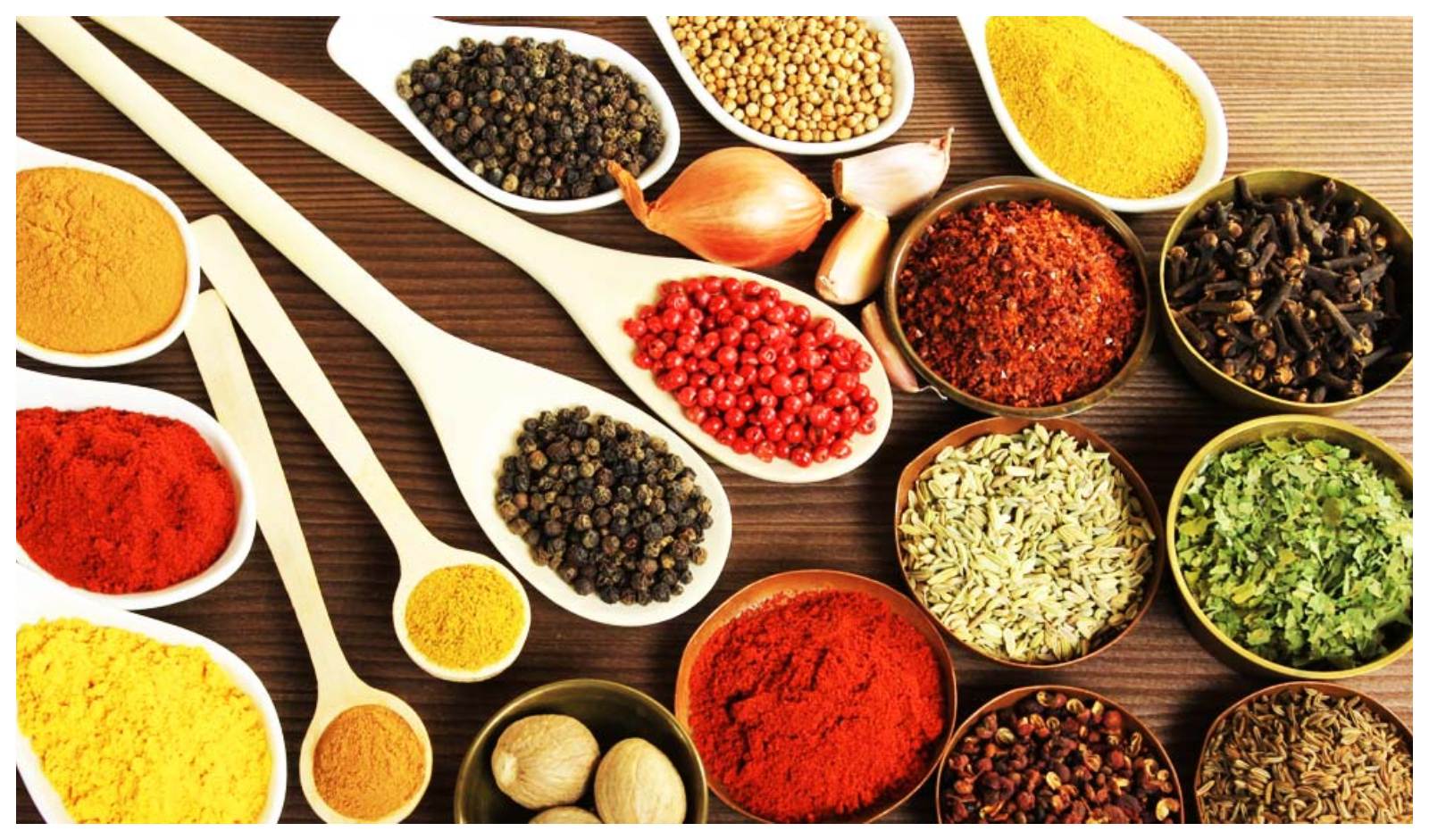
Don't Be Afraid of Spice: A sprinkle of red chili powder or a few whole spices can give visual appeal and hint at the flavor.
Highlight the Gravies and Sauces: Rich gravies and sauces are frequently the standouts of Indian food. Use angles to highlight their deliciousness.
Capture the Steam: Dishes that are gently steaming might appear to be very appealing. Capture the steam rising as you take the photograph.
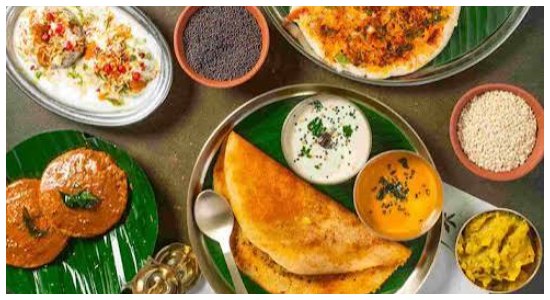
Use Traditional Indian Props: Props such as serveware, spices in miniature bowls, or patterned fabrics can be used to offer authenticity and cultural context.
Read this: Picante Cocktail Recipe: The Spicy-Sweet Drink Taking Over Cocktail Menus
Conclusion
In a competitive dining environment, impressing your audience visually is equally crucial to appealing to their taste sensations. Mastering the foundations of food photography, such as light, composition, style, and post-processing, will allow you to transform your meals into tempting visual material that draws guests, grows your brand, and eventually adds to the success of your Indian restaurant. Embrace the art of displaying your luxurious delicacies, one breathtaking shot at a time, and watch your restaurant's internet appeal grow.
Mahak Sharma
Content Writer
Mahak Sharma is a passionate content writer with 2 years of experience crafting compelling content across various niches, tailoring her writing to suit different audiences and platforms. She is dedicated to producing engaging content for readers so that they can understand and enjoy the articles. Her strengths lie in crafting SEO-friendly, well-structured articles that drive visibility and engagement.