The Ultimate Guide to Food Pairings: How to Match Cheese, Wine, Cocktails, and Snacks Like a Pro
Whether you are dining at a restaurant or hosting friends at home, these simple principles will help you enjoy every bite and every sip with greater confidence.

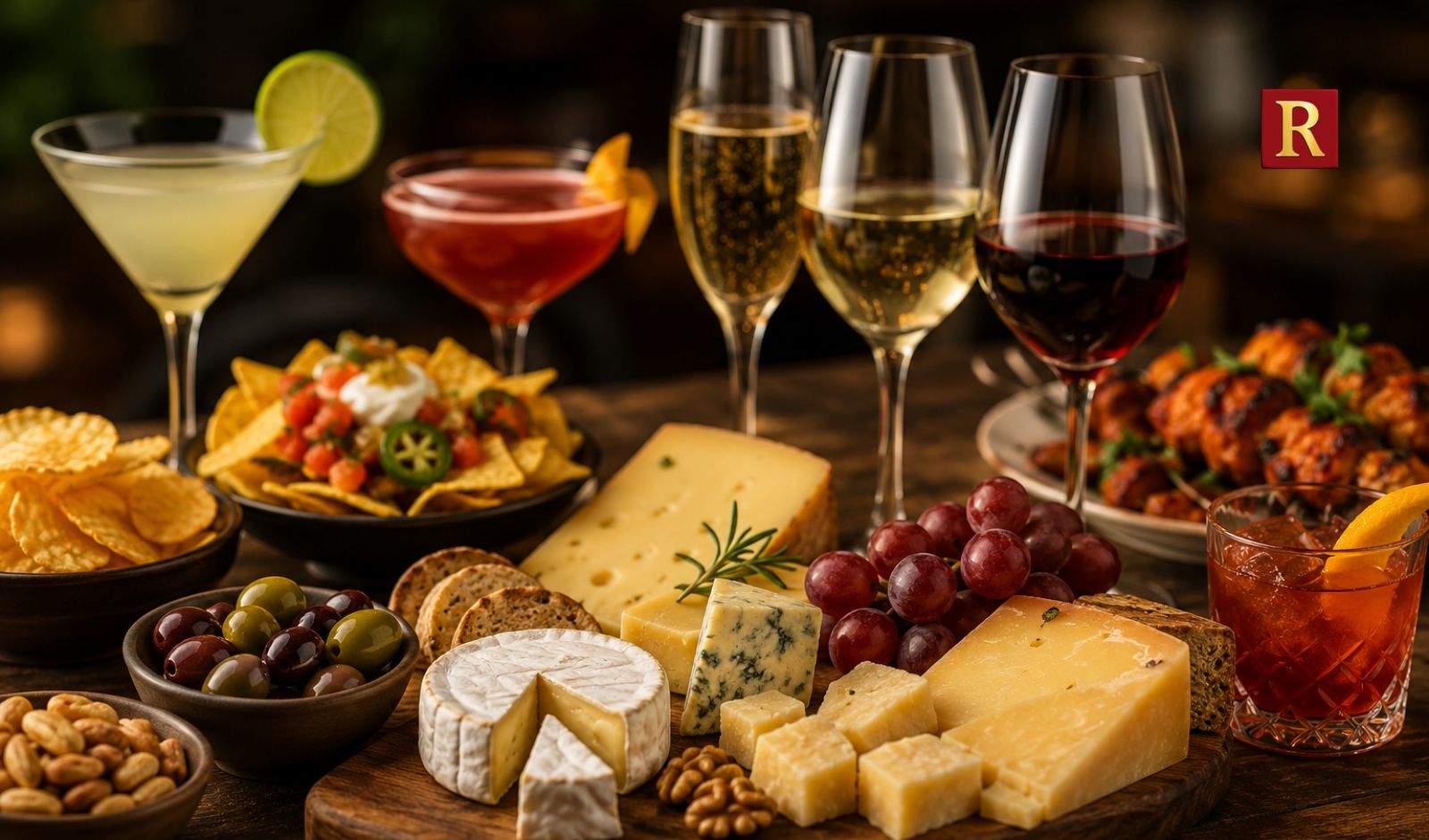
A great meal is about more than good food. The right drink can make every bite taste better, while the wrong one can hide flavours and leave the meal feeling unbalanced. Food pairing is the art and science of matching foods with beverages that complement or contrast each other in the right way. Restaurants, wine bars, and cocktail lounges carefully design pairings because they create a better dining experience and often encourage guests to explore new flavours. Whether you are putting together a cheese board, planning a dinner party, or simply choosing a drink for your favourite snack, understanding a few basic pairing principles can make a noticeable difference.
Why Food Pairing Matters
Food pairing is based on how our senses experience flavour. Taste, aroma, texture, temperature, and even the sound of a crunchy bite influence how we enjoy food. According to researchers from the University of Cambridge and culinary data studies, flavour perception is affected by hundreds of aroma compounds. This is why some combinations feel naturally balanced while others seem to clash.
Professional chefs and sommeliers usually follow two simple approaches:
- Complementary pairing: Similar flavours enhance one another.
- Contrasting pairing: Opposite flavours create balance.
For example, a creamy cheese paired with crisp sparkling wine works because the wine's acidity and bubbles cut through the richness of the cheese.
The Science Behind Great Pairings
Understanding a few flavour elements makes pairing much easier.
1. Acidity Refreshes Rich Foods
Acidic drinks are one of the easiest ways to balance rich and creamy foods. Acidity acts like a palate cleanser, cutting through fat and leaving your mouth feeling fresh after every bite. This is why crisp white wines, sparkling wines, and citrus-based cocktails are popular with buttery, cheesy, or fried dishes. For example, tangy goat cheese pairs beautifully with Sauvignon Blanc because both share bright, citrusy notes. Fried fish becomes lighter when served with a lemon-based cocktail, while creamy pasta matches well with Pinot Grigio, whose refreshing acidity prevents the sauce from feeling too heavy. The result is a meal that tastes balanced, vibrant, and easier to enjoy from start to finish.
2. Fat Softens Strong Drinks
Foods that are rich in fat can soften the bold flavours found in certain wines and spirits. Fat coats the palate, reducing the drying sensation caused by tannins and making alcoholic drinks taste smoother. This is why classic pairings like ribeye steak with Cabernet Sauvignon have remained popular for decades. The wine's firm tannins are balanced by the steak's marbled fat, creating a richer overall flavour. Similarly, creamy Brie pairs well with Champagne because the bubbles cut through the richness, while butter chicken complements Chardonnay, whose creamy texture and balanced acidity work well with the dish's buttery tomato gravy. These combinations create harmony rather than allowing one flavour to overpower the other.
3. Sweetness Balances Spice
Sweetness is one of the most effective ways to reduce the intensity of spicy foods. Drinks with a touch of natural sweetness help cool the palate and balance the heat from chilli peppers without masking the dish's flavours. This is why lightly sweet wines and fruity cocktails are commonly paired with spicy cuisines from around the world. Blue cheese and Port wine create a famous sweet-and-salty contrast, while Thai curry pairs beautifully with Riesling because its fruity sweetness softens the spice. Even jalapeño-based snacks become more enjoyable alongside fruit-forward cocktails, as the sweetness provides relief from the heat while allowing the dish's herbs and spices to remain noticeable.
4. Salt Makes Drinks Taste Better
Salt has a remarkable ability to enhance flavours and change the way beverages taste. It can reduce bitterness, highlight fruit notes, and make drinks feel smoother and more refreshing. This explains why salty snacks are almost always served with cocktails, beer, or sparkling wine. Potato chips paired with sparkling wine have become a favourite among chefs because the wine's bubbles cleanse the palate after every crunchy bite. Olives complement a Martini by matching its savoury and botanical notes, while salted popcorn with Champagne creates an enjoyable contrast between rich butter, salt, and crisp acidity. These simple combinations prove that everyday snacks can become surprisingly sophisticated with the right drink.
5. Umami Needs Careful Pairing
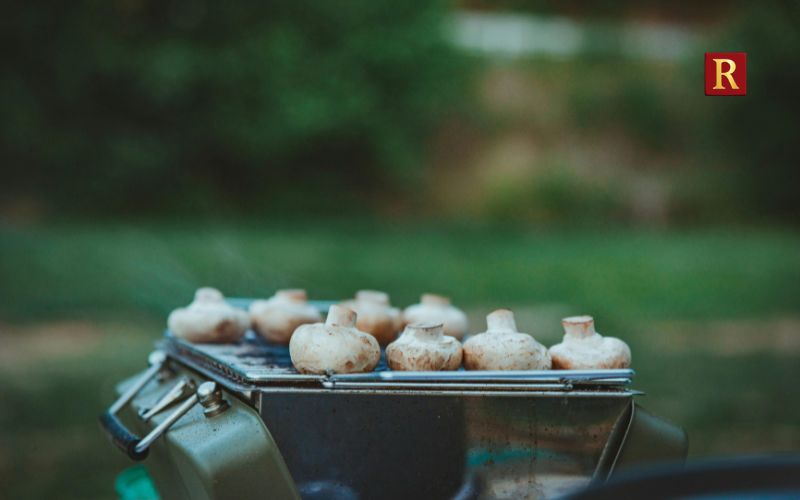
Umami is often called the fifth taste and is found in ingredients such as mushrooms, tomatoes, soy sauce, Parmesan cheese, and aged meats. It creates a deep, savoury flavour but can make some highly tannic red wines seem more bitter or less fruity. For this reason, wines with bright acidity or softer tannins are often better choices for umami-rich dishes. Parmesan paired with Chianti is one of the best-known examples because the wine's acidity complements the cheese's nutty, savoury character without overwhelming it. Understanding how umami affects flavour helps create pairings that feel balanced and allows both the food and the beverage to shine together.
The Golden Rules of Food Pairing
Professional kitchens often follow a few simple guidelines.
- Pair light dishes with lighter drinks.
- Match rich foods with fuller-bodied beverages.
- Sweet desserts need drinks that are even sweeter.
- Fatty foods pair well with acidic or sparkling drinks.
- Spicy dishes often work best with lower-alcohol, fruit-forward beverages.
- Keep the intensity of food and drink balanced.
These principles are used in restaurants around the world because they consistently produce enjoyable combinations.
Classic Cheese and Wine Pairings
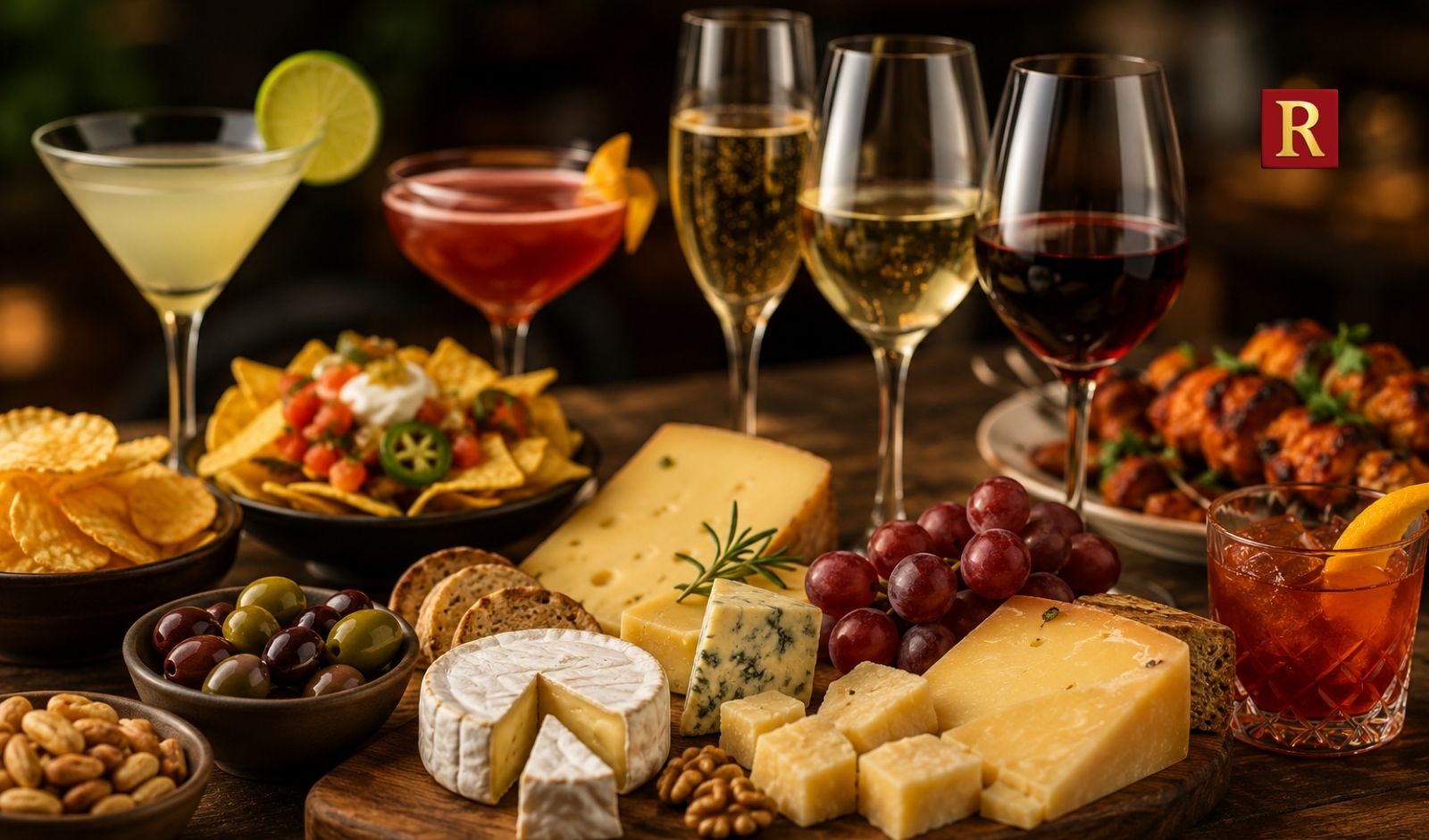
Cheese and wine have been paired for centuries because their textures and flavours naturally complement each other.
Brie and Champagne: The creamy texture of Brie contrasts beautifully with Champagne's fine bubbles and bright acidity.
Goat Cheese and Sauvignon Blanc: Fresh goat cheese has a tangy flavour that matches Sauvignon Blanc's crisp citrus notes.
Aged Cheddar and Cabernet Sauvignon: Aged cheddar contains more fat and deeper flavours, which soften Cabernet's tannins.
Blue Cheese and Port: Blue cheese is salty and bold. Sweet Port balances that saltiness, creating one of the most famous pairings in the wine world.
Parmesan and Chianti: Parmesan's nutty umami flavour works exceptionally well with Chianti's high acidity.
Snacks and Cocktails That Work Surprisingly Well
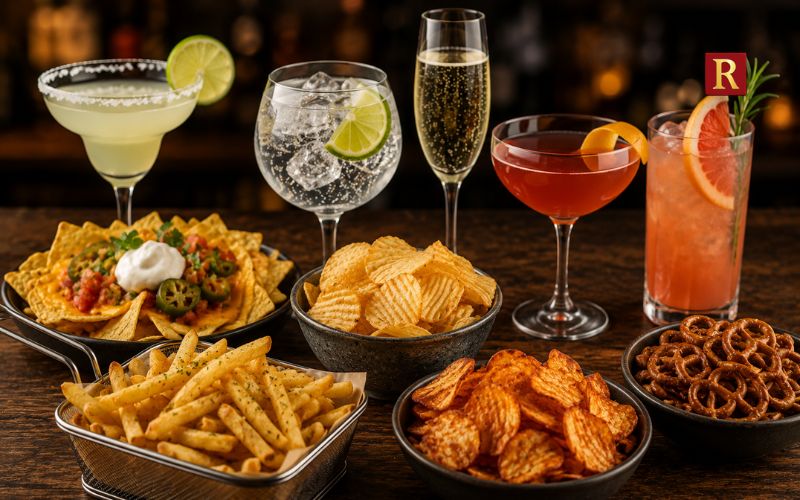
Many classic bar snacks were chosen because they naturally complement cocktails.
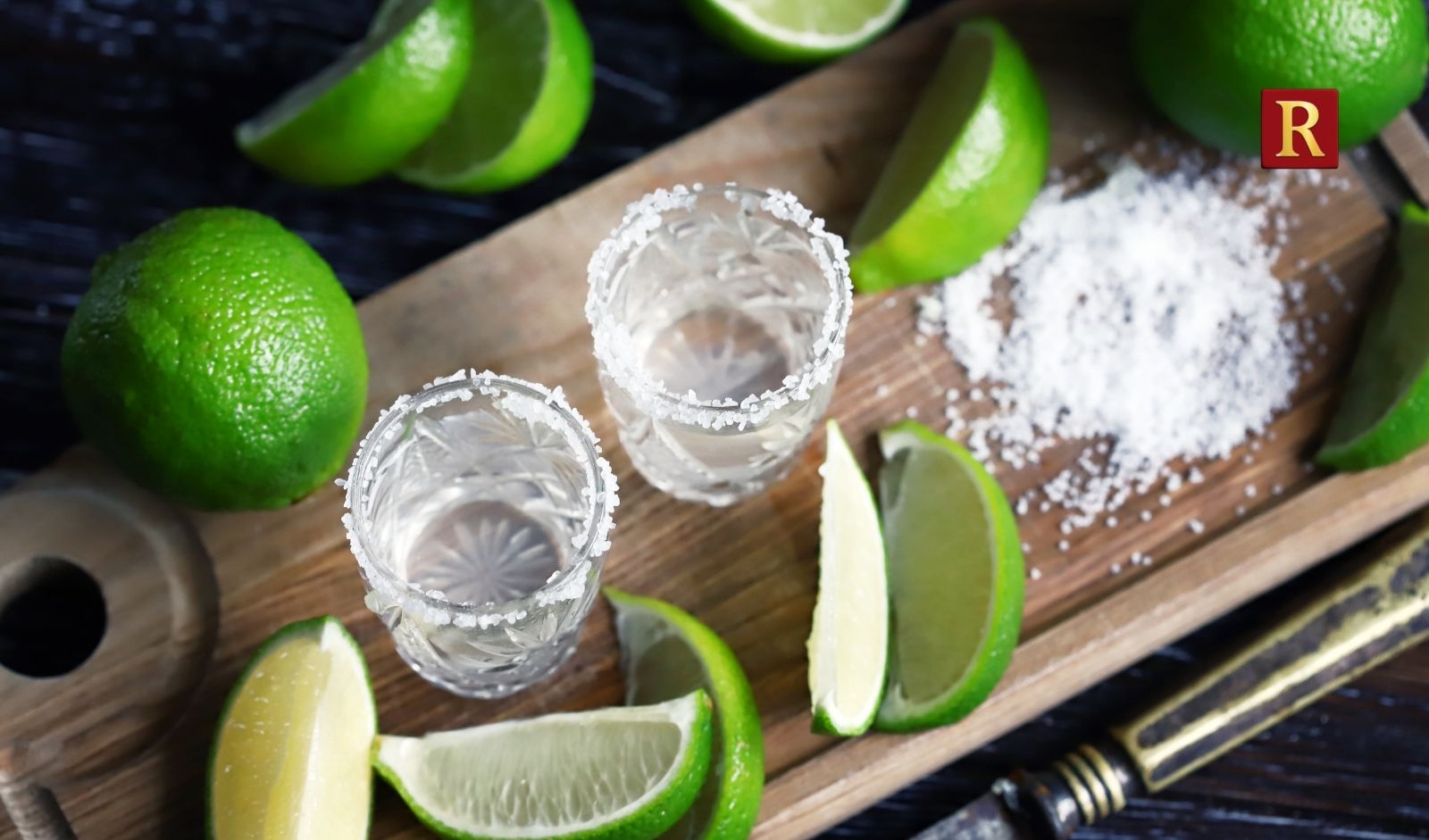
Nachos and Margarita: The lime and tequila brighten the rich cheese while refreshing the palate.
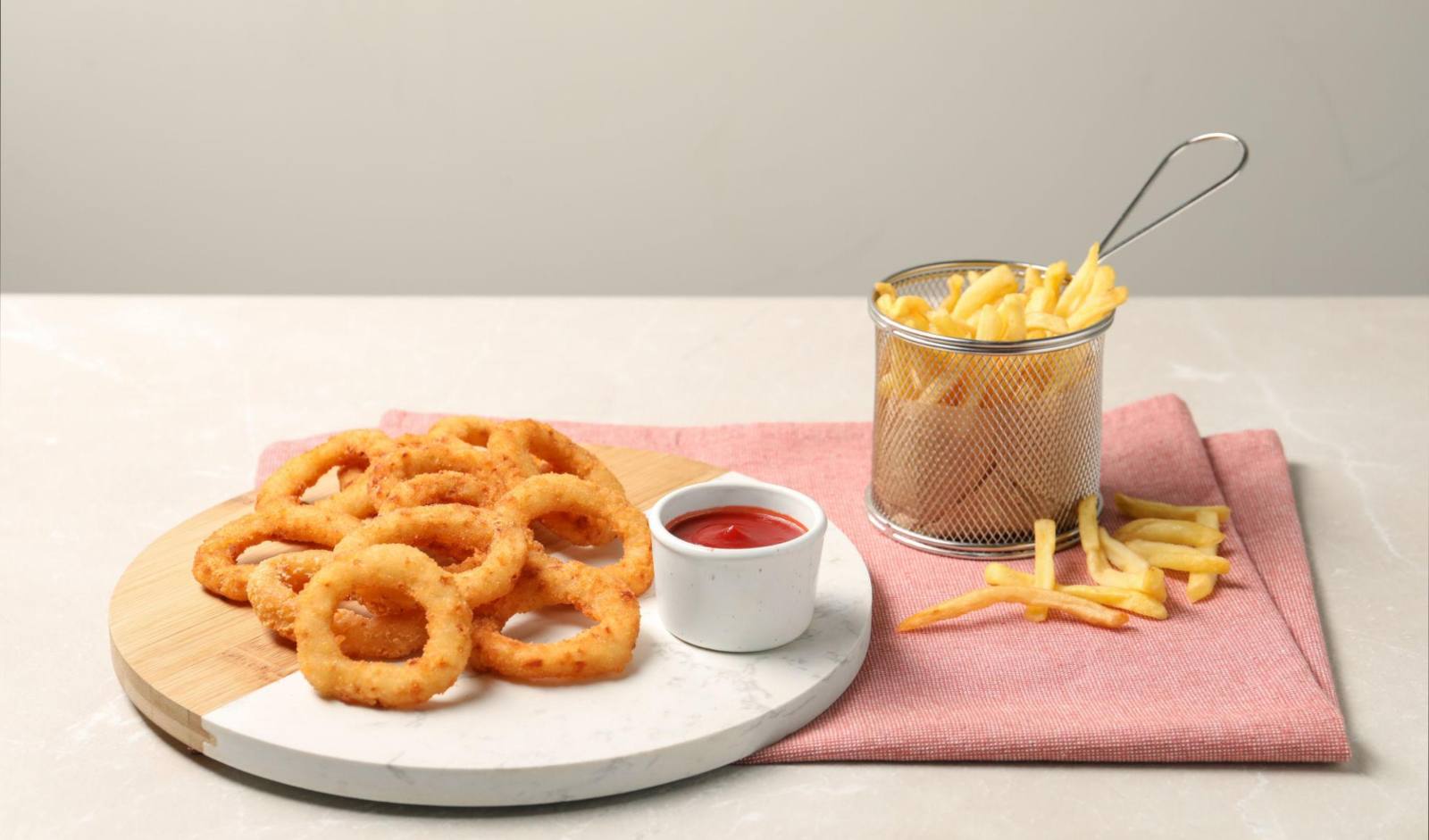
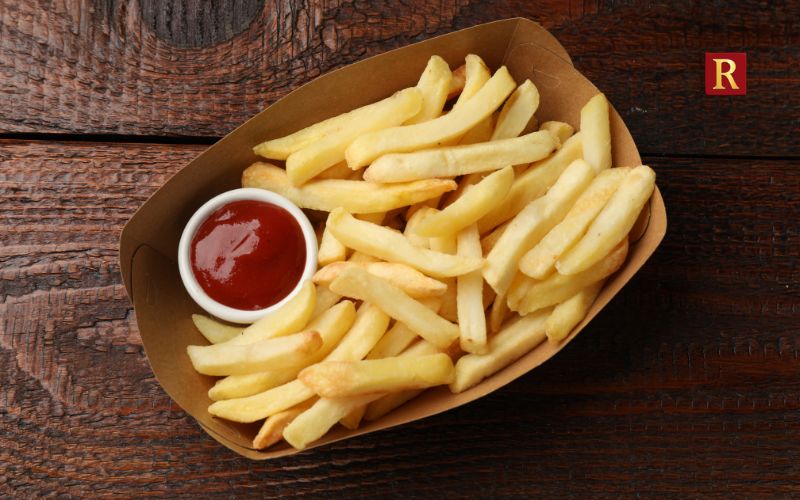
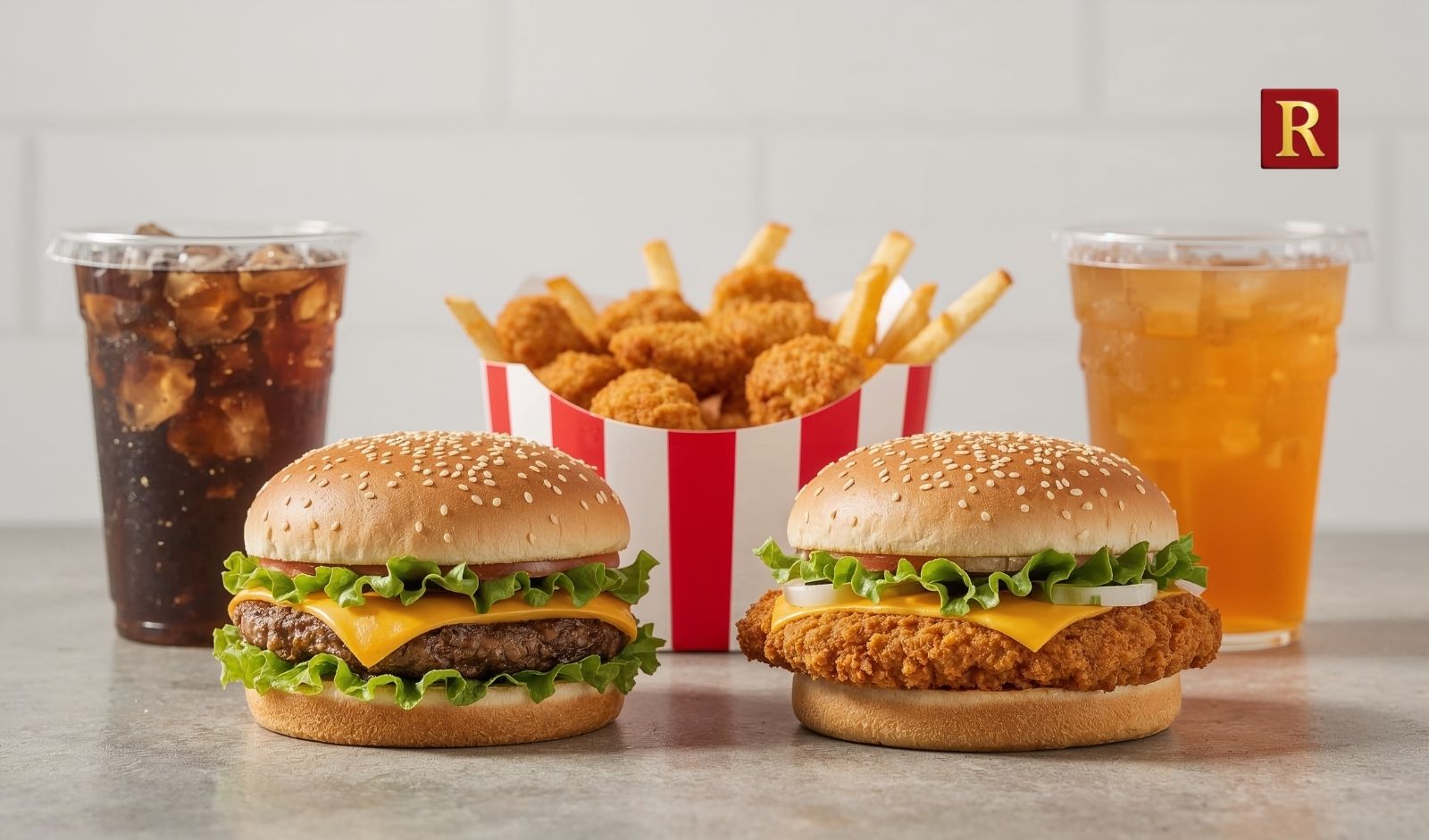
French Fries and Gin & Tonic: The tonic's bitterness and citrus cut through the fried potatoes, making every bite feel lighter.
Potato Chips and Sparkling Wine: This unexpected pairing has become popular in fine dining because bubbles balance salt and oil so effectively.
BBQ Chips and Paper Plane Cocktail: The smoky, sweet flavours of barbecue seasoning match the cocktail's bittersweet profile.
Pretzels and Paloma: The grapefruit notes refresh the palate between salty bites.
Indian Food Pairings Worth Trying
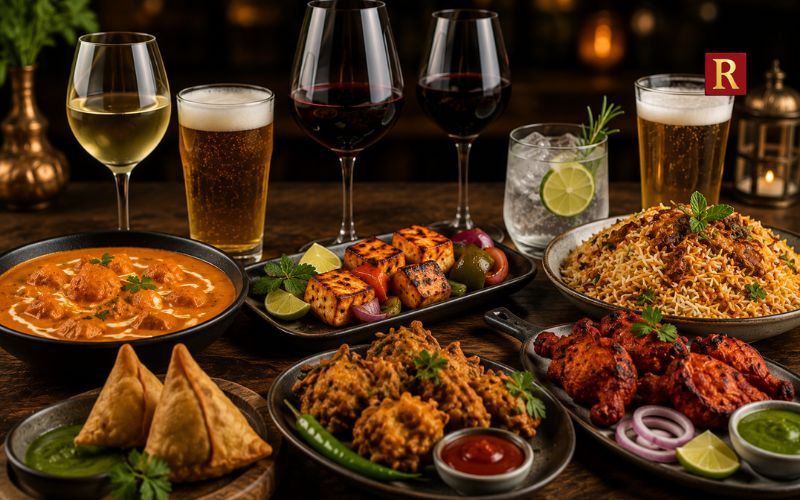
Indian cuisine offers incredible opportunities for pairing because it combines spice, herbs, richness, and acidity in one meal.
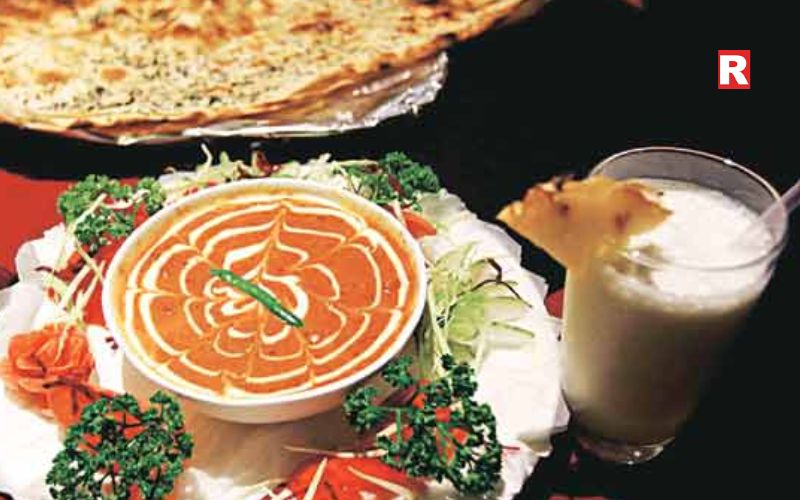
Butter Chicken with Chardonnay: A lightly oaked Chardonnay complements the creamy tomato-based gravy without overpowering it.
Paneer Tikka with India Pale Ale (IPA): The beer's bitterness balances the smoky spices while its carbonation refreshes the palate.
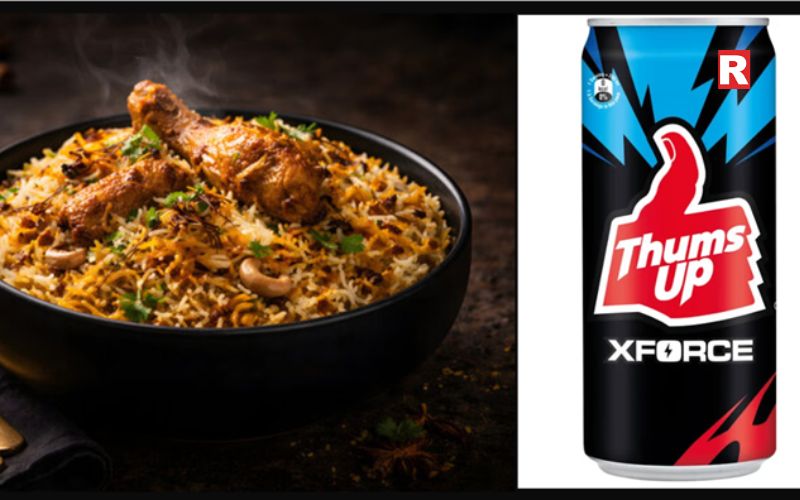
Biryani with Cabernet Sauvignon: The wine's structure works well with slow-cooked meat and aromatic spices, especially in richer biryanis.
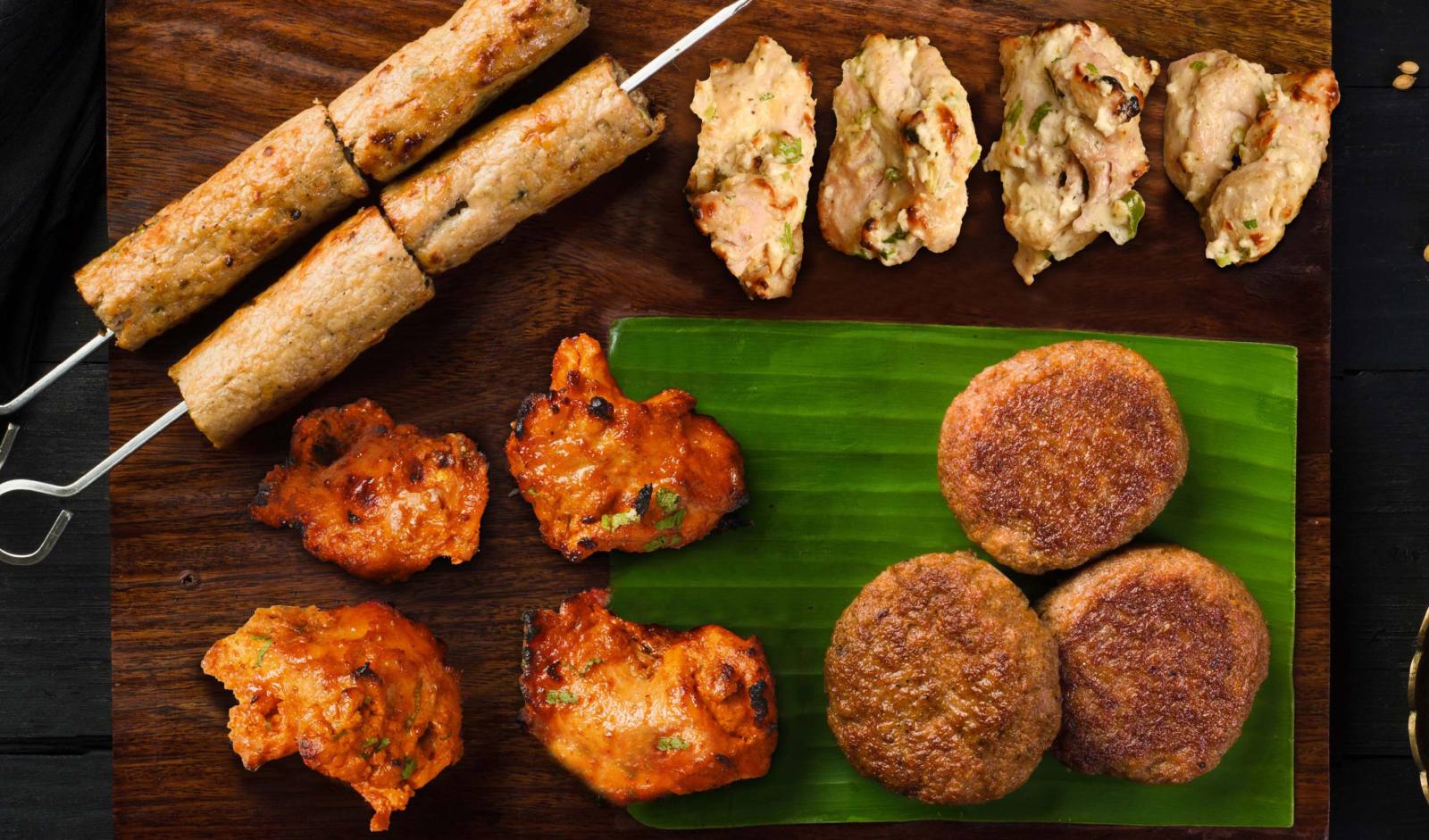
Tandoori Chicken with Shiraz: Peppery Shiraz enhances the smoky char from the tandoor.
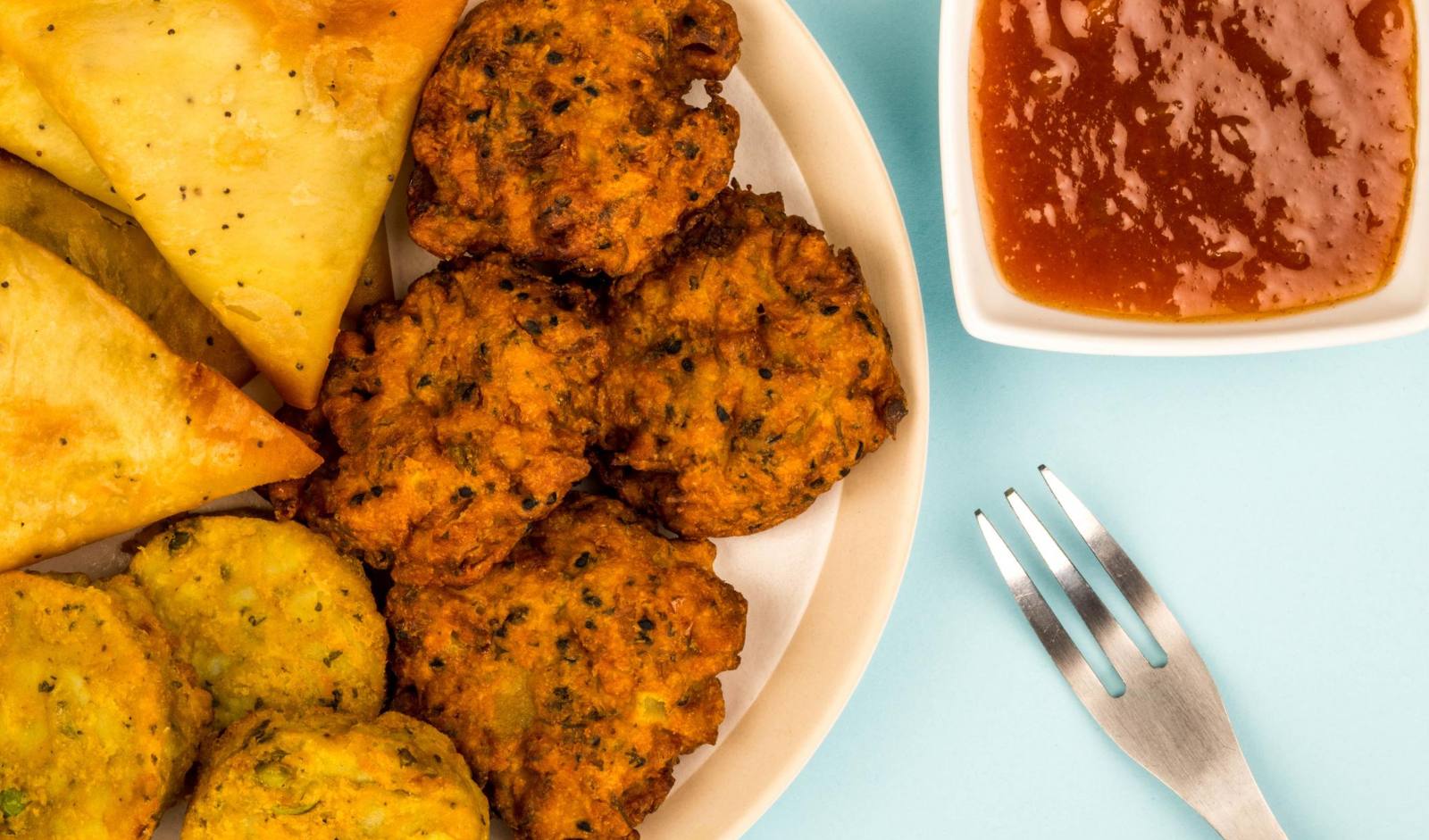
Samosa with Gin & Tonic: The crisp botanical flavours of gin balance the fried pastry and spiced potato filling.
Pakoras with Lager: A light lager keeps fried snacks from feeling too heavy, making it one of the easiest pairings for casual gatherings.
Unexpected Pairings That Actually Work
Some combinations sound unusual but are backed by flavour science.
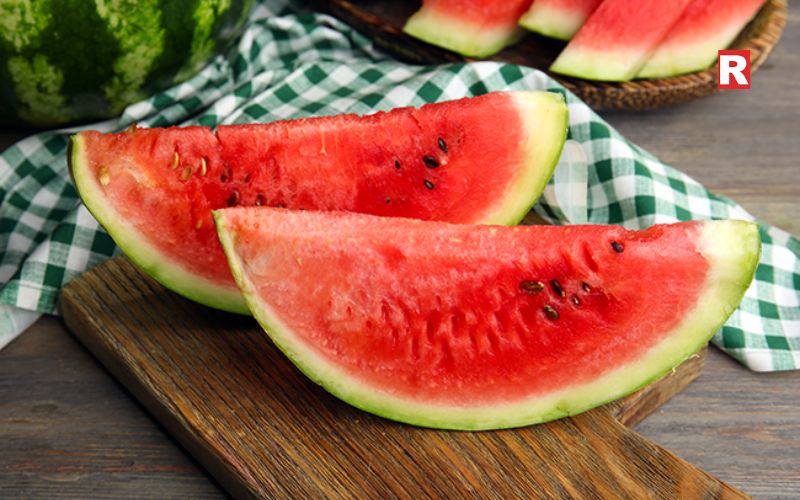
- Watermelon and feta cheese combine sweetness with salt.
- Strawberries and balsamic vinegar enhance each other's fruity notes.
- Dark chocolate and red wine create a rich, lingering finish.
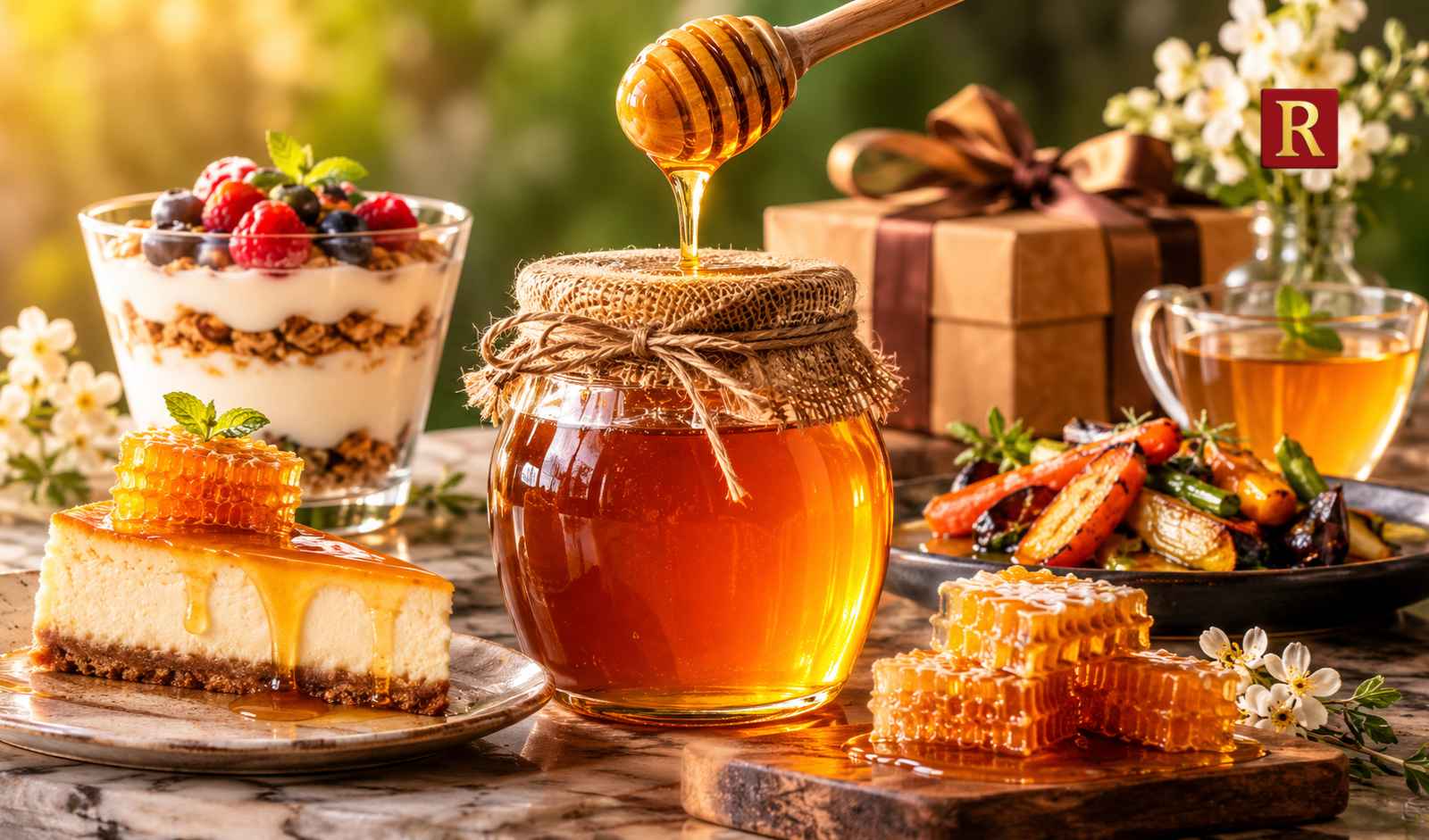
- Blue cheese and honey balance sharpness with natural sweetness.
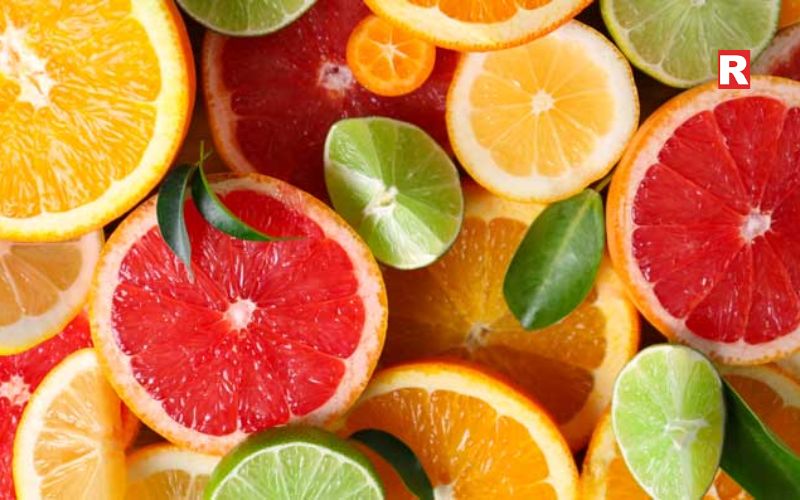
- Coffee and orange highlight citrus aromas while reducing bitterness.
- Popcorn and Champagne have become a favourite pairing at luxury events because bubbles cleanse the palate after every bite.
These pairings show that successful combinations often rely on balance rather than tradition.
Common Food Pairing Mistakes
Many people assume there are strict rules, but small adjustments often make a big difference.
Common mistakes include:
- Pairing delicate foods with very strong drinks.
- Serving spicy dishes with high-alcohol beverages.
- Ignoring acidity when eating rich foods.
- Choosing drinks that are sweeter than the main meal.
- Matching food and drinks only by colour instead of flavour.
Understanding the ingredients is more important than following old myths.
How Restaurants Create Perfect Pairings
Food pairing programs have become an important part of the modern hospitality industry, helping restaurants create memorable dining experiences while increasing beverage sales. According to the National Restaurant Association, many diners are willing to try premium food and drink combinations that offer something unique. To achieve this, restaurants often employ sommeliers and beverage managers who work closely with chefs to design tasting menus that complement each dish. Their process involves analysing ingredients, testing multiple food and beverage combinations, making seasonal menu adjustments, collecting customer feedback, and reviewing beverage profitability to ensure the pairings are both enjoyable and commercially successful. These carefully planned pairing menus enhance flavour, improve the overall guest experience, encourage diners to explore premium wines, cocktails, and specialty beverages, and help restaurants build a stronger reputation for culinary excellence.
Build Better Pairings at Home
Creating great pairings does not require professional training. Start by identifying the strongest flavour in the dish. Match the drink's intensity to the food, balance richness with acidity, and think about texture as much as flavour.
For example, crispy fried foods usually benefit from sparkling drinks, while creamy dishes often pair well with wines that have fresh acidity. The best pairings are those where neither the food nor the drink dominates. Instead, each one makes the other taste even better.
Final Thoughts
Food pairing is a blend of science, tradition, and personal taste. Once you understand how acidity, sweetness, fat, salt, bitterness, and texture interact, choosing the right combination becomes much easier. From Brie with Champagne and blue cheese with Port to samosas with gin and tonic or popcorn with sparkling wine, thoughtful pairings can turn an ordinary meal into a memorable dining experience. Whether you are dining at a restaurant or hosting friends at home, these simple principles will help you enjoy every bite and every sip with greater confidence.
Saptopriya Ghosal
Feature Writer
I am a dedicated media professional with a bachelor's degree in mass communication from the State University of Calcutta and a postgraduate degree from Amity University. My academic journey has equipped me with a profound understanding of storytelling and communication. Passionate about the dynamic world of media, I continually strive to explore new ways to engage and inform through compelling narratives.