
The Secret Life of Restaurant Bread Baskets
The next time a warm basket of bread arrives at your table, it is worth remembering that it represents much more than a complimentary starter.

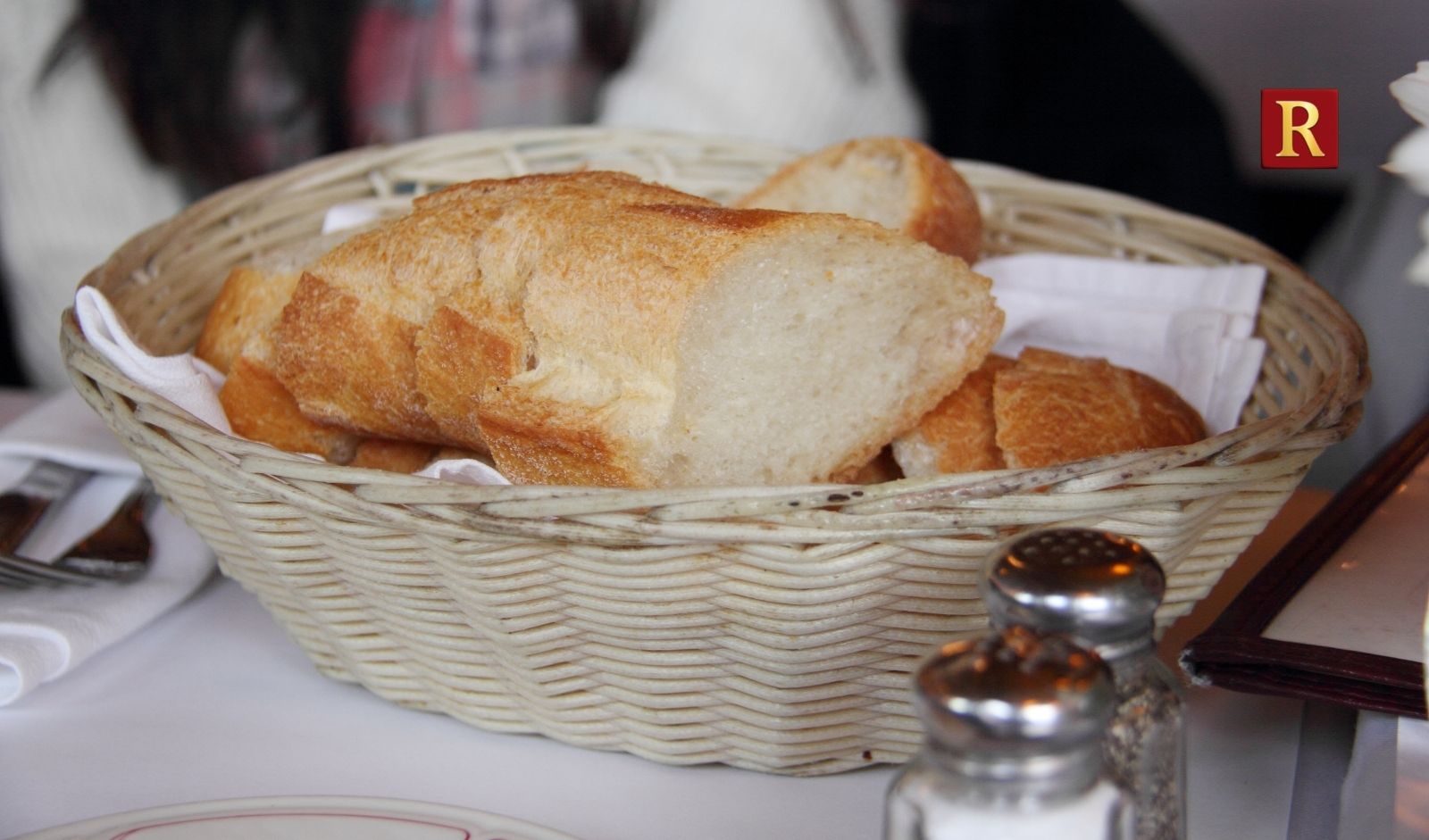
When you sit down at many restaurants, one of the first things you receive is a basket of bread. It may include warm rolls, sourdough slices, focaccia, or breadsticks with butter or olive oil. Most diners see it as a simple welcome gesture. For restaurants, however, the bread basket serves several purposes. It helps guests feel comfortable while waiting, reflects the restaurant's hospitality, and can even support customer satisfaction. Although offering complimentary bread comes with costs, many restaurants still consider it a worthwhile investment because of the value it adds to the dining experience. From fine dining establishments in Europe to family restaurants and steakhouses around the world, bread service has become an important part of restaurant culture. Today, it is also evolving as restaurants respond to changing food costs, sustainability goals, and customer expectations.
Bread Service Has a Long History in Hospitality
Bread has been a symbol of hospitality for thousands of years. In many European countries, offering fresh bread to guests was considered a sign of generosity and respect. As restaurants became more popular during the 18th and 19th centuries, complimentary bread naturally became part of the dining experience. French restaurants introduced baskets filled with baguettes, while Italian restaurants welcomed guests with focaccia and bread served alongside olive oil. In many American restaurants, warm dinner rolls and butter became a signature tradition. Today, restaurants around the world continue this practice, although the type of bread often reflects local culture. In India, restaurants may welcome diners with roasted papad, lavash, mini khakhra, breadsticks, or freshly baked naan instead of European-style bread.
A Bread Basket Makes Waiting Feel Shorter
One of the biggest reasons restaurants serve bread before the meal arrives is to improve the waiting experience. Research in hospitality management shows that people judge waiting time based on how occupied they feel rather than the actual number of minutes. This principle is known as perceived waiting time. Imagine two tables waiting 15 minutes for their food. One table receives warm bread within two minutes of sitting down, while the other waits with an empty table. Even though both groups wait the same amount of time, the first group is more likely to feel that service was faster.
This simple gesture offers several benefits:
- Keeps guests occupied
- Reduces impatience
- Creates a positive first impression
- Helps diners relax before ordering
For restaurants, improving perceived service can increase overall guest satisfaction without changing kitchen preparation times.
Warm Bread Appeals to Multiple Senses
Freshly baked bread does more than satisfy hunger. It creates an immediate sensory experience. The aroma of warm bread activates smell, one of the strongest senses linked to memory and emotion. Combined with a crisp crust and soft interior, bread creates feelings of comfort and freshness before the main course even arrives.
Restaurants often serve bread warm rather than at room temperature because heat releases more aroma. That small detail can influence how guests perceive the quality of the meal that follows. Many premium restaurants also prepare bread in-house. Fresh sourdough, focaccia, brioche, and multigrain loaves are increasingly becoming part of a restaurant's identity rather than just a complimentary side.
Bread Is Not Really "Free"
Guests rarely see the work behind a bread basket.
Every serving involves multiple expenses, including:
- Flour
- Yeast
- Butter
- Salt
- Baking
- Kitchen labour
- Service staff
- Utility costs
- Food waste
Although the cost of one bread basket may appear small, it becomes significant across hundreds of customers every day. For example, if a restaurant spends ₹25 on each bread service and serves 180 tables daily, the daily cost reaches ₹4,500. Over one month, that amounts to approximately ₹1.35 lakh. For larger restaurant chains operating multiple outlets, annual costs can run into several crores of rupees. Restaurant operators evaluate these expenses using food cost percentage, a key financial metric that compares ingredient costs with menu prices. Most full-service restaurants aim to keep food costs between 28% and 35%, depending on the concept and cuisine. Because bread helps improve customer satisfaction, many restaurants treat it as part of their overall guest experience rather than as a direct revenue-generating item.
Some Restaurants Use Bread to Build Their Brand
Bread service has changed significantly over the past decade. Instead of offering ordinary dinner rolls, many restaurants now create signature bread programs that showcase their culinary style.
Some examples include:
- Naturally fermented sourdough
- Herb focaccia
- Potato bread
- Whole-grain loaves
- Brioche rolls
- Seeded artisan bread
- House-made cultured butter
- Cold-pressed olive oils
- Seasonal herb dips
In several Michelin-starred restaurants, bread is presented as its own course. Bakers work alongside chefs to create recipes that match the restaurant's menu and local ingredients. For these restaurants, bread becomes an introduction to the kitchen's philosophy and craftsmanship.
Rising Costs Are Changing Bread Service
Although complimentary bread remains popular, many restaurants have started rethinking the tradition. Global wheat prices have experienced significant fluctuations in recent years due to weather conditions, supply chain disruptions, and geopolitical events. Butter, dairy products, energy, and labour costs have also increased in many markets. At the same time, food waste has become a growing concern. Bread is one of the most commonly discarded foods in restaurants. If guests leave most of the basket untouched, those leftovers usually cannot be served again for food safety reasons.
To reduce waste, some restaurants now:
- Serve smaller portions
- Offer bread only on request
- Introduce premium paid bread selections
- Bake fewer batches throughout the day
- Donate surplus bread where regulations permit
These changes help restaurants balance hospitality with sustainability.
Bread Can Influence Ordering Behaviour
Restaurant operators carefully design every stage of the dining journey. Serving bread early can encourage guests to settle into the experience before making menu decisions. Comfortable diners often spend more time reviewing menus and asking questions about dishes. Bread also creates an early impression of quality. Freshly baked bread with quality butter or olive oil signals attention to detail, which can positively influence expectations for the rest of the meal. This approach aligns with customer experience design, where every interaction—from greeting guests to presenting dessert—is planned to create a consistent dining experience.
Indian Restaurants Have Their Own Bread Basket Traditions
The concept of welcoming guests with something to eat is not limited to Western restaurants. Across India, many restaurants serve complimentary items before the main meal, including:
- Roasted papad
- Mini khakhra
- Masala crackers
- Lavash
- Fresh chutneys
- Welcome snacks
- Bite-sized appetisers
Premium North Indian restaurants may also serve freshly baked naan or kulcha with flavoured butter while guests wait. Although the food differs, the purpose remains the same: making guests feel welcome while the kitchen prepares their order.
Bread Service Is Becoming More Sustainable
Restaurants are increasingly looking at bread through the lens of sustainability. Many are choosing locally milled flour, heritage grains, and naturally fermented doughs to improve quality while supporting regional suppliers. Some kitchens repurpose unsold bread into breadcrumbs, croutons, bread pudding, stuffing, or soups, helping reduce waste without compromising food safety. Others use data from their point-of-sale (POS) systems to estimate how much bread is needed each day. Better forecasting reduces unnecessary production and lowers operating costs. These operational improvements show how even a simple bread basket is connected to inventory management, food waste reduction, and restaurant profitability.
A Small Basket with a Big Role
A restaurant bread basket may look like a small part of the meal, but it plays an important role behind the scenes. It helps guests feel comfortable, reduces the stress of waiting, introduces the restaurant's style, and reflects its commitment to hospitality. At the same time, restaurants must carefully manage ingredient costs, labour, and food waste to keep this tradition sustainable. As customer expectations continue to evolve, bread service is changing too. Some restaurants are investing in artisan baking, others are offering premium bread menus, while many are focusing on reducing waste through smarter operations. The next time a warm basket of bread arrives at your table, it is worth remembering that it represents much more than a complimentary starter. It is a carefully planned part of the dining experience—one that combines hospitality, psychology, operational planning, and culinary craftsmanship before the first course is even served.
Saptopriya Ghosal
Feature Writer
I am a dedicated media professional with a bachelor's degree in mass communication from the State University of Calcutta and a postgraduate degree from Amity University. My academic journey has equipped me with a profound understanding of storytelling and communication. Passionate about the dynamic world of media, I continually strive to explore new ways to engage and inform through compelling narratives.



































































