The Science Behind Why Fizzy Drinks Feel More Refreshing
Understanding why this happens offers an interesting look into the science of beverages and explains why carbonation remains popular in everything from soft drinks to premium sparkling water.

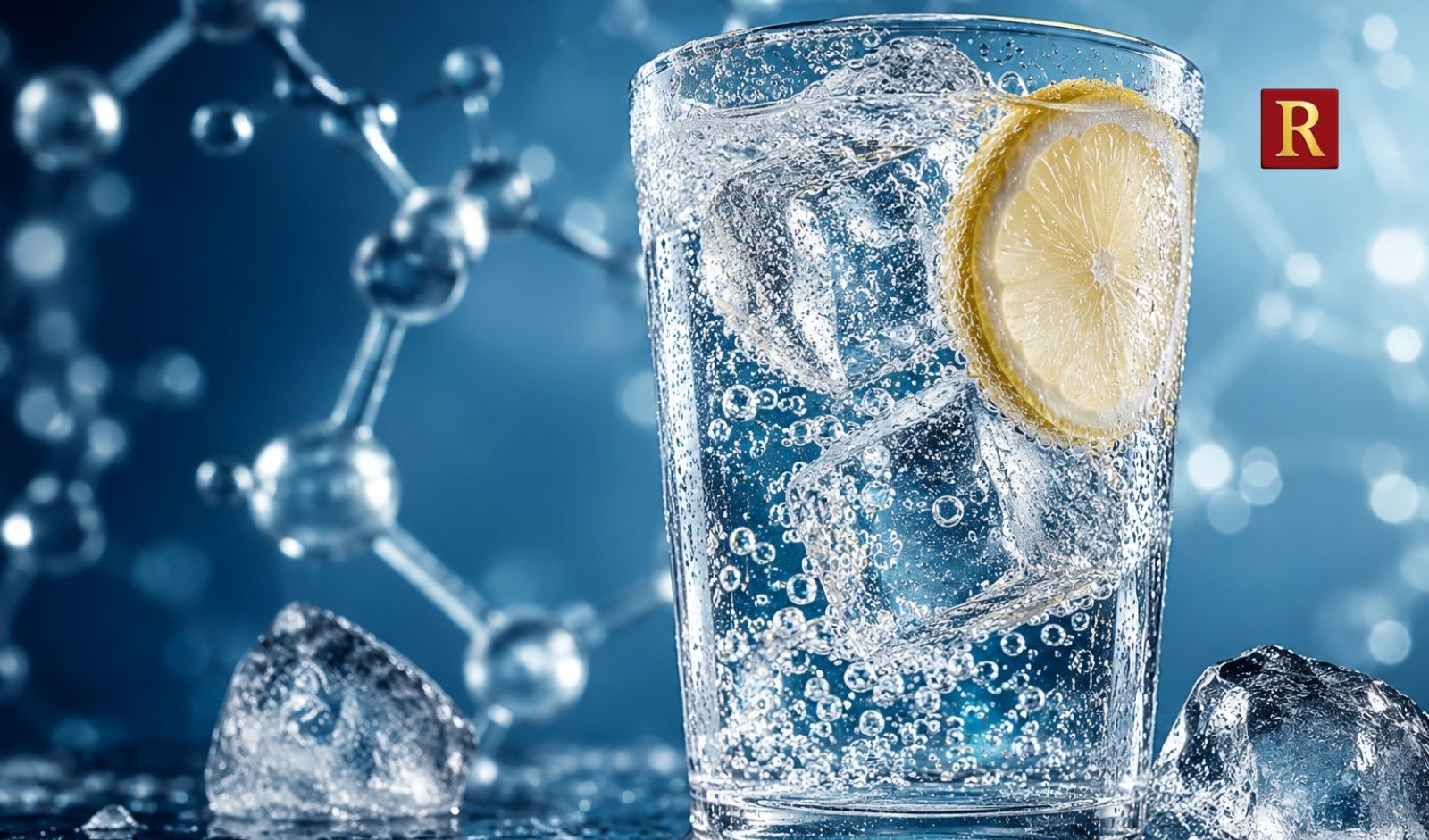
On a hot afternoon, many people choose a fizzy drink over plain water. Whether it is sparkling water, soda, tonic water, or a carbonated fruit beverage, the bubbles often make the drink feel more refreshing. This feeling is not just about taste. Scientists have found that carbonation affects how our mouth, nerves, and brain respond to a drink. The bubbles create a combination of cooling, tingling, and flavour-enhancing sensations that make fizzy beverages feel more satisfying. Understanding why this happens offers an interesting look into the science of beverages and explains why carbonation remains popular in everything from soft drinks to premium sparkling water.
What Makes a Drink Fizzy?
A fizzy drink contains dissolved carbon dioxide (CO₂) gas. During production, CO₂ is added under pressure. Once the bottle or can is opened, the pressure drops and the gas begins to escape. This creates the bubbles that rise to the surface.
However, carbonation is about much more than visible bubbles. When carbon dioxide comes into contact with saliva, it reacts with water and forms a mild acid called carbonic acid. This reaction is responsible for many of the sensations people associate with sparkling beverages. Without carbon dioxide, a fizzy drink would lose much of its character. This is why a flat soda tastes completely different from a freshly opened one, even though the ingredients remain mostly the same.
Your Mouth Detects More Than Just Taste
Most people think the tongue only detects sweet, salty, sour, bitter, and umami flavours. In reality, drinking a carbonated beverage activates several sensory systems at the same time.
These include:
- Taste receptors
- Touch receptors
- Temperature-sensitive receptors
- Trigeminal nerve endings
The trigeminal nerve is particularly important. It helps the body detect sensations such as the cooling effect of mint and the heat of chilli peppers. Carbonation stimulates this same system. As a result, fizzy drinks create a tingling sensation that feels different from ordinary taste. Scientists describe this as a "chemesthetic" response, which means the sensation is physically felt rather than simply tasted. This additional sensory stimulation makes carbonated drinks feel more exciting and refreshing than still beverages.
Why Fizzy Drinks Feel Colder
One of the most interesting aspects of carbonation is its relationship with temperature. Many people believe sparkling drinks feel colder than still drinks, even when both are served at exactly the same temperature. Research suggests that carbonation can enhance the perception of cooling.
When a cold, carbonated beverage enters the mouth, two things happen at once:
- Cold temperature activates cooling receptors.
- Carbonation activates trigeminal nerve endings.
The brain receives both signals together and interprets them as a stronger feeling of freshness. This is one reason why an ice-cold sparkling water often feels more refreshing than regular water served at the same temperature. For beverage brands and restaurants, this effect is particularly valuable because consumers often associate cooling sensations with refreshment.
The Role of Carbonic Acid
Carbonic acid plays a much larger role than many people realise. As carbon dioxide dissolves in saliva, it creates small amounts of carbonic acid. Although the acid is mild, it produces the distinctive bite that people notice in sparkling beverages. This slight sharpness creates a sensory contrast that helps make drinks feel lighter and more refreshing. Scientists have found that the sensation comes largely from the carbonic acid reaction rather than from bubbles alone. This explains why different carbonated beverages can feel similar even when their flavours are completely different. Whether it is sparkling water, tonic water, or a lemon soda, the carbonic acid reaction contributes to the characteristic fizz experience.
Why Bubbles Make Flavours Feel Stronger
Carbonation does not simply add texture. It can also influence flavour perception. When bubbles burst in the mouth, they help release aroma compounds. These aromas travel to the nose and contribute significantly to how flavour is experienced. In fact, much of what people describe as taste is actually smell. The movement of bubbles helps carry flavour compounds more efficiently, making beverages seem brighter and more vibrant. This is one reason why sparkling fruit drinks often feel more flavourful than non-carbonated versions. For beverage developers, carbonation serves as a tool that can improve both sensory experience and flavour delivery.
Can Carbonation Affect Thirst?
Studies have shown that carbonation can influence how people perceive thirst. Researchers have found that many participants report feeling more satisfied after drinking carbonated beverages compared to still drinks. The reason is not necessarily better hydration. Water remains one of the most effective ways to hydrate the body. Instead, carbonation creates stronger sensory stimulation. The tingling sensation, cooling effect, and increased flavour intensity make people feel as though they have consumed something more substantial. Some studies have also shown that carbonation and cooling together can reduce the desire to continue drinking immediately after consumption. This creates a stronger feeling of refreshment even when hydration levels remain similar.
Why Flat Soft Drinks Feel Less Refreshing
Almost everyone has experienced drinking a soft drink that has lost its fizz. The difference is immediately noticeable. When carbonation disappears, several important sensory elements are lost:
- Tingling sensation
- Carbonic acid bite
- Enhanced flavour release
- Cooling perception
- Complex mouthfeel
Without these effects, sweetness becomes more dominant. As a result, flat soft drinks often feel heavier and less refreshing. This explains why consumers typically prefer freshly carbonated beverages and why beverage manufacturers invest heavily in preserving carbonation throughout distribution and storage.
Why Restaurants and Cafés Use Carbonation
Carbonation is not only important for soft drink companies. Restaurants and cafés increasingly use sparkling beverages as part of the dining experience. Sparkling water, premium sodas, kombucha, tonic water, and sparkling fruit beverages have become common menu additions. There are several reasons for this.
Carbonated drinks can:
- Refresh the palate between bites
- Enhance sensory stimulation
- Increase perceived freshness
- Complement rich foods
- Improve the overall drinking experience
Many hospitality operators also view sparkling beverages as premium offerings, particularly as consumers become more interested in flavour-focused and low-sugar drink options. The global sparkling water market alone is worth billions of dollars and continues to grow as consumers seek alternatives to traditional soft drinks.
The Brain's Refreshment Shortcut
One of the most fascinating discoveries in beverage science is that refreshment is not determined by hydration alone. The brain uses multiple signals to judge whether a drink feels refreshing.
These signals include:
- Temperature
- Carbonation
- Flavour intensity
- Aroma
- Mouthfeel
Carbonated beverages activate several of these systems simultaneously. The combination creates a richer sensory experience than still beverages can usually provide. This helps explain why a sparkling drink can feel especially satisfying after exercise, during hot weather, or alongside a meal. The brain interprets the multiple sensory signals as a stronger refreshment experience.
More Than Just Bubbles
The popularity of fizzy drinks is rooted in science. Carbonation creates a unique combination of chemistry and sensory stimulation that affects how people experience a beverage. Through carbonic acid formation, trigeminal nerve activation, enhanced flavour release, and cooling perception, fizzy drinks deliver a refreshment experience that goes beyond simple hydration. The next time you open a sparkling water or a carbonated soft drink, remember that the sensation is not just about bubbles rising to the surface. It is the result of a carefully studied interaction between carbon dioxide, your senses, and your brain. That combination is what makes fizzy drinks feel so refreshingly different.
Saptopriya Ghosal
Feature Writer
I am a dedicated media professional with a bachelor's degree in mass communication from the State University of Calcutta and a postgraduate degree from Amity University. My academic journey has equipped me with a profound understanding of storytelling and communication. Passionate about the dynamic world of media, I continually strive to explore new ways to engage and inform through compelling narratives.