
The Rise of Single-Ingredient Restaurants: Trend or Business Strategy?
Single-ingredient restaurants represent far more than a passing food trend. They combine creativity with smart business planning, efficient operations, and memorable branding.

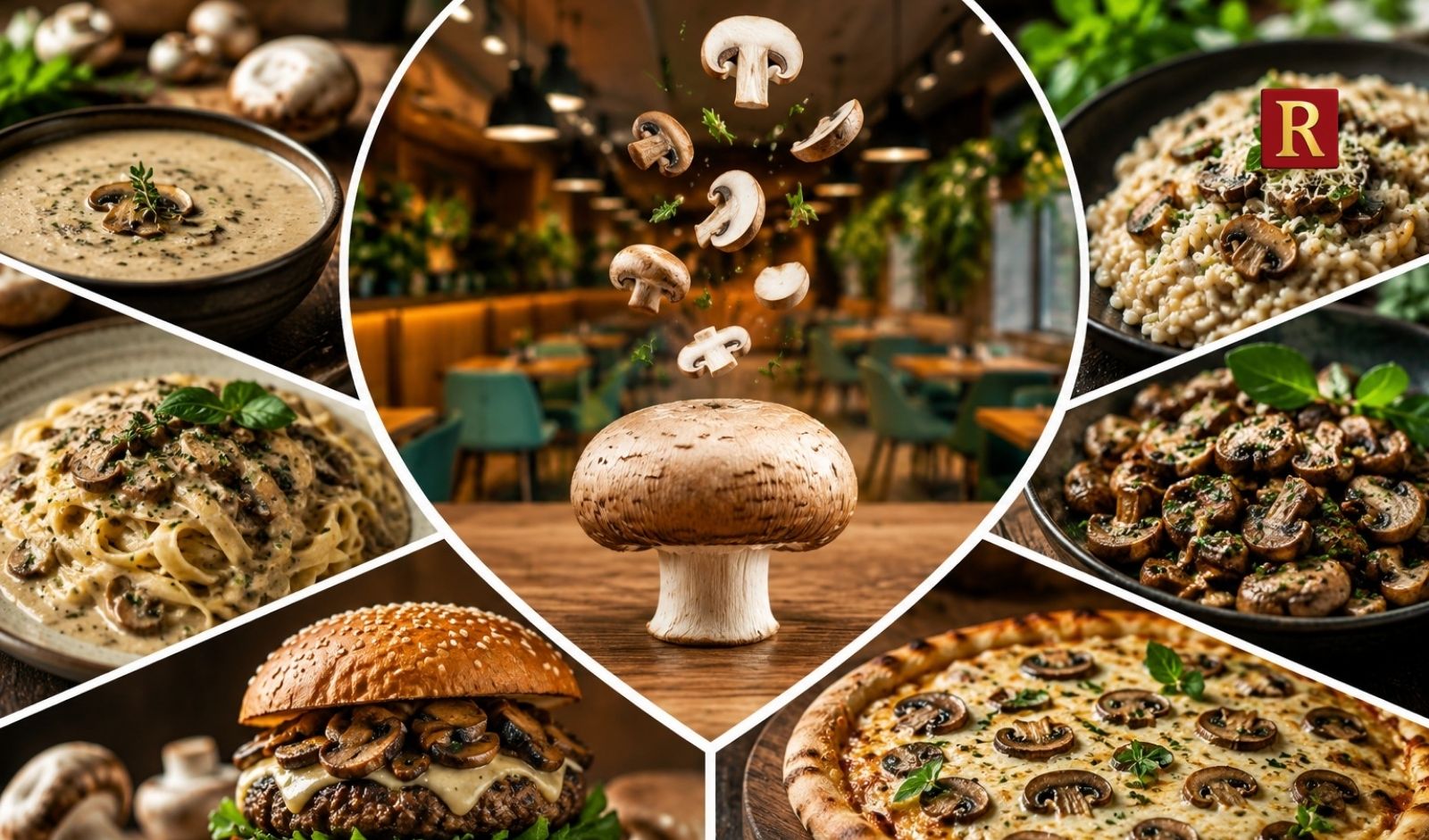
Walk into a café where every dish celebrates mushrooms. Visit another where eggs appear in dozens of creative recipes. Step into a dessert bar dedicated entirely to chocolate or a restaurant built around potatoes. At first, these concepts may seem like social media gimmicks, but they represent one of the most interesting shifts in the food and beverage industry.
Instead of offering hundreds of dishes, many restaurants are choosing to focus on one hero ingredient and turning it into their identity. This approach is changing how restaurants operate, market themselves, and connect with customers. With rising food costs, increasing competition, and changing consumer preferences, single-ingredient restaurants are proving that simplicity can become a profitable business strategy.
What Is a Single-Ingredient Restaurant?
A single-ingredient restaurant is built around one main ingredient that appears in most, if not all, dishes on the menu. The ingredient becomes the heart of the brand while chefs experiment with different cooking techniques, flavours, and presentations.
Unlike restaurants that specialise in one dish, such as pizza or burgers, ingredient-focused restaurants offer a wide variety of meals using the same core ingredient. For example, a mushroom restaurant may serve soups, burgers, pasta, stir-fries, pizzas, and even desserts featuring mushrooms. This concept gives diners enough variety while maintaining a strong and memorable identity.
Why Are These Restaurants Becoming Popular?
Consumer behaviour has changed significantly over the past decade. People are no longer looking only for good food. They also want unique dining experiences that they can remember and share. According to the National Restaurant Association, experience-driven dining has become one of the strongest factors influencing restaurant visits, especially among younger consumers. Customers are increasingly attracted to restaurants that tell a story rather than simply serve meals. Social media has also played a major role. A restaurant dedicated entirely to avocados or potatoes immediately catches attention because the idea is easy to understand. Such concepts often encourage customers to post photos and videos, creating free digital marketing. At the same time, consumers appreciate brands with a clear identity. Instead of remembering a restaurant with a 15-page menu, they remember "the place famous for mushrooms" or "the café known for eggs."
A Smart Business Model Behind the Trend
While the concept looks creative from the outside, much of its success comes from operational efficiency.
Restaurants with limited ingredients usually require fewer suppliers. Purchasing becomes easier because larger quantities of the same ingredient can be ordered consistently. Bulk buying often results in better pricing, helping reduce food costs.
Food waste also decreases. Since one ingredient is used across multiple recipes, inventory moves faster and fewer items expire before they are used. The Food and Agriculture Organization (FAO) estimates that nearly one-third of food produced globally is lost or wasted. Reducing unnecessary inventory can significantly improve restaurant profitability.
Kitchen operations become simpler as well. Chefs spend less time preparing different ingredients, making the cooking process faster and more consistent. Customers benefit from quicker service, while restaurant owners save on labour and operational expenses.
Menu Engineering Makes the Difference
A successful single-ingredient restaurant is not built on creativity alone. It relies heavily on menu engineering. Menu engineering is the process of designing a menu that balances customer preferences with profitability. Every dish is carefully planned to maximise ingredient usage while maintaining attractive margins.
For example, a potato-focused restaurant can use baked potatoes, mashed potatoes, fries, croquettes, salads, soups, and desserts. The same ingredient supports multiple recipes, reducing procurement complexity without limiting customer choice.
Standardised recipes also improve consistency. Every portion uses measured quantities, making food quality predictable across every visit. This approach helps restaurants maintain better control over food costs, portion sizes, and overall kitchen performance.
Strong Branding With One Hero Ingredient
Brand recognition is one of the biggest advantages of this model.
Many restaurants struggle because they try to offer everything to everyone. In contrast, ingredient-focused restaurants communicate one clear message.
The hero ingredient becomes part of the restaurant's logo, interior design, packaging, advertising, and storytelling. Customers instantly understand what makes the brand different.
This focused identity also strengthens digital marketing campaigns. Search engines, social media platforms, and food influencers often favour unique concepts that stand out from traditional restaurant formats.
For new businesses with limited marketing budgets, having a simple yet distinctive concept can create stronger brand recall than spending heavily on advertising.
Better Operations Through Simplicity
Running a restaurant involves much more than cooking. Inventory management, supplier coordination, staff training, and quality control all affect profitability. Single-ingredient restaurants simplify many of these processes.
Staff members learn recipes more quickly because the menu is smaller and more standardised. Training takes less time, reducing onboarding costs.
Restaurants can also maintain stronger relationships with suppliers by purchasing larger volumes of fewer ingredients. This improves consistency and makes demand forecasting easier.
Operational metrics such as Food Cost Percentage, Labour Cost Percentage, Average Order Value, and Prime Cost become easier to monitor because the menu is less complicated.
Many operators also follow the FIFO (First In, First Out) inventory system to ensure older stock is used before newer deliveries. This reduces spoilage and improves inventory turnover.
Can This Model Work in India?
India offers exciting opportunities for ingredient-led restaurants because of its rich agricultural diversity and regional food culture. Instead of copying international concepts, Indian entrepreneurs can focus on locally available ingredients that people already enjoy. Potential hero ingredients include paneer, mushrooms, jackfruit, millets, chickpeas, coconut, bananas, tamarind, lentils, makhana, mangoes, and sweet potatoes. Imagine a restaurant dedicated entirely to millets, offering healthy bowls, dosa, desserts, snacks, and beverages. Similarly, a paneer-focused restaurant could create dozens of vegetarian dishes inspired by regional Indian cuisines. As consumers become more interested in sustainability and locally sourced food, these concepts could gain strong acceptance in urban markets.
The Role of Cloud Kitchens
The rise of cloud kitchens has made specialised restaurant concepts even more practical.
Unlike traditional restaurants, cloud kitchens operate without large dining spaces. Their success depends on efficient operations and repeat orders.
A focused menu reduces packaging complexity, improves production speed, and allows kitchens to maintain consistent quality during delivery.
Industry reports estimate that India's cloud kitchen market is expected to continue growing rapidly over the next few years, supported by increasing online food delivery and changing consumer habits.
Single-ingredient brands fit naturally into this model because they require less storage space and fewer kitchen resources.
Challenges That Cannot Be Ignored
Despite their advantages, single-ingredient restaurants are not risk-free.
Heavy dependence on one ingredient creates supply chain challenges. If prices suddenly rise because of poor harvests or transportation issues, operating costs can increase significantly.
Seasonal availability is another concern. Ingredients such as mangoes or avocados may not remain affordable throughout the year.
Customer fatigue is also possible. Even with creative recipes, some diners may eventually seek greater variety. Restaurants must regularly introduce seasonal specials and innovative cooking techniques to keep the menu exciting.
Choosing the right ingredient is therefore one of the most important business decisions.
The Future!
The restaurant industry is becoming more competitive every year. Consumers have countless dining options, making it harder for businesses to stand out. Single-ingredient restaurants demonstrate that success does not always come from offering more choices. Instead, it often comes from doing one thing exceptionally well. Advances in artificial intelligence, demand forecasting, menu analytics, and sustainable sourcing will further strengthen this business model. Restaurants can use customer data to understand ordering patterns, reduce waste, and introduce new dishes without increasing operational complexity. As dining becomes more experience-driven, ingredient-focused restaurants are likely to evolve beyond novelty and become an established segment of the hospitality industry.
Single-ingredient restaurants represent far more than a passing food trend. They combine creativity with smart business planning, efficient operations, and memorable branding. By focusing on one hero ingredient, restaurants can reduce waste, simplify kitchen management, strengthen customer recall, and improve profitability without sacrificing innovation. For diners, these restaurants offer an experience that feels fresh and thoughtfully curated. For entrepreneurs, they provide a scalable model built on operational discipline rather than oversized menus. In an industry where rising costs and intense competition continue to challenge businesses, the future may belong to restaurants that choose focus over excess and transform a single ingredient into a lasting brand identity.
Saptopriya Ghosal
Feature Writer
I am a dedicated media professional with a bachelor's degree in mass communication from the State University of Calcutta and a postgraduate degree from Amity University. My academic journey has equipped me with a profound understanding of storytelling and communication. Passionate about the dynamic world of media, I continually strive to explore new ways to engage and inform through compelling narratives.



































































