The Rise of Regional Indian Cuisines: Bringing Local Flavors to the Global Table
The growing recognition of regional Indian foods in the international market is more than just cuisine – it is culture, history, and who we are.


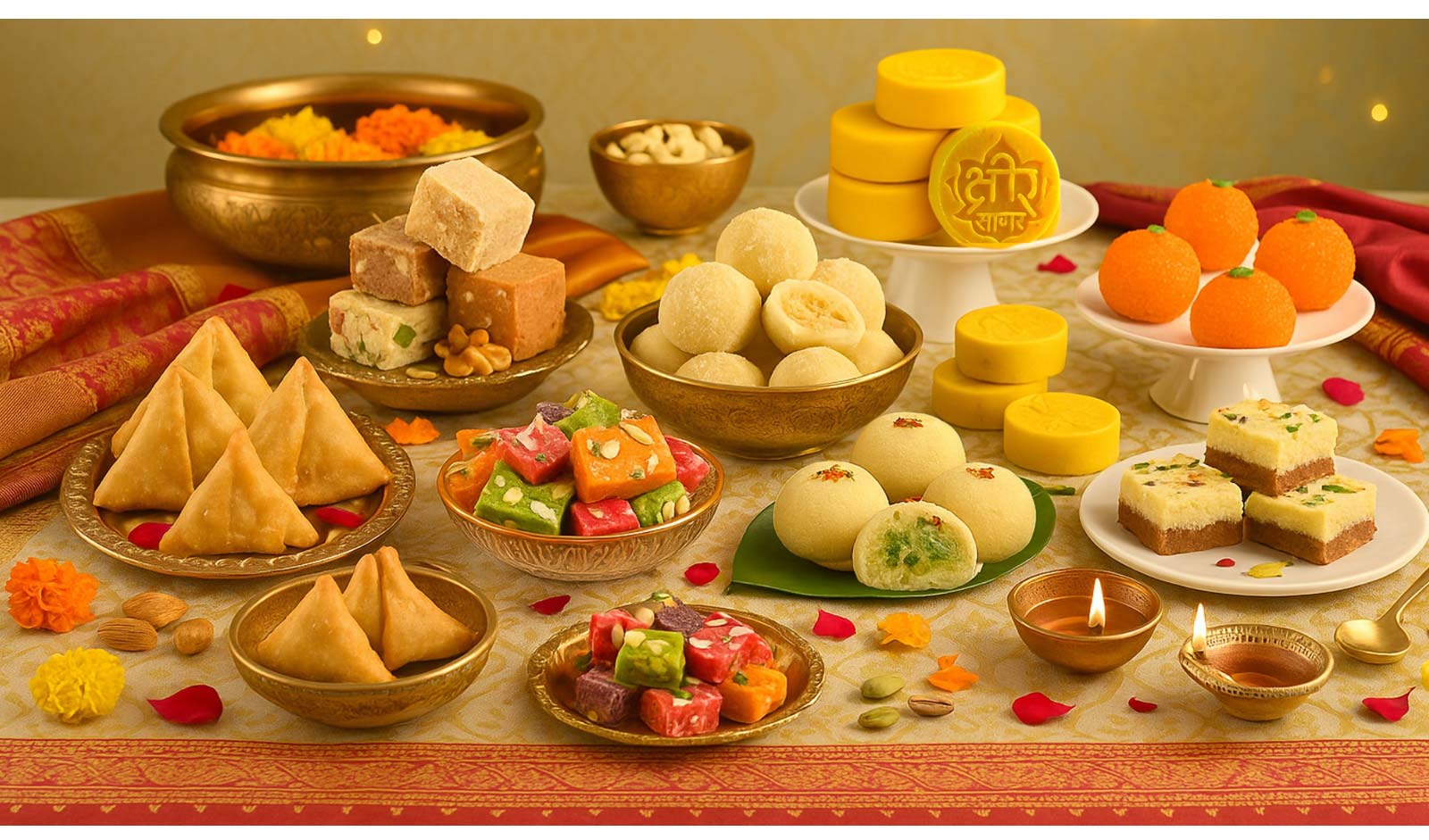
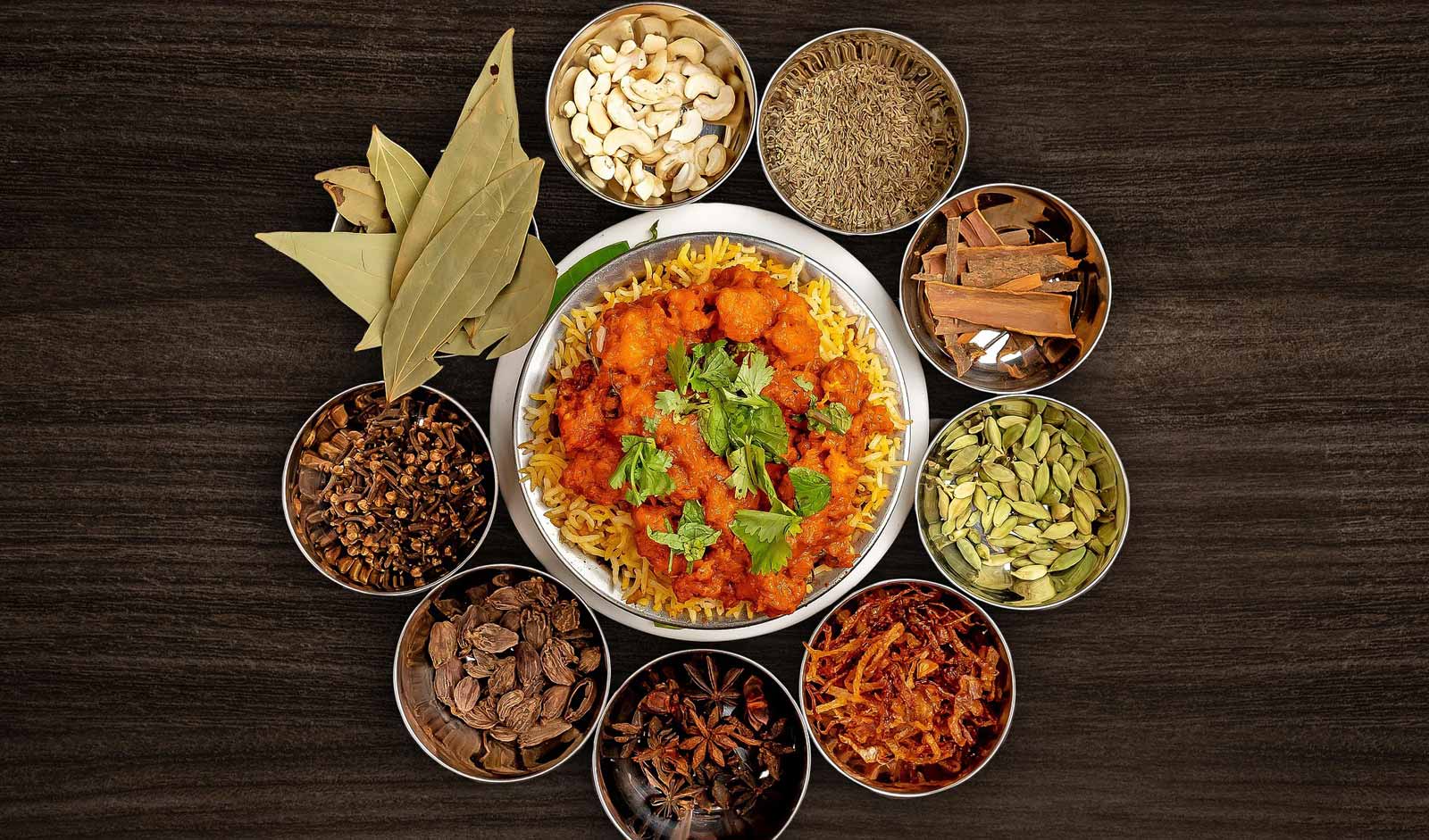
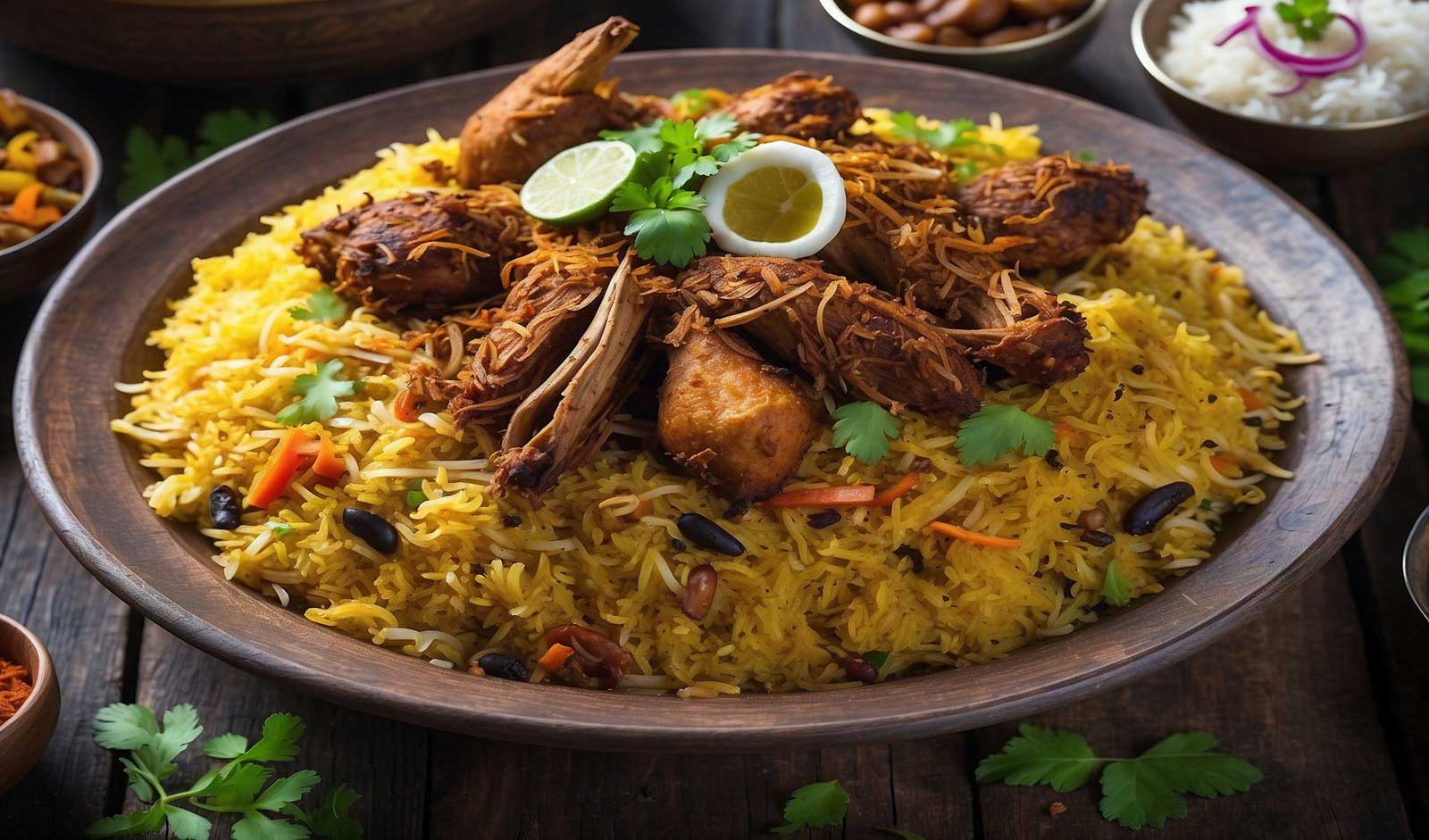
India is a country that hosts a mind-blowing array of cultures and so it’s no surprise that the Indian cuisine is also quite exotic. Every region, state and even district has its own tastes, methods and dishes inherited from the earlier generations. While the Chettinad curries originating from Tamil Nadu are hot and spicy, Bengali fish preparations are comparatively subtle, Awadhi Biryani is robust. With people being more explorative about the food they eat from across the globe, regional specific Indian dishes are now trending not only in the country but also internationally.
A Historical Perspective
Indians have always linked eating food with some of the delicacies such as butter chicken, biryani, and naan. However, these are just a few of the dishes that represent the tip of the culinary iceberg. For years, foreigners only got a very restricted vision of Indian cuisine which was reduced to a couple of North Indian delicacies. However, by virtue of globalization, digital media, and tourism, other regional cuisines are now slowly making their ways to the mainstream.
Indian cuisine in the past was influenced by geographic, geographical and climatic and ethnic characteristics. The incorporation of locally available resources in foods as well as preparation techniques that were invented out of constraints. For instance, coastal areas such as Kerala and goa are famous for their fish, whereas Rajasthan, an area with a hot climate, has developed delicious specialties such as pickles and dried food. These products and influences therefore shaped the diverse cuisines of every region.
The Global Indian Culinary Movement
Several factors have contributed to the rise of regional Indian cuisines on the global stage:
Globalization and Migration: Many people attribute the fact of Indian expatriates for the propagation of real regional cuisines to the international markets. Such globalization is evidenced in London, New York and Sydney where fine Konkani, Tamil, or Assamese restaurants have been established. This trend has helped the general populace around the world move on from the conventional curry house range of food.
Celebrity Chefs and Food Influencers: Probably the most famous Indian restaurant in the world – Gaggan Anand – the winner of a show cooking for immigrants, breaks prejudices with his program demonstrating the hitherto unknown Indian dishes, all fans of Vikas Khanna and Asma Khan cook unusual and exotic recipes. Television programs, vlogs, and shares have increased the push, inspiring audiences and curiosity for real regional dishes.
The Fine Dining Revolution: Indian fine dining has now changed. Today, place management in restaurants like the Indian Accent in New Delhi or Dishoom in London is about offering experiences that are reflections of India’s food regions. These have boiled class recipes from humble regional foods and presented them as mouth watering Indian meals which can be modern as well.
A Closer Look at Regional Success Stories
Several regional cuisines are making remarkable strides on the global stage:
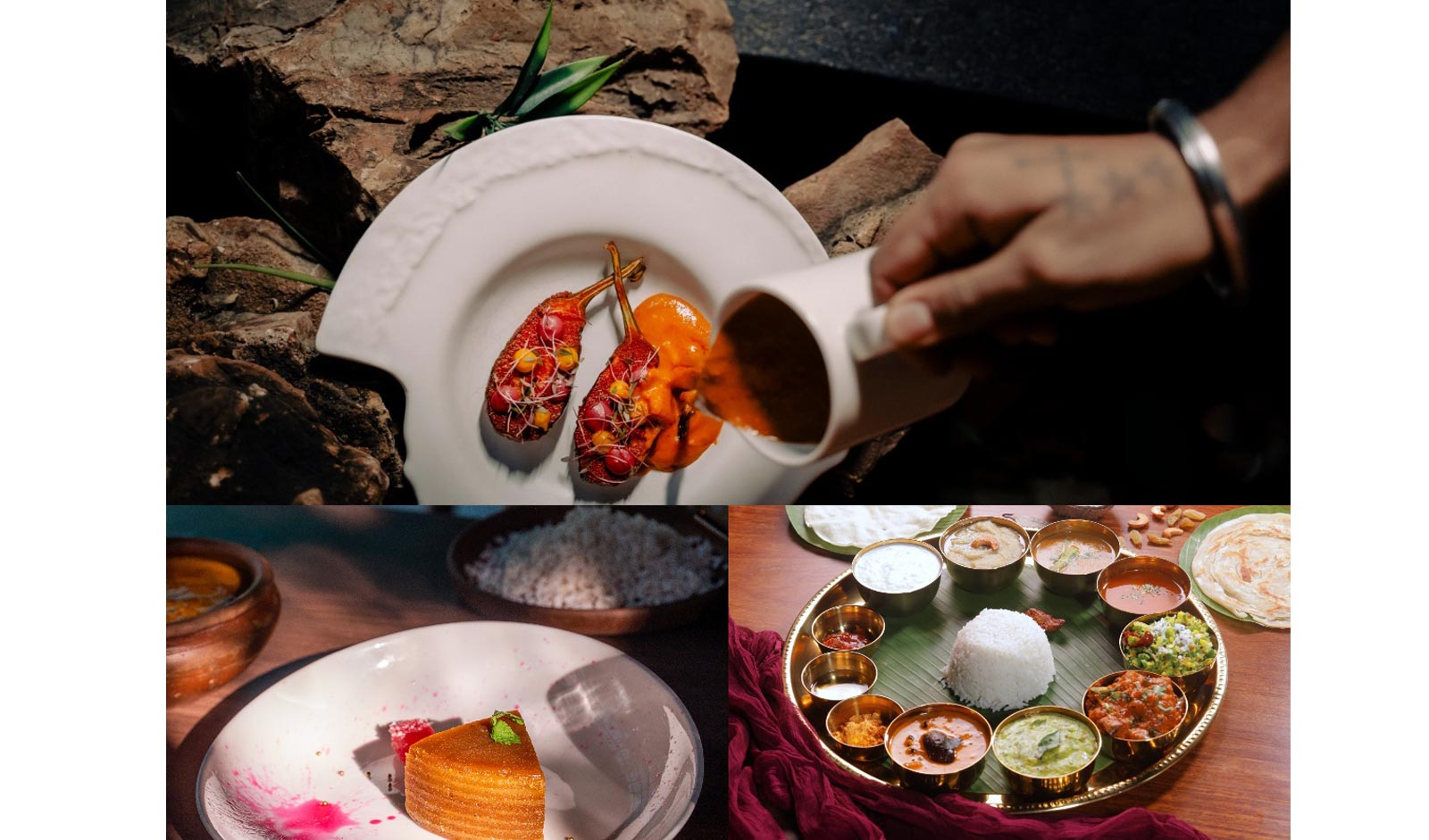
● South Indian Cuisine: However, the food traditions of South India, which include Chettinad food, food of Kerala and Andhra are slowly and gradually coming into the global map. Except for people in southern India, ingredients such as tamarind, coconut and curry leaves, considered exotic earlier, are now exotic for their richness and diverse variations.
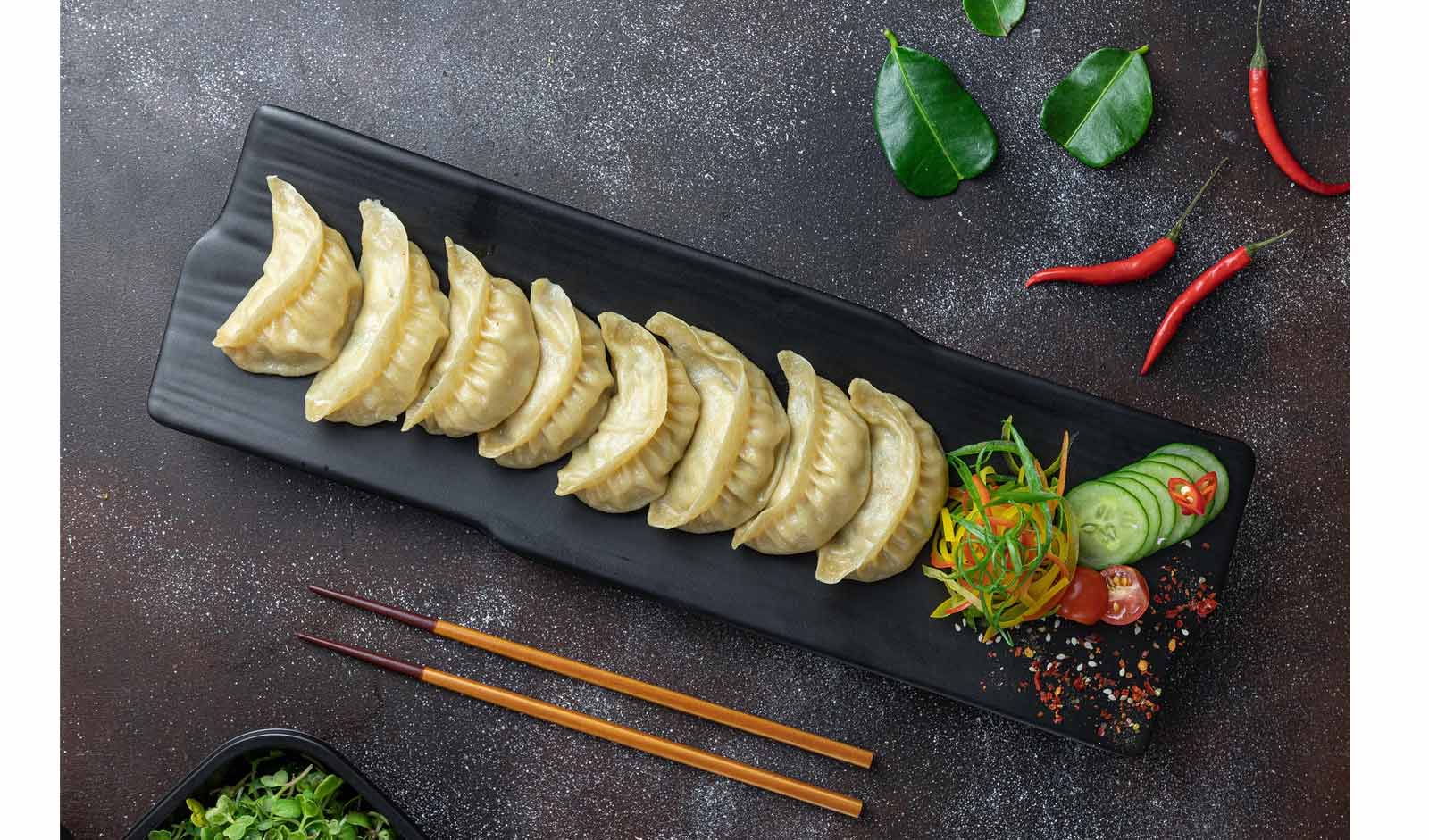
● Northeast Indian Cuisine: New voices are now being heard and Northeast India’s lost recipes are slowly coming back into focus. Some of the most well known exotic foods which have started tempting the international community to try them include Assam’s bamboo shoot pork and Nagaland’s smoked meats.
● Gujarati and Rajasthani Thalis: The idea of a thali, which translates to a plate of multiple foods, is getting much-needed attention in the global market. It highlights not only the kinds of tastes but the principle of ratio in a meal, as perceived in the culture.
Challenges and Opportunities
As the attention of the world turns to regional Indian food, there are issues to be addressed. Originality for the sake of popularity may be rarely achieved. For that reason, converting the original Cuban recipes for the international markets is a task that must be done carefully. Also, getting specific herbs such as kokum, black stone flower or gondhoraj lime may not be easy outside India.
However, these challenges are opportunities disguised in the following ways. Through increased interest in Indian food, adaptation has transpired all over the world. Employers are inventing how to reduce ingredients when preparing food, but still produce gourmet foods cravings. It also included a need for exporting Indian spice mix and local pantry staples to enhance demand besides supporting farmers back in India.
The Future of Indian Cuisine on the World Stage
They say the future is bright for regional Indian cuisines. Increased interest in sustainability aligns well with Indian values of farm-to-table practices and the use of locally sourced seasonal food. Similarly, the wellness movement’s focus on Ayurveda and ancient knowledge of food corresponds with the wholesome nature of Indian cuisine.
It is also equally important that educational activities that promote local gastronomic cultures are also conducted. With the help of culinary schools and food fairs, many dishes can be protected and keep alive regional cooking for the future generations.
Conclusion: More Than Just Food
The growing recognition of regional Indian foods in the international market is more than just cuisine – it is culture, history, and who we are. Every tutorial has its story, its practices, and its people. In this context regional Indian cuisines are a special platform to share those narratives in the melting pot of the globalised world.
As a milieu that seeks to take locale to the globe, India’s plate can tantalize tongues, minds, and hearts in equal measure. It is clear that as more regional cuisines take center-stage, they constitute a pleasant nudge for people to focus on the fact that the country’s greatest asset is its diversity, both in food and beyond.
Paras Teotia
Founder, Curry Crown