
The Restaurant's Toolkit: Essential Apps, Resources, and Strategies to Organize Your Business
Restaurants do not get started when you just build a building on a plot of land and start cooking there. There are a lot of departments that need to be controlled and managed for a restaurant to function properly. It's not just about creating delicious dishes; it's also about ensuring smooth operations, effective administration, clever marketing, and staying ahead in a competitive marketplace.

Restaurants do not get started when you just build a building on a plot of land and start cooking there. There are a lot of departments that need to be controlled and managed for a restaurant to function properly. It's not just about creating delicious dishes; it's also about ensuring smooth operations, effective administration, clever marketing, and staying ahead in a competitive marketplace. And for managing all these departments, the restaurant needs different resources or ideas. If we organize all the resources, apps, and strategies that are used to manage the restaurant, then a well-organized “toolkit” will be formed. And in today's digital age, a well-chosen "restaurant toolkit" of essential apps, robust resources, and strategic approaches can mean the difference between simply surviving and truly thriving.
This article will walk you through the critical digital and practical tools that any restaurant requires to streamline operations, improve customer experience, and increase profitability.
Read more: Unlocking Perfect Wine: The 20-Minute Rule Every Wine Lover Swears By
Technology—The Digital Backbone
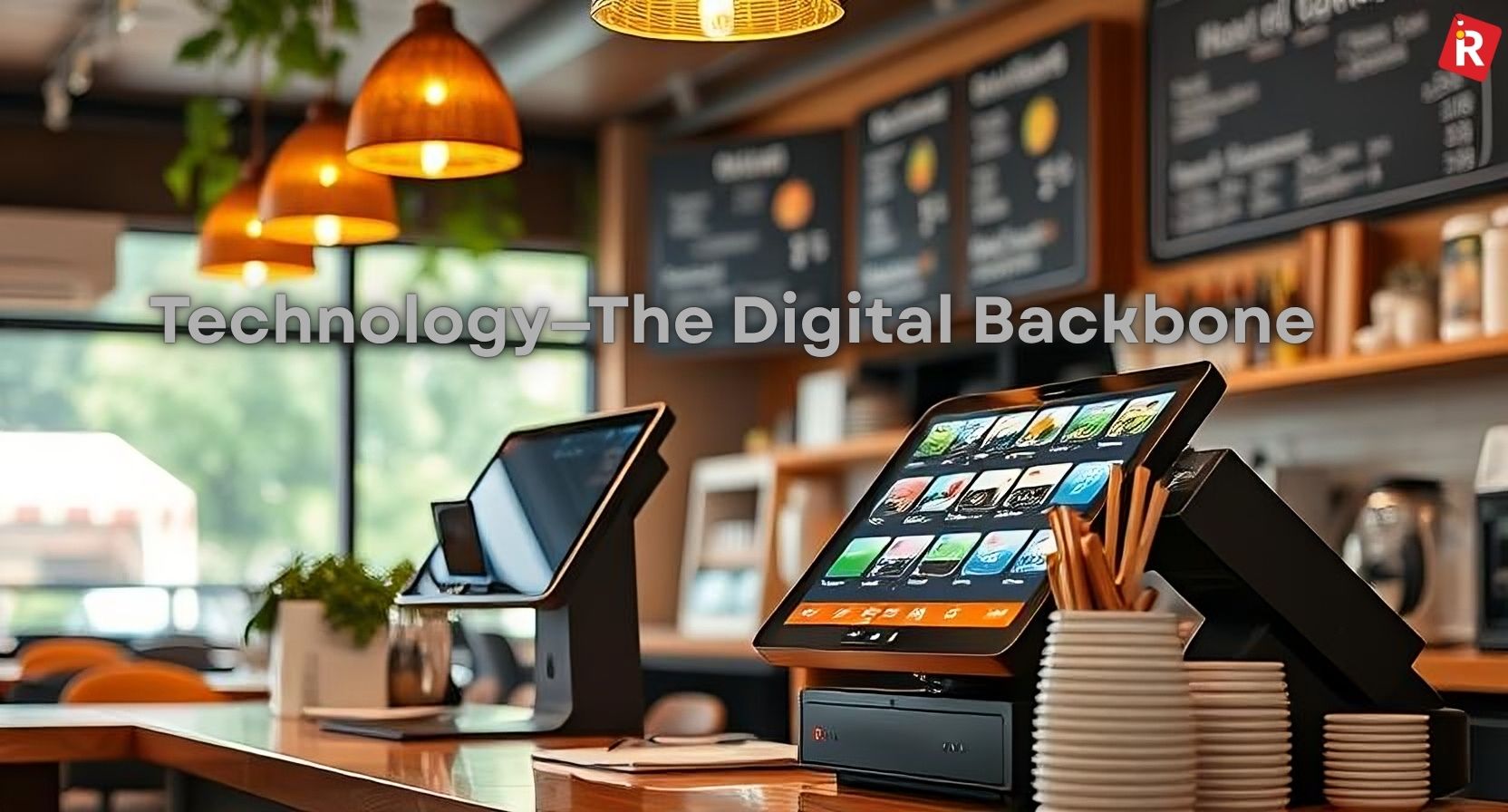
Technology helps regulate activities, reduce errors, and provide useful insights.
1. Point of Sale (POS) Systems:
An advanced POS system is much more than a cash register; it serves as your restaurant's core nervous system. A strong point-of-sale system is essential for numerous restaurants, which range from fast-casual restaurants to fine dining places in larger malls.
Key features: order management, billing, table management, inventory tracking, sales reporting, and, in many cases, integrated payment processing.
Benefits: faster order processing, reduced human error, real-time sales data, and simplified end-of-day reconciliation.
Recommended for India: Popular restaurant software options in India include Petpooja, POSist (formerly Restroworks), Toast, and Square. Petpooja and POSist are well-suited to the Indian market, as they include GST billing, regional language support, and local payment gateway interfaces.
Know this: "Everyday is a Chance to Build Something Bigger," says Sushaan Nath of Passion Cuisine
2. Inventory Management Software:
The most significant variable expense for a restaurant is food costs. Effective inventory management is critical for profitability and waste minimization, both of which are important considerations in sustainable practices.
Key features: Includes recipe costing, supplier management, purchase order production, real-time stock levels, waste tracking, and automated notifications for low inventory.
Benefits: Reduces food spoilage, improves ordering quantities, identifies profitable meals, and aids in appropriate pricing.
Recommended for India: MarketMan (global presence, excellent integrations) and local options, such as RESTOSOFTIN, provide comprehensive solutions. These technologies assist in monitoring pricing swings from suppliers and tracking consumption habits.
3. Online Ordering & Delivery Platforms:
With the rise of digital convenience, having an online presence has become mandatory. For restaurants, online ordering is critical for reaching clients all around the city.
Key features: customizable online menus, integrated payment gateways, order management, and client data collection.
Benefits: increased client reach, convenience, less dependency on phone orders, and valuable data on customer preferences.
Recommended for India: While direct platforms like GloriaFood (which provides a free online ordering system) and Foodiv (which is commission-free) allow you to create your own online ordering system, partnering with aggregators such as Zomato and Swiggy is critical for increased visibility. Balancing direct orders with aggregator presence is critical for managing commissions.
Know more: 7 Pizza Chains That Are Changing the Way We Eat on the Go
4. Employee Scheduling & HR Apps:
Your team is the foundation of your service. Effective scheduling, communication, and HR management are critical for employee morale and operational efficiency.
Key features: automated shift scheduling, time-off requests, shift swapping, internal communication tools, time tracking, and payroll integration.
Benefits: reduced schedule conflicts, saved management time, improved team communication, equitable workload distribution, and labor cost reduction.
Recommended for India: 7shifts, When I Work, and Homebase (which provides a good free plan for small businesses) are highly rated globally. These can be tailored to your employees' shift schedules, taking into account local holidays and peak hours.
Customer Relationships & Brand Presence

Beyond operations, attracting and keeping consumers requires strategic marketing and exceptional customer service.
1. Customer Relationship Management (CRM) Systems:
Understanding what customers want is essential for tailored service and efficient marketing. A CRM facilitates the development of long-term partnerships.
Key features: customer databases, preference tracking, loyalty program management, feedback collection, and tools for targeted marketing campaigns.
Benefits: Improves customer retention, allows for targeted offers, identifies VIP guests, and aids in the creation of more successful marketing programs.
Recommended for India: Global CRMs like Bitrix24 (which offers a free CRM plan) and specialized restaurant CRMs from providers like Netclues will assist you in managing customer data, particularly for your clients, separating them based on their preferences, frequency of visits, and average expenditure.
What's new: 10 Actionable Interior Design ideas for Restaurants
2. Social Media Management Tools:
In a place dominated by social media, your restaurant's online presence is critical. Effective social media management enhances your brand.
Key features: content scheduling, multi-platform posting, engagement tracking, analytics, and direct messaging options.
Benefits: Increases brand recognition and engagement, enables real-time customer interaction, and delivers insights into audience trends.
Recommended for India: Hootsuite and Buffer are popular options. Use these to highlight your signature meals, behind-the-scenes looks, and customer testimonials, focusing on local communities and food bloggers.
3. Online Review & Reputation Management Platforms:
Online reviews are the new word-of-mouth. Actively managing your online reputation is critical for attracting new customers and maintaining trust.
Key features: monitoring reviews across platforms (Google, Zomato, TripAdvisor), an established inbox for responses, sentiment analysis, and comparing competitors.
Benefits: Increases reputation, enables timely issue resolution, attracts new consumers, and provides useful feedback for improvement.
Recommended for India: Tools such as ReviewTrackers or diligent manual monitoring of Google My Business, Zomato for Business, and TripAdvisor are essential. Responding quickly and professionally to all reviews, favorable and negative, is critical to establishing a great reputation.
Essential Resources & Strategic Approaches
Technology is a tool, but its effectiveness depends on the strategies and resources supporting it.
1. Legal & Compliance Resources:
Running a restaurant in India requires navigating a complex web of licenses and rules. Keeping execution is non-negotiable.
Key Resources:
- FSSAI license: Required for all food businesses to ensure food safety and quality.
- Trade License: A document from the Municipal Corporation that validates your permission to operate in a given location.
- Health Trade License: Local health authorities provide a Health Trade License, which ensures adherence to health and hygiene requirements.
- Fire Safety License/NOC: Required for safety and issued by the local fire department.
- GST Registration: Required for tax compliance.
- Shop & Establishment Act License: Register your restaurant within 30 days of opening.
- Liquor License: If providing alcohol, you must get a liquor license (complicated and state-specific).
- Music License: If you're playing copyrighted music.
Strategy: Consult with legal specialists or business consultants who specialize in the hospitality industry to ensure that the important permissions are secured and updated regularly. Keep detailed records on all licenses and inspections.
2. Financial Planning & Accounting Tools:
A restaurant's long-term success depends on good financial management.
Key resources: accounting software, budgeting tools, and financial advisors.
Strategy: Use reliable accounting software (such as TallyPrime, which is commonly used in India, or cloud-based alternatives like QuickBooks Online) to track income, spending, payroll, and taxes. Maintain a regular examination of profit and loss statements, balance sheets, and cash flow reports. Set clear budgets for all divisions, from food to marketing, and regularly monitor inconsistencies. Understanding your break-even point and increasing profit margins are constant objectives.
3. Staff Training & Development Programs:
While apps can help with HR, human development is more about developing skills and creating a healthy work environment.
Key resources: online learning platforms, in-house training manuals, mentorship programs, and ongoing performance feedback systems.
Strategy: Create complete training programs for both FOH and BOH employees. For front-of-house, prioritize customer service excellence, product knowledge, upselling techniques, and POS system proficiency. For BOH, prioritize food safety, portion control, recipe consistency, and kitchen efficiency. Encourage constant learning and establish clear career routes. A well-trained, motivated crew is your most valuable asset in providing great customer service.
Check out: Oats vs. Muesli: Which Breakfast Option Is Better For Weight Loss?
Best Theme Cafes to Explore in 2025: Where Coffee Meets Imagination
4. Data Analytics & Business Intelligence:
Beyond simply gathering data through your POS and CRM, the true power is in evaluating it to make sound business decisions. Business intelligence technologies convert raw data into actionable insights.
Key resources: integrated POS reporting and customized BI dashboards.
Strategy: Analyze sales trends (peak hours, most popular meals), inventory turnover, labor costs, and customer demographics regularly. Identify patterns, predict demand, optimize staffing, and adjust your menu based on performance. For restaurants, this involves looking into local seasonal preferences, identifying profitable meals that appeal to the neighborhood, and optimizing delivery routes using order heat maps. This data-driven approach enables agile modifications and maximizes revenue.
Conclusion
In a competitive and vibrant restaurant sector, success is not taken lightly. It is the outcome of careful planning, strategic implementation, and effective use of available tools and resources. Restaurant owners may establish a durable and profitable business through the use of modern technology for operations, employing extensive systems for marketing and customer relations, and strictly following legal and financial best practices.
The "restaurant toolkit" described here is more than just a collection of apps; it is an organizational model based on business, data, and customer focus. Embrace these essential resources and strategies, and your restaurant will not only survive but thrive, becoming a beloved culinary landmark for years to come.
Mahak Sharma
Content Writer
Mahak Sharma is a passionate content writer with 2 years of experience crafting compelling content across various niches, tailoring her writing to suit different audiences and platforms. She is dedicated to producing engaging content for readers so that they can understand and enjoy the articles. Her strengths lie in crafting SEO-friendly, well-structured articles that drive visibility and engagement.



































































