The New FMCG Battle: Winning the Five-Minute Meal
The category is still evolving. But one thing is becoming clear: the future of convenience food may not be about making consumers eat faster. It is about helping them spend less time getting a meal ready.

India’s convenience-food market is moving beyond instant noodles. Consumers are increasingly looking for meals that need little preparation, little effort and very little time. This is pushing FMCG companies to rethink what “instant” really means. The opportunity is already visible. India’s ready-to-cook (RTC) category grew 58% in 2024, according to Kantar Worldpanel data reported by The Economic Times. The category added 18 million households and was the only packaged-food segment to double in volume over the previous two years. By comparison, the overall packaged-food market grew about 8%. The next opportunity may not be another two-minute product. It could be the five-minute meal.
From Two-Minute Noodles to Five-Minute Meals
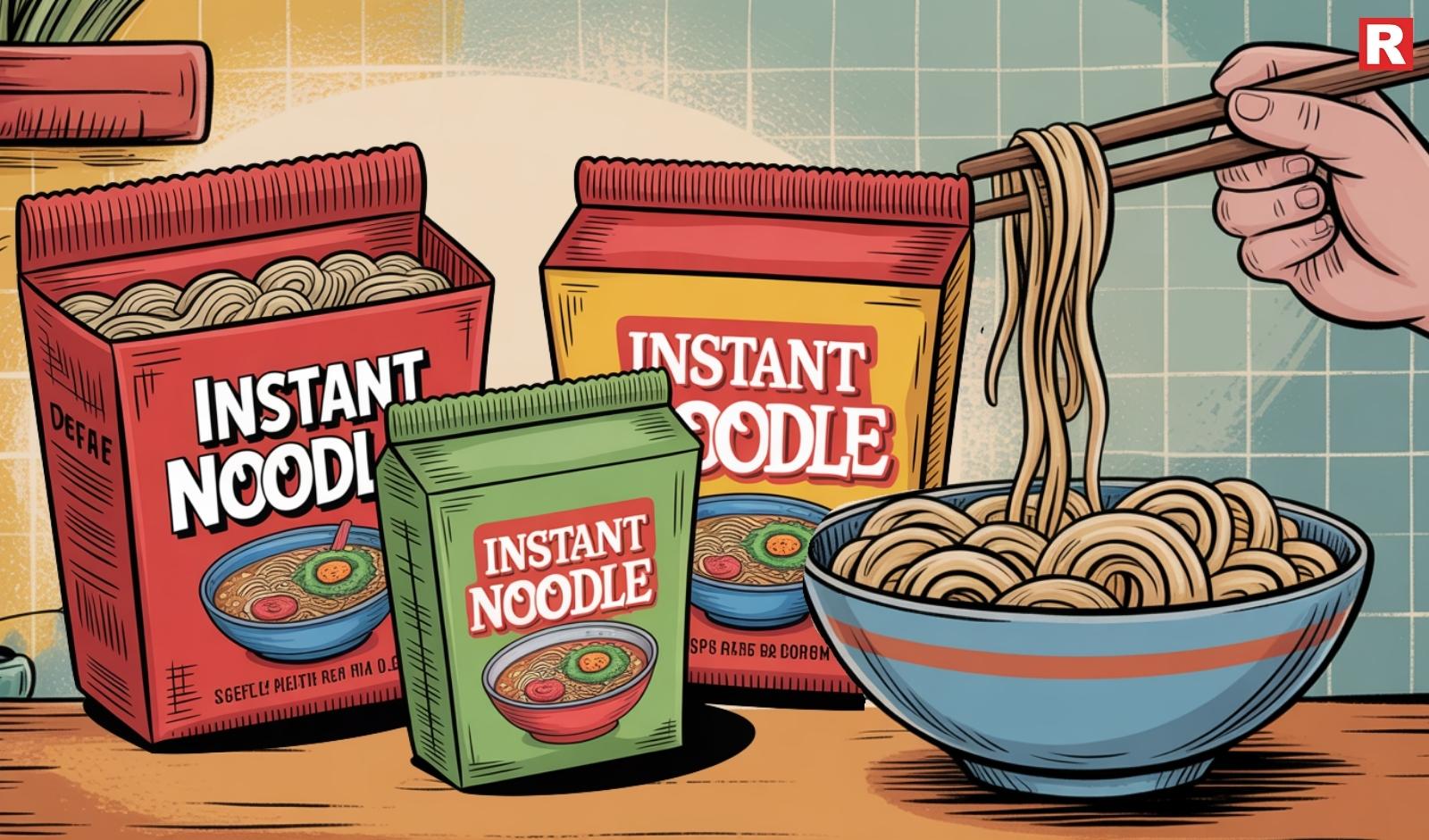
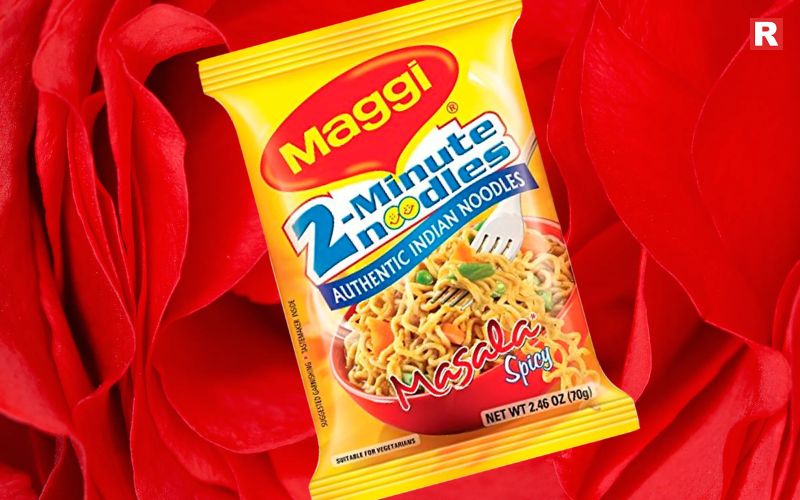
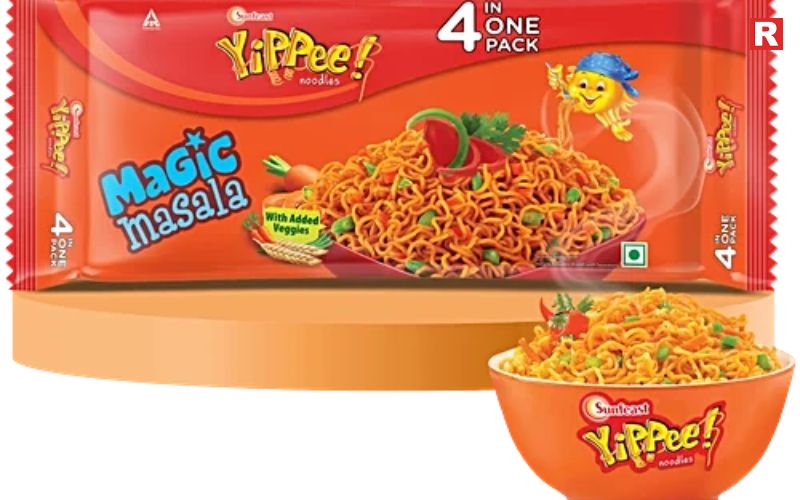
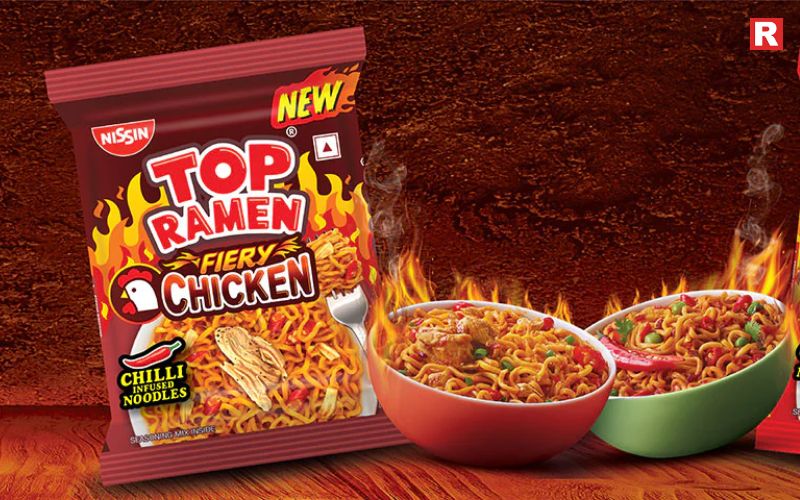
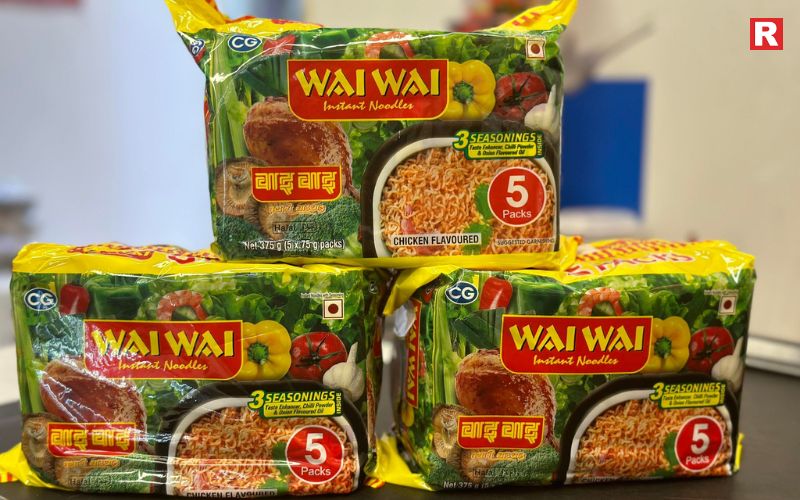
For years, instant noodles defined convenience in India's packaged-food market. The proposition was simple: add water, cook for a few minutes and eat. But the consumer need has become broader. A young professional returning home after work may not want to order dinner. A student may not have a kitchen. A parent may need a quick breakfast before getting children ready for school. A single-person household may not want to buy ingredients, cook a full meal and clean up afterwards.
- In each case, the question is similar: How quickly can I turn this product into a meal?
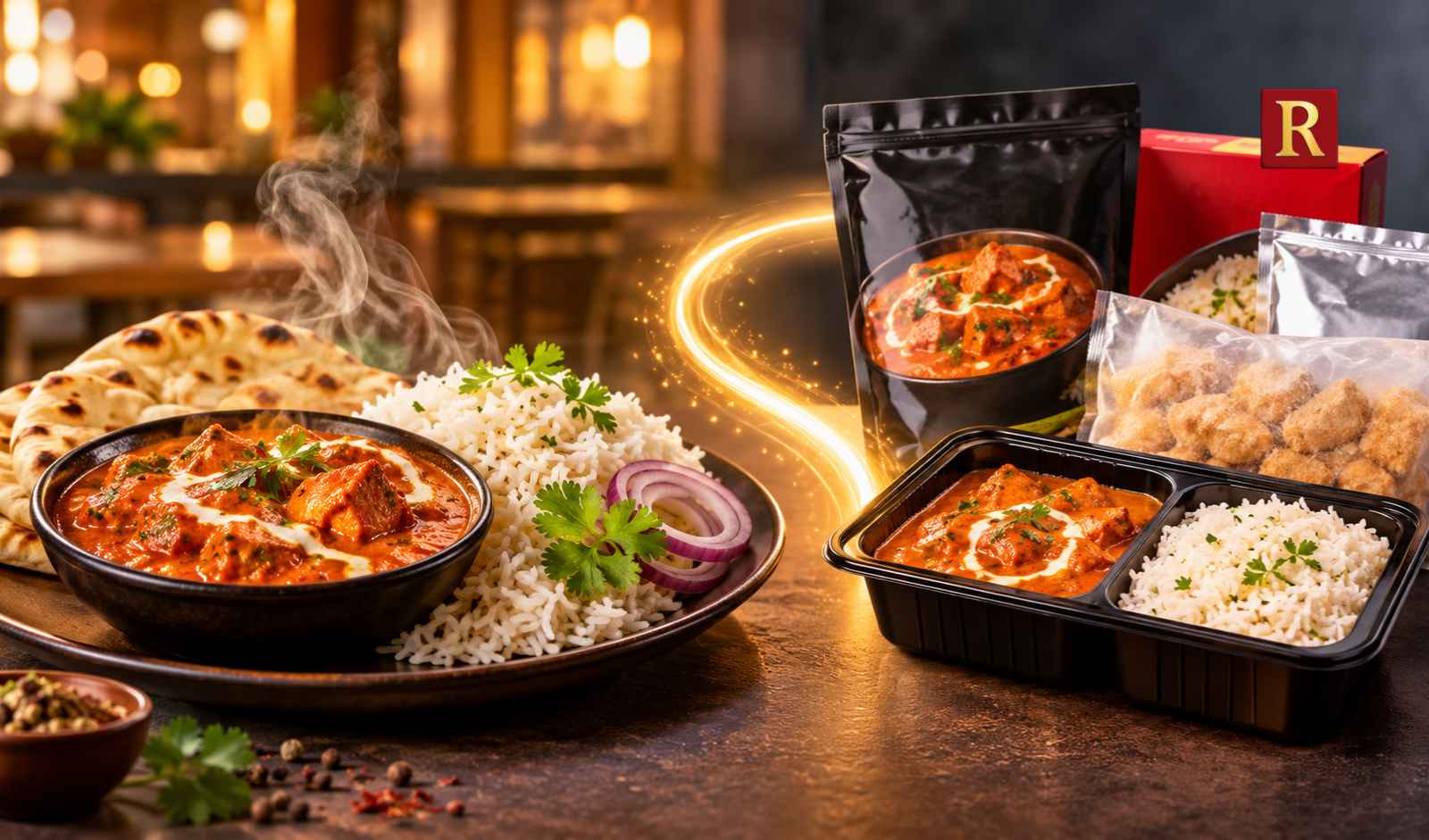
This is where the five-minute meal becomes an interesting FMCG opportunity. It can include instant breakfasts, ready-to-cook meals, frozen foods, heat-and-eat products, meal cups, instant mixes and regional food formats. The competition is therefore no longer limited to noodles. It includes home cooking, leftovers, restaurants, food delivery and quick-service restaurants.
Five Minutes Is Becoming a Product Feature
Preparation time is increasingly becoming part of the product proposition. A five-minute product is not simply selling food. It is selling time saved. Food companies can reduce preparation time through different processing methods. These include dehydration, par-cooking, thermal processing, freezing and controlled moisture management. The goal is to move more preparation work from the consumer's kitchen to the manufacturing facility.
That creates an important difference between food categories. Ready-to-cook products still require some cooking but reduce preparation work. Ready-to-eat products require little or no cooking. Ready-to-heat products mainly need reheating. The five-minute meal can sit across these categories. The real test is whether the total consumer experience is genuinely fast. If a product claims five minutes but requires several steps, complicated preparation or additional ingredients, the convenience proposition becomes weaker.
India Already Has a Five-Minute Breakfast Story
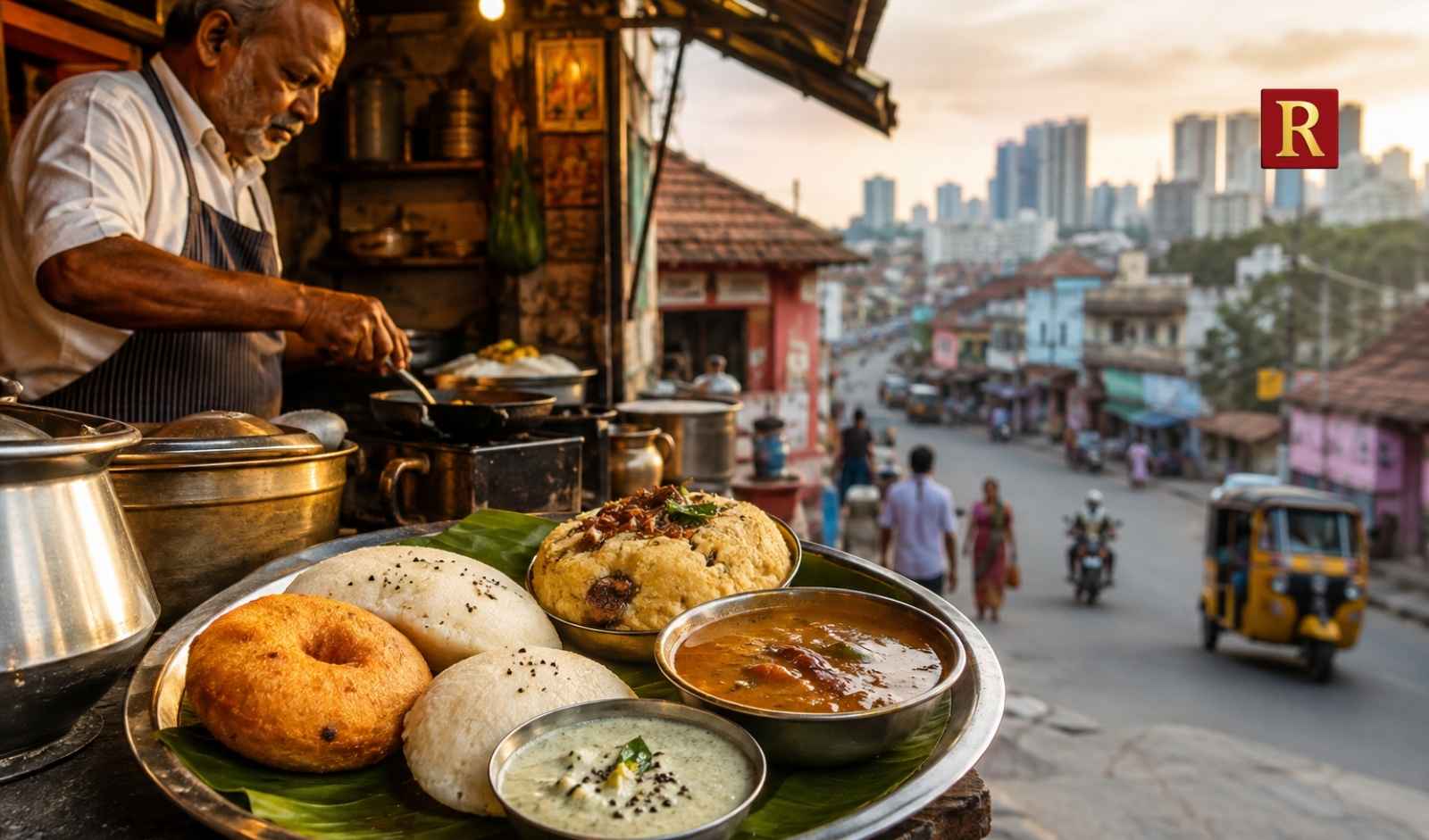
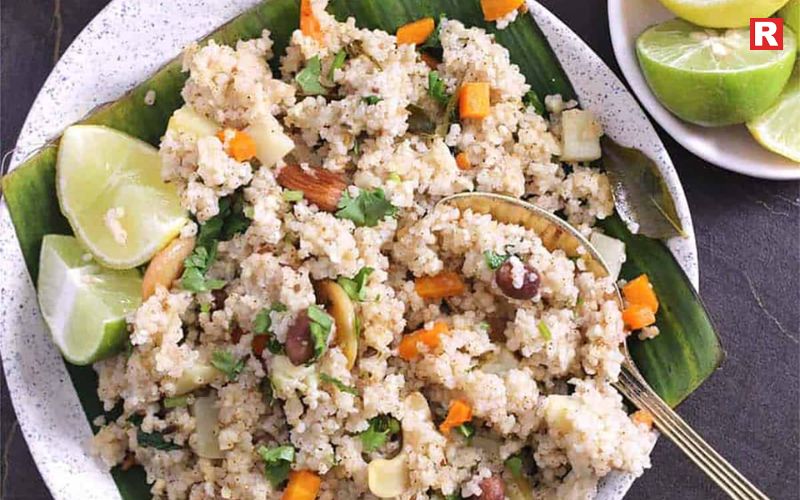
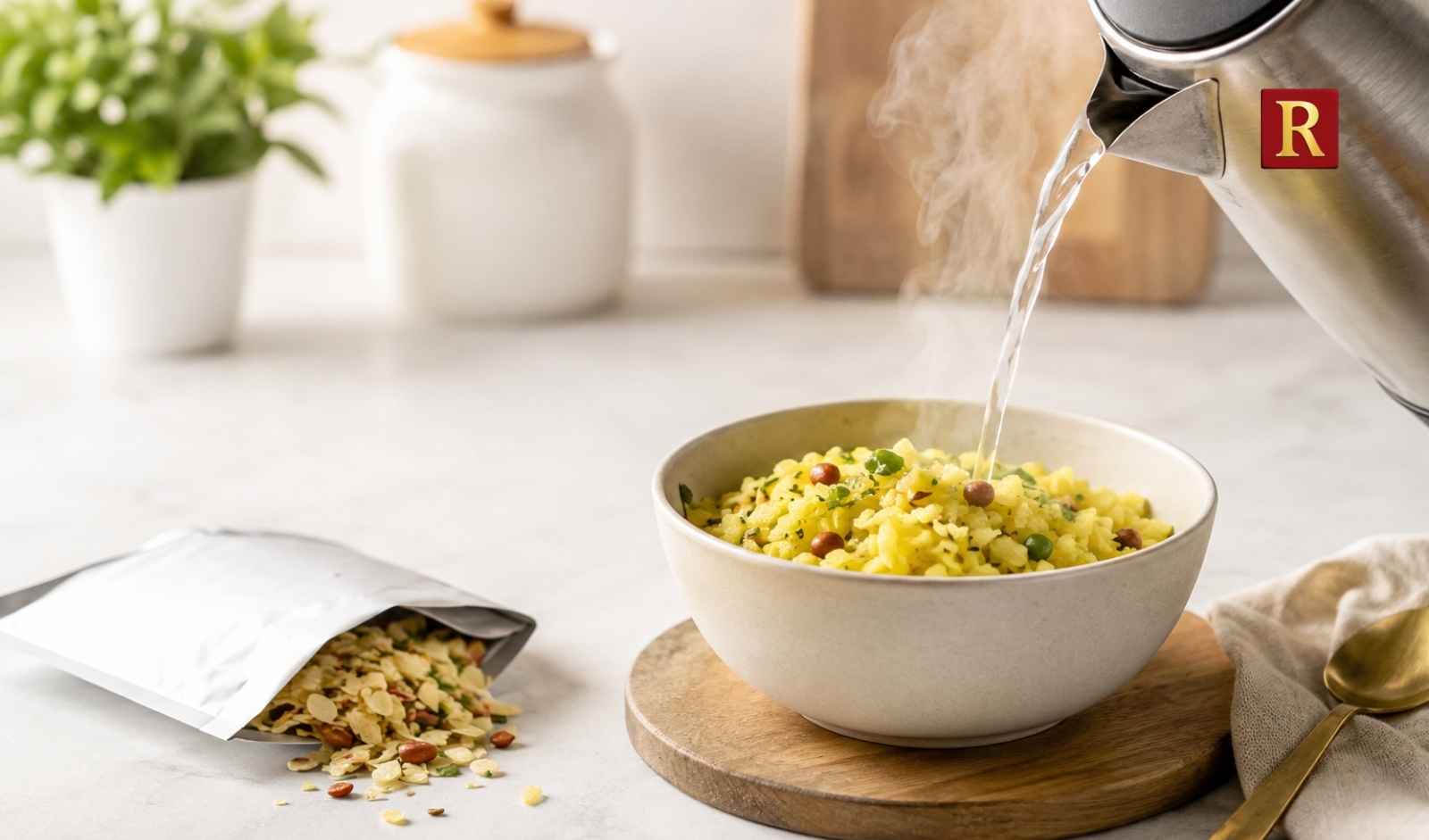
Indian breakfast offers a strong example of how traditional foods can be adapted to convenience. MTR's 3 Minute Breakfast range includes formats such as poha, vegetable upma, khatta meetha poha and seviyan upma. Its current product information also includes single-serve packs and cups. This is important because it shows that convenience does not have to mean Western food formats. Poha and upma already have strong familiarity among Indian consumers. Packaging and processing simply reduce the amount of work required at home. This creates a useful product-development formula: Familiar food + shorter preparation + controlled portion + easy packaging = convenience meal.
The next stage could see more regional dishes entering this space.
The Big Opportunity Is Beyond Noodles
India's five-minute meal market can potentially expand into several occasions.
| Meal Occasion | Possible Formats |
| Breakfast | Poha, upma, oats, idli, dosa |
| Lunch | Rice bowls, khichdi, dal-based meals |
| Evening | Frozen snacks, wraps, mini meals |
| Dinner | Regional gravies, rice meals, meal bowls |
| Late night | Noodles, pasta, soup and quick meals |
| Office | Single-serve cups and bowls |
| Student meals | Affordable instant and frozen formats |
This shift is also supported by the broader growth of convenient food. Redseer estimates the addressable market for RTE and RTH foods at 70–80 million consumers in 2025. Yet its research involving more than 670 respondents found that fewer than 15% consumed these products regularly. That gap is significant. It means the problem is not simply getting consumers to try convenience food. Brands need to make them want to buy it repeatedly.
Taste and Health Could Decide the Winner
Speed may get the first purchase. Taste and perceived health can determine the second. Redseer's research found that consumers often see RTE/RTH products as lacking in taste and nutritional value. Perceptions around preservatives and value for money also remain barriers. This creates a difficult product-development challenge.
- An FMCG company has to balance: Speed + taste + nutrition + shelf life + price + convenience.
Improving one factor can affect another. For example, increasing shelf life may require a different processing or packaging approach. Changing processing can affect texture. Reducing preparation time can affect how ingredients behave after rehydration or reheating. That makes the five-minute meal more than a marketing idea. It is a food-engineering challenge.
Regional Flavours Could Give the Category an Edge
One of India's biggest advantages is its regional food diversity. A five-minute meal does not have to look like noodles or pasta. There is potential for formats built around poha, pongal, khichdi, bisibele bath, misal, lemon rice, kadhi rice, rajma rice and other familiar dishes. The opportunity is particularly interesting outside the largest metros. Convenience can be paired with familiarity. Consumers do not necessarily need to learn a new cuisine to adopt a new format. This could help FMCG companies create products that feel modern in format but familiar in taste.
Quick Commerce Changes the Game
The five-minute meal also has an unusual relationship with quick commerce. Quick commerce solves the availability problem. FMCG solves the preparation problem. India's quick-commerce sector accounted for more than two-thirds of e-grocery orders in 2024, according to a Bain and Flipkart report cited by Reuters. The two trends can therefore reinforce each other. Consider a simple situation. A consumer reaches home at 8:30 p.m. There is nothing ready for dinner. Instead of ordering a restaurant meal, they search for a quick meal on a grocery app. The product arrives shortly afterwards and takes another few minutes to prepare.
The entire food journey becomes much shorter. Redseer's 2026 analysis estimated the frozen RTC market on the top three quick-commerce platforms at $376 million in 2025, up from around $200 million in 2024. That represents an estimated 88% increase. This is why FMCG brands need to think about both the product and the digital shelf.
The New Shelf Is Also a Search Bar
Traditional FMCG competition depended heavily on supermarket shelves and distributor networks. Today, convenience-food brands also compete inside quick-commerce apps.
A consumer may search for:
- quick breakfast
- instant poha
- frozen snacks
- ready-to-cook dinner
- healthy instant meals
That means packaging, product names, images, ratings, pricing and availability all influence discovery. The five-minute meal must therefore be designed for both physical shelves and digital shelves.
Packaging and Claims Matter
Convenience food also brings regulatory responsibilities. FSSAI's Food Safety and Standards (Labelling and Display) Regulations prescribe requirements for pre-packaged food labels and essential information. FSSAI's advertising and claims regulations also require food claims to be truthful, meaningful, unambiguous and not misleading. Claims connected to preparation methods must account for the method of preparation. This matters for five-minute products. If the preparation method affects the nutritional or functional claim, the instructions cannot be treated as an afterthought. The five-minute promise must also reflect a realistic consumer experience.
What FMCG Brands Need to Win
The strongest players will not necessarily be those with the fastest product.
They will be the brands that solve five problems together:
- Speed — The product should genuinely reduce preparation time.
- Taste — Convenience cannot come at the cost of repeat-worthy flavour.
- Nutrition — Consumers increasingly want food that feels more complete than a snack.
- Familiarity — Indian and regional flavours can make convenience easier to adopt.
- Value — The price must make sense against cooking at home or ordering food.
This is where the next FMCG battle becomes interesting. The product is no longer just a packet of food. It is a solution to a specific time-starved meal occasion.
The Bigger FMCG Opportunity
India's convenience-food market is entering a more competitive phase.
- The early question was: Can you make food quickly?
- The next question is harder: Can you make a quick meal that consumers actually want to eat again?
The 58% growth in India's ready-to-cook category shows that consumers are already moving towards convenience. But the relatively low frequency of RTE/RTH consumption shows that convenience alone is not enough. For FMCG companies, the opportunity lies in closing that gap. The winning five-minute meal will need to combine speed, taste, nutrition, affordability and trust. It may come as a cup of poha, a frozen regional dish, a protein-rich bowl or an instant version of a familiar Indian meal. The category is still evolving. But one thing is becoming clear: the future of convenience food may not be about making consumers eat faster. It is about helping them spend less time getting a meal ready.
Saptopriya Ghosal
Feature Writer
I am a dedicated media professional with a bachelor's degree in mass communication from the State University of Calcutta and a postgraduate degree from Amity University. My academic journey has equipped me with a profound understanding of storytelling and communication. Passionate about the dynamic world of media, I continually strive to explore new ways to engage and inform through compelling narratives.