The New Beverage Trend: Drinks Inspired by Desserts
The next opportunity is to create combinations that are culturally relevant, technically balanced and easy to understand.

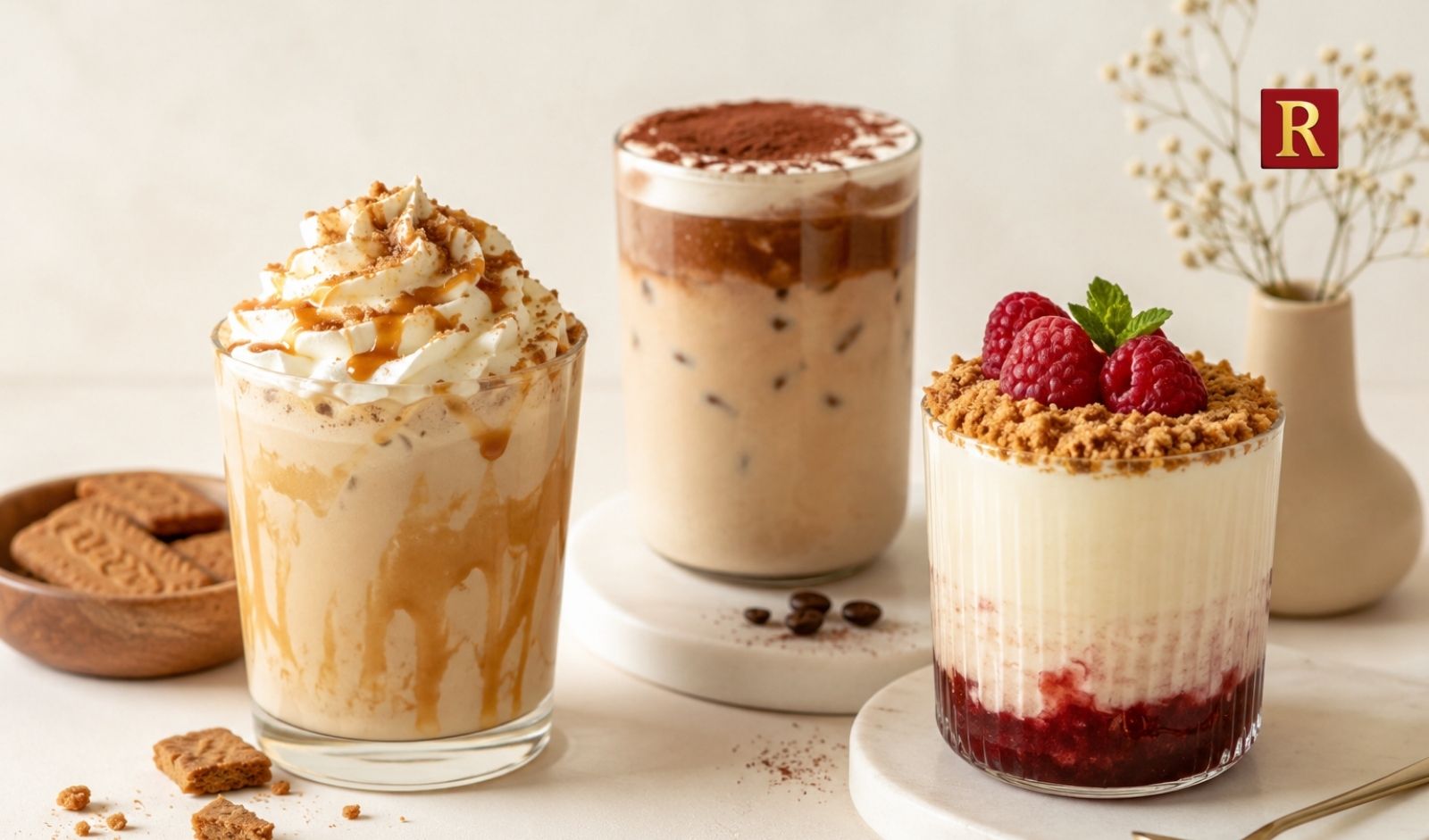
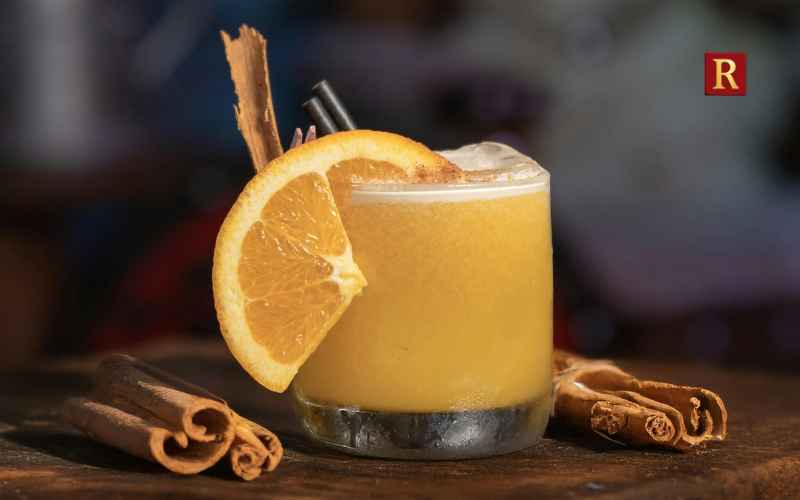
Dessert flavours are moving beyond cakes, pastries and ice cream. Cafés, restaurants and bars are now using familiar dessert profiles in coffee, matcha, cocktails, mocktails and cold beverages. Tiramisu, banana bread, caramel, chocolate and cheesecake are becoming drink inspirations. The trend is also gaining traction in India, where familiar desserts such as kulfi, gulab jamun, kheer and shrikhand offer a rich base for beverage innovation. This does not mean every drink has to become sweeter. The more interesting shift is about translating the flavour, aroma and texture of a dessert into a balanced beverage.
From Dessert Plate to Beverage Menu
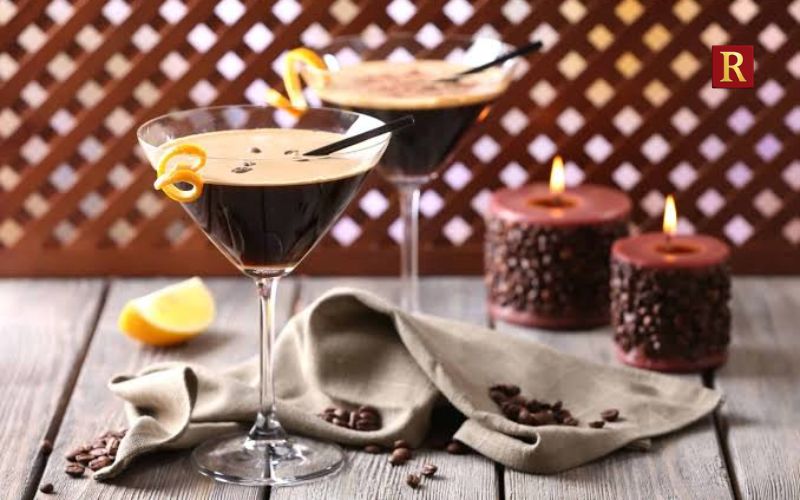
The idea is simple. Take the key characteristics of a dessert and rebuild them in liquid form. A tiramisu-inspired drink can use coffee, cocoa, cream and subtle sweetness. A banana-bread beverage can combine banana, cinnamon, vanilla and roasted coffee notes. A cheesecake drink can use creamy flavours with berry or citrus acidity.
This approach is already visible internationally. Innova Market Insights reported a 3% compound annual growth rate in product launches featuring sweet-treat flavours over five years in the US and Canada. It also found that alcoholic beverages and hot drinks were among the categories seeing particularly strong growth in dessert-style flavours. The important point is that flavour is doing much of the work. A drink does not need to contain an actual slice of cake to remind the consumer of cake.
Why Dessert Flavours Work in Drinks
There are several reasons behind the shift. Nostalgia is one. Familiar flavours can create an immediate emotional connection. Consumers may not know a new beverage, but they already understand the flavour of caramel, chocolate, banana bread or kulfi. Innova's 2026 research found that 40% of global consumers say traditional flavours influence their food and beverage choices. The same research identifies nostalgia, personalisation and multisensory experiences as important forces in sweet-flavour innovation.
Novelty is another. A customer may have tried tiramisu many times, but a tiramisu-inspired cold coffee offers a different experience. This combination of the familiar and the unexpected is especially relevant for younger consumers. Mintel's 2026 India research found that Gen Z is highly engaged with desserts and increasingly looks for authenticity, novelty and visual appeal. It also found that 23% of Indian Gen Z consumers are willing to pay more for desserts containing caffeine or offering a perceived focus benefit. That creates a natural opportunity for cafés. Coffee and dessert can become part of the same beverage occasion.
Banana Bread, Tiramisu and Other Flavours Are Finding a New Format
Banana is a particularly interesting example of how quickly a dessert association can move into beverages. Recent 2026 reporting citing Circana describes banana as the fastest-growing beverage flavour ingredient in restaurants over the past year. Search interest for "banana coffee" and "banana matcha" has also reached record levels in 2026. Major beverage menus are responding. Starbucks' autumn 2026 range, launched on August 25, includes an Iced Banana Bread Latte and Iced Banana Bread Chai, bringing a familiar baked flavour into coffee and tea formats. The same idea works with other desserts.
- Tiramisu: coffee, cocoa, cream and mild sweetness.
- Cheesecake: creaminess, vanilla, fruit and acidity.
- Brownie: cocoa, chocolate, roasted notes and vanilla.
- Crème brûlée: vanilla and caramelised sugar.
- Banoffee pie: banana, caramel and biscuit notes.
These combinations give beverage developers a flavour blueprint rather than a recipe.
India's Dessert Shelf Offers a Bigger Opportunity
For Indian restaurants and cafés, the most interesting opportunity may not be copying international dessert trends. India already has hundreds of distinctive sweet flavours.
- Kulfi can translate into milk, cardamom, saffron and pistachio notes.
- Gulab jamun can inspire combinations of rose, cardamom and caramelised sweetness.
- Kheer offers rice, milk, cardamom, saffron and nutty notes.
- Shrikhand brings strained yoghurt, saffron, cardamom and fruit.
- Gajar ka halwa can inspire carrot, milk, cardamom and warm spice combinations.
The opportunity is to identify what makes each dessert recognisable and then build a beverage around those characteristics. This is more useful than simply blending a dessert into a milkshake.
The Science Is About Balance, Not Just Sugar
A technically strong dessert-inspired beverage needs more than sweetness. Flavour perception depends on several factors, including sweetness, acidity, aroma, bitterness, temperature and mouthfeel. Innova's research points to an important development: beverage companies are increasingly using sweet flavours to deliver indulgent taste without relying only on high sugar levels. Sweet flavour launches in beverages are growing faster than sweet-flavour launches in food, creating opportunities for flavour to do some of the work that sugar traditionally did. This is why a good dessert drink often needs contrast.
- Chocolate can work with the bitterness of coffee.
- Caramel can benefit from a small amount of salt.
- Berry and cheesecake flavours need acidity.
- Banana can work with cinnamon or roasted coffee.
- Saffron and pistachio can provide richness without needing an aggressive sweetness level.
The result should taste like a dessert, but still feel like a beverage.
Texture Is Becoming Part of the Experience
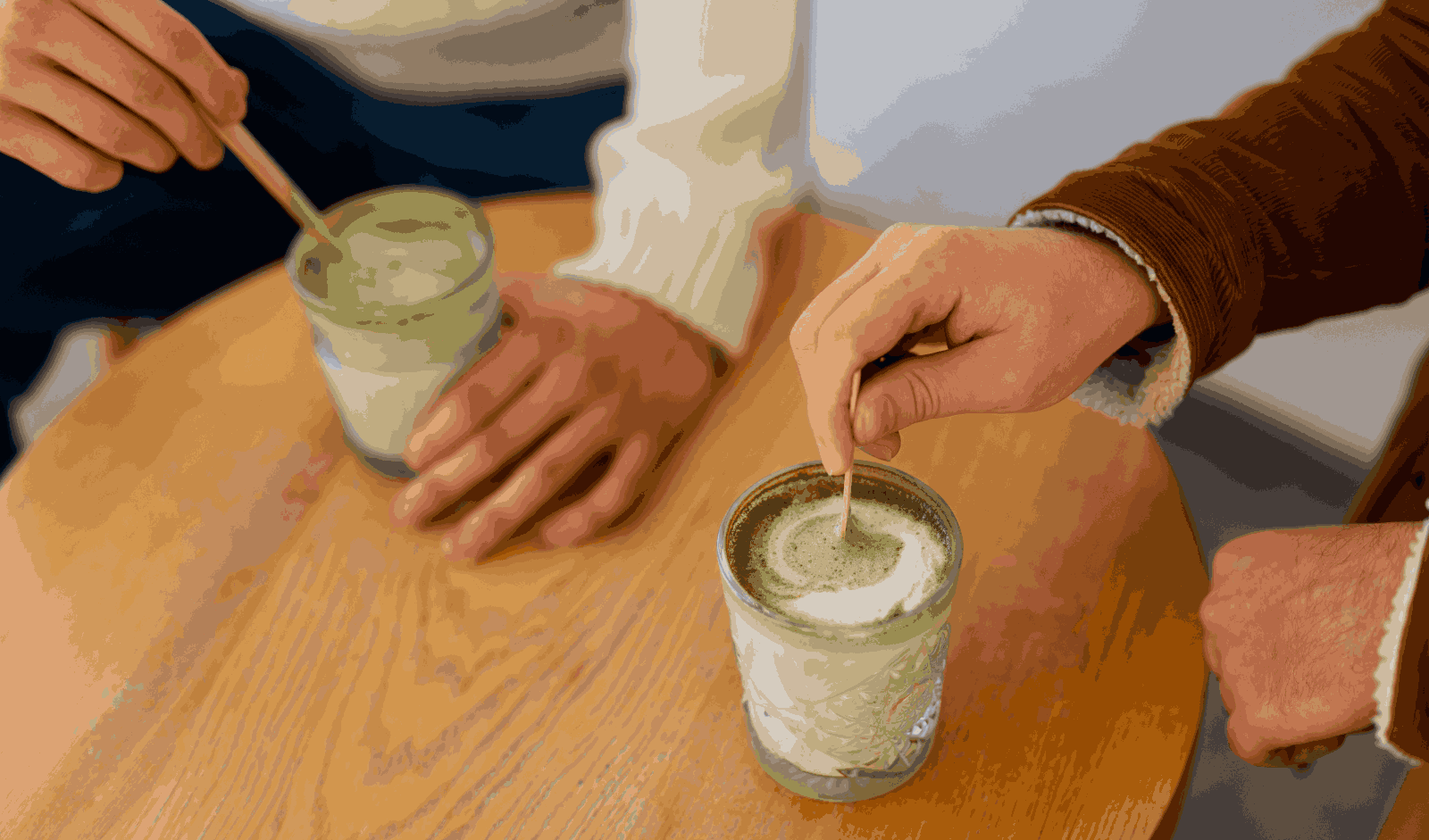
Flavour is only half of the equation. Cold foam, cream caps and layered toppings allow cafés to add another sensory dimension to drinks. A beverage can move from a simple iced coffee to a structured product with a base, flavour layer, foam and garnish. This also gives operators room for customisation.
- For example:Coffee + banana flavour + cinnamon cold foam = banana-bread-inspired beverage
The drink does not need actual banana bread to communicate the idea. Texture can also support premium positioning. A carefully developed foam or cream layer can make a beverage feel more complete and distinctive.
Why This Matters for Restaurants and Cafés
For F&B businesses, dessert-inspired beverages can solve a practical menu problem: how to create something familiar but different. A standard latte competes with hundreds of similar drinks. A banana-bread latte has a clearer identity. The format can also support seasonal menus.
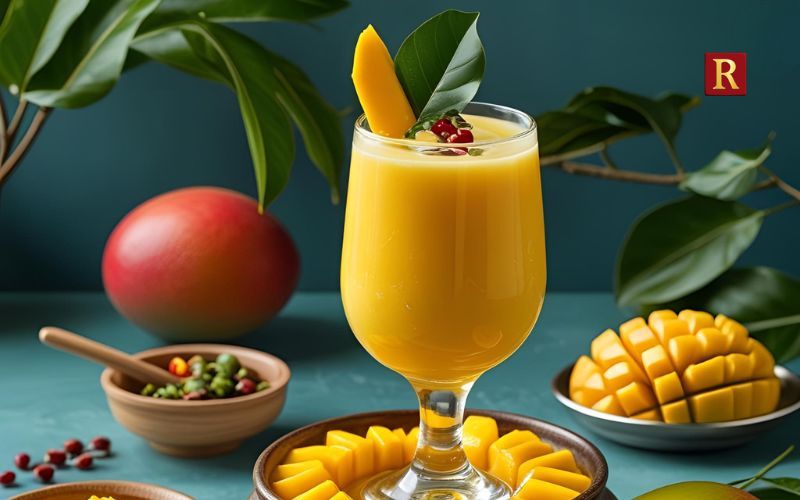
Winter could bring carrot-cake, chocolate or gingerbread-inspired beverages. Summer could use strawberry cheesecake, mango cream or coconut profiles. Indian festive menus could explore saffron, pistachio, kulfi or gulab jamun-inspired drinks. Limited-time products can also encourage trial without permanently changing the core menu. However, operators need to consider service speed, ingredient costs, consistency and storage. A drink that requires too many components may look attractive on paper but become difficult to execute during a busy service.
The Biggest Risk: Making Everything Too Sweet
The trend has one obvious weakness. A beverage containing sweet syrup, flavoured milk, caramel sauce, whipped cream and a sweet topping can quickly become heavy. The answer is not to remove indulgence. It is to create flavour balance.
Restaurants should ask:
- What are the three main flavours?
- Where does the acidity come from?
- What provides texture?
- Is the sweetness masking the coffee, tea or fruit?
- Will the drink still taste balanced after the ice melts?
- Can the recipe be produced consistently during peak hours?
These questions turn a trend into a workable beverage concept.
A Commercial Trend With an Indian Twist
The strongest future for dessert-inspired drinks may lie in localisation. Global flavours such as tiramisu and banana bread are already proving that consumers understand dessert-inspired beverages. But Indian F&B brands have an opportunity to build something more distinctive by using local dessert memories. That could mean a saffron-pistachio cold coffee, a shrikhand-inspired lassi or a carefully balanced kulfi beverage.
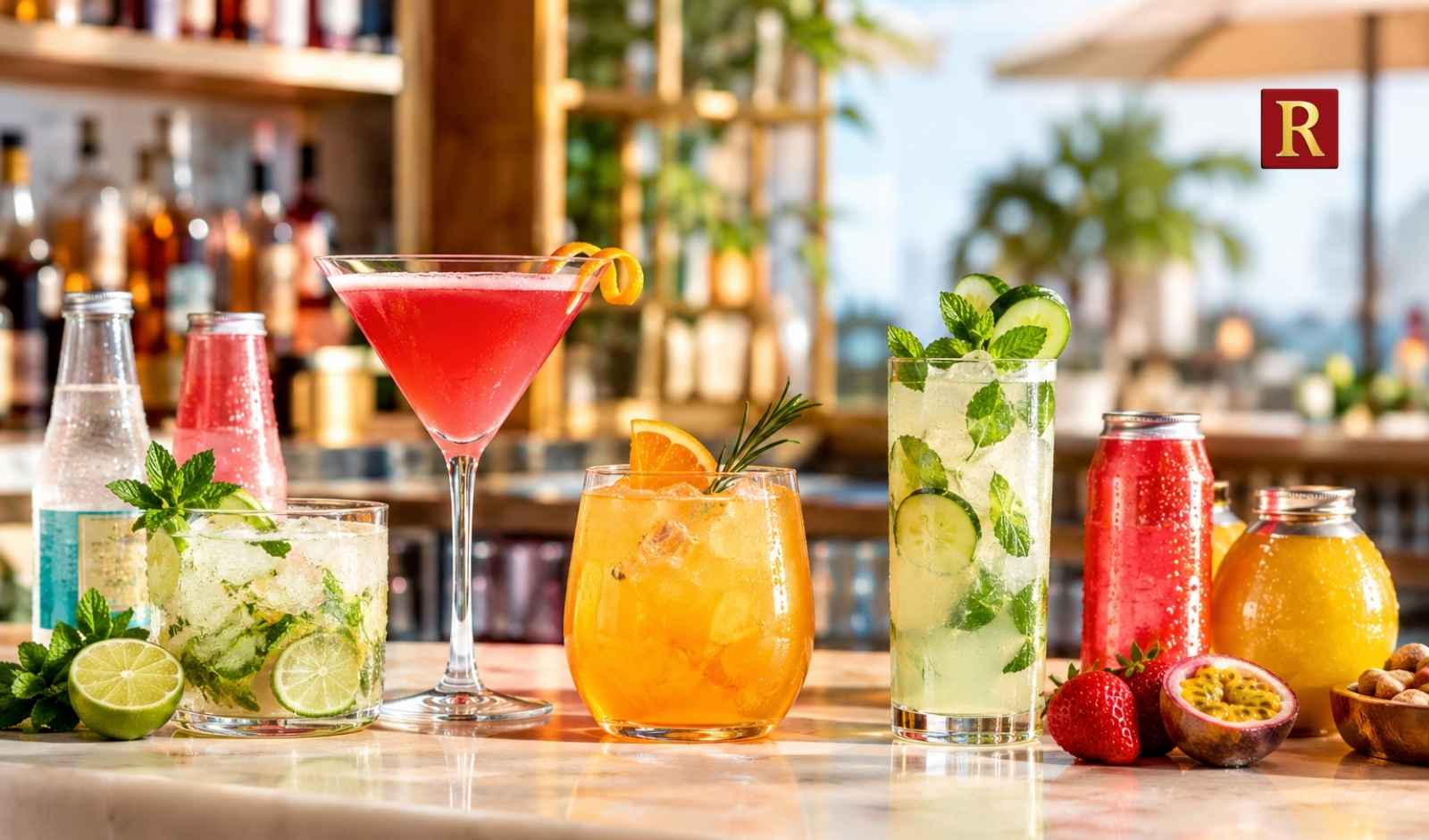
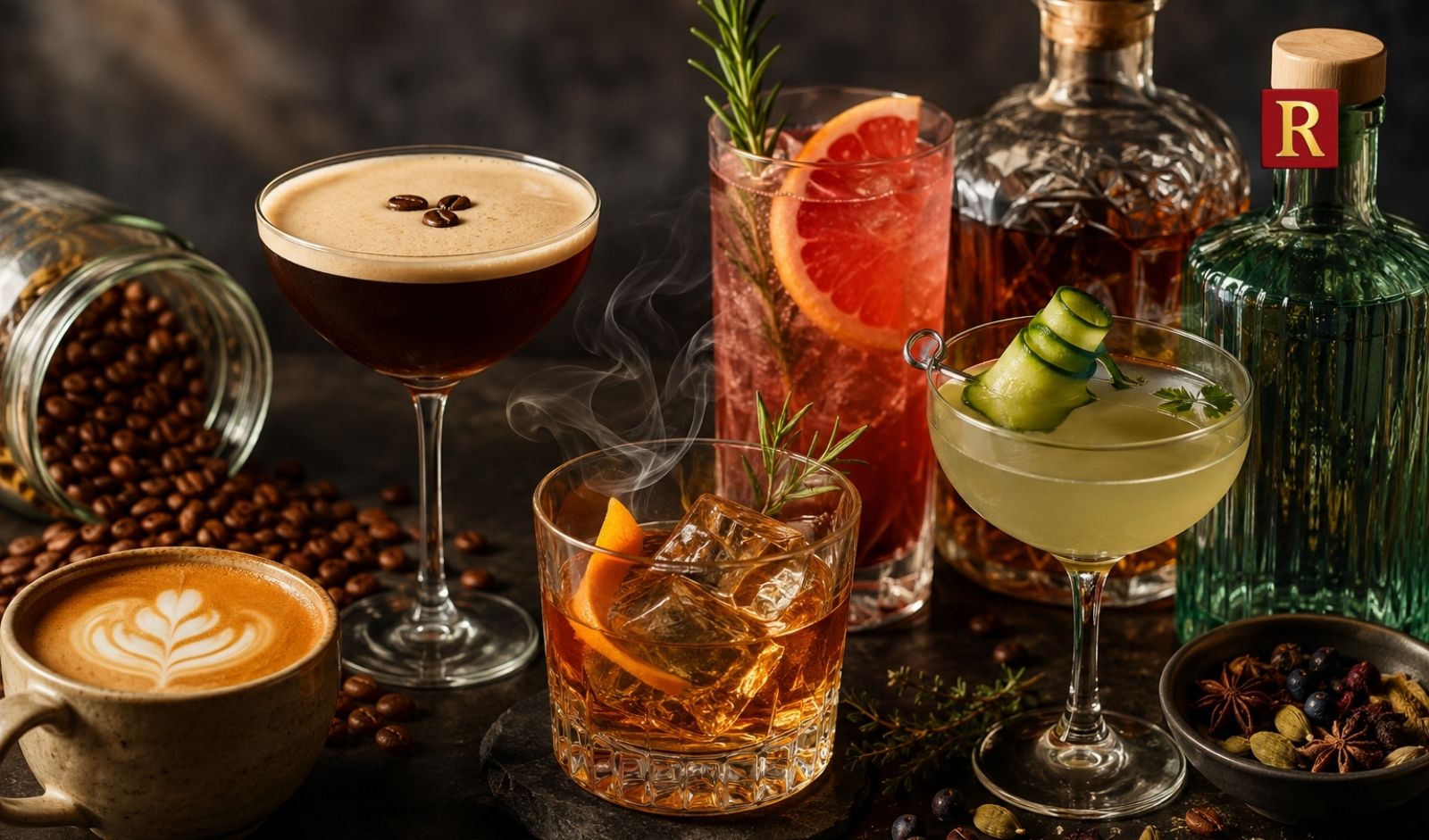
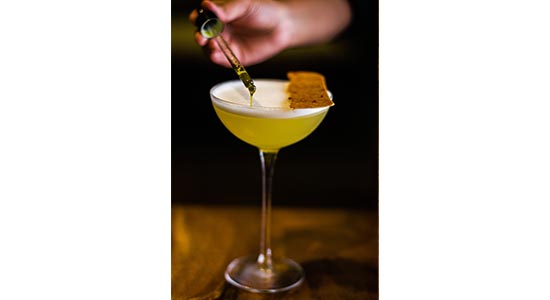
The category is also broad enough to include both alcoholic and non-alcoholic formats. In India, recent cocktail coverage has already highlighted bartenders using coffee, cookies, caramel, chocolate, vanilla and fruit preserves to create dessert-led drinks. For packaged beverages, formulation and compliance become equally important. FSSAI classifies non-alcoholic beverages under Category 14.1, which includes water-based flavoured beverages and ready-to-drink coffee and tea products. For packaged products containing added caffeine, FSSAI's labelling regulations require a "CONTAINS CAFFEINE" declaration and disclosure of the quantity of added caffeine in the specified manner.
What Comes Next?
The next phase of this trend is unlikely to be about simply adding more toppings. It will be about better flavour design. Consumers are already seeing coffee inspired by banana bread, drinks influenced by tiramisu and beverages built around caramel, chocolate and cream. The next opportunity is to create combinations that are culturally relevant, technically balanced and easy to understand. For Indian cafés and restaurants, the bigger question is not whether dessert can become a drink. It already can. The opportunity is to decide which dessert deserves to become the next beverage.
Saptopriya Ghosal
Feature Writer
I am a dedicated media professional with a bachelor's degree in mass communication from the State University of Calcutta and a postgraduate degree from Amity University. My academic journey has equipped me with a profound understanding of storytelling and communication. Passionate about the dynamic world of media, I continually strive to explore new ways to engage and inform through compelling narratives.