The New Age of Condiments: From Sidekick to Star Ingredient
They are helping restaurants tell their culinary story, strengthen customer loyalty, and create new revenue opportunities. In the new age of dining, the smallest addition on the plate is often making the biggest impression.

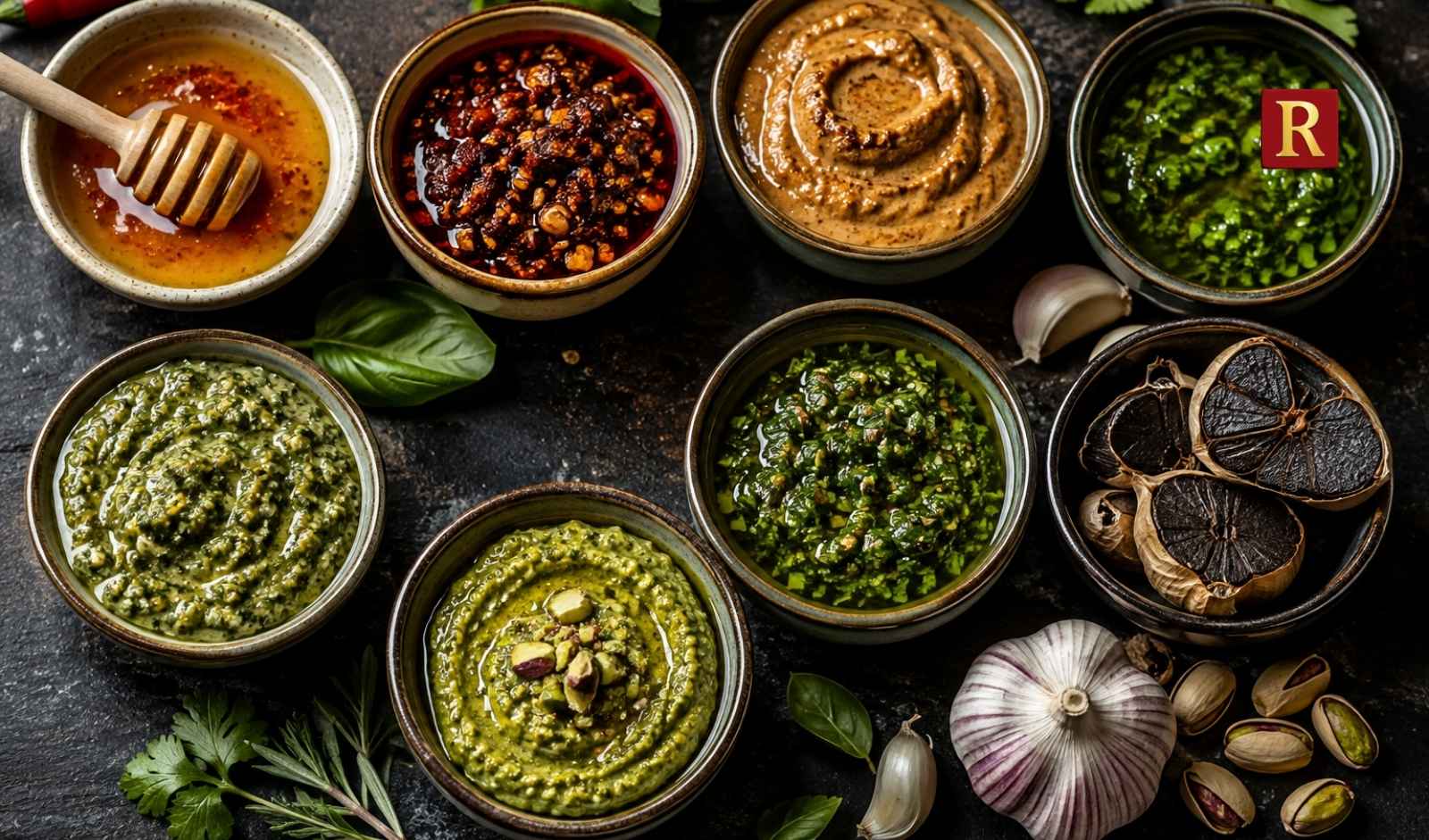
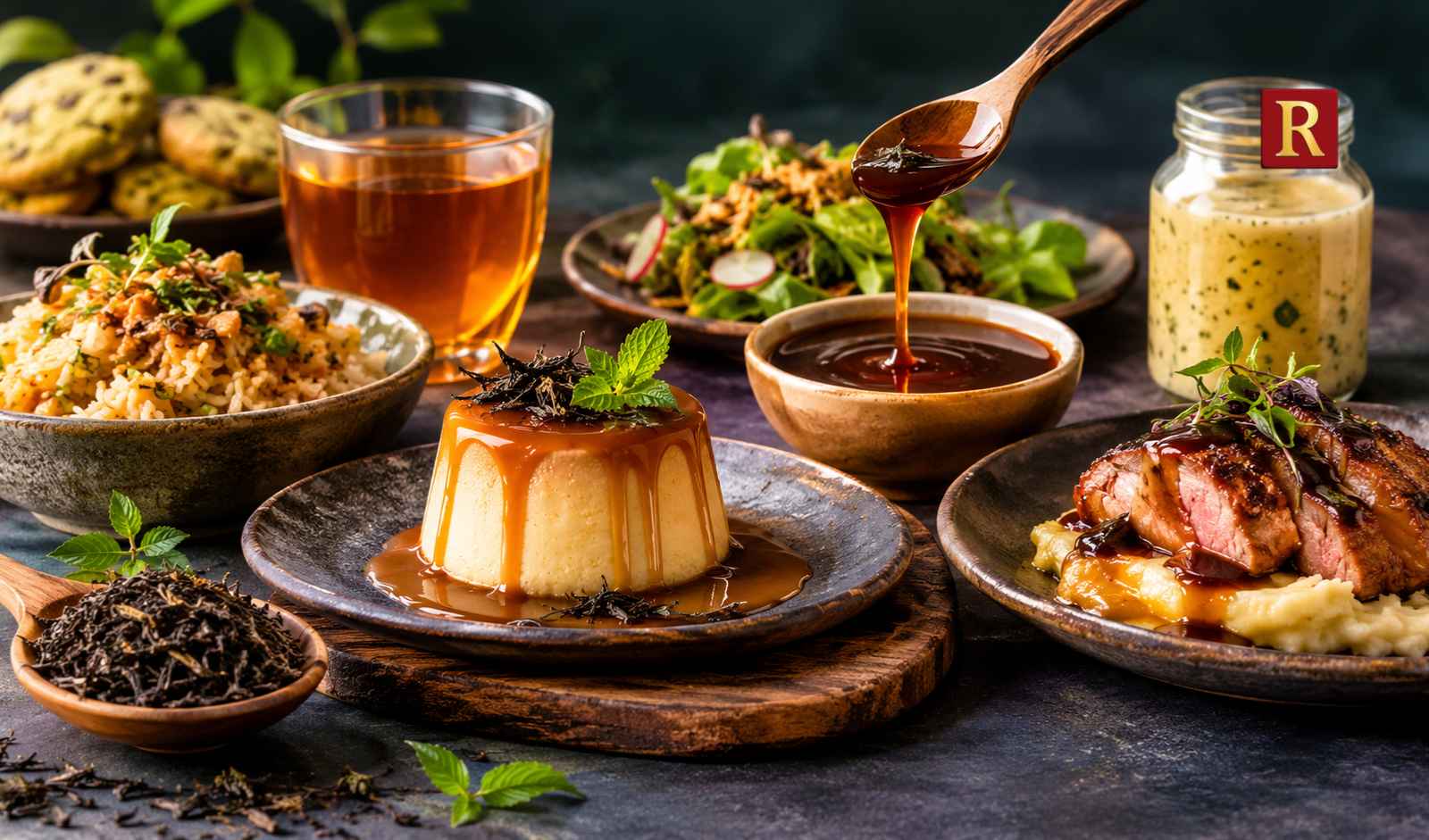
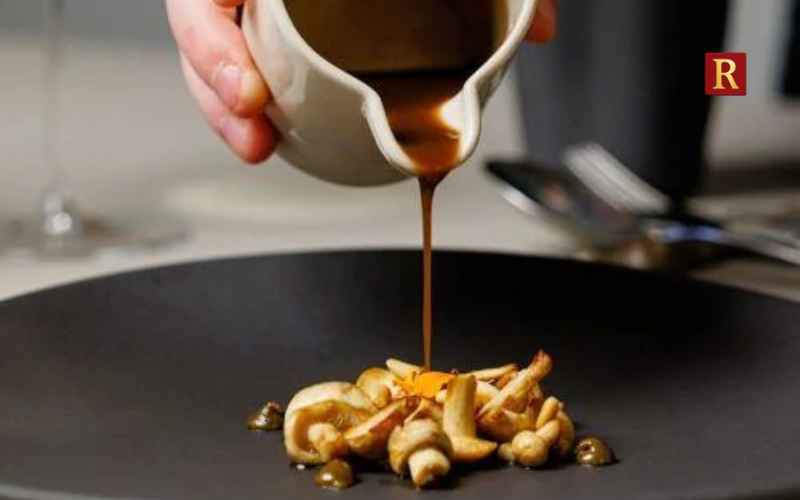
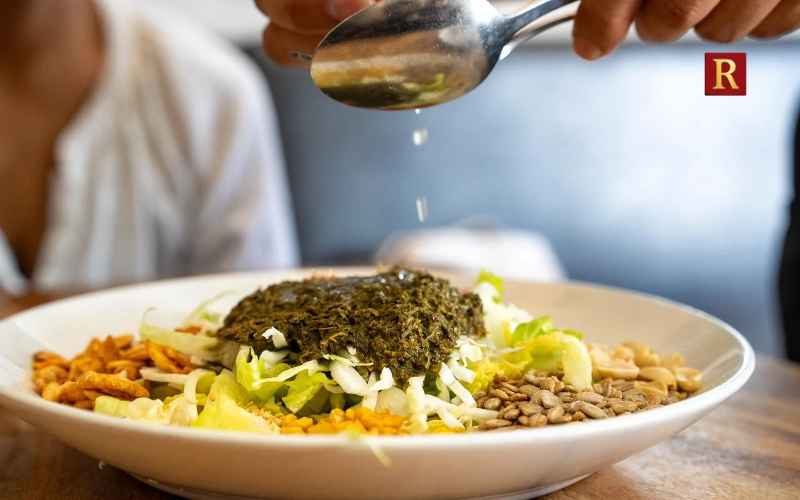
A spoonful of sauce can change an entire dish. What was once an optional addition is now becoming one of the most important parts of a restaurant menu. From smoky chilli oils and fermented hot sauces to handcrafted chutneys and herb butters, condiments are helping chefs create memorable flavours without changing the core dish.
This shift is happening across casual cafés, premium restaurants, and quick-service chains. Instead of serving standard ketchup or mayonnaise, many food businesses are developing signature condiments that reflect their brand and culinary style. Some have even turned these creations into retail products, giving customers a way to take the restaurant experience home. As diners look for bold flavours and more personalised meals, condiments are no longer sitting quietly on the side of the plate. They are becoming the star ingredient.
Why Condiments Matter More Than Ever
Consumer eating habits have changed significantly over the past few years. People are more willing to try global flavours, experiment with spice levels, and customise their meals. A simple burger, sandwich, or bowl of fries can feel completely different with the right sauce. For restaurants, this presents an opportunity. Creating a signature condiment costs much less than redesigning an entire menu. A new dip or spread can refresh multiple dishes while keeping kitchen operations simple.
The global sauces, dressings, and condiments market reflects this growing demand. According to market research, the industry is expected to continue expanding over the next decade as consumers seek premium flavours, convenient meal solutions, and internationally inspired tastes. This growth is driven by changing food preferences, increasing urbanisation, and higher spending on dining experiences.
From Supporting Role to Brand Identity
Years ago, most restaurants offered only a few familiar condiments such as tomato ketchup, mustard, or mint chutney. Today, many restaurants create exclusive sauces that customers associate with the brand.
Examples include:
- Smoked garlic aioli
- House-made chilli oil
- Black garlic mayonnaise
- Herb butter
- Truffle aioli
- Roasted pepper sauce
- Spicy yoghurt dip
- Signature burger sauce
These recipes often remain confidential because they help distinguish one restaurant from another. Customers may forget the name of a burger, but they often remember "that amazing sauce." Some brands have taken this idea even further by selling bottled versions of their signature condiments. This creates an additional source of income while strengthening customer loyalty beyond the restaurant.
The Science Behind Great Condiments
A great condiment is not created by chance. It combines food science with culinary creativity.
Fat Carries Flavour: Ingredients such as butter, mayonnaise, cream, and oils help hold aromatic compounds. This allows flavours like garlic, herbs, and spices to stay longer on the palate.
Acid Creates Balance: Lemon juice, vinegar, tamarind, and fermented ingredients add brightness to rich foods. Acid cuts through fatty dishes and creates a fresher taste.
Salt Enhances Other Ingredients: Salt does much more than make food salty. It improves the perception of sweetness, reduces bitterness, and highlights natural flavours.
Umami Adds Depth: Ingredients such as soy sauce, miso, mushrooms, tomato paste, parmesan, and fish sauce are rich in umami. This savoury taste gives sauces greater complexity without requiring many ingredients.
Texture Changes the Eating Experience: Crunchy chilli crisp, creamy aioli, chunky salsa, whipped butter, and smooth hummus all create different mouthfeels. Texture makes each bite more interesting and often increases customer satisfaction.
Fermented Condiments Are Gaining Popularity
Fermentation is becoming one of the biggest flavour trends in professional kitchens. It develops deeper taste profiles while naturally preserving ingredients.
Restaurants are increasingly experimenting with:
- Gochujang mayonnaise
- Kimchi aioli
- Miso butter
- Fermented garlic paste
- Chilli crisp
- Preserved lemon paste
- Black garlic spread
- Kombucha mustard
Fermented condiments deliver layers of flavour that are difficult to achieve with fresh ingredients alone. They combine sweetness, acidity, saltiness, and umami in a balanced way. Many chefs also appreciate their longer shelf life when prepared and stored correctly, helping reduce ingredient waste.
India's Traditional Condiments Are Finding New Fans
India has always had a rich condiment culture. Every region has developed its own chutneys, pickles, spice blends, and relishes over centuries. Today, chefs are bringing these traditional flavours into modern restaurant menus.
Some examples include:
- Kasundi paired with grilled sandwiches
- Thecha served alongside fries
- Gongura chutney with burgers
- Gunpowder (Milagai Podi) mixed into butter
- Peanut chutney as a dip
- Coconut chutney reimagined for appetizers
- Bamboo shoot pickle with grilled meats
- Tamarind relish for tacos and wraps
This approach gives customers familiar flavours in new formats while celebrating regional Indian ingredients.
Why Restaurants Are Investing in Signature Condiments
Developing a signature condiment offers several business advantages.
Higher Profit Margins: A premium sauce can increase the perceived value of a dish without significantly increasing ingredient costs.
Faster Menu Innovation: Instead of introducing several new dishes, restaurants can refresh existing favourites with seasonal sauces or limited-edition dips.
Stronger Brand Recognition: Customers often associate unique flavours with specific restaurants. A memorable condiment can become part of the brand's identity.
Better Customer Engagement: Offering multiple sauces encourages guests to customise their meals, creating a more interactive dining experience.
Additional Revenue Opportunities: Restaurants can package signature sauces, spice blends, or chilli oils for retail sale. These products extend the brand beyond the dining table and create repeat purchases.
Condiment Trends Shaping Restaurant Menus
Several ingredients are influencing modern condiment development.
1. Hot Honey

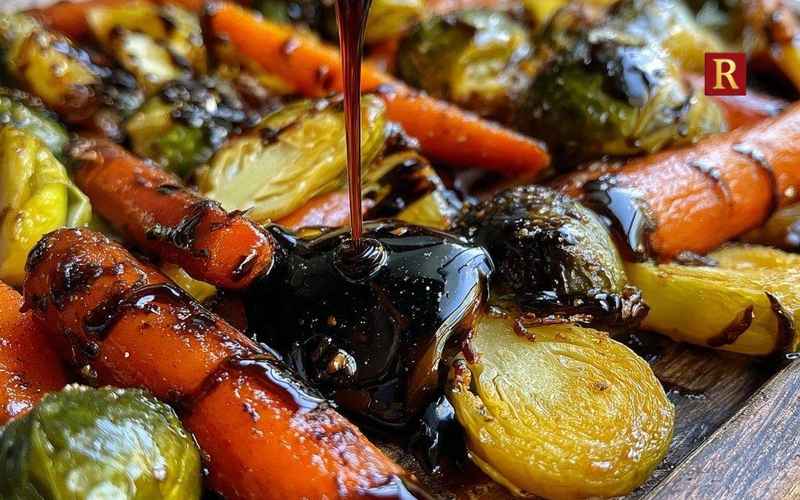
Hot honey combines natural honey with chilli peppers to create a balance of sweetness and gentle heat. Originally popular in North America, it is now appearing on restaurant menus worldwide. Chefs drizzle it over pizzas, fried chicken, grilled vegetables, sandwiches, and even desserts to add contrast and complexity. Its versatility allows restaurants to upgrade familiar dishes without changing their core recipes. The sweet-spicy flavour also appeals to younger diners who enjoy bold, globally inspired taste combinations and customised dining experiences.
2. Chilli Crisp
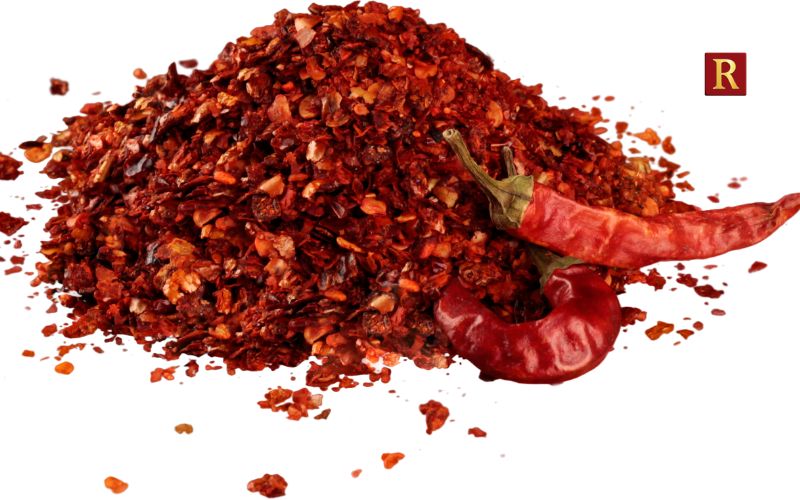
Chilli crisp is a textured condiment made with chilli flakes, garlic, onions, spices, and oil, often combined with crunchy ingredients like peanuts or sesame seeds. Unlike traditional hot sauces, it delivers both flavour and crunch. Restaurants use it to elevate noodles, dumplings, eggs, rice bowls, burgers, and grilled meats. Its combination of heat, umami, and texture creates a more satisfying eating experience. Chilli crisp has become a favourite among diners seeking intense flavours and exciting mouthfeel in everyday dishes.
3. Brown Butter

Brown butter is made by slowly cooking butter until the milk solids caramelise, creating a rich, nutty aroma and deep golden colour. This simple technique transforms ordinary butter into a premium ingredient with greater flavour complexity. Restaurants use brown butter in pasta, seafood, roasted vegetables, mashed potatoes, baked goods, and desserts. It pairs especially well with herbs, citrus, and spices. Because it enhances flavour naturally, chefs often rely on brown butter to add richness without introducing extra ingredients or heavy sauces.
4. Herb Oils

Herb oils are infused oils prepared using fresh herbs such as basil, parsley, coriander, dill, or rosemary blended with quality cooking oil. These vibrant oils add freshness, aroma, and visual appeal to a wide range of dishes. Restaurants use herb oils to finish soups, grilled meats, seafood, salads, pizzas, and pasta while creating attractive plate presentations. Besides improving appearance, herb oils provide concentrated herbal flavours that brighten dishes. They are also an efficient way for chefs to add consistency across multiple menu items.
5. Black Garlic
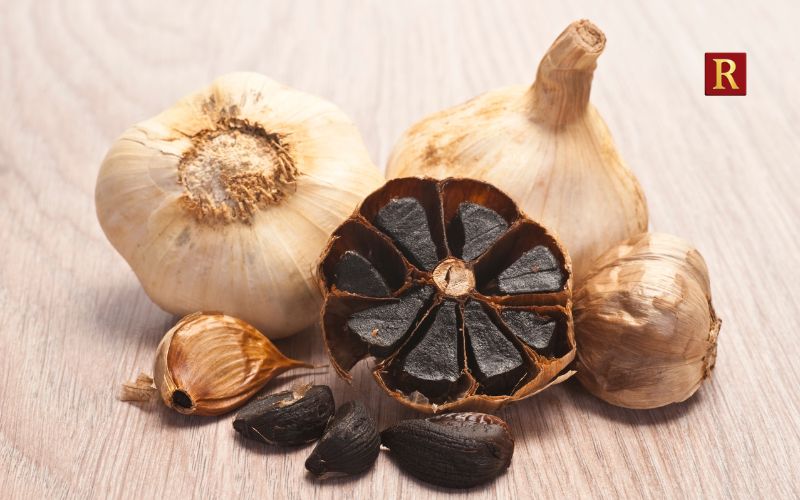
Black garlic is produced by slowly ageing whole garlic bulbs under controlled heat and humidity over several weeks. During this process, the cloves turn dark, soft, and naturally sweet while developing deep umami flavours. Unlike raw garlic, it has no sharp bite and offers notes similar to balsamic vinegar, molasses, and dried fruit. Restaurants incorporate black garlic into aioli, butter, sauces, dressings, and marinades. Its premium appeal and complex taste make it a popular ingredient in modern fine dining and contemporary menus.
6. Green Harissa
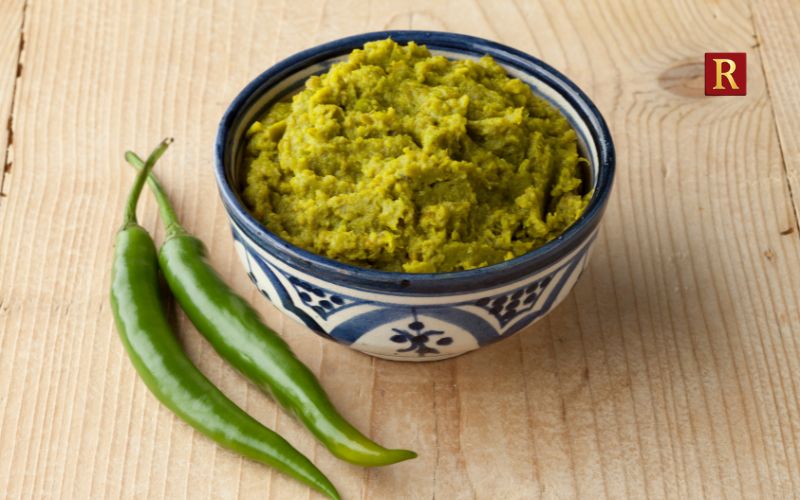
Green harissa is a North African condiment prepared with green chillies, fresh herbs, garlic, olive oil, coriander, cumin, and other aromatic spices. Compared to traditional red harissa, it offers a fresher flavour with moderate heat and herbal notes. Restaurants use it as a marinade, sandwich spread, dipping sauce, or finishing condiment for grilled vegetables, seafood, and meats. Its bright colour and balanced spice profile make it suitable for both casual and premium menus, adding freshness without overwhelming other ingredients.
7. Pistachio Pesto
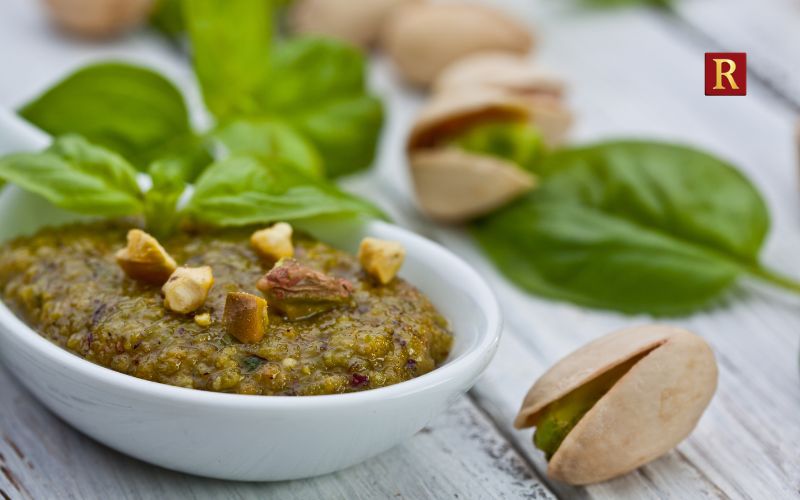
Pistachio pesto is a modern variation of classic basil pesto that replaces pine nuts with pistachios, creating a richer texture and slightly sweet, nutty flavour. Combined with basil, parmesan, garlic, olive oil, and lemon, it delivers a creamy and luxurious finish. Restaurants serve pistachio pesto with pasta, grilled chicken, seafood, sandwiches, flatbreads, and roasted vegetables. Its vibrant green colour also enhances presentation. As diners increasingly seek premium ingredients, pistachio pesto offers chefs a distinctive alternative to traditional sauces.
Condiments as a Smart Business Strategy
Condiments have become much more than flavour enhancers. They now support marketing, branding, and menu development. Restaurants use signature sauces to launch seasonal dishes, create limited-time offers, support brand collaborations, and encourage social media sharing. A colourful drizzle or unique dip often becomes one of the most photographed parts of a meal. Menu engineering also benefits from this strategy. A single sauce can appear across burgers, wraps, grilled meats, salads, and appetisers, helping kitchens reduce inventory while increasing menu variety. For chefs, condiments offer a creative playground. For restaurant owners, they improve operational efficiency. For customers, they create memorable dining experiences.
Looking Ahead
The role of condiments in modern dining will continue to grow as restaurants compete through flavour rather than simply portion size. Consumers are increasingly looking for authenticity, regional ingredients, and distinctive taste combinations that they cannot easily recreate at home. Whether it is a fermented chilli oil, a handcrafted kasundi, or a signature herb butter, today's condiments are shaping how people remember meals. They are helping restaurants tell their culinary story, strengthen customer loyalty, and create new revenue opportunities. In the new age of dining, the smallest addition on the plate is often making the biggest impression.
Saptopriya Ghosal
Feature Writer
I am a dedicated media professional with a bachelor's degree in mass communication from the State University of Calcutta and a postgraduate degree from Amity University. My academic journey has equipped me with a profound understanding of storytelling and communication. Passionate about the dynamic world of media, I continually strive to explore new ways to engage and inform through compelling narratives.