
The Growing Importance of Dessert Programs in Restaurants
As customer expectations continue to evolve, restaurants that invest in creative, well-executed dessert programs will be better positioned to build loyalty, encourage repeat visits, and grow sustainably in an increasingly competitive hospitality industry.

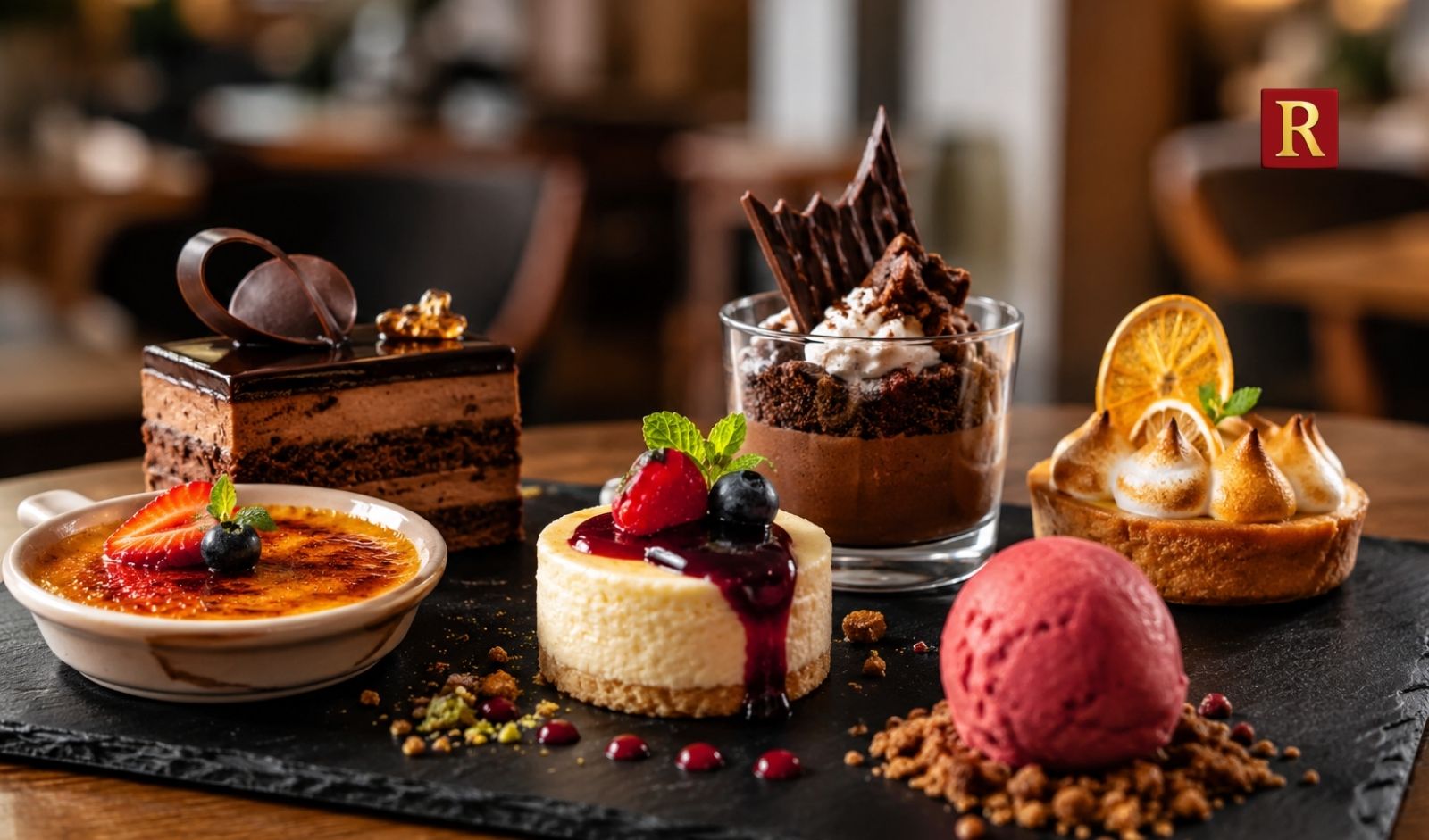
Desserts are no longer just the final course of a meal. For many restaurants, they have become an important part of the business. A well-planned dessert program can increase revenue, improve customer satisfaction, and encourage repeat visits. It also gives restaurants a chance to stand out in a competitive market.
Customers today expect more than a slice of cake or a scoop of ice cream. They look for desserts that are unique, visually appealing, and worth sharing with friends or on social media. At the same time, restaurant owners are looking for ways to increase profits without making major changes to their operations. Dessert programs help achieve both goals. According to the National Restaurant Association, desserts continue to evolve with trends such as smaller portions, nostalgic flavors, and premium ingredients. In India, restaurants are also experimenting with regional sweets, fusion creations, and seasonal desserts to attract a wider audience.
What Is a Dessert Program?
A dessert program is much more than adding a few sweet dishes to the menu. It is a structured plan that covers every stage of the dessert experience.
A successful dessert program includes:
- Carefully selected dessert offerings
- Standardized recipes for consistency
- Pricing that supports profitability
- Attractive plating and presentation
- Seasonal or limited-time desserts
- Staff training for recommendations
- Marketing and promotional campaigns
Instead of treating desserts as an afterthought, many successful restaurants now manage them as a separate revenue category.
Why Desserts Make Good Business Sense
One of the biggest reasons restaurants invest in dessert programs is profitability. Desserts often have lower food costs than many main courses while maintaining strong selling prices. Ingredients such as flour, sugar, chocolate, cream, fruits, and dairy can be transformed into premium menu items with attractive margins.
For example, a dessert priced at Rs 350 may have a significantly lower ingredient cost than a main course sold at the same price. The difference contributes to healthier profit margins while adding value to the guest experience. Desserts also increase the average order value. Imagine a family of four finishing dinner. If they order two desserts and two coffees, the final bill can increase by Rs 800 to Rs 1,500 without requiring another table or additional seating time. Over hundreds of customers each week, these extra sales make a noticeable difference to restaurant revenue.
Desserts Have Become an Experience
Modern diners are looking for memorable food experiences. This is one reason restaurants are paying closer attention to dessert presentation. A beautifully plated dessert often becomes one of the most photographed dishes on the table.
Interactive desserts have also become popular. Restaurants now serve sizzling brownies, tableside tiramisu, liquid nitrogen ice cream, and desserts finished in front of guests. These experiences create excitement and encourage customers to share photos and videos online. For restaurants, every shared photo becomes free marketing that can reach thousands of potential customers.
Signature Desserts Build Brand Identity
Many successful restaurants are known for one signature dessert. Some guests visit a restaurant specifically for its cheesecake, chocolate lava cake, or handcrafted gelato. Others return because they remember a unique regional sweet with a modern presentation.
Signature desserts help restaurants:
- Create a memorable identity
- Encourage repeat visits
- Generate word-of-mouth recommendations
- Differentiate themselves from competitors
Indian restaurants are also reinventing traditional sweets by introducing desserts inspired by gulab jamun, rasmalai, jalebi, kulfi, payasam, and mishti doi in contemporary formats. This blend of familiarity and innovation appeals to both local customers and international visitors.
Dessert Orders Are No Longer Limited to After Dinner
Consumer habits have changed significantly. Many people now order desserts as standalone treats rather than waiting until the end of a meal.
Desserts are increasingly purchased:
- During afternoon breaks
- After office hours
- Late at night
- Through food delivery platforms
- During celebrations and special occasions
This trend has encouraged many restaurants to extend dessert availability throughout the day. Cloud kitchens have also benefited from this shift by launching dessert-only brands alongside their existing restaurant operations. These virtual brands require limited additional kitchen space while creating an entirely new source of revenue.
Menu Engineering Makes Desserts More Profitable
Adding more desserts to the menu does not automatically increase sales. Successful restaurants rely on menu engineering to understand which desserts perform best.
They regularly monitor:
- Sales volume
- Food cost
- Profit margin
- Customer reviews
- Repeat orders
- Seasonal demand
Based on this information, restaurants update their dessert menus throughout the year. Many operators find that offering six to eight carefully selected desserts performs better than presenting customers with twenty different options. A focused menu reduces food waste, improves consistency, and simplifies kitchen operations. Seasonal desserts also keep customers interested. Mango desserts during summer, strawberry creations in winter, or festive sweets during Diwali encourage repeat visits while making better use of seasonal ingredients.
Technology Is Improving Dessert Programs
Technology has become an important part of restaurant decision-making. Modern POS systems provide valuable information about dessert sales, helping operators understand customer preferences.
Restaurants can analyze:
- Dessert attachment rates
- Best-selling products
- Sales by day and time
- Customer spending patterns
- Inventory usage
These insights help reduce waste while ensuring popular desserts remain available. Artificial intelligence is also beginning to support demand forecasting by predicting how much stock restaurants may need based on weather, holidays, local events, and historical sales data. This helps restaurants maintain consistency without overproducing desserts that may go unsold.
Dessert Trends Shaping Restaurants
Consumer preferences continue to evolve, and restaurants are responding with fresh ideas.
Some of the biggest dessert trends include:
Smaller Portions: Mini cheesecakes, tasting desserts, and bite-sized sweets appeal to customers who want indulgence without large portions.
Regional Indian Ingredients: Chefs are increasingly using jaggery, millets, saffron, rose, cardamom, kokum, palm jaggery, and indigenous fruits to create desserts with local character.
Health-Conscious Options: Customers are showing greater interest in desserts with reduced sugar, plant-based ingredients, higher protein content, and gluten-free alternatives.
Interactive Presentation: Tableside preparation, smoke effects, edible flowers, and artistic plating continue to attract customers looking for memorable dining experiences.
Limited-Time Desserts: Exclusive seasonal desserts create excitement and encourage customers to visit before the menu changes.
Common Mistakes Restaurants Should Avoid
Even the best restaurants can miss opportunities if dessert planning is overlooked.
Some common mistakes include:
- Treating desserts as an afterthought
- Offering too many similar options
- Using inconsistent recipes
- Ignoring presentation
- Failing to train staff to recommend desserts
- Not updating the menu seasonally
Servers also play an important role. A simple recommendation at the right moment can significantly improve dessert sales, especially when paired with coffee or specialty beverages.
Building an Effective Dessert Program
Restaurants do not need an extensive dessert menu to succeed. A balanced approach often delivers better results.
An effective dessert program can include:
- One signature dessert that defines the brand
- One seasonal special that changes throughout the year
- One healthier alternative for changing customer preferences
- One shareable dessert designed for groups
This combination keeps menus fresh while appealing to different types of customers.
The Bottom Line
The role of desserts in restaurants has changed considerably over the past decade. They are no longer viewed simply as the final course but as an important part of the overall dining experience and business strategy. A thoughtfully designed dessert program can increase average order value, strengthen brand identity, improve customer satisfaction, and create additional revenue opportunities. When supported by menu engineering, data analysis, seasonal innovation, and consistent quality, desserts become much more than sweet endings—they become a competitive advantage. As customer expectations continue to evolve, restaurants that invest in creative, well-executed dessert programs will be better positioned to build loyalty, encourage repeat visits, and grow sustainably in an increasingly competitive hospitality industry.
Saptopriya Ghosal
Feature Writer
I am a dedicated media professional with a bachelor's degree in mass communication from the State University of Calcutta and a postgraduate degree from Amity University. My academic journey has equipped me with a profound understanding of storytelling and communication. Passionate about the dynamic world of media, I continually strive to explore new ways to engage and inform through compelling narratives.



































































