
The Economics of Free Bread, Papad, and Welcome Drinks
Sometimes, that experience begins with something as simple as a papad, a bread basket, or a small welcome drink served before the first order is placed.

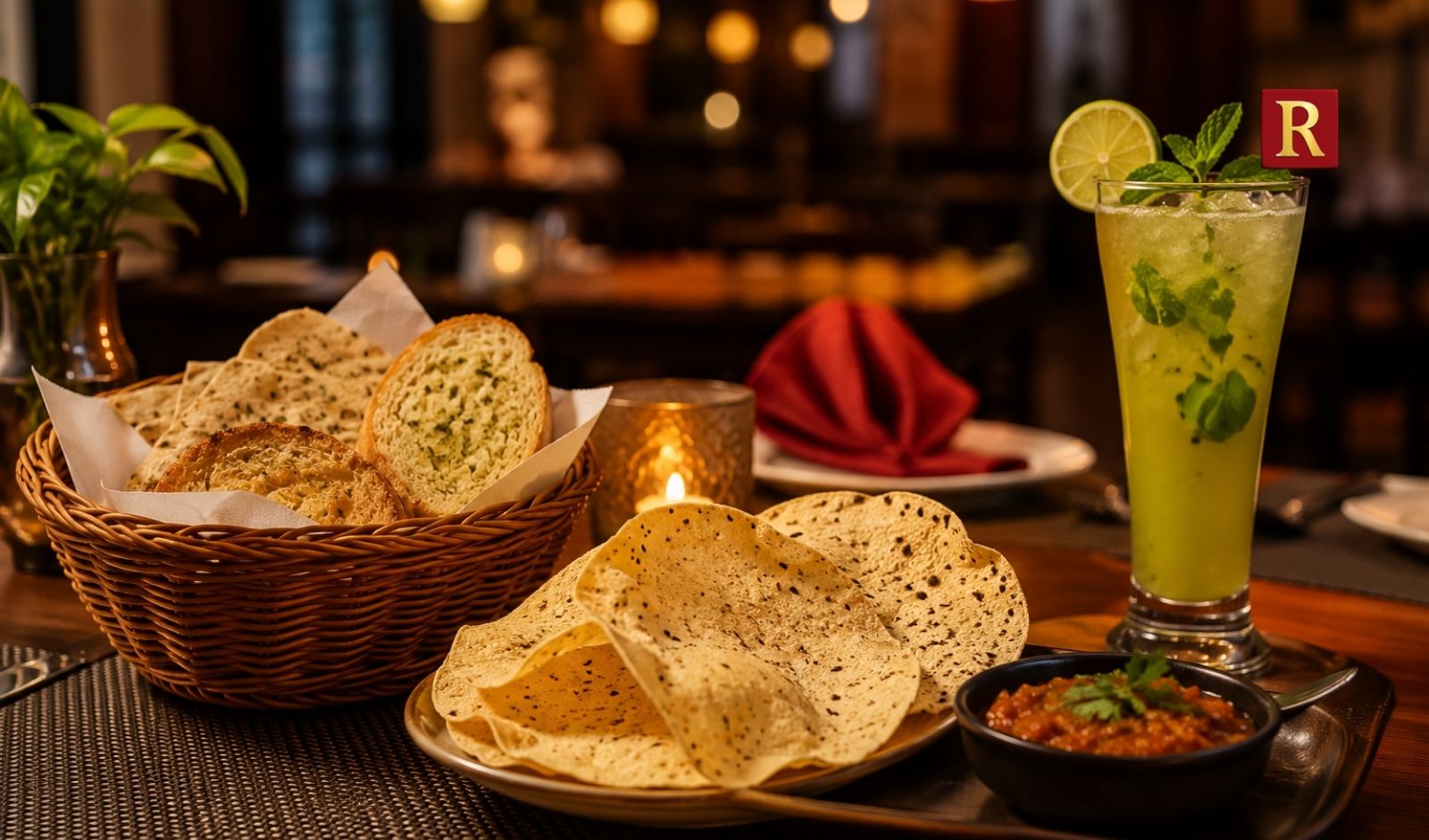
Walk into many restaurants and you may receive a basket of bread, a roasted papad, or a welcome drink before placing your order. Most guests see these as simple gestures of hospitality. For restaurant owners, however, these complimentary items often serve a bigger purpose.
They help improve the dining experience, reduce waiting frustration, and influence how customers perceive value. In many cases, a small giveaway costing only a few rupees can contribute to higher spending and stronger customer loyalty. As competition grows across India's restaurant industry, understanding the economics behind these complimentary offerings has become increasingly important.
Why Restaurants Give Away Food for Free
At first glance, offering free food or drinks may seem like an unnecessary expense. Restaurants already operate on tight margins. According to industry estimates, food costs can account for 25% to 35% of restaurant revenue, while labor, rent, and utilities add further pressure. Yet many restaurants continue to invest in complimentary items because they view them as part of customer acquisition and retention costs.
The logic is simple. If a guest feels welcomed from the moment they sit down, they are more likely to enjoy the overall experience, order more items, and return in the future. This approach is similar to free samples in supermarkets. The initial cost is small, but the long-term business impact can be significant.
The Psychology Behind the Free Papad
India's restaurant industry has used papad as a complimentary item for decades. While it is often associated with tradition, it also makes strong business sense.
Papad offers several operational advantages:
- Low ingredient cost
- Long shelf life
- Easy storage
- Quick preparation
- Minimal wastage
A single papad may cost only a few rupees to serve, yet customers often perceive it as a thoughtful addition to their meal. There is also a psychological effect at work. Behavioral studies have shown that when people receive something unexpectedly, they often develop a more positive perception of the experience. In restaurants, this can translate into higher customer satisfaction and greater willingness to explore additional menu items. For operators, papad becomes one of the most cost-effective tools for improving guest perception.
Bread Baskets Do More Than Fill Empty Stomachs
Complimentary bread baskets are common in many European, American, and upscale Indian restaurants. While they appear simple, they solve a practical challenge faced by restaurants every day: waiting time.
Most guests become impatient when food takes longer than expected. Bread helps bridge that gap. It gives customers something to enjoy while the kitchen prepares the main course. This improves what hospitality professionals call "perceived waiting time." Research in customer experience management shows that occupied waiting feels shorter than unoccupied waiting.In other words, customers are often happier waiting 15 minutes with bread than waiting 10 minutes with nothing. The result is fewer complaints, better reviews, and a smoother dining experience.
Welcome Drinks Create a Premium First Impression
The first few minutes inside a restaurant often shape the entire dining experience. That is one reason many premium restaurants, hotels, and resorts offer welcome drinks. Whether it is a fresh lime cooler, kokum sharbat, jaljeera shot, or seasonal mocktail, the goal is to create an immediate sense of hospitality. The cost of a welcome drink may range from ₹10 to ₹30 depending on ingredients and portion size. However, the perceived value can be much higher. Customers frequently associate complimentary beverages with premium service. This perception can influence how they evaluate menu prices, food quality, and overall value. For luxury hospitality brands, welcome drinks have become part of the guest experience strategy rather than a simple beverage expense.
The Hidden Connection
One of the most interesting aspects of complimentary offerings is their influence on customer spending behavior.
Complimentary Items Can Increase Overall Spending: Restaurants closely monitor metrics such as average order value, beverage sales, dessert sales, repeat visits, and customer satisfaction. A positive first impression often influences how guests order throughout their meal. When customers receive a complimentary papad, bread basket, or welcome drink, they may feel more relaxed and valued. This can make them more willing to explore the menu and add extra items to their order. Many restaurant operators find that guests who enjoy a pleasant start are more likely to choose appetizers, specialty beverages, or desserts, helping increase the total bill without directly promoting additional purchases.
Small Costs Can Deliver Strong Returns: The economics behind complimentary offerings are often based on return on investment rather than direct profit. For example, a restaurant may spend around ₹5 on a papad and ₹10 on a welcome drink, resulting in a total cost of ₹15 per guest. If that experience encourages a customer to order a dessert worth ₹180 or a premium beverage worth ₹250, the additional revenue can significantly outweigh the initial expense. The objective is not to earn money from the complimentary item itself. Instead, restaurants use these low-cost gestures to enhance the dining experience and improve the value of the overall transaction.
The Science of Menu Engineering
Modern restaurants increasingly rely on menu engineering to maximize profitability.
Menu engineering evaluates every item based on two key factors:
- Popularity
- Profitability
However, experienced operators know that customer decisions are not influenced only by menu items. The overall dining journey matters too. A complimentary offering can create a positive emotional response before the customer even reads the menu. This emotional advantage can increase the likelihood of premium purchases later in the meal. As a result, many restaurant owners now evaluate complimentary items as part of the entire customer experience rather than as standalone costs.
Why Salty Snacks Often Lead to Higher Beverage Sales
There is another economic reason behind complimentary bread, papad, and snacks.
Many of these items contain salt. Salt naturally increases thirst. Thirst often leads to additional beverage purchases.
Beverages are among the highest-margin items in many restaurants. Soft drinks, mocktails, cocktails, specialty coffees, and fresh juices frequently generate stronger margins than food items. This does not mean restaurants serve complimentary snacks solely to increase beverage sales. However, the connection between salty foods and beverage consumption has long been understood within the hospitality industry. Even a small increase in beverage orders can significantly improve overall profitability.
When Complimentary Items Stop Making Financial Sense
Not every restaurant can afford to provide free items indefinitely. Over the past few years, food inflation, higher wages, and rising operational costs have forced many operators to reconsider complimentary programs. Flour prices, cooking oil costs, dairy expenses, and utility bills have all increased in several markets. As a result, some restaurants have started charging for bread baskets that were previously complimentary. Others have replaced expensive welcome drinks with lower-cost seasonal alternatives.
- The decision usually comes down to one question: Does the complimentary item generate enough value to justify its cost? If the answer is yes, it remains part of the guest experience. If not, operators may redesign the program.
The Rise of Smarter Hospitality
Today's restaurants are becoming more strategic about what they offer guests. Instead of generic freebies, many brands are introducing regionally inspired experiences such as:
- Mini glasses of aam panna
- Kokum coolers
- Spiced buttermilk shots
- Seasonal fruit drinks
- Bite-sized chef specials
These offerings help restaurants showcase their identity while maintaining cost control. They also create memorable moments that customers are more likely to share with friends and family. In a crowded market, differentiation matters as much as food quality.
A Small Cost With a Bigger Purpose
Free bread, papad, and welcome drinks may appear simple, but they represent a carefully balanced mix of hospitality, psychology, and business strategy. For customers, they make dining feel warmer and more welcoming. For restaurants, they can improve satisfaction, reduce waiting frustration, encourage additional purchases, and strengthen long-term loyalty. The most successful operators understand that hospitality is not only about what appears on the bill. It is also about how guests feel from the moment they arrive. Sometimes, that experience begins with something as simple as a papad, a bread basket, or a small welcome drink served before the first order is placed.
Saptopriya Ghosal
Feature Writer
I am a dedicated media professional with a bachelor's degree in mass communication from the State University of Calcutta and a postgraduate degree from Amity University. My academic journey has equipped me with a profound understanding of storytelling and communication. Passionate about the dynamic world of media, I continually strive to explore new ways to engage and inform through compelling narratives.



































































