Taste of India: Why Coastal Cuisine is Becoming Customer’s Favourite
In an era defined by culinary globalization, where fusion takes center stage, a nostalgic yearning for authentic regional flavors is on the rise.


Restaurants are delving into coastal flavors as customers seek dishes rooted in tradition and why not? It travels them back to the time when they enjoyed the specific coastal food in their village. So, the resurgence of authentic coastal cuisines is a reflection of India’s growing appreciation for regional diversity. By going back to their roots, chefs are discovering recipes that have been passed down from their mothers and grandmothers and working on it from certain coastal regions that are proud to share their traditional culinary history. The essence of coastal cooking is reflected in every component, from freshly ground masalas to seafood that is sourced seasonally.
Going Back to the Roots
According to reports, the sea food market is projected to increase at a compound annual growth rate (CAGR) of 7.8% from 2024 to 2032, reaching 41.4 million tons.
“Coastal cuisine holds a special place in the hearts of those who grew up near the sea, evoking memories of grandmothers lovingly preparing meals and summers spent in ancestral homes. It’s more than just food—it’s a nostalgic journey that resonates deeply. In a city like Mumbai, where fresh seafood and ingredients are readily available, this cuisine thrives as people rediscover the flavors of their roots,” shared Megha Datwani, Founder of Poco Loco Tapas and Bar and Konkani Haven By Isvara by adding that with the fast-paced lifestyle of dual-income households, there’s a growing desire for meals that bring comfort and a sense of home dishes that take them back to simpler times.
And, there’s no denying that coastal cuisine fulfills this need effortlessly. The surge in interest goes beyond a passing trend, tapping into the innate connection people have with familiar, regional flavors. As diners become more adventurous, they are embracing the rich diversity of coastal dishes. What makes coastal cuisine enduring is its versatility? It caters to both indulgent cravings and the demand for wholesome, home-style meals.
Driven by Authenticity
Age-old recipes, generational treasures, and freshly ground, handmade masalas form the heart of coastal cuisine are not just recipes—they are memories, traditions, and connections to the past. When recreating these dishes, it’s essential to approach them with the utmost care and authenticity. This attention to detail is combined with the expertise of trained chefs, the use of fresh, authentic ingredients, and a commitment to preserving traditional techniques is what sets this culinary revival apart.
Chef Ruffy Shaikh, Senior Sous Chef, ITC Grand Central, Mumbai mentioned, “Hornby’s Pavilion at ITC Grand Central promotes the regional cuisine with the initiative called “Local Love” where we serve the iconic Maharashtrian dishes like Bombil Fry, Kombdi Vade, Vada Pav & Misal Pav and many more are given pride of place, offering guests a taste of Maharashtra’s rich coastal flavours in a refined setting.”
This growing trend reflects diner’s desire to reconnect with traditional recipes and regional ingredients.
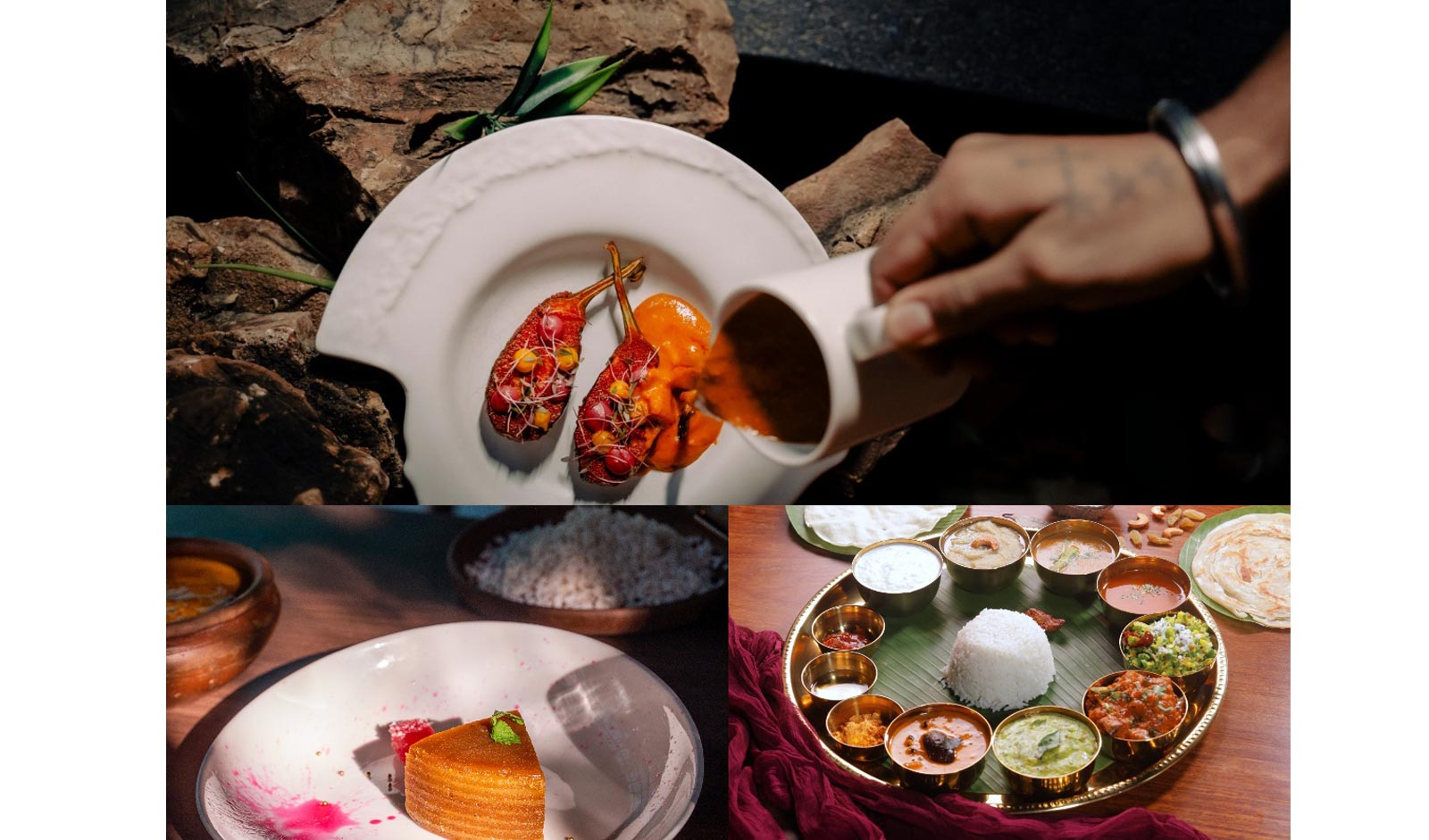
“At Santosham, we specialize in bringing the authentic tastes of Palakkad-style South Indian cuisine, which feature influences from Kerala’s coastal culture, including my mother's hometown of Alappuzha which is known for its backwaters. We promote regional cuisines by offering a platform to share the stories behind these dishes, whether through social media campaigns, collaborations, or our future events like our 'Rice Trails.' Our focus is on highlighting the distinct coastal flavors of Kerala, ensuring that each dish we offer stays true to its heritage while connecting with food lovers from today,” commented Bhagyalakshmi Gohokar, Co-Founder and Head Chef, Santosham.
Embracing the Local Communities
The revival of authentic coastal cuisines is undoubtedly a positive trend; however it is extremely crucial to ensure the long-term sustainability of these culinary traditions.
Gaurav Miglani, Area Director & General Manager, Taj North Goa said, “Our restaurants in the various North Goa Taj Resorts are contributing this by supporting local communities, promoting sustainable fishing practices, and preserving indigenous ingredients in a very conscious manner. Embracing the past and taking into our embrace all things local at the same time innovating for the future, our food and beverage outlets are not only satisfying the cravings of food lovers but also safeguarding the culinary heritage of coastal regions for generations to come.”
In an era defined by culinary globalization, where fusion takes center stage, a nostalgic yearning for authentic regional flavors is on the rise.
“Taking this a step further Morisco and Martini Bar at Taj Fort Agauda caters to the authentic Goan Saraswat Cuisine Thali representing the local coastal cuisine. Restaurants across the globe are reimagining coastal cuisines, infusing them with a modern twist while staying true to their roots. One such example would be The Beach House at Taj Holiday Village. Weaving cuisines of Portuguese, Macao, and East Timor etc which have affected the local Goan palate. You cannot think of Goan food and not talk about a well matured sorpotel or a chicken Xacuti. This resurgence is not just a trend; it is an enduring allure of heritage and the power of local ingredients,” added Miglani who explained that the key to revive the authentic coastal cuisines lies in a meticulous approach to sourcing and preparation.
Promoting regional cuisines is not just a trend but a celebration of India’s culinary legacy. By showcasing the coastal treasures, the restaurant industry has successfully bridged tradition and innovation, delighting diners with a truly authentic experience.
Vijetha Iyer
Content Editor
Working as a Content Editor with Restaurant India. I have worked in various sectors like food and beverage sector, chemicals, pharma, nutraceuticals, now specially focusing on restaurant side. But my core knowledge was always on content. Be it writing poems to verses, I always loved writing and have been exploring my career on the same. In Restaurant India, I deliver insightful stories, take interviews of various brands and update the audiences about the newest happenings in the restaurant industry.