Table Manners: How Dining Etiquettes Have Changed Over the Years
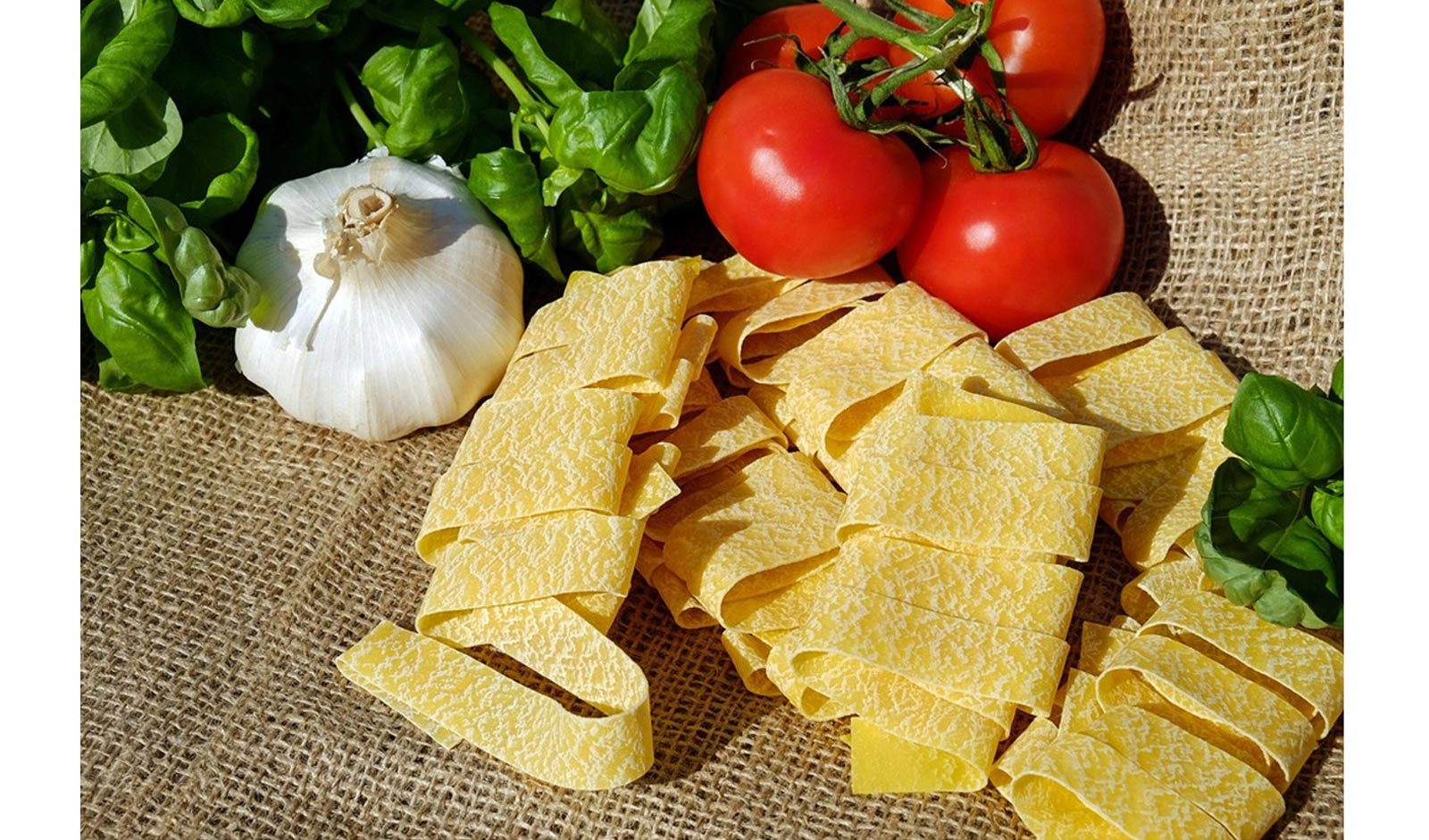
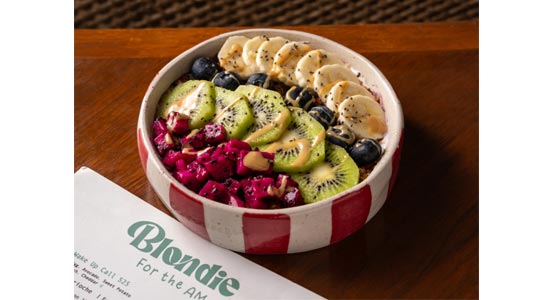
Dining today is more relaxed and global, emphasizing simplicity, fresh ingredients, and visual appeal.


Dining etiquette has undergone significant changes throughout history, reflecting shifts in societal values, cultural norms, and technological advancements. What was once governed by formality and ritual has transitioned into a more inclusive, intuitive, mindful, and experiential driven shaped by global influences, guest awareness, and a renewed focus on wellness and sustainability. Almost every restaurant in India follows the dining etiquette. Let’s see how it has evolved over the years.
The Evolution
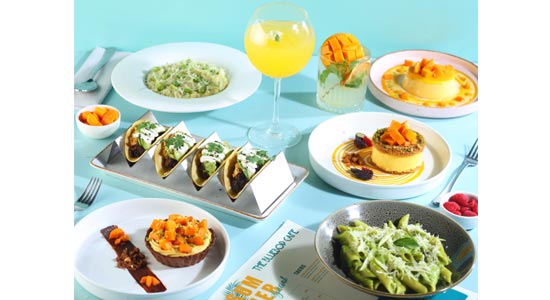
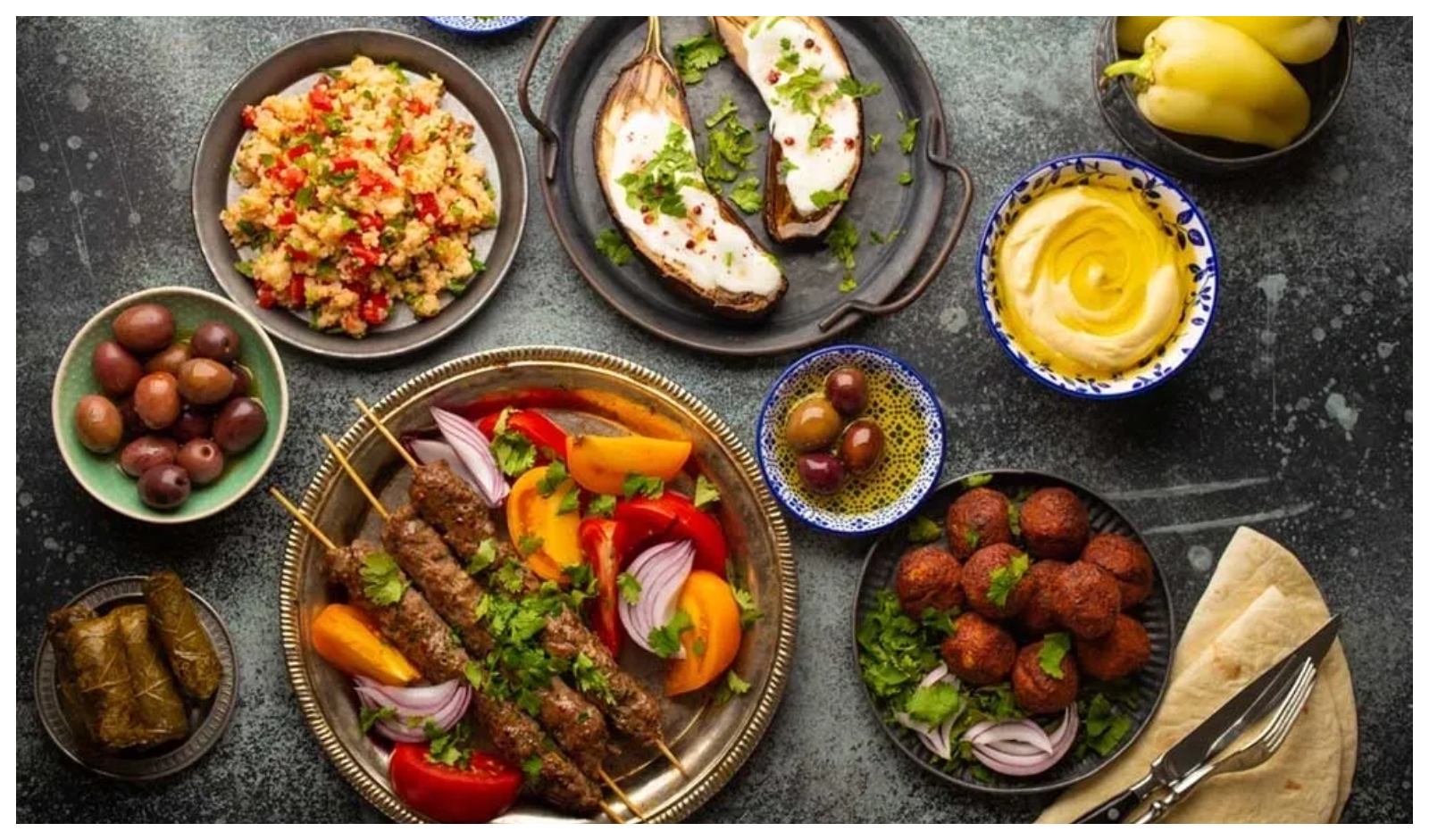
Dining today is more relaxed and global, emphasizing simplicity, fresh ingredients, and visual appeal. Globalization has significantly influenced dining etiquette, introducing new cuisines, utensils, and dining styles. Chef Johnson Ebenezer, Co-Founder of Farmlore highlighted that with the increased cultural exchange, people are more likely to encounter and adopt different customs, leading to a more diverse and dynamic dining landscape.
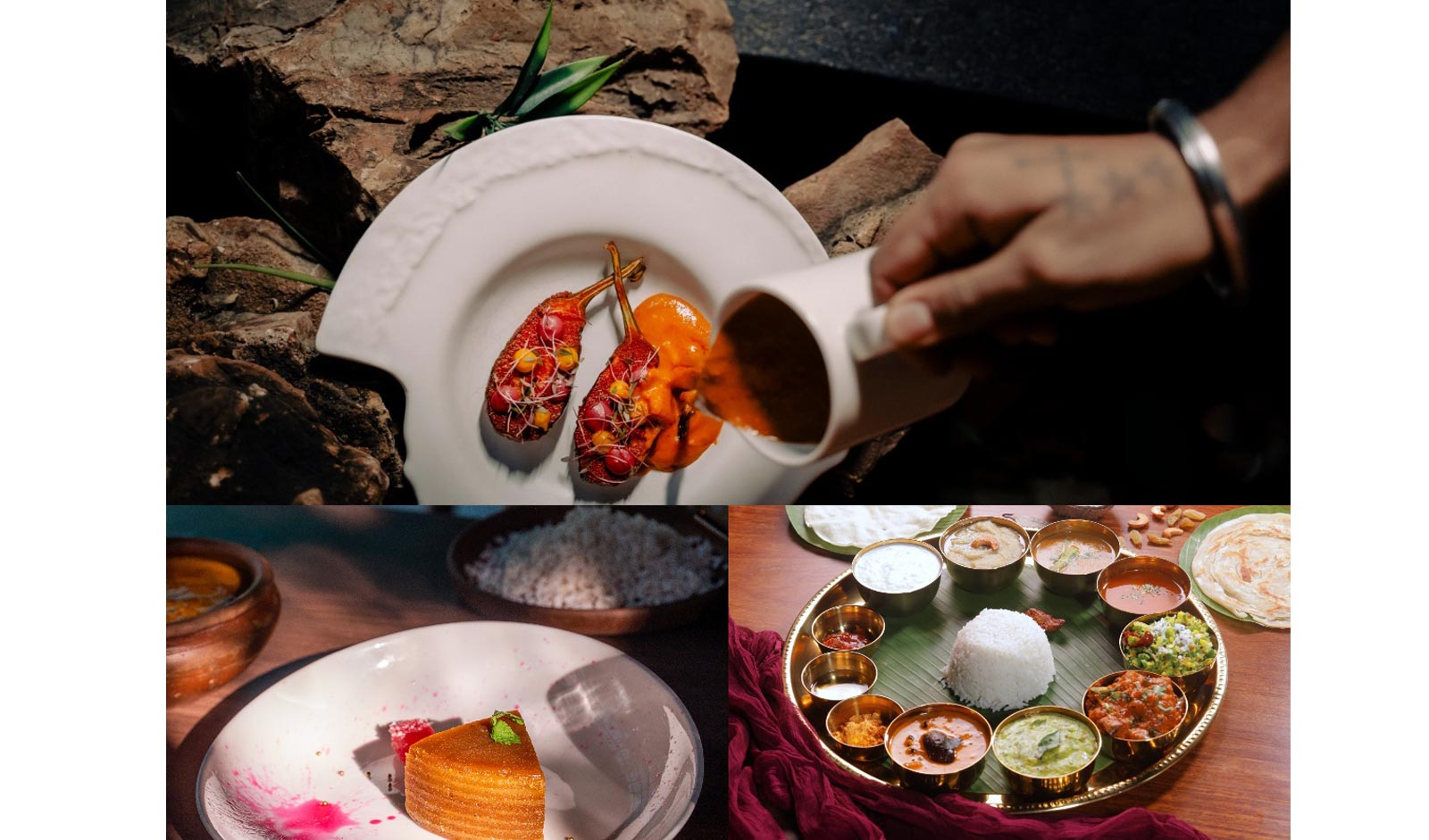
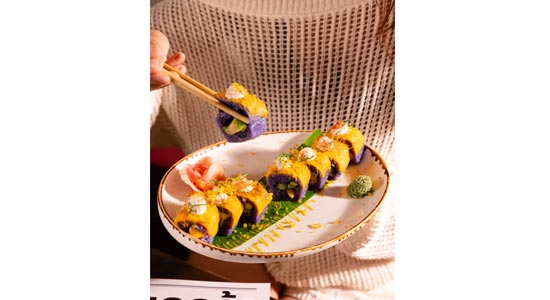
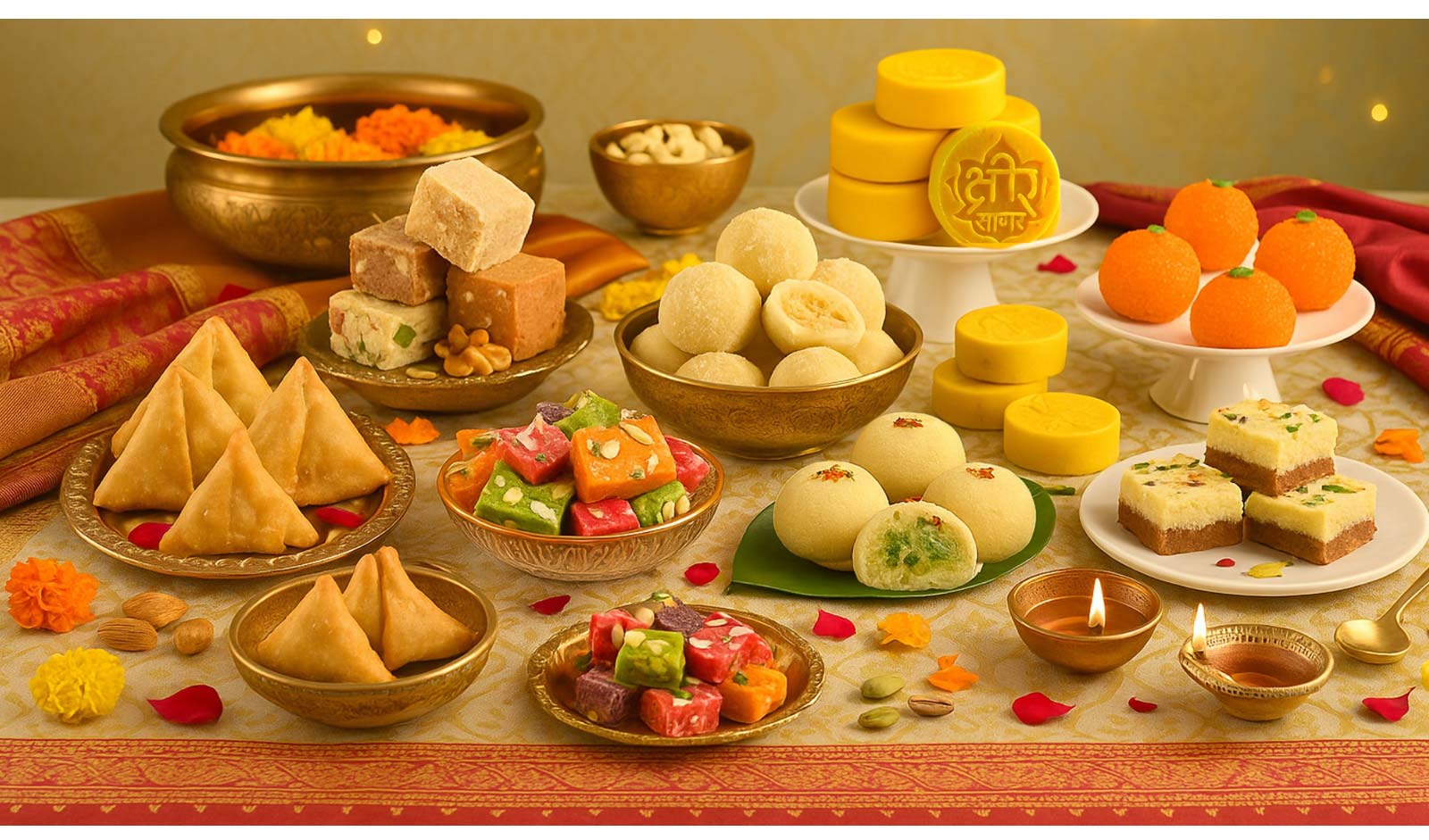
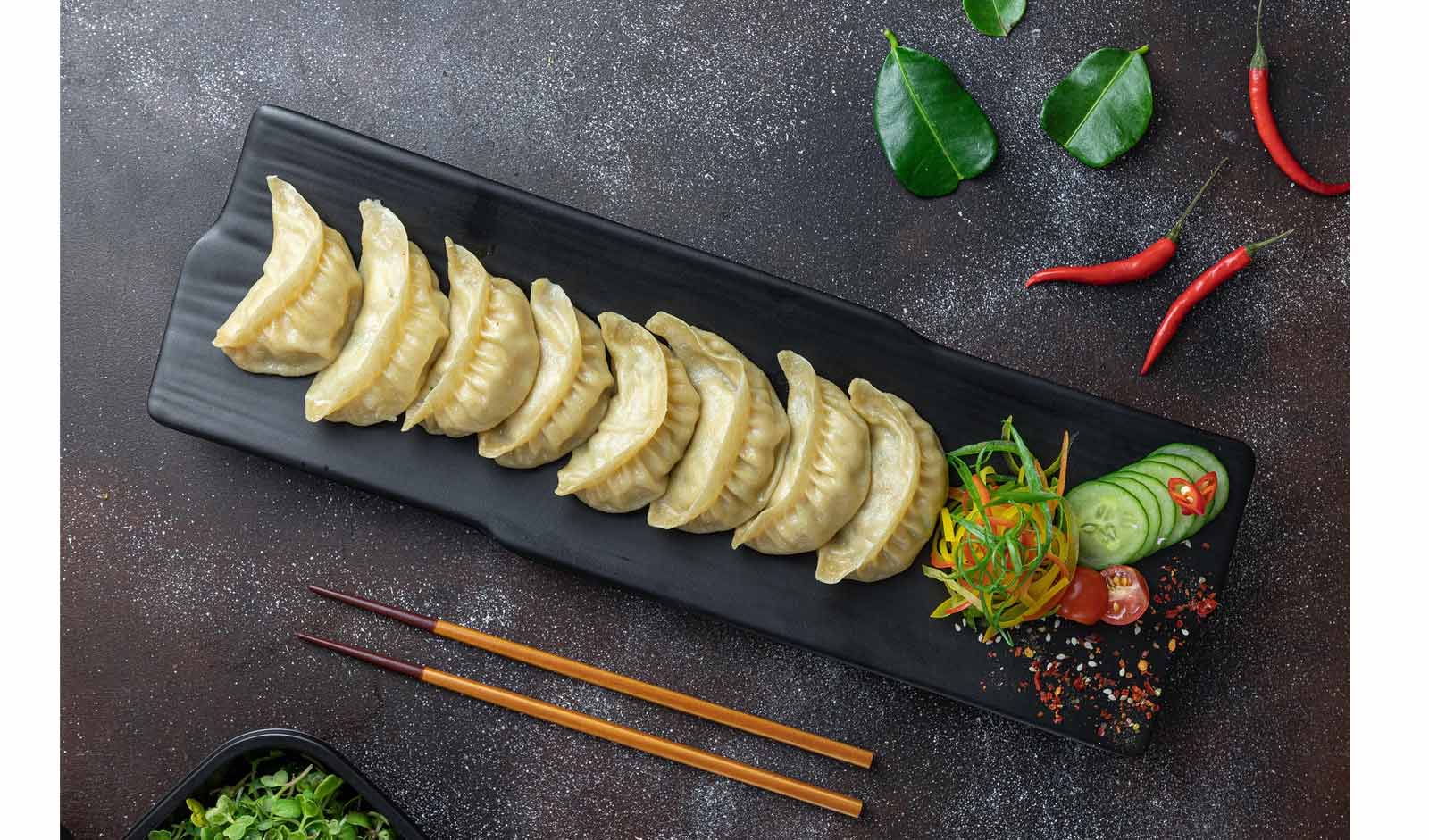
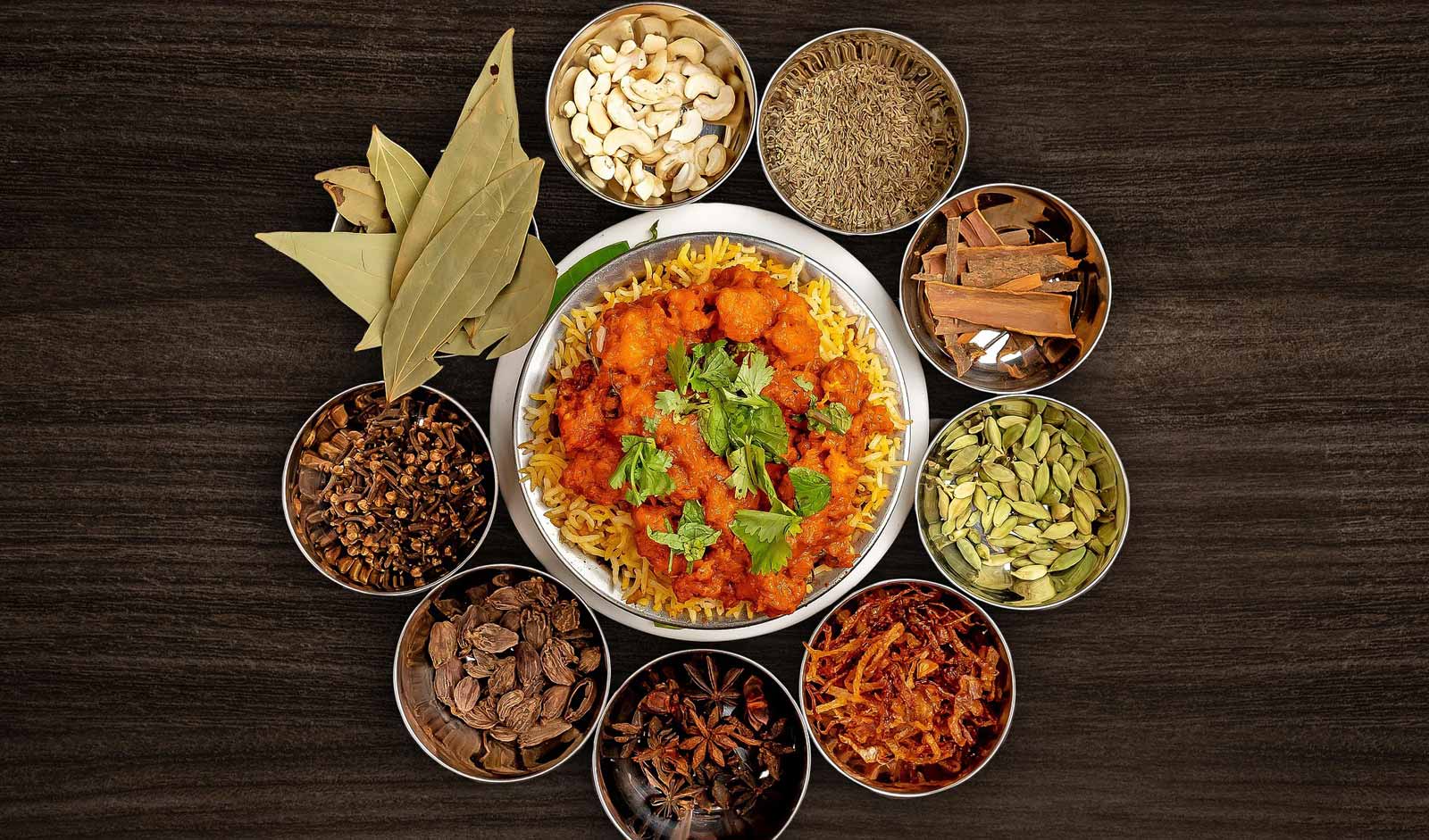
Today’s diners navigate sushi and Indian thalis with equal ease, reflecting a cultural fusion that brings flexibility, respect, and diversity to dining habits and etiquette.
Chef Amit Dash, Cluster Executive Chef, The Westin Gurgaon, New Delhi & The Westin Sohna Resort & Spa said, “At our properties, we celebrate this openness by curating menus and experiences that blend global sensibilities with local authenticity. Whether it’s an Asian tasting menu at EEST or a plant-forward Indian innovation at Sunset Story, the intent is always to offer more than a meal, an immersive, borderless culinary narrative. We embrace this global palate while staying rooted in local ingredients and stories, creating what I like to call “a cuisine of conversation.”
Refining Dining
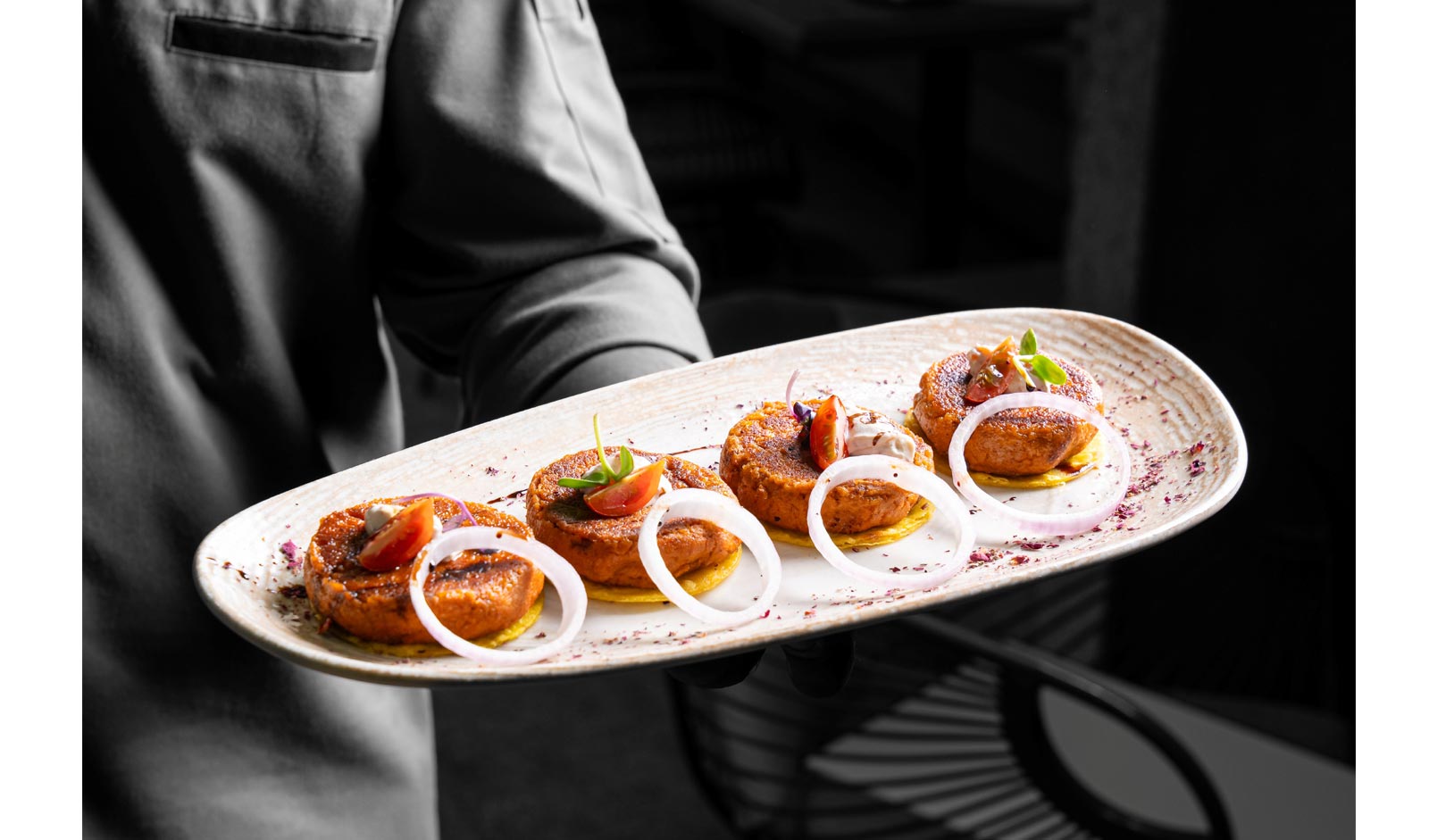
The move toward formal dining took root in the post-colonial era, as fine dining became a symbol of refinement and status. In India, this shift was significantly influenced by European traditions, multi-course meals, wine pairings, and cutlery codes entered elite households and hotel dining rooms alike.
Expressing his views, Chef Nisarg Chavan, Executive Chef, Novotel & Ibis Chennai OMR said, “What we have seen is people prefer informal and formal dining both. But there is a rise of informal dining setup. As restaurants and hotels are evolving, various cuisines are being served by us because of which the table manners, cutlery, etiquette.”
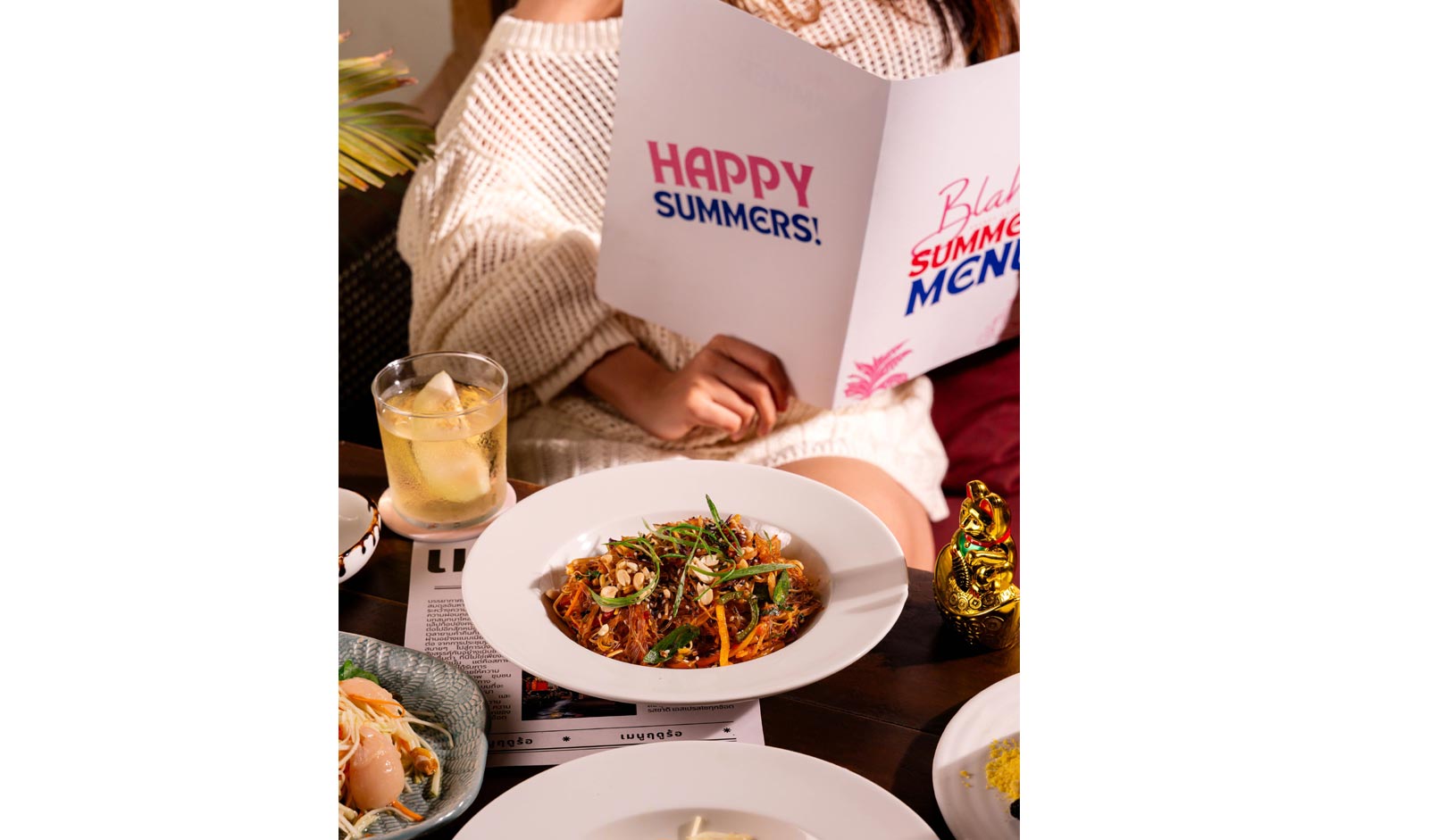
Guests now prefer relaxed, more open settings with shared plates and easy-to-eat finger foods, reflecting a shift towards informality and connection.
“At The Westin Gurgaon and The Westin Sohna Resort & Spa, we embrace this tradition with a modern perspective, one that prioritises personalisation, ease, elegance, and personal comfort without losing the sophistication of formal service,” commented Dash.
Suranjit Sengupta, Corporate Director - F&B, Sarovar Hotels said, “Modern trends are driven by technology and health consciousness—petit chef projections and sustainable sourcing enhance the experience, while wellness-focused, personalized menus are increasingly in demand. Fusion cuisine is on the rise, and guests actively seek exotic ingredients like quinoa and avocado, often with an Indian twist.”
Sustainability and Ethical Dining
As consumers become more environmentally conscious, sustainability and ethics are playing a larger role in dining etiquette. Chef Johnson shared, “This includes eco-friendly practices wherein reducing food waste, using locally sourced ingredients, and choosing sustainable seafood options are important. Cultural Sensitivity where being respectful of cultural differences and traditions when dining. Social responsibilities were supporting fair trade practices and promoting social justice through food choices are on rise.”
Ethical dining is now mainstream, with guests expecting transparency on ingredient sourcing, carbon footprint, and health benefits.
“This aligns beautifully with Westin’s “Eat Well” pillar, which emphasizes nutritious, responsibly sourced meals. We champion seasonal produce, minimize food waste, and support local farms without compromising indulgence,” added Dash.
As we move forward, dining etiquette will continue to evolve. Some potential trends to focus are increased focus on sustainability, technology integration and cultural exchange.
Vijetha Iyer
Content Editor
Working as a Content Editor with Restaurant India. I have worked in various sectors like food and beverage sector, chemicals, pharma, nutraceuticals, now specially focusing on restaurant side. But my core knowledge was always on content. Be it writing poems to verses, I always loved writing and have been exploring my career on the same. In Restaurant India, I deliver insightful stories, take interviews of various brands and update the audiences about the newest happenings in the restaurant industry.