Stealing the Spotlight: How Regional Indian Cuisine Is Ruling Metro Dining
Industry insights indicate that nearly 38% of diners are actively seeking regional cuisines, driven by a desire for authenticity and deeper culinary experiences.

India’s culinary identity has always been shaped by its rich regional diversity. Yet for years, urban restaurant menus leaned heavily on a predictable mix of North Indian staples, Indo-Chinese offerings, and global cuisines. Today, that narrative is undergoing a significant transformation. Across metro cities, regional Indian cuisine is no longer confined to nostalgia or home kitchens—it is emerging as a defining force in modern dining.
The urban Indian diner is more informed, experimental, and culturally aware than ever before. Industry insights indicate that nearly 38% of diners are actively seeking regional cuisines, driven by a desire for authenticity and deeper culinary experiences.
“Indian chefs today are no longer just presenting familiar flavours—they are rediscovering and redefining regional cuisines by bringing lesser-known ingredients, techniques, and stories to the forefront. What was once considered local or niche is now being positioned as refined, contemporary, and globally relevant. This shift is allowing regional Indian cuisine to carve its own distinct identity on modern menus”, shared India’s first Two-time Michelin Star Chef Atul Kochhar.
Whereas Chef Sombir Choudhary, founder, Kalpaney Bengaluru believes this blend of nostalgia and novelty is what’s really driving the renewed interest in regional cuisines across metro cities today.
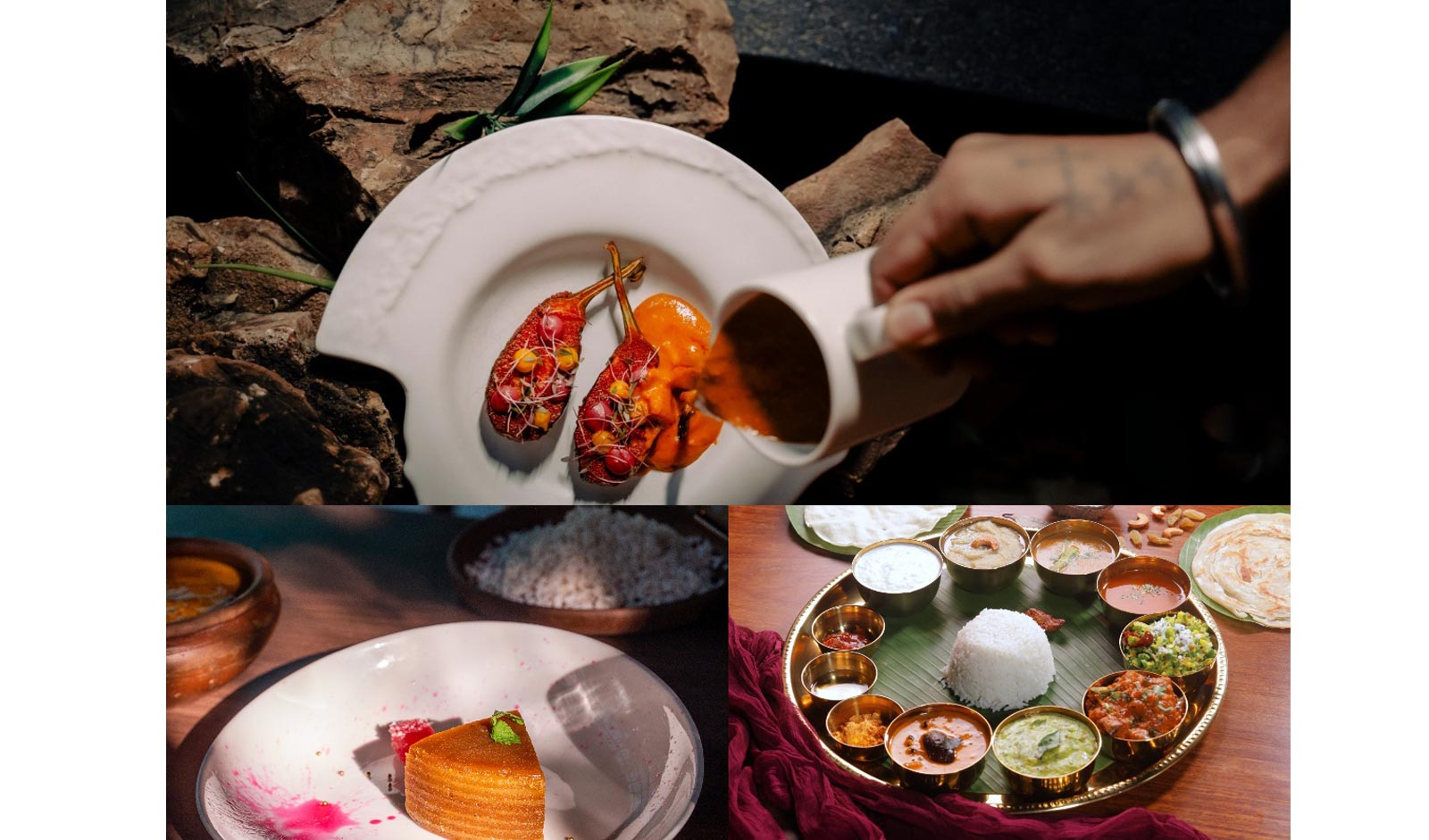
Restaurants are responding to this demand by moving beyond generic “Indian” menus and embracing hyperlocal flavours. Concepts focusing on Regional South Indian cuisine, such as Kanjivaraam, Dasaprakash, Anjeer have introduced diners to ingredients less explored. At the same time, brands like Zambar continue to build strong recall around the depth and diversity of Kerala’s coastal cuisine.
“When we conceptualised Kanjivaraam, the idea was to celebrate the depth and authenticity of regional Indian cuisine in a way that feels both rooted and contemporary. Over the time, we’ve seen a clear shift as today’s diners are far more curious and open to exploring flavours beyond the familiar. What was once considered niche is now in demand, and that reinforces our belief that regional cuisine has the potential to lead the future of Indian dining,” pointed Vikas Nagpal, Director, Kanjivaraam, Gurgaon.
What is particularly noteworthy is the growing acceptance of bold, unfiltered flavours. This movement is equally visible in the way coastal and community-driven cuisines are being reinterpreted. Restaurants like Avo’s in Goa have brought regional Goan flavours into contemporary dining spaces, celebrating dishes that are deeply rooted in local traditions while presenting them in a modern format.
Amey Naik, Partner, The Peeps Kitchen & Avos Goa said “Regional Indian cuisine is no longer confined to nostalgia, it’s being reinterpreted with intent and precision in metro cities. At Avo’s Kitchen and Peep Kitchen Goa, we’ve seen guests actively seek authenticity, but presented with a certain refinement.”
This blend of authenticity and innovation is central to the current evolution. According to Chef Sombir, over the last few years, they’ve seen a clear and exciting shift in diner preferences. Guests today are far more curious and well-travelled in their tastes; they’re not just looking for familiar North Indian or pan Asian options anymore. There’s a growing appreciation for regional Indian cuisines, especially those that were once considered niche or hyperlocal. What’s interesting is that diners are seeking both authenticity and storytelling on the plate, but with a contemporary lens in terms of presentation and technique.
“At Kalpaney, we celebrate this by reinterpreting regional flavours in a way that feels both rooted and relevant. For instance, our Mysore Chilli Broccoli draws inspiration from the bold, spicy profiles of Mysuru, but we present it in a way that’s lighter and more refined, making it accessible to a wider audience.”
Even in cities known for their deep culinary heritage, there is a renewed effort to present regional cuisine with a fresh perspective. Institutions such as 6 Ballygunge Place and Aaheli continue to celebrate traditional Bengali cuisine, while elevating the overall dining experience through refined presentation and storytelling.
The business implications of this shift are equally significant. Restaurants focusing on regional specialisation are witnessing stronger customer engagement and higher repeat value. The emotional connect associated with regional food, combined with its ability to differentiate in a crowded market, makes it a compelling proposition for restaurateurs.
Neha Bahl
Founder, Qube Communication