State of Coffee Prices in Indian Restaurants
Many places, ranging from a small tea shop or big restaurants, have coffee on their menu. Now, the question arises, how much does a small cup of coffee cost in these restaurants? And what are the factors that are contributing to these prices?


India is the seventh-largest producer of coffee in the world, and about three-fourths of the coffee produced is exported mainly in the form of unroasted seeds. However, there has been a rise in domestic consumption of coffee in recent years. The average consumption of coffee in India is about 0.7kg per year. India is a place where most people like to drink tea or coffee regularly every day. Many Indians start their day with the consumption of one of the beverages. As we know that India was originally a tea-preferring nation. However, as time passed by and more people started to prefer drinking coffee either for the taste or its caffeine.
Now, there are more than 44% of the general population who drink coffee regularly. This increase is also due to the rise of cafes and restaurants serving coffee. Many places, ranging from a small tea shop or big restaurants, have coffee on their menu. Now, the question arises, how much does a small cup of coffee cost in these restaurants? And what are the factors that are contributing to these prices?
In this article, we will be covering the state of coffee prices in Indian restaurants.
Read more: 10 Fiber-rich foods for Diabetics and Best black coffee benefits
The Macro View: Global & Domestic Bean Prices
The main factor that influences the price of coffee in Indian restaurants is the cost of raw materials, mainly coffee beans. As of April 2025, the International Coffee market has been experiencing conflicting trends. While the global prices are unstable, India, being a big coffee producer, has seen a modest price decline for Arabica coffee, one of the two coffee types produced in the country. This increase is mainly because:
- Supply-side Restrictions: Lower domestic production in the country due to unfavourable weather conditions (dry winter spells followed by excessive pre-monsoon rains in key regions) and limited carryover stockpiles from the prior season.
- Global Shortages: Global coffee prices have skyrocketed as a result of major coffee-producing countries signaling low production, such as Vietnam (the second-largest producer) and Brazil (30% of the world supply). The cost of robustas, which are frequently used in espresso mixes, has increased at an unmatched rate, occasionally even surpassing that of Arabica.
- Rupee Depreciation: The depreciation of the Indian Rupee against the US Dollar is also impacting the cost of imported coffee beans. Many cafes rely on those imported beans, which are used in a special brew that the cafe relies on.
These fundamental changes in commodity prices have a direct effect on restaurants, affecting their cost of goods supplied and, eventually, menu prices.
Know more: Ice Cream Prices to Become Hot this Summer
Beyond the Bean: Operational Costs & Market Dynamics

While an increase in bean prices is one of the main reasons for the price increase, several other operational and market-driven factors contribute to the final price of coffee in an Indian restaurant.
- Real Estate & Rent: Higher rents and real estate costs in urban areas are one reason for the high costs. Most cafes and restaurants are located in prime locations, so high rents directly translate to higher operational costs that the restaurants must cover, so they increase the menu pricing.
- Labor Costs: A good staff consists of skilled baristas, service staff, and kitchen personnel, and there has been a rise in the costs of them recently. The better the staff, the higher their wages must be. And it impacts the prices of the overall menu.
- Ingredient Costs (Beyond Coffee): Ingredients like milk and other dairy products, plant-based vegan milk alternatives, sugar, syrups, flavorings, and other accompanying ingredients all contribute to the final cost. Due to inflation in the food category, the cost of food and drinks is particularly high, pressuring the restaurants.
- Equipment & Maintenance: Investments in high-quality coffee machines, grinders, and brewing equipment cost quite a lot, as these are long-term investments. Their maintenance, depreciation, and energy consumption also factor into the pricing.
- Ambiance & Experience: Cafes are not just about food or coffee; they offer an experience. The cost of interior design, comfortable seating, Wi-Fi, air conditioning, and overall ambiance help to enhance the customer’s experience. These are also added to the pricing. That is why premium cafes have sophisticated interiors that naturally command higher prices.
- Brand Value & Positioning: Premium international and national brand chains like Starbucks, Costa Coffee, and Tim Hortons, or premium homegrown brands, have higher prices due to their brand value. Consumers are often willing to pay higher prices for the same type of coffee that can be found in other restaurants for a lower price.
- Location & Target Audience: A cafe in a metro city or high-street location will have higher prices than those of local shops. The economic profile of the target audience plays a crucial role in pricing strategy.
- Competition: While cafes might face rising costs, the rapid competition in the Indian coffee market prevents unchecked price hikes. Restaurants must strike a balance between profitability and remaining competitive to attract and retain customers.
- Menu Innovation & Specialization: Cafes that offer a wide range of special brews (pour-over, AeroPress, cold brew, nitro coffee), single-origin beans, or unique coffee-based beverages with intricate preparation methods will charge more due to the specialized skills, equipment, and premium ingredients involved.
- Delivery Platforms & Commissions: The increasing dependence on food delivery collectors means restaurants incur commissions on every order, which often contributes to a slight upward pressure on menu prices for delivery items.
- Sustainability & Ethical Sourcing: As consumers become more conscious, brands are focusing on ethically sourced beans, fair trade practices, and sustainable operations. It might cause higher initial costs. This can be reflected in their pricing.
Pricing Segments: A Diverse Landscape
The Indian out-of-home coffee market, projected to reach up to $3.2 billion by 2028, is segmented into three broad price categories:
What's new: 10 Tips to choose the best Dishwasher for your restaurant
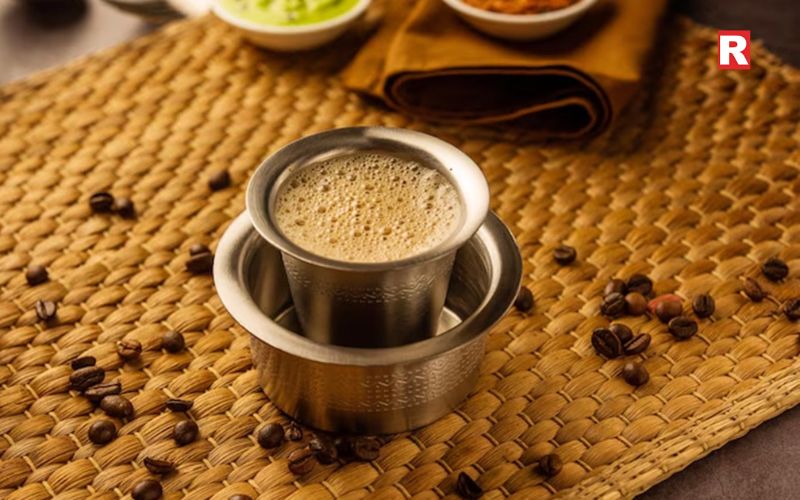
- Mass Market (Below ₹100): Local, unbranded competitors and roadside stands that sell basic instant coffee or traditional filter coffee dominate this market. Here, affordability is the defining feature, with little room for variation. It is anticipated to increase at a slower CAGR of 8–10%, from its 50% market share in 2023 to 30–35% by 2028. In a normal South Indian darshini (a quick service restaurant), a cup of filter coffee may cost between ₹15 and ₹40.
- Mid-Price Segment (₹100-₹200): This market is expanding rapidly, spanning the gap between high-end quality and affordability. At a remarkable compound annual growth rate (CAGR) of 35–40%, it is expected to reach 8–10% of the market by 2028, catering to coffee lovers looking for specialty options at affordable costs. This is where a lot of new local eateries and smaller businesses are setting up shop.
Premium Segment (Above ₹200): With a focus on single-origin beans, artisanal brews, and experience elements, this sector caters to coffee lovers. By 2028, it is expected to have grown from 46% of the market in 2023 to 55%–60 % at a compound annual growth rate (CAGR) of 20–25%. This group includes international chains and upscale cafes, where specialty brews may cost more than ₹500, while cappuccino or latte costs usually range from ₹220-₹400.
Know more: How to design a menu card for a Coffee Shop: 10 Tips to Follow
The Road Ahead: What to Expect
In 2025 and beyond, several trends will continue to shape coffee prices in Indian restaurants:
- Continued Upward Pressure: Coffee costs in restaurants are projected to rise somewhat but steadily across all categories due to domestic production issues, global supply limits, and continuous inflation.
- Premiumization Trend: Due to customers' willingness to spend more for premium coffee products that are ethically produced and deliver an immersive experience, the premium segment is expected to continue growing quickly. This could cause the price difference between premium and mass-market coffee to widen.
- Mid-Segment Opportunities: As it serves a rising consumer base looking for high-quality coffee without the high price tag of luxury chains, the mid-price sector presents substantial growth prospects. Gaining market share in this sector will require innovation.
- Focus on Value: Restaurants must highlight the "value" offer, even in the premium market, whether it be through distinctive cuisines, tales of sustainable sourcing, first-rate service, or a cozy co-working area.
- Technology & Convenience: By lowering operating costs, the emergence of cloud kitchens and delivery-only coffee brands will offer more economical and practical alternatives, possibly counteracting the rising costs of dine-in.
- Innovation in Offerings: Anticipate increased experimentation with coffee-based cocktails, nitro coffees, and cold brews, which sometimes fetch higher price points because of their intricate preparation.
What a Brew!!
In the end, global commodities markets, domestic agricultural realities, urban real estate constraints, changing customer preferences, and intense rivalry are all woven into the intricate fabric of coffee prices in Indian restaurants in 2025. Therefore, any impact on one of the factors will affect the other and directly or indirectly affect the price of coffee in Indian restaurants. Even though the aroma of a freshly made cup is still tempting, customers will more often have to navigate a wide range of price points. Restaurants will need to carefully strike a balance between growing expenses and customer expectations as India's coffee culture develops to keep the brew-tiful experience affordable and alluring for a country that is gradually falling in love with its coffee.
Read this: How to open a small restaurant with no money?
Mahak Sharma
Content Writer
Mahak Sharma is a passionate content writer with 2 years of experience crafting compelling content across various niches, tailoring her writing to suit different audiences and platforms. She is dedicated to producing engaging content for readers so that they can understand and enjoy the articles. Her strengths lie in crafting SEO-friendly, well-structured articles that drive visibility and engagement.