
Start a Restaurant Under Rs 10 Lakhs: 10 Smart Food Business Ideas That Work in India
A small kitchen, a clear concept, and consistent quality can build a strong business. The opportunity is real. What matters is execution.

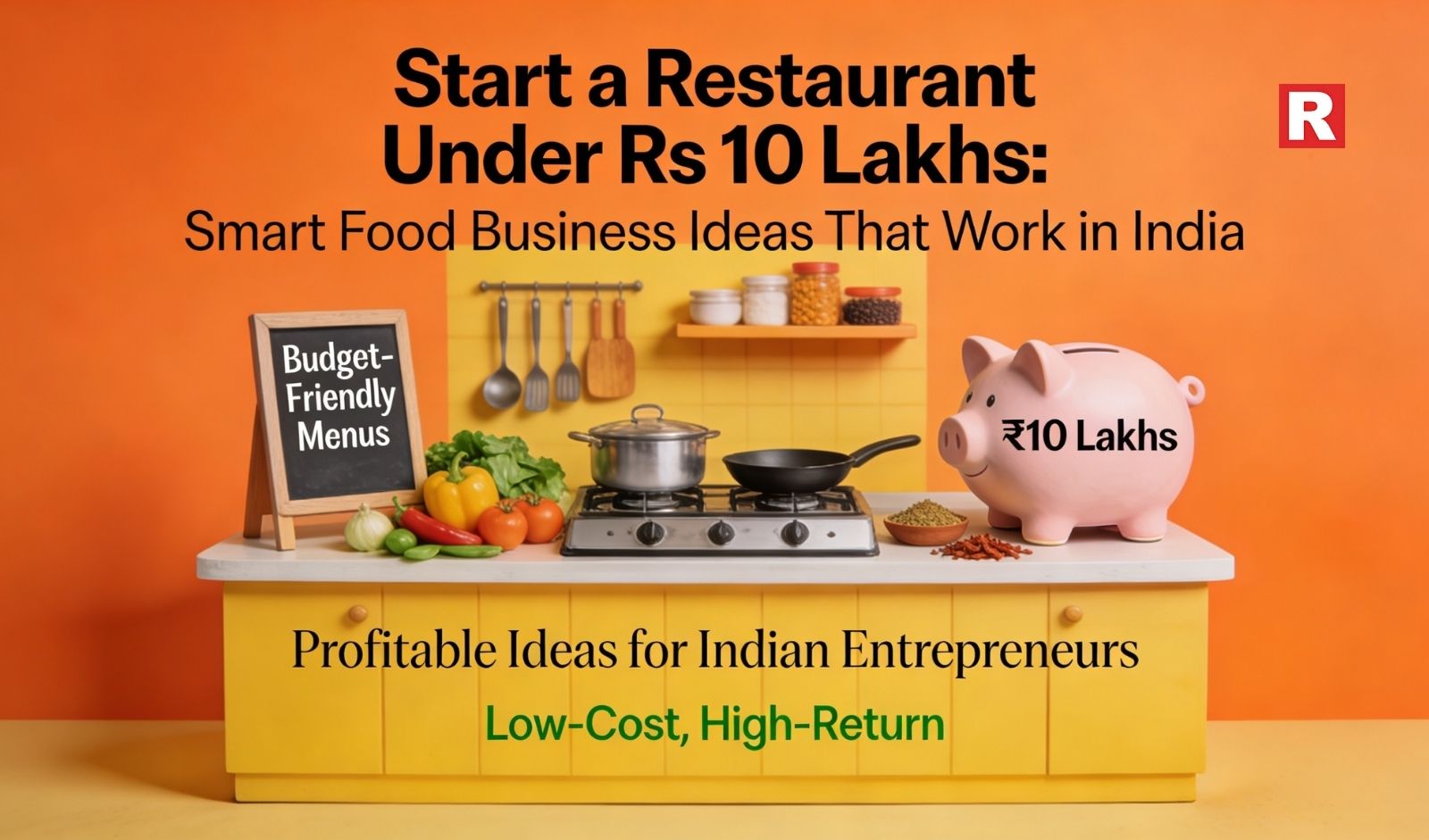
Starting a restaurant in India no longer needs crores. The food business has changed fast. Today, small formats and delivery-first models are driving growth. Platforms like Zomato and Swiggy have made it easier to reach customers without a premium location. For first-time entrepreneurs, this is the right time to enter the market. With Rs 10 lakhs, a well-planned food business can start, grow, and even scale into a brand.
Why a Low-Budget Restaurant Makes Sense Today
A smaller investment reduces risk. It also allows faster decision-making. If one idea does not work, you can pivot quickly. Urban India is seeing strong demand for quick meals, affordable snacks, and home-style food. Working professionals, students, and young families prefer convenience over luxury dining. This shift supports compact food businesses.
Delivery has also reduced dependency on expensive high-street locations. A good product can succeed even from a small kitchen in a residential area.
Cost Breakdown: Where Your Rs 10 Lakhs Goes
A clear cost plan is important. Overspending in the early stage can break the business.
- Kitchen Setup (Rs 2–4 lakhs): Basic equipment includes burners, refrigerators, prep tables, and storage units. Avoid overbuying. Start with essential tools only.
- Rent and Deposit (Rs 1–3 lakhs): A small space or shared kitchen works best. Many entrepreneurs now choose cloud kitchen setups to save rent.
- Licenses and Registrations (Rs 20,000–Rs 50,000): You need FSSAI registration, GST, and local approvals. These are mandatory and should not be ignored.
- Raw Materials (Rs 50,000–Rs 1 lakh): Start with a limited menu. This reduces inventory costs and wastage.
- Marketing (Rs 50,000–Rs 1 lakh): Digital marketing is more effective than traditional ads. Invest in good photos, listings, and offers on delivery apps.
10 Low-Budget Restaurant Ideas That Work
1. Cloud Kitchen
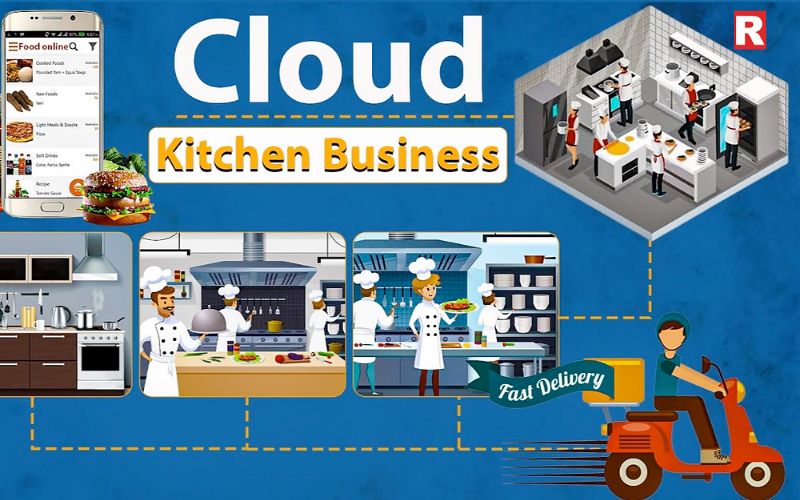
A cloud kitchen is a delivery-first food business. There is no dine-in area. The focus is on online orders through platforms like Zomato and Swiggy. This model has grown fast in India due to lower setup costs and rising demand for home delivery. According to RedSeer Consulting, the Indian cloud kitchen market was valued at around $969 million in 2023 and is expected to cross $2 billion by 2028, driven by urban consumption and digital ordering habits. The biggest advantage is cost control. A cloud kitchen can be set up within Rs 3–8 lakhs, depending on scale and location. Rental costs are lower because these kitchens operate from non-prime areas. A small 200–400 sq. ft. space is often enough. Since there is no front-of-house staff, manpower costs can be reduced by 30–40 percent compared to a traditional restaurant.
This model works best for high-demand cuisines such as biryani, Chinese, and North Indian meals. Entrepreneurs can also run 2–3 virtual brands from one kitchen, increasing revenue without major additional investment. For example, one kitchen can serve a biryani brand, a roll brand, and a combo meal brand.
Key Points to Consider:
- Initial Investment: Rs 3–8 lakhs
- Space Requirement: 200–400 sq. ft.
- Average Order Value (AOV): Rs 250–Rs 500 in metro cities
- Commission Charges: 18–30 percent per order on platforms
- Break-even Period: 6–12 months with consistent orders
- Daily Orders Target: 30–60 orders to sustain operations
Cloud kitchens are ideal for first-time entrepreneurs. They offer flexibility, lower risk, and faster scalability in India’s growing food delivery market.
Read more: How AI & Chatbots Are Redefining Restaurant Reservations in India
Portion Control Menus: The Smart Shift in Health-Conscious Dining in India
2. Street Food Café
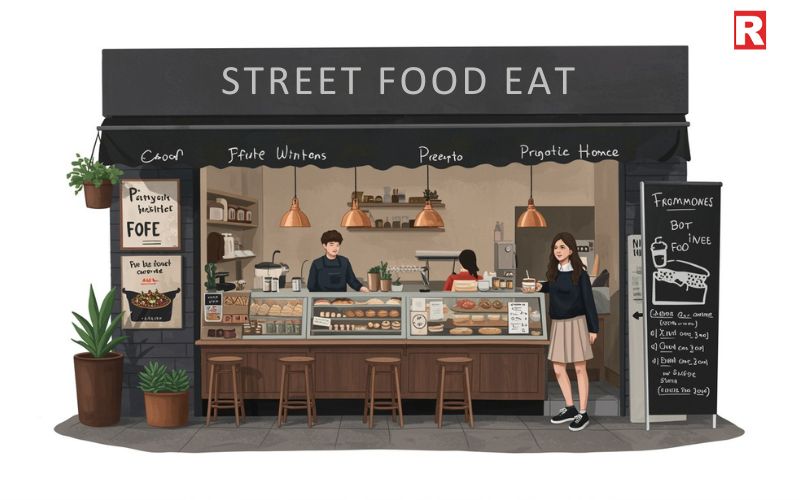
Street food is deeply rooted in India’s eating culture. From chaat to momos, it attracts daily demand across age groups. However, consumers today are more conscious about hygiene and quality. This shift has led to the rise of small street food cafés that combine local flavours with clean kitchens and better presentation. According to National Restaurant Association of India (NRAI), India’s food services market is valued at over Rs 5.5 lakh crore, and the unorganised segment, including street food, still contributes nearly 50–55 percent. This shows strong demand that can be upgraded into organised café formats. A street food café can be started within Rs 5–9 lakhs, depending on location and interiors. A compact space of 150–300 sq. ft. is enough to operate efficiently. The focus should be on fast-moving items like momos, pav bhaji, chaat, and rolls. These dishes have low raw material costs and high margins. Pricing usually ranges between Rs 80–Rs 200 per item, making it affordable for students and young professionals.
Presentation plays a key role. Clean seating, good lighting, and visible hygiene standards help build trust. Social media-friendly plating can also attract more footfall. Since the menu is limited, preparation time stays low, allowing quick service and high customer turnover.
Key Points to Consider:
- Initial Investment: Rs 5–9 lakhs
- Space Requirement: 150–300 sq. ft.
- Average Spend per Customer: Rs 100–Rs 250
- Gross Margins: 50–60 percent on most items
- Break-even Period: 8–14 months
- Target Audience: Students, office-goers, young consumers
A well-run street food café can turn a traditional concept into a scalable and profitable business by focusing on hygiene, speed, and consistency.
3. Tiffin or Meal Subscription Service
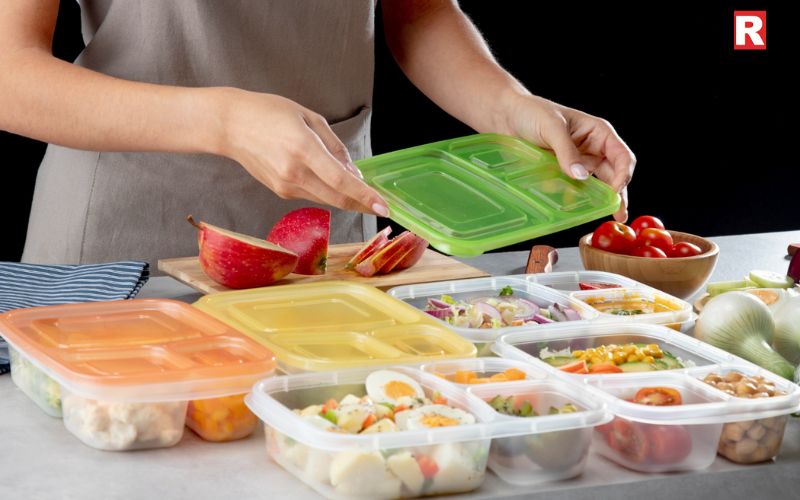
A tiffin or meal subscription service is built on daily demand for home-style food. It mainly targets office workers, students, and working families who do not cook regularly. This model offers fixed meals delivered on a weekly or monthly plan, creating steady and predictable income. In India, the demand for such services is rising with urbanisation and nuclear families. According to National Restaurant Association of India (NRAI), organised food services are growing at over 8–10 percent annually, with daily meal formats gaining strong traction in metro and Tier 2 cities.
The setup cost is relatively low. A small kitchen can start within Rs 2–6 lakhs, depending on scale. Space requirements are minimal, usually 150–250 sq. ft.. Since the menu is fixed, bulk cooking helps reduce ingredient costs and improves margins. Meals are usually priced between Rs 80–Rs 150 per tiffin, while monthly subscriptions range from Rs 2,000 to Rs 4,000 per customer, depending on meal frequency and menu type. Consistency is the biggest factor in success. Customers expect the same taste, portion size, and timely delivery every day. Unlike restaurants, variety is less important than reliability. Many operators also customise meals based on dietary needs, such as low-oil or high-protein options.
Key Points to Consider:
- Initial Investment: Rs 2–6 lakhs
- Space Requirement: 150–250 sq. ft.
- Average Price per Meal: Rs 80–Rs 150
- Monthly Subscription Value: Rs 2,000–Rs 4,000 per customer
- Gross Margins: 40–60 percent with bulk cooking
- Break-even Period: 4–8 months with 50–100 regular customers
This model suits entrepreneurs who want stable cash flow and a simple operation, with strong focus on quality and consistency.
4. Juice and Smoothie Bar
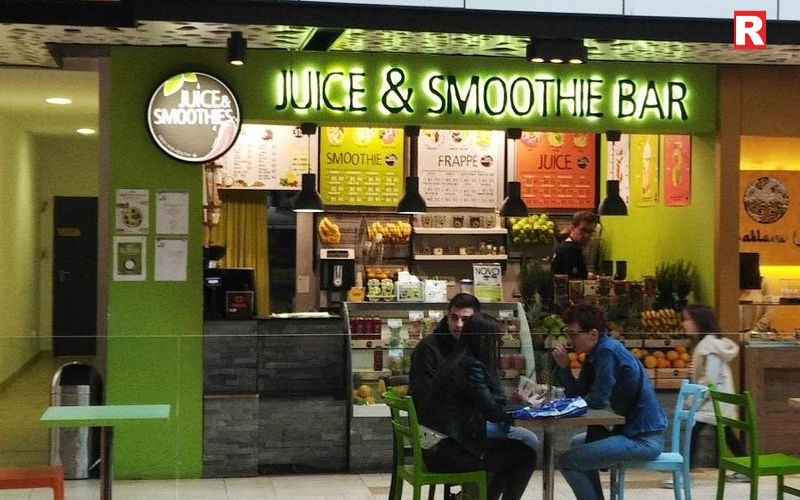
A juice and smoothie bar is one of the simplest food business models to start. It focuses on fresh, ready-to-serve beverages like fruit juices, smoothies, protein shakes, and detox drinks. With rising health awareness in India, demand for such options is increasing, especially in urban areas. According to International Market Analysis Research and Consulting Group, the India juice market reached around Rs 3,000+ crore in 2023 and is expected to grow steadily at a CAGR of 5–7 percent in the coming years. This growth is driven by fitness trends and preference for natural drinks over carbonated beverages.
The setup cost is relatively low because there is no heavy cooking involved. A basic juice bar can be started within Rs 3–7 lakhs. Equipment includes juicers, blenders, refrigeration units, and a small serving counter. A compact space of 100–200 sq. ft. is enough, making it suitable for high-footfall areas like gyms, office complexes, and college zones. Margins in this business are strong. A glass of juice or smoothie priced between Rs 100–Rs 250 often has a raw material cost of just 30–40 percent, resulting in margins of 60–70 percent. Seasonal fruits can further reduce costs and improve profitability. Customisation, such as adding protein powders or superfoods, can increase average order value.
Key Points to Consider:
- Initial Investment: Rs 3–7 lakhs
- Space Requirement: 100–200 sq. ft.
- Average Price per Drink: Rs 100–Rs 250
- Gross Margins: 60–70 percent
- Break-even Period: 6–10 months
- Best Locations: Gyms, offices, colleges
A juice and smoothie bar works well for entrepreneurs looking for a low-complexity, high-margin business aligned with India’s growing health-conscious audience.
5. Quick Service Restaurant (QSR)
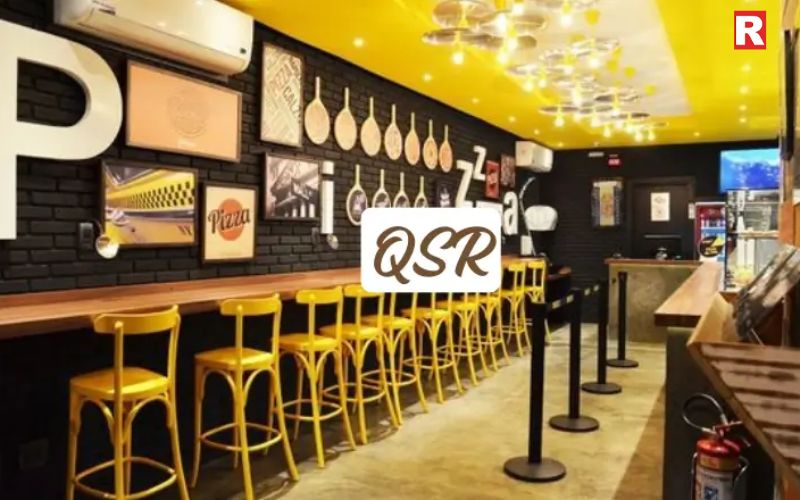
A Quick Service Restaurant (QSR) is designed for speed, affordability, and high volume. It focuses on fast-moving items like burgers, fries, wraps, and sandwiches that can be prepared and served quickly. This format is popular among young consumers, office-goers, and students who prefer quick meals at reasonable prices. In India, the QSR segment is one of the fastest-growing categories. According to India Brand Equity Foundation, the Indian QSR market is expected to grow at a CAGR of around 18–20 percent, driven by urbanisation, rising disposable income, and increasing demand for convenience food.
A small QSR can be started within Rs 6–10 lakhs, depending on location and setup. The space requirement is usually 200–400 sq. ft., with a compact kitchen and limited seating or takeaway focus. The key to success lies in operational efficiency. A limited menu helps reduce preparation time and ensures consistent taste. Most QSRs aim to serve an order within 3–5 minutes, which improves customer satisfaction and increases daily order volume. Pricing is competitive. The average order value typically ranges between Rs 150–Rs 300, making it accessible for daily consumption. Food cost is usually around 35–45 percent, leaving room for healthy margins when volume is high. Strong branding, packaging, and combo deals can increase repeat orders and customer loyalty.
Key Points to Consider:
- Initial Investment: Rs 6–10 lakhs
- Space Requirement: 200–400 sq. ft.
- Average Order Value: Rs 150–Rs 300
- Food Cost Percentage: 35–45 percent
- Service Time Target: 3–5 minutes per order
- Break-even Period: 8–12 months
A QSR works well for entrepreneurs who can manage speed, consistency, and cost control in a competitive but high-demand segment.
Know more: The Ultimate Guide to Getting Your Cloud Kitchen on Zomato
6. Tea and Snacks Café
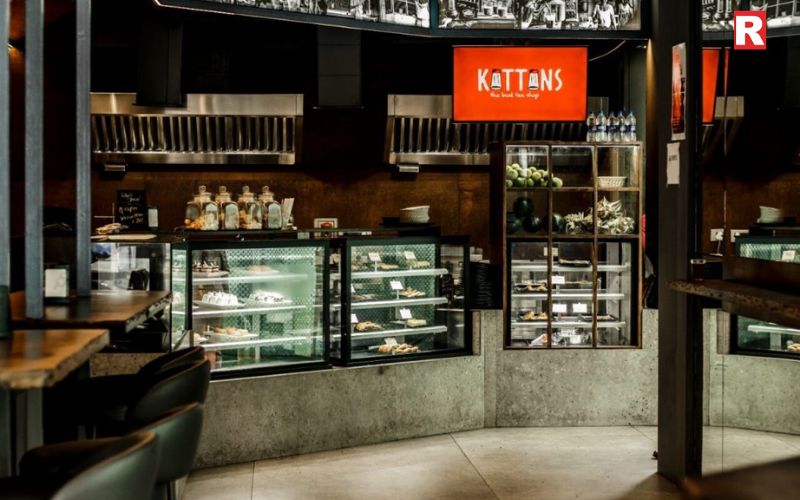
Tea is a daily habit across India. A tea and snacks café builds on this strong cultural demand. It offers different types of chai along with light snacks like sandwiches, pakoras, and biscuits. This format works well in both metro and smaller cities because it caters to a wide audience. According to India Brand Equity Foundation, India is the second-largest producer and consumer of tea globally, with annual consumption crossing 1.2 billion kilograms. This consistent demand makes tea-based businesses stable and scalable.
The setup cost for a tea café is relatively low. A small outlet can be started within Rs 3–7 lakhs, depending on interiors and location. The space requirement is usually 150–300 sq. ft., making it suitable for high-footfall areas like markets, office hubs, and near colleges. Tea has a low raw material cost. A cup priced at Rs 20–Rs 80 often has a cost of less than Rs 10–Rs 15, resulting in margins of 60–70 percent. Evening hours drive the highest sales, especially between 4 PM to 8 PM. Offering add-ons like snacks and combos increases the average bill value. Many cafés also introduce regional tea options such as masala chai, kulhad chai, or Kashmiri kahwa to stand out in a crowded market.
Key Points to Consider:
- Initial Investment: Rs 3–7 lakhs
- Space Requirement: 150–300 sq. ft.
- Average Price per Cup: Rs 20–Rs 80
- Gross Margins: 60–70 percent on tea
- Peak Hours: 4 PM to 8 PM
- Break-even Period: 6–10 months
A tea and snacks café is a reliable low-investment option. It works best with high footfall, quick service, and consistent taste.
7. Regional Cuisine Kitchen
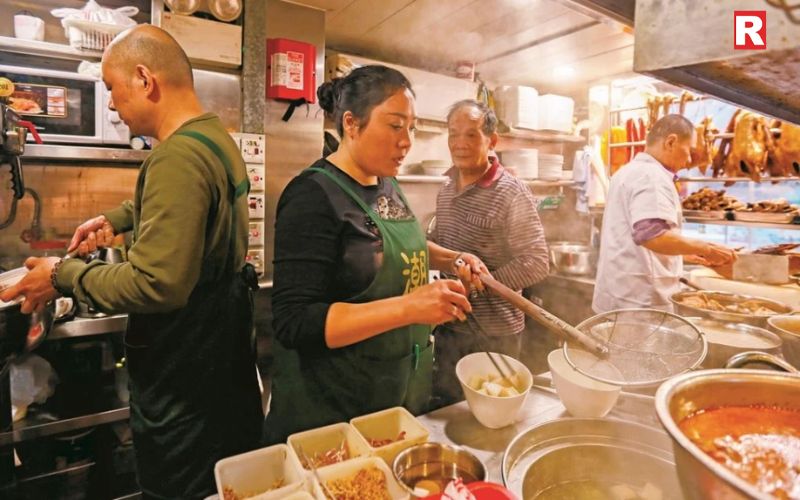
A regional cuisine kitchen focuses on one specific Indian cuisine and delivers authentic flavours. This model works well because customers often look for familiar, home-style meals from their region. Instead of competing with multi-cuisine restaurants, a niche approach helps build a strong identity. According to National Restaurant Association of India (NRAI), regional and casual dining formats contribute a significant share to India’s Rs 5.5 lakh crore food services market, with growing demand for authentic and localised menus in urban areas.
The setup cost for a regional kitchen is moderate. It can be started within Rs 4–8 lakhs, depending on the cuisine and equipment needed. A space of 200–350 sq. ft. is usually enough for a takeaway or small dine-in format. The menu should stay focused. For example, a South Indian kitchen can offer idli, dosa, and meals, while a Rajasthani setup can serve thalis and snacks. Limited menus reduce inventory costs and improve consistency. Pricing depends on the cuisine but remains affordable. Average order value ranges from Rs 150–Rs 300. Food cost is generally around 35–50 percent, depending on ingredients. Since recipes are standardised, maintaining taste consistency becomes easier. Customers value authenticity, which helps in building repeat orders.
Key Points to Consider:
- Initial Investment: Rs 4–8 lakhs
- Space Requirement: 200–350 sq. ft.
- Average Order Value: Rs 150–Rs 300
- Food Cost Percentage: 35–50 percent
- Gross Margins: 50–60 percent
- Break-even Period: 8–12 months
A regional cuisine kitchen works best when it delivers authentic taste, simple presentation, and consistent quality, making it a strong option for low-budget restaurant startups in India.
8. Dessert and Bakery Outlet
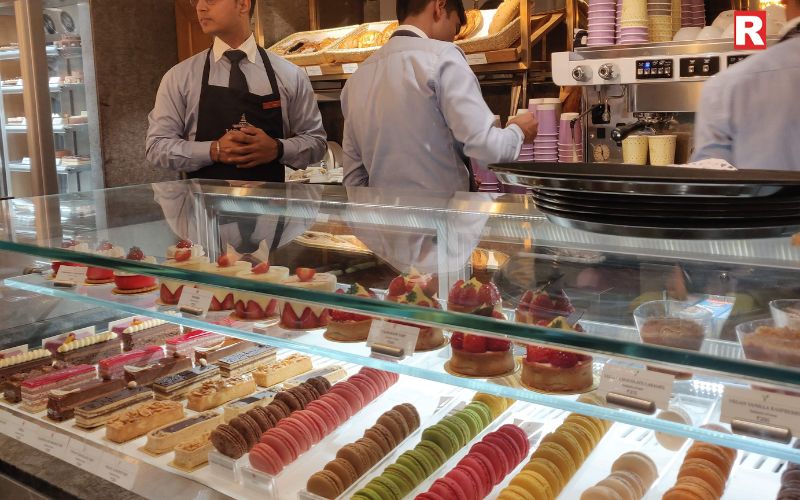
A dessert and bakery outlet is a high-demand, high-margin food business in India. Cakes, pastries, brownies, and jar desserts are popular across age groups and are frequently ordered for celebrations and daily indulgence. The rise of online ordering has further boosted this segment, especially through platforms like Zomato and Swiggy. According to India Brand Equity Foundation, India’s bakery market is valued at over $11 billion and is growing steadily at around 8–10 percent annually, driven by urban demand and changing food habits.
The setup cost for a small bakery outlet ranges between Rs 5–10 lakhs, depending on equipment and scale. Essential equipment includes ovens, mixers, refrigeration, and display units. A compact space of 150–300 sq. ft. is sufficient for a takeaway-focused or delivery-first model. Desserts offer strong margins. For example, a cake slice priced at Rs 100–Rs 250 often has a production cost of 30–40 percent, resulting in margins of 60–70 percent.
Visually appealing products perform well on social media platforms, which helps in organic marketing. Customisation, such as theme cakes or personalised desserts, can increase average order value and customer engagement.
Key Points to Consider:
- Initial Investment: Rs 5–10 lakhs
- Space Requirement: 150–300 sq. ft.
- Average Price per Item: Rs 100–Rs 300
- Gross Margins: 60–70 percent
- Best Sales Channel: Online delivery and pre-orders
- Break-even Period: 8–14 months
Check more: How to Choose the Best Location for Your Cloud Kitchen in India
9. Food Truck
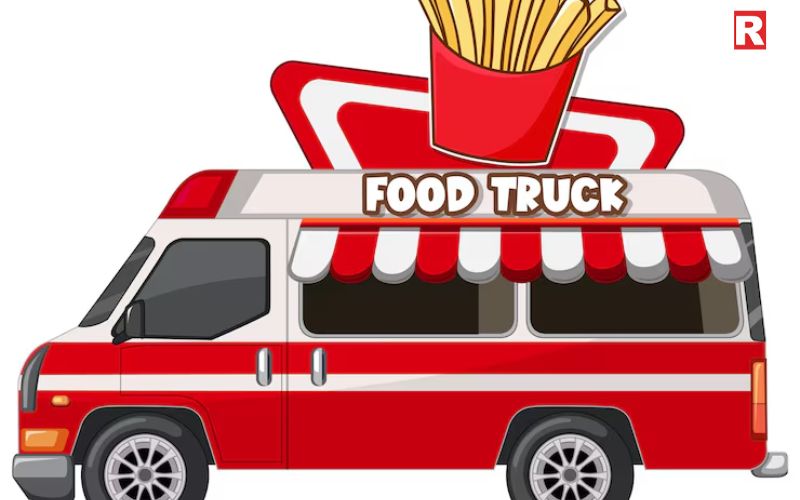
A food truck is a mobile restaurant that allows you to sell food at different locations based on demand. This flexibility is its biggest advantage. You can operate near office hubs during weekdays and shift to events, markets, or college areas on weekends. In India, food trucks have gained popularity in metro cities due to lower setup costs compared to full-scale restaurants. According to National Restaurant Association of India (NRAI), alternative formats like kiosks and food trucks are growing as part of the Rs 5.5 lakh crore food services market, driven by demand for quick and affordable meals.
The initial investment for a food truck usually ranges between Rs 6–10 lakhs. This includes purchasing or modifying a vehicle, installing kitchen equipment, and branding. A standard food truck requires 80–150 sq. ft. of working space inside the vehicle. It is ideal for fast food items like burgers, wraps, fries, and fusion dishes that can be prepared quickly. Pricing remains competitive, with an average order value of Rs 150–Rs 300. Food costs are typically 35–45 percent, allowing for healthy margins if daily sales volume is strong. Location plays a critical role. High-footfall areas and event tie-ups can significantly increase daily revenue. Many operators target 50–100 orders per day to maintain profitability.
Key Points to Consider:
- Initial Investment: Rs 6–10 lakhs
- Space Requirement: 80–150 sq. ft. (inside truck)
- Average Order Value: Rs 150–Rs 300
- Food Cost Percentage: 35–45 percent
- Daily Orders Target: 50–100
- Break-even Period: 10–14 months
10. Breakfast-Only Outlet
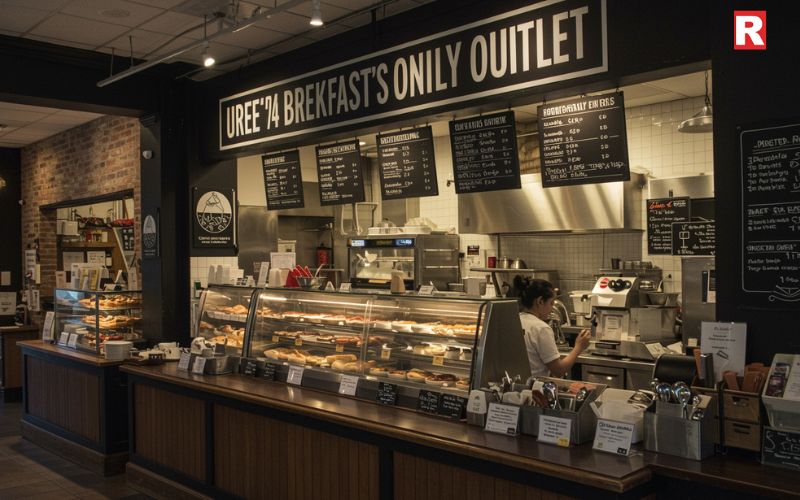
A breakfast-only outlet focuses on one of the most under-served meal occasions in India. Large restaurants often prioritise lunch and dinner, leaving a clear gap in the morning market. This model targets office-goers, students, and commuters who need quick, affordable meals before starting their day. According to National Restaurant Association of India (NRAI), India’s food services industry is valued at over Rs 5.5 lakh crore, with increasing demand for convenience-led formats such as quick breakfasts and takeaway meals in urban areas.
The setup cost for a breakfast outlet is relatively low. It can be started within Rs 3–6 lakhs, as the menu requires basic equipment and limited ingredients. A compact space of 100–250 sq. ft. is sufficient, especially for takeaway-focused operations. The menu usually includes poha, paratha, idli, upma, and sandwiches. These items are quick to prepare and have low raw material costs. Pricing remains affordable, with an average order value of Rs 50–Rs 150, making it suitable for daily consumption. Food cost is typically 30–40 percent, which allows good margins when volume is high. Since operations are limited to morning hours, staffing and utility costs are lower compared to full-day restaurants.
Key Points to Consider:
- Initial Investment: Rs 3–6 lakhs
- Space Requirement: 100–250 sq. ft.
- Average Order Value: Rs 50–Rs 150
- Food Cost Percentage: 30–40 percent
- Operating Hours: 6 AM to 11 AM
- Break-even Period: 6–9 months
A breakfast-only outlet works well in high-density areas with morning footfall. It offers a focused, low-cost model with strong potential for consistent daily sales.
What Makes These Ideas Work
Successful low-budget restaurants follow a few common principles.
- They keep the menu small. This improves quality and reduces waste.
- They focus on repeat customers, not just new ones.
- They use digital platforms for visibility and orders.
- They invest in packaging and branding.
A strong identity matters. Even a small food business can look premium with the right branding.
Profitability and ROI
A well-managed food business can break even within 6 to 12 months.
- High-margin items include beverages, combos, and add-ons. For example, a simple meal combo often gives better profit than individual items.
- Delivery platforms charge commissions, but they also bring volume. Balancing dine-in and delivery can improve margins.
- Tracking daily costs is important. Many small businesses fail because they do not monitor expenses closely.
Also check: 10 Low-Budget Cafe Interior Design Tips to Follow
Restaurant Business in India: Complete Guide to Start, Run & Grow (2026)
Subscription Dining Models: Can Monthly Meal Memberships Work?
Practical Tips for Growth
- Start with a test phase. Launch a limited menu and gather feedback.
- Use customer reviews to improve quickly.
- Offer combos and deals to increase order value.
- Build a simple but strong brand identity.
Understanding local demand is key. What works in Mumbai may not work in a smaller city. Adapt the menu to local taste.
Future Trends
Cloud kitchens and virtual brands will continue to grow. Many entrepreneurs are launching multiple brands from one kitchen. Health-focused menus are becoming popular. Customers are more aware of what they eat. Technology is also playing a bigger role. Data from platforms helps understand customer preferences. This can guide menu and pricing decisions.
Starting a restaurant under Rs 10 lakhs is possible with the right approach. The focus should be on smart planning, not big spending. A small kitchen, a clear concept, and consistent quality can build a strong business. The opportunity is real. What matters is execution. For many entrepreneurs in India, this is not just a business idea. It is a practical path to building a brand from scratch.
Saptopriya Ghosal
Feature Writer
I am a dedicated media professional with a bachelor's degree in mass communication from the State University of Calcutta and a postgraduate degree from Amity University. My academic journey has equipped me with a profound understanding of storytelling and communication. Passionate about the dynamic world of media, I continually strive to explore new ways to engage and inform through compelling narratives.



































































