Spirited Stock: What’s Trending in Gin Biz
The Gin Market size is estimated to reach 0.91 billion litres in 2025, and is expected to reach 1.18 billion litres by 2030, at a CAGR of 5.38% during 2025-2030.


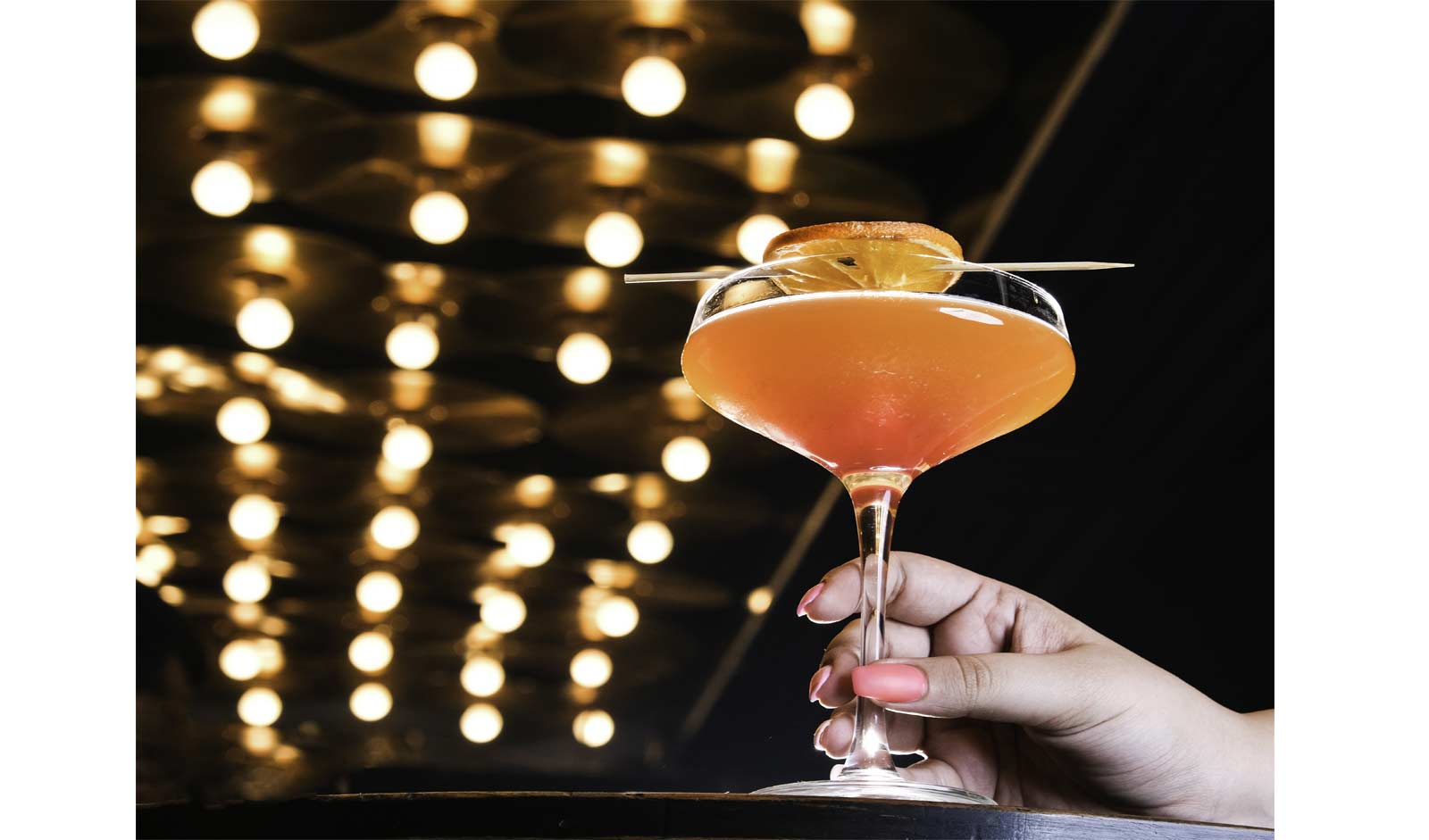
Imagine if you can try something unique in your drinks especially when you are indulging, doesn’t that excites you? For e.g. Color changing gins, new and exciting flavours, gin-infused cocktails, to name a few…
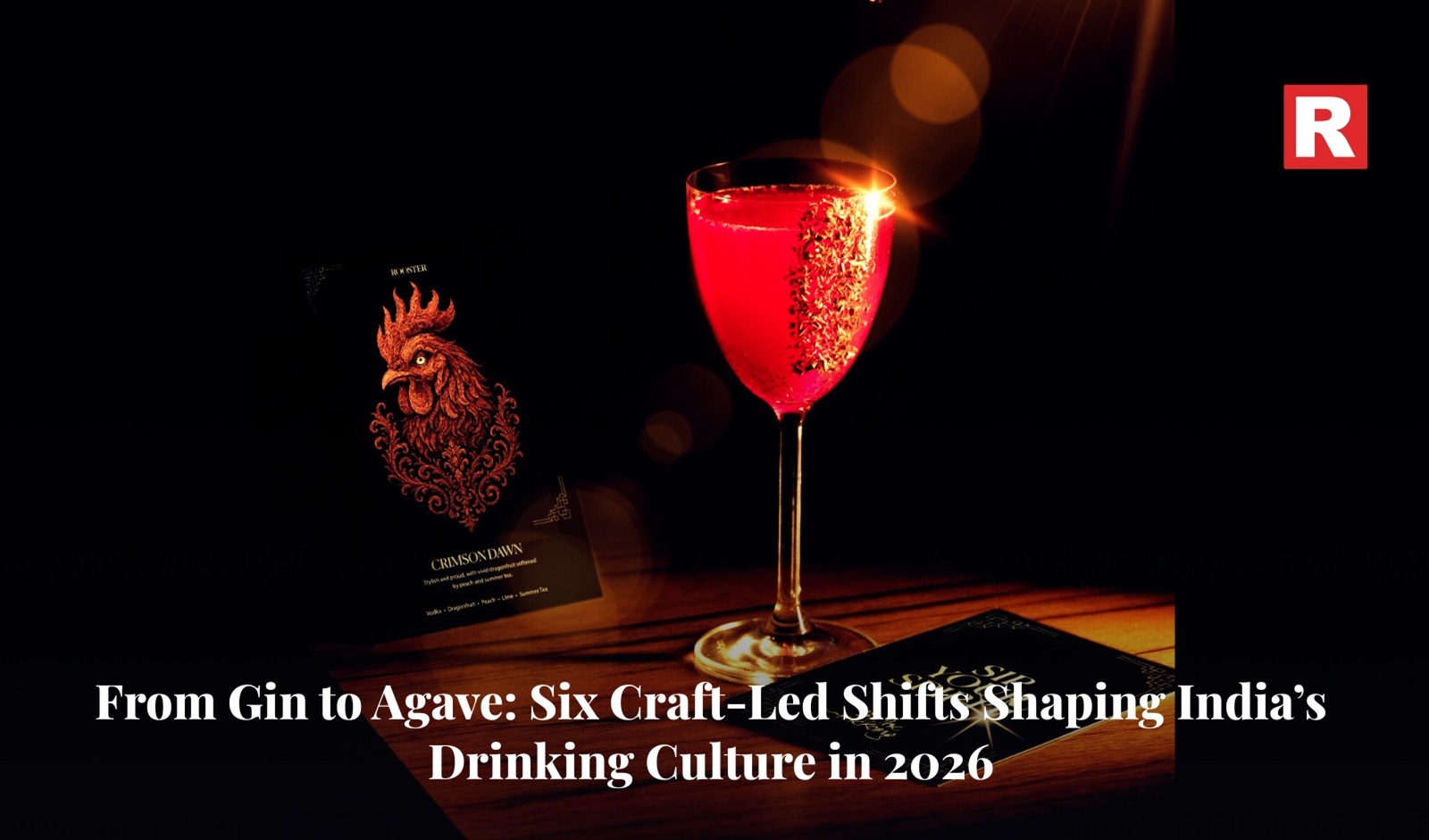
The Indian gin industry has undergone a fascinating transformation over the past decade. From being a largely overlooked spirit, dominated by a few mass-market players, to an explosion of craft gins offering unique botanicals and flavors, the category has seen an undeniable surge. What started as a trend driven by urban curiosity and a global influence quickly became a movement, with homegrown brands infusing local botanicals and storytelling into their products, making gin more than just a drink—it became an experience.
The Gin Market size is estimated to reach 0.91 billion litres in 2025, and is expected to reach 1.18 billion litres by 2030, at a CAGR of 5.38% during 2025-2030. With increasing disposable incomes, an expanding cocktail culture, and global exposure, the Indian gin market is poised to grow at a CAGR of over 10% in the next five years.
The Consumer Shift
With dozens of craft gin brands vying for attention, shelf space in premium liquor stores has become a challenge, and bars are becoming more selective in their listings. The exclusivity that once defined craft gin is slowly eroding due to oversaturation.
John Royerr, Founder of Ochre Spirits adds, “The broader shift in consumer psychology also plays a role. Gin was embraced as a modern, urban, and somewhat "cool" alternative to traditional brown spirits, resonating with younger audiences eager to explore something new. But Indian drinking culture, historically inclined toward whisky, is still deeply rooted in habit-driven consumption rather than impulse-driven exploration. As a result, many consumers who once experimented with gin are either reverting to their traditional preferences or seeking the next "new" thing—whether it’s agave spirits, premium rums, or other craft liquors.”
While Sanchit Agarwal, Co Founder, Nisaki says, “Gin has been one of the fastest-growing spirits categories in India, with the premium gin segment witnessing double-digit growth year-on-year. Consumers are moving away from conventional spirits towards more artisanal, craft, and homegrown labels. India’s homegrown gin brands have nearly tripled in the last five years, proving that the demand is no longer limited to international imports.”
Partnering with Restaurants
Various brands promote themselves by collaborating or partnering with restaurants. Sanchit shares, “We collaborate with top bars and restaurants to create signature Nisaki-based cocktails, ensuring the brand stands out on premium cocktail menus. Conduct mixology sessions and training with bartenders to educate them about Nisaki’s color-changing magic, smooth rice base, and versatility, ensuring they recommend it confidently to guests.”
Adding further, he notes, “Curated gin-tasting sessions, food pairings, and immersive brand nights engage consumers directly, creating buzz and word-of-mouth marketing. Partnering with leading mixologists, chefs, and influencers, we showcase Nisaki in cocktail masterclasses, pop-ups, and exclusive tasting sessions, positioning it as a must-try premium gin. Introducing restaurant-exclusive cocktails and seasonal collaborations helps maintain consumer excitement and drives repeat orders.”
Bar Innovations
As one of the fastest-growing spirits categories in India, gin has evolved beyond a niche preference into a cultural movement.
“Pioneering cocktail bars like ours have played a key role in shaping this transformation, introducing consumers to premium and craft gins through curated experiences, innovative cocktails, and an emphasis on education. Craft gin is at the forefront, with distillers experimenting with indigenous botanicals like Himalayan juniper, gondhoraj lime, and kokum, reducing dependency on imported ingredients. Sustainability is a key focus, with brands adopting eco-friendly packaging and zero-waste distillation techniques. Bartenders are experimenting with fat-washing techniques, house-made infusions, and clarifications, elevating gin’s versatility,” notes Ethan Campbell, Bar Manager, LouLou Cocktail Bar.
Merwyn Bar Manager Yauatcha Mumbai shares, “The new trend in the gin industry is making premium craft gin with locally sourced and rare botanical gins which is more sustainable. Gin with umami flavours is in demand with the rise of craft cocktail culture. The growth of gin I would say is stable as trends keep on changing, yet gin is everyone's cup of tea. We can overcome this challenge by using resources which are locally available and not seasonal.”
“In India, the craft cocktail movement and the rise of low-alcohol beverages are reshaping consumer preferences. Greater exposure to global cocktail culture is fueling the rapid expansion of the industry, with a growing demand for high-quality and innovative spirits,” explains Deepak Singh Koranga, Mixologist, The Nest by Waikiki.
The Future of the Gin Industry in India
The future of gin in India is incredibly promising, with premiumization, international expansion, and experiential spirits shaping the next decade. More consumers are choosing quality over quantity, exploring gin’s diverse botanicals, mixability, and craft production methods. With cocktail culture booming, craft spirits taking center stage, and a younger demographic embracing gin as their spirit of choice, the Indian gin revolution has only just begun.
Vijetha Iyer
Content Editor
Working as a Content Editor with Restaurant India. I have worked in various sectors like food and beverage sector, chemicals, pharma, nutraceuticals, now specially focusing on restaurant side. But my core knowledge was always on content. Be it writing poems to verses, I always loved writing and have been exploring my career on the same. In Restaurant India, I deliver insightful stories, take interviews of various brands and update the audiences about the newest happenings in the restaurant industry.