Saga to Open Doors for Customers by May
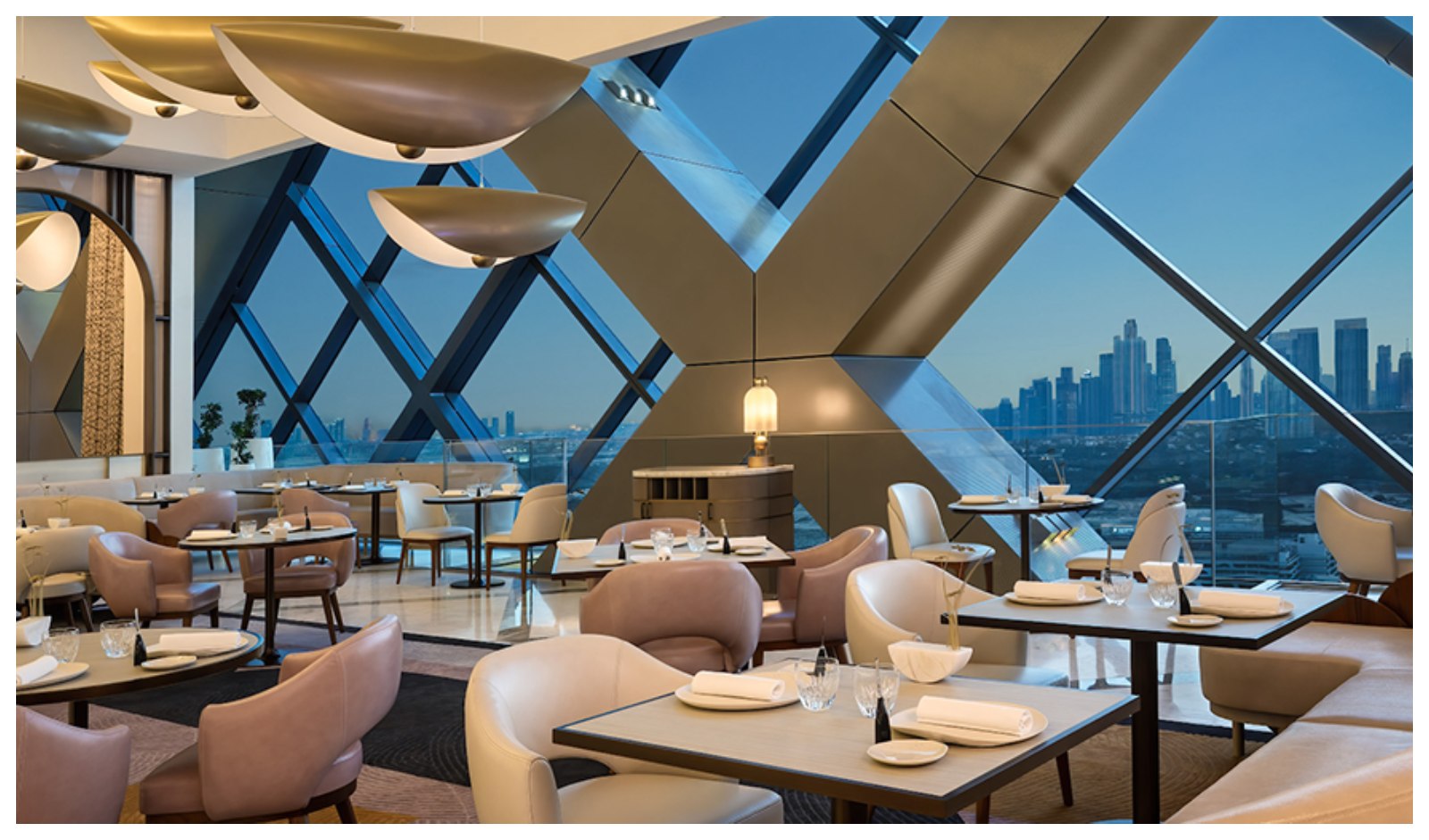
It boasts of an Iconic design with one of the tallest bar displays in Asia.

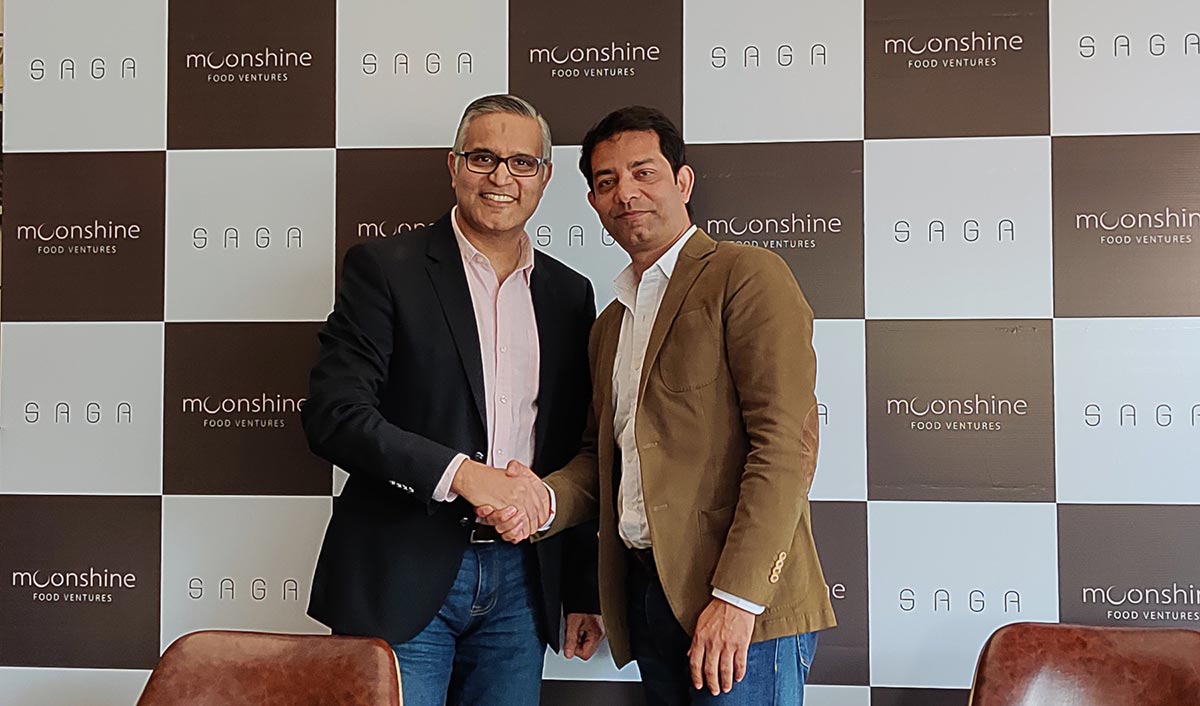
Michelin Star Chef Atul Kochhar announced his mega comeback to India with Saga.
He has partnered with seasoned Indian restaurateur Vishal Anand to open the restaurant at Golf Course Road in Gurgaon.
Together they are curating an experiential fun dining restaurant named SAGA which will be a 175 seater spread over 2 levels & Alfresco.
It boasts of an Iconic design with one of the tallest bar displays in Asia.
ALSO READ: Where Fine Dining Meets Fun Dining
“I am truly excited on my association with SAGA and Vishal Anand. I aim to provide SAGA with a menu that would match the ambience. Experiential fun dining is the theme at SAGA and my menu would just provide that,” added Kochhar who was first Indian chef to win michelin star for his restaurant Tamarind in UK.
During a press meet organised recently at Farzi Cafe, Aerocity, Delhi, he announced the launch of his new restaurant.
“I am truly delighted to associate with globally acclaimed Chef Atul Kochhar for SAGA. SAGA means stories & we will have some great stories to share around the Cuisines of India,” added Vishal Anand, Partner, Moonshine Food Ventures for whom SAGA is an amalgamation of iconic design, finest food and beverage and wholesome entertainment.
The restaurant also promises to lift the dining experience in NCR.
“The idea is to communicate the history behind each and every dish we serve. We are picking up food from various regions across the country. And, we are modernizing it a bit and then presenting it,” Anand added further.
The restaurant will also have an evolving menu every 4 or 6 months. We are launching saga somewhere around in the month of May.
Kochhar, earlier opened two restaurants in Mumbai namely; NRI-Not Really Indian and Lima in Mumbai’s one of the most popular hub BKC. But his restaurants failed to survive and Was permanently closed last year.
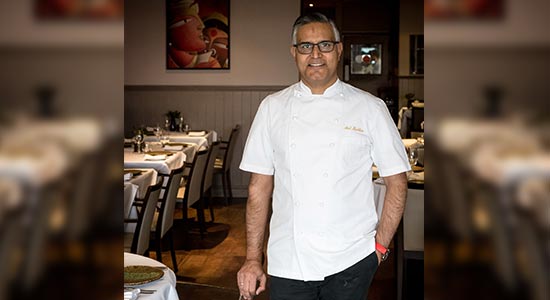
He has always believed in adding fun element to his dining. In an earlier interview to Restaurant India, Kochhar was quoted saying, “I have done fine dine restaurants plenty of time and I really want to have fun with food now so have come up with a cuisine which is light, easy and fits the bill. I am more into fun dining than into fine dining.”
Whereas, Vishal Anand is already running one of the finest restaurant in the city Saints N Sinners and is also franchise owner of Zorawar Kalra’s much acclaimed modern Indian restaurant and bar- Farzi Café.
Nusra
Consultant Associate Editor
A seasoned journalist with more than a decade experience in restaurant and retail business. I eat, drink, breathe and sense food as a source of my living and lifestyle. A foodie by birth and a journalist by choice. I started my career with Hindustan Times doing hard news, moving into features and finally landing myself in a food coma. Love to talk, hear and publish all food stories that makes anyone happy and hearty for more than a decade now. Apart from food, I love reading fiction, helping others and finding joy in little things...