
Restaurant Trends in India 2026: What’s Changing?
Whether it is AI-powered kitchens, premium regional cuisine, sustainable operations, or cloud kitchen expansion, the future of dining in India will belong to brands that balance innovation with authenticity.

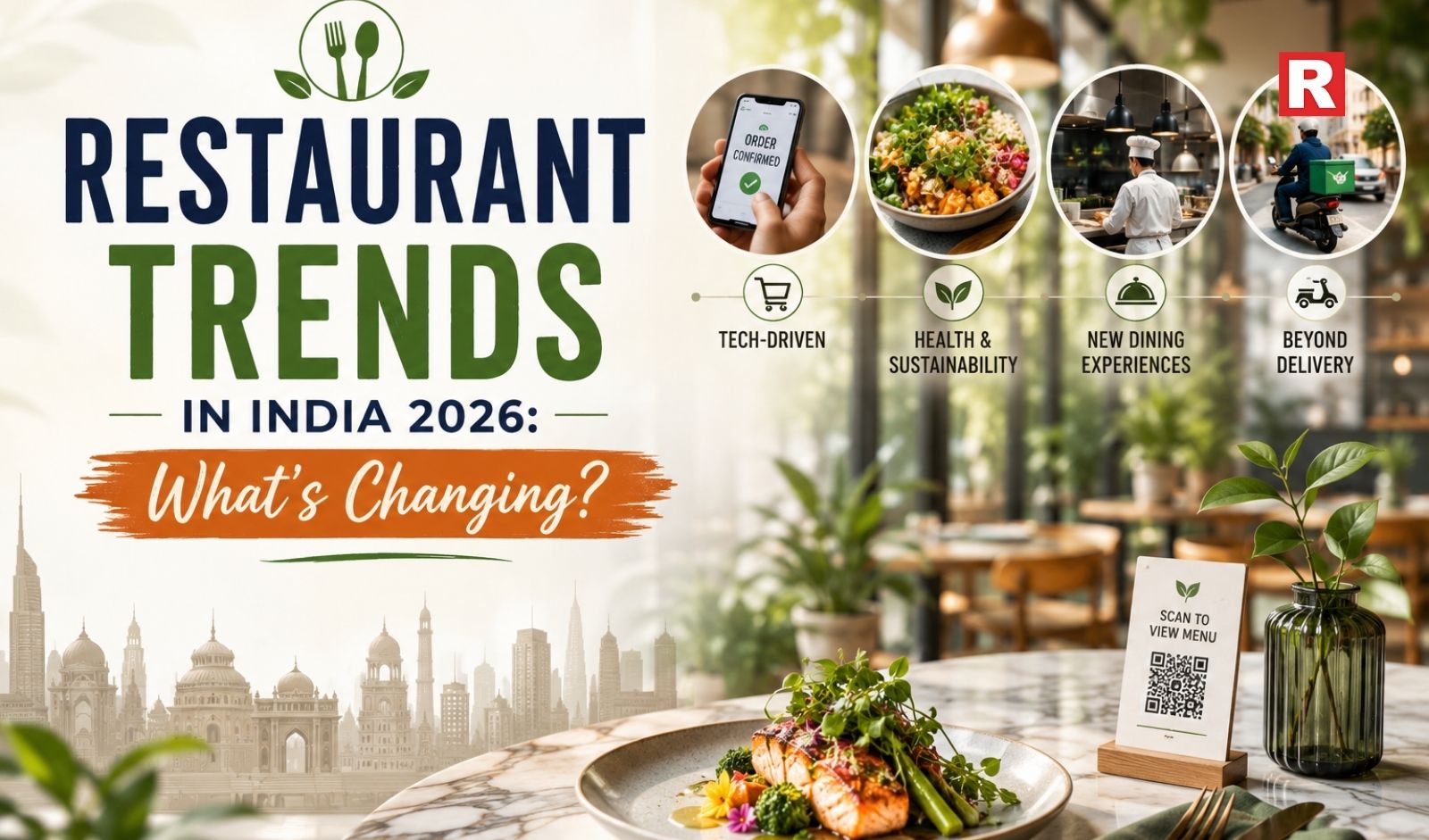
India’s restaurant industry is changing faster than ever before. Going out to eat is no longer only about food. Customers now look for comfort, experience, speed, personalization, and value at the same time. From luxury dining spaces and AI-powered kitchens to cloud kitchens and healthier menus, restaurants across India are entering a completely new phase.
In 2026, the Indian restaurant sector is being shaped by rising consumer expectations, digital transformation, delivery culture, and operational pressure. Restaurants that adapt quickly are becoming stronger brands, while traditional models are struggling to keep up. Industry reports show that technology, sustainability, and experience-focused dining are becoming major growth drivers in the Indian foodservice market.
Dining Is Becoming an Experience, Not Just a Meal
Modern consumers are spending more carefully. People are no longer impressed only by large menus or expensive interiors. They want memorable dining experiences. Restaurants in cities like Mumbai, Bengaluru, Delhi, Hyderabad, and Goa are now focusing on storytelling, mood lighting, live kitchens, chef interactions, tasting menus, and immersive interiors. Customers want places where they can relax, click pictures, spend time, and feel emotionally connected.
Social media has also changed customer behavior. Many diners now discover restaurants through Instagram reels, food creators, and customer-generated content. Because of this, restaurants are investing heavily in visual presentation and unique interiors. Industry experts say restaurants are slowly becoming lifestyle destinations instead of simple food outlets.
AI and Automation Are Entering Restaurant Operations
Artificial intelligence is no longer limited to large chains. Even small cafés and cloud kitchens are now using affordable technology tools.
Restaurants are using AI for:
- inventory tracking
- demand forecasting
- menu planning
- customer insights
- waste reduction
- sales prediction
Modern POS systems can now predict which dishes may sell more on weekends, identify slow-moving menu items, and help restaurants reduce food wastage. Reports suggest AI-powered analytics can improve forecasting accuracy significantly while helping restaurants manage margins better. Professional kitchens are also using automation for repetitive work. Machines are helping with bulk preparation, kitchen efficiency, and consistency in high-volume restaurants. However, chefs still remain central to creativity and taste. For restaurant owners, this shift is important because rising food costs, labor shortages, and increasing competition are forcing businesses to operate more efficiently.
Cloud Kitchens Are Growing Beyond Delivery-Only Models
Cloud kitchens continue to grow rapidly across India. What started as low-cost delivery setups has now evolved into a serious business model. Many operators now run multiple virtual brands from a single kitchen. A single facility may operate separate brands for biryani, Chinese food, desserts, healthy meals, and beverages at the same time.
The biggest advantage of cloud kitchens is scalability. Businesses save money on premium real estate, dining space, furniture, and front-end staff. At the same time, they can enter multiple local markets faster.
However, the model also comes with challenges. Heavy dependence on food delivery platforms and rising commission costs are becoming major concerns for operators. Many restaurant founders now believe direct ordering, subscription meals, and loyalty programs will become important for long-term profitability. Interestingly, Tier-2 cities are also seeing growing demand for cloud kitchens because of increasing online food ordering and changing lifestyles.
Sustainability Is Becoming a Business Requirement
Sustainability is no longer just a marketing concept. Consumers now actively notice how restaurants source ingredients, manage waste, and package food.
Restaurants are adopting:
- biodegradable packaging
- local sourcing
- seasonal ingredients
- zero-waste practices
- digital menus
- inventory optimization systems
Industry reports show that restaurants are increasingly building transparent supply chains to improve quality and reduce waste. Food wastage remains a serious challenge in India, and technology is helping restaurants manage procurement more efficiently. Many premium restaurants are also highlighting farm-to-table concepts and local ingredient sourcing as part of their branding strategy. This shift is especially visible among younger urban consumers who prefer environmentally responsible businesses.
Indian Regional Cuisine Is Entering a Premium Phase
One of the biggest changes in 2026 is the rise of regional Indian cuisine in modern dining spaces. Restaurants are moving beyond generic North Indian and Chinese menus. Consumers are now exploring hyper-regional dishes, forgotten recipes, local ingredients, and traditional cooking techniques. Millet-based dishes, coastal cuisine, regional thalis, tribal food concepts, and local fermentation methods are gaining popularity. Chefs are proudly showcasing India’s culinary diversity in a more refined and modern format. This trend is also helping restaurants create stronger identities in a crowded market. Instead of copying global formats, many brands are building unique concepts around Indian food heritage. At the same time, health-conscious consumers are appreciating traditional Indian ingredients because of their nutritional value.
Health-Focused Dining Is Expanding Rapidly
Indian consumers are becoming more health-aware after the pandemic years. Restaurants are responding by offering cleaner, lighter, and more transparent menus.
Popular trends include:
- protein-rich meals
- vegan dishes
- gluten-free options
- low-calorie menus
- functional beverages
- millet-based recipes
- sugar-free desserts
Consumers are now reading ingredient labels, asking questions about sourcing, and paying attention to nutrition. Healthy eating is no longer limited to niche cafés. Even mainstream restaurant chains are redesigning menus to match changing preferences. Experts believe balanced indulgence will shape future dining behavior. Customers still want comfort food, but they also want healthier ingredients and better quality.
Restaurant Design Is Becoming More Emotional
Restaurant interiors are also changing. Flashy designs are slowly being replaced by warmer and more calming spaces.
Restaurants now focus on:
- earthy colors
- natural lighting
- greenery
- open kitchens
- flexible seating
- smaller intimate spaces
Industry reports suggest visually attractive interiors directly influence customer engagement and social sharing. Many restaurant owners now see design as a business investment instead of only decoration. The goal is to increase customer comfort, longer visits, and repeat dining.
Tier-2 and Tier-3 Cities Are Fueling Industry Growth
The next wave of restaurant growth in India is increasingly coming from Tier-2 and Tier-3 cities rather than traditional metro markets. Cities such as Indore, Jaipur, Lucknow, Surat, Chandigarh, Coimbatore, Kochi, and Bhubaneswar are witnessing strong demand for cafés, cloud kitchens, and casual dining formats as consumers increasingly spend on lifestyle and dining experiences. For restaurant brands, these emerging cities offer faster scalability and access to aspirational middle-class consumers seeking premium dining experiences. As a result, several national and regional chains are aggressively expanding their footprint beyond major metropolitan markets.
Key growth drivers include:
- Rising disposable income and higher spending capacity
- Expansion of malls, high streets, and commercial hubs
- Growth of digital payments and food delivery platforms
- Social media influence driving food trends and café culture
- Lower rentals and operational costs compared to metro cities
Data-Driven Restaurants Will Lead the Future
Restaurants in 2026 are becoming highly data-driven, with technology playing a major role in improving operations and customer experience. Modern POS systems and restaurant analytics platforms now help businesses track peak ordering hours, customer spending habits, repeat visits, dish performance, and inventory usage in real time. Restaurants are also studying customer reviews and feedback to understand changing preferences and improve service quality.
This data allows operators to identify high-profit menu items, reduce food wastage, manage stock more efficiently, and create personalized offers for loyal customers. Many brands are also using predictive analytics to forecast demand during weekends, festivals, and special events. According to hospitality industry experts, restaurants that successfully combine technology, operational efficiency, and personalized hospitality are expected to lead the next phase of growth in India’s competitive foodservice industry.
Road Ahead
India’s restaurant industry in 2026 is moving toward a smarter, more experience-focused future. Restaurants are no longer competing only on taste. They are competing on technology, customer experience, sustainability, design, convenience, and emotional connection. The businesses that succeed will be the ones that understand changing consumer behavior and adapt quickly. Whether it is AI-powered kitchens, premium regional cuisine, sustainable operations, or cloud kitchen expansion, the future of dining in India will belong to brands that balance innovation with authenticity.
Saptopriya Ghosal
Feature Writer
I am a dedicated media professional with a bachelor's degree in mass communication from the State University of Calcutta and a postgraduate degree from Amity University. My academic journey has equipped me with a profound understanding of storytelling and communication. Passionate about the dynamic world of media, I continually strive to explore new ways to engage and inform through compelling narratives.



































































